
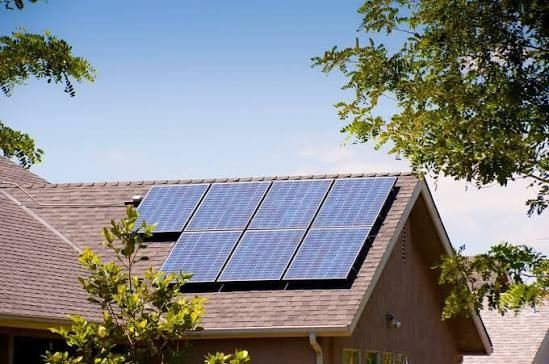
Residential solar installation in Uganda is becoming an increasingly popular solution for homeowners looking to reduce electricity expenses, improve power reliability and embrace renewable energy. With the growing demand for dependable electricity in homes, solar power offers a practical way to supplement or replace conventional grid electricity.
Whether you are constructing a new house, upgrading an existing electrical system or looking for a reliable backup power solution, installing a residential solar system can provide long-term value when properly designed and installed.
However, choosing the right solar system requires careful consideration of several factors, including household electricity consumption, solar panel capacity, battery storage, inverter specifications, installation costs and equipment quality.
At Daltrevco, we understand the importance of reliable electrical installations and modern energy solutions for residential properties. This guide explores everything homeowners need to know about residential solar installation in Uganda, including costs, benefits, system types, installation procedures and important considerations when choosing a solar power system.
What Is Residential Solar Installation?
Residential solar installation is the process of designing and installing a solar power system that generates electricity for use in a home. The system uses photovoltaic (PV) solar panels to capture sunlight and convert it into electrical energy.
The electricity generated can be used immediately to operate household appliances, stored in batteries for later use or integrated with the national electricity grid, depending on the type of solar system installed.
Residential solar power systems can supply electricity for:
- Indoor and outdoor lighting.
- Refrigerators and freezers.
- Televisions and entertainment systems.
- Computers and internet equipment.
- Washing machines and selected household appliances.
- Water pumps and security systems.
- CCTV cameras and electric gates.
- Home office equipment.
A properly designed solar installation can provide a dependable electricity supply while helping homeowners manage their energy consumption and reduce reliance on conventional electricity.
Types of Residential Solar Power Systems
Before installing solar panels, homeowners should understand the different types of residential solar systems available. Each system has different capabilities, costs and applications.
1. Off-Grid Solar Systems
An off-grid solar system operates independently of the national electricity grid. It generates electricity using solar panels and stores excess energy in batteries for use at night or during periods of insufficient sunlight.
Off-grid solar systems are suitable for:
- Homes located in areas without reliable grid electricity.
- Rural properties and remote residential developments.
- Holiday homes and countryside residences.
- Homeowners seeking greater electricity independence.
These systems require sufficient solar panel capacity and battery storage to meet household electricity requirements throughout the day and night.
2. Grid-Tied Solar Systems
A grid-tied solar system is connected to the national electricity grid. Solar panels generate electricity during daylight hours, reducing the amount of electricity a household needs to purchase from the grid.
These systems are suitable for homes with reliable grid connections that want to reduce daytime electricity consumption.
However, conventional grid-tied systems normally shut down during electricity outages for safety reasons unless specifically designed with approved backup functionality.
3. Hybrid Solar Systems
Hybrid solar systems combine solar panels, battery storage and grid electricity. They allow homeowners to use solar energy during the day, store excess electricity in batteries and draw power from the national grid when necessary.
Hybrid systems are particularly useful for Ugandan households experiencing electricity interruptions and looking for both energy savings and backup power.
They can supply electricity to essential household appliances during outages, depending on the inverter capacity, battery size and system configuration.
For many homeowners in Uganda, hybrid solar systems are worth considering because they combine solar energy generation, battery backup and grid connectivity. However, the best system depends on household consumption, budget and electricity requirements.
Main Components of a Residential Solar Power System
A residential solar installation consists of several interconnected components that work together to generate, convert, store and distribute electricity.
Understanding these components helps homeowners make informed decisions when purchasing and installing solar equipment.
1. Solar Panels
Solar panels capture sunlight and convert it into direct current (DC) electricity. They are usually installed on rooftops or suitable ground-mounted structures where they receive sufficient sunlight.
The number and capacity of solar panels required depend on household electricity consumption, available installation space and expected daily solar energy production.
2. Solar Inverter
A solar inverter converts direct current electricity generated by solar panels or stored in batteries into alternating current (AC) electricity used by household appliances.
The inverter also manages electricity distribution between solar panels, batteries and the national grid in systems designed for hybrid operation.
Choosing an appropriately sized inverter is essential for reliable system performance.
3. Solar Batteries
Solar batteries store electricity generated during daylight hours for use at night or when solar production is insufficient.
Common battery options include:
- Lithium-ion batteries, particularly lithium iron phosphate (LiFePO4).
- Lead-acid batteries.
- Gel batteries.
Lithium batteries are increasingly popular because of their high usable capacity, efficiency and generally longer cycle life. However, the best option depends on system requirements, budget and manufacturer specifications.
4. Solar Charge Controller
A solar charge controller regulates electricity flowing from solar panels into batteries. It helps prevent battery overcharging and protects battery performance.
Modern solar installations commonly use Maximum Power Point Tracking (MPPT) technology to improve energy harvesting from solar panels.
5. Solar Panel Mounting Structures
Mounting structures secure solar panels to rooftops or ground installations. They must be strong enough to withstand wind, rain and other environmental conditions.
Proper mounting ensures that solar panels remain secure and are positioned at suitable angles for effective sunlight exposure.
6. Electrical Protection and Wiring
A safe residential solar installation requires correctly rated electrical cables, circuit breakers, isolators, fuses, surge protection devices and appropriate earthing arrangements.
These components protect the system against electrical faults, overloads, short circuits and voltage surges.
Residential Solar Installation Costs in Uganda
One of the most important considerations when planning residential solar installation is the total project cost.
The cost of installing solar panels in Uganda varies depending on system capacity, equipment quality, battery storage requirements, installation complexity and household electricity consumption.
A small solar system designed to power essential household appliances will generally cost less than a comprehensive residential installation capable of operating multiple high-power appliances.
Factors That Determine Residential Solar Installation Costs
1. Solar System Capacity
The capacity of the solar system is one of the biggest factors affecting installation costs.
A household that needs electricity for lighting, television, refrigeration and internet equipment may require a smaller system than a large home with multiple refrigerators, washing machines, water pumps and air-conditioning units.
Larger systems require more solar panels, bigger inverters and additional electrical equipment.
2. Solar Panel Quality and Quantity
Solar panels are available in different capacities, technologies and quality grades. The number of panels required depends on the household’s electricity consumption and the expected daily solar energy production.
Higher-quality panels from reputable manufacturers may have a higher initial purchase price but can provide better long-term reliability.
3. Battery Storage Capacity
Battery storage can significantly influence the overall cost of residential solar installation.
A household that wants electricity throughout the night or during extended power outages will need sufficient battery capacity.
Lithium batteries generally have a higher upfront cost than some lead-acid alternatives, but their usable capacity and cycle-life characteristics can make them a worthwhile long-term investment.
4. Inverter Capacity and Technology
The inverter must support the electrical load of the household. Homes operating several appliances simultaneously may require a higher-capacity inverter.
Hybrid inverters with battery management, grid integration and advanced monitoring features may also cost more than basic inverter models.
5. Roof Condition and Installation Requirements
The condition and design of the roof can affect installation expenses.
Important factors include:
- Roof size and available installation space.
- Roof material and structural strength.
- Accessibility and installation height.
- Panel mounting requirements.
- Shading from trees and nearby buildings.
- Distance between solar panels, batteries and the inverter.
Where additional structural support or roof modifications are required, installation costs may increase.
6. Electrical Wiring and Protection Equipment
A complete solar installation requires correctly rated wiring and suitable electrical protection devices.
Additional distribution boards, isolators, surge protection systems, earthing arrangements and cable routes can influence the total project budget.
7. Installation Labour and Transportation
Professional installation costs depend on project complexity, location, labour requirements and transportation of equipment.
Properties outside major towns may incur additional transportation and logistical expenses.
How to Budget for Residential Solar Installation
There is no single standard price for every residential solar installation in Uganda. Smaller residential packages may start at a few million Uganda shillings, while larger systems with substantial battery storage and higher inverter capacities can cost considerably more.
Homeowners should request a detailed quotation that specifies:
- Solar panel brands, quantities and capacities.
- Inverter brand, model and rating.
- Battery technology and usable storage capacity.
- Mounting structures and installation materials.
- Electrical protection and wiring.
- Installation labour and transportation.
- Testing and commissioning.
- Warranty and after-sales support.
A professional site assessment is the best way to determine the actual cost of installing a residential solar system.
Benefits of Residential Solar Installation
Installing a residential solar power system offers several benefits that make renewable energy an attractive investment for homeowners.
1. Reduced Electricity Bills
One of the main benefits of residential solar installation is the potential to reduce monthly electricity expenses.
Solar panels generate electricity that can be used directly by household appliances, reducing the amount of electricity purchased from the national grid.
The level of savings depends on system capacity, household consumption patterns, solar production and applicable electricity tariffs.
2. Reliable Backup Electricity
Homes with battery-backed solar systems can maintain electricity supply during grid interruptions.
This is particularly beneficial for households that depend on electricity for lighting, refrigeration, internet connectivity, security systems and home office equipment.
A properly sized hybrid system can provide backup power for selected household appliances without relying entirely on a generator.
3. Renewable and Environmentally Friendly Energy
Solar energy is a renewable source of electricity that does not require burning fossil fuels during normal operation.
Using solar power can help reduce household dependence on conventional electricity generation and lower the operational carbon footprint of a property.
4. Long-Term Energy Savings
Although residential solar installation requires an initial investment, the system can generate electricity for many years.
Quality solar panels are generally designed for long operating lives, with manufacturers commonly offering long-term performance warranties.
When properly maintained, a residential solar system can provide long-term financial benefits through reduced electricity purchases.
5. Improved Energy Independence
Solar power gives homeowners greater control over their electricity supply.
Instead of relying entirely on the national grid, households can generate and store some of their own electricity.
This can be particularly valuable in remote areas where grid electricity is unavailable or expensive to extend.
6. Increased Property Appeal
A professionally installed solar system can make a residential property more attractive to buyers who value energy efficiency, backup electricity and lower operating expenses.
Solar installations can also improve the appeal of modern residential developments, rental properties and homes designed with sustainable features.
7. Suitable for Different Residential Properties
Solar power systems can be installed in different types of residential properties, including:
- Detached family homes.
- Apartments and residential complexes.
- Rental properties.
- Country homes and rural residences.
- Luxury residential developments.
- Staff accommodation and residential estates.
The system must be designed according to the electrical requirements and physical characteristics of each property.
Important Considerations Before Installing a Residential Solar System
Before investing in solar energy, homeowners should evaluate several technical and financial factors to ensure that the installation meets their requirements.
1. Assess Household Electricity Consumption
Start by determining how much electricity your home uses.
Review previous electricity bills and identify the appliances that consume the most power.
Important considerations include:
- Number of lights and their operating hours.
- Refrigerator and freezer consumption.
- Television and entertainment equipment.
- Computers and internet equipment.
- Washing machines and water pumps.
- Air conditioners and other high-power appliances.
An accurate load assessment helps determine the appropriate solar panel capacity, inverter rating and battery storage requirements.
2. Determine Your Backup Power Requirements
Not every household needs to power every appliance during an electricity outage.
Some homeowners only need backup power for lighting, refrigeration, internet equipment and security systems.
Others may require enough capacity to operate larger appliances.
Identifying essential appliances helps determine the battery size and reduces unnecessary investment in oversized systems.
3. Evaluate Roof Orientation and Sunlight Exposure
Solar panels require adequate exposure to sunlight to generate electricity efficiently.
Before installation, assess:
- Available rooftop space.
- Roof orientation and suitable panel positioning.
- Potential shading from trees and buildings.
- Roof condition and structural strength.
- Drainage and access for maintenance.
Shading can significantly reduce solar energy production, particularly when it affects multiple panels.
4. Choose Quality Solar Equipment
The quality of solar equipment directly affects system reliability, performance and maintenance requirements.
When selecting solar panels, batteries and inverters, consider:
- Manufacturer reputation.
- Product certifications and quality standards.
- Equipment compatibility.
- Product and performance warranties.
- Availability of replacement parts.
- Local technical support.
Avoid purchasing equipment based only on the lowest advertised price.
5. Consider Future Electricity Requirements
Household electricity consumption may increase over time as homeowners add new appliances, extend buildings or introduce additional electrical equipment.
Consider future requirements when selecting the inverter, battery storage and solar panel capacity.
A system designed with appropriate expansion options can reduce the cost of future upgrades.
6. Understand Solar Equipment Warranties
Different solar components have different warranty conditions.
Before purchasing, confirm:
- Solar panel product and performance warranties.
- Inverter warranty and service conditions.
- Battery warranty and cycle-life specifications.
- Installation workmanship warranty.
- Availability of technical assistance.
Always request written warranty documentation and understand the conditions that may affect warranty coverage.
7. Ensure Proper Electrical Safety
Solar installations involve DC and AC electrical circuits that must be correctly designed and protected.
Ensure the installation includes appropriate circuit breakers, isolators, surge protection, earthing, cable sizing and battery safety provisions.
The work should be carried out by appropriately qualified and authorised electrical professionals.
8. Check Applicable Regulations and Approvals
Homeowners should confirm applicable regulatory requirements before installing grid-connected solar equipment.
Uganda’s Electricity Regulatory Authority provides information on electrical installation permits and regulatory requirements.
For systems that export electricity to the national grid, applicable net metering requirements and approval arrangements should be confirmed before installation.
The Residential Solar Installation Process
A successful residential solar installation requires proper planning, technical assessment and professional execution.
The following are the main stages involved.
Step 1: Initial Site Assessment
The process begins with an assessment of the property to determine its suitability for solar installation.
The installer examines the roof, available space, electrical distribution system, potential shading and household energy requirements.
Step 2: Electricity Load Assessment
The installer identifies the appliances that need to operate using solar energy and calculates their expected electricity consumption.
This assessment helps determine the required solar panel capacity, inverter rating and battery storage.
Step 3: Solar System Design
After the assessment, the installer develops a system design that specifies the required equipment and installation arrangement.
The design should include:
- Solar panel quantity and capacity.
- Inverter size and specifications.
- Battery type and storage capacity.
- Mounting structures.
- Electrical wiring and protection.
- System configuration and expected performance.
Step 4: Equipment Selection and Procurement
Suitable solar equipment is selected based on the approved design and project budget.
Homeowners should confirm that the solar panels, inverter, batteries and protection equipment are compatible.
Step 5: Solar Panel Mounting
The installation team prepares the roof or mounting area and secures the solar panels using appropriate mounting structures.
Panels must be positioned to maximise sunlight exposure while maintaining structural safety.
Step 6: Inverter and Battery Installation
The inverter and batteries are installed in suitable locations with appropriate ventilation, protection and accessibility.
Battery installations must follow the manufacturer’s safety and operating requirements.
Step 7: Electrical Connections and Protection
The installer connects the solar panels, inverter, batteries and household distribution system.
All connections must follow the approved design and applicable electrical safety requirements.
Step 8: Testing and Commissioning
The completed installation is inspected and tested to verify that all components operate correctly.
Testing should cover electrical connections, protective devices, battery charging, inverter operation and the transfer between available power sources where applicable.
Step 9: Handover and User Guidance
After commissioning, the homeowner should receive operating instructions, equipment documentation and warranty information.
The installer should explain system monitoring, battery management, maintenance requirements and procedures to follow when a fault occurs.
Common Mistakes to Avoid During Residential Solar Installation
Even a high-quality solar system can perform poorly when incorrectly selected or installed. Homeowners should avoid the following mistakes.
1. Choosing a Solar System Without Assessing Electricity Consumption
Purchasing a solar system without calculating household energy requirements can result in insufficient electricity generation and inadequate battery storage.
2. Buying Cheap, Low-Quality Equipment
Low-cost solar panels, batteries and inverters may have shorter operating lives, poor performance or limited warranty support.
3. Installing Undersized Batteries
Insufficient battery storage can cause power shortages during the night or extended electricity interruptions.
4. Ignoring Roof Shading
Installing panels where trees, buildings or other structures block sunlight can reduce energy production.
5. Using Incorrect Electrical Wiring
Poor cable sizing, weak connections and inadequate protection can create electrical hazards and reduce system efficiency.
6. Failing to Provide Proper Earthing and Surge Protection
A solar installation must include appropriate protection against electrical faults and transient voltage surges.
7. Ignoring Maintenance Requirements
Solar panels, batteries, inverters and electrical connections require periodic inspection to maintain safe and reliable operation.
8. Hiring Unqualified Installers
Poor installation workmanship can compromise system performance, equipment warranties and electrical safety.
Residential Solar System Maintenance
Regular maintenance helps protect your investment and ensures that the solar system continues operating efficiently.
Although solar panels generally require limited maintenance, other system components need periodic attention.
Important maintenance practices include:
- Cleaning solar panels when dust and dirt accumulate.
- Inspecting mounting structures for corrosion or damage.
- Checking electrical connections for signs of overheating or deterioration.
- Monitoring inverter performance and system alerts.
- Inspecting battery condition and charging performance.
- Checking circuit breakers, isolators and surge protection devices.
- Removing vegetation or objects that create shading.
- Arranging professional inspections when necessary.
Battery maintenance should follow the manufacturer’s recommendations. Lithium batteries generally use an integrated battery management system and should not be opened or serviced by unqualified personnel.
How to Choose the Best Residential Solar Installation Company in Uganda
Choosing the right solar installation company is essential for obtaining a safe, reliable and cost-effective system.
Before engaging a contractor, consider the following factors.
1. Technical Experience
Choose an installer with practical experience in residential solar installations and electrical systems.
Ask about previous projects involving properties with similar electricity requirements.
2. Appropriate Qualifications and Permits
Verify that the professionals undertaking electrical installation work have the appropriate qualifications and permits for the work involved.
3. Quality of Equipment
The installer should provide clear information about the solar panels, batteries, inverters and electrical protection equipment being supplied.
4. Detailed Quotations
A professional quotation should clearly indicate:
- Solar panel specifications and quantities.
- Inverter brand, model and capacity.
- Battery technology and usable storage capacity.
- Mounting structures and installation materials.
- Electrical protection and wiring.
- Installation labour and transportation.
- Testing and commissioning.
- Warranty and after-sales support.
5. After-Sales Support
Solar systems may require troubleshooting, repairs, upgrades and replacement of components over time.
Choose a company that can provide reliable technical support and maintenance services after installation.
6. Transparent Project Costs
Compare quotations from different qualified installers. Do not evaluate companies based on price alone.
Consider equipment quality, system capacity, installation standards, warranty conditions and the complete scope of work.
Is Residential Solar Installation Worth the Investment in Uganda?
Residential solar installation can be a worthwhile investment for Ugandan homeowners, particularly those experiencing high electricity expenses, unreliable power supply or limited access to the national grid.
The financial value of solar depends on several factors, including:
- Initial installation costs.
- Household electricity consumption.
- Electricity tariffs.
- Solar energy production.
- Battery replacement requirements.
- Equipment lifespan and maintenance expenses.
- The amount of electricity consumed directly from the solar system.
Homeowners should evaluate the total cost of ownership rather than focusing only on the initial purchase price.
A properly designed system can reduce dependence on grid electricity, provide backup power and deliver long-term energy savings.
However, solar power is not automatically cheaper for every household. A professional energy assessment and realistic financial evaluation help determine whether the proposed installation offers sufficient value.
Frequently Asked Questions About Residential Solar Installation
How much does residential solar installation cost in Uganda?
Residential solar installation costs vary depending on system capacity, battery storage, equipment quality and installation requirements. Smaller systems generally cost less, while comprehensive installations with substantial battery storage and higher inverter capacities require a larger investment. A site assessment is necessary to establish the actual cost.
How many solar panels does a house need?
The number of solar panels depends on household electricity consumption, panel wattage, available sunlight and the required daily energy production. A professional installer should calculate the appropriate number based on an electricity load assessment.
Can solar panels power an entire house?
Yes. A properly designed residential solar system can supply electricity to an entire home. However, the system must have sufficient solar generation, inverter capacity and battery storage to support the household’s electrical loads.
Can residential solar systems work during power outages?
Yes, provided the system includes suitable battery backup and an inverter designed to supply electricity during grid interruptions. Conventional grid-tied systems without backup functionality generally shut down during outages.
How long do residential solar panels last?
Many quality solar panels are designed to operate for 25 years or longer, although their electricity production gradually decreases over time. Actual lifespan depends on manufacturing quality, installation conditions and maintenance.
Are lithium batteries suitable for residential solar systems?
Yes. Lithium iron phosphate batteries are commonly used in residential solar systems because they offer high usable capacity, good efficiency and long cycle life. Their suitability depends on compatibility with the inverter and household energy requirements.
Do solar panels work during cloudy or rainy weather?
Yes. Solar panels can still generate electricity during cloudy weather, but their output is generally lower than during periods of strong sunlight. Adequate system sizing and battery storage help manage variations in solar production.
Can I add more solar panels to an existing system?
In many cases, additional panels can be installed. However, the inverter capacity, charge controller, battery configuration, electrical protection and existing system design must be checked before expansion.
Does residential solar installation require maintenance?
Yes. Solar panels should be kept reasonably clean, while batteries, inverters, electrical connections and protection equipment should be inspected according to the manufacturer’s recommendations.
Is solar power suitable for rural homes in Uganda?
Yes. Solar power is particularly useful for rural properties where access to reliable grid electricity may be limited. An appropriately designed off-grid or hybrid system can provide electricity for household lighting, refrigeration, communication and other essential appliances.
Conclusion: Invest in Professional Residential Solar Installation
Residential solar installation offers Ugandan homeowners an opportunity to reduce electricity expenses, improve power reliability and embrace renewable energy. With the right combination of solar panels, batteries, inverters and electrical protection equipment, a solar power system can provide dependable electricity for many household applications.
However, achieving these benefits requires proper system sizing, quality equipment, professional installation and regular maintenance. Homeowners should assess their electricity consumption, determine their backup requirements, compare equipment specifications and work with qualified solar installation professionals before making an investment.
Whether you are installing solar power in a new home, upgrading an existing electrical system or looking for a reliable backup electricity solution, professional planning is essential for achieving long-term performance and safety.
Daltrevco provides building and electrical solutions designed to meet modern property requirements in Uganda. Contact Daltrevco to discuss your residential electrical and solar installation requirements and explore a solution suited to your property.

