
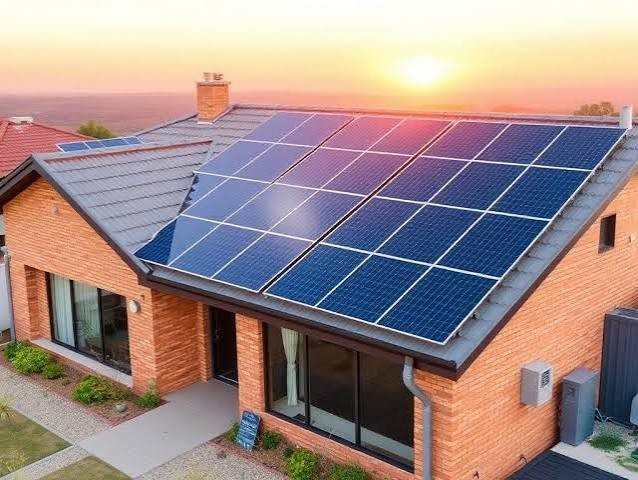
Choosing the right solar system for your home or business in Uganda is an important investment that can reduce electricity bills, improve power reliability and provide a dependable source of renewable energy. With increasing demand for electricity and the need for reliable backup power, solar energy has become an effective solution for homeowners, commercial property owners and businesses seeking better control over their energy consumption.
However, selecting the best solar system involves more than purchasing solar panels, batteries and an inverter. The system must be carefully designed according to your electricity consumption, power requirements, property size, operating hours, budget and future energy needs.
An undersized solar system may fail to power essential appliances, while an oversized installation can increase the initial investment without providing corresponding benefits. Choosing the wrong inverter, inadequate battery storage or incompatible equipment can also affect system performance and reliability.
Whether you are installing solar power in a residential home, office, hotel, supermarket, school, factory or commercial building, understanding the available solar technologies and their requirements is essential.
At Daltrevco, we recognise the importance of reliable electrical installations and modern energy solutions for residential and commercial properties. This comprehensive guide explains how to choose the right solar system for your home or business in Uganda, including solar system types, panel capacity, battery storage, inverter selection, installation costs and important factors to consider before investing.
1. Assess Your Electricity Consumption Before Choosing a Solar System
The first and most important step in choosing the right solar system is understanding how much electricity your property consumes. A properly designed solar installation should meet your actual energy requirements rather than relying on assumptions about the number of rooms, appliances or electrical equipment.
Residential and commercial properties have different electricity consumption patterns. A family home may primarily use electricity for lighting, refrigeration, entertainment systems and household appliances. An office may require power for computers, printers, air conditioning, internet equipment and lighting. Industrial facilities may have significantly higher requirements because of machinery, production equipment and electrical motors.
Before selecting a solar system, examine your electricity bills and identify the appliances and equipment that consume the most power.
Important factors to assess include:
- Total electricity consumption in kilowatt-hours (kWh).
- Number and type of electrical appliances.
- Power rating of individual appliances.
- Daily operating hours of each appliance.
- Appliances that operate simultaneously.
- Daytime and nighttime electricity consumption.
- Essential equipment that must remain operational during power outages.
- Expected future increases in electricity demand.
How to Calculate Your Daily Electricity Consumption
Electricity consumption is measured in kilowatt-hours (kWh). Calculating the daily consumption of major appliances helps determine the solar generation and storage capacity required.
The basic calculation is:
Daily Energy Consumption = Appliance Power (kW) × Operating Hours
For example, a 100-watt appliance operating for 10 hours consumes:
0.1 kW × 10 hours = 1 kWh per day.
If several appliances are used throughout the day, their individual energy consumption should be added to estimate the property’s total daily electricity requirements.
For commercial buildings, the assessment should also account for equipment operating schedules, peak demand, motor starting currents and seasonal variations in electricity consumption.
A professional energy assessment provides a more accurate basis for selecting the appropriate solar panel capacity, inverter rating and battery storage.
2. Choose the Right Type of Solar Power System
One of the most important decisions when selecting a solar installation is determining whether an off-grid, grid-tied or hybrid solar system is appropriate for your property.
Each system operates differently and is suitable for specific electricity requirements.
A. Off-Grid Solar Systems
An off-grid solar system operates independently of the national electricity grid. It generates electricity through solar panels and stores excess energy in batteries for use at night or during periods when sunlight is insufficient.
Off-grid solar systems are particularly suitable for:
- Rural homes without access to reliable grid electricity.
- Remote residential properties.
- Farms and agricultural facilities.
- Lodges and tourism establishments.
- Construction sites in areas without grid connections.
- Commercial properties seeking electricity independence.
The main advantage of an off-grid solar system is that it can supply electricity without depending on the national grid.
However, the system must be properly sized to generate sufficient electricity during daylight hours and maintain adequate battery storage for nighttime consumption and periods of reduced sunlight.
B. Grid-Tied Solar Systems
A grid-tied solar system is connected to the national electricity grid. It uses electricity generated by solar panels to supply connected appliances, reducing the amount of electricity purchased from the utility.
During daylight hours, the solar panels generate electricity that can directly support household or business operations.
Grid-tied systems are suitable for:
- Homes with reliable grid connections.
- Corporate offices.
- Retail shops and supermarkets.
- Commercial buildings.
- Schools and educational institutions.
- Businesses with substantial daytime electricity consumption.
One important consideration is that conventional grid-tied inverters normally shut down during grid outages for electrical safety. Battery backup requires an appropriately designed inverter and system configuration.
Where electricity export to the grid is intended, applicable net metering requirements and approvals must be considered.
C. Hybrid Solar Systems
A hybrid solar system combines solar panels, battery storage and grid electricity. It allows users to consume solar-generated electricity, store excess energy in batteries and draw electricity from the national grid when necessary.
Hybrid systems are suitable for:
- Residential properties experiencing electricity interruptions.
- Offices requiring dependable backup power.
- Hotels and hospitality facilities.
- Commercial buildings.
- Retail businesses.
- Properties with significant daytime and nighttime electricity requirements.
The main advantage of hybrid solar systems is their flexibility. They can reduce dependence on grid electricity while providing backup power when the grid supply is interrupted.
For many homes and businesses in Uganda, hybrid systems are worth considering where both energy savings and backup electricity are important.
3. Select the Correct Solar Panel Capacity
Solar panel capacity determines how much electricity your solar system can generate under suitable sunlight conditions. Selecting the appropriate capacity is essential for ensuring that the installation meets your property’s daily energy requirements.
Solar panels are available in different power ratings, including 400W, 450W, 500W and higher-capacity models.
The number of panels required depends on:
- Total daily electricity consumption.
- Individual solar panel wattage.
- Available sunlight and weather conditions.
- Solar panel efficiency.
- Roof orientation and installation angle.
- Shading from nearby trees and buildings.
- Inverter efficiency and other system losses.
- Available installation space.
For example, a small home using electricity mainly for lighting, television and refrigeration will generally require less solar generation capacity than a large property with air conditioners, water pumps and several household appliances.
Similarly, commercial buildings with extensive lighting, office equipment and refrigeration systems may require larger solar installations.
Why Solar Panel Quality Matters
Solar panel quality directly influences electricity generation, durability and long-term performance.
When choosing solar panels, consider:
- Manufacturer reputation.
- Rated power output.
- Module efficiency.
- Product and performance warranties.
- Temperature performance.
- Resistance to environmental conditions.
- Availability of technical support.
High-quality solar panels can provide dependable electricity generation over many years when properly installed and maintained.
Avoid choosing panels based only on their advertised wattage or lowest purchase price. Compare their specifications and warranty conditions before making a decision.
4. Choose an Appropriate Solar Inverter
The solar inverter is one of the most important components of any solar power system. It converts direct current (DC) electricity generated by solar panels and stored in batteries into alternating current (AC) electricity used by most household and commercial appliances.
In hybrid installations, the inverter also manages electricity distribution between solar panels, batteries and the national grid.
Choosing an incorrectly sized inverter can lead to system limitations, equipment overload and unreliable power supply.
Important Factors When Selecting a Solar Inverter
Inverter Capacity
The inverter must have sufficient capacity to support the electrical appliances operating simultaneously.
A home with several refrigerators, water pumps and air conditioners may require a larger inverter than a small residential property.
Commercial buildings with computers, lighting, cooling equipment and other electrical loads also require appropriate inverter sizing.
Surge Capacity
Some electrical appliances, particularly motors, pumps and compressors, require additional starting power.
The inverter must be capable of handling these temporary power demands without shutting down or becoming overloaded.
System Compatibility
Ensure that the inverter is compatible with the selected solar panels, battery technology and other electrical components.
Conversion Efficiency
A high-quality inverter with good conversion efficiency helps reduce energy losses during electricity conversion.
Monitoring and Control Features
Modern solar inverters may include monitoring systems that allow homeowners and business operators to track:
- Solar electricity generation.
- Household or business electricity consumption.
- Battery charging and discharging.
- Grid electricity usage.
- System operating status.
- Fault notifications.
Warranty and Technical Support
Choose an inverter from a reputable manufacturer with clear warranty conditions, accessible technical support and available replacement parts.
5. Determine the Right Solar Battery Storage Capacity
Battery storage is essential for properties that require electricity at night or during grid interruptions. Solar batteries store excess electricity generated during daylight hours for use when solar panels are not producing sufficient power.
Choosing the correct battery capacity helps ensure that essential appliances and business equipment remain operational when required.
Types of Solar Batteries
Lithium-Ion Batteries
Lithium batteries, particularly lithium iron phosphate (LiFePO4), are increasingly popular for residential and commercial solar installations.
Their advantages include:
- High usable energy capacity.
- Good charging and discharging efficiency.
- Long cycle life.
- Compact installation requirements.
- Integrated battery management systems in many products.
They generally have a higher initial purchase price than some traditional battery technologies.
Lead-Acid Batteries
Lead-acid batteries are a traditional energy storage option used in certain solar installations.
They may have a lower initial purchase price, but generally require more maintenance and have a shorter cycle life than suitable lithium alternatives.
Gel Batteries
Gel batteries are sealed lead-acid batteries used in selected solar applications. They offer maintenance advantages compared with conventional flooded lead-acid batteries, although their performance depends on correct charging and operating conditions.
How to Calculate the Required Battery Capacity
Battery capacity is commonly measured in kilowatt-hours (kWh).
For example, if a property requires 5 kWh of usable stored electricity during the night, the battery system must be sized to supply at least that amount after accounting for permitted depth of discharge and system losses.
The required capacity depends on:
- Essential electrical loads.
- Expected backup duration.
- Battery technology.
- Usable depth of discharge.
- Battery efficiency.
- Future energy requirements.
For commercial properties, battery storage should prioritise essential equipment and operations that must continue during electricity interruptions.
Choosing the correct battery capacity prevents unnecessary expenditure while ensuring that sufficient backup electricity is available.
6. Consider Your Backup Power Requirements
Not every property needs to power all appliances during an electricity outage. Before selecting a solar system, determine which electrical equipment must remain operational when the national grid is unavailable.
For residential properties, backup power may be required for:
- Lighting systems.
- Refrigerators and freezers.
- Television and internet equipment.
- Security systems and CCTV cameras.
- Water pumps.
- Selected household appliances.
For commercial properties, backup requirements may include:
- Computers and office equipment.
- Servers and communication systems.
- Security and surveillance equipment.
- Refrigeration systems.
- Point-of-sale systems.
- Essential lighting.
- Selected production machinery.
Identifying critical electrical loads helps determine the inverter capacity and battery storage required.
It can also be more economical to provide backup power for essential circuits rather than attempting to operate every appliance during an outage.
7. Evaluate Your Roof and Available Installation Space
The physical characteristics of your property can significantly influence the design, cost and performance of a solar installation.
Most residential solar systems are installed on rooftops, while commercial installations may use rooftops, carports or ground-mounted structures.
Before installing solar panels, consider the following factors:
Available Installation Space: The available roof or ground area must accommodate the required number of solar panels.
Roof Orientation: Panel positioning should maximise exposure to sunlight throughout the day.
Shading: Trees, neighbouring buildings and other structures can reduce solar panel output.
Roof Condition: The roof should be structurally sound and capable of supporting the additional equipment.
Mounting Structures: Appropriate mounting systems must securely support panels under local environmental conditions.
Maintenance Access: The installation should allow safe access for inspection, cleaning and maintenance.
A professional site assessment helps identify potential installation challenges before equipment is purchased.
8. Understand Solar Installation Costs in Uganda
The cost of installing a solar system in Uganda varies according to system capacity, equipment quality, battery storage, inverter specifications and installation complexity.
A small residential solar system designed for lighting and basic electronics will generally cost less than a larger installation intended to power an entire home or commercial property.
Businesses may require larger systems because of higher electricity consumption, machinery, refrigeration, lighting and air-conditioning requirements.
Factors That Determine Solar Installation Costs
1. Solar Panel Capacity
Larger installations require more solar panels, mounting structures and associated electrical components, increasing the overall project cost.
2. Battery Storage Capacity
Battery technology and usable storage capacity can significantly influence the total investment. Lithium batteries generally have a higher initial cost than some lead-acid alternatives.
3. Inverter Specifications
High-capacity hybrid inverters and advanced monitoring features may increase equipment costs.
4. Electrical Protection Equipment
Circuit breakers, isolators, surge protection devices, earthing systems and distribution equipment are necessary for safe operation.
5. Installation Complexity
Roof height, accessibility, cable distances, structural requirements and electrical modifications can influence labour costs.
6. Equipment Brand and Quality
Solar equipment from reputable manufacturers may have a higher purchase price but can provide better reliability and warranty support.
How to Obtain an Accurate Solar Installation Quotation
Before committing to a solar installation, request a professional assessment and a detailed quotation covering:
- Solar panel capacity, brand and quantity.
- Inverter specifications and capacity.
- Battery type and usable storage capacity.
- Mounting structures and installation materials.
- Electrical cables and protection devices.
- Installation labour and transportation.
- Testing and commissioning.
- Warranty and maintenance arrangements.
Comparing detailed quotations helps you understand what is included and avoid unexpected expenses.
9. Choose a Solar System According to Your Property Type
Different properties have different electricity requirements. The best solar system should be designed according to the activities taking place within the building.
Residential Homes
Residential properties generally require electricity for lighting, refrigeration, entertainment systems, water pumping and household appliances.
A hybrid solar system may be suitable where homeowners want to reduce electricity bills while maintaining backup power during outages.
Offices and Corporate Buildings
Offices use electricity for computers, printers, lighting, air conditioning, internet equipment and communication systems.
Grid-tied and hybrid solar installations can help reduce daytime electricity consumption and improve energy reliability.
Hotels and Lodges
Hotels and lodges often have significant electricity requirements due to guest rooms, lighting, water pumping, refrigeration, kitchens and laundry facilities.
Solar systems can help reduce operating expenses, particularly where significant electricity consumption occurs during daylight hours.
Retail Shops and Supermarkets
Retail businesses require reliable electricity for lighting, refrigeration, payment systems, security equipment and electronic devices.
Solar installations can reduce dependence on grid electricity and support essential business operations when combined with suitable battery storage.
Factories and Industrial Facilities
Factories and industrial properties may require substantial electrical capacity for production machinery, ventilation, lighting, compressors and other equipment.
Industrial solar systems require detailed electrical assessments, load management and appropriate system design to ensure compatibility with operational requirements.
Schools and Educational Institutions
Schools require electricity for classrooms, administration offices, computer laboratories, lighting, communication equipment and other facilities.
Solar power can provide an additional electricity source and support essential school operations.
10. Plan for Future Solar System Expansion
Electricity consumption may increase as a home or business grows.
A residential property may add air conditioners, additional rooms, refrigerators or water pumps. A business may introduce new machinery, additional office equipment or expanded production facilities.
When choosing a solar system, consider whether it can accommodate future expansion.
Important considerations include:
- Whether the inverter supports additional solar panels.
- Whether the battery system can be expanded.
- Whether the electrical distribution system has sufficient capacity.
- Whether available roof space can accommodate additional panels.
- Whether existing equipment is compatible with future upgrades.
Planning for expansion can help avoid expensive system replacements and make future upgrades easier.
11. Prioritise Electrical Safety and Installation Standards
Solar systems involve electrical equipment that must be installed and protected correctly.
Poor installation can result in equipment damage, electrical faults, fire hazards and reduced system performance.
Important safety requirements include:
- Correctly sized DC and AC electrical cables.
- Appropriate circuit breakers and isolators.
- DC and AC surge protection where required.
- Proper earthing and bonding.
- Suitable battery installation and ventilation arrangements.
- Correctly rated solar panel mounting structures.
- Secure electrical connections.
- Proper system testing and commissioning.
For grid-connected installations in Uganda, applicable electrical installation, regulatory and grid connection requirements should be confirmed before work begins.
Always work with appropriately qualified and authorised electrical professionals.
12. Compare Solar Equipment Warranties and After-Sales Support
The quality of the equipment used in a solar installation directly influences performance, reliability and long-term maintenance costs.
Before purchasing solar equipment, examine the warranty conditions and availability of technical support.
Solar Panel Warranties
Check the manufacturer’s product warranty and long-term performance warranty.
Inverter Warranties
Confirm the warranty period, technical support arrangements and availability of replacement parts.
Battery Warranties
Review battery warranty conditions, cycle-life specifications, operating temperature requirements and permitted charging and discharging limits.
Installation Workmanship Warranty
Ensure the installer provides clear documentation covering installation workmanship and applicable service arrangements.
A professional solar installation company should provide equipment specifications, warranty documentation and guidance on system operation and maintenance.
13. Common Mistakes to Avoid When Choosing a Solar System
Choosing an unsuitable solar system can lead to unnecessary expenses, insufficient electricity supply and frequent equipment problems.
Avoid these common mistakes:
1. Buying a Solar System Without Calculating Electricity Consumption
A solar system should be designed according to actual electricity requirements rather than assumptions.
2. Choosing the Cheapest Solar Equipment
Low-quality panels, batteries and inverters may result in poor performance and higher replacement costs.
3. Installing an Undersized Inverter
An inverter that cannot support the required electrical load may fail to operate multiple appliances simultaneously.
4. Underestimating Battery Requirements
Insufficient battery capacity can leave your home or business without electricity during nighttime or extended outages.
5. Ignoring Future Electricity Requirements
A system that only meets current requirements may become inadequate when additional appliances or equipment are introduced.
6. Ignoring Roof Conditions
Poor roof positioning, shading and structural weaknesses can affect installation safety and energy production.
7. Hiring Unqualified Installers
Improper wiring, poor connections and inadequate electrical protection can create serious safety risks.
8. Failing to Plan for Maintenance
Solar panels, inverters, batteries and electrical protection equipment require appropriate inspection and maintenance.
14. Why Professional Solar Installation Matters
Professional solar installation is essential for ensuring that a system operates safely, efficiently and reliably.
A qualified installation team can assess electricity consumption, inspect the property, recommend suitable equipment and develop a system design that meets the required performance standards.
Professional installation helps ensure:
- Correct solar panel positioning.
- Appropriate inverter and battery sizing.
- Compatibility between electrical components.
- Proper cable sizing and connections.
- Effective electrical protection.
- Safe battery installation.
- Proper system testing and commissioning.
- Reliable maintenance and technical support.
For residential and commercial properties, professional installation helps protect the investment and reduce the risk of avoidable electrical problems.
Frequently Asked Questions About Choosing a Solar System
1. What Is the Best Solar System for a Home in Uganda?
The best solar system depends on household electricity consumption, budget, grid availability and backup power requirements. Hybrid systems are worth considering for homes that want both electricity savings and backup power.
2. What Size Solar System Do I Need for My House?
The required system size depends on total daily electricity consumption, appliances being operated, available sunlight, inverter capacity and battery storage requirements. A professional load assessment is necessary to determine the appropriate system capacity.
3. Which Solar System Is Best for a Business?
The best commercial solar system depends on business operations and electricity consumption. Grid-tied systems can suit businesses with reliable electricity connections and substantial daytime consumption, while hybrid systems are useful where battery backup is required.
4. How Many Solar Panels Are Needed to Power a House?
The number of solar panels depends on their individual wattage and the property’s daily electricity requirements. A larger household with several high-power appliances generally requires more solar panel capacity.
5. Are Hybrid Solar Systems Better Than Off-Grid Systems?
Neither system is universally better. Hybrid systems combine solar energy, battery storage and grid electricity, while off-grid systems operate independently of the national grid. The right choice depends on property location, budget and electricity requirements.
6. How Long Can Solar Batteries Provide Electricity?
Battery backup duration depends on battery capacity, usable energy, system efficiency and the appliances being powered. A larger battery can generally support essential appliances for longer periods.
7. Can Solar Power Run Air Conditioners?
Yes. Solar systems can operate air conditioners when the solar panel capacity, inverter rating and battery storage are appropriately designed to support their starting and running power requirements.
8. Is Solar Power Suitable for Commercial Buildings?
Yes. Solar power can be installed in offices, hotels, supermarkets, schools, factories and other commercial properties. System capacity should be determined through a detailed energy assessment.
9. How Much Does It Cost to Install a Solar System in Uganda?
The cost varies depending on solar panel capacity, inverter specifications, battery storage, equipment quality and installation complexity. A professional site assessment and detailed quotation provide the most accurate estimate.
10. Do Solar Systems Require Regular Maintenance?
Yes. Solar panels should be cleaned when necessary, while batteries, inverters, mounting structures and electrical connections should be inspected according to manufacturer recommendations.
11. Can I Upgrade My Existing Solar System?
Yes, many solar systems can be expanded by adding solar panels, batteries or compatible equipment. However, the inverter capacity, charge controller, electrical protection and existing system configuration must be assessed before upgrades are made.
Conclusion: Choose the Right Solar System for Reliable and Cost-Effective Electricity
Choosing the right solar system for your home or business requires careful planning, accurate electricity assessment and an understanding of the available solar technologies. The best installation is one that meets your current energy requirements, provides the necessary backup power and allows for future expansion.
Before investing in solar energy, assess your electricity consumption, select an appropriate system type, determine the required solar panel and battery capacities, compare equipment quality and ensure that the installation meets applicable electrical safety requirements.
Whether you are powering a family home, office, hotel, retail shop, school or industrial facility, a properly designed solar installation can help reduce electricity expenses, improve power reliability and support long-term energy efficiency.
Daltrevco provides building and electrical solutions designed to meet modern property requirements in Uganda. Contact Daltrevco to discuss your residential or commercial electrical and solar installation requirements and explore a suitable solution for your property.

