
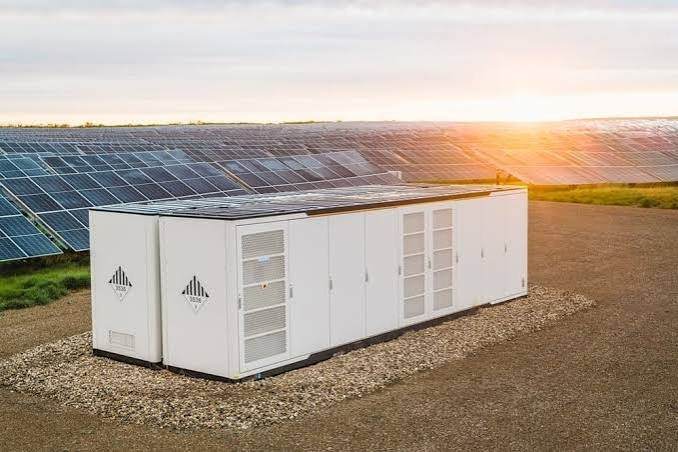
Solar battery storage systems are becoming an important part of modern solar power installations in Uganda. They allow homes, offices, commercial buildings, factories, hotels, farms and other facilities to store electricity generated by solar panels and use it when sunlight is unavailable or when the national electricity supply is interrupted.
For property owners looking to improve energy reliability, reduce dependence on grid electricity and make better use of solar power, battery storage offers a practical solution. Instead of using all the electricity generated during the day immediately, a solar battery system stores surplus energy for later use.
However, choosing the right solar battery storage system requires careful consideration of electricity consumption, battery capacity, inverter compatibility, backup requirements, installation conditions and long-term operating costs.
This guide explains how solar battery storage systems work, their benefits, the different battery technologies available, their applications and the important factors to consider when installing a solar battery system in Uganda.
What Are Solar Battery Storage Systems?
Solar battery storage systems are energy storage solutions that capture and store electricity generated by solar panels for use at a later time.
Solar panels produce direct current (DC) electricity when exposed to sunlight. Depending on the system design, this electricity can power appliances, charge batteries or be converted into alternating current (AC) by an inverter for use within a building.
When solar generation exceeds immediate electricity demand, surplus electricity can be stored in batteries. The stored energy can then be used at night, during cloudy periods or when the grid supply is unavailable.
A typical solar battery storage system consists of:
- Solar panels.
- Solar inverter or hybrid inverter.
- Battery storage units.
- Battery management system (BMS), where applicable.
- Solar charge controller, if not integrated into the inverter.
- DC and AC cables.
- Circuit breakers and isolation devices.
- Earthing and electrical protection equipment.
- Monitoring and control equipment.
These components work together to generate, convert, store, distribute and manage electricity safely.
How Do Solar Battery Storage Systems Work?
A solar battery storage system operates by storing electricity generated by solar panels and releasing it when needed.
The exact operation depends on whether the installation is off-grid, grid-tied with storage or hybrid.
1. Solar Panels Generate Electricity
During daylight hours, photovoltaic panels convert sunlight into DC electricity.
The amount of electricity generated depends on panel capacity, sunlight exposure, shading, weather conditions, panel orientation and system efficiency.
2. Electricity Supplies Connected Appliances
The inverter converts electricity into the appropriate form for the property’s electrical appliances.
Solar energy can be used immediately to power lighting, refrigeration, computers, water pumps, air conditioning and other electrical equipment, depending on the system capacity.
3. Surplus Electricity Charges the Batteries
When solar generation exceeds the electricity being consumed, the system can direct surplus energy into the battery bank.
The battery stores this energy for future use. A suitable charge controller or inverter manages the charging process according to battery specifications.
4. Stored Electricity Is Used When Needed
When solar generation decreases or stops, the system can discharge stored battery energy to supply connected appliances.
This is particularly useful at night, during poor weather and when grid electricity is unavailable.
5. The System Manages Available Energy
Modern hybrid inverters and battery management systems monitor energy flows and manage charging, discharging and protection functions.
Depending on the system configuration, electricity can be drawn from solar panels, batteries or the national grid to meet demand.
Types of Solar Battery Storage Systems
Different battery technologies are available for residential, commercial and industrial solar installations. The most appropriate option depends on capacity requirements, budget, expected operating conditions and long-term performance.
1. Lithium-Ion Solar Batteries
Lithium-ion batteries are widely used in modern solar energy storage systems because of their high energy density, efficient charging and discharging characteristics and relatively compact size.
Many solar installations use lithium iron phosphate (LiFePO4), a lithium battery chemistry commonly selected for stationary energy storage.
Advantages include:
- High usable energy capacity.
- Efficient charging and discharging.
- Compact design.
- Generally long cycle life when operated within manufacturer limits.
- Integrated battery management in many products.
- Suitable options for residential and commercial applications.
Lithium batteries must be installed with compatible inverters and suitable battery protection. Temperature limits, charging settings and manufacturer requirements should always be followed.
2. Lead-Acid Solar Batteries
Lead-acid batteries have been used in solar energy systems for many years. They are available in different designs, including flooded and sealed varieties.
They may be considered for some installations where initial equipment cost is an important factor.
Advantages include:
- Established battery technology.
- Availability in different capacities.
- Familiarity among many solar technicians.
- Potentially lower initial purchase cost for some models.
However, lead-acid batteries generally require more careful management of discharge depth and charging. Some types also require ventilation and regular maintenance.
Their usable capacity and expected service life depend heavily on operating conditions and maintenance practices.
3. Gel Solar Batteries
Gel batteries are a type of sealed lead-acid battery that uses a gel electrolyte.
They are designed for applications where a sealed battery arrangement is preferred.
Potential advantages include reduced routine maintenance compared with flooded lead-acid batteries and suitability for certain backup and off-grid applications.
Their charging requirements must be followed carefully because inappropriate charging voltage can damage the battery.
4. AGM Solar Batteries
Absorbent Glass Mat (AGM) batteries are another type of sealed lead-acid battery.
They use a fibreglass mat to hold the electrolyte and are available in various capacities.
AGM batteries can be suitable for smaller solar installations and backup applications, but their discharge limits, charging requirements and service life should be considered before selection.
5. Other Battery Technologies
Other technologies, including sodium-based and flow batteries, are also used or developed for energy storage applications.
Their suitability depends on product availability, project scale, technical support and the specific requirements of the installation.
For most property owners, the practical decision will involve comparing established lithium and lead-acid options using total ownership cost rather than purchase price alone.
Benefits of Solar Battery Storage Systems
Solar battery storage provides several advantages for homes, businesses and industrial facilities.
1. Reliable Backup Electricity
One of the main benefits of solar battery storage is the ability to supply electricity when the national grid experiences an interruption.
A properly designed system can keep selected appliances and essential equipment operating during power outages.
This is particularly valuable for:
- Homes requiring essential lighting and refrigeration.
- Offices that depend on computers and communication equipment.
- Hotels and accommodation facilities.
- Healthcare facilities with critical electrical loads.
- Retail businesses using electronic payment systems.
- Industrial operations requiring continuity for selected equipment.
The actual backup duration depends on usable battery capacity and the connected electrical load.
2. Better Use of Solar Energy
Without battery storage, surplus electricity generated during the day may not be fully utilised, depending on the system configuration.
Battery storage allows excess solar energy to be saved for later use.
This helps property owners make better use of the electricity their solar panels generate, particularly where evening and night-time consumption is significant.
3. Reduced Dependence on Grid Electricity
A solar battery storage system can reduce reliance on electricity supplied by the national grid.
During periods of sufficient solar generation, a property can use solar electricity directly and store surplus energy.
The stored electricity can then supplement solar production when sunlight is unavailable.
The extent of grid dependence reduction depends on solar system capacity, battery size and electricity consumption patterns.
4. Improved Energy Management
Modern battery systems provide monitoring and control features that help property owners understand how electricity is generated, stored and consumed.
Depending on the equipment, users may be able to monitor:
- Battery charge levels.
- Solar generation.
- Electricity consumption.
- Battery charging and discharging.
- Grid electricity usage.
- System operating status.
- Fault notifications.
This information supports better energy management and helps identify unusual operating conditions.
5. Support for Essential Electrical Equipment
Battery storage can help keep important electrical equipment operational when the main electricity supply is unavailable.
Examples include security systems, communication equipment, lighting, refrigeration, computers, selected medical equipment and control systems.
Critical equipment must be connected to appropriately designed backup circuits, with sufficient inverter capacity and battery storage.
6. Greater Energy Independence
Properties with suitable solar generation and battery storage can become less dependent on external electricity supplies.
This is particularly valuable for rural homes, farms, remote facilities and businesses operating in areas where grid electricity is unavailable or unreliable.
An appropriately sized off-grid system can provide an independent source of electricity, subject to its generation and storage capacity.
7. Support for Commercial Operations
For businesses, unexpected power interruptions can affect productivity, customer service, communication and equipment operation.
Solar battery storage can support selected business loads and reduce disruption.
It can be designed for offices, shops, hotels, restaurants, warehouses, schools and other commercial premises.
8. Potential Long-Term Energy Cost Savings
Solar battery storage can contribute to lower electricity expenses when it is properly matched to the property’s consumption patterns and electricity arrangement.
The financial benefit depends on factors such as:
- Solar system installation cost.
- Battery purchase and replacement costs.
- Electricity tariffs.
- Daily electricity consumption.
- Solar generation capacity.
- Battery efficiency.
- Frequency and duration of grid interruptions.
- Available grid-export arrangements.
A professional assessment should compare the expected savings with the total cost of ownership before installation.
Applications of Solar Battery Storage Systems in Uganda
Solar battery storage can support a wide range of residential, commercial, industrial and agricultural activities.
1. Residential Solar Battery Storage
Homeowners can install solar batteries to store electricity for use during evenings, at night and during power interruptions.
Stored energy can support:
- Household lighting.
- Refrigerators and freezers.
- Television and entertainment systems.
- Internet routers.
- Computers and laptops.
- Security systems.
- Selected water pumps.
- Other appropriately sized household appliances.
The system should be designed around the family’s daily electricity consumption and the appliances that require backup power.
2. Office Buildings
Offices depend on electricity for computers, internet connectivity, printers, lighting, security and communication systems.
Battery storage can help maintain essential office operations during grid interruptions.
For larger offices, the system may be designed to support selected circuits rather than every electrical appliance.
3. Hotels and Lodges
Hotels and lodges require dependable electricity for guest comfort and daily operations.
Solar battery storage can support:
- Guest room lighting.
- Reception and administrative systems.
- Internet and communication equipment.
- Security systems.
- Refrigeration.
- Selected water pumping systems.
- Essential operational equipment.
A properly designed hybrid solar system can help reduce dependence on grid electricity while providing backup for important hotel services.
4. Hospitals and Healthcare Facilities
Healthcare facilities depend on reliable electricity for lighting, refrigeration, communication and medical equipment.
Solar battery storage can support designated essential circuits during power interruptions.
However, critical healthcare equipment requires careful electrical design, appropriate backup redundancy and compliance with applicable healthcare and electrical safety requirements. Solar batteries should not be assumed to replace all required emergency power systems.
5. Schools and Educational Institutions
Schools use electricity for lighting, computers, laboratories, administrative offices, communication systems and security equipment.
Solar battery storage can provide backup electricity and support learning activities where grid power is unreliable.
Boarding schools and larger educational institutions may benefit from professionally designed commercial solar installations.
6. Agricultural and Farming Operations
Agricultural properties can use solar battery storage to support equipment and activities such as:
- Water pumping.
- Irrigation control systems.
- Farm lighting.
- Security systems.
- Refrigeration.
- Produce storage.
- Communication equipment.
Battery capacity should be matched to the operating schedules and energy requirements of the agricultural equipment.
7. Factories and Industrial Facilities
Factories and industrial buildings may require electricity for machinery, lighting, ventilation, control systems and production equipment.
Solar battery storage can support selected loads and improve energy management.
Industrial applications require detailed engineering because machinery can have high starting currents, variable loads and demanding operating conditions.
The inverter, battery and protection systems must be designed for the electrical characteristics of the connected equipment.
8. Retail Shops and Supermarkets
Retail premises use electricity for lighting, refrigeration, electronic payment systems, computers, security and communication.
Battery storage can help keep important business equipment running during power interruptions and support daily operations.
How to Choose the Right Solar Battery Storage System
Selecting the correct battery system is one of the most important decisions when planning a solar installation.
A battery that is too small may not provide the required backup, while an unnecessarily large battery can increase project costs.
Consider the following factors.
1. Calculate Daily Electricity Consumption
Start by identifying how much electricity the property uses each day.
Review electricity bills, meter readings and appliance ratings where available.
List the appliances that will be powered by the battery and estimate how many hours each one operates.
The installer should calculate the energy requirement in kilowatt-hours (kWh).
2. Determine the Required Backup Duration
Decide how long the system should supply electricity when solar generation or grid electricity is unavailable.
For example, a home may only require several hours of backup for lighting, refrigeration and communication equipment.
A business with essential operational equipment may require a longer backup period.
The backup requirement directly affects battery capacity.
3. Understand Battery Capacity
Battery capacity is commonly expressed in kilowatt-hours (kWh).
However, the full rated capacity is not always available for normal use. The usable capacity depends on the battery’s permitted depth of discharge and manufacturer specifications.
For example, a battery with a rated capacity of 10 kWh does not necessarily provide 10 kWh of usable energy.
The installer should specify both rated and usable capacity in the quotation.
4. Check Battery Chemistry
Different battery technologies have different characteristics.
When comparing products, consider:
- Usable capacity.
- Cycle life under specified conditions.
- Charging efficiency.
- Discharge limits.
- Maintenance requirements.
- Operating temperature range.
- Warranty conditions.
- Availability of replacement units.
For many new installations, lithium iron phosphate batteries are worth considering because of their energy storage characteristics and suitability for stationary applications.
5. Check Inverter Compatibility
The battery must be compatible with the selected inverter.
Compatibility includes battery voltage, communication protocols, charging settings, discharge limits and supported battery models.
Using incompatible equipment can lead to communication problems, charging faults and unreliable system operation.
6. Consider Future Energy Requirements
A property may add appliances, machinery, rooms or other electrical equipment in the future.
Planning for possible expansion can help avoid replacing the entire solar system later.
Ask whether the inverter and battery arrangement supports additional storage capacity and what limitations apply.
7. Compare Warranty and Technical Support
Battery warranties differ according to manufacturer, product type and operating conditions.
Before purchasing, review:
- Warranty duration.
- Cycle or energy-throughput limits.
- Required operating conditions.
- Warranty exclusions.
- Available local technical support.
- Replacement arrangements.
A battery with a low purchase price may become more expensive if it has a short service life or limited support.
How to Calculate the Required Solar Battery Capacity
Battery sizing should be based on the amount of electricity that must be supplied during the backup period.
A simplified calculation is:
Required usable battery energy = Total backup load (kW) × Backup duration (hours)
For example, suppose a property has selected essential appliances with a combined average load of 1.5 kW and requires four hours of backup.
Required usable battery energy:
1.5 kW × 4 hours = 6 kWh.
This means the property needs at least 6 kWh of usable battery energy before allowing for inverter losses, battery operating limits and additional design margins.
The actual rated battery capacity may need to be higher.
For example, if the system design allows only 80% of the battery’s rated capacity to be used, a simple estimate would be:
6 kWh ÷ 0.80 = 7.5 kWh rated battery capacity.
This is an illustrative calculation, not a final system specification. A qualified installer should account for conversion losses, battery manufacturer’s operating limits, load variations, temperature and the required reserve capacity.
Factors That Affect Solar Battery Storage System Costs in Uganda
The cost of installing a solar battery storage system depends on the selected technology, storage capacity, inverter requirements and complexity of the project.
Important cost factors include:
1. Battery Technology
Lithium, gel, AGM and flooded lead-acid batteries have different purchase prices, maintenance requirements, usable capacities and expected service lives.
The most economical option should be assessed using long-term ownership costs rather than purchase price alone.
2. Battery Storage Capacity
Larger batteries generally cost more because they store more electricity.
The required capacity depends on the backup duration and the amount of electricity the property needs to use when solar generation is unavailable.
3. Inverter Requirements
Some installations require a new hybrid inverter or an inverter with specific battery compatibility.
The inverter’s capacity, technology and features affect the overall project budget.
4. Solar Panel Capacity
Where an existing solar installation is being upgraded, the available solar generation may be insufficient to charge the proposed battery bank.
Additional solar panels or system modifications may therefore be necessary.
5. Installation and Electrical Protection
The project may require additional cables, circuit breakers, isolators, enclosures, battery mounting arrangements, earthing and other protective equipment.
Installation labour and commissioning also contribute to the total cost.
6. Project Size and Complexity
Residential battery installations are generally different from large commercial and industrial energy storage projects.
Larger systems may require specialised electrical design, multiple battery units, advanced monitoring and additional safety arrangements.
Property owners should request a detailed quotation that separates equipment, installation, electrical modifications and commissioning costs.
Solar Battery Installation Requirements and Safety Considerations
Solar batteries store significant amounts of electrical energy. Incorrect installation, incompatible equipment or poor maintenance can create serious safety risks.
The following considerations are important.
1. Suitable Battery Installation Location
Batteries should be installed in a location that meets the manufacturer’s requirements for temperature, moisture, ventilation, clearances and accessibility.
The installation area should be protected from flooding, direct exposure to harsh weather and unauthorised access.
2. Correct Battery and Inverter Compatibility
The battery and inverter must be designed to operate together.
Voltage limits, charging current, discharge current and communication requirements should be confirmed before installation.
3. Appropriate Electrical Protection
The system should have suitable protection against electrical faults and unsafe operating conditions.
Depending on the design, this may include:
- Battery fuses or circuit breakers.
- DC isolators.
- AC circuit breakers.
- Surge protection devices.
- Correctly rated cables.
- Earthing and bonding arrangements.
- Battery management protection.
Protection devices must be selected and installed according to the manufacturer’s instructions and applicable electrical standards.
4. Battery Management System
Many modern lithium battery products include a battery management system that monitors important operating conditions.
Depending on the product, it may help protect against overcharging, excessive discharge, overcurrent and abnormal temperature conditions.
The BMS must be compatible with the inverter and correctly configured.
5. Professional Electrical Installation
Battery installation involves electrical connections that should be handled by appropriately qualified technicians.
The installer should verify polarity, cable sizing, protection, inverter settings, battery communication and system operation before commissioning.
6. Proper Labelling and Documentation
Battery systems should have appropriate electrical labels and clear isolation arrangements.
Property owners should receive equipment manuals, warranty documents, system specifications and emergency shutdown instructions.
7. Applicable Standards and Approvals
Solar battery installations should comply with applicable Ugandan electrical requirements, relevant technical standards and manufacturer installation instructions.
Where the system is connected to the national electricity grid, applicable utility connection and approval requirements should be confirmed before commissioning.
Common Solar Battery Storage Problems and How to Prevent Them
Solar battery systems can experience performance problems if they are incorrectly sized, poorly installed or operated outside manufacturer requirements.
Common issues include:
Battery draining too quickly: This may result from excessive electricity consumption, insufficient battery capacity, an ageing battery or incorrect system settings. Review energy demand and have the system assessed.
Battery failing to charge: Possible causes include inadequate solar generation, faulty connections, inverter configuration problems or battery protection settings.
Inverter and battery communication errors: These may occur when the battery and inverter are incompatible or their communication settings are incorrect.
Reduced battery performance: Battery capacity can decline with age, operating conditions and repeated use. Follow the manufacturer’s recommendations and monitor performance.
Unexpected system shutdowns: These may be caused by overload, low battery voltage, temperature protection or electrical faults. The cause should be identified before restarting the equipment.
Regular professional inspection and correct system configuration help reduce these problems.
Solar Battery Maintenance Best Practices
Proper maintenance helps keep a battery storage system operating safely and efficiently.
Maintenance requirements depend on battery chemistry and manufacturer instructions.
Recommended practices include:
- Monitor battery charge levels and system performance.
- Check inverter displays and investigate warning messages.
- Inspect visible cables and connections for damage or overheating.
- Keep the battery installation area clean, dry and within the specified operating temperature range.
- Maintain required ventilation and equipment clearances.
- Check mounting arrangements and protective enclosures.
- Arrange periodic inspection by qualified technicians.
- Avoid operating the battery outside the manufacturer’s charging and discharge limits.
- Keep system manuals and warranty records available.
- Replace damaged or defective components using compatible equipment.
Sealed lithium and lead-acid batteries should not be opened or serviced by unqualified personnel. Flooded lead-acid batteries have additional maintenance requirements that must be handled according to manufacturer guidance.
Solar Battery Storage vs Traditional Backup Generators
Property owners often compare solar battery storage systems with diesel or petrol generators when planning backup electricity.
Both technologies can provide backup power, but they operate differently.
| Feature | Solar battery storage | Fuel-powered generator |
|---|---|---|
| Energy source | Stored electrical energy, usually from solar panels or grid charging | Petrol or diesel |
| Noise | Generally quiet during operation | Produces engine noise |
| Local emissions during operation | No combustion emissions at the battery | Produces exhaust emissions |
| Routine maintenance | Battery and electrical system inspections | Engine servicing and fuel-system maintenance |
| Fuel requirements | No fuel required for battery discharge | Requires a continuous fuel supply |
| Backup duration | Limited by usable battery capacity and recharging | Depends on fuel availability and generator capacity |
| Solar integration | Can store surplus solar energy | Does not inherently store solar electricity |
For some properties, a hybrid arrangement using solar batteries and a generator may provide additional resilience. Such systems must be designed with appropriate electrical controls and safe operating procedures.
Why Professional Solar Battery Installation Matters
Solar battery storage is not simply a matter of purchasing batteries and connecting them to an inverter.
The system must be properly designed to ensure that battery capacity, inverter ratings, solar generation, electrical protection and connected loads work together.
Professional installation helps with:
- Accurate battery sizing.
- Correct inverter and battery compatibility.
- Appropriate equipment selection.
- Safe electrical connections.
- Correct charging and discharging settings.
- Suitable battery installation conditions.
- Proper system testing and commissioning.
- Long-term maintenance planning.
Working with an experienced solar installation company also helps property owners understand the limitations of their system and the expected backup performance.
How to Choose the Best Solar Battery Storage Installer in Uganda
Before selecting a solar installation company, evaluate its technical capabilities and the quality of its proposed solution.
Consider the following:
- Experience: Look for experience with solar battery systems similar to the one you need.
- Energy assessment: The installer should calculate your electricity consumption and backup requirements.
- System design: Request a clear design showing the proposed solar panels, inverter, battery capacity and protection equipment.
- Equipment quality: Check battery chemistry, manufacturer specifications, warranty and inverter compatibility.
- Installation safety: Confirm that the company follows appropriate electrical installation and battery safety practices.
- Transparent quotation: Ensure the quotation identifies equipment, labour, installation materials and commissioning.
- Technical support: Ask about troubleshooting, maintenance and warranty assistance.
- Handover documentation: Request system manuals, settings, warranty documents and commissioning records.
Avoid choosing an installer based only on the lowest quotation. Proper system design and safe workmanship are essential for long-term reliability.
Frequently Asked Questions About Solar Battery Storage Systems
1. What is the main purpose of a solar battery storage system?
The main purpose is to store electricity generated by solar panels so it can be used later, particularly at night or when solar generation is insufficient. It can also provide backup electricity during grid interruptions when the system is designed for backup operation.
2. How long can a solar battery power a house?
Backup duration depends on usable battery capacity and the electricity consumption of connected appliances. A battery supplying a small number of essential appliances will generally last longer than the same battery supplying an entire house.
3. Which battery is best for solar systems in Uganda?
Lithium iron phosphate batteries are a common option for modern solar installations because of their usable capacity, charging characteristics and cycle-life potential. However, the best battery depends on the project’s budget, operating requirements, inverter compatibility and available technical support.
4. How many solar batteries do I need for my home?
The number depends on the total backup energy required, battery capacity, usable discharge limits and system configuration. A professional energy assessment should determine the correct number and size of batteries.
5. Can solar batteries charge during a power outage?
Yes, if the solar installation is designed to operate during a grid outage. A suitable off-grid or hybrid inverter must support solar charging and supply the required loads while the grid is unavailable.
Some conventional grid-tied systems automatically shut down during grid outages and cannot charge batteries or supply backup electricity without additional compatible equipment.
6. Can solar batteries power heavy appliances?
They can power some high-demand appliances if the battery bank and inverter are correctly sized. Equipment such as water pumps, air conditioners and large refrigerators may require additional inverter capacity because of their starting current.
7. Do solar batteries work at night?
Yes. Solar batteries store electricity during charging periods and release it when needed, including at night. The available electricity depends on the amount stored and the connected load.
8. Are lithium solar batteries better than lead-acid batteries?
Lithium batteries often offer higher usable capacity, better charging efficiency and longer cycle-life potential. Lead-acid batteries may have a lower initial purchase price for some applications. The best choice depends on total ownership cost, installation requirements and expected use.
9. Can I add batteries to an existing solar system?
In many cases, yes. However, the existing inverter must support battery storage or be upgraded. The system may also require additional electrical protection, compatible batteries and configuration changes.
10. How much does a solar battery storage system cost in Uganda?
The cost depends on battery technology, storage capacity, inverter requirements, installation materials and project complexity. A professional site assessment is necessary to prepare an accurate quotation.
11. Do solar batteries require maintenance?
Maintenance requirements vary by battery type. Lithium batteries generally require less routine maintenance than flooded lead-acid batteries, but all systems need monitoring and periodic inspection according to manufacturer instructions.
12. Can solar battery storage be used in commercial and industrial buildings?
Yes. Battery storage can support offices, hotels, hospitals, schools, factories, warehouses and other facilities. Larger installations require detailed electrical assessment, load analysis and appropriate system engineering.
Get Professional Solar Battery Storage Solutions in Uganda
Solar battery storage systems offer homes and businesses a practical way to store solar electricity, improve backup power availability and manage energy consumption more effectively.
Whether you need battery storage for a residential solar installation, office, hotel, commercial building, farm or industrial facility, selecting the right equipment and ensuring professional installation are essential.
Daltrevco provides building and electrical solutions for residential, commercial and industrial properties. When planning a solar energy project, consider a professionally assessed system that matches your electricity requirements, battery storage needs and long-term operating expectations.
Contact Daltrevco to discuss your solar battery storage requirements and explore a suitable solar power solution for your property in Uganda.
Invest in properly designed solar energy infrastructure for improved electricity reliability, effective energy management and long-term value.

