
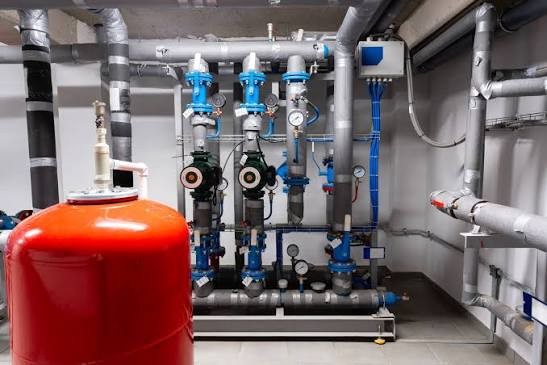
A reliable hot water system is an essential feature of modern residential, hospitality and commercial buildings. From family homes and luxury apartments to hotels, hospitals, restaurants, gyms and office complexes, hot water systems provide comfort, support hygiene and improve the functionality of modern properties.
In Uganda, the demand for efficient hot water systems continues to grow as homeowners, hotel developers and commercial property investors increasingly prioritise comfortable facilities, energy efficiency and reliable building services. Whether constructing a new home, renovating a hotel or developing a commercial building, selecting the right hot water system is an important investment.
A professionally designed hot water installation ensures that water is heated efficiently, stored safely and distributed at the required temperature to different outlets. The right system also helps reduce energy consumption, minimise maintenance expenses and provide a dependable hot water supply.
However, choosing an unsuitable water heater, installing incorrectly sized equipment or failing to maintain the system can result in inconsistent water temperatures, high electricity bills, water leakage, equipment breakdowns and unnecessary operating costs.
At Daltrevco, we recognise the importance of reliable building utility installations in creating comfortable and functional properties. This guide explores hot water systems for homes, hotels and commercial properties in Uganda, including their types, components, design considerations, installation procedures, costs and maintenance requirements.
What Is a Hot Water System?
A hot water system is an arrangement of equipment and pipework designed to heat, store and distribute hot water throughout a building.
Depending on the building’s requirements, hot water may be generated using electricity, solar energy, heat pumps, gas or other approved heating technologies.
A typical hot water system consists of:
- Water heaters or heating units.
- Hot water storage tanks where required.
- Cold water supply connections.
- Hot water distribution pipes.
- Circulation pumps for applicable systems.
- Temperature control devices.
- Pressure and safety valves.
- Thermostats and heating controls.
- Insulation materials.
- Hot water outlets and plumbing fixtures.
The system must be designed according to expected water consumption, building occupancy, heating requirements and energy availability.
Importance of Hot Water Systems in Modern Buildings
Hot water systems offer several benefits to residential and commercial properties.
1. Improved Comfort and Convenience
Hot water makes everyday activities such as bathing, washing dishes, cleaning and laundry more comfortable.
In residential buildings, it improves household convenience, while in hotels and hospitality facilities it contributes to guest satisfaction.
2. Better Hygiene and Cleaning
Hot water supports effective cleaning in kitchens, bathrooms, laundries and other facilities.
Healthcare and commercial establishments may also require carefully controlled hot water systems for specific hygiene-related activities.
3. Increased Property Value
Modern homes, apartments, hotels and commercial properties equipped with reliable hot water systems can be more attractive to buyers, tenants and investors.
4. Energy Efficiency
Modern solar water heaters, heat pumps and efficient electric water heaters can reduce energy consumption when properly selected and installed.
5. Reliable Hot Water Supply
A properly designed system ensures that water is available at suitable temperatures and flow rates across the required outlets.
6. Improved Hospitality Services
Hotels, resorts, lodges and serviced apartments depend on reliable hot water to meet guest expectations across multiple bathrooms and service facilities.
Types of Hot Water Systems for Homes, Hotels and Commercial Properties
Different buildings require different hot water technologies depending on water demand, available energy sources, installation space and operating costs.
1. Solar Water Heating Systems
<AsyncImage query=”modern solar water heating system rooftop solar thermal collectors storage tank residential building” aspectRatio=”16:9″ width=”100%”/>
Solar water heating systems use energy from the sun to heat water for residential and commercial applications.
They generally consist of solar collectors, a hot water storage tank, circulation arrangements and temperature controls.
In Uganda, solar water heating can be an attractive option because of the country’s availability of sunlight throughout much of the year.
Advantages of solar water heating systems:
- Reduces dependence on electricity for water heating.
- Can lower long-term energy expenses.
- Uses renewable solar energy.
- Suitable for residential and commercial applications.
- Can be integrated with backup heating systems.
Applications:
- Residential houses.
- Apartments.
- Hotels and lodges.
- Hospitals.
- Schools.
- Restaurants.
- Commercial accommodation facilities.
Solar water heating systems should be correctly sized according to daily hot water consumption, collector performance, storage capacity and available roof space.
2. Electric Water Heating Systems
<AsyncImage query=”modern electric hot water storage cylinder water heater installed in utility room” aspectRatio=”16:9″ width=”100%”/>
Electric water heaters use electrical resistance elements to heat water.
They are available in different capacities and configurations, making them suitable for various residential and commercial applications.
Common options include:
- Electric storage water heaters.
- Instantaneous electric water heaters.
- Under-sink water heaters.
- Commercial electric storage systems.
Advantages:
- Relatively straightforward installation.
- Convenient temperature control.
- Suitable for different building sizes.
- Available in different storage capacities.
- Can provide hot water independently of sunlight.
Applications:
Electric water heaters are commonly used in houses, apartments, guest rooms, offices, restaurants and other properties requiring controlled hot water supply.
3. Heat Pump Water Heating Systems
<AsyncImage query=”commercial heat pump water heater outdoor unit hot water storage cylinder installation” aspectRatio=”16:9″ width=”100%”/>
Heat pump water heaters use electricity to transfer heat from the surrounding air into water rather than generating heat entirely through electrical resistance.
This technology can provide high energy efficiency under suitable operating conditions.
Advantages:
- Can use less electricity than conventional resistance water heaters.
- Suitable for buildings with substantial hot water demand.
- Can reduce long-term operating expenses.
- Supports energy-efficient building designs.
Applications:
- Hotels.
- Hospitals.
- Apartment complexes.
- Commercial laundries.
- Large residential properties.
- Sports and fitness facilities.
The system should be selected according to ambient conditions, hot water demand, installation space and manufacturer performance specifications.
4. Gas Water Heating Systems
<AsyncImage query=”commercial gas fired hot water heater boiler installation plant room” aspectRatio=”16:9″ width=”100%”/>
Gas water heaters use an approved gas fuel to heat water.
They can be configured as instantaneous systems or storage-based installations depending on the building’s requirements.
Advantages:
- Can provide rapid water heating.
- Suitable for certain high-demand applications.
- Available in different capacities.
- Can operate independently of solar availability.
Applications:
- Hotels.
- Restaurants.
- Commercial kitchens.
- Residential properties.
- Selected industrial facilities.
Gas installations require suitable ventilation, correct flue arrangements, approved equipment, qualified installers and appropriate safety controls.
5. Centralised Hot Water Systems
<AsyncImage query=”large commercial central hot water storage cylinders insulated pipework plant room” aspectRatio=”16:9″ width=”100%”/>
Centralised hot water systems use one or more heating units to supply multiple outlets throughout a building.
They are particularly suitable for hotels, hospitals, apartment complexes and commercial properties with several bathrooms and high hot water consumption.
A centralised system may include:
- Commercial water heaters.
- Insulated storage tanks.
- Distribution pumps.
- Hot water circulation pumps.
- Temperature control equipment.
- Pressure and safety valves.
- Insulated distribution pipes.
Centralised systems require careful planning to minimise heat losses, maintain suitable temperatures and provide reliable service across all outlets.
6. Instantaneous or Tankless Water Heating Systems
<AsyncImage query=”modern wall mounted instantaneous tankless water heater residential bathroom utility installation” aspectRatio=”16:9″ width=”100%”/>
Instantaneous water heaters heat water as it passes through the unit instead of storing large quantities of heated water.
They are available in electric and gas-powered configurations.
Advantages:
- Compact installation.
- No large hot water storage tank required.
- Heats water when demanded.
- Can reduce storage-related heat losses.
Limitations:
- Output depends on the unit’s rated flow and temperature rise.
- Multiple simultaneous outlets may require larger or multiple units.
- Electric models can have substantial electrical supply requirements.
These systems are suitable for selected homes, apartments, bathrooms and commercial applications where the required flow rate can be achieved.
Hot Water Systems for Residential Homes
Residential hot water systems should provide sufficient hot water for daily household activities while remaining affordable to operate and easy to maintain.
A typical home may require hot water for:
- Bathroom showers.
- Bathtubs.
- Kitchen sinks.
- Laundry facilities.
- Washbasins.
- Other domestic cleaning activities.
Choosing the Right Hot Water System for a Home
The choice depends on the number of occupants, bathrooms, water usage patterns, energy availability and installation budget.
Small homes: Compact electric or instantaneous water heaters may be suitable where demand is limited.
Medium-sized homes: Storage water heaters or solar water heating systems may provide a practical solution.
Large homes: Larger storage systems, solar installations with backup heating or heat pump water heaters may be more appropriate.
For homes with several bathrooms, designers should consider simultaneous demand to avoid inadequate hot water supply.
Hot Water Systems for Hotels and Lodges
<AsyncImage query=”luxury hotel bathroom modern shower hot water amenities hospitality” aspectRatio=”16:9″ width=”100%”/>
Hotels and lodges require reliable hot water infrastructure to serve guests, staff kitchens, laundries, restaurants and other facilities.
Unlike ordinary homes, hotels may experience concentrated periods of high water consumption, particularly during morning and evening hours.
A properly designed hotel hot water system should consider:
1. Guest Room Hot Water Demand
The system must provide adequate hot water for guest showers, bathtubs and washbasins across the property.
2. Centralised Heating Capacity
Hotels with many rooms may benefit from centralised heating systems or multiple coordinated water heating units.
3. Hot Water Circulation
Long distribution pipes can cause delays while occupants wait for hot water.
A properly designed circulation system can reduce waiting times and unnecessary water wastage.
4. Energy Efficiency
Hotels operate throughout the year and can incur significant water heating expenses.
Solar thermal systems, heat pumps and efficient controls can help reduce energy consumption.
5. Backup Heating Arrangements
Hotels should consider suitable backup heating arrangements to maintain service during equipment failures or periods of high demand.
6. Temperature and Water Hygiene Management
Hotel systems should maintain suitable operating temperatures and incorporate appropriate water hygiene controls to reduce risks associated with stagnant water and harmful microorganisms.
Hot Water Systems for Commercial Properties
Different commercial buildings have different hot water requirements depending on their operations.
1. Hospitals and Healthcare Facilities
Hospitals require dependable hot water for patient facilities, washing, cleaning and selected clinical applications.
Design considerations include water temperature control, water hygiene management, distribution reliability and appropriate specialist requirements.
2. Restaurants and Commercial Kitchens
Restaurants require hot water for dishwashing, cleaning, food preparation support and sanitation.
The system should provide adequate hot water during busy service periods.
3. Office Buildings
Office buildings may require hot water for staff washrooms, kitchens, showers and cleaning facilities.
Smaller decentralised systems may be appropriate for some office layouts, while larger properties may benefit from centralised installations.
4. Schools and Universities
Educational facilities may require hot water for kitchens, laboratories, washrooms, cleaning and accommodation facilities.
The design should consider occupancy levels and the intended use of each area.
5. Gyms and Fitness Centres
Gyms require hot water for showers, changing rooms and cleaning facilities.
Systems should be designed to handle concentrated demand during peak operating hours.
6. Commercial Laundries
Commercial laundry facilities require dependable hot water at temperatures appropriate for their equipment and processes.
The heating system must be sized according to machine capacity, operating cycles and daily water consumption.
How to Design an Efficient Hot Water System
Proper hot water system design is essential for ensuring reliable performance, energy efficiency and long-term operational savings.
1. Calculate Hot Water Demand
The first step is estimating the amount of hot water required by the building.
Designers should consider:
- Number of occupants.
- Number of bathrooms and showers.
- Number of guest rooms.
- Kitchen and laundry requirements.
- Peak consumption periods.
- Required hot water temperatures.
- Simultaneous demand.
Hotels and commercial buildings require more detailed demand calculations than ordinary homes.
2. Select the Appropriate Heating Technology
The heating technology should match the building’s consumption requirements and available energy sources.
Possible options include solar water heating, electric storage heaters, heat pumps, gas heaters and combined systems.
3. Determine Storage Tank Capacity
Storage capacity should be based on peak demand, heating recovery rate, available energy and expected usage patterns.
An undersized tank may result in frequent hot water shortages, while an unnecessarily large tank can increase installation costs and standing heat losses.
4. Design Hot Water Distribution Pipes
Pipe diameters should be selected according to flow requirements, pressure losses and distribution distances.
Pipe routing should minimise unnecessary lengths and avoid poorly planned connections.
5. Provide Proper Pipe Insulation
Hot water distribution pipes and storage tanks should be insulated appropriately to reduce heat loss.
Insulation helps maintain water temperature and improves overall system efficiency.
6. Include Temperature and Pressure Controls
Hot water systems require suitable thermostats, safety valves, pressure controls and temperature regulation.
Thermostatic mixing valves may be necessary at selected outlets to reduce scalding risks while allowing suitable system storage temperatures.
7. Plan for Future Maintenance
Water heaters, pumps, valves and storage tanks should be installed where they can be inspected and serviced safely.
Maintenance access should be considered during the design stage rather than after construction.
Hot Water System Installation Process
Professional hot water installation follows a systematic process to ensure safe and reliable operation.
Step 1: Site Assessment
The installation team assesses the building, available energy sources, water supply, installation space and expected hot water requirements.
Step 2: System Design and Selection
The appropriate water heating technology is selected based on the building’s demand, budget and operational needs.
Storage capacity, heating output, distribution routes and equipment specifications are established.
Step 3: Material and Equipment Selection
Suitable water heaters, tanks, pipes, valves, pumps, insulation and accessories are selected.
All components should meet applicable product standards and manufacturer requirements.
Step 4: Installation of Water Heating Equipment
The selected heating units are installed in designated locations with appropriate foundations, clearances, ventilation and service access.
Gas equipment and electrical connections must be installed by appropriately qualified professionals.
Step 5: Hot and Cold Water Pipe Installation
Hot and cold water distribution pipes are routed to the required outlets.
Pipe connections, valves and fittings must be installed correctly to prevent leakage and ensure reliable operation.
Step 6: Installation of Storage Tanks and Circulation Pumps
Where required, hot water storage tanks and circulation pumps are installed and connected to the distribution network.
Step 7: Pipe Insulation and Safety Controls
Distribution pipes and storage tanks are insulated, while temperature controls and safety devices are installed according to the system design.
Step 8: Testing and Commissioning
The complete system is inspected and tested for:
- Water leakage.
- Heating performance.
- Temperature control.
- Water pressure.
- Pump operation.
- Safety device functionality.
- Distribution performance.
Step 9: Handover and Maintenance Guidance
The completed system is handed over with operating instructions, equipment manuals and maintenance recommendations.
Hot Water System Maintenance and Servicing
Regular maintenance helps extend equipment lifespan, improve energy efficiency and reduce unexpected breakdowns.
1. Inspect Water Heaters
Check heating elements, thermostats, electrical connections, valves and other components according to manufacturer recommendations.
2. Inspect Storage Tanks
Check tanks for leakage, corrosion, sediment accumulation and insulation damage.
3. Clean Solar Collectors
Solar collectors should be inspected and cleaned when necessary to maintain effective solar energy absorption.
4. Check Pumps and Circulation Systems
Inspect circulation pumps, valves and pipework for leaks, noise, vibration and performance problems.
5. Inspect Safety Valves
Pressure relief and other safety devices should be inspected and serviced according to manufacturer instructions.
6. Check Pipe Insulation
Damaged or missing insulation should be repaired to reduce heat loss.
7. Monitor Energy Consumption
Unusually high electricity or fuel consumption may indicate poor system performance, incorrect settings or equipment faults.
8. Maintain Water Hygiene
Storage tanks and distribution systems should be maintained to manage stagnation, sediment and microbial risks. Temperature management and any necessary water treatment should follow suitable public health guidance.
Common Hot Water System Problems and Their Solutions
1. Inconsistent Water Temperature
This may result from faulty thermostats, undersized equipment, excessive demand or heating element problems.
Solution: Inspect the heater, check temperature settings and assess whether the system has sufficient capacity.
2. Insufficient Hot Water
A storage tank may be too small for the building’s demand, or the heating unit may have an inadequate recovery rate.
Solution: Review hot water demand calculations and consider suitable storage or heating capacity upgrades.
3. High Energy Consumption
Poor insulation, inefficient heating equipment, incorrect temperature settings and unnecessary heat losses can increase operating expenses.
Solution: Improve insulation, service the heating unit and consider more efficient heating technology.
4. Water Leakage
Leaks may occur at pipe connections, storage tanks, valves and heating equipment.
Solution: Isolate the affected section and replace damaged components using suitable materials.
5. Slow Hot Water Delivery
Long pipe distances and inadequate circulation arrangements can cause delays before hot water reaches outlets.
Solution: Review pipe routing and consider a properly designed hot water return circulation system.
6. Reduced Solar Water Heating Performance
Solar heating performance may decline because of dirty collectors, damaged components, inadequate circulation or insufficient sunlight.
Solution: Inspect the collectors, circulation arrangements and backup heating equipment.
How to Choose the Best Hot Water System for Your Property
Selecting the right hot water system requires evaluating several factors.
Building type: A family house has different requirements from a hotel, hospital or commercial laundry.
Hot water demand: Consider the number of occupants, bathrooms and appliances that require hot water.
Energy availability: Evaluate electricity, solar energy and other suitable energy sources.
Installation budget: Consider equipment costs, pipework, labour and installation complexity.
Operating costs: Assess energy efficiency and expected long-term consumption.
Available space: Consider the location of water heaters, storage tanks, solar collectors and plant rooms.
Maintenance requirements: Select systems that can be serviced using available technical support and replacement components.
Future expansion: Commercial buildings should consider possible increases in occupancy and hot water consumption.
Cost of Installing Hot Water Systems in Uganda
The cost of installing a hot water system in Uganda varies depending on the technology, capacity, equipment quality and complexity of the installation.
Important cost factors include:
- Type of water heating technology.
- Storage tank capacity.
- Number of bathrooms and hot water outlets.
- Building size and number of floors.
- Quality of pipes and fittings.
- Solar collector requirements.
- Pumping and circulation equipment.
- Electrical or gas installation requirements.
- Pipe insulation and control equipment.
- Labour and commissioning costs.
How to Obtain an Accurate Installation Quotation
Property owners and developers should provide contractors with building plans, the number of bathrooms, expected occupancy and details of the intended hot water applications.
A professional quotation should specify equipment capacity, installation materials, labour, safety controls, testing and commissioning.
It is important to compare the complete installation scope rather than choosing a system based only on its initial purchase price.
Benefits of Hiring Professional Hot Water System Installation Contractors
Professional installation helps ensure that hot water systems operate safely and efficiently.
Key benefits include:
- Correct equipment selection and sizing.
- Proper hot and cold water distribution.
- Safe electrical and gas connections.
- Reliable temperature control.
- Reduced risk of leakage.
- Improved energy efficiency.
- Proper insulation.
- Compliance with applicable technical requirements.
- Easier maintenance and servicing.
- Longer equipment lifespan.
For hotels and commercial buildings, professional system design is particularly important because hot water interruptions can affect business operations and customer satisfaction.
Why Choose Daltrevco for Building Utility and Construction Projects?
Reliable hot water infrastructure is an important part of modern building construction.
Daltrevco focuses on construction-related solutions that support property owners, developers and businesses in Uganda.
When planning a new residential or commercial development, hot water requirements should be incorporated into the building services design from the beginning.
This allows suitable heating equipment, storage facilities, distribution pipes and energy sources to be coordinated with the wider plumbing and electrical installations.
Whether you are developing a family home, apartment complex, hotel, lodge, hospital, office block, restaurant or industrial property, proper planning and quality installation are essential for long-term performance.
Contact Daltrevco to discuss your building construction and utility installation requirements.
Website: https://www.daltrevco.com/
Frequently Asked Questions About Hot Water Systems
1. What Is the Best Hot Water System for a Home in Uganda?
The best option depends on household size, water consumption, energy availability and budget. Solar water heating, electric storage heaters and instantaneous water heaters are among the available options.
2. Are Solar Water Heating Systems Suitable for Hotels?
Yes. Solar water heating can be suitable for hotels because it can reduce reliance on conventional energy sources. Larger properties may require multiple collectors, larger storage capacity and backup heating systems.
3. What Is the Difference Between Solar and Electric Water Heaters?
Solar water heaters use solar energy to heat water, while electric water heaters use electrical resistance elements. Solar systems can reduce electricity consumption, while electric systems offer convenient heating independent of sunlight.
4. What Is a Centralised Hot Water System?
A centralised hot water system uses one or more heating units to supply hot water to multiple outlets throughout a building. It is commonly used in hotels, hospitals, apartments and large commercial facilities.
5. How Long Does a Hot Water System Last?
The lifespan depends on the technology, water quality, equipment quality, installation and maintenance. Following manufacturer recommendations and servicing the system regularly can improve its service life.
6. Why Does My Water Heater Take Long to Heat Water?
Possible causes include inadequate heating capacity, faulty heating elements, thermostat problems, excessive water demand or insufficient energy supply.
7. How Can Hotels Reduce Hot Water Operating Costs?
Hotels can improve efficiency by using solar water heating, heat pumps, insulated storage tanks, efficient circulation controls and regular equipment maintenance.
8. Does a Commercial Building Need a Centralised Hot Water System?
Not necessarily. The best arrangement depends on building size, outlet locations, occupancy and demand. Centralised systems are suitable for some large buildings, while decentralised heaters may be more practical in others.
9. Why Is Hot Water Pipe Insulation Important?
Pipe insulation reduces heat loss as water travels from the heating equipment to the outlets. It helps maintain temperature, reduce energy consumption and improve system performance.
10. How Often Should Hot Water Systems Be Serviced?
Inspection and servicing frequency depends on the equipment type, manufacturer instructions, water quality and usage. Commercial systems generally benefit from structured preventive maintenance programmes.
Conclusion
Hot water systems are essential installations in modern homes, hotels and commercial properties. They provide comfort, support hygiene and improve the functionality of buildings while contributing to better occupant experiences.
Choosing the right system requires careful consideration of hot water demand, energy availability, storage capacity, heating technology and long-term operating expenses.
For property developers, homeowners, hotel operators and commercial investors in Uganda, professional hot water system design and installation can improve reliability, reduce unnecessary energy consumption and prevent costly equipment failures.
Whether you are installing a solar water heater in a residential home, a centralised hot water system in a hotel or a commercial heating solution for a large facility, proper planning, quality equipment and regular maintenance are essential.
Invest in an efficient hot water system, ensure professional installation and maintain your equipment properly for reliable performance and long-term value.

