
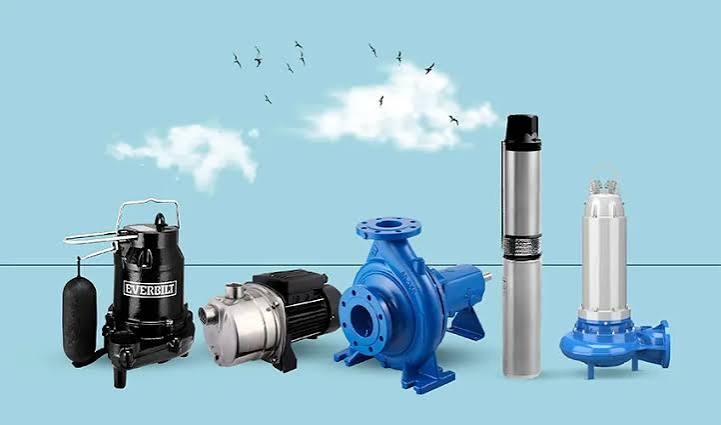
A reliable water supply is essential for residential homes, commercial buildings, industrial facilities, hotels, hospitals, schools and other properties. However, getting water from a source to the required points of use often requires more than pipes and storage tanks. In many buildings, a properly selected and professionally installed water pump is necessary to maintain adequate water pressure, ensure consistent supply and support efficient water distribution.
Water pump installation is an important part of modern plumbing and water supply systems. Whether you are constructing a new home, developing an apartment block, setting up a commercial facility or improving an existing water supply system, choosing the right pump can make a significant difference in performance, reliability and operating costs.
In Uganda, water pumps are commonly used to move water from underground sources, storage tanks, wells, boreholes and municipal supplies to buildings, elevated tanks, irrigation systems and industrial equipment. However, different applications require different pump types, capacities and installation arrangements.
This guide explains the different types of water pumps, their applications, how to select the right pump, the installation process, maintenance requirements and factors that affect installation costs.
What Is Water Pump Installation?
Water pump installation is the process of selecting, positioning, connecting, testing and commissioning a pump to move water from one location to another or increase pressure within a water supply system.
A water pump uses mechanical energy, usually supplied by an electric motor, to move water through pipes. Depending on the pump design and application, it can lift water from a lower source, transfer water between storage tanks, supply buildings or maintain pressure in plumbing networks.
A properly installed water pump helps to:
- Move water from wells, boreholes and underground storage tanks.
- Supply water to elevated storage tanks.
- Maintain adequate water pressure in buildings.
- Distribute water across multiple floors.
- Support irrigation and agricultural activities.
- Supply water to commercial and industrial facilities.
- Improve the reliability of water distribution systems.
Professional installation is important because incorrect pump selection, poor pipe sizing, inadequate electrical protection and improper positioning can cause frequent breakdowns, water shortages and unnecessary energy consumption.
Why Water Pumps Are Important in Residential and Commercial Buildings
Water pumps play an important role in buildings where gravity or the available water pressure cannot provide a consistent supply.
1. Reliable Water Supply
A properly installed pump helps move water from the main source or storage tank to the required points of use. This is particularly important for properties that experience low water pressure or depend on stored water.
2. Improved Water Pressure
In multi-storey buildings, water pressure may not be sufficient to supply upper floors. A suitable booster pump can help maintain consistent pressure throughout the plumbing system.
3. Efficient Water Distribution
Pumps help distribute water to bathrooms, kitchens, laundry areas, production facilities and other locations that require a reliable supply.
4. Support for Elevated Storage Tanks
Water pumps can transfer water from underground tanks, wells or boreholes into elevated tanks. Gravity can then distribute the stored water to different parts of a building.
5. Support for Commercial and Industrial Operations
Hotels, schools, hospitals, factories, office buildings and shopping complexes often require pumps capable of handling higher water demand and longer operating hours.
6. Better Water Management
When properly integrated with storage tanks, pressure controls and automatic systems, pumps can help manage water supply more efficiently and reduce unnecessary manual operation.
Types of Water Pumps Used in Buildings and Other Applications
Different water pumps are designed for specific operating conditions. Selecting the correct type depends on the water source, pumping distance, required pressure, flow rate and intended application.
1. Centrifugal Water Pumps
Centrifugal pumps are among the most widely used types of water pumps. They operate by using a rotating impeller to create movement and pressure, allowing water to flow through the pump and into a delivery pipe.
They are suitable for applications involving relatively clean water and continuous water transfer.
Common applications include:
- Supplying water to residential buildings.
- Transferring water between storage tanks.
- Filling elevated water tanks.
- Supporting commercial plumbing systems.
- Water circulation in selected industrial applications.
Advantages:
- Simple operating principles.
- Available in different capacities.
- Suitable for many building water supply applications.
- Relatively straightforward maintenance when correctly installed.
2. Submersible Water Pumps
Submersible pumps operate while fully or partially submerged in water, depending on the pump design. They are commonly used for boreholes, wells, underground tanks and drainage applications.
These pumps push water to the surface rather than relying on suction from above the water source.
Common applications include:
- Borehole water extraction.
- Deep-well water supply.
- Underground water storage.
- Water transfer from submerged sources.
- Selected drainage and dewatering applications.
Advantages:
- Suitable for deep water sources when correctly specified.
- Do not require a conventional surface suction arrangement.
- Can operate efficiently within their designed operating range.
- Available in different sizes and pumping capacities.
3. Booster Pumps
Booster pumps increase water pressure within an existing water distribution system. They are particularly useful where the incoming water pressure is insufficient to supply all outlets.
Common applications include:
- Multi-storey residential buildings.
- Hotels and guest houses.
- Office buildings.
- Hospitals and healthcare facilities.
- Commercial properties with multiple water outlets.
Booster pumps may operate with pressure switches, electronic controllers, variable-speed drives or pressure vessels, depending on system requirements.
4. Pressure Pumps
Pressure pumps are designed to maintain or increase pressure in water supply networks. Some systems use automatic pressure controls to start and stop the pump according to demand.
They are useful where a building requires consistent water pressure for showers, taps, appliances and other plumbing fixtures.
Common applications include:
- Residential water supply systems.
- Apartments.
- Commercial buildings.
- Water distribution networks.
- Properties supplied by storage tanks.
5. Jet Pumps
Jet pumps use a combination of pumping action and a jet mechanism to draw water from a source. Depending on their design, they can be used for relatively shallow or deeper water sources.
Common applications include:
- Shallow wells.
- Domestic water supply.
- Small water transfer systems.
- Selected agricultural applications.
The suitability of a jet pump depends on the water level, suction conditions, pump design and installation arrangement.
6. Solar Water Pumps
Solar water pumps use electricity generated by solar panels to operate a pumping system. They are particularly useful in locations where grid electricity is unreliable or unavailable.
Solar pumping systems can be designed for boreholes, wells, livestock watering, irrigation and water storage.
Common applications include:
- Rural homes and communities.
- Agricultural irrigation.
- Livestock watering.
- Remote properties.
- Water supply projects in areas with limited grid access.
The system must be designed around the required daily water volume, pumping head, solar availability, water source and any need for battery storage.
7. Drainage and Sewage Pumps
Drainage and sewage pumps are designed to move wastewater, stormwater or water containing solids, depending on the pump’s construction and specifications.
They are different from ordinary clean-water pumps and should not be used interchangeably.
Common applications include:
- Basement drainage.
- Stormwater removal.
- Wastewater transfer.
- Sewage pumping stations.
- Construction site dewatering.
The pump must be selected according to the type of wastewater, solids-handling requirements and discharge conditions.
Applications of Water Pumps in Residential Buildings
Residential buildings require dependable water supply systems to support everyday activities. A suitable pump helps deliver water to different parts of a home, especially where the property uses a storage tank, borehole or low-pressure supply.
Common residential applications include:
Domestic Water Supply
A pump can transfer water from a ground-level tank, well or other source into the house plumbing system.
Filling Overhead Water Tanks
Pumps can move water from underground storage tanks to elevated tanks, allowing gravity to distribute water through the building.
Increasing Water Pressure
Booster pumps help improve water pressure in showers, kitchens, bathrooms and other outlets.
Garden Irrigation
Small pumps can supply water to garden irrigation systems, lawns and outdoor cleaning points.
Swimming Pool Circulation
Specialised pool pumps circulate water through filtration and treatment equipment. They must be selected according to pool volume, filtration requirements and operating conditions.
Applications of Water Pumps in Commercial Buildings
Commercial buildings often have higher water consumption and more complex plumbing systems than ordinary residential properties.
Hotels and Lodges
Hotels require dependable water supply for guest bathrooms, kitchens, laundry facilities, swimming pools and cleaning operations. Pump systems should be designed to accommodate peak demand.
Hospitals and Healthcare Facilities
Hospitals require reliable water distribution for sanitation, cleaning, laundry, kitchens and other essential operations. Pumping systems may need suitable redundancy and backup arrangements.
Schools and Educational Institutions
Schools, colleges and universities need pumps to supply water to classrooms, washrooms, kitchens, laboratories and accommodation facilities.
Office Buildings
Commercial offices may require booster pumps and storage transfer pumps to maintain adequate pressure across multiple floors and plumbing outlets.
Shopping Complexes
Shopping centres have different water requirements for restaurants, washrooms, cleaning facilities and tenant spaces. Their pumping systems must be designed around the overall building demand.
Industrial Facilities
Factories and industrial facilities may use pumps for process water, equipment cooling, cleaning, water treatment and other production-related activities. Pump selection must consider the fluid properties and operating conditions.
How to Choose the Right Water Pump
Choosing the correct water pump is one of the most important stages of a successful installation. A pump that is too small may fail to meet water demand, while an oversized pump may waste electricity, increase installation costs and cause unnecessary pressure problems.
Consider the following factors before purchasing or installing a water pump.
1. Identify the Water Source
Start by determining where the water will come from.
Possible sources include:
- Municipal water supply.
- Boreholes.
- Shallow wells.
- Underground storage tanks.
- Rivers and reservoirs.
- Rainwater harvesting systems.
The source determines the pump type, installation position and suction or submergence requirements.
For example, a deep borehole normally requires a suitable submersible borehole pump, while transferring water between two tanks may be achieved using an appropriately selected centrifugal pump.
2. Determine the Required Flow Rate
Flow rate refers to the quantity of water a pump can deliver over a given period. It is commonly expressed in litres per minute (L/min), litres per second (L/s) or cubic metres per hour (m³/h).
The required flow rate depends on:
- Number of occupants or users.
- Number of bathrooms and water outlets.
- Building size.
- Simultaneous water demand.
- Commercial or industrial operations.
- Water storage and replenishment requirements.
A professional assessment helps establish the expected demand and prevents undersizing or oversizing the pump.
3. Calculate the Total Dynamic Head
Total dynamic head (TDH) is the total energy or head the pump must provide to move water through the system. It includes the vertical lifting requirement, pressure required at the destination and losses caused by friction and fittings.
Important considerations include:
- Vertical distance between the water source and delivery point.
- Length of the pipework.
- Pipe diameter.
- Number of bends, valves and fittings.
- Required pressure at the outlet.
- Friction losses within the system.
A pump should be selected using its performance curve to confirm that it can deliver the required flow at the calculated total head.
4. Consider the Pumping Distance
The distance between the water source and the delivery point affects pump performance. Long pipe runs, small pipe diameters and numerous fittings can increase friction losses.
Correct pipe sizing and proper system design help ensure that the pump operates efficiently.
5. Check the Available Power Supply
Most building water pumps operate using electricity. Before selecting a pump, confirm the available electrical supply and the motor’s requirements.
Consider:
- Single-phase or three-phase power availability.
- Motor power rating.
- Starting current.
- Electrical protection.
- Earthing requirements.
- Backup power requirements.
- Compatibility with solar or other power systems.
Electrical connections should be completed by qualified personnel, with appropriate protection against overload, short circuits and other electrical faults.
6. Consider Water Quality
Water quality affects pump material selection and durability.
Clean-water pumps are generally suitable for water with low levels of suspended solids. Water containing sand, silt, chemicals or wastewater may require specialised pumps and materials.
For boreholes, the presence of sand and other particles should be assessed because abrasive materials can damage pump components.
7. Evaluate Energy Efficiency
A pump may operate for many hours every day, making electricity consumption an important consideration.
Look at:
- Motor efficiency.
- Pump efficiency.
- Correct pump sizing.
- Operating hours.
- Control systems.
- Variable-speed options where appropriate.
- Maintenance requirements.
The most powerful pump is not necessarily the best choice. The right pump is one that meets the required flow and pressure without unnecessary energy consumption.
8. Consider Future Water Demand
When designing water systems for apartments, hotels, offices and other commercial buildings, consider possible future expansion.
A well-planned system should accommodate reasonable increases in demand without requiring a complete replacement of the pumping equipment.
Water Pump Installation Process
Professional water pump installation involves several stages to ensure that the equipment operates safely and efficiently.
Step 1: Site Inspection and Assessment
The first step is assessing the property, water source and intended application.
The assessment should establish:
- Location and depth of the water source.
- Required water delivery points.
- Building height.
- Estimated water demand.
- Available electrical supply.
- Proposed pump location.
- Pipe routes and discharge arrangements.
Step 2: Pump Selection and System Design
After the assessment, the appropriate pump type and capacity are selected.
The design should consider flow rate, total dynamic head, pipe sizing, electrical requirements, control equipment and any required storage tanks.
For larger buildings, the design may also include standby pumps, pressure vessels, automatic controls and monitoring systems.
Step 3: Preparing the Installation Location
The installation area should be suitable for the selected pump.
For surface pumps, the base should be stable, level and capable of supporting the equipment. The location should also allow adequate ventilation, drainage and access for maintenance.
Submersible pumps require suitable installation arrangements within the well, borehole or tank, following the manufacturer’s instructions.
Step 4: Installing the Pump
The pump is positioned and secured according to its design.
The installation should account for:
- Correct pump orientation.
- Suitable mounting and support.
- Proper inlet and outlet connections.
- Appropriate valves and fittings.
- Protection against vibration.
- Accessibility for servicing.
The installation must follow the manufacturer’s specifications.
Step 5: Connecting the Pipework
The inlet and outlet pipes are connected to the water source and delivery network.
Correct pipe sizing is essential to minimise friction losses and maintain the required flow rate.
Depending on the system, installation may include:
- Isolation valves.
- Non-return or check valves.
- Strainers or filters.
- Pressure gauges.
- Drain valves.
- Pressure vessels.
- Air release arrangements where required.
Step 6: Electrical Connection and Protection
Electrical connections must match the pump motor specifications and local electrical safety requirements.
Appropriate protective equipment may include overload protection, short-circuit protection, suitable isolators, earthing and dry-run protection where necessary.
Automatic controls should be configured to operate the pump according to the system’s design.
Step 7: Testing and Commissioning
After installation, the system should be inspected and tested before being placed into normal operation.
Testing should verify:
- Correct pump rotation where applicable.
- Water flow and delivery pressure.
- Leakage at pipe joints.
- Motor operation.
- Electrical protection.
- Automatic start and stop functions.
- Noise and vibration levels.
- Overall system performance.
The pump should be operated within its manufacturer’s specified limits.
Step 8: Handover and Maintenance Guidance
The completed system should be handed over with relevant operating instructions and maintenance recommendations.
Property owners or facility managers should understand how to operate the pump, recognise warning signs and arrange routine servicing.
Important Components Used in Water Pump Installation
A complete pumping system may include more than the pump itself. The supporting components help improve safety, control and reliability.
| Component | Function |
|---|---|
| Water pump | Moves water through the system |
| Electric motor | Provides mechanical power |
| Control panel | Controls and protects pump operation |
| Pressure switch | Starts or stops the pump based on pressure |
| Pressure vessel | Reduces frequent pump cycling in suitable systems |
| Check valve | Prevents unwanted reverse flow |
| Isolation valve | Allows sections of the system to be isolated |
| Pressure gauge | Displays system pressure |
| Strainer or filter | Helps prevent debris from entering the pump |
| Float switch | Controls operation according to water level |
| Dry-run protection | Helps prevent operation without sufficient water |
| Pipework and fittings | Connect the source, pump and delivery points |
Not every installation requires all these components. The correct combination depends on the pump type and system design.
Common Water Pump Installation Problems and How to Prevent Them
Incorrect installation can lead to poor performance, frequent breakdowns and increased operating costs.
1. Selecting the Wrong Pump Capacity
An undersized pump may not supply enough water, while an oversized pump may consume more electricity than necessary.
Solution: Calculate the required flow rate and total dynamic head before selecting the pump.
2. Incorrect Pipe Sizing
Pipes that are too small can create excessive friction losses and reduce water delivery.
Solution: Use suitable pipe diameters based on flow requirements, pipe length and system pressure.
3. Poor Pump Positioning
Incorrect positioning can cause vibration, difficult maintenance access, overheating or suction problems.
Solution: Install the pump in a suitable location following the manufacturer’s requirements.
4. Dry Running
Some pumps can be damaged when operated without sufficient water.
Solution: Use suitable water-level controls, dry-run protection and operating procedures.
5. Air Leaks in Suction Pipes
Air entering a surface pump’s suction line can interfere with priming and reduce pumping performance.
Solution: Ensure that suction connections are airtight and that the pump is primed where required.
6. Lack of Electrical Protection
Electrical faults, overloads and voltage problems can damage pump motors and create safety risks.
Solution: Install suitable electrical protection and ensure that connections are completed by qualified personnel.
7. Poor Maintenance
Neglecting inspection and servicing can lead to leaks, blocked filters, worn components and unexpected failures.
Solution: Establish a routine maintenance schedule based on the pump manufacturer’s recommendations and operating conditions.
Water Pump Maintenance Tips
Regular maintenance helps extend pump lifespan and reduce unexpected interruptions.
Recommended maintenance practices include:
- Inspect the pump and surrounding area for leaks.
- Check unusual noise, vibration and overheating.
- Monitor water pressure and delivery flow.
- Clean strainers and filters where fitted.
- Inspect electrical connections and protective devices.
- Check valves and pipe joints for leaks.
- Monitor water levels in storage tanks and wells.
- Test automatic controls and float switches.
- Arrange professional servicing at recommended intervals.
- Replace worn components using suitable manufacturer-approved parts.
For commercial and industrial facilities, maintenance should be documented and coordinated with the building’s wider plumbing and mechanical maintenance programme.
Water Pump Installation for Different Types of Properties
The best pumping arrangement depends on how a property uses water.
Residential Homes
Homes may require a small transfer pump, booster pump or submersible pump depending on the source and building layout.
Apartments and Multi-Storey Buildings
Apartment blocks may need centralised pumping systems, pressure zones, storage tanks and standby pumps to maintain reliable supply across multiple floors.
Hotels and Guest Houses
Hotels often require systems that can accommodate changing occupancy and peak water demand. Pump arrangements may include booster sets and standby equipment.
Schools and Hospitals
These facilities benefit from properly designed water storage and pumping systems that support sanitation and daily operations. Where interruptions would have serious consequences, suitable redundancy and backup arrangements should be considered.
Factories and Industrial Facilities
Industrial pump selection must account for operating hours, water quality, process requirements, flow rate, pressure and the possibility of continuous operation.
Farms and Agricultural Properties
Agricultural pumps can support irrigation, livestock watering, water storage and transfer. Solar pumping may be appropriate where grid electricity is unavailable or unreliable.
Factors That Affect Water Pump Installation Costs in Uganda
The cost of installing a water pump in Uganda varies depending on the equipment, installation conditions and complexity of the water supply system.
There is no single price that applies to every property because a domestic water pump installation is different from a deep borehole pumping system or a commercial booster installation.
Important cost factors include:
1. Type of Water Pump
Submersible, centrifugal, booster, solar and sewage pumps have different designs, capacities and price ranges.
2. Pump Capacity and Motor Power
Pumps with higher flow rates and greater head requirements may require more powerful motors and additional installation components.
3. Installation Depth
Deep borehole installations may require additional equipment, cable, rising pipes and specialised installation procedures.
4. Pipework and Fittings
The length, diameter and material of the pipes affect the overall project cost.
5. Electrical Requirements
Some installations require additional electrical cabling, control panels, protective equipment or power supply improvements.
6. Storage Tank Requirements
Where the project requires underground or elevated storage tanks, these may increase the overall cost.
7. Automatic Control Systems
Pressure switches, float switches, control panels, pressure vessels and variable-speed drives can affect the final installation cost.
8. Site Conditions
Difficult access, long pipe routes, excavation and challenging installation conditions may increase labour and equipment requirements.
9. Maintenance and Operating Requirements
The long-term cost of ownership includes electricity consumption, servicing, replacement parts and possible repairs.
For an accurate quotation, the property should be assessed and the pumping requirements established before equipment is selected.
Benefits of Professional Water Pump Installation
Working with experienced installation professionals helps ensure that the pumping system is suitable for the building and its intended use.
Key benefits include:
- Correct pump selection: Equipment is matched to the required flow rate and pumping head.
- Reliable water supply: Proper installation supports consistent water delivery.
- Improved energy efficiency: Correct sizing helps avoid unnecessary electricity consumption.
- Reduced breakdowns: Suitable installation and protection help reduce preventable failures.
- Better water pressure: Properly designed systems deliver water to the required outlets.
- Improved safety: Correct electrical connections and protective devices reduce operational risks.
- Longer equipment life: Appropriate installation and maintenance support reliable operation.
- Better system integration: Pumps can be coordinated with tanks, pipework, controls and other plumbing components.
How to Choose a Reliable Water Pump Installation Company in Uganda
Selecting the right installation company is important for achieving a dependable water supply system.
Before engaging a contractor, consider the following:
Technical Knowledge
Choose a provider that understands different pump types, water supply systems, flow requirements and pressure calculations.
Site Assessment
A reliable contractor should assess the water source, building layout and expected demand before recommending equipment.
Proper Equipment Selection
The recommended pump should be suitable for the actual operating conditions rather than selected only because of its motor power or purchase price.
Installation Quality
Check whether the contractor can provide suitable pipework, electrical protection, valves, controls and commissioning.
Maintenance Support
Ask whether the provider can offer servicing, troubleshooting and guidance after installation.
Transparent Quotation
A professional quotation should explain the proposed pump, installation scope, materials and any additional requirements.
Experience With Similar Projects
Experience with comparable residential, commercial or industrial installations can help ensure that the contractor understands the project’s requirements.
Why Consider Daltrevco for Construction-Related Water Supply Requirements?
Water pumping is an important part of a building’s overall plumbing and utility infrastructure. It should be considered during the planning and construction stages rather than treated as an afterthought.
Daltrevco provides construction-related solutions for property owners and developers in Uganda. When planning a new building or upgrading an existing property, it is important to consider how the water source, storage tanks, pumping equipment and plumbing network will work together.
A properly planned water supply system should account for the building’s size, number of users, water demand, available source and future requirements.
Whether you are developing a residential property, commercial building, institutional facility or industrial project, contact Daltrevco to discuss your construction and building utility requirements.
Frequently Asked Questions About Water Pump Installation
1. What is the best water pump for a residential building?
The best pump depends on the water source, required flow rate, building height and pressure requirements. Centrifugal pumps are commonly used for water transfer, submersible pumps for boreholes and wells, and booster pumps for improving water pressure.
2. Which water pump is suitable for a borehole in Uganda?
A properly specified submersible borehole pump is commonly used for boreholes. Its capacity should be based on borehole depth, static and pumping water levels, sustainable borehole yield, required flow rate and total pumping head.
3. How do I choose the correct water pump size?
Determine the required flow rate and total dynamic head. Consider the vertical lifting distance, pipe length, friction losses, outlet pressure and expected water demand. Use the manufacturer’s pump performance curve to select a suitable model.
4. Can a water pump supply a multi-storey building?
Yes. A properly designed booster pumping system or a tank-and-pump arrangement can supply multi-storey buildings. The design should account for building height, pressure requirements, water demand and appropriate pressure zoning.
5. What is the difference between a booster pump and a submersible pump?
A booster pump increases pressure within a water distribution system, while a submersible pump operates underwater to move water from a borehole, well or tank. They serve different purposes, although both can form part of the same water supply system.
6. How much does water pump installation cost in Uganda?
The cost depends on the pump type, capacity, water source, installation depth, pipework, electrical requirements and site conditions. A site assessment is necessary to prepare an accurate quotation.
7. How long does it take to install a water pump?
Installation time depends on the pump type and project complexity. A straightforward domestic pump installation may take less time than a deep borehole, commercial booster system or installation involving extensive pipework and electrical modifications.
8. Why does my water pump keep switching on and off?
Frequent cycling may be caused by a faulty pressure switch, an incorrectly sized or waterlogged pressure vessel, leaks, a small system demand or incorrect control settings. The system should be inspected to identify the underlying cause.
9. Can solar water pumps operate without grid electricity?
Yes. Solar water pumps can operate using electricity generated by solar panels. Depending on the design, water may be pumped during sunlight hours and stored in a tank for later use. Batteries may be included where the application requires them.
10. How often should a water pump be serviced?
Maintenance frequency depends on the pump type, operating hours, water quality and manufacturer’s instructions. Regular inspections are recommended, with professional servicing at intervals appropriate to the installation.
Conclusion: Get the Right Water Pump Installation for Your Property
Water pump installation is essential for reliable water supply in many residential, commercial, institutional and industrial buildings. The right pumping system helps move water efficiently, maintain adequate pressure, support storage tanks and meet the daily needs of a property.
However, successful installation requires more than purchasing a pump. It involves assessing the water source, calculating flow rate and total dynamic head, selecting suitable equipment, sizing pipework correctly and installing appropriate electrical protection and control systems.
For property owners and developers in Uganda, investing in a properly designed water pumping system can improve water reliability, reduce avoidable operating costs and support the long-term performance of the building’s plumbing infrastructure.
Planning a new water supply system or upgrading an existing one? Contact Daltrevco to discuss your construction and building utility requirements.

