
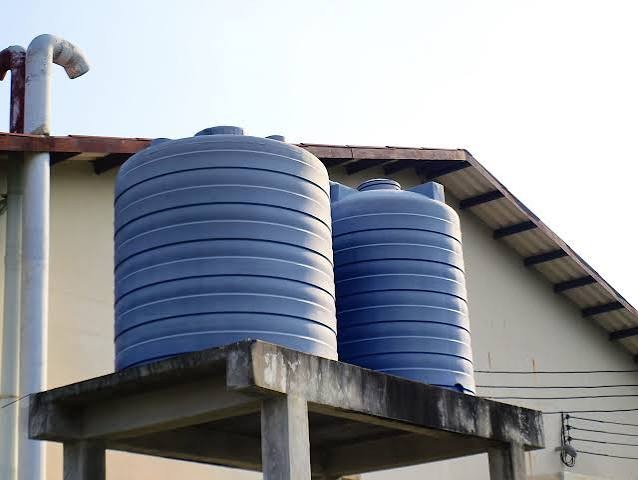
A reliable water supply is essential for every residential, commercial and industrial property. Whether you are building a family home, developing an apartment complex, constructing an office block or establishing an industrial facility, having an appropriately designed water storage system helps ensure that water is available when it is needed.
However, a dependable water supply requires more than purchasing a water tank. The tank must be correctly selected, positioned, installed and connected to the building’s plumbing network to provide sufficient storage, maintain water quality and support efficient distribution.
Water tank installation is an important part of modern plumbing and building infrastructure. A properly installed water tank helps property owners manage water shortages, maintain a consistent supply, support daily operations and improve the reliability of their water distribution systems.
In Uganda, where properties may depend on municipal water, boreholes, rainwater harvesting and other water sources, installing a suitable storage tank is a practical investment for homes, offices, hotels, schools, hospitals, factories and other facilities.
This guide explains everything you need to know about water tank installation in Uganda, including tank types, storage capacity, installation methods, positioning, plumbing connections, costs, maintenance and how to choose the right installation contractor.
What Is Water Tank Installation?
Water tank installation is the process of selecting, positioning, securing and connecting a storage tank to a property’s water supply system.
The installation may involve placing a tank at ground level, underground or on an elevated structure, depending on the available space, water requirements and distribution method.
A complete water tank installation may include:
- Selecting the appropriate tank material and storage capacity.
- Preparing a suitable installation foundation or support structure.
- Positioning and securing the tank.
- Connecting water inlet and outlet pipes.
- Installing overflow and drainage arrangements.
- Connecting pumps where necessary.
- Installing level controls and valves.
- Integrating the tank with the building’s plumbing network.
- Testing the system for leaks and proper operation.
A professionally designed installation ensures that the tank can safely store the required amount of water and supply the property efficiently.
Why Water Storage Tanks Are Important for Buildings
Water storage tanks provide an important backup and distribution function in residential, commercial and industrial properties.
1. Reliable Water Supply
A storage tank provides a reserve of water that can be used when the main supply is interrupted or temporarily unavailable. This is particularly useful for properties that experience inconsistent water availability.
2. Protection Against Water Shortages
Homes, offices and industrial facilities may experience interruptions caused by maintenance, low pressure, supply restrictions or infrastructure problems. Storage tanks help reduce dependence on continuous incoming supply.
3. Support for High Water Demand
Commercial and industrial buildings may consume significant quantities of water during busy operating periods. Properly sized tanks help maintain sufficient reserves to support these demands.
4. Improved Water Distribution
When connected to pumps, pressure systems and suitable pipework, storage tanks help distribute water to different floors, departments and service areas.
5. Rainwater Harvesting
Water tanks can collect and store rainwater from rooftops for suitable non-potable uses, such as irrigation, cleaning and other approved applications.
6. Better Water Management
Storage systems allow property owners and facility managers to monitor water levels, manage consumption and plan replenishment more effectively.
7. Support for Business Continuity
For hotels, hospitals, schools, restaurants, factories and offices, a reliable water reserve helps reduce disruption to essential operations.
Types of Water Storage Tanks Used in Uganda
Different tank types are available depending on the property’s storage needs, installation location, budget and intended use.
Selecting the right type is essential for durability, water quality and long-term performance.
1. Plastic Water Tanks
Plastic tanks, commonly manufactured from polyethylene, are widely used in residential and commercial water storage applications.
They are available in different shapes, sizes and storage capacities.
Common applications include:
- Residential homes.
- Apartments.
- Small offices.
- Schools.
- Restaurants.
- Small commercial properties.
- Rainwater harvesting systems.
Advantages:
- Relatively lightweight.
- Available in various capacities.
- Resistant to corrosion.
- Easy to transport compared with many rigid alternatives.
- Suitable for many above-ground installations.
When selecting a plastic tank, ensure that it is manufactured from suitable materials for the intended water use and installed on a stable, level support.
2. Concrete Water Tanks
Concrete tanks are constructed using reinforced concrete and can be designed as underground, ground-level or elevated storage structures.
They are commonly considered for large-scale water storage where permanent construction is appropriate.
Common applications include:
- Large residential developments.
- Commercial buildings.
- Industrial facilities.
- Institutional properties.
- Large water storage projects.
Advantages:
- Suitable for large storage volumes.
- Can be integrated into building and site designs.
- Durable when properly engineered and constructed.
- Can be installed underground or above ground, subject to structural design.
Concrete tanks require appropriate structural design, waterproofing, curing and maintenance to prevent cracking and water leakage.
3. Steel Water Tanks
Steel tanks are used in applications that require substantial water storage capacity and a durable tank structure.
Depending on the design, they may be manufactured from galvanised steel, coated steel or other specified materials.
Common applications include:
- Industrial facilities.
- Commercial developments.
- Agricultural properties.
- Large institutions.
- Centralised water storage installations.
Advantages:
- Available in large capacities.
- Suitable for selected demanding applications.
- Can be designed for specific site requirements.
- May be assembled in sections for large installations.
The coating, lining and corrosion protection must be appropriate for the water quality and intended use.
4. Underground Water Tanks
Underground tanks are installed below ground level to store water while keeping the surface area available for other uses.
They may be constructed from reinforced concrete or manufactured using suitable prefabricated materials designed for underground installation.
Common applications include:
- Properties with limited outdoor space.
- Residential compounds.
- Commercial developments.
- Hotels and apartment buildings.
- Industrial sites.
Underground installations require careful consideration of soil conditions, groundwater levels, structural loading, access covers, waterproofing and maintenance access.
5. Elevated Water Tanks
Elevated tanks are positioned on appropriately designed support structures to provide water distribution through gravity.
They are commonly used where a property requires water to flow to outlets without depending entirely on a continuously operating pump.
Common applications include:
- Residential homes.
- Multi-storey buildings.
- Schools.
- Commercial premises.
- Rural water supply systems.
The supporting tower or building structure must be designed to safely carry the weight of the full tank, including the stored water.
6. Stainless Steel Water Tanks
Stainless steel tanks are used in applications where material properties, hygiene requirements and corrosion resistance make them suitable.
Common applications include:
- Selected commercial facilities.
- Food-related operations.
- Healthcare and institutional settings.
- Specialised industrial applications.
The correct stainless steel grade and tank construction must be selected according to the stored water and applicable hygiene requirements.
Water Tank Installation for Residential Homes
Homes require dependable water storage to support everyday activities, including cooking, bathing, cleaning, laundry and gardening.
A suitable residential water tank system should be designed around household size, water availability and daily consumption.
Common Residential Water Tank Installations
Ground-level tanks: These are installed on a properly prepared foundation and may receive water from a municipal supply, borehole or rainwater harvesting system.
Elevated tanks: These are installed on engineered support structures to distribute water through gravity.
Underground tanks: These provide storage where ground-level space is limited or where a larger storage volume is required.
Pump-connected systems: These use pumps to transfer water from the tank into the house plumbing network or to an elevated tank.
Important Considerations for Homeowners
When installing a water tank at home, consider:
- Number of household members.
- Average daily water consumption.
- Reliability of the water source.
- Available installation space.
- Required storage capacity.
- Whether a pump is necessary.
- Ease of cleaning and maintenance.
- Protection against contamination.
- Future household needs.
A properly planned residential water storage system helps ensure that the home has sufficient water for normal daily activities.
Water Tank Installation for Offices and Commercial Buildings
Offices and commercial buildings often have higher water requirements than individual homes because they serve employees, visitors, customers and tenants.
Their storage systems must be designed to accommodate daily consumption and periods of increased demand.
1. Office Buildings
Office buildings require water for washrooms, kitchens, cleaning and other building services. Storage tanks help maintain supply during interruptions.
2. Hotels and Guest Houses
Hotels need dependable water storage for guest bathrooms, kitchens, laundry facilities, cleaning and other operations.
The system should consider occupancy levels, peak demand and the need for uninterrupted service.
3. Shopping Complexes
Shopping centres require water for washrooms, restaurants, cleaning services and other tenant activities. Their tank capacity should reflect the size and operational requirements of the development.
4. Schools and Universities
Educational institutions need water for washrooms, kitchens, laboratories, cleaning and student accommodation.
The system should accommodate changing demand during school terms and peak usage periods.
5. Hospitals and Healthcare Facilities
Hospitals require dependable water supplies for sanitation, cleaning, laundry, kitchens and other essential functions.
Water storage arrangements should be designed around the facility’s operational requirements, with appropriate redundancy and water quality controls where necessary.
Water Tank Installation for Industrial Buildings
Industrial facilities may require larger and more specialised water storage systems because water can be used for production, cleaning, cooling, sanitation and other industrial processes.
Unlike ordinary residential installations, industrial water storage systems may need to support continuous operations and higher flow rates.
1. Factories and Manufacturing Plants
Factories may require storage tanks for process water, cleaning, equipment cooling and general facility operations.
Tank materials must be suitable for the stored water and any chemicals or treatment processes involved.
2. Warehouses and Distribution Centres
Warehouses may require water storage for washrooms, cleaning, staff facilities and approved fire protection systems.
Fire water storage, where required, must be designed separately according to applicable fire safety requirements and the building’s approved fire protection design.
3. Food Processing Facilities
Food processing operations require careful attention to water quality, tank materials, cleaning procedures and hygiene.
The storage system should be designed to protect water from contamination and meet relevant operational and regulatory requirements.
4. Agricultural and Agro-Processing Facilities
Agricultural properties may use tanks for irrigation, livestock watering, washing and processing activities.
Tank capacity and positioning should be determined by water demand, source availability and the intended use.
5. Industrial Cooling Systems
Some industrial operations use stored water as part of cooling and heat transfer systems. The design must consider circulation requirements, water treatment and operating temperatures.
How to Choose the Right Water Tank Capacity
Choosing the correct storage capacity is one of the most important decisions in a water tank installation project.
A tank that is too small may not provide sufficient water during supply interruptions, while an unnecessarily large tank may increase construction costs and create water management challenges.
The required capacity depends on:
- Number of people using the property.
- Daily water consumption.
- Type of building.
- Number of water outlets.
- Industrial or commercial processes.
- Reliability of the incoming water supply.
- Expected duration of supply interruptions.
- Availability of alternative water sources.
- Space available for installation.
Residential Water Tank Capacity
For homes, consider household size, bathing habits, laundry, cooking, cleaning and outdoor water use.
The storage capacity should provide a practical reserve based on actual consumption rather than simply choosing the largest available tank.
Commercial Water Tank Capacity
For offices, hotels, restaurants and shopping complexes, calculations should consider staff numbers, customer activity, occupancy, operating hours and peak demand.
Industrial Water Tank Capacity
Industrial facilities require a more detailed assessment. Storage capacity should account for process water demand, production schedules, cleaning, cooling, fire protection requirements where applicable and the reliability of replenishment.
The Importance of Professional Capacity Assessment
A professional assessment helps determine the required storage volume and whether one large tank or multiple interconnected tanks would be more appropriate.
For larger facilities, the design should also consider reserve capacity, tank cleaning arrangements, compartmentation and continuity of supply during maintenance.
Important Factors to Consider Before Installing a Water Tank
Before purchasing a tank or beginning installation, assess the following factors.
1. Available Space
Determine where the tank will be installed and whether the location can accommodate its dimensions, access requirements and supporting structure.
2. Tank Material
Choose a tank material that is suitable for the intended water use, site conditions and expected service life.
3. Water Source
Identify whether the tank will receive water from a municipal supply, borehole, well, rainwater harvesting system or another source.
4. Installation Location
Decide whether the tank will be installed above ground, underground or on an elevated structure.
Each arrangement has different structural, plumbing and maintenance requirements.
5. Foundation and Structural Support
A full water tank is extremely heavy. The supporting base, platform or tower must be designed to safely carry the maximum operating load.
For perspective, one litre of water has a mass of approximately one kilogram. A tank containing 5,000 litres therefore holds approximately five tonnes of water, excluding the weight of the tank and supporting structure.
6. Water Quality
The tank should protect stored water from dust, insects, sunlight where relevant, debris and other sources of contamination.
For drinking water storage, use an appropriate tank and ensure that the complete system is hygienically designed and maintained.
7. Plumbing Connections
The inlet, outlet, overflow and drain connections must be correctly positioned and sized.
8. Pumping Requirements
Where gravity cannot provide the required pressure, a suitable pump may be necessary.
The pump should be selected according to the required flow rate, total dynamic head and system operating conditions.
9. Maintenance Access
Ensure that the tank can be inspected, cleaned and serviced safely.
Access covers, drainage points and suitable working space should be considered during the design stage.
10. Future Expansion
For growing households, businesses and industrial facilities, consider whether the system can be expanded when water demand increases.
Water Tank Installation Process: Step-by-Step Guide
Professional water tank installation involves several stages to ensure that the tank is safe, functional and properly integrated with the property’s water supply system.
Step 1: Site Inspection and Assessment
The installation team assesses the property to identify the most suitable tank location.
The assessment should consider:
- Available space.
- Ground and soil conditions.
- Building layout.
- Water source.
- Expected consumption.
- Accessibility.
- Plumbing routes.
- Structural requirements.
For underground or elevated tanks, additional engineering assessment may be necessary.
Step 2: Determine the Required Storage Capacity
The tank capacity is calculated according to the property’s water requirements and expected supply interruptions.
Residential, commercial and industrial buildings require different storage arrangements.
Step 3: Select the Appropriate Tank
Choose a tank with the correct capacity, material, dimensions and installation requirements.
The selected tank should be suitable for the intended water use and comply with relevant manufacturer specifications.
Step 4: Prepare the Installation Foundation
Ground-level tanks require a firm, stable and level base that supports the entire tank bottom.
Elevated tanks require a structurally designed support system capable of carrying the full operating load.
Underground tanks require appropriate excavation, foundation preparation, structural support, waterproofing and installation procedures suitable for the soil and groundwater conditions.
Step 5: Position and Secure the Tank
The tank is placed in the prepared location according to the manufacturer’s requirements.
It should be correctly aligned and secured where necessary to prevent movement, instability or damage.
Step 6: Install Inlet and Outlet Connections
The tank is connected to the incoming water supply and the building’s distribution network.
Suitable fittings and valves should be installed to allow controlled filling, isolation and water distribution.
Step 7: Install Overflow and Drainage Systems
An overflow pipe should safely direct excess water away from the building foundation and sensitive areas.
A suitable drain connection should be provided where required to allow the tank to be emptied for cleaning and maintenance.
Step 8: Connect Pumps and Automatic Controls
Where necessary, install pumps, float switches, level sensors, pressure controls and other components.
These devices help control tank filling and water distribution.
Step 9: Test the Installation
The completed installation should be inspected and tested to confirm:
- Structural stability.
- Correct pipe connections.
- Leak-free joints.
- Proper filling and emptying.
- Functional overflow arrangements.
- Correct pump operation.
- Proper automatic controls.
- Suitable water distribution.
Step 10: Final Inspection and Handover
The installation should be checked before normal operation begins.
The property owner or facility manager should receive guidance on tank operation, cleaning, inspection and maintenance.
Essential Components of a Complete Water Tank Installation
A properly designed water storage system may include several components beyond the tank itself.
| Component | Purpose |
|---|---|
| Water storage tank | Stores water for future use |
| Inlet pipe | Supplies water into the tank |
| Outlet pipe | Transfers water from the tank |
| Float valve | Controls filling based on water level |
| Overflow pipe | Safely discharges excess water |
| Drain valve | Allows the tank to be emptied |
| Isolation valves | Allow parts of the system to be shut off |
| Water pump | Transfers or pressurises water |
| Float switch | Controls pump operation based on water level |
| Level sensor | Monitors the amount of stored water |
| Filter | Helps remove selected particles where required |
| Tank cover | Helps protect stored water from contamination |
| Support base or tower | Carries the tank and its stored water |
The exact components depend on the tank type, installation method and water distribution requirements.
Common Water Tank Installation Mistakes to Avoid
Poor installation can lead to structural damage, water leakage, contamination and unreliable supply.
1. Installing a Tank on an Uneven Surface
An uneven base can cause stress on the tank structure and may lead to deformation or failure.
Solution: Prepare a firm, level support that follows the tank manufacturer’s requirements.
2. Underestimating the Tank’s Weight
Water is heavy, and a filled tank can place substantial loads on a building, platform or tower.
Solution: Have elevated platforms and structural supports assessed and designed by qualified professionals.
3. Choosing the Wrong Tank Capacity
A small tank may fail to meet demand, while an unnecessarily large tank can increase costs and create stagnant-water management problems.
Solution: Calculate storage requirements using realistic consumption and supply conditions.
4. Poor Pipe Connections
Incorrect connections may cause leakage, restricted flow or difficulty isolating the tank.
Solution: Use suitable pipes, fittings, valves and installation methods.
5. Ignoring Overflow Arrangements
A tank without a suitable overflow system can discharge water into areas where it may cause flooding or structural damage.
Solution: Install an appropriately sized overflow pipe that discharges safely.
6. Inadequate Protection Against Contamination
An uncovered tank or poorly sealed access point may allow debris, insects and other contaminants to enter.
Solution: Use suitable covers, secure access points and appropriate inlet protection.
7. Poor Tank Positioning
A tank placed in an inaccessible or unsuitable location may be difficult to clean and maintain.
Solution: Plan the installation location with future inspection and servicing in mind.
8. Neglecting Water Tank Maintenance
Dirt, sediment and microbial growth can affect stored water quality.
Solution: Establish a suitable inspection and cleaning schedule based on the water source, tank use and applicable water quality guidance.
Water Tank Maintenance: How to Keep Your System in Good Condition
Regular maintenance helps protect stored water quality, improve system reliability and extend the service life of the installation.
Recommended maintenance practices include:
- Inspect the tank regularly for cracks, leaks and visible damage.
- Check tank covers, access lids and seals.
- Inspect inlet and outlet pipes for leakage.
- Confirm that overflow pipes are clear and functioning.
- Check float valves and automatic filling controls.
- Monitor water levels and investigate unusual changes.
- Remove accumulated sediment through appropriate cleaning procedures.
- Clean and disinfect tanks used for potable water in accordance with relevant guidance.
- Inspect pumps, electrical connections and control equipment.
- Check elevated tank supports for corrosion, movement or structural deterioration.
- Keep the area around the tank clean and free from contamination sources.
- Maintain records of inspections, cleaning and repairs.
For large commercial and industrial tanks, maintenance should be included in the property’s planned facilities management programme.
Water Tank Installation Costs in Uganda
The cost of water tank installation in Uganda depends on the tank type, storage capacity, installation location, supporting structure and additional plumbing requirements.
A small residential installation will generally have different cost requirements from a large underground concrete tank or industrial water storage system.
The main factors affecting installation costs include:
1. Tank Capacity
Larger tanks generally require more materials and may involve additional transportation, handling and installation work.
2. Tank Material
Plastic, concrete, steel and stainless steel tanks have different manufacturing, transportation, installation and maintenance costs.
3. Installation Location
Ground-level, underground and elevated installations require different preparation and construction activities.
4. Foundation and Support Structure
The cost may include concrete bases, reinforced platforms, steel towers, excavation or other structural work.
5. Plumbing Materials
Pipe length, pipe diameter, fittings, valves and connection requirements affect the overall installation cost.
6. Water Pump Requirements
Some systems require transfer pumps, booster pumps, electrical connections and automatic controls.
7. Site Conditions
Limited access, difficult terrain, excavation requirements and the distance between the tank and building can affect labour and equipment costs.
8. Water Treatment Requirements
Where water is intended for drinking or specialised industrial use, filtration, treatment and monitoring equipment may be required.
9. Labour and Project Complexity
Large or technically complex installations may require additional professional design, skilled labour and specialised equipment.
For an accurate quotation, it is important to assess the property, water requirements and proposed installation arrangement before selecting the tank.
Benefits of Professional Water Tank Installation
Hiring qualified professionals for water tank installation helps ensure that the system is safe, durable and appropriate for the property’s needs.
Important benefits include:
Correct tank selection: Professional assessment helps identify a suitable tank material and storage capacity.
Structural safety: Proper foundation preparation and structural assessment reduce the risk of tank instability or support failure.
Reliable water supply: Correct plumbing connections and suitable system design help maintain consistent water availability.
Improved water quality: Appropriate covers, fittings and maintenance arrangements help protect stored water against contamination.
Reduced leakage: Proper installation techniques help minimise water loss and prevent avoidable damage.
Efficient water distribution: Integration with pumps, valves and controls improves the operation of the overall water supply system.
Simplified maintenance: Proper positioning and accessible connections make inspection and cleaning easier.
Long-term value: A correctly designed installation can reduce avoidable repair and replacement costs.
How to Choose the Best Water Tank Installation Company in Uganda
Selecting a reliable contractor is essential for achieving a successful water storage project.
Before choosing an installation company, consider the following:
1. Experience in Plumbing and Water Supply Systems
Choose a provider with an understanding of water storage, plumbing connections, pumps and building water distribution systems.
2. Ability to Assess Site Requirements
A reliable contractor should inspect the property and understand its water demand before recommending a tank.
3. Knowledge of Different Tank Types
The contractor should understand the advantages, limitations and installation requirements of plastic, concrete, steel and other tank materials.
4. Structural Understanding
For elevated and underground installations, ensure that structural requirements are addressed by appropriately qualified professionals.
5. Quality of Installation Materials
The contractor should use suitable pipes, fittings, valves and other components that are compatible with the tank and intended water use.
6. Safety and Workmanship
Installation should follow manufacturer instructions and relevant construction, plumbing and safety requirements.
7. Maintenance Support
Ask about inspection, cleaning, repairs and servicing after installation.
8. Clear Project Quotation
A professional quotation should explain the tank specifications, materials, labour, structural work and additional equipment required.
Why Consider Daltrevco for Water Storage and Building Utility Requirements?
Water tank installation is an important part of a building’s plumbing and utility infrastructure. It should be properly planned to support the property’s water needs and work effectively with the wider water supply system.
Daltrevco provides construction-related solutions for property owners, developers and businesses in Uganda. When planning a new home, office, commercial building or industrial facility, it is important to consider the complete water storage arrangement, including tank capacity, installation location, support structures, pumps and plumbing connections.
A well-planned water storage system should be suitable for the building’s size, expected consumption, water source and future operational requirements.
Whether you are developing a residential property, upgrading an office building or planning an industrial project, contact Daltrevco to discuss your construction and building utility requirements.
Frequently Asked Questions About Water Tank Installation
1. What is the best water tank for a residential home in Uganda?
The best tank depends on household water demand, available space, budget and installation location. Polyethylene tanks are commonly used for domestic storage, while concrete or other specialised tanks may be appropriate for larger or permanent installations.
2. What size water tank is suitable for a family home?
The correct size depends on the number of household members, daily consumption, water source reliability and the expected duration of supply interruptions. A capacity assessment helps determine an appropriate storage volume.
3. How much does water tank installation cost in Uganda?
The cost depends on tank capacity, material, installation location, foundation requirements, plumbing connections and whether pumps or additional equipment are required. A site assessment is necessary for an accurate quotation.
4. Is it better to install a water tank underground or above ground?
Both options can work. Above-ground tanks are generally easier to inspect and maintain, while underground tanks can save space. The best choice depends on the property layout, soil conditions, groundwater levels, structural requirements and maintenance access.
5. Can a water tank supply a multi-storey building?
Yes. Water can be supplied through gravity from an appropriately elevated tank or through a designed pumping and pressure distribution system. The arrangement must account for building height, flow demand and required pressure.
6. Does a water tank require a concrete base?
Many ground-level tanks require a firm, level and suitably designed base. The specific foundation requirements depend on the tank manufacturer’s instructions, tank size and site conditions.
7. Can I connect a water pump to my storage tank?
Yes. A pump can transfer water from a tank or supply water into a building’s plumbing system. The correct pump depends on the required flow rate, pressure, pipework and system arrangement.
8. How often should a water storage tank be cleaned?
Cleaning frequency depends on water quality, tank design and intended use. Tanks used for drinking water should be inspected and cleaned as necessary in line with appropriate public health and water quality guidance.
9. What causes a water tank to overflow?
Overflowing may result from a faulty float valve, incorrect water-level controls, a blocked or undersized overflow pipe, or a malfunctioning automatic pump system. Regular inspection helps prevent these problems.
10. Can water tanks be used for rainwater harvesting?
Yes. Suitable storage tanks can collect and store rainwater from rooftops. The system should include appropriate gutters, screening, first-flush arrangements where suitable, covered storage and treatment appropriate to the intended use.
11. Which water tank is suitable for industrial buildings?
The best option depends on water demand, storage volume, water quality, process requirements, installation space and structural conditions. Industrial facilities may use engineered concrete, steel, plastic or specialised tanks.
12. Why should water tank installation be handled by professionals?
Professional installation helps ensure that the tank is correctly sized, properly supported, securely connected and protected against leakage, contamination and structural failure.
Conclusion: Invest in Reliable Water Tank Installation in Uganda
Water tank installation is essential for maintaining a dependable water supply in homes, offices, commercial properties and industrial buildings. A properly selected and installed tank provides storage capacity, supports water distribution and helps protect properties against interruptions in the main supply.
However, successful installation requires careful planning. Property owners must consider tank capacity, material, installation location, foundation design, plumbing connections, pumps, overflow arrangements and maintenance access.
Whether you need a water storage tank for a family home, an office block, a hotel, a school or an industrial facility, choosing the right system is important for long-term reliability and efficient water management.
Planning a water tank installation project in Uganda? Contact Daltrevco to discuss your building and water supply requirements and plan a suitable solution for your property.

