
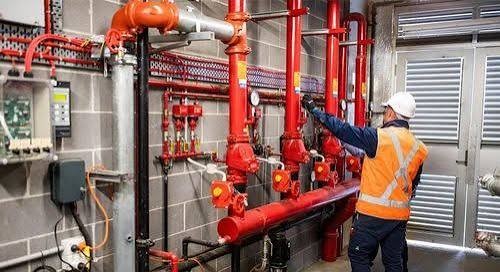
Fire safety is a critical requirement for every commercial and industrial building. Offices, hotels and factories contain people, electrical installations, furniture, machinery, equipment and other materials that can contribute to fire risks. Without suitable firefighting equipment, a small fire can quickly develop into a serious emergency, threatening lives, damaging property and disrupting business operations.
Professional firefighting equipment installation for offices, hotels and factories helps property owners prepare for fire emergencies by providing appropriate equipment for detecting, controlling and extinguishing fires. From fire extinguishers and hose reels to fire hydrants, sprinkler systems and specialised suppression equipment, every building requires a fire protection solution suited to its activities, layout and potential hazards.
In Uganda, commercial property developers, facility managers, hotel operators and industrial businesses should prioritise properly designed fire protection systems that meet applicable safety requirements.
At Daltrevco, we understand the importance of reliable building services and safety installations. This guide explains the types of firefighting equipment, their applications, installation procedures, maintenance requirements and factors to consider when planning fire protection for commercial and industrial buildings.
What Is Firefighting Equipment Installation?
Firefighting equipment installation is the professional process of selecting, positioning, connecting and commissioning equipment designed to control or extinguish fires and support emergency response.
The equipment installed depends on the building’s size, occupancy, activities, fire risks and available water supply.
A complete fire protection arrangement may include:
- Portable fire extinguishers.
- Fire hose reels.
- Fire hydrants.
- Automatic sprinkler systems.
- Fire blankets.
- Fire detection and alarm systems.
- Fire suppression systems.
- Fire pumps and water storage tanks.
- Emergency exit and fire safety signage.
- Standpipe systems in suitable multi-storey buildings.
The objective is to ensure that suitable firefighting resources are available, accessible and operational when needed.
Firefighting equipment should form part of a wider fire safety strategy that includes risk assessments, safe escape routes, staff training, emergency procedures and regular inspections.
Why Offices, Hotels and Factories Need Firefighting Equipment
Commercial and industrial buildings face different fire risks depending on their operations, construction materials, electrical installations and occupancy levels.
Installing suitable firefighting equipment provides several important benefits.
1. Protection of Human Life
The most important purpose of firefighting equipment is to protect employees, customers, guests, visitors and other occupants.
Suitable equipment, together with clear evacuation procedures, helps trained personnel respond to small fires when it is safe to do so and supports emergency preparedness.
Occupants should never be expected to fight a fire when doing so would expose them to danger. Evacuation and calling emergency services must take priority when necessary.
2. Control of Small Fires
A fire extinguisher or other appropriate firefighting equipment can help control an early-stage fire before it spreads, provided the equipment is suitable and the user is trained.
Different fires require different extinguishing agents. Selecting the wrong equipment can make an incident more dangerous.
3. Protection of Buildings and Assets
Offices contain computers, furniture, documents and electrical equipment. Hotels contain guest facilities, kitchens, furniture and valuable property. Factories may have expensive machinery, raw materials and finished products.
Appropriate firefighting equipment helps businesses prepare to control fire incidents and limit potential property damage.
4. Reduced Business Interruption
A major fire can stop business operations, destroy stock, damage equipment and affect customer confidence.
A well-planned fire protection arrangement supports emergency response and may help reduce the impact of a fire incident.
5. Improved Workplace Safety
Providing appropriate firefighting equipment demonstrates a commitment to workplace safety and supports the organisation’s wider occupational health and safety programme.
6. Support for Fire Safety Compliance
Building owners and operators should ensure that their firefighting arrangements comply with applicable Ugandan laws, building requirements, fire authority guidance and relevant technical standards.
The required equipment and installation arrangements should be confirmed through a competent fire safety assessment.
Types of Firefighting Equipment for Commercial and Industrial Buildings
Different types of firefighting equipment serve different purposes. Selecting the correct equipment requires understanding the possible fire hazards in each area.
1. Portable Fire Extinguishers
<em>(Suggested image: Different types of portable fire extinguishers installed in a commercial building)</em>
Portable fire extinguishers are among the most common firefighting devices used in offices, hotels, factories, shops and warehouses.
They are designed to extinguish specific types of fires, depending on the extinguishing agent.
Common types include:
Water fire extinguishers: Suitable for certain Class A fires involving ordinary combustible materials such as paper, wood and textiles. They must not be used on energised electrical equipment or fires involving flammable liquids.
Foam fire extinguishers: Used for appropriate Class A and Class B fire risks, including certain flammable liquid fires. Their suitability depends on the specific product and hazard.
Carbon dioxide (CO₂) fire extinguishers: Commonly used for certain electrical equipment and flammable liquid fire risks. They leave no powder residue, making them useful around sensitive electrical equipment, although they have limitations and require proper handling.
Dry powder fire extinguishers: Suitable for specific fire classes, including certain flammable liquid and gas fires. Some types are also rated for ordinary combustible materials. They can leave significant residue and may not be appropriate for every indoor environment.
Wet chemical fire extinguishers: Designed primarily for cooking oil and fat fires, making them particularly useful in commercial kitchens.
The extinguisher selected should have the correct fire rating and be positioned according to the building’s risk assessment and applicable requirements.
2. Fire Hose Reels
<em>(Suggested image: Fire hose reel cabinet installed along a commercial building corridor)</em>
Fire hose reels provide a continuous supply of water for controlling suitable fires.
They are commonly installed in commercial buildings, hotels, warehouses and other facilities where the building’s fire strategy requires them.
Important installation considerations include:
- Accessibility and visibility.
- Suitable mounting positions.
- Adequate water supply and pressure.
- Appropriate hose length and coverage.
- Correct pipework and connections.
- Clear signage and protection from obstruction.
Fire hose reels should only be used on fires for which water is a suitable extinguishing agent. They must not be used on energised electrical equipment or other incompatible fire hazards.
3. Fire Hydrant Systems
<em>(Suggested image: External fire hydrant installation outside an industrial facility)</em>
Fire hydrants provide firefighting water access for trained responders and authorised personnel.
They are particularly important for large industrial facilities, commercial developments, factories, warehouses and other properties requiring substantial firefighting water supplies.
A hydrant system may include:
- Internal or external hydrants.
- Hydrant valves and outlets.
- Firefighting pipework.
- Fire pumps.
- Water storage tanks.
- Fire brigade connections where required.
- Associated control and monitoring equipment.
The design should consider the required water flow, pressure, building layout and access for emergency responders.
4. Automatic Fire Sprinkler Systems
<em>(Suggested image: Automatic sprinkler heads installed in a hotel or commercial office ceiling)</em>
Automatic sprinkler systems are designed to release water when individual sprinkler heads are exposed to the required activation conditions.
They provide automatic fire control or suppression in protected areas, depending on the system design and fire conditions.
Common sprinkler system types include:
- Wet pipe sprinkler systems.
- Dry pipe sprinkler systems.
- Pre-action sprinkler systems.
- Deluge systems.
The appropriate type depends on the building’s environment, fire risks, temperature conditions and operational requirements.
Sprinklers are commonly considered for hotels, offices, shopping centres, warehouses and industrial facilities where required by the fire protection design.
5. Fire Blankets
<em>(Suggested image: Fire blanket mounted in a commercial kitchen)</em>
Fire blankets are designed to smother certain small fires by cutting off the oxygen supply.
They are particularly useful in kitchens and selected work areas.
Common applications include certain cooking-related fires and clothing fires involving a person, where the blanket can be applied safely and in accordance with training.
Fire blankets should be installed in accessible, clearly identified positions.
6. Fire Suppression Systems
<em>(Suggested image: Clean agent fire suppression cylinders in a server room)</em>
Fire suppression systems are designed to control or extinguish fires using a suitable extinguishing agent.
Depending on the hazard, they may use water, foam, gas or specialised chemical agents.
Examples include:
- Clean agent suppression systems.
- Kitchen hood suppression systems.
- Foam fire suppression systems.
- Water mist systems.
- Carbon dioxide suppression systems.
- Specialised industrial suppression systems.
These systems are especially important in areas where ordinary portable extinguishers or general sprinkler protection may not provide the required level of protection.
7. Fire Pumps and Water Storage Tanks
<em>(Suggested image: Commercial fire pump room with firefighting water storage equipment)</em>
Fire pumps and dedicated water storage arrangements help supply the pressure and water volume required by certain firefighting systems.
They may support hydrants, sprinklers, hose reels and other water-based fire protection installations.
Their design should consider:
- Required water demand.
- Available water supply.
- Pump capacity.
- Pressure requirements.
- Backup arrangements.
- Tank capacity.
- Pipework configuration.
- Maintenance and testing access.
The design must be coordinated with the overall fire protection system.
8. Fire Detection and Alarm Systems
<em>(Suggested image: Fire alarm control panel with smoke detectors and manual call points)</em>
Fire detection and alarm systems identify signs of fire and alert building occupants.
They may include smoke detectors, heat detectors, manual call points, alarm sounders, visual warning devices and control panels.
Although fire detection systems do not normally extinguish fires, they are essential for early warning and can be integrated with approved suppression and building safety systems.
Firefighting Equipment Installation for Offices
Office buildings contain electrical equipment, computers, printers, furniture, paper documents and other materials that can contribute to fire risks.
The equipment required depends on office size, floor arrangement, occupancy and identified hazards.
Common firefighting equipment for offices includes:
- Suitable portable fire extinguishers.
- Fire hose reels where required.
- Fire detection and alarm systems.
- Manual call points.
- Emergency lighting.
- Fire safety signage.
- Fire blankets in suitable kitchen or refreshment areas.
- Sprinkler systems where required by the design.
Important Office Installation Areas
Reception areas: Appropriate fire safety equipment should be visible and accessible without obstructing movement.
Office workspaces: Fire protection should account for computers, electrical equipment, furniture and combustible office materials.
Server and communication rooms: Specialised detection and suppression solutions may be required to protect sensitive electronic equipment.
Electrical rooms: Equipment should be selected according to the electrical hazards and the relevant fire protection strategy.
Kitchens and staff break rooms: Suitable extinguishers and fire blankets should be provided for identified cooking risks.
Corridors and escape routes: Fire equipment, alarm devices and safety signage should be positioned without obstructing safe evacuation.
Firefighting Equipment Installation for Hotels
Hotels accommodate guests, employees, contractors and visitors, many of whom may be unfamiliar with the building’s layout.
Their fire protection systems must consider guest safety, kitchen operations, laundry facilities, electrical equipment and accommodation areas.
Common firefighting equipment for hotels includes:
- Portable fire extinguishers.
- Fire hose reels.
- Fire hydrants where required.
- Automatic sprinkler systems where specified.
- Fire detection and alarm systems.
- Kitchen fire suppression systems.
- Fire blankets.
- Emergency lighting.
- Exit signage.
- Suitable firefighting water supplies.
Important Hotel Installation Areas
Guest rooms: Appropriate detection and alarm coverage should be provided according to the approved fire safety design.
Hotel kitchens: Commercial cooking equipment may require specialised hood suppression systems and suitable wet chemical extinguishers.
Laundry rooms: Heat-generating equipment, electrical appliances and combustible materials should be considered when selecting protection.
Restaurants and bars: Fire protection should account for cooking equipment, electrical installations, furniture and occupancy.
Storage rooms: Equipment should be selected according to the materials stored and their fire characteristics.
Staircases and corridors: Escape routes should remain accessible, with suitable alarm notification and emergency signage.
Plant rooms: Fire protection should be designed around the installed machinery, electrical equipment and other identified hazards.
Hotel staff should receive appropriate training on alarm response, evacuation assistance and the safe use of firefighting equipment.
Firefighting Equipment Installation for Factories
Factories often have more complex fire risks because of their production processes, machinery, raw materials, chemicals and industrial equipment.
The correct firefighting equipment depends on the activities taking place and the substances used or stored.
Common equipment may include:
- Industrial fire extinguishers.
- Fire hydrant systems.
- Fire hose reels.
- Automatic sprinkler systems.
- Foam suppression systems.
- Specialised industrial suppression equipment.
- Fire detection and alarm systems.
- Fire pumps and water storage tanks.
- Emergency response and firefighting accessories.
Important Factory Installation Areas
Production floors: Equipment should be selected based on machinery, heat sources, production materials and operational hazards.
Electrical control rooms: Suitable detection and suppression equipment may be necessary to protect electrical and electronic systems.
Chemical storage areas: The firefighting strategy must reflect the chemical properties and potential reactions of stored substances.
Fuel storage areas: Appropriate fire detection, containment and specialised suppression measures may be necessary.
Warehouses: Fire protection should consider the type of goods stored, storage height, packaging materials and building dimensions.
Boiler and generator rooms: Heat-producing equipment and fuel arrangements require specific fire risk assessment and suitable protection.
Loading and unloading areas: Fire protection should account for vehicles, stored goods and operational activities.
Industrial facilities should not rely on one type of extinguisher or one general-purpose system for every hazard. Specialised fire risks require specialist design.
How to Choose the Right Fire Extinguisher for Your Building
Choosing the correct fire extinguisher is essential because different fires require different extinguishing agents.
The following table provides a general guide.
| Fire type | Materials involved | Common suitable equipment |
|---|---|---|
| Class A | Wood, paper, textiles and other ordinary combustibles | Water, foam or suitable dry powder |
| Class B | Flammable liquids | Foam, CO₂ or suitable dry powder |
| Class C | Flammable gases under relevant classification systems | Suitable dry powder and appropriate fuel isolation |
| Class D | Combustible metals | Specialised Class D powder |
| Electrical equipment | Energised electrical installations | Suitable non-conductive agents, such as CO₂ or appropriately rated dry powder |
| Cooking oil and fats | Commercial cooking appliances | Wet chemical extinguishers and suitable kitchen suppression systems |
Fire classification terminology varies between standards and jurisdictions. Some systems classify electrical equipment separately, while others do not treat it as an independent fire class.
The extinguisher’s label, rating and manufacturer instructions should always be checked before installation and use.
Firefighting Equipment Installation Process
Professional installation involves more than mounting extinguishers or connecting fire hose reels. It requires an assessment of fire risks, equipment selection, system design, installation, testing and handover.
Step 1: Conduct a Fire Risk Assessment
The first stage is evaluating the building and identifying potential sources of ignition, combustible materials and fire hazards.
The assessment should consider:
- Building size and number of floors.
- Occupancy and daily activities.
- Electrical installations.
- Machinery and industrial processes.
- Storage arrangements.
- Cooking and heating equipment.
- Flammable liquids and gases.
- Escape routes and emergency exits.
- Existing fire protection systems.
- Available water supplies.
This information helps determine the type, quantity and positioning of firefighting equipment.
Step 2: Develop a Fire Protection Design
After the assessment, a suitable fire protection plan is developed.
The design identifies equipment locations, water supply requirements, pipework, fire pumps, detection and alarm arrangements, escape routes and other necessary components.
For larger buildings, the design may require coordination between fire safety professionals, architects, mechanical engineers and electrical engineers.
Step 3: Select Appropriate Equipment
Equipment should be selected according to the identified hazards, building requirements and applicable technical standards.
Important considerations include:
- Fire rating and extinguishing agent.
- Equipment capacity.
- Environmental suitability.
- Manufacturer specifications.
- Product certification.
- Availability of replacement parts.
- Inspection and servicing requirements.
Step 4: Prepare the Installation Site
The installation area is prepared to accommodate the selected equipment.
This may involve installing mounting brackets, cabinets, pipework, valves, supports, electrical connections and other infrastructure.
The work should be planned to minimise disruption to occupied offices, hotels and operating factories.
Step 5: Install Firefighting Equipment
Qualified personnel install the selected equipment according to the approved design and manufacturer instructions.
This may include:
- Mounting fire extinguishers.
- Installing fire hose reels.
- Connecting hydrant pipework.
- Installing sprinkler heads and distribution pipes.
- Setting up fire pumps.
- Installing fire suppression equipment.
- Positioning fire alarm devices.
- Installing emergency signage.
Correct installation is essential for equipment accessibility and reliable operation.
Step 6: Test and Commission the Systems
Once installation is complete, the equipment and systems should be inspected and tested.
Depending on the installation, testing may include:
- Fire pump operation.
- Water flow and pressure checks.
- Hydrant and hose reel testing.
- Sprinkler system inspections and required tests.
- Alarm activation and notification checks.
- Suppression system controls.
- Equipment accessibility.
- Backup power arrangements.
- System interface testing.
Testing and commissioning should follow applicable standards, approved procedures and manufacturer requirements.
Step 7: Handover and Staff Training
The final stage involves handing over the installed systems and providing the responsible personnel with the necessary documentation.
Building managers and staff should understand:
- Equipment locations.
- Fire extinguisher types and limitations.
- Alarm response procedures.
- Emergency evacuation arrangements.
- Inspection requirements.
- Fault reporting.
- Maintenance schedules.
- Emergency contact procedures.
Staff should receive practical fire safety training appropriate to their roles.
Firefighting Equipment Installation Standards and Safety Requirements in Uganda
Firefighting equipment should be installed according to applicable Ugandan laws, building requirements, fire safety guidance and relevant technical standards.
The appropriate design should be confirmed with competent professionals and relevant authorities.
Depending on the equipment and project, recognised technical references may include:
- NFPA 10: Standard for Portable Fire Extinguishers.
- NFPA 13: Standard for the Installation of Sprinkler Systems.
- NFPA 14: Standard for the Installation of Standpipe and Hose Systems.
- NFPA 20: Standard for the Installation of Stationary Pumps for Fire Protection.
- NFPA 25: Standard for the Inspection, Testing, and Maintenance of Water-Based Fire Protection Systems.
- NFPA 72: National Fire Alarm and Signaling Code.
- Relevant EN standards: Applicable European fire protection and equipment standards.
These references are not automatically interchangeable or universally mandatory in Uganda. The applicable editions and requirements should be confirmed for each project.
A compliant installation should consider equipment certification, appropriate system design, qualified workmanship, commissioning documentation, accessibility and ongoing maintenance.
How Much Does Firefighting Equipment Installation Cost in Uganda?
The cost of firefighting equipment installation in Uganda varies according to the building’s size, fire risks, equipment specifications and installation complexity.
A small office may require portable extinguishers, signage and basic fire safety equipment, while a large hotel or factory may need hydrants, sprinklers, pumps, suppression systems and extensive pipework.
The main factors affecting installation costs include:
1. Building Size
Larger buildings generally require more equipment, longer pipework and wider fire protection coverage.
2. Type of Equipment
Portable extinguishers, hose reels, hydrants, sprinkler systems and specialised suppression systems have different equipment and installation costs.
3. Building Design and Layout
Multi-storey buildings, large warehouses and complex industrial facilities may require more extensive installation work.
4. Water Supply Requirements
Hydrant and sprinkler systems may require dedicated water storage tanks, pumps, pipework and other supporting infrastructure.
5. Installation Complexity
Existing buildings may require modifications, additional pipe routes, structural supports and electrical work.
6. Testing and Commissioning
Professional testing, documentation and commissioning are important parts of the total project cost.
7. Maintenance Requirements
The long-term cost of fire protection includes inspection, servicing, replacement parts, refilling and periodic system testing.
For an accurate quotation, arrange a site assessment and request a detailed proposal identifying the equipment, quantities, specifications, installation work and maintenance requirements.
Common Firefighting Equipment Installation Mistakes to Avoid
Poor equipment selection or installation can reduce the effectiveness of a fire protection system.
Property owners and facility managers should avoid the following mistakes.
1. Installing the Wrong Type of Fire Extinguisher
Different fires require different extinguishing agents. Using water on an energised electrical fire or an unsuitable extinguisher on a cooking oil fire can create serious danger.
2. Installing Too Few Fire Extinguishers
Insufficient equipment can leave parts of the building without adequate protection.
The required number and distribution should be determined through the applicable fire risk assessment and standards.
3. Blocking Access to Firefighting Equipment
Fire extinguishers, hose reels and hydrants should remain visible and accessible.
Storing furniture, stock or other materials in front of equipment can delay emergency response.
4. Ignoring Water Pressure Requirements
Water-based fire protection systems require suitable water supplies and pressure.
Inadequate water flow can affect the performance of hydrants, sprinklers and hose reels.
5. Poor Equipment Positioning
Equipment should be located where it can be reached safely and quickly without obstructing escape routes.
6. Failing to Train Employees
Staff should know where equipment is located, how alarms operate and when it is safe to use an extinguisher.
7. Neglecting Maintenance
Expired, damaged or poorly maintained equipment may not operate correctly during an emergency.
Regular inspection and servicing are essential.
8. Treating Firefighting Equipment as a Substitute for Evacuation
Firefighting equipment supports emergency response but does not remove the need for safe escape routes, alarm systems, evacuation procedures and emergency planning.
Firefighting Equipment Maintenance and Inspection
Installing firefighting equipment is only the first step. Regular inspection and maintenance help ensure that it remains operational and ready for use.
A suitable maintenance programme should follow the applicable standards, manufacturer instructions and building risk assessment.
Important maintenance activities include:
Fire extinguishers
- Check pressure indicators where fitted.
- Inspect seals, safety pins and hoses.
- Check for corrosion, damage or leakage.
- Confirm that units remain accessible.
- Arrange servicing and refilling when required.
Fire hose reels
- Inspect hoses, nozzles and valves.
- Check mounting arrangements.
- Verify water supply.
- Carry out appropriate functional tests.
- Check for leakage or damage.
Fire hydrants
- Inspect hydrant valves and outlets.
- Check accessibility and signage.
- Test water flow and pressure as required.
- Inspect associated pipework and connections.
Sprinkler systems
- Inspect sprinkler heads for damage or obstruction.
- Check valves and control equipment.
- Verify water supply and pressure.
- Arrange required testing and servicing.
Fire suppression systems
- Inspect cylinders, pipework and discharge equipment.
- Check control panels and activation arrangements.
- Verify system readiness and required agent levels.
- Arrange specialist servicing.
Fire alarm systems
- Test detectors, manual call points and alarm devices.
- Check control panel fault indications.
- Inspect backup power supplies.
- Maintain testing and inspection records.
Building managers should maintain records of inspections, tests, faults, repairs and equipment replacements.
How to Choose a Firefighting Equipment Installation Company in Uganda
Choosing the right installation provider is important for the safety and reliability of your building.
Before hiring a contractor, consider the following:
Relevant experience: Select a provider with experience in commercial and industrial building projects.
Technical knowledge: The provider should understand different fire hazards and the appropriate firefighting equipment for each application.
Professional assessment: A reliable contractor should assess the building before recommending equipment.
Quality equipment: Confirm that products meet applicable technical and certification requirements.
Installation standards: Ensure that installation follows approved designs, manufacturer instructions and relevant technical standards.
Testing and commissioning: The contractor should provide appropriate testing and commissioning documentation.
Maintenance support: Choose a provider that can help arrange inspection, servicing and repairs.
Clear quotations: Request a detailed quotation showing equipment specifications, quantities, installation work and exclusions.
Why Choose Daltrevco for Building Utility and Safety Solutions?
Daltrevco is focused on providing building-related solutions that support the functionality, safety and performance of residential, commercial and industrial properties.
Fire protection planning is an important consideration when constructing new buildings, renovating existing premises or upgrading building utility systems.
Whether you are developing an office complex, managing a hotel, operating a factory or planning a warehouse, the right approach begins with understanding the building’s fire risks and selecting appropriate safety installations.
Daltrevco can help you discuss your building service requirements and identify the appropriate scope of work for your project.
Contact Daltrevco today to discuss your commercial or industrial building requirements and plan suitable building safety solutions.
Frequently Asked Questions About Firefighting Equipment Installation
1. What firefighting equipment is required in an office building?
Office buildings may require portable fire extinguishers, fire detection and alarm systems, manual call points, emergency lighting, fire safety signage and, depending on the building’s design and risk assessment, hose reels or sprinkler systems.
2. What firefighting equipment is needed in hotels?
Hotels may require fire extinguishers, hose reels, hydrants, sprinkler systems, fire detection and alarm systems, emergency lighting and specialised kitchen suppression equipment. The exact requirements depend on the building’s size, occupancy and fire risks.
3. What firefighting equipment is suitable for factories?
Factories may require industrial fire extinguishers, hydrants, hose reels, sprinklers, fire pumps and specialised suppression systems. Equipment selection depends on machinery, manufacturing processes, chemicals and stored materials.
4. How many fire extinguishers does a commercial building need?
The number depends on the building’s size, layout, occupancy, fire hazards, extinguisher ratings and applicable standards. A fire risk assessment should determine the correct number and positioning.
5. Which fire extinguisher is best for an office?
Suitable options may include CO₂ or appropriately rated dry powder extinguishers for identified electrical and other fire risks, alongside suitable equipment for ordinary combustible materials. The correct selection should be based on the office’s fire risk assessment.
6. Are fire hose reels necessary in commercial buildings?
Fire hose reels may be required depending on the building’s design, occupancy, fire risks and applicable requirements. They should be installed with suitable water supply, pressure and coverage.
7. Do hotels need automatic sprinkler systems?
Sprinkler requirements depend on the hotel’s building characteristics, occupancy, fire risk assessment and applicable building and fire safety requirements. A competent professional should determine the appropriate protection.
8. How often should firefighting equipment be inspected?
Inspection frequency varies by equipment type and applicable standards. Fire extinguishers, hose reels, hydrants, sprinklers and suppression systems each have specific inspection and maintenance requirements.
9. How much does firefighting equipment installation cost in Uganda?
Costs depend on building size, equipment type, quantities, installation complexity, water supply arrangements and commissioning requirements. A site assessment is necessary to prepare an accurate quotation.
10. Can firefighting equipment be installed in an existing building?
Yes. Existing offices, hotels and factories can be assessed and upgraded with appropriate firefighting equipment. The installation plan should consider the current building layout, existing services, occupancy and operational requirements.
Conclusion
Firefighting equipment installation is an essential part of protecting offices, hotels and factories against fire emergencies. The right combination of fire extinguishers, hose reels, hydrants, sprinkler systems, suppression equipment and supporting fire safety installations helps organisations prepare for different types of fire hazards.
Every building has unique requirements. Offices need protection suited to electrical equipment and everyday workplace activities, hotels require careful planning for guest safety and kitchens, while factories need specialised solutions based on industrial processes and stored materials.
A successful fire protection project begins with a professional fire risk assessment, followed by suitable equipment selection, proper system design, quality installation, testing, commissioning and regular maintenance.
If you are constructing, renovating or managing a commercial or industrial property in Uganda, contact Daltrevco to discuss your building utility and safety installation requirements.

