
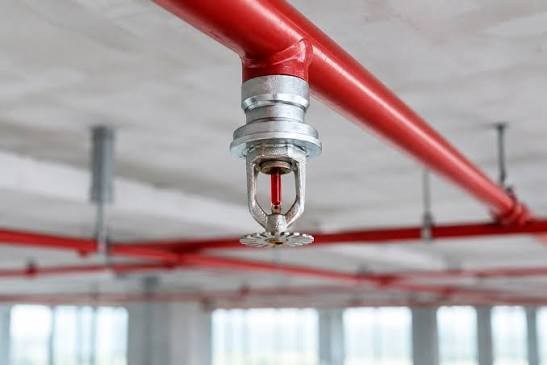
Fire safety is an essential consideration in the construction and management of residential, commercial, institutional and industrial buildings. Whether you are developing an office block, hotel, shopping mall, hospital, warehouse, factory or apartment complex, installing an appropriate fire protection system helps safeguard occupants, property and business operations.
One of the most important automatic fire protection solutions is a fire sprinkler system. Designed to respond to heat generated by a developing fire, these systems release water through strategically positioned sprinkler heads to help control or suppress flames before they spread.
For property developers, building contractors and facility managers in Uganda, understanding fire sprinkler systems is important when planning new developments, upgrading existing buildings or improving workplace fire safety.
Daltrev Co. Ltd provides building utilities and fire protection-related solutions for residential, commercial and industrial developments in Uganda. Through its utilities works and firefighting equipment offerings, Daltrev supports clients looking for suitable building safety products and installation solutions.
This guide explores the different types of fire sprinkler systems, their benefits, installation requirements, maintenance considerations and factors to consider when selecting fire protection solutions for your property.
What Is a Fire Sprinkler System?
A fire sprinkler system is an automatic fire suppression installation designed to control or suppress fires using water discharged through specially designed sprinkler heads.
The system consists of interconnected pipes, sprinkler heads, control valves, water supply equipment and other components that work together to provide fire protection throughout a building.
Most conventional sprinkler systems operate when individual sprinkler heads are exposed to sufficiently high temperatures. Heat activates a temperature-sensitive element inside the sprinkler head, allowing water to discharge directly over the affected area.
Unlike a common misconception, most conventional fire sprinkler systems do not activate every sprinkler head simultaneously. Each sprinkler head generally operates independently when exposed to sufficient heat.
Fire sprinkler systems are suitable for many types of properties, including:
- Commercial office buildings.
- Hotels and hospitality facilities.
- Shopping malls and retail centres.
- Hospitals and healthcare facilities.
- Schools and educational institutions.
- Factories and manufacturing facilities.
- Warehouses and storage facilities.
- Residential apartments and housing developments.
- Industrial plants and processing facilities.
Choosing the right system requires consideration of the building’s size, occupancy, fire hazards, water supply and applicable fire safety requirements.
How Does a Fire Sprinkler System Work?
An automatic fire sprinkler system is designed to respond to heat produced by a developing fire.
The operation generally follows these stages:
- Fire outbreak: A fire develops within a protected area, producing heat.
- Heat accumulation: Hot gases rise towards the ceiling where sprinkler heads are installed.
- Sprinkler activation: When the temperature reaches the sprinkler head’s rated activation point, its heat-sensitive element operates.
- Water discharge: Water flows through the activated sprinkler head and is distributed over the affected area.
- Fire suppression: The discharged water helps control the fire and reduce its spread.
- Alarm notification: Water flow switches and associated monitoring equipment can transmit signals to the building’s fire alarm system.
The effectiveness of the system depends on correct sprinkler selection, adequate water supply, appropriate pipe sizing, proper installation and regular maintenance.
Types of Fire Sprinkler Systems
Different buildings require different sprinkler systems depending on their intended use, fire risks, environmental conditions and technical requirements.
Below are the main types of fire sprinkler systems used in building and industrial fire protection.
1. Wet Pipe Fire Sprinkler Systems
Wet pipe systems are among the most commonly used automatic sprinkler installations.
The pipes remain filled with pressurised water at all times. When a sprinkler head is activated by heat, water is immediately discharged over the affected area.
Main features:
- Pipes remain filled with water.
- Sprinkler heads operate individually.
- Water is discharged immediately after activation.
- The system has a relatively straightforward design.
- It is suitable for environments where freezing is not a concern.
Common applications:
- Offices.
- Hotels.
- Shopping centres.
- Hospitals.
- Schools.
- Residential apartment buildings.
Benefits: Wet pipe systems offer reliable operation, relatively simple maintenance and rapid water delivery following sprinkler activation.
2. Dry Pipe Fire Sprinkler Systems
Dry pipe sprinkler systems are designed for environments where water-filled pipes may be exposed to freezing conditions.
Instead of containing water throughout the pipe network, the pipes are filled with pressurised air or nitrogen. Water is held behind a specialised dry pipe valve.
When a sprinkler head activates, the pressure changes and the valve opens, allowing water to enter the sprinkler network.
Common applications:
- Cold storage facilities.
- Refrigerated warehouses.
- Unheated storage buildings.
- Areas exposed to freezing temperatures.
Benefits: Dry pipe systems reduce the risk of water freezing inside the sprinkler pipes and damaging the installation.
3. Pre-Action Fire Sprinkler Systems
Pre-action systems combine automatic sprinkler protection with an independent fire detection arrangement.
Water is normally held outside the sprinkler pipe network until the required detection signal operates the pre-action valve.
Depending on the selected configuration, sprinkler operation may also be required before water enters the network.
Common applications:
- Data centres.
- Telecommunications facilities.
- Libraries.
- Museums and archives.
- Areas containing sensitive electronic equipment.
Benefits: These systems provide additional protection against unintended water discharge in areas where accidental water damage could be particularly costly.
4. Deluge Fire Sprinkler Systems
Deluge systems are designed for high-hazard environments where fires may spread rapidly.
They use open sprinkler heads or nozzles connected to a water supply controlled by a deluge valve.
When the associated fire detection system activates the valve, water flows through all open outlets within the protected zone.
Common applications:
- Chemical processing facilities.
- Fuel storage installations.
- Industrial plants.
- Power generation facilities.
- High-hazard manufacturing areas.
Benefits: Deluge systems provide rapid, extensive water application to help control fires in high-risk industrial environments.
5. Residential Fire Sprinkler Systems
Residential sprinkler systems are designed specifically for homes, apartments and other residential properties.
They use appropriately selected sprinkler heads positioned to protect designated residential spaces.
Some installations use concealed sprinkler heads that blend into ceiling designs.
Common applications:
- Private homes.
- Apartment blocks.
- Residential estates.
- Townhouses.
- Multi-family housing developments.
Benefits: Residential sprinkler systems provide automatic fire suppression that can help protect occupants and reduce property damage.
6. ESFR Fire Sprinkler Systems
Early Suppression Fast Response (ESFR) systems are specialised sprinkler installations designed for certain high-storage environments.
They discharge water at high flow rates to suppress specific storage fires, subject to the building layout, storage height, commodity classification and engineering design.
Common applications:
- Distribution warehouses.
- Logistics centres.
- High-rack storage facilities.
- Industrial storage buildings.
Benefits: Properly designed ESFR installations can provide effective fire suppression in suitable high-storage facilities.
Benefits of Installing Fire Sprinkler Systems
Installing an appropriate fire sprinkler system provides important safety and operational benefits for building owners, businesses and property developers.
1. Early Fire Suppression
One of the greatest benefits of automatic sprinkler systems is their ability to respond to developing fires without waiting for someone to operate firefighting equipment manually.
When a sprinkler head reaches its activation temperature, it releases water directly into the affected area.
This helps control fire development and reduce the possibility of flames spreading to other sections of the building.
2. Protection of Human Life
Fire emergencies can place occupants at serious risk, particularly in hotels, hospitals, schools, shopping malls and residential apartments.
Sprinkler systems help control fires and may provide occupants with additional time to evacuate safely.
They are especially valuable in buildings where many people gather or where occupants may require assistance during an emergency.
However, sprinklers must be used alongside fire alarms, emergency exits, evacuation plans and other essential safety measures.
3. Reduced Property Damage
Uncontrolled fires can destroy buildings, equipment, furniture, stock and important business assets.
A properly designed sprinkler system helps limit fire development by applying water to the affected area.
This can reduce the extent of damage and help property owners avoid significant rebuilding and replacement expenses.
4. Improved Business Continuity
For commercial and industrial businesses, fire incidents can result in prolonged operational interruptions, lost revenue and damaged customer relationships.
Installing suitable fire sprinkler protection helps reduce the potential impact of fire emergencies.
This is particularly important for:
- Manufacturing facilities.
- Office buildings.
- Hotels and hospitality businesses.
- Shopping malls.
- Warehouses.
- Industrial processing facilities.
5. Improved Building Fire Safety
Fire sprinkler installations form part of an effective building fire protection strategy.
When properly designed and integrated with fire detection, alarm and firefighting equipment, they strengthen overall building safety.
In Uganda, applicable building regulations and fire safety requirements should guide the design and provision of fire protection installations.
6. Protection of Equipment and Inventory
Factories, warehouses, hospitals and data centres often contain expensive equipment, machinery, materials and stock.
A suitable sprinkler system helps reduce the risk of a small fire developing into a major incident that destroys valuable assets.
7. Reduced Fire Spread
Sprinkler systems help control fire development within affected areas, reducing the risk of flames spreading to other rooms, floors and sections of a property.
This is particularly important in multi-storey commercial buildings, large warehouses and industrial facilities.
8. Better Property Risk Management
A properly installed and maintained fire sprinkler system strengthens a property’s fire risk management strategy.
It can also support discussions with insurers, investors, property managers and other stakeholders regarding building safety.
Fire Sprinkler System Installation Requirements in Uganda
Fire sprinkler installation requires proper planning, technical expertise, suitable equipment and compliance with applicable building and fire safety requirements.
For property developers and contractors in Uganda, the following considerations are important.
1. Professional Fire Risk Assessment
Before installation begins, the building should undergo a fire risk assessment to identify potential hazards and determine the appropriate sprinkler protection.
The assessment should consider:
- Building size and floor area.
- Number of floors and building height.
- Type of occupancy.
- Materials stored or used.
- Potential ignition sources.
- Number of occupants.
- Special fire hazards.
- Emergency access arrangements.
This assessment helps determine the appropriate sprinkler system and protection requirements.
2. Compliance with Uganda’s Building Regulations
Fire sprinkler installations should comply with applicable Ugandan building regulations, approved building plans and relevant fire safety requirements.
The National Building (Standards for Mechanical Installations in Buildings) Code, 2019, contains provisions relating to sprinkler installations.
Section 133 addresses specified circumstances involving building height, basement floor areas, ventilation and concealed spaces.
Property developers should have the project requirements reviewed against the full Code and relevant approvals rather than assuming that every building has identical sprinkler requirements.
International standards such as NFPA 13 may also be used as applicable technical references for sprinkler system design and installation, subject to the project’s approved specifications.
3. Adequate Water Supply
A reliable water supply is essential for effective sprinkler system operation.
The water source must provide the required flow rate and pressure under the system’s designed operating conditions.
Depending on the project, the water supply arrangement may include:
- Dedicated fire water storage tanks.
- Suitable municipal water connections.
- Underground storage reservoirs.
- Fire pumps.
- Pressure maintenance pumps.
- Associated control valves and pipework.
Water storage capacity and pump specifications should be established through professional hydraulic calculations.
4. Proper Sprinkler Head Selection
Sprinkler heads must be selected according to the building’s fire protection requirements.
Common options include:
- Upright sprinkler heads.
- Pendent sprinkler heads.
- Sidewall sprinkler heads.
- Concealed sprinkler heads.
- Extended coverage sprinkler heads.
- ESFR sprinkler heads.
The correct selection depends on ceiling configuration, occupancy, fire hazards, obstructions and system design.
5. Suitable Pipework and Materials
Fire sprinkler pipes must be suitable for the operating pressure and environmental conditions of the system.
Important considerations include:
- Correct pipe diameters.
- Suitable fittings and connectors.
- Appropriate pressure ratings.
- Corrosion protection.
- Secure pipe supports and hangers.
- Properly installed connections.
- Protection against mechanical damage.
Using unsuitable materials or poorly installed connections can affect system reliability.
6. Fire Pump Installation
Some sprinkler installations require dedicated fire pumps to provide the necessary water flow and pressure.
The pump arrangement should be selected according to the system’s hydraulic calculations and applicable design requirements.
Fire pump installations may include:
- Main fire pump.
- Standby pump where required.
- Pressure maintenance pump.
- Pump control panel.
- Isolation valves.
- Pressure gauges.
- Testing arrangements.
Daltrev Co. Ltd also offers firefighting equipment categories that include fire pumps and sprinkler heads for building fire protection projects.
7. Correct Sprinkler Head Spacing and Positioning
Sprinkler heads must be positioned according to the applicable design standard and manufacturer’s specifications.
Their positioning should consider:
- Ceiling height.
- Room dimensions.
- Structural beams.
- Lighting fixtures.
- Air conditioning ducts.
- Suspended ceilings.
- Storage arrangements.
- Other physical obstructions.
Incorrect positioning can leave areas inadequately protected.
8. Integration with Fire Alarm Systems
Sprinkler systems should be properly coordinated with the building’s fire detection and alarm installations.
Depending on the system design, integration may include:
- Water flow switches.
- Valve supervisory switches.
- Fire alarm control panels.
- Audible and visual alarm devices.
- Remote monitoring equipment.
- Emergency notification arrangements.
This integration helps occupants and facility managers receive timely information when the system operates.
9. Professional Installation, Testing and Commissioning
The installation should be undertaken by competent fire protection professionals.
Before handover, the completed system should undergo appropriate inspections and tests.
These may include:
- Pipe pressure testing.
- Water flow testing.
- Fire pump performance testing.
- Alarm interface testing.
- Valve operation checks.
- System flushing where required.
- Verification of sprinkler head installation.
- Final commissioning.
Any defects identified during testing should be corrected before the system is placed into service.
Step-by-Step Fire Sprinkler System Installation Process
A professional sprinkler installation involves several stages, from initial assessment to final commissioning.
Step 1: Site Inspection and Assessment
The contractor assesses the building layout, construction details, occupancy and potential fire hazards.
This helps identify the most suitable sprinkler protection strategy.
Step 2: System Design and Planning
The appropriate professionals prepare the system design, including sprinkler head locations, pipe routing, pipe sizing, water supply requirements and hydraulic calculations.
The design should be coordinated with the building’s architectural, structural, electrical and mechanical installations.
Step 3: Approval and Procurement
Where required, the design is submitted to the relevant authorities for review and approval.
Suitable sprinkler heads, pipes, valves, pumps, fittings and control equipment are then procured according to the approved project specifications.
Step 4: Installation of Pipes and Supports
The installation team positions and secures the sprinkler pipework according to the approved drawings.
Supports, hangers and brackets must be properly installed to maintain system stability.
Step 5: Installation of Sprinkler Heads
Sprinkler heads are fitted in their designated locations.
Care must be taken to prevent physical damage, incorrect orientation and obstructions that could interfere with water distribution.
Step 6: Installation of Water Storage and Pumping Equipment
Where required, the contractor installs fire water tanks, pumps, control equipment and associated pipework.
The water supply arrangement must meet the design requirements.
Step 7: Fire Alarm and Control System Integration
Water flow switches, supervisory switches and monitoring equipment are connected to the relevant fire alarm and control systems.
The contractor verifies that the signals are correctly transmitted.
Step 8: Testing and Commissioning
The completed installation undergoes the required inspections, pressure tests, functional tests and commissioning procedures.
Step 9: Handover and Documentation
The client receives relevant project documentation, which may include:
- Approved design drawings.
- As-built drawings.
- Equipment specifications.
- Testing and commissioning reports.
- Operating instructions.
- Maintenance schedules.
- Warranty documentation.
Factors That Determine Fire Sprinkler Installation Costs in Uganda
The cost of installing a fire sprinkler system depends on the building, equipment requirements, system design and complexity of the project.
The main cost factors include:
1. Building Size
Large buildings generally require more sprinkler heads, pipework, fittings and installation materials.
2. Type of Sprinkler System
Wet pipe, dry pipe, pre-action and deluge systems have different equipment and installation requirements.
3. Number of Sprinkler Heads
The number of sprinkler heads depends on floor area, ceiling height, building layout and applicable design requirements.
4. Water Storage and Pumping Equipment
Some buildings require dedicated fire water tanks and pumping equipment, which contribute to the overall project budget.
5. Building Design
Multi-storey properties, high ceilings and complex architectural layouts may require more extensive pipe routing and installation work.
6. Quality of Materials and Equipment
The specifications, certification and suitability of sprinkler heads, pipes, valves, pumps and control equipment influence the overall cost.
7. Labour and Installation Complexity
The cost of technical personnel, engineering services, transportation and site preparation also affects the project budget.
For an accurate quotation, property owners should request a professional assessment based on the actual building and its fire protection requirements.
Common Fire Sprinkler Installation Mistakes to Avoid
Poor installation can compromise the effectiveness of a sprinkler system.
Property developers and building owners should avoid the following mistakes:
- Incorrect sprinkler head positioning: Poor spacing can leave parts of a building inadequately protected.
- Using undersized pipes: Incorrect pipe sizing can affect water flow and pressure.
- Inadequate water supply: Insufficient storage or pumping capacity can compromise system performance.
- Using unsuitable sprinkler heads: Different buildings require different equipment specifications.
- Ignoring ceiling obstructions: Beams, ducts and lighting fixtures can interfere with water distribution.
- Poor fire alarm integration: Inadequate coordination can affect system monitoring and notification.
- Skipping commissioning: Every installation should undergo the necessary testing before handover.
- Neglecting maintenance: Regular servicing is essential for long-term system reliability.
Fire Sprinkler System Maintenance and Inspection
Regular maintenance helps ensure that a fire sprinkler system remains operational throughout its service life.
Building owners and facility managers should establish a maintenance programme based on applicable standards, equipment manufacturers’ instructions and local requirements.
Important maintenance activities include:
- Inspecting sprinkler heads for corrosion and physical damage.
- Checking control valves and their operating positions.
- Inspecting pipes and fittings for leaks.
- Checking water storage levels.
- Testing fire pumps according to the maintenance programme.
- Checking pressure gauges and monitoring equipment.
- Testing water flow alarms and supervisory signals.
- Inspecting exposed pipework for corrosion.
- Keeping sprinkler heads free from paint and obstructions.
- Maintaining accurate inspection and testing records.
NFPA 25 provides guidance on the inspection, testing and maintenance of water-based fire protection systems.
Working with competent fire protection technicians helps identify defects and address problems before they compromise the system.
Fire Sprinkler Systems for Different Building Types
Different properties have different fire protection requirements.
Fire Sprinkler Systems for Office Buildings
Office buildings contain electrical equipment, furniture, documents and other combustible materials.
A properly designed sprinkler system helps protect workspaces, common areas and other designated sections of the property.
Fire Sprinkler Systems for Hotels
Hotels accommodate guests and employees who may not be familiar with the building layout.
Fire protection planning should consider guest rooms, corridors, public areas and other applicable spaces.
Fire Sprinkler Systems for Hospitals
Healthcare facilities require careful fire safety planning because some occupants may have limited mobility.
Sprinkler protection should be coordinated with evacuation procedures and other hospital fire safety systems.
Fire Sprinkler Systems for Shopping Malls
Shopping malls contain retail spaces, storage areas, restaurants and large public areas.
Their fire protection requirements should consider occupancy, building layout and the different activities taking place within the development.
Fire Sprinkler Systems for Warehouses
Warehouses may contain large quantities of combustible materials stored at different heights.
Sprinkler selection must consider the type of goods, storage configuration, building height and potential fire hazards.
Fire Sprinkler Systems for Factories
Factories may have specialised fire risks associated with machinery, production processes, chemicals and industrial materials.
A professional fire risk assessment is necessary to determine the appropriate protection arrangement.
Fire Sprinkler Systems for Residential Apartments
Residential sprinkler installations help protect designated living spaces and support wider building fire safety arrangements.
The design should consider the apartment layout, building configuration and applicable residential fire safety requirements.
Fire Sprinkler Systems and Other Fire Protection Equipment
A sprinkler system should form part of a coordinated fire safety strategy rather than being treated as the only fire protection measure.
Different systems perform different functions.
| Fire protection equipment | Main function |
|---|---|
| Fire sprinkler system | Automatically controls or suppresses fires using water |
| Fire alarm system | Alerts occupants to a fire emergency |
| Smoke detectors | Detect smoke and initiate appropriate warning signals |
| Fire extinguishers | Provide portable firefighting capability |
| Fire hose reels | Provide a controlled water supply for firefighting |
| Fire hydrants | Provide water access for firefighting operations |
| Fire pumps | Supply the required water flow and pressure |
| Gas suppression systems | Use specialised extinguishing agents in suitable protected spaces |
Daltrev Co. Ltd offers a range of fire protection-related products and building utility solutions, including fire alarm equipment, smoke detectors, fire extinguishers, hose reels, hydrants, fire pumps and sprinkler heads.
Why Install Fire Sprinkler Systems During Building Construction?
Installing sprinkler systems during the initial construction stage offers several practical advantages.
Better planning: Sprinkler pipework can be coordinated with electrical installations, HVAC ductwork, ceilings and structural components.
Reduced modification costs: Installing pipes before ceiling finishes are completed can reduce the need for expensive alterations.
Improved integration: Fire protection systems can be incorporated into the building’s alarm, water supply and mechanical infrastructure.
Better space utilisation: Early planning helps identify suitable locations for sprinkler heads, valves, pumps and water storage equipment.
Improved project coordination: Architects, engineers and contractors can incorporate fire protection requirements into the original building design.
Property developers should therefore consider fire sprinkler requirements during the architectural and engineering design stages.
Why Choose Daltrev Co. Ltd for Building Fire Protection Solutions in Uganda?
Selecting suitable fire protection equipment and planning the right building installations are important steps towards improving property safety.
Daltrev Co. Ltd provides building utilities, fire protection-related products and installation solutions for residential, commercial, institutional and industrial developments in Uganda.
Our utilities and product offerings support clients looking for essential building systems and equipment.
Fire Protection Products
Daltrev’s fire protection product category includes:
- Fire alarm panels.
- Fire extinguishers.
- Smoke detectors.
- Heat detectors.
- Fire hose reels.
- Water hydrants.
- Manual call points.
- Fire pumps.
- Sprinkler heads.
Fire Protection and Building Utilities
Our building utilities solutions also cover fire detection, smoke detectors, fire alarms and related building safety installations.
Solutions for Different Projects
We support enquiries relating to building utilities and fire protection requirements for:
- Residential homes and apartment developments.
- Office buildings.
- Hotels and hospitality facilities.
- Schools and educational institutions.
- Hospitals and healthcare facilities.
- Warehouses.
- Factories and industrial developments.
- Shopping malls and commercial complexes.
Integrated Building Solutions
Beyond fire protection, Daltrev provides electrical installations, plumbing works, security systems, internet infrastructure, lift installations and selected building management and smart home solutions.
This broad service range allows clients to discuss multiple building installation requirements with one company.
To learn more about our services, visit the Daltrev Co. Ltd Utilities Works page and Fire Protection and Utility Products.
Frequently Asked Questions About Fire Sprinkler Systems in Uganda
1. What is the main purpose of a fire sprinkler system?
The main purpose is to automatically control or suppress fires by discharging water when individual sprinkler heads are exposed to sufficient heat. This helps reduce fire spread, property damage and risks to occupants.
2. What are the main types of fire sprinkler systems?
The main types include wet pipe, dry pipe, pre-action, deluge, residential and ESFR sprinkler systems. Each is designed for different building conditions and fire hazards.
3. How does an automatic fire sprinkler system work?
An automatic sprinkler system uses heat-sensitive sprinkler heads. When a head reaches its activation temperature, it opens and releases water over the affected area.
4. Do all fire sprinkler heads activate at the same time?
No. In most conventional automatic sprinkler systems, individual heads operate independently when exposed to sufficient heat. Deluge systems are an important exception because their open nozzles discharge water together when the deluge valve opens.
5. Are fire sprinkler systems required in Uganda?
Certain buildings in Uganda are required to have sprinkler systems under applicable building regulations. The National Building (Standards for Mechanical Installations in Buildings) Code, 2019, includes provisions relating to building height, floor areas, ventilation and concealed spaces. The exact requirements should be checked against the relevant building classification and approvals.
6. How much does fire sprinkler installation cost in Uganda?
The cost depends on building size, system type, number of sprinkler heads, pipework, water storage, fire pumps, equipment specifications and installation complexity. A professional site assessment and system design are necessary to establish an accurate quotation.
7. Can fire sprinkler systems be installed in existing buildings?
Yes. Sprinkler systems can be retrofitted into existing commercial, residential and industrial buildings. However, installation requires an assessment of the building structure, ceiling arrangement, water supply and available pipe routes.
8. Do fire sprinkler systems require regular maintenance?
Yes. Regular inspections, testing and maintenance are necessary to ensure that sprinkler heads, valves, pipes, pumps, alarms and water supplies remain operational.
9. Can sprinkler systems protect warehouses and factories?
Yes. Different sprinkler arrangements can protect warehouses and factories depending on the materials stored, building height, storage configuration, manufacturing processes and fire hazard classification.
10. Which fire sprinkler system is best for a commercial building?
Wet pipe systems are suitable for many commercial buildings where freezing is not a concern. However, the best option depends on the building’s occupancy, environmental conditions, fire hazards and engineering requirements.
11. Can fire sprinkler systems operate without electricity?
Many conventional sprinkler systems can discharge water without electrical power because they operate through water pressure and heat-sensitive sprinkler heads. However, associated fire pumps, alarm systems and monitoring equipment may require electricity or suitable backup supplies.
12. How long does fire sprinkler installation take?
The installation period depends on building size, system complexity, equipment availability and construction progress. A contractor should provide a project-specific installation schedule.
Conclusion: Get Fire Protection Solutions for Your Building with Daltrev Co. Ltd
Fire sprinkler systems are important components of modern building fire protection. They help control developing fires, protect occupants, reduce property damage and strengthen overall building safety.
From wet pipe and dry pipe systems to pre-action, deluge and ESFR installations, the right solution depends on the building’s design, occupancy, fire hazards and water supply requirements.
For property owners, developers, contractors and facility managers in Uganda, professional fire protection planning should be an essential part of every suitable building project.
At Daltrev Co. Ltd, we provide building utilities and fire protection-related products and installation solutions to support residential, commercial, institutional and industrial developments.
Whether you need fire sprinkler heads, fire pumps, fire alarm equipment, smoke detectors or other building utility products, our team can discuss your project requirements and help you identify suitable solutions.
Planning a new building or upgrading an existing property’s fire protection systems? Contact Daltrev Co. Ltd today to discuss your requirements and request a quotation.
Daltrev Co. Ltd – Building Solutions. Delivering Excellence.
Website: https://www.daltrevco.com/

