
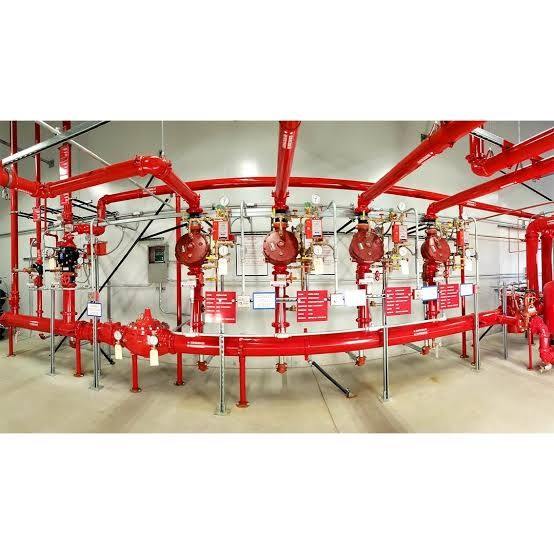
Fire safety is a critical consideration in the design, construction and management of commercial and industrial buildings. Properties such as office blocks, shopping malls, hotels, warehouses, factories and institutions require appropriate fire protection measures to help protect occupants, equipment, stock and infrastructure. One of the important systems used in larger buildings and facilities is a fire hydrant system.
Fire hydrant systems provide access to water for firefighting during emergencies. When correctly designed, installed, supplied and maintained, they help trained responders and emergency personnel access the water needed to control fires before they spread further.
For property developers, contractors, facility managers and business owners in Uganda, understanding fire hydrant systems is important when planning new developments or upgrading existing facilities.
At Daltrev Co. Ltd, we support building and infrastructure projects through building utilities, fire protection solutions and related utility products. Our product categories include water hydrants, fire pumps, fire hose reels, fire alarm panels, smoke detectors, extinguishers and other firefighting equipment.
This guide explains how fire hydrant systems work, the different types available, their components, installation considerations, benefits and maintenance requirements for commercial and industrial properties in Uganda.
What Is a Fire Hydrant System?
A fire hydrant system is a dedicated firefighting water supply arrangement that provides access to water at designated points within or around a property.
It typically consists of a water source, pumps where required, a pipe network, hydrant outlets, valves and firefighting connections. Firefighters or trained personnel connect suitable hoses to the hydrant outlets and use the available water to control or extinguish a fire.
Fire hydrant systems are particularly important in properties with large floor areas, multiple buildings, extensive storage facilities or higher fire risks.
Unlike ordinary water supply systems designed for everyday domestic or commercial use, fire hydrant systems are planned to provide water at the flow and pressure required by the approved fire protection design.
How Does a Fire Hydrant System Work?
A fire hydrant system operates by supplying water from a dedicated or approved water source through a network of pipes to strategically positioned hydrant outlets.
The general operation involves the following stages:
- Water storage: Water is obtained from an approved source, which may include a dedicated fire water tank or another suitable supply.
- Water pumping: Fire pumps operate when required to provide the flow and pressure specified by the system design.
- Water distribution: A network of pipes carries water to the hydrant outlets around or inside the property.
- Hydrant connection: Firefighters or trained responders connect compatible firefighting hoses to the hydrant outlets.
- Fire suppression: Water is directed towards the fire using appropriate firefighting equipment and procedures.
The design must ensure that the system can deliver the required water supply to the relevant hydrant points under the conditions specified by the fire protection design.
Types of Fire Hydrant Systems Used in Buildings
Different properties require different hydrant arrangements depending on their size, occupancy, building layout, fire risk and applicable fire safety requirements.
1. External Fire Hydrant Systems
External fire hydrants are installed outside buildings, usually around the perimeter of a property or at designated locations accessible to emergency response vehicles.
They allow firefighters to connect hoses to the water supply without necessarily entering the building.
External hydrants are commonly considered for:
- Factories and manufacturing plants
- Warehouses and distribution centres
- Shopping malls and commercial complexes
- Hotels and large institutions
- Industrial parks
- Large residential developments
Their locations should provide suitable accessibility while avoiding obstruction by vehicles, landscaping or stored materials.
2. Internal Fire Hydrant Systems
Internal hydrants are installed within buildings to provide firefighting water access at designated locations.
They may be positioned in protected stairwells, corridors, service areas or other approved locations, depending on the building design.
Internal hydrant arrangements can be important in multi-storey buildings where external firefighting access alone may not be sufficient.
3. Wet Riser Systems
A wet riser is a permanently charged vertical pipe system that maintains water within the distribution network.
It supplies designated firefighting outlets on different floors of a building.
Wet riser systems may be appropriate for certain multi-storey developments, subject to the building’s fire protection design and applicable requirements.
4. Dry Riser Systems
A dry riser is a vertical firefighting pipe that is normally empty of water.
Firefighters connect an external water supply to an inlet at ground level, allowing water to be delivered to designated outlets on upper floors.
Dry riser systems are used in suitable buildings where this arrangement is permitted by the relevant fire safety requirements.
5. Wet Barrel Fire Hydrants
Wet barrel hydrants retain water within the hydrant body and provide access through their outlet connections.
They are generally associated with locations where freezing conditions are not a concern, although their suitability must be assessed against the local environment and design requirements.
6. Dry Barrel Fire Hydrants
Dry barrel hydrants are designed so that the main barrel remains free of water when the hydrant is not in use.
They are commonly used in environments where freezing temperatures may affect conventional wet barrel arrangements.
The appropriate hydrant type should always be selected according to site conditions, product specifications and the approved fire protection design.
Main Components of a Fire Hydrant System
A complete fire hydrant installation consists of several interconnected components. Each part must be appropriately selected and coordinated to ensure reliable system operation.
1. Fire Hydrants
Fire hydrants are the main access points through which firefighting water is obtained.
They may be installed externally or internally depending on the building layout and fire protection requirements.
2. Fire Water Storage Tanks
Fire water tanks provide the required water reserve for firefighting.
The capacity should be determined by the approved fire protection design, considering the building’s fire risk, required flow, duration and other applicable design criteria.
3. Fire Pumps
Fire pumps deliver water through the hydrant network at the required flow and pressure.
Depending on the design, a fire pump arrangement may include:
- Main electric fire pump
- Diesel-driven standby fire pump
- Jockey pump for maintaining system pressure
- Pump control panels
- Associated valves and accessories
The pump arrangement should be selected and installed according to the system’s hydraulic requirements and applicable standards.
4. Fire Hydrant Pipes
Hydrant pipes distribute water from the source to the hydrant outlets.
The pipe materials, diameter, pressure rating, supports and protection must be suitable for the installation environment and design requirements.
5. Landing Valves
Landing valves provide controlled water outlets for firefighting hose connections, particularly in internal hydrant and riser systems.
6. Fire Hoses and Hose Reels
Fire hoses transport water from hydrant outlets to the firefighting area.
Hose reels are another firefighting provision used in suitable applications. They should not be confused with the larger hose arrangements used with hydrant systems.
7. Control Valves
Control valves regulate or isolate sections of the hydrant network for operation, testing and maintenance.
They must be properly located, accessible and identified.
8. Hydrant Cabinets and Accessories
Hydrant cabinets may contain hoses, nozzles, couplings, spanners and other equipment required for the designated firefighting arrangement.
All equipment should be compatible with the installed hydrant outlets and maintained in serviceable condition.
Benefits of Installing Fire Hydrant Systems in Commercial and Industrial Properties
A properly designed fire hydrant system offers several important advantages.
1. Provides Access to Firefighting Water
Hydrant systems provide designated points where firefighting water can be accessed during an emergency.
This is particularly valuable in large facilities where portable extinguishers alone may not provide the required firefighting capacity.
2. Supports Fire Emergency Response
Strategically positioned hydrants can help trained responders access water around or within a property.
Their location and accessibility should be considered during building planning.
3. Helps Protect Property and Equipment
Fires can cause extensive damage to machinery, stock, buildings, electrical installations and other valuable assets.
An appropriately designed fire protection arrangement helps improve a property’s preparedness for fire emergencies.
4. Suitable for Large Commercial Buildings
Office blocks, hotels, shopping centres and institutional developments may require dedicated firefighting water infrastructure based on their size, occupancy and risk classification.
5. Supports Industrial Fire Protection
Factories and industrial facilities may contain machinery, raw materials, packaging, fuels and other materials that increase fire risks.
Hydrant systems can form part of a wider industrial fire protection strategy.
6. Can Be Integrated with Other Fire Safety Measures
Fire hydrant systems can operate alongside fire detection and alarm systems, extinguishers, hose reels, sprinklers, emergency lighting and evacuation arrangements.
Each system serves a different purpose, so the overall design should ensure that the equipment works together appropriately.
Fire Hydrant System Installation Requirements in Uganda
Installing a fire hydrant system requires careful planning, suitable equipment and compliance with the relevant fire safety requirements.
For commercial and industrial developments in Uganda, the following considerations are important.
1. Conduct a Fire Risk Assessment
Before installation, the property should be assessed to identify potential fire hazards and determine the level of protection required.
Important factors include:
- Building size and height
- Type of business or industrial activity
- Occupancy and number of people
- Materials stored or processed
- Machinery and electrical equipment
- Access for emergency response vehicles
- Existing fire protection systems
The assessment helps establish the appropriate hydrant arrangement.
2. Develop an Appropriate System Design
The system should be designed by competent fire protection professionals.
The design should address:
- Hydrant locations
- Required water flow and pressure
- Pipe sizing and routing
- Water storage capacity
- Fire pump selection
- Valve locations
- Hose and outlet compatibility
- Accessibility for emergency responders
Hydraulic calculations should be completed to confirm that the proposed system can meet the required performance.
3. Select Suitable Fire Hydrant Equipment
Equipment selection should be based on the design specifications, pressure requirements, environmental conditions and intended application.
Daltrev Co. Ltd’s fire protection product categories include water hydrants, fire pumps, hose reels, fire alarm panels, smoke detectors, extinguishers and sprinkler heads.
Explore the Daltrev Utility Products page to review the available product categories.
4. Ensure Adequate Water Supply
The water source must provide the capacity and performance required by the approved design.
Where a dedicated fire water tank is required, its size and arrangement should be determined through appropriate calculations.
5. Install the Pipe Network Correctly
The pipe network should be installed according to the approved drawings and technical specifications.
Important installation considerations include correct pipe sizing, suitable supports, appropriate jointing methods, corrosion protection and accessibility for inspection.
6. Position Hydrants Strategically
Hydrant locations should allow emergency responders to access the outlets without unnecessary obstruction.
The installation should consider building entrances, access roads, vehicle movement, landscaping and the locations of potential fire hazards.
7. Test and Commission the System
Before the system is handed over, appropriate testing and commissioning should be carried out by qualified personnel.
Testing may include:
- Pressure testing
- Flow testing
- Pump performance verification
- Valve operation checks
- Leakage inspection
- Hydrant outlet checks
- Verification of system controls
The results should be documented, and any identified defects should be corrected before the system is accepted for use.
Fire Hydrant Systems for Different Types of Properties
Different buildings have different firefighting requirements. The hydrant system should therefore be selected according to the property’s design, operations and fire risk.
Fire Hydrant Systems for Office Buildings
Office buildings contain electrical equipment, computers, furniture, documents and other combustible materials.
An appropriate fire protection strategy may include hydrants, fire alarms, smoke detectors, extinguishers, emergency lighting and clearly marked escape routes.
Fire Hydrant Systems for Hotels
Hotels accommodate guests who may not be familiar with the building layout.
Fire safety planning should consider guest rooms, kitchens, laundry areas, service spaces, parking areas and public facilities.
Hydrant systems may form part of the overall protection arrangement where required by the building’s design and applicable regulations.
Fire Hydrant Systems for Shopping Malls
Shopping malls contain retail units, restaurants, storage areas, electrical installations and large numbers of visitors.
Fire protection planning should consider the size of the development, occupancy levels, shop layouts and emergency access arrangements.
Fire Hydrant Systems for Warehouses
Warehouses may store large quantities of goods, packaging materials and other combustible products.
Hydrant locations, water supply arrangements and other protection measures should be determined according to the type of goods stored, storage configuration and fire risk.
Fire Hydrant Systems for Factories
Factories may contain production machinery, electrical equipment, raw materials, chemicals and other industrial hazards.
The fire protection design should reflect the specific manufacturing activities and materials present at the facility.
Fire Hydrant Systems for Schools and Institutions
Educational and institutional buildings require fire safety measures that support the protection of students, staff, visitors and property.
Hydrants may be included where required by the building’s size, layout and risk assessment.
Fire Hydrant Systems vs Fire Sprinkler Systems
Fire hydrant systems and automatic sprinkler systems are both used in building fire protection, but they serve different functions.
| Feature | Fire Hydrant System | Fire Sprinkler System |
|---|---|---|
| Main purpose | Provides water access for firefighting | Automatically releases water in the protected area when activated |
| Operation | Usually operated manually by trained responders | Operates automatically when individual sprinkler heads activate |
| Main equipment | Hydrants, pipes, pumps, valves and hoses | Sprinkler heads, pipes, valves and water supply |
| Typical application | Large buildings and external firefighting access | Suitable protected rooms and building areas |
| Response | Requires a person to operate the outlet and hose | Designed to respond automatically to heat |
These systems are not necessarily alternatives. Depending on the building’s fire risk and approved design, both may be required.
Factors That Affect the Cost of Fire Hydrant System Installation in Uganda
The cost of installing a fire hydrant system varies from one project to another. There is no single price suitable for every building because the system must be designed around the property’s requirements.
Important cost factors include:
1. Size of the Property
Large properties generally require more pipework, hydrant points and supporting equipment.
2. Type of Hydrant System
Internal hydrants, external hydrants, wet risers and dry risers have different equipment and installation requirements.
3. Water Storage Requirements
The cost of water tanks depends on the required capacity, construction material, location and supporting infrastructure.
4. Fire Pump Specifications
Pump selection depends on the required flow, pressure, power supply and system configuration.
5. Pipework and Installation Materials
Pipe diameter, material, fittings, valves, supports and installation complexity affect the total project cost.
6. Building Design and Accessibility
Buildings with complex layouts, multiple floors or difficult installation routes may require additional labour and materials.
7. Testing and Commissioning
The project budget should also include appropriate inspection, testing, commissioning and documentation.
For an accurate quotation, property owners should provide the building plans, site information, intended use and available fire protection specifications.
Common Fire Hydrant System Installation Mistakes to Avoid
Poor planning and incorrect installation can affect the reliability of a fire hydrant system.
Property owners and project managers should avoid the following mistakes:
- Insufficient water storage: An inadequate water supply may prevent the system from meeting its design requirements.
- Incorrect pump selection: Pumps that do not meet the required flow and pressure can compromise system performance.
- Poor hydrant positioning: Hydrants that are difficult to access may delay firefighting operations.
- Undersized pipework: Incorrect pipe sizing can cause excessive pressure losses.
- Using incompatible equipment: Hydrants, hoses, couplings and other accessories must be compatible.
- Ignoring testing: Systems should be properly tested and commissioned before acceptance.
- Poor maintenance: Neglected equipment may fail when required.
- Obstructing hydrants: Vehicles, stored goods and landscaping should not block access to hydrant points.
Working with competent fire protection professionals helps reduce these risks.
Fire Hydrant System Maintenance and Inspection
Regular maintenance is essential to keep a fire hydrant system in a serviceable condition.
A maintenance programme should follow the applicable standards, manufacturer recommendations and approved maintenance schedule.
Important maintenance activities include:
- Inspecting hydrants for visible damage and corrosion.
- Checking that hydrant outlets and caps are in good condition.
- Confirming that valves are accessible and correctly positioned.
- Checking fire pumps and associated control equipment.
- Inspecting water tanks and monitoring water levels.
- Examining pipework for leakage or damage.
- Checking hoses, couplings and nozzles.
- Carrying out scheduled flow and pressure tests.
- Maintaining records of inspections, tests and repairs.
Hydrants should also be clearly identified and kept free from obstructions.
Maintenance and testing should be performed by competent personnel using appropriate procedures.
Fire Protection Equipment Available Through Daltrev Co. Ltd
Fire hydrant systems are only one part of a complete building fire protection arrangement.
Daltrev Co. Ltd provides a range of fire protection product categories through its utility products offering, supporting residential, commercial and industrial building requirements.
These include:
Fire Alarm Panels: Equipment used as part of fire detection and alarm systems to receive and process signals from connected devices.
Smoke Detectors: Devices designed to detect smoke and provide early warning of potential fire conditions.
Heat Detectors: Devices that respond to specified temperature conditions as part of a fire detection system.
Fire Extinguishers: Portable firefighting equipment selected according to the types of fire risks present.
Fire Hose Reels: Equipment that provides a hose-based firefighting water supply for suitable building applications.
Water Hydrants: Hydrant products that provide designated access points to firefighting water.
Fire Pumps: Pumps used in appropriately designed firefighting water supply systems.
Sprinkler Heads: Components used in automatic sprinkler systems to discharge water when activated under specified conditions.
Explore Daltrev’s Firefighting Equipment and Utility Products to learn more about the product categories available.
Why Choose Daltrev Co. Ltd for Building Utilities and Fire Protection Solutions?
Choosing suitable building utility products and installation support is important when developing safe, functional and reliable properties.
Daltrev Co. Ltd provides building utilities and installation solutions for residential, commercial, institutional and industrial projects across Uganda.
Our utilities works cover electrical installations, plumbing, security and internet systems, fire protection, lifts and other essential building installations.
Our fire protection product categories include fire alarm panels, smoke detectors, heat detectors, water hydrants, fire pumps, hose reels, extinguishers and sprinkler heads.
What Makes Daltrev a Practical Project Partner?
1. Broad Building Utilities Solutions
We support projects requiring different building systems, including electrical, plumbing, security, communication and fire protection solutions.
2. Project-Focused Product Selection
We help clients identify relevant utility product categories and discuss specifications according to their project requirements.
3. Solutions for Different Property Types
Our building utilities solutions support projects involving offices, hotels, schools, apartments, warehouses, factories, shopping malls and other developments.
4. Integrated Building Systems
We understand the importance of coordinating different building systems to support safety, functionality and efficient property operations.
5. Customer-Focused Service
We encourage clients to share their project details and technical requirements so that suitable products and solutions can be discussed.
Learn more about Daltrev Utilities Works and Installation Services.
Frequently Asked Questions About Fire Hydrant Systems
1. What is the main purpose of a fire hydrant system?
A fire hydrant system provides designated access to water for firefighting. It allows trained responders to connect hoses and direct water towards a fire.
2. Are fire hydrant systems necessary for commercial buildings?
The need for a hydrant system depends on the building’s size, occupancy, use, fire risk and applicable fire safety requirements. Some commercial developments require dedicated firefighting water infrastructure.
3. What is the difference between an internal and external fire hydrant?
An internal hydrant is installed within a building, while an external hydrant is positioned outside the building to provide firefighting water access around the property.
4. What equipment is required for a fire hydrant system?
A typical system may require water storage, fire pumps, pipework, hydrants, valves, hoses, landing valves and compatible firefighting accessories. The exact equipment depends on the design.
5. Do fire hydrant systems require water pumps?
Not every system uses the same pumping arrangement. Whether pumps are required, and their specifications, depend on the water source, available pressure, required flow and system design.
6. How often should fire hydrant systems be inspected?
Inspection and testing frequency should follow applicable standards, manufacturer recommendations and the approved maintenance programme. Regular checks are important to identify damage, leaks, obstructions and equipment faults.
7. Can fire hydrant systems be installed in warehouses and factories?
Yes. Hydrant systems may be appropriate for warehouses and factories depending on their size, activities, stored materials and fire risk assessment.
8. Can fire hydrant systems work with sprinkler systems?
Yes. Hydrant and sprinkler systems can form part of the same overall fire protection strategy. They perform different functions and should be coordinated through the approved design.
9. What determines the cost of installing a fire hydrant system in Uganda?
The cost depends on the building size, hydrant type, number of outlets, water storage, fire pump specifications, pipework, installation complexity and testing requirements.
10. Where can I find fire hydrants and firefighting equipment in Uganda?
Daltrev Co. Ltd lists water hydrants, fire pumps, hose reels, fire alarm equipment, extinguishers and sprinkler heads among its fire protection product categories. Contact the company to discuss product specifications and project requirements.
Conclusion: Plan Reliable Fire Hydrant Systems for Your Property
Fire hydrant systems are an important part of fire protection planning for many commercial and industrial properties. They provide access to firefighting water and can support emergency response when correctly designed, installed, tested and maintained.
For developers, contractors, facility managers and property owners in Uganda, selecting the right system requires careful consideration of building size, occupancy, fire risks, water supply, equipment specifications and applicable safety requirements.
Whether you are developing an office block, hotel, shopping mall, warehouse, factory or institutional facility, fire protection should be considered from the early stages of project planning.
Daltrev Co. Ltd supports building projects through utilities works, fire protection solutions and related utility product categories. If you are planning a new installation, upgrading an existing property or sourcing firefighting equipment, contact our team to discuss your requirements.
Daltrev Co. Ltd — Building Solutions. Delivering Excellence.

