
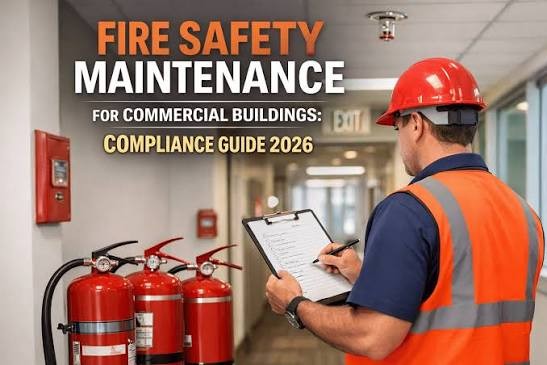
Fire safety inspection and maintenance are essential for protecting lives, property, equipment and business operations in commercial buildings. Whether you manage an office, hotel, hospital, shopping centre, warehouse, factory or apartment complex, maintaining functional fire protection systems is a critical responsibility.
A fire emergency can develop without warning, putting employees, customers, tenants and visitors at risk. Faulty fire alarms, damaged extinguishers, blocked emergency exits, poorly maintained sprinklers and defective hydrants can significantly reduce a building’s ability to respond effectively.
Installing fire protection equipment is only the first step. Every system must be inspected, tested and maintained regularly to ensure that it remains reliable and ready for an emergency.
For commercial property owners and facility managers in Uganda, a structured fire safety inspection and maintenance programme helps identify hazards early, maintain operational equipment, improve emergency preparedness and support compliance with applicable fire safety requirements.
At Daltrev Co. Ltd, we understand the importance of reliable building utility solutions and appropriate fire safety products. This guide explains how to maintain fire protection systems, what commercial building inspections should cover, common fire safety problems and how to develop an effective maintenance programme.
What Is Fire Safety Inspection and Maintenance?
Fire safety inspection is the systematic examination of a building, its fire protection equipment and emergency arrangements to identify potential hazards, equipment defects and safety concerns.
Fire safety maintenance involves servicing, testing, repairing and replacing fire protection equipment to ensure that it remains operational and suitable for its intended purpose.
These activities work together to maintain an effective fire protection strategy.
A comprehensive commercial fire safety programme should cover:
- Fire alarm systems and control panels
- Smoke and heat detection systems
- Portable fire extinguishers
- Automatic fire sprinkler systems
- Fire hydrants and hose reels
- Fire pumps and fire water storage tanks
- Emergency lighting and exit signage
- Fire doors and protected escape routes
- Specialised fire suppression systems
- Staff fire safety training and evacuation procedures
The specific requirements depend on the building’s design, occupancy, fire risks, installed equipment, manufacturer instructions and applicable standards.
Why Fire Safety Inspection and Maintenance Are Important for Commercial Properties
Commercial properties accommodate people, equipment, furniture, electrical installations, machinery, stock and other materials that may contribute to fire hazards.
Without regular inspection and maintenance, even a properly installed fire protection system can become unreliable.
1. Protects Employees, Customers and Visitors
Protecting human life is the primary purpose of fire safety management.
Functional smoke detectors, fire alarm systems, emergency lighting and clearly marked escape routes help occupants recognise danger and respond appropriately.
Regular inspections identify defects that could delay fire detection, prevent alarm notification or make firefighting equipment inaccessible.
2. Prevents Small Defects from Becoming Serious Problems
A damaged detector, leaking hydrant connection, defective fire pump or obstructed sprinkler head may appear insignificant during normal building operations.
However, these defects can affect the performance of fire protection systems during an emergency.
Routine inspections help identify problems early so that corrective action can be taken before they compromise safety.
3. Reduces Property Damage and Business Interruption
Fire incidents can destroy buildings, machinery, inventory, furniture, documents and electronic equipment.
They can also interrupt business operations, affect tenants and customers, and create substantial repair and recovery costs.
Properly maintained fire detection and firefighting systems help improve a building’s preparedness and may reduce the consequences of a fire.
4. Supports Fire Safety Compliance
Commercial property owners and managers must understand the fire safety obligations applicable to their buildings.
Regular inspections help identify potential deficiencies and provide records of equipment condition, servicing and corrective actions.
Property managers should confirm applicable Ugandan legal requirements, building approvals and technical standards with the relevant authorities and competent professionals.
5. Improves Emergency Preparedness
Fire protection systems must work together with emergency procedures.
Regular inspections, staff training and evacuation drills help ensure that occupants understand how to raise an alarm, identify escape routes and respond safely during an emergency.
1. Fire Alarm System Inspection and Maintenance
Fire alarm systems are among the most important components of commercial building fire protection. They detect or receive signals indicating a possible fire and alert occupants so they can take appropriate action.
A typical fire alarm installation includes:
- Fire alarm control panels
- Smoke detectors
- Heat detectors
- Manual call points
- Audible alarm sounders
- Visual alarm devices
- Interface modules
- Backup batteries and power supplies
What Should Be Checked During Fire Alarm Inspection?
Fire alarm control panel: Check that the panel is powered, displays normal operating status and has no unresolved faults, disablements or warning conditions.
Smoke and heat detectors: Inspect detectors for damage, contamination, obstruction and correct installation.
Manual call points: Check that they are visible, accessible and operational using suitable testing procedures.
Alarm sounders and sirens: Confirm that notification devices operate correctly and provide appropriate warning throughout the building.
Visual alarm devices: Inspect visual notification equipment where installed and required.
Backup power supply: Check batteries, chargers and associated power supply arrangements according to manufacturer instructions.
System wiring and connections: Inspect accessible wiring and connections for damage, loose connections and signs of deterioration.
Alarm interfaces: Verify that connected systems, such as door releases or smoke-control equipment, respond according to the approved fire strategy.
Common Fire Alarm Problems
- Faulty smoke or heat detectors
- Damaged cables and connections
- Defective control panels
- Low battery capacity
- Disabled detection zones
- Faulty sounders
- Contaminated detectors
- Unresolved system fault indicators
Fire alarm testing, servicing and repairs should be performed by competent personnel using the manufacturer’s procedures and applicable fire alarm standards.
2. Smoke and Heat Detector Inspection
Smoke and heat detectors provide early warning of potential fire conditions. Their effectiveness depends on correct selection, positioning, installation and maintenance.
Commercial buildings may use different detector technologies depending on the environment and fire risks.
Smoke and Heat Detector Maintenance Checklist
- Inspect detectors for visible damage.
- Check that devices are securely mounted.
- Look for dust, paint or other contamination.
- Ensure detectors are not obstructed by partitions, equipment or stored materials.
- Test operation using approved testing equipment.
- Confirm that detector signals reach the fire alarm control panel.
- Investigate repeated unwanted alarms.
- Replace defective or unsuitable devices with compatible approved equipment.
Detector maintenance should follow manufacturer instructions and applicable standards. Open flames and uncontrolled smoke should never be used for detector testing.
3. Fire Extinguisher Inspection and Servicing
Portable fire extinguishers provide first-response firefighting capability for certain small fires when it is safe to tackle them and a clear escape route is available.
The correct extinguisher must be selected according to the fire risks present in the building.
| Extinguisher type | Typical application |
|---|---|
| Water | Ordinary combustible materials such as paper and wood, where suitable |
| Foam | Certain flammable liquid and ordinary combustible fires |
| Carbon dioxide (CO₂) | Certain electrical equipment and flammable liquid fires |
| Dry chemical powder | Selected flammable liquid, gas and electrical fire risks, depending on the rating |
| Wet chemical | Certain cooking oil and fat fires in commercial kitchens |
Fire Extinguisher Inspection Checklist
During routine visual inspections, check the following:
- Accessibility: Extinguishers must be easy to locate and reach.
- Positioning: Confirm that each extinguisher remains in its designated location.
- Pressure indicator: Where fitted, ensure the gauge is within the manufacturer’s specified operating range.
- Physical condition: Check for corrosion, dents, leakage and other visible damage.
- Safety pin and seal: Confirm that the safety pin and tamper seal are present.
- Hose and nozzle: Inspect for cracks, blockages and damage.
- Identification labels: Ensure operating instructions and fire classifications are legible.
- Service records: Check the inspection and servicing history.
Why Professional Fire Extinguisher Servicing Matters
Routine visual inspections do not replace professional servicing.
Depending on the extinguisher type and applicable requirements, professional servicing may involve:
- Checking the extinguisher’s condition and contents
- Inspecting valves and operating mechanisms
- Weighing or checking pressure as applicable
- Recharging discharged extinguishers
- Replacing damaged components
- Conducting required pressure or hydrostatic tests
- Updating maintenance records
Any discharged, damaged or defective extinguisher should be removed from service and replaced or serviced appropriately.
4. Fire Sprinkler System Inspection and Maintenance
Automatic fire sprinkler systems are designed to control or suppress fires by discharging water through sprinkler heads when their operating conditions are reached.
They are commonly installed in suitable offices, hotels, shopping centres, warehouses, factories and other commercial properties.
A typical sprinkler system may include:
- Sprinkler heads
- Water supply pipes
- Control valves
- Alarm valves
- Flow switches
- Pressure gauges
- Fire pumps
- Fire water storage tanks
- Monitoring devices
Important Fire Sprinkler Inspection Activities
Sprinkler heads: Inspect for corrosion, physical damage, paint, obstruction and unauthorised modifications.
Control valves: Confirm that valves remain in their correct operating positions and are appropriately supervised where required.
Pipework: Inspect accessible pipes for leakage, corrosion and mechanical damage.
Pressure gauges: Check readings against the system’s approved design and normal operating conditions.
Water supply: Confirm that the water supply remains available and suitable for the system.
Flow switches and alarms: Check the operation of relevant monitoring and alarm devices.
Fire pumps: Inspect pumps, controls and associated equipment according to the maintenance programme.
Common Sprinkler System Problems
- Closed or incorrectly positioned control valves
- Damaged or painted sprinkler heads
- Corroded pipework
- Water leakage
- Inadequate water pressure
- Obstructed sprinkler discharge areas
- Defective monitoring devices
- Poorly maintained fire pumps
Sprinkler heads should never be painted, covered or used to support objects. Changes to ceilings, partitions and storage arrangements should be reviewed to ensure that sprinkler coverage is not compromised.
5. Fire Hydrant and Hose Reel Inspection
Fire hydrants and hose reels provide access to firefighting water at designated locations within or around commercial buildings.
They are particularly important for larger commercial properties, industrial facilities and buildings with substantial firefighting requirements.
Fire Hydrant Inspection Checklist
- Check hydrant outlets for physical damage.
- Inspect accessible valves and fittings.
- Confirm that hydrants are visible and accessible.
- Look for corrosion and leakage.
- Ensure hydrants are not obstructed by vehicles, vegetation or stored materials.
- Inspect hose connections and associated accessories.
- Confirm the availability of the designated water supply.
- Arrange appropriate flow and pressure testing by competent personnel.
Fire Hose Reel Maintenance
Hose reels should be inspected to confirm that:
- The hose is in good condition.
- The nozzle is present and functional.
- The reel rotates correctly.
- The water supply is available.
- Valves and connections are free from leakage.
- The equipment is accessible.
- Operating instructions are visible.
Hydrant and hose reel testing should follow the approved system design and applicable standards.
6. Fire Pump and Fire Water Storage Tank Maintenance
Buildings with sprinkler and hydrant installations may depend on dedicated fire pumps and fire water storage tanks.
If these supporting systems fail, the performance of the entire firefighting water installation may be affected.
Fire Pump Inspection
Important maintenance activities include:
- Checking the pump and motor for visible damage.
- Inspecting electrical connections and control panels.
- Reviewing pressure readings.
- Checking for leakage and unusual vibration.
- Confirming that valves are in their correct positions.
- Inspecting fuel and batteries where applicable.
- Testing automatic starting and system operation according to the approved procedure.
- Reviewing maintenance and test records.
Fire Water Storage Tank Inspection
Fire water tanks should be checked for:
- Structural damage and leakage
- Availability of the required water level
- Contamination or excessive sediment
- Condition of inlet and outlet connections
- Accessibility for inspection
- Correct operation of associated valves and controls
The available water supply must continue to meet the approved system design requirements.
7. Emergency Lighting and Fire Exit Signage Inspection
Emergency lighting and exit signage help occupants identify safe escape routes when normal lighting fails or visibility is reduced.
They are essential considerations in multi-storey offices, hotels, shopping centres, hospitals and other commercial buildings.
Emergency Lighting Inspection Checklist
- Check that emergency lights are securely installed.
- Test operation under appropriate emergency conditions.
- Inspect backup batteries and charging arrangements.
- Confirm that escape routes receive the intended illumination.
- Replace defective fittings.
- Maintain inspection and test records.
Fire Exit Signage Inspection Checklist
- Confirm that exit signs are visible.
- Check that illuminated signs operate where required.
- Ensure signs direct occupants towards the correct escape routes.
- Replace missing or damaged signs.
- Check that signs are not hidden by partitions, decorations or stored materials.
Emergency lighting and signage must support the building’s approved evacuation strategy.
8. Fire Door and Emergency Escape Route Inspection
Fire doors and protected escape routes help restrict the spread of fire and smoke while supporting safe evacuation.
Damaged fire doors or obstructed escape routes can undermine an otherwise effective fire protection system.
Fire Door Inspection
Check that:
- Door leaves and frames are not damaged.
- Doors close correctly.
- Hinges, latches and approved self-closing devices operate properly.
- Seals and glazing are in good condition.
- Doors are not improperly wedged open.
- Approved hold-open devices, where installed, operate correctly.
Emergency Escape Route Inspection
Ensure that:
- Corridors and staircases are unobstructed.
- Emergency exits remain accessible.
- Exit doors can be opened as intended.
- Escape routes are clearly marked.
- Combustible materials are not stored in protected escape routes.
- Evacuation plans reflect the current building layout.
Any defective fire door or unsafe escape route should receive prompt corrective attention.
9. Specialised Fire Suppression System Maintenance
Certain commercial environments require specialised fire suppression systems because of the nature of their activities or the equipment they contain.
Examples include:
- Commercial kitchens
- Server rooms
- Generator rooms
- Electrical control rooms
- Industrial processing areas
- Flammable liquid storage areas
For example, commercial kitchens may require dedicated cooking equipment suppression systems designed for the particular cooking hazards present.
Maintenance may involve:
- Inspecting suppression cylinders and associated components.
- Checking discharge nozzles and pipework.
- Inspecting detection and release mechanisms.
- Checking manual activation points.
- Confirming that equipment is not obstructed or modified.
- Arranging servicing by competent specialists.
Sensitive electronic environments may require clean-agent suppression or other engineered systems. These installations must be maintained according to their approved design and manufacturer instructions.
10. How Often Should Commercial Fire Safety Inspections Be Conducted?
Inspection frequency varies according to equipment type, building risk, manufacturer recommendations, applicable standards and local requirements.
Commercial property owners should establish a written inspection and maintenance schedule that distinguishes routine visual checks from technical testing and professional servicing.
The following is an example planning guide, not a substitute for mandatory inspection intervals.
| Fire safety activity | Maintenance planning |
|---|---|
| Escape route and exit access checks | Regularly as part of routine building inspections |
| Fire extinguisher visual checks | Monthly as a common planning practice, subject to applicable requirements |
| Fire alarm inspection and testing | According to the applicable fire alarm standard and maintenance programme |
| Smoke and heat detector servicing | According to manufacturer instructions and applicable standards |
| Sprinkler system inspection | According to the relevant sprinkler standard and approved maintenance schedule |
| Fire hydrant and hose reel checks | According to the system design and applicable standards |
| Fire pump testing | According to manufacturer instructions and applicable fire pump standards |
| Emergency lighting testing | According to applicable standards and manufacturer instructions |
| Fire door inspections | Regularly and whenever damage or building changes occur |
| Fire risk assessment review | Periodically and whenever significant changes occur |
A competent fire safety professional should establish the actual schedule for each building.
11. Common Fire Safety Problems Found During Commercial Building Inspections
Regular inspections often identify problems caused by poor maintenance, inappropriate building use, unauthorised modifications or inadequate staff awareness.
Faulty Fire Alarm Systems
Detectors may become contaminated, alarm sounders may fail and control panels may display unresolved fault conditions.
Damaged or Discharged Fire Extinguishers
Extinguishers may be missing, discharged, corroded, incorrectly positioned or overdue for servicing.
Blocked Emergency Exits
Furniture, delivery items, construction materials and stored goods can obstruct evacuation routes.
Poorly Maintained Sprinkler Systems
Damaged sprinkler heads, closed valves, leaking pipes and inadequate water supplies can affect system performance.
Inaccessible Fire Hydrants
Vehicles, vegetation and stored materials can prevent access to firefighting equipment.
Defective Emergency Lighting
Damaged fittings or failed batteries can leave escape routes poorly illuminated during a power failure.
Inadequate Staff Training
Employees may not know how to raise an alarm, locate firefighting equipment or follow the correct evacuation procedure.
All identified defects should be documented, prioritised and corrected within an appropriate timeframe.
12. How to Develop an Effective Fire Safety Inspection and Maintenance Programme
A structured maintenance programme helps commercial property managers maintain fire protection equipment and keep accurate records.
Step 1: Create a Fire Safety Equipment Register
Prepare a complete list of fire protection equipment installed in the building.
Record:
- Equipment type
- Location
- Manufacturer and model
- Identification number
- Installation date, where available
- Last inspection date
- Service history
- Next scheduled maintenance
Step 2: Conduct an Initial Fire Safety Assessment
Arrange an assessment of the building’s fire hazards, installed equipment, escape routes and emergency arrangements.
Identify defective equipment, missing protection and other issues requiring attention.
Step 3: Assign Inspection Responsibilities
Clearly identify the people responsible for routine visual checks, technical inspections, professional servicing and corrective maintenance.
Building staff should understand the limits of their responsibilities. Technical testing and repairs should be undertaken by competent personnel.
Step 4: Establish a Maintenance Calendar
Prepare a schedule covering routine inspections, professional servicing, system testing and other required maintenance activities.
Include reminders for battery replacement, equipment servicing and outstanding corrective work.
Step 5: Record All Defects and Corrective Actions
Every inspection should produce a clear record containing:
- Inspection date
- Equipment or area inspected
- Inspection results
- Defects identified
- Risk priority
- Recommended corrective action
- Responsible person
- Completion date
Step 6: Train Employees and Building Occupants
Staff should understand how to raise an alarm, identify escape routes, report hazards and follow emergency procedures.
Appropriate evacuation drills should be conducted, and staff should receive relevant fire safety training.
Step 7: Review and Update the Programme
Review the maintenance plan whenever the building is renovated, occupancy changes, new equipment is installed or additional fire hazards are introduced.
13. Fire Safety Inspection Priorities for Different Commercial Properties
Different commercial properties require different inspection priorities because their activities, occupancy and fire hazards vary.
| Commercial property | Important inspection priorities |
|---|---|
| Office buildings | Fire alarms, smoke detectors, extinguishers, electrical rooms, emergency lighting and escape routes |
| Hotels | Guest-room detection, alarm notification, kitchens, corridors, fire doors and evacuation arrangements |
| Shopping centres | Public alarm notification, emergency exits, tenant areas, sprinklers and hydrants |
| Hospitals | Detection, compartmentation, emergency communication, evacuation arrangements and critical service areas |
| Warehouses | Storage arrangements, sprinkler clearance, hydrants, fire pumps and detection |
| Factories | Machinery areas, electrical installations, combustible materials, specialised suppression and emergency access |
| Restaurants | Kitchen suppression, cooking equipment, suitable extinguishers, gas installations and exit access |
Inspection programmes should be tailored to the building’s actual hazards and approved fire protection design.
14. How Much Does Fire Safety Inspection and Maintenance Cost in Uganda?
The cost of fire safety inspection and maintenance in Uganda depends on the building’s size, equipment, system complexity and the scope of services required.
Important cost factors include:
Building size and number of floors: Larger buildings generally have more equipment and areas to inspect.
Number of fire protection devices: Properties with many detectors, extinguishers, sprinkler heads and alarm devices require more inspection and servicing work.
System complexity: Addressable fire alarms, integrated building systems, fire pumps and specialised suppression installations may require additional technical expertise.
Equipment condition: Damaged or defective components may require repairs, replacement parts or additional servicing.
Accessibility: High ceilings, restricted plant rooms and difficult-to-access equipment can increase inspection time.
Maintenance contract scope: A contract covering inspection, testing, servicing, repairs and reporting may cost more than a basic visual inspection.
For an accurate quotation, arrange a site assessment and request a detailed breakdown of inspection activities, servicing, replacement parts, testing and reporting.
Commercial property managers should evaluate technical competence, service quality and compliance rather than choosing a provider based only on the lowest price.
15. How to Choose the Right Fire Safety Inspection and Maintenance Provider
Selecting a competent service provider is essential for maintaining reliable fire protection systems.
Before engaging a company, consider the following:
- Relevant experience: Check whether the provider has experience with buildings similar to yours.
- Technical competence: Confirm that personnel have appropriate training and knowledge of the installed systems.
- Equipment knowledge: Ensure the provider understands the manufacturer’s servicing and testing requirements.
- Standards and compliance: Ask which applicable standards and procedures guide their work.
- Inspection reports: Confirm that you will receive documented findings and recommendations.
- Corrective maintenance: Establish how defects, replacement parts and repairs will be handled.
- Ongoing support: Consider whether the provider can support scheduled maintenance and future building changes.
A good maintenance arrangement should identify what is included, the inspection frequency, reporting responsibilities and procedures for addressing defects.
16. Fire Safety Inspection Checklist for Commercial Property Managers
Use this practical checklist as a starting point for routine building safety reviews.
- Fire alarm control panel displays normal operating status.
- Smoke and heat detectors are accessible and free from visible damage.
- Manual call points are visible and unobstructed.
- Alarm sounders and visual notification devices are in suitable condition.
- Fire extinguishers are accessible, correctly positioned and within their service requirements.
- Sprinkler heads are not damaged, painted or obstructed.
- Sprinkler control valves remain in their correct positions.
- Fire hydrants and hose reels are accessible.
- Fire pumps and water storage arrangements are included in the maintenance programme.
- Emergency lighting is operational.
- Exit signage is visible and correctly positioned.
- Fire doors close properly and are not improperly wedged open.
- Corridors, staircases and emergency exits are unobstructed.
- Staff understand the building’s fire emergency procedures.
- Inspection, testing and maintenance records are up to date.
- Identified defects have assigned corrective actions.
This checklist does not replace professional testing, a formal fire risk assessment or any inspection required by applicable regulations.
Why Choose Daltrev Co. Ltd for Building Utility and Fire Safety Solutions?
Reliable fire safety depends on suitable equipment, proper planning and consistent maintenance. Commercial property owners and developers need building solutions that support safe and efficient property operations.
Daltrev Co. Ltd provides building utility solutions and supports projects with relevant utility products and building systems.
Its fire safety-related product categories include:
- Fire alarm panels
- Smoke detectors
- Heat detectors
- Manual call points
- Fire extinguishers
- Fire hose reels
- Fire hydrant equipment
- Fire pumps
- Sprinkler heads and related components
Selecting the correct products depends on the property’s fire risk assessment, approved system design and applicable technical requirements.
Whether you are developing a new commercial building, upgrading an existing property or sourcing fire safety equipment, Daltrev can be a point of contact for relevant building utility product enquiries.
Explore Daltrev’s Utilities Works and Utility Products pages to learn more about its building solutions and relevant product categories.
For specialised fire risk assessments, technical inspections, system servicing, installation, testing and commissioning, engage competent fire protection professionals with the appropriate qualifications and experience.
Contact Daltrev Co. Ltd through www.daltrevco.com/contact-us/ for product information and building utility project enquiries.
Frequently Asked Questions About Fire Safety Inspection and Maintenance
1. What is included in a commercial fire safety inspection?
A commercial fire safety inspection may cover fire alarms, smoke detectors, heat detectors, extinguishers, sprinklers, hydrants, hose reels, fire pumps, emergency lighting, exit signage, fire doors and escape routes. It should also consider building fire hazards, emergency procedures and staff preparedness.
2. How often should fire safety inspections be conducted?
Inspection frequency depends on the equipment, building risk, manufacturer instructions, applicable standards and local requirements. Routine visual checks should be supported by scheduled professional inspections, testing and servicing.
3. Who is responsible for fire safety in a commercial building?
Responsibilities depend on applicable law, ownership arrangements and the building’s management structure. Property owners, employers, landlords, tenants and facility managers may each have duties. These responsibilities should be clearly allocated.
4. Why is regular fire extinguisher servicing important?
Regular servicing helps ensure that extinguishers remain in suitable working condition, correctly identified and ready for use. Discharged, damaged or poorly maintained equipment may fail during an emergency.
5. What happens if a fire alarm system is not maintained?
An unmaintained fire alarm system may develop detector faults, wiring problems, battery failures or defective alarm devices. These issues can delay fire detection and warning, putting building occupants at risk.
6. Do commercial buildings need fire sprinkler maintenance?
Yes. Installed sprinkler systems require inspection, testing and maintenance. Sprinkler heads, control valves, pipework, water supplies, pumps and monitoring devices should be maintained according to the approved design and applicable standards.
7. What should a fire safety inspection report contain?
A professional inspection report should identify the building, inspection date, equipment examined, test results, defects, risk priorities, recommendations and corrective actions. Maintenance records should be retained by the responsible property manager.
8. How much does fire safety maintenance cost in Uganda?
Costs depend on building size, equipment quantities, system complexity, access conditions, equipment condition and the services required. A site assessment is necessary to prepare an accurate quotation.
9. Can building staff carry out fire safety inspections?
Trained building staff can perform routine visual checks, such as confirming that exits are clear and extinguishers are accessible. Technical testing, servicing, repairs and system modifications should be handled by competent professionals.
10. What is the difference between fire safety inspection and maintenance?
Inspection involves examining equipment and building conditions to identify hazards and defects. Maintenance involves servicing, testing, repairing or replacing equipment to keep it operational. Both are necessary for effective fire safety management.
11. Why should commercial property owners maintain fire safety records?
Records help demonstrate that inspections and maintenance activities have been carried out, track recurring defects, plan future servicing and provide evidence of corrective actions. They also support effective facility management and regulatory reviews.
Conclusion: Protect Your Commercial Property with Professional Fire Safety Inspection and Maintenance
Fire safety should never be treated as a one-time installation exercise. Even a properly designed fire protection system can become unreliable when detectors are contaminated, extinguishers are discharged, sprinkler valves are closed, hydrants are inaccessible or emergency exits are obstructed.
Regular fire safety inspection and maintenance help commercial property owners identify problems early, maintain operational equipment, improve emergency preparedness and protect employees, customers, tenants and visitors.
Whether you manage an office, hotel, hospital, shopping centre, warehouse, factory or other commercial property in Uganda, establish a documented fire safety programme covering all relevant equipment, building hazards and emergency arrangements.
Investing in proper inspection, professional servicing and staff training is an important step towards creating a safer and more reliable commercial environment.
Daltrev Co. Ltd — Building Solutions. Delivering Excellence.
Visit www.daltrevco.com or contact Daltrev Co. Ltd for information about building utility solutions and relevant fire safety products.

