
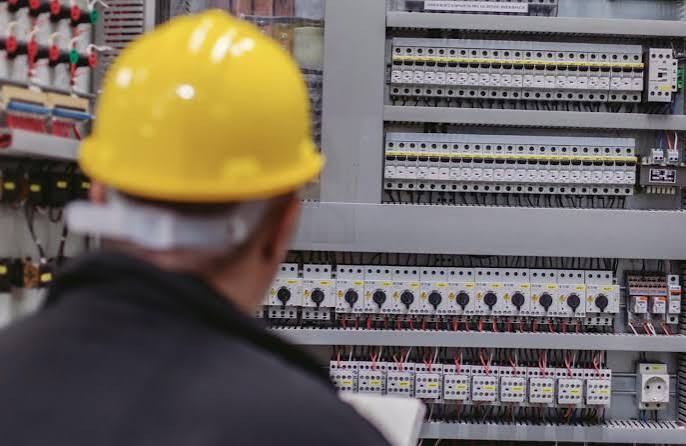
Buildings are becoming smarter, more connected and more efficient. Across Uganda, commercial property owners, developers, facility managers and homeowners are increasingly looking for ways to improve building operations, reduce energy consumption, strengthen security and create more comfortable indoor environments.
One technology making this possible is the building automation system (BAS).
Building automation systems allow different building services, including heating, ventilation and air conditioning (HVAC), lighting, security, access control and other mechanical and electrical installations, to be monitored and controlled through integrated technologies.
Instead of operating every building service independently, a building automation system enables selected equipment to communicate and work together according to programmed settings, schedules and operating conditions.
For modern offices, hotels, hospitals, shopping centres, residential developments, educational institutions and industrial facilities in Uganda, building automation can improve operational efficiency, support energy management and simplify facility management.
At Daltrev Co. Ltd, we recognise the importance of modern building technologies and integrated utility solutions. This guide explains everything property owners and developers need to know about building automation systems in Uganda, including how they work, their components, benefits, applications, installation considerations and cost factors.
What Are Building Automation Systems?
A building automation system is a centralised or distributed technology platform that monitors, controls and coordinates selected building services.
It uses sensors, controllers, communication networks and software to collect information from building equipment and adjust its operation according to programmed requirements.
For example, an automated office building can use occupancy sensors to control lighting, temperature sensors to regulate air conditioning and access control devices to manage entry into restricted areas.
A building automation system may control or monitor:
- Heating, ventilation and air conditioning systems
- Lighting and electrical controls
- Energy consumption and power monitoring
- Access control systems
- Security and surveillance interfaces
- Water pumps and selected plumbing equipment
- Generator and backup power monitoring
- Indoor temperature and environmental conditions
- Fire alarm status and approved system interfaces
- Lifts and other building services through suitable interfaces
The exact functions depend on the building’s design, installed equipment, automation requirements and integration capabilities.
What Is the Difference Between a Building Automation System and a Building Management System?
The terms Building Automation System (BAS) and Building Management System (BMS) are often used interchangeably. Both describe technologies used to monitor and control building services.
However, the terms can have slightly different meanings depending on the project and supplier.
A building automation system generally refers to the hardware, controllers, sensors and software used to automate building operations.
A building management system often refers to the wider platform used by facility managers to supervise, monitor, analyse and manage those automated services.
In practice, a modern BMS commonly incorporates building automation functions.
| Building automation system (BAS) | Building management system (BMS) |
|---|---|
| Focuses on automated operation and control | Focuses on monitoring and management of building services |
| Uses sensors, controllers and programmed sequences | Provides a central interface for supervising connected systems |
| Automates functions such as lighting and HVAC | Helps facility managers review performance and identify faults |
| Responds to programmed conditions | Supports reporting, alarms, scheduling and operational decisions |
| Can operate as part of a wider system | Can integrate multiple automation systems |
Both technologies help buildings operate more efficiently when properly designed and maintained.
How Do Building Automation Systems Work?
A building automation system works by collecting information from connected devices, processing that information through controllers and sending commands to the relevant building equipment.
Most systems operate through four main stages.
1. Data Collection Through Sensors
Sensors collect information about the building’s operating conditions.
Examples include:
- Temperature sensors
- Humidity sensors
- Occupancy sensors
- Motion detectors
- Light sensors
- Air quality sensors
- Pressure sensors
- Water leak sensors
- Energy meters
For example, an occupancy sensor can detect whether a meeting room is being used. The system can then adjust lighting and air conditioning according to the programmed settings.
2. Processing Through Controllers
Controllers receive information from sensors and connected equipment.
They compare the information against programmed settings and determine whether an adjustment is required.
For example, a temperature controller may activate or adjust an air conditioning unit when the measured room temperature moves outside the selected comfort range.
3. Automated Control of Building Equipment
After processing the information, the controller sends instructions to connected devices.
These may include:
- Air conditioning units
- Ventilation fans
- Lighting circuits
- Motorised valves
- Pumps
- Dampers
- Control relays
- Selected security and access control equipment
This allows different building services to respond automatically to changing operating conditions.
4. Monitoring Through a Central Interface
A central management platform allows authorised users to monitor connected equipment and review system information.
Depending on the installation, the interface may display:
- Equipment operating status
- Indoor temperatures
- Energy consumption
- Active alarms
- Equipment faults
- Operating schedules
- System performance reports
Facility managers can use this information to identify problems, adjust settings and coordinate building operations.
Main Components of a Building Automation System
A complete building automation installation consists of several interconnected components. Each performs a specific function in collecting information, processing commands and controlling building equipment.
1. Sensors and Detectors
Sensors collect information about the building’s environment and equipment.
Common examples include temperature, humidity, occupancy, light, pressure and air quality sensors.
Their accuracy and correct positioning are important because automation decisions depend on the information they provide.
2. Controllers
Controllers are responsible for processing information and executing programmed control sequences.
They may operate individual devices, rooms, equipment groups or larger building systems.
Examples include:
- HVAC controllers
- Lighting controllers
- Room controllers
- Programmable logic controllers (PLCs)
- Direct digital controllers (DDCs)
The appropriate controller depends on the equipment, application and system design.
3. Actuators
Actuators convert control signals into physical actions.
They may open or close valves, adjust dampers, operate motorised equipment or control other connected devices.
For example, a motorised valve actuator can regulate water flow in a heating or cooling installation.
4. Communication Networks
Building automation devices need to exchange information.
Communication networks connect sensors, controllers, management software and other compatible equipment.
Common communication protocols include:
- BACnet
- Modbus
- KNX
- LonWorks
- MQTT in suitable connected applications
The selected protocol depends on equipment compatibility, project requirements, network architecture and integration needs.
5. Central Management Software
Building management software provides a user interface for monitoring and controlling connected building services.
Depending on the system, it can provide:
- Equipment dashboards
- Alarm notifications
- Scheduling
- Trend analysis
- Energy monitoring
- Performance reports
- Remote access for authorised users
6. Control Panels and Power Supplies
Control panels house or support automation controllers, communication equipment and associated electrical components.
Reliable power supplies and appropriate backup arrangements should be considered to support system availability during power interruptions.
7. Network Infrastructure
Building automation systems may depend on structured cabling, Ethernet networks, gateways, switches and wireless communication.
The network should be designed to support reliable communication, appropriate segmentation and secure access.
Types of Building Automation Systems Used in Modern Buildings
Building automation can be applied to different building services depending on operational requirements.
1. HVAC Automation Systems
HVAC automation controls heating, ventilation and air conditioning equipment to maintain suitable indoor conditions.
It can regulate:
- Air conditioning operation
- Indoor temperature
- Ventilation schedules
- Fan speeds
- Airflow
- Motorised valves and dampers
- Selected humidity controls
For example, an office automation system can adjust air conditioning schedules according to occupancy, reducing unnecessary operation when designated areas are not in use.
2. Lighting Automation Systems
Automated lighting systems control lighting based on occupancy, daylight availability, schedules and user settings.
Common features include:
- Occupancy-based lighting
- Daylight-responsive controls
- Scheduled switching
- Dimming
- Centralised lighting management
- Scene controls
Lighting automation can help reduce electricity consumption and improve convenience in offices, hotels, shopping centres and residential properties.
3. Energy Management Systems
Energy management technologies monitor and analyse how a building consumes electricity and, where instrumented, other utilities.
They can help facility managers identify:
- High-consumption equipment
- Unusual energy demand
- Peak electricity usage
- Equipment operating outside schedules
- Opportunities for energy reduction
Energy monitoring is particularly useful in commercial and industrial buildings where electricity costs form a significant part of operating expenses.
4. Access Control and Security Integration
Building automation platforms may integrate with selected access control and security systems.
Possible functions include:
- Monitoring controlled entry points
- Managing authorised access schedules
- Receiving selected security system events
- Coordinating approved building operating modes
- Providing centralised status information
Security systems should retain their appropriate dedicated functions and be integrated according to the project’s security design.
5. Smart Water and Pump Monitoring
Selected water systems can be connected to building automation platforms.
Depending on the equipment, this may include monitoring:
- Water tank levels
- Pump operating status
- Water pressure
- Water leakage alarms
- Pump faults
- Selected water consumption measurements
These functions can help building managers identify abnormal conditions and improve maintenance planning.
6. Lift and Vertical Transportation Monitoring
Suitable lift systems may provide information to building management platforms through approved interfaces.
Depending on the lift manufacturer and interface, the system may display selected operating status, fault information or availability data.
Lift safety controls must remain within the approved lift control architecture. A building automation system should not replace the lift’s dedicated safety systems.
7. Fire and Life Safety System Integration
Building automation systems may receive selected status information from fire alarm systems and coordinate approved building responses.
For example, an approved fire strategy may require certain ventilation equipment to stop or smoke-control equipment to operate when a fire signal is received.
Such integration must be designed by competent fire and building systems professionals. Fire alarm and life safety functions must remain compliant with applicable requirements and must not be compromised by general building automation controls.
Benefits of Building Automation Systems in Uganda
Building automation provides several operational, financial and environmental advantages for property owners and facility managers.
1. Improved Energy Efficiency
Energy consumption is a major operating consideration for commercial buildings.
Lighting, air conditioning, ventilation, pumps and other equipment can consume substantial amounts of electricity when operated inefficiently.
Automation helps manage these systems through schedules, occupancy controls and programmed operating conditions.
For example, lighting can be switched off automatically in unoccupied areas, while HVAC equipment can operate according to actual building requirements.
2. Reduced Building Operating Costs
Automated control can reduce unnecessary equipment operation and help improve the use of energy and other resources.
The actual savings depend on the building, existing equipment, operating practices, automation design and maintenance quality.
3. Improved Occupant Comfort
Building automation helps maintain suitable indoor conditions by coordinating temperature, ventilation and lighting controls.
This can improve comfort for employees, residents, customers, patients and visitors.
4. Centralised Building Management
Instead of checking every piece of equipment separately, facility managers can monitor compatible systems through a central interface.
This can simplify daily operations and make it easier to identify equipment faults.
5. Faster Fault Detection
Automation platforms can generate alarms when monitored equipment develops faults or operates outside programmed conditions.
Early identification can help maintenance teams investigate problems before they cause major disruption.
6. Better Maintenance Planning
Historical operating information and equipment alarms can help facility managers identify recurring problems and plan maintenance activities.
This supports a more organised approach to building maintenance.
7. Improved Security and Access Management
Integration with suitable access control and security systems can help authorised personnel monitor entry points and coordinate building operating schedules.
8. Support for Sustainable Building Operations
More efficient control of lighting, HVAC and other building services can help reduce unnecessary energy use.
This supports better resource management and more sustainable building operations.
Applications of Building Automation Systems in Uganda
Building automation is useful in many types of properties. The system should be designed around the building’s activities, occupancy, equipment and operational priorities.
Commercial Office Buildings
Office buildings often have multiple departments, meeting rooms, lighting circuits, air conditioning systems and access-controlled areas.
Automation can support:
- Centralised HVAC control
- Occupancy-based lighting
- Meeting room scheduling
- Energy monitoring
- Access control integration
- Equipment fault monitoring
Hotels and Hospitality Facilities
Hotels operate throughout the day and require comfortable environments for guests and staff.
Building automation may support:
- Guest room temperature controls
- Corridor and public-area lighting
- HVAC scheduling
- Selected energy monitoring
- Water pump monitoring
- Approved integration with access control
These functions can improve operational coordination and help reduce unnecessary equipment use.
Hospitals and Healthcare Facilities
Hospitals require carefully managed indoor environments and reliable building services.
Automation may support monitoring and control of selected HVAC equipment, ventilation systems, lighting, pumps and other building utilities.
Healthcare facilities require specialist engineering design, particularly where ventilation, pressure relationships, temperature and environmental conditions affect clinical operations.
Critical medical equipment and life safety systems must retain their dedicated controls and protection arrangements.
Shopping Centres and Retail Complexes
Shopping centres contain multiple shops, public areas, parking facilities, restaurants and shared building services.
Automation can help manage:
- Common-area lighting
- Central air conditioning
- Ventilation
- Energy consumption
- Selected security interfaces
- Equipment operating schedules
Industrial Buildings and Factories
Industrial facilities often have complex electrical, mechanical and ventilation requirements.
Building automation can support monitoring and control of selected pumps, fans, ventilation systems, energy meters and other building services.
Process automation and machinery safety systems should be designed separately where necessary, with clearly defined interfaces.
Educational Institutions
Schools, universities and training institutions can use automation to manage lighting, ventilation, air conditioning and selected access control functions.
Scheduled operation can help reduce unnecessary energy consumption when classrooms and other facilities are not occupied.
Residential Buildings and Apartments
Building automation can also improve convenience and efficiency in residential properties.
Possible applications include:
- Smart lighting
- Automated air conditioning
- Smart access control
- Water leak detection
- Pump monitoring
- Remote monitoring of selected equipment
- Smart home security integration
Building Automation Systems for Uganda’s Climate and Operating Conditions
When designing a building automation system in Uganda, it is important to consider local environmental and operational conditions.
Temperature and Humidity
Many buildings in Uganda require reliable ventilation and cooling arrangements, particularly in busy offices, hotels, healthcare facilities and commercial spaces.
Automation can help regulate HVAC operation according to indoor temperature, humidity and occupancy conditions.
Electricity Supply and Backup Power
Power interruptions can affect building equipment and automation networks.
The design should consider the required backup arrangements for controllers, network devices, control panels and other critical equipment.
Generators, UPS systems and other backup sources should be monitored or integrated only through suitable approved interfaces.
Energy Management
Electricity consumption is an important operating cost for many commercial buildings.
Automation can help facility managers monitor energy demand and manage equipment schedules to reduce unnecessary operation.
Internet and Network Connectivity
Some building automation systems support remote monitoring through secure internet connections.
However, essential local control functions should be designed to continue operating appropriately if internet connectivity is interrupted.
Dust, Moisture and Equipment Protection
Equipment installed in plant rooms, electrical rooms and other demanding environments should be selected with suitable environmental protection ratings and installation arrangements.
These considerations help improve system reliability and long-term performance.
How Much Do Building Automation Systems Cost in Uganda?
The cost of building automation systems in Uganda varies according to the building’s size, automation requirements, number of controlled devices and complexity of integration.
There is no single installation price that applies to every property.
Important cost factors include:
1. Building Size and Layout
Larger buildings generally require more sensors, controllers, communication devices, control panels and cabling.
The number of floors, rooms and equipment zones also affects the overall design.
2. Number of Systems to Be Automated
A project covering only lighting controls will generally have a different scope from one integrating HVAC, energy monitoring, access control, pumps and other building services.
3. Equipment and Technology Selection
The cost depends on the quality, functionality, compatibility and technical specifications of the selected equipment.
4. Communication and Network Infrastructure
New installations may require additional cabling, network switches, gateways and communication infrastructure.
Existing buildings may need upgrades to support reliable integration.
5. Integration Requirements
Connecting equipment from different manufacturers may require additional controllers, gateways, programming and engineering work.
Compatibility should be assessed before equipment is purchased.
6. Installation and Programming
The project cost may include installation, wiring, controller configuration, software setup, programming, testing and commissioning.
7. Training and Maintenance
Building operators may require training to use the system effectively.
Ongoing costs may include software support, equipment servicing, network maintenance and replacement components.
For an accurate quotation, property owners should arrange a technical assessment and request a detailed breakdown of equipment, design, installation, programming, commissioning and maintenance costs.
Building Automation System Installation Process
A successful building automation project requires proper planning, design, equipment selection, installation and testing.
The following steps provide a general overview.
Step 1: Assess the Building’s Requirements
Begin by identifying the building services that need to be automated.
Review the existing HVAC, lighting, electrical, security and other utility installations.
Establish the main objectives, such as energy efficiency, improved comfort, centralised monitoring or easier maintenance.
Step 2: Conduct a Site Survey
A technical site survey helps determine:
- Building layout
- Existing equipment
- Electrical infrastructure
- HVAC installations
- Network availability
- Control panel locations
- Sensor locations
- Communication requirements
- Opportunities for future expansion
For an existing building, assess whether its equipment can communicate with the proposed automation platform.
Step 3: Develop the System Design
The design should define the automation architecture, equipment schedules, control sequences, communication protocols and integration requirements.
It should also identify which systems will be controlled automatically and which will remain independently operated.
Step 4: Select Compatible Equipment
Choose sensors, controllers, actuators, panels, software and network devices that meet the design requirements.
Equipment compatibility is important, especially when integrating products from different manufacturers.
Step 5: Install the Automation Infrastructure
Installation may involve:
- Control panels
- Sensors and detectors
- Controllers
- Actuators
- Communication cabling
- Network devices
- Electrical connections
- Control interfaces
All work should follow appropriate electrical, safety and manufacturer requirements.
Step 6: Configure and Programme the System
Controllers and software are configured to operate the connected building equipment according to the approved design.
Control sequences should reflect actual building use and operating requirements.
Step 7: Test and Commission the System
Commissioning verifies that the installed system operates as intended.
Testing should cover:
- Sensor accuracy and operation
- Controller functions
- Actuator responses
- Communication between devices
- Equipment control sequences
- Alarm and fault notifications
- System interfaces
- Backup arrangements where applicable
Step 8: Train Building Operators
Facility managers and relevant staff should receive training on system operation, alarms, schedules, reporting and basic troubleshooting.
Step 9: Establish a Maintenance Programme
A maintenance plan should cover software updates, sensor checks, controller inspections, network performance and equipment servicing.
System documentation should be retained for future maintenance and expansion.
Important Factors to Consider Before Installing a Building Automation System
Choosing the right system requires more than selecting software or purchasing smart devices.
Consider the following factors before starting a project.
Compatibility with Existing Equipment
Confirm that existing HVAC units, lighting controls, pumps and other equipment can communicate with the proposed automation system.
Where necessary, suitable gateways or additional interfaces may be required.
Scalability and Future Expansion
Choose a system that can accommodate future building changes and additional equipment.
A scalable architecture can reduce the need for major replacement when the property expands.
Open Communication Protocols
Where appropriate, consider systems that support recognised communication protocols such as BACnet, Modbus or KNX.
Protocol compatibility can improve integration flexibility, although support for a protocol does not automatically guarantee that every device or function will interoperate.
Ease of Operation
The system should provide a clear interface that facility managers and authorised users can operate effectively.
Reliability
Controllers, network equipment and other critical components should be selected and installed to support reliable operation.
Cybersecurity
Connected building systems can introduce cybersecurity risks if they are poorly configured.
Important security measures include:
- Changing default passwords
- Using strong authentication
- Restricting access according to user roles
- Separating building automation networks from general office networks where appropriate
- Securing remote access
- Updating supported software and firmware
- Maintaining backups of system configurations
- Monitoring unusual network activity
Cybersecurity should be considered during system design, installation and ongoing maintenance.
Professional Installation and Technical Support
Building automation requires knowledge of electrical systems, mechanical equipment, controls, networking and software.
Choose competent professionals with relevant experience in the proposed technology and building type.
Common Mistakes to Avoid When Installing Building Automation Systems
Poor planning can reduce the performance and value of an automation project.
Avoid these common mistakes:
1. Installing automation without clear objectives
Identify the problems the system should solve before selecting equipment.
2. Ignoring equipment compatibility
Different devices may use different communication protocols or manufacturer-specific interfaces. Compatibility should be verified during design.
3. Automating every system unnecessarily
Not every building service needs automation. Prioritise functions that provide meaningful operational benefits.
4. Overlooking cybersecurity
Poor access control and insecure network connections can expose building systems to unauthorised access.
5. Failing to consider future expansion
A system that cannot accommodate additional equipment may become expensive to upgrade.
6. Neglecting user training
Facility managers need to understand how to operate the system and respond to alarms.
7. Skipping testing and commissioning
A system should not be handed over until its equipment, communication and control sequences have been properly tested.
8. Ignoring maintenance
Sensors, controllers, software and network equipment require ongoing attention to maintain reliable performance.
Building Automation Systems vs Traditional Building Control
Traditional building control often relies on separate switches, thermostats, timers and equipment controls.
Building automation brings selected functions together through connected controllers and central monitoring.
| Traditional building control | Building automation |
|---|---|
| Equipment may operate independently | Compatible systems can communicate and coordinate |
| Manual adjustment is common | Programmed automatic control is available |
| Limited central monitoring | Centralised monitoring can be provided |
| Faults may require individual equipment checks | System alarms can help identify selected faults |
| Limited operating data | Historical trends and energy information may be available |
| Expansion may involve separate controls | Integrated expansion can be possible with suitable architecture |
Traditional controls remain suitable for many applications. Automation is most valuable where central monitoring, coordination, energy management or more advanced control is needed.
Building Automation and Smart Home Solutions
Building automation is not limited to commercial properties. Similar technologies are used in modern homes and residential developments.
Smart home solutions can allow residents to control selected building functions through wall panels, mobile applications, voice interfaces or programmed schedules.
Examples include:
- Smart lighting
- Automated curtains and blinds
- Smart thermostats
- Air conditioning controls
- Smart door locks
- Video intercom systems
- Security monitoring
- Water leak detection
- Smart energy monitoring
For larger residential developments, some of these functions can be integrated into a wider building management platform.
The selected solution should match the property’s needs, budget, network infrastructure and security requirements.
Why Choose Daltrev Co. Ltd for Building Automation and Utility Solutions?
Modern buildings require reliable coordination between electrical, mechanical, security and other building services.
Daltrev Co. Ltd provides building utility solutions and offers a range of services and product categories relevant to modern building infrastructure, including building management systems, smart home solutions, electrical installations, HVAC, plumbing, security systems and related utility products.
For property owners, developers and facility managers, choosing appropriate building technologies is an important step towards improving building operations and supporting long-term efficiency.
Daltrev’s building solutions are relevant to projects involving:
- Building management systems
- Smart home technologies
- Electrical and mechanical building services
- HVAC installations
- Security and access control solutions
- Plumbing and water system infrastructure
- Integrated building utility requirements
The appropriate automation platform and equipment should be selected according to the building’s technical requirements and the intended scope of integration.
Explore Daltrev’s Building Management Systems and Smart Homes page to learn more about its related building technology solutions.
You can also explore Utilities Works and Utility Products for information about Daltrev’s wider building utility offerings.
For project enquiries and information about suitable building solutions, contact Daltrev Co. Ltd.
Frequently Asked Questions About Building Automation Systems in Uganda
1. What is a building automation system?
A building automation system is a technology platform that monitors and controls selected building services such as HVAC, lighting, energy systems and other compatible equipment. It uses sensors, controllers, actuators and software to automate building operations.
2. What is the difference between BAS and BMS?
BAS generally refers to the technologies that automate building equipment, while BMS often refers to the wider platform used to monitor and manage building services. The terms are frequently used interchangeably in the industry.
3. How much do building automation systems cost in Uganda?
The cost depends on building size, number of automated systems, equipment specifications, communication infrastructure, installation complexity and integration requirements. A site assessment is necessary to prepare an accurate quotation.
4. Which buildings need building automation systems?
Building automation can benefit offices, hotels, hospitals, shopping centres, factories, warehouses, educational institutions, apartments and modern residential properties. The system should be selected according to each building’s operational requirements.
5. Can building automation reduce electricity bills?
Yes. Automation can help reduce unnecessary electricity consumption by controlling lighting, air conditioning, ventilation and other equipment according to occupancy, schedules and operating conditions. Actual savings depend on the building and how effectively the system is designed and managed.
6. Can an existing building be upgraded with automation?
Yes. Existing buildings can often be upgraded through retrofitting. The project should begin with an assessment of existing equipment, electrical infrastructure, network availability and compatibility with the proposed automation platform.
7. What systems can be controlled by building automation?
Depending on the design, building automation can control or monitor HVAC, lighting, energy meters, pumps, selected security interfaces, water systems and other compatible building equipment.
8. What communication protocols are used in building automation?
Common protocols include BACnet, Modbus, KNX and LonWorks. The selected protocol depends on the equipment, application, communication architecture and integration requirements.
9. Is building automation suitable for homes in Uganda?
Yes. Smart home technologies can automate lighting, air conditioning, access control, curtains, security monitoring and selected water or energy functions. The appropriate solution depends on the home’s requirements and budget.
10. Does building automation require internet access?
Not necessarily. Many automation functions can operate locally through controllers and building networks. Internet access may be needed for selected remote monitoring, cloud services or mobile application features.
11. How long does building automation installation take?
Installation time depends on building size, the number of systems being integrated, equipment availability, cabling requirements, programming and commissioning. A project schedule should be prepared after a technical site assessment.
12. Does a building automation system require maintenance?
Yes. Regular maintenance helps ensure that sensors, controllers, actuators, communication networks and software continue to operate reliably. Maintenance should follow the manufacturer’s recommendations and the system’s maintenance plan.
Conclusion: Invest in Building Automation Systems for Smarter Buildings in Uganda
Building automation systems are transforming how modern buildings operate by connecting equipment, improving control and supporting more efficient facility management.
From HVAC and lighting automation to energy monitoring, access control integration and smart home technologies, these systems provide practical ways to improve building operations.
For property developers, commercial building owners, facility managers and homeowners in Uganda, selecting the right building automation solution requires careful planning, compatible equipment, professional installation, proper commissioning and ongoing maintenance.
Whether you are constructing a new office, upgrading a hotel, managing a commercial complex or developing a modern home, building automation can help create a more connected, comfortable and efficient property.
Daltrev Co. Ltd — Building Solutions. Delivering Excellence.
Visit www.daltrevco.com or contact Daltrev Co. Ltd to discuss building utility solutions and technologies for modern properties in Uganda.

