
Energy consumption is one of the major operational expenses for many commercial buildings. Offices, hotels, shopping centres, hospitals, warehouses and industrial facilities depend on electricity to operate lighting, air conditioning, ventilation, lifts, computers, security systems and other essential equipment.
However, without proper monitoring and control, commercial buildings can consume more energy than necessary. Lighting may remain switched on in unoccupied rooms, air conditioning systems may operate inefficiently, and electrical equipment may continue running outside normal working hours.
Smart energy management systems provide a modern solution to these challenges by helping building owners monitor, control and optimise electricity consumption.
Through intelligent monitoring devices, automated controls, sensors and building management technologies, businesses can gain better visibility of their energy usage, identify inefficiencies and make informed decisions about energy consumption.
For commercial property owners in Uganda, investing in smart energy management can support lower operating costs, improved building performance and more sustainable facility operations.
At Daltrevco Company, we recognise the importance of integrating intelligent building technologies into modern commercial developments. Smart energy management is an important part of creating buildings that operate efficiently, use resources responsibly and provide comfortable environments for occupants.
This guide explains how smart energy management systems work, their benefits, key components, applications, installation processes and important considerations when selecting an energy management solution for a commercial building in Uganda.
What Are Smart Energy Management Systems?
Smart energy management systems are integrated technologies used to monitor, analyse, control and optimise energy consumption within buildings and facilities.
They combine electrical monitoring devices, intelligent controllers, sensors, automation systems and software platforms to provide information about how energy is being used.
Unlike conventional electrical systems that rely heavily on manual switching and basic controls, smart energy management systems can automatically adjust selected building operations according to occupancy, schedules, environmental conditions and energy demand.
For example, a smart energy management system in an office building can monitor electricity consumption, adjust lighting based on occupancy and daylight availability, and regulate air conditioning according to room temperature and operating schedules.
The system can also generate reports showing energy consumption patterns and identify equipment or areas that may be using excessive electricity.
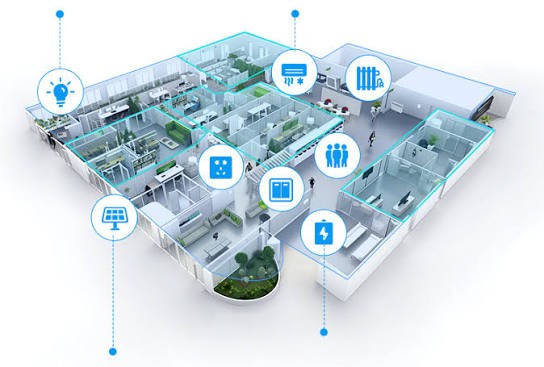
Depending on the building’s requirements, a smart energy management system can control and monitor:
- Lighting systems.
- Air conditioning and HVAC equipment.
- Ventilation systems.
- Electrical distribution systems.
- Water heating equipment.
- Pumps and motors.
- Renewable energy installations.
- Battery energy storage systems.
- Selected industrial equipment.
- Electricity consumption across different departments or floors.
The main objective is to improve energy efficiency without compromising occupant comfort, operational reliability or building functionality.
Why Do Commercial Buildings Need Smart Energy Management Systems?
Commercial buildings often have complex electrical and mechanical installations that operate throughout the day.
Without appropriate energy monitoring and control, property owners may struggle to identify where electricity is being wasted or which systems contribute most to operating costs.
Smart energy management systems address these challenges in several ways.
1. Rising Electricity Operating Costs
Electricity is an essential expense for businesses that operate offices, hotels, shopping centres, hospitals and industrial facilities.
Poor energy management can increase monthly operating expenses and reduce business profitability.
Smart energy management systems provide better visibility of electricity consumption and help identify opportunities to reduce unnecessary usage.
2. Inefficient Use of Electrical Equipment
Many commercial buildings operate lighting, air conditioning, pumps and other electrical equipment even when they are not required.
Automated controls help ensure that selected equipment operates according to actual building requirements.
3. Limited Visibility of Energy Consumption
Traditional electrical systems may provide limited information about how electricity is distributed and consumed throughout a building.
Smart monitoring technologies provide detailed information about consumption patterns, helping facility managers make better operational decisions.
4. Growing Demand for Sustainable Buildings
Businesses and property developers are increasingly interested in reducing energy waste and improving environmental performance.
Smart energy management supports more efficient building operations and can complement renewable energy and other sustainability initiatives.
5. Need for Better Building Automation
Modern commercial developments require integrated technologies that simplify building operations.
Energy management systems can work alongside building management systems, automated lighting controls, HVAC automation and other smart building technologies.
Key Components of a Smart Energy Management System
A smart energy management system consists of several components that work together to monitor and control energy consumption.
The exact configuration depends on the size, design and operational requirements of the building.
1. Smart Energy Meters
Smart energy meters measure electricity consumption and provide information about how much electrical energy a building or selected circuit uses.
Depending on their capabilities, they can measure parameters such as:
- Voltage.
- Current.
- Active power.
- Energy consumption.
- Power factor.
- Frequency.
- Maximum demand.
Sub-metering can also be used to monitor individual floors, departments, equipment groups or major electrical loads.
This makes it easier to identify areas with high electricity consumption.
2. Energy Monitoring Software
Energy monitoring software collects and displays information from meters and connected devices.
Facility managers can use the platform to review consumption patterns, compare energy usage and identify unusual changes.
Common capabilities include:
- Real-time energy dashboards.
- Historical consumption reports.
- Energy performance comparisons.
- Automated alerts.
- Electricity usage trends.
- Equipment performance monitoring.
- Department-level energy reporting.
3. Smart Sensors
Sensors provide information that helps building systems respond to changing conditions.
Common sensor types include:
Occupancy sensors: Detect whether people are present in a room or selected area.
Temperature sensors: Monitor indoor temperatures and support HVAC control.
Daylight sensors: Measure available natural light to support automated lighting adjustments.
Environmental sensors: Monitor selected indoor conditions that may influence building operation.
4. Intelligent Controllers
Controllers process information from sensors, meters and other connected devices.
They execute programmed instructions to manage selected building equipment.
For example, a controller may switch off lighting in an unoccupied meeting room or adjust an air conditioning system according to a programmed temperature setting.
5. Smart Lighting Controls
Smart lighting controls help regulate illumination according to occupancy, schedules and available daylight.
They can include:
- Motion sensors.
- Occupancy sensors.
- Daylight sensors.
- Programmable timers.
- Dimming controls.
- Centralised lighting management.
These technologies reduce unnecessary lighting operation while maintaining appropriate illumination.
6. HVAC Energy Control Systems
Heating, ventilation and air conditioning equipment can account for a significant proportion of energy consumption in many commercial buildings.
Smart HVAC controls help regulate cooling, heating and ventilation according to building occupancy, temperature requirements and operating schedules.
Depending on the equipment, control strategies may include programmable thermostats, variable speed drives, zone controls and intelligent automation.
7. Communication Networks
Smart energy management systems require reliable communication between meters, controllers, sensors and software platforms.
Depending on the system, communication technologies may include Ethernet, Wi-Fi, Modbus, BACnet and other supported protocols.
Proper network planning is important for ensuring reliable data collection and system integration.
8. Central Monitoring and Control Platforms
A central monitoring platform provides a single interface for viewing energy consumption and managing connected systems.
For large commercial properties, this can help facility managers coordinate operations across multiple floors, departments or buildings.
How Smart Energy Management Systems Work
Smart energy management systems operate through a continuous process of measurement, analysis and control.
Understanding this process helps property owners appreciate how the technology improves building performance.
Step 1: Collecting Energy Consumption Data
Smart meters and monitoring devices collect information about electricity usage throughout the building.
This may include consumption from lighting circuits, HVAC equipment, pumps and other electrical loads.
Step 2: Transmitting Information to the Monitoring Platform
The collected data is transmitted through a suitable communication network to an energy management platform.
The platform organises the information and presents it in an understandable format.
Step 3: Analysing Energy Usage
The system analyses energy consumption patterns and helps identify unusual usage, peak demand periods and potential inefficiencies.
For example, a facility manager may discover that an office building continues consuming substantial electricity after normal working hours.
Step 4: Automating Building Equipment
Where automation is configured, controllers use information from sensors and programmed settings to adjust connected equipment.
Examples include switching off unnecessary lighting, adjusting HVAC operation and controlling selected electrical loads.
Step 5: Generating Reports and Alerts
The system generates reports that help building managers evaluate energy performance.
Alerts can also notify authorised personnel when consumption exceeds configured thresholds or equipment behaves unexpectedly.
Step 6: Continuous Improvement
Facility managers review the information and make adjustments to improve energy performance.
Over time, this creates a more structured approach to energy management.
Benefits of Smart Energy Management Systems for Commercial Buildings
Investing in smart energy management offers several operational and financial advantages.
1. Reduced Electricity Consumption
One of the most important benefits is the ability to identify and reduce unnecessary electricity usage.
Automated lighting, HVAC scheduling and intelligent equipment control help ensure that energy is used when and where it is needed.
Actual savings depend on the building’s existing efficiency, operating patterns, equipment and control strategy.
2. Lower Operating Costs
Reducing unnecessary electricity consumption can help lower monthly operating expenses.
For businesses with large facilities, even relatively small improvements in energy efficiency can contribute to meaningful savings over time.
3. Real-Time Energy Monitoring
Smart monitoring platforms allow facility managers to view electricity consumption as it occurs.
This makes it easier to identify unusual consumption patterns and respond to problems before they become major operational expenses.
4. Improved Equipment Performance
Smart energy management helps building managers understand how electrical and mechanical equipment operates.
Monitoring operating conditions can help identify abnormal equipment behaviour and support timely maintenance.
5. Better Control of Peak Electricity Demand
Some commercial buildings experience periods of high electricity demand when several major systems operate simultaneously.
Demand monitoring and load management strategies can help identify these periods and coordinate selected non-critical loads.
Any automated load control should be designed to maintain essential building operations.
6. Improved Occupant Comfort
Smart HVAC and lighting controls can respond to occupancy and environmental conditions.
This helps maintain suitable indoor temperatures and lighting levels while avoiding unnecessary equipment operation.
7. Better Facility Management
Centralised monitoring allows facility managers to review energy usage across multiple areas from a single platform.
This can reduce the need for manual inspections and improve operational decision-making.
8. Support for Renewable Energy Integration
Smart energy management systems can complement solar photovoltaic installations and battery storage systems.
They can help monitor energy generated, energy consumed, battery charging and selected loads.
Depending on the equipment, advanced systems can also coordinate energy usage with available solar generation.
9. Improved Environmental Performance
Reducing electricity waste can help lower the environmental impact associated with building energy consumption.
Businesses can use energy monitoring reports to track performance improvements and support sustainability objectives.
10. Better Long-Term Energy Planning
Historical consumption data helps building owners understand long-term energy requirements.
This information can support equipment upgrades, electrical infrastructure planning and future building improvements.
Applications of Smart Energy Management Systems in Different Commercial Buildings
Different commercial properties have different energy requirements. Smart energy management systems can be designed to address the specific operational needs of each facility.
1. Smart Energy Management for Office Buildings
Office buildings use electricity for lighting, computers, air conditioning, lifts, printers and other equipment.
Smart energy management can help control lighting according to occupancy and daylight availability while monitoring electricity consumption across different floors and departments.
Applications include:
- Automated office lighting.
- HVAC scheduling.
- Meeting room occupancy control.
- Floor-level energy monitoring.
- Equipment scheduling.
- Centralised energy reporting.
These systems help office managers improve energy efficiency without disrupting normal business operations.
2. Smart Energy Management for Hotels
Hotels operate around the clock and have varying energy requirements depending on occupancy.
Electricity is used for guest room lighting, air conditioning, kitchens, laundry facilities, lifts, water heating and other services.
Smart energy management solutions can support:
- Guest room energy controls.
- Occupancy-based lighting.
- HVAC scheduling.
- Hot water system monitoring.
- Kitchen equipment monitoring.
- Common-area lighting automation.
Hotel energy management should balance efficiency with guest comfort and operational requirements.
3. Smart Energy Management for Shopping Centres
Shopping centres contain multiple retail outlets, common areas, escalators, lifts, lighting systems and air conditioning installations.
Smart energy monitoring can help building managers understand consumption across different areas.
Applications include:
- Common-area lighting controls.
- HVAC energy optimisation.
- Energy sub-metering for retail units.
- Escalator and lift energy monitoring.
- Electricity consumption reporting.
- Demand monitoring.
4. Smart Energy Management for Hospitals
Hospitals require reliable electricity for lighting, ventilation, medical equipment, refrigeration and other essential systems.
Energy management technologies can monitor selected non-critical building loads and support efficient operation of lighting, HVAC and general facilities.
Essential medical and life-safety systems must always retain the appropriate electrical reliability and priority.
5. Smart Energy Management for Industrial Facilities
Factories and industrial buildings use electricity for production machinery, pumps, motors, ventilation, compressed air and other equipment.
Energy monitoring helps managers understand which processes consume the most electricity.
Applications may include:
- Industrial motor monitoring.
- Pump energy management.
- Production equipment monitoring.
- Power factor monitoring.
- Load scheduling.
- Energy performance reporting.
For industrial facilities, smart energy management can support more informed operational and maintenance decisions.
6. Smart Energy Management for Educational Institutions
Schools, universities and training institutions operate classrooms, laboratories, libraries, offices and accommodation facilities.
Smart energy management can help control lighting and ventilation while monitoring consumption across different buildings.
This can support more efficient campus operations and better energy budgeting.
7. Smart Energy Management for Warehouses
Warehouses often operate extensive lighting installations, ventilation systems, refrigeration equipment and material-handling machinery.
Energy monitoring can help facility managers identify inefficient lighting schedules and understand electricity consumption across different operational zones.
Smart Energy Management and Building Management Systems (BMS)
Smart energy management systems are closely related to Building Management Systems, although they serve different primary purposes.
A Building Management System is designed to monitor and control multiple building services from a central platform.
These services may include:
- HVAC systems.
- Lighting.
- Electrical infrastructure.
- Pumps.
- Ventilation.
- Selected security and monitoring systems.
A smart energy management system focuses more specifically on understanding and optimising energy consumption.
The two technologies can work together to improve building efficiency.
For example, a BMS can control an air conditioning system while the energy management platform monitors its electricity consumption and evaluates its performance.
Integrating the two systems provides building managers with better information and more coordinated control.
Smart Energy Management vs Traditional Energy Management
Traditional energy management often relies on manual meter readings, periodic inspections and basic equipment controls.
Smart energy management uses connected monitoring and automation technologies to provide more detailed and timely information.
| Feature | Traditional Energy Management | Smart Energy Management |
|---|---|---|
| Energy monitoring | Periodic or manual readings | Automated monitoring |
| Data availability | Limited historical information | Detailed consumption records |
| Equipment control | Mainly manual | Automated where configured |
| Energy reporting | Manual preparation | Automated dashboards and reports |
| Fault identification | Often reactive | Alerts and trend analysis |
| Building integration | Limited | Supports system integration |
| Energy optimisation | Manual adjustments | Data-driven control strategies |
Smart systems do not eliminate the need for facility managers. Instead, they provide better information and tools for making energy management decisions.
How Much Does a Smart Energy Management System Cost in Uganda?
The cost of installing a smart energy management system in Uganda depends on the building’s size, electrical infrastructure, monitoring requirements and level of automation.
A basic energy monitoring installation for a small commercial property will generally cost less than a fully integrated energy management solution for a hotel, shopping centre or industrial facility.
Factors That Determine Installation Costs
1. Building Size
Large commercial buildings require more monitoring points, meters, sensors and control equipment.
2. Number of Electrical Circuits
Buildings with several electrical distribution boards and major equipment circuits may require additional metering devices.
3. Level of Automation
A monitoring-only system generally has different requirements from a solution that also controls lighting, HVAC and selected electrical loads.
4. Smart Meter and Sensor Requirements
The type, accuracy and number of meters and sensors influence the overall equipment budget.
5. Software and Monitoring Platform
Some solutions require specialised monitoring software, licences, dashboards and communication infrastructure.
6. Existing Electrical Infrastructure
Buildings with suitable electrical and network infrastructure may require less modification than older facilities that need additional cabling and equipment upgrades.
7. System Integration
Integration with a BMS, HVAC automation, smart lighting, solar PV or battery storage can affect the overall project cost.
8. Installation and Commissioning
Project costs also depend on engineering, installation labour, programming, testing and commissioning requirements.
How to Get an Accurate Energy Management Installation Quotation
Before preparing a quotation, a professional installer should assess the building and understand its energy management objectives.
A detailed quotation should identify:
- Proposed system architecture.
- Number and type of energy meters.
- Required sensors and controllers.
- Monitoring software.
- Communication infrastructure.
- Automation requirements.
- Installation materials.
- Configuration and commissioning.
- Maintenance and technical support.
Daltrevco Company can help evaluate building technology requirements and identify suitable solutions for commercial properties.
The Smart Energy Management System Installation Process
Professional installation is essential for ensuring that energy management systems collect accurate information and operate reliably.
The process should follow a structured approach.
Step 1: Energy Assessment and Site Inspection
The first stage involves evaluating the building’s electrical infrastructure and energy consumption requirements.
This includes reviewing:
- Main electrical distribution boards.
- Sub-distribution boards.
- Major electrical loads.
- Lighting installations.
- HVAC equipment.
- Existing meters.
- Available network infrastructure.
- Building operating schedules.
An initial energy assessment helps identify suitable monitoring and control opportunities.
Step 2: System Design and Planning
After the assessment, the system is designed according to the building’s requirements.
The design identifies where meters, sensors and controllers should be installed.
It also establishes how the system will communicate with the monitoring platform and which equipment will be automated.
Step 3: Selection of Equipment
Appropriate equipment is selected based on the system design.
This may include smart meters, current transformers, occupancy sensors, controllers, network switches and monitoring software.
Equipment compatibility is important for reliable communication and integration.
Step 4: Installation of Energy Monitoring Devices
Smart meters and monitoring devices are installed at selected electrical distribution points.
Electrical installation and connections should be performed by qualified personnel using appropriate safety procedures.
Step 5: Installation of Sensors and Controllers
Sensors and intelligent controllers are installed in locations where they can collect relevant information and control the intended building systems.
For example, occupancy sensors may be installed in meeting rooms and corridors to support automated lighting.
Step 6: Network and Software Configuration
The monitoring devices and controllers are connected to the communication network.
The software platform is configured to display energy consumption, system status and relevant operational information.
Step 7: Automation and System Integration
Where automation is required, the system is configured to control selected equipment according to approved operating rules.
Integration with compatible building management, HVAC and lighting systems may also be completed at this stage.
Step 8: Testing and Commissioning
The complete system is tested to verify:
- Meter readings.
- Sensor operation.
- Data communication.
- Dashboard functionality.
- Automated control sequences.
- Alarm and notification settings.
- Equipment integration.
- System reliability.
Any issues identified should be corrected before handover.
Step 9: Training and Handover
Building managers and facility personnel should receive training on how to operate the system.
Training should cover energy dashboards, reporting, alerts, user permissions and basic troubleshooting.
Important Features to Look for in a Smart Energy Management System
Not every energy management system offers the same functionality.
Before investing in a solution, commercial property owners should consider the following features.
1. Real-Time Energy Monitoring
The system should provide timely information about electricity consumption.
2. Historical Energy Reports
Historical records help building managers compare consumption over different periods.
3. Automated Alerts
Configurable notifications can help identify abnormal energy consumption or equipment-related issues.
4. Department-Level Monitoring
Sub-metering allows electricity usage to be monitored across different departments, floors or operational areas.
5. Remote Monitoring
Authorised facility managers should be able to access energy information through compatible computers or mobile devices.
6. Building System Integration
The platform should support integration with relevant lighting, HVAC and building management technologies.
7. Scalability
A good system should accommodate future building expansion and additional monitoring points where required.
8. Data Security
Connected energy management systems should use appropriate cybersecurity measures, including secure access controls, strong passwords, network protection and supported software updates.
How to Reduce Electricity Consumption in Commercial Buildings
Installing a smart energy management system is an important step, but it should be supported by practical energy efficiency measures.
Commercial property owners can consider the following improvements.
Install energy-efficient lighting: Replace inefficient lighting with suitable LED alternatives.
Use occupancy sensors: Automatically control lighting in areas that are not continuously occupied.
Optimise air conditioning: Maintain appropriate temperature settings and avoid unnecessary operation.
Schedule equipment operation: Ensure that non-essential equipment operates only when required.
Maintain HVAC systems: Clean filters and maintain equipment according to manufacturer recommendations.
Monitor major electrical loads: Use energy meters to identify equipment with high electricity consumption.
Improve power factor where necessary: Assess electrical loads and install appropriate power factor correction equipment when justified by technical analysis.
Consider solar energy: Evaluate whether solar photovoltaic installations can support daytime electricity requirements.
Review energy reports regularly: Use monitoring data to identify opportunities for further improvement.
Combining these measures with smart monitoring and automation can create a more effective long-term energy management strategy.
Why Choose Daltrevco Company for Smart Energy Management Solutions in Uganda?
Modern commercial properties require more than conventional electrical installations. They increasingly need intelligent technologies that improve building performance and simplify facility management.
Daltrevco Company provides building technology and electrical-related solutions designed to support modern residential, commercial and industrial developments.
We recognise that every commercial building has different energy requirements. An office building, hotel, shopping centre, hospital and factory will have different electrical loads, operating schedules and automation needs.
Our approach focuses on understanding these requirements and identifying appropriate building technology solutions.
Our Approach to Smart Energy Management
Building assessment: Understanding the property’s electrical infrastructure, energy requirements and operational needs.
System planning: Identifying suitable monitoring devices, sensors, controllers and software.
Energy monitoring solutions: Supporting improved visibility of electricity consumption across selected areas and equipment.
Building automation integration: Considering compatible connections with HVAC controls, smart lighting and building management systems.
System configuration: Ensuring that monitoring and automation functions are appropriately configured.
Testing and commissioning: Verifying system operation and data accuracy before handover.
Technical support: Supporting proper system operation and maintenance.
Whether you are developing a new commercial property or upgrading an existing building, Daltrevco Company can help you explore modern building technology and energy management solutions.
Visit our website: https://www.daltrevco.com/
Frequently Asked Questions About Smart Energy Management Systems
1. What is a smart energy management system?
A smart energy management system is a technology solution that monitors, analyses and helps control energy consumption within a building. It uses meters, sensors, controllers and software to improve energy efficiency and building operations.
2. How do smart energy management systems reduce electricity bills?
They help identify energy waste, monitor consumption and automate selected building equipment. By reducing unnecessary electricity usage, businesses may lower their electricity expenses.
3. Are smart energy management systems suitable for small commercial buildings?
Yes. Smaller offices, retail shops and other commercial properties can benefit from energy monitoring and selected automation features. The system should be designed according to the building’s needs and budget.
4. Can a smart energy management system control air conditioning?
Yes. When integrated with compatible HVAC equipment, the system can monitor and regulate selected functions such as temperature settings, operating schedules and equipment operation.
5. Can smart energy management systems work with solar power?
Yes. Compatible systems can monitor solar generation, electricity consumption and battery storage. Advanced configurations can also coordinate selected loads with available solar energy.
6. What is the difference between an EMS and a BMS?
An Energy Management System primarily focuses on monitoring and optimising energy consumption. A Building Management System monitors and controls multiple building services, including HVAC, lighting and other connected equipment. They can work together.
7. How long does it take to install a smart energy management system?
Installation time depends on building size, the number of monitoring points, existing infrastructure and automation requirements. Smaller installations may take less time than complex commercial building projects.
8. Can I monitor my building’s electricity consumption remotely?
Yes. Many modern energy management platforms support remote monitoring through secure computer or mobile interfaces, depending on the system selected.
9. Are smart energy management systems expensive?
The initial cost depends on equipment, building size, monitoring requirements and automation complexity. However, properly designed systems can help identify energy-saving opportunities and improve long-term operational efficiency.
10. Does Daltrevco Company provide smart energy management solutions in Uganda?
Daltrevco Company provides building technology and electrical-related solutions for modern developments. Contact the company to discuss your commercial building requirements and suitable energy management options.
Improve Your Building’s Energy Efficiency with Smart Energy Management Solutions
Managing energy consumption effectively is essential for controlling operational expenses, improving building performance and supporting sustainable commercial development.
Smart energy management systems provide building owners and facility managers with the tools to monitor electricity consumption, identify inefficiencies and automate selected building operations.
Whether you manage an office, hotel, shopping centre, hospital, warehouse or industrial facility, the right energy management solution can help create a more efficient and intelligently managed building.
Daltrevco Company is committed to supporting modern developments with practical electrical, automation and building technology solutions.
If you are planning to install a smart energy management system or upgrade your existing building infrastructure, contact Daltrevco Company to discuss your requirements and request a professional consultation.
Visit our website: https://www.daltrevco.com/
Explore our blog: https://www.daltrevco.com/blog/
Invest in smarter energy management today and take a more informed approach to controlling energy consumption, improving operational efficiency and managing your commercial property.

