
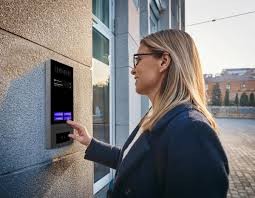
Effective communication and controlled access are essential for modern residential and commercial buildings. Whether you own an apartment complex, manage an office building, operate a commercial facility or want to improve security at home, installing a reliable intercom system can make communication and visitor management easier.
An intercom system allows occupants to communicate with visitors, reception staff, security personnel and other building users before granting access to restricted areas. Modern systems also offer video communication, remote door unlocking, smartphone connectivity and integration with access control systems.
As residential apartments, office developments and commercial buildings continue to adopt modern building technologies, intercom system installation has become an important consideration for property developers and building owners in Uganda.
At Daltrevco Company, we recognise the importance of integrating reliable communication and security technologies into modern buildings. Properly planned intercom installations can improve visitor management, support controlled entry and make everyday building operations more convenient.
This guide explains everything you need to know about intercom system installation in Uganda, including intercom types, applications, benefits, installation procedures, cost factors and how to choose the right installation company.
What Is an Intercom System?
An intercom system is an electronic communication system that allows people in different locations within or around a building to communicate with one another.
It is commonly used at building entrances, reception areas, apartment gates, offices and security control points.
Traditional intercom systems primarily support audio communication, while modern systems can include video, touchscreen controls, mobile applications and remote access management.
For example, when a visitor arrives at an apartment building, they can use an entrance intercom to contact a resident or security desk. The authorised person can communicate with the visitor, verify their identity and, where the system supports it, remotely unlock the entrance.
A modern intercom system may include:
- Indoor communication units.
- Outdoor entrance stations.
- Microphones and speakers.
- Video cameras and display screens.
- Door release mechanisms.
- Network connections.
- Power supplies.
- Access control integration.
- Mobile applications and remote communication features.
The appropriate system depends on the building’s design, number of users, communication requirements and security arrangements.
Why Is Intercom System Installation Important?
Installing an intercom system provides several advantages for residential and commercial property owners.
1. Improved Building Security
An intercom system allows occupants or security personnel to communicate with visitors before allowing them to enter a building.
This helps reduce unnecessary access and supports better visitor verification.
For apartment complexes, intercom systems enable residents to identify or communicate with visitors before granting access to shared entrances.
In offices, they help receptionists and security personnel manage incoming visitors.
2. Better Visitor Management
Managing visitors can become challenging in large apartment buildings, commercial properties and office complexes.
An intercom system provides a convenient way for visitors to contact the relevant person or department.
Instead of entering a building without authorisation, visitors can request access through an entrance station or reception intercom.
3. Convenient Communication
Modern intercom systems make communication easier between different areas of a building.
Depending on the system, users can communicate between:
- Main entrances and apartments.
- Security rooms and reception desks.
- Office departments.
- Building management offices.
- Residential units and gates.
- Multiple floors of a building.
This reduces the need for unnecessary physical movement when communicating or responding to visitors.
4. Remote Door Access
Some modern video and IP intercom systems support remote door unlocking.
An authorised resident, receptionist or security officer can communicate with a visitor and activate a compatible electronic door lock or access control mechanism.
This is especially useful for apartment buildings, gated residential properties and offices with controlled entrances.
5. Better Residential Living Experience
Intercom systems improve convenience for residents by making it easier to receive visitors, communicate with security personnel and manage building entry.
For property developers, installing modern intercom systems can also make residential developments more attractive to prospective tenants and buyers.
6. Integration with Other Security Systems
Modern intercom systems can work alongside other building security technologies.
Depending on compatibility, they can integrate with:
- CCTV surveillance systems.
- Access control systems.
- Electric door locks.
- Automatic gates.
- Video monitoring systems.
- Building management systems.
This allows property owners to develop a more coordinated building security and communication solution.
Types of Intercom Systems for Modern Buildings
Different buildings require different intercom technologies. Selecting the right system is important for ensuring reliable communication and convenient operation.
1. Audio Intercom Systems
Audio intercom systems allow users to communicate through microphones and speakers without video.
They are commonly used in residential buildings, small offices and properties that require basic communication at entrances.
Common applications:
- Residential gates.
- Apartment entrances.
- Office reception areas.
- Security checkpoints.
- Small commercial buildings.
Audio intercom systems are generally suitable where visual visitor identification is not a primary requirement.
2. Video Intercom Systems
Video intercom systems combine audio communication with video monitoring.
They allow occupants to see visitors through an indoor display, monitor or compatible mobile device.
Most systems include an outdoor entrance station with a camera and an indoor unit with a screen.
Benefits include:
- Visual visitor identification.
- Improved entrance monitoring.
- Convenient communication.
- Support for remote door release on compatible models.
- Better control of visitor access.
Video intercoms are particularly useful for apartment complexes, modern homes, hotels and office buildings.
3. IP Intercom Systems
Internet Protocol (IP) intercom systems use network technology to transmit audio and video communication.
They can operate over suitable Ethernet infrastructure and may support integration with other network-based building technologies.
IP intercom systems are suitable for:
- Large apartment complexes.
- Multi-storey buildings.
- Corporate offices.
- Commercial developments.
- Hotels.
- Modern residential estates.
Some systems support communication through smartphones, computers and dedicated indoor monitors.
4. Wireless Intercom Systems
Wireless intercom systems use wireless communication technologies rather than relying entirely on dedicated communication cables between units.
They can be useful in existing buildings where installing new cabling would be difficult or disruptive.
However, system performance depends on signal strength, interference, network conditions and power availability.
Wireless systems should be selected after assessing the building environment.
5. Wired Intercom Systems
Wired intercom systems use physical cables to connect entrance stations, indoor units and other components.
They are commonly used in new construction projects because cabling can be planned and installed during the building’s electrical and communication infrastructure works.
Advantages include:
- Stable communication connections.
- Predictable infrastructure requirements.
- Reduced dependence on wireless signal quality.
- Suitability for multi-unit installations.
- Easier integration with planned building infrastructure.
6. Multi-Tenant Intercom Systems
Multi-tenant intercom systems are designed for buildings with several apartments, offices or occupants.
They allow visitors to select the intended resident, apartment or office from an entrance directory.
The selected occupant receives the communication request and can respond through an indoor unit or compatible mobile device.
These systems are particularly useful for apartment blocks, residential estates and multi-tenant commercial buildings.
7. Smartphone-Based Smart Intercom Systems
Smart intercom systems allow users to communicate with visitors using compatible mobile applications.
Depending on the model, features may include:
- Live video communication.
- Visitor notifications.
- Remote door unlocking.
- Call history.
- Multiple authorised users.
- Integration with other smart building devices.
They are suitable for modern residential developments, smart homes and offices that require flexible communication.
Intercom System Installation for Apartments
Apartment buildings require carefully designed communication systems because multiple residents may share the same entrance and security infrastructure.
A properly installed apartment intercom system allows visitors to contact individual residents without needing to enter the building directly.
Important Components of an Apartment Intercom System
A typical apartment intercom installation may include:
Main entrance station: Installed at the building entrance to allow visitors to select and contact residents.
Indoor apartment units: Installed within individual apartments to receive visitor calls and support communication.
Video display monitors: Allow residents to see visitors where video functionality is supported.
Door release mechanism: Allows authorised residents or security personnel to unlock compatible entrance doors.
Network and communication infrastructure: Connects the various intercom devices throughout the building.
Power supply: Provides the electrical power required for the intercom equipment and connected devices.
Benefits of Intercom Installation in Apartments
- Improved visitor identification.
- Controlled access to shared entrances.
- Easier communication between residents and visitors.
- Reduced dependence on physical visitor reception.
- Convenient remote access on supported systems.
- Improved building management.
- Better integration with CCTV and access control.
For apartment developers in Kampala, Wakiso and other growing urban areas in Uganda, incorporating intercom infrastructure during construction can simplify installation and reduce future modifications.
Intercom System Installation for Offices
Office buildings often receive visitors, suppliers, clients and service providers throughout the day.
An intercom system helps receptionists and security personnel communicate with visitors and direct them to the appropriate departments.
Common Office Intercom Applications
Main reception: Visitors can communicate with reception staff before entering the building.
Security entrances: Security personnel can verify visitors and coordinate entry.
Department communication: Internal intercom systems can support communication between selected departments.
Restricted areas: Intercoms can support communication at controlled entrances to server rooms, storage facilities and other restricted spaces.
Parking and service entrances: Intercom systems can help staff manage communication with delivery personnel and authorised visitors.
Benefits for Office Buildings
- Improved visitor management.
- Faster internal communication.
- Better entrance control.
- Reduced unnecessary movement.
- Integration with electronic door locks.
- Support for modern office security systems.
Large office buildings may benefit from IP-based intercom systems because they can support multiple communication points and integration with network infrastructure.
Intercom System Installation for Residential Homes
Residential intercom systems provide homeowners with a convenient way to communicate with visitors at gates, doors and other entrance points.
A home intercom can be installed as a standalone audio system or as a modern video intercom connected to an electronic gate or door lock.
Important Residential Intercom Applications
Main entrance gates: Homeowners can communicate with visitors before opening the gate.
Front doors: Video intercoms allow occupants to identify visitors before responding.
Security rooms: Larger homes may use intercoms to connect security personnel with the main residence.
Multiple buildings: Intercom systems can connect the main house with selected additional buildings within a property.
Benefits of Residential Intercom Systems
- Better visitor screening.
- Convenient communication.
- Improved entrance security.
- Remote access on compatible systems.
- Reduced need to approach the entrance physically.
- Integration with smart home technologies.
For homes with large compounds, a professionally planned intercom system can make communication between different areas easier.
Intercom System Installation for Hotels, Hospitals and Commercial Buildings
Beyond homes and offices, intercom systems are useful in other types of properties.
Hotels
Hotels can use intercom systems at staff entrances, reception areas, service points and selected operational locations.
They support communication between departments and can complement the hotel’s wider security infrastructure.
Hospitals and Healthcare Facilities
Healthcare buildings require effective communication between reception, security, administrative offices and selected operational areas.
Intercom systems can support internal communication and controlled access to restricted areas.
Privacy and patient confidentiality should be considered when planning installation locations.
Shopping Centres
Shopping centres can use intercom systems at security checkpoints, management offices, loading entrances and selected service areas.
They help coordinate communication between security personnel and building management.
Schools and Educational Institutions
Schools can use intercom systems to support communication between reception, administrative offices, security points and other authorised locations.
Entrance intercoms can also help staff manage visitor requests.
Warehouses and Industrial Facilities
Warehouses and factories may use intercom systems at gates, security offices, loading areas and operational departments.
Industrial installations should consider environmental conditions, noise levels, equipment durability and the communication distance required.
The Intercom System Installation Process: Step-by-Step
Professional intercom installation requires proper planning, suitable equipment and careful configuration.
At Daltrevco Company, intercom installation projects should be approached according to the building’s design, communication requirements and access control needs.
Step 1: Site Assessment
The first step involves assessing the property and identifying the required communication points.
The assessment considers:
- Number of apartments or office units.
- Building floors and layout.
- Main and secondary entrances.
- Number of users.
- Required communication distances.
- Existing electrical infrastructure.
- Available network connections.
- Integration requirements.
This information helps determine the most suitable intercom system.
Step 2: System Design and Planning
After the assessment, an intercom system design is prepared.
The design identifies the entrance stations, indoor units, communication routes, power requirements and any necessary door release mechanisms.
For apartment developments, the system should account for every unit that requires communication access.
Step 3: Equipment Selection
Suitable intercom devices are selected according to the property’s requirements.
This may include audio stations, video door phones, IP intercom devices, indoor monitors, network equipment and electronic locks.
Equipment compatibility is particularly important when integrating the intercom with other security systems.
Step 4: Cable Installation and Infrastructure Preparation
For wired systems, communication cables and other required infrastructure are installed.
In new buildings, this work should ideally be coordinated with electrical and network installations.
For IP-based systems, suitable Ethernet cabling and network equipment may be required.
Step 5: Installation of Entrance Stations
Outdoor entrance stations are installed at appropriate access points.
They should be positioned for convenient operation, clear audio communication and effective video capture where applicable.
Outdoor equipment should also have suitable protection against weather and environmental conditions.
Step 6: Installation of Indoor Units
Indoor communication units are installed in apartments, offices, reception areas or designated control rooms.
Their positions should provide convenient access for users.
Step 7: Configuration and Integration
The system is configured to connect the appropriate indoor and outdoor units.
For multi-tenant installations, apartment numbers, office directories and call routing are programmed.
Where required and supported, the intercom is integrated with electronic locks, access control systems or compatible CCTV infrastructure.
Step 8: Testing and Commissioning
The complete system should be tested before handover.
Testing includes:
- Audio communication quality.
- Video image quality.
- Call routing.
- Door release functionality.
- Network connectivity.
- Mobile application functionality.
- Power supply operation.
- Communication between all intended units.
Any problems identified should be corrected before the system is handed over.
Step 9: User Training and Handover
Property owners, building managers, receptionists and authorised residents should receive guidance on how to use the system.
Training should explain visitor communication, answering calls, door release, user management and basic troubleshooting.
Wired vs Wireless Intercom Systems: Which Is Better?
Both wired and wireless intercom systems can provide effective communication. The appropriate choice depends on the building design, available infrastructure and performance requirements.
| Feature | Wired Intercom | Wireless Intercom |
|---|---|---|
| Connection | Physical cabling | Wireless communication |
| Reliability | Generally stable with proper installation | Depends on signal quality |
| Installation | Requires cable routing | May reduce cabling requirements |
| New buildings | Very suitable | Suitable where designed appropriately |
| Existing buildings | May require additional cabling | Can simplify some retrofits |
| Maintenance | Cable and device inspections | Network, signal and power checks |
Wired systems are often suitable for new apartment blocks and large commercial developments where infrastructure can be installed during construction.
Wireless systems may be appropriate for existing buildings where new cabling is difficult.
A site assessment should determine the most practical solution.
How Much Does Intercom System Installation Cost in Uganda?
The cost of intercom system installation in Uganda depends on the type of equipment, building size, number of users and complexity of the installation.
A basic audio intercom for a residential home will generally require a different budget from a multi-tenant video intercom system for a large apartment building.
Factors That Determine Intercom Installation Costs
1. Type of Intercom System
Audio, video, IP, wireless and smart intercom systems have different equipment requirements and prices.
2. Number of Apartments or Users
Apartment buildings with many residential units generally require more indoor stations, programming and supporting infrastructure.
3. Number of Entrance Stations
Buildings with multiple entrances may require additional outdoor intercom stations.
4. Video and Smart Features
Video displays, smartphone connectivity, remote unlocking and advanced access management can influence the total cost.
5. Cabling and Network Infrastructure
The cost of communication cables, conduits, Ethernet infrastructure, network switches and installation materials contributes to the project budget.
6. Door Lock and Access Control Integration
Where an intercom is connected to electronic locks, automatic gates or access control systems, additional equipment and configuration may be required.
7. Installation Complexity
Multi-storey buildings and large commercial properties may require more labour and infrastructure than smaller residential installations.
How to Obtain an Accurate Intercom Installation Quotation
Property owners and developers should request a professional site assessment before purchasing equipment.
A detailed quotation should identify:
- Intercom system type.
- Number of indoor and outdoor units.
- Equipment specifications.
- Cabling and installation materials.
- Door release equipment.
- Network requirements.
- Labour and configuration costs.
- Testing and commissioning.
- Warranty and maintenance arrangements.
Daltrevco Company can help assess your project requirements and identify suitable building communication solutions.
How to Choose the Best Intercom Installation Company in Uganda
Choosing an experienced installation provider is essential for achieving a reliable intercom system.
Consider the following factors before selecting an installer.
1. Technical Knowledge and Experience
Choose a provider with relevant experience in installing communication and security systems for different types of properties.
2. Professional Site Assessment
A reliable installer should evaluate your building before recommending a system.
This is especially important for multi-storey apartments and large office buildings.
3. Quality Equipment
Select equipment from reputable manufacturers with suitable specifications and compatibility.
4. Proper System Design
The installer should plan communication points, cabling, network infrastructure and access control integration before installation begins.
5. Integration Capabilities
If you intend to connect the intercom to CCTV, access control or electronic locks, confirm that the proposed system supports the required integration.
6. Testing and Commissioning
Ensure that all communication points, video functions and door release mechanisms are tested before handover.
7. After-Installation Support
Choose an installation company that can provide maintenance, troubleshooting and technical assistance when required.
Common Intercom Installation Mistakes to Avoid
Poor planning and installation can affect communication quality, system reliability and user experience.
Avoid the following mistakes:
1. Choosing the Wrong Intercom System
A basic residential intercom may not be suitable for a large apartment complex.
Select a system according to the number of users, building design and communication requirements.
2. Ignoring Future Expansion
Apartment buildings and offices may add more units or departments over time.
Consider a system that can accommodate future expansion.
3. Poor Cable Management
Incorrectly installed cables may become damaged or interfere with other building infrastructure.
Use suitable cable routes, conduits and installation practices.
4. Incorrect Entrance Station Positioning
Outdoor intercom stations should be installed at convenient heights and accessible positions.
For video systems, the camera should provide a useful view of approaching visitors.
5. Ignoring Power Requirements
Intercom systems require reliable power.
Consider appropriate power supplies and backup arrangements where uninterrupted operation is important.
6. Failing to Test Door Release Functions
An intercom may communicate correctly but fail to operate the connected electronic lock.
All integrated access functions should be tested during commissioning.
7. Neglecting System Maintenance
Intercom equipment should be inspected periodically to identify damaged buttons, faulty speakers, camera problems, loose connections and network issues.
Integrating Intercom Systems with CCTV and Access Control
Modern buildings increasingly use multiple security technologies to improve building management.
Intercom systems can form part of a coordinated security solution when integrated with compatible technologies.
Intercom and CCTV Integration
CCTV cameras monitor selected areas of a building, while intercom systems support direct communication with visitors.
When integrated, these technologies can provide better visibility of entrance activities.
Intercom and Access Control Integration
Access control systems manage who is authorised to enter specific areas.
An intercom can complement access control by allowing occupants or security personnel to communicate with visitors before granting access.
Intercom and Automatic Gate Integration
Some intercom systems can connect to compatible automatic gate controllers.
This allows authorised users to communicate with visitors and activate the gate release function remotely.
Intercom and Smart Building Integration
IP-based intercom systems may integrate with selected smart building platforms, depending on manufacturer compatibility.
This can support more convenient communication and coordinated building operations.
Intercom System Maintenance: Keeping Your System Reliable
Regular maintenance helps ensure that intercom systems continue operating correctly.
Important maintenance practices include:
- Inspecting indoor and outdoor units.
- Cleaning microphones, speakers and video screens.
- Checking entrance station buttons.
- Testing audio and video communication.
- Inspecting cabling and network connections.
- Checking power supplies.
- Testing electronic door release functions.
- Updating firmware where applicable.
- Reviewing user access permissions.
- Checking mobile application connectivity.
Apartment complexes and commercial buildings should consider scheduled preventive maintenance to minimise communication failures and service interruptions.
Why Choose Daltrevco Company for Intercom System Installation in Uganda?
Modern buildings require reliable communication and security infrastructure. Choosing the right installation provider helps ensure that the system is suitable for the property’s layout and intended use.
Daltrevco Company provides building technology and security-related solutions designed to support residential, commercial and industrial developments.
We recognise that an intercom system for a family home has different requirements from a system serving dozens of apartments or a multi-floor office building.
Our approach focuses on understanding each property’s communication needs and identifying suitable solutions.
Our Approach to Intercom Installation
Property assessment: Understanding the building layout, entrances and communication requirements.
System selection: Identifying appropriate audio, video, IP or smart intercom technologies.
Professional installation: Considering correct equipment positioning, cabling and infrastructure preparation.
System integration: Supporting compatible connections with CCTV, access control and electronic door systems.
Testing and commissioning: Checking communication quality, video functionality and connected access mechanisms.
Technical support: Helping property owners understand system operation and maintenance requirements.
Whether you are developing an apartment complex, upgrading an office building or improving communication at your home, Daltrevco Company can help you explore suitable building technology solutions.
Visit our website: https://www.daltrevco.com/
Frequently Asked Questions About Intercom System Installation
1. How much does intercom system installation cost in Uganda?
The cost depends on the intercom type, number of users, building size, number of entrance stations, cabling and additional features. A site assessment is recommended for an accurate quotation.
2. Which intercom system is best for apartments?
Multi-tenant video or IP intercom systems are suitable for many apartment buildings because they allow visitors to contact individual residents through a shared entrance station. The final choice depends on the building design and budget.
3. Can an intercom system open an electric gate?
Yes. Compatible intercom systems can connect to automatic gate controllers and electronic locks, allowing authorised users to activate an entrance release function.
4. What is the difference between an audio and video intercom?
An audio intercom supports voice communication, while a video intercom includes a camera and display that allow occupants to see visitors as they communicate.
5. Can I answer my home intercom using my smartphone?
Yes. Some modern IP and smart intercom systems support smartphone applications that allow users to receive calls, view visitors and activate compatible door release mechanisms remotely.
6. Can intercom systems be installed in existing buildings?
Yes. Intercom systems can be installed in existing residential and commercial buildings. The installation approach depends on available cabling, network infrastructure and building layout.
7. Are wireless intercom systems reliable?
Wireless intercom systems can provide reliable communication when installed within a suitable signal environment. Their performance depends on distance, interference, network conditions and power availability.
8. Can an intercom system connect to CCTV cameras?
Some intercom systems support CCTV integration or video monitoring through compatible platforms. The required functionality depends on the equipment and manufacturer specifications.
9. How many intercom units does an apartment building need?
The number depends on the number of apartments, shared entrances, security points and communication requirements. A typical multi-tenant system includes an entrance station and indoor units for the apartments requiring access.
10. Does Daltrevco Company provide intercom installation for residential and commercial buildings?
Daltrevco Company provides building technology and security-related solutions. Contact the company to discuss your intercom installation requirements and suitable options for your property.
Get Professional Intercom System Installation in Uganda
An effective intercom system improves communication, supports visitor management and strengthens entrance security in modern buildings.
Whether you are constructing apartments, managing an office complex, developing commercial property or upgrading your residential home, choosing the right intercom system is an important investment in building convenience and security.
From audio and video intercoms to advanced IP-based and smart communication systems, the right installation should be designed around your property’s specific requirements.
Daltrevco Company is committed to supporting modern developments with practical building technology and security solutions.
If you need intercom system installation for apartments, offices, homes or commercial buildings, contact Daltrevco Company to discuss your project and request a professional quotation.
Visit our website: https://www.daltrevco.com/
Explore our blog: https://www.daltrevco.com/blog/
Invest in a reliable building communication system that makes visitor management easier, improves access control and supports the security of your property.

