
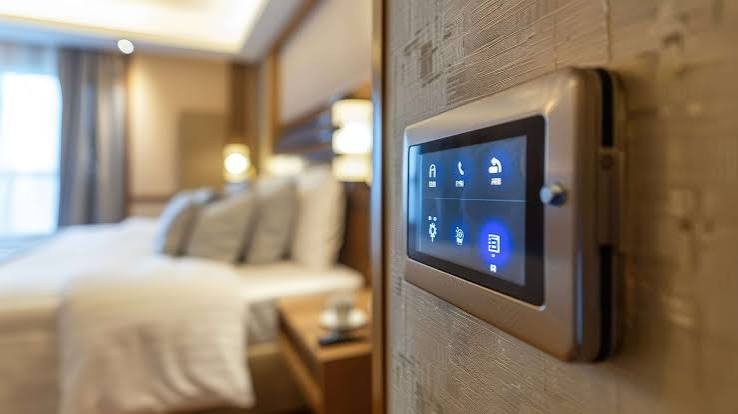
Modern buildings require more than conventional electrical and mechanical installations. Hotels, hospitals, office complexes and other commercial facilities increasingly depend on intelligent technologies to manage lighting, air conditioning, ventilation, security, energy consumption and other essential building operations.
As commercial developments become more advanced, building owners and facility managers are looking for ways to improve operational efficiency, reduce unnecessary energy consumption and create comfortable environments for occupants.
Automated building systems provide an effective solution by connecting different building services through intelligent controllers, sensors, monitoring platforms and automated control technologies.
These systems allow building operators to monitor and manage selected building functions from centralised platforms while automating routine operations according to occupancy, environmental conditions, schedules and operational requirements.
For property developers and commercial building owners in Uganda, automated building systems offer an opportunity to improve building performance, strengthen operational control and support long-term facility management.
At Daltrevco Company, we recognise the importance of integrating modern building technologies into commercial and institutional developments. Properly designed automation solutions can help transform conventional properties into intelligent buildings that operate more efficiently and respond better to occupants’ needs.
This guide explains everything you need to know about automated building systems for modern hotels, hospitals and offices, including their components, applications, benefits, installation processes, costs and important considerations when selecting a building automation solution in Uganda.
What Are Automated Building Systems?
Automated building systems are integrated technologies that use sensors, controllers, software and communication networks to monitor and control different services within a building.
They are designed to reduce dependence on manual operation while improving the efficiency, convenience and coordination of building equipment.
Depending on the building’s requirements, automation can control or monitor:
- Lighting systems.
- Heating, ventilation and air conditioning (HVAC).
- Electrical distribution systems.
- Energy consumption.
- Water pumping systems.
- Water heating equipment.
- Automatic doors and selected access systems.
- Elevators and escalators through compatible interfaces.
- Environmental monitoring equipment.
- Selected security and building monitoring systems.
For example, an automated office building can use occupancy sensors to control lighting in meeting rooms, temperature sensors to regulate air conditioning and energy meters to monitor electricity consumption.
A hotel can use room occupancy and compatible guest room management systems to coordinate lighting and air conditioning according to guest requirements.
A hospital can use automation to monitor critical building services, regulate ventilation in designated areas and manage energy consumption without compromising essential clinical operations.
The overall objective is to make buildings easier to manage, more energy-efficient and more responsive to their operating environments.
Why Are Automated Building Systems Important for Modern Buildings?
Commercial buildings contain many interconnected systems that must operate reliably throughout the day.
Without proper monitoring and coordination, building managers may experience unnecessary energy consumption, inefficient equipment operation, maintenance difficulties and inconsistent occupant comfort.
Automated building systems address these challenges in several ways.
1. Improved Operational Efficiency
Automation allows selected building functions to operate according to programmed schedules, occupancy conditions and environmental requirements.
For example, lighting can automatically switch off in unoccupied spaces, while HVAC systems can adjust their operation according to room temperature and occupancy.
This reduces unnecessary manual intervention and helps streamline building operations.
2. Reduced Energy Waste
Lighting, air conditioning, ventilation and other electrical equipment can consume significant amounts of electricity.
Automated controls help ensure that equipment operates according to actual building requirements.
Combined with energy monitoring, these systems help facility managers identify inefficient operating patterns and opportunities for improvement.
3. Better Occupant Comfort
Automated building technologies can regulate indoor lighting, temperature and ventilation according to programmed settings and environmental conditions.
This supports more consistent indoor environments for hotel guests, hospital occupants, employees and visitors.
4. Centralised Building Management
Instead of operating every building service independently, facility managers can monitor multiple systems through a centralised platform.
Depending on the system design, this may include lighting, HVAC, energy monitoring and selected building alarms.
Centralised management makes it easier to review building performance and identify operational problems.
5. Improved Equipment Monitoring
Automated monitoring can help detect abnormal operating conditions, equipment faults and maintenance requirements.
For example, a monitoring system may alert facility personnel when an HVAC unit develops a fault or when a monitored electrical parameter moves outside configured limits.
This supports more proactive facility management.
6. Better Security Coordination
Building automation can complement CCTV, access control, intercom and other security technologies.
Integration allows authorised personnel to monitor selected building functions through coordinated systems.
Security-critical functions should always maintain their dedicated controls and safety requirements.
7. Long-Term Building Value
Modern automated infrastructure can make commercial properties more attractive to tenants, investors and organisations seeking efficient facilities.
It can also simplify future upgrades when the system is designed with suitable scalability and compatibility.
Key Components of Automated Building Systems
An automated building system consists of several interconnected components that work together to monitor and control building operations.
1. Sensors and Detectors
Sensors collect information about conditions within the building.
Common examples include:
Occupancy sensors: Detect the presence of people in rooms, corridors and other areas to support lighting and HVAC control.
Temperature sensors: Monitor indoor and outdoor temperatures for automated climate control.
Humidity sensors: Measure moisture levels to support environmental monitoring and ventilation control.
Daylight sensors: Measure available natural light to help regulate artificial lighting.
Air quality sensors: Monitor selected indoor air parameters such as carbon dioxide, depending on the equipment installed.
Water leak detectors: Identify water leakage in designated areas and send alerts to building management platforms.
2. Intelligent Controllers
Controllers receive information from sensors and execute programmed instructions.
For example, a controller can receive an occupancy signal and activate lighting in a designated room.
Controllers may operate individual systems or coordinate multiple building functions through a central automation architecture.
3. Building Management Software
Building management software provides a platform for monitoring and managing connected building services.
Depending on the system, it can display:
- HVAC operating conditions.
- Lighting status.
- Energy consumption.
- Equipment alarms.
- Temperature readings.
- System performance.
- Maintenance alerts.
Facility managers can use this information to make informed operational decisions.
4. Communication Networks
Automated building systems require communication infrastructure that allows devices to exchange information.
Common technologies and protocols include:
- BACnet.
- Modbus.
- KNX.
- Ethernet.
- Wi-Fi.
- DALI for compatible lighting control systems.
The choice depends on the equipment, system architecture and integration requirements.
5. Automated Lighting Controls
Smart lighting systems regulate illumination according to occupancy, daylight availability and programmed schedules.
They may include dimming controls, occupancy sensors, programmable timers and centralised lighting management.
6. HVAC Automation Systems
HVAC automation controls heating, ventilation and air conditioning equipment according to temperature, occupancy, schedules and other configured conditions.
It can support:
- Temperature regulation.
- Fan speed control.
- Ventilation scheduling.
- Chiller monitoring.
- Pump control.
- Air handling unit monitoring.
- Equipment fault alerts.
7. Energy Monitoring Devices
Smart meters and electrical monitoring devices collect information about electricity consumption.
They help building managers understand how energy is being used and identify opportunities to improve efficiency.
8. Central Monitoring Stations
Large buildings may use dedicated monitoring stations where facility managers oversee connected building systems.
These stations can display alarms, equipment status, energy information and operational data.
Automated Building Systems for Modern Hotels
Hotels operate throughout the day and have different energy and comfort requirements depending on guest occupancy, public areas and operational activities.
Automated building systems help hotel operators manage these requirements while maintaining a comfortable guest experience.
1. Guest Room Automation
Modern hotel rooms can use automated controls to manage selected lighting, air conditioning and other room functions.
Depending on the system, guest room automation may include:
- Occupancy-based lighting.
- Automated temperature control.
- Guest room control panels.
- Programmable lighting scenes.
- Curtain and blind automation.
- Energy-saving operating modes.
These functions can improve guest convenience while helping hotel operators manage energy consumption.
2. Automated Lighting Management
Hotels have several lighting environments, including guest rooms, restaurants, reception areas, corridors, conference rooms and outdoor spaces.
Automated lighting controls allow operators to manage these areas according to schedules, occupancy and daylight availability.
3. HVAC Automation for Hotels
Air conditioning and ventilation are important for guest comfort.
Automated HVAC systems help regulate temperatures in guest rooms and common areas according to operating conditions.
Room-based controls can also help reduce unnecessary cooling in unoccupied rooms, depending on the system configuration and hotel operating requirements.
4. Centralised Hotel Facility Management
A central building management platform can allow hotel engineering teams to monitor selected systems from one location.
This can include HVAC equipment, lighting controls, energy meters and selected plant room equipment.
5. Integration with Hotel Security Systems
Automated building infrastructure can complement CCTV, access control and intercom systems.
This supports better coordination of building operations and security monitoring.
Automated Building Systems for Hospitals and Healthcare Facilities
Hospitals require reliable building infrastructure because they operate continuously and support sensitive medical activities.
Automated building systems can help healthcare facility managers monitor essential building services, improve energy management and maintain suitable environmental conditions.
However, hospital automation must be carefully designed to preserve clinical safety, infection prevention requirements and continuity of essential services.
1. HVAC and Ventilation Automation
Hospitals have different ventilation requirements depending on the function of each space.
Operating theatres, isolation rooms, laboratories, general wards and administrative offices may require different environmental conditions.
Automated HVAC systems can monitor and control selected parameters according to the approved design and applicable healthcare requirements.
2. Lighting Automation
Automated lighting controls can manage lighting in corridors, offices, waiting areas, staff rooms and other appropriate locations.
The system can use occupancy sensors and schedules to reduce unnecessary lighting operation.
Clinical and emergency lighting must retain appropriate independent control and reliability.
3. Energy Monitoring
Hospitals use electricity for medical equipment, ventilation, lighting, refrigeration, lifts and other essential services.
Energy monitoring systems can help administrators understand electricity consumption across departments and building services.
4. Water and Pump Monitoring
Hospitals rely on water supply and pumping infrastructure for daily operations.
Automated monitoring can help track pump operation, water tank levels and selected system alarms.
5. Environmental Monitoring
Sensors can monitor temperature, humidity and other environmental parameters in designated spaces.
This helps facility managers identify conditions that require attention.
6. Critical Infrastructure Monitoring
Hospitals depend on essential electrical and mechanical infrastructure.
Automated monitoring can help facility teams oversee selected generators, pumps, electrical distribution systems and other equipment.
Critical medical and life-safety systems must retain appropriately engineered backup, protection and independent safety controls.
Automated Building Systems for Modern Office Buildings
Office buildings use a wide range of electrical and mechanical systems to support employees, visitors and business operations.
Automation helps property managers coordinate these systems and create more efficient working environments.
1. Smart Office Lighting
Occupancy sensors and daylight controls can automatically regulate lighting in offices, meeting rooms, corridors and washroom access areas.
This reduces unnecessary electricity consumption while maintaining suitable lighting conditions.
2. Automated Climate Control
Smart HVAC systems can adjust temperature settings according to occupancy and operating schedules.
Different office zones can be managed independently where suitable controls are installed.
3. Meeting Room Automation
Meeting rooms can use integrated controls for lighting, temperature and selected audiovisual equipment.
Pre-programmed settings can simplify room preparation and improve convenience.
4. Energy Monitoring Across Office Floors
Large office buildings can use sub-metering to monitor electricity consumption across different floors, departments or tenant spaces.
This helps facility managers identify consumption patterns and prepare more accurate energy reports.
5. Access and Security Integration
Building automation can complement access control, CCTV and intercom technologies.
This allows building managers to coordinate selected functions while maintaining appropriate security procedures.
6. Centralised Facility Management
A central platform can provide information about equipment operation, building alarms, lighting status and energy usage.
This makes it easier for facility teams to supervise building performance.
Other Applications of Automated Building Systems
In addition to hotels, hospitals and offices, building automation is useful in several other property types.
Shopping centres: Automated lighting, HVAC monitoring, escalator monitoring and energy management.
Educational institutions: Classroom lighting, ventilation, energy monitoring and selected access controls.
Industrial buildings: Monitoring of pumps, motors, ventilation systems and selected operational equipment.
Warehouses: Lighting automation, ventilation controls and energy monitoring.
Residential apartment buildings: Shared-area lighting, water pumping, access technologies and selected building services.
Conference centres: Lighting scenes, HVAC scheduling and coordinated room controls.
Types of Automated Building Systems
Building automation can be implemented using different technologies depending on the project’s requirements.
1. Building Management Systems (BMS)
A Building Management System is a centralised platform used to monitor and control multiple building services.
It commonly integrates HVAC, lighting, electrical monitoring and other compatible systems.
BMS solutions are particularly suitable for large commercial buildings, hospitals, hotels and office complexes.
2. Smart Lighting Automation Systems
These systems control lighting according to occupancy, schedules and daylight conditions.
They can be installed as standalone solutions or integrated into a wider building automation platform.
3. HVAC Automation Systems
HVAC automation regulates heating, ventilation and air conditioning equipment to maintain suitable indoor conditions.
These systems can include smart thermostats, controllers, sensors, variable speed drives and central monitoring platforms.
4. Energy Management Systems
Energy management systems monitor electricity consumption and help identify opportunities to improve building efficiency.
They can work with building automation systems to coordinate monitoring and selected control functions.
5. Integrated Smart Building Systems
Integrated smart building systems connect several technologies through a coordinated platform.
Depending on compatibility, they may include lighting, HVAC, energy management, access control and environmental monitoring.
Benefits of Automated Building Systems for Property Owners
Investing in building automation offers long-term advantages for property owners, operators and facility managers.
1. Lower Energy Consumption
Automated controls reduce unnecessary operation of lighting, air conditioning and selected equipment.
The actual savings depend on the building’s existing condition, operating schedules and system design.
2. Reduced Operational Costs
More efficient building operations can help reduce electricity expenses and unnecessary maintenance interventions.
3. Improved Occupant Comfort
Automated temperature, lighting and ventilation controls support more consistent indoor conditions.
4. Centralised Control
Facility managers can monitor several building services through one platform instead of relying entirely on separate manual controls.
5. Better Equipment Maintenance
System alerts and operating information can help maintenance teams identify equipment problems earlier.
6. Improved Building Performance
Automation helps different building services operate according to defined requirements and schedules.
7. Support for Sustainability Goals
Improved energy efficiency can contribute to more responsible resource consumption and reduced operational environmental impact.
8. Easier Future Expansion
A properly designed automation architecture can accommodate additional devices, floors and building services as the property develops.
How Much Do Automated Building Systems Cost in Uganda?
The cost of installing automated building systems in Uganda depends on the size of the property, number of controlled systems, selected technology and level of integration.
A basic automated lighting installation for an office will generally require a different budget from a fully integrated building management system for a large hospital or hotel.
Factors That Determine Installation Costs
1. Building Size
Large buildings require more sensors, controllers, communication devices and monitoring points.
2. Number of Systems to Automate
The cost depends on whether the project covers lighting, HVAC, energy monitoring, pumps, access technologies or multiple building services.
3. Technology and Equipment Selection
Different automation platforms, controllers, sensors and software have different costs.
4. Existing Infrastructure
New buildings can incorporate automation cabling and equipment during construction.
Existing buildings may require additional wiring, equipment replacement or infrastructure upgrades.
5. Level of Integration
Connecting multiple building systems through a central platform can increase design, programming and commissioning requirements.
6. Software and Monitoring Requirements
Some systems require specialised software, licences, operator interfaces and remote monitoring infrastructure.
7. Installation and Programming
Professional installation includes equipment mounting, electrical connections, network configuration, programming, testing and commissioning.
How to Obtain an Accurate Building Automation Quotation
Before selecting a system, property owners should request a professional technical assessment.
A detailed quotation should identify:
- Proposed automation architecture.
- Systems to be automated.
- Sensors and controllers.
- Electrical and communication infrastructure.
- Monitoring software.
- Integration requirements.
- Installation and programming costs.
- Testing and commissioning.
- Maintenance and technical support.
Daltrevco Company can help assess your building technology requirements and explore suitable automation solutions.
The Automated Building System Installation Process
Professional installation is essential for ensuring that building automation technologies operate reliably and meet the property’s requirements.
Step 1: Building Assessment
The process begins with an assessment of the building’s layout, electrical infrastructure, mechanical services and operational needs.
For new buildings, the automation requirements should be coordinated with architectural, electrical and mechanical designs.
For existing buildings, the assessment should identify equipment that can be automated and any required infrastructure improvements.
Step 2: System Design and Planning
A detailed automation design is prepared based on the building’s requirements.
The design identifies:
- Systems to be monitored.
- Equipment to be controlled.
- Sensor locations.
- Controller requirements.
- Communication networks.
- Control strategies.
- Monitoring interfaces.
Step 3: Selection of Automation Equipment
Suitable sensors, controllers, meters and other components are selected.
Equipment should support the required communication protocols and integration capabilities.
Step 4: Electrical and Network Infrastructure Installation
Required electrical connections, communication cables and supporting infrastructure are installed.
Proper cable routing and equipment protection are important for system reliability.
Step 5: Installation of Sensors and Controllers
Sensors are installed in suitable locations to collect information about occupancy, temperature, lighting and other monitored conditions.
Controllers are connected to the appropriate building equipment.
Step 6: System Programming and Configuration
The automation platform is configured according to the building’s operating requirements.
This may include lighting schedules, HVAC settings, alarm thresholds and other control sequences.
Step 7: Integration of Building Systems
Compatible systems are connected to the central monitoring platform.
Integration may include lighting, HVAC, energy monitoring and selected building services.
Step 8: Testing and Commissioning
The system is tested to confirm that:
- Sensors provide accurate information.
- Controllers operate correctly.
- Communication networks function reliably.
- Equipment responds to programmed commands.
- Monitoring displays provide correct information.
- Alarms and notifications operate as intended.
- Safety requirements are maintained.
Step 9: Training and Handover
Facility managers and authorised personnel receive training on system operation, monitoring, basic troubleshooting and maintenance.
The project should also include relevant documentation and operating instructions.
Important Factors to Consider Before Installing Building Automation Systems
Before investing in automated building systems, property owners should evaluate several important considerations.
1. Building Requirements
Choose a system according to the building’s actual operational needs.
A hotel, hospital and office building will not necessarily require the same automation configuration.
2. Compatibility with Existing Equipment
Ensure that the proposed automation system can communicate with existing lighting, HVAC and other equipment where integration is required.
3. Scalability
Select a solution that can accommodate future building expansion and additional automation functions.
4. Ease of Operation
The monitoring platform should be understandable and practical for facility managers and maintenance personnel.
5. Reliability
Choose suitable equipment from reputable manufacturers and ensure that installation follows the required technical standards.
6. Cybersecurity
Connected building systems should use strong passwords, appropriate network segmentation, secure remote access and supported firmware updates.
7. Maintenance and Technical Support
Consider the availability of technical assistance, replacement components and ongoing system maintenance.
8. Energy Efficiency
Prioritise automation functions that address the building’s actual energy consumption patterns and operational challenges.
Automated Building Systems and Smart Building Technology
Automated building systems are an important part of the wider smart building concept.
A smart building uses connected technologies to improve the management, operation and performance of its facilities.
Building automation provides the control and monitoring infrastructure that allows different building systems to work together.
For example:
- Smart lighting controls regulate illumination.
- HVAC automation manages indoor temperatures.
- Energy management monitors electricity consumption.
- CCTV systems support surveillance.
- Access control manages authorised entry.
- Intercom systems improve visitor communication.
- Building management platforms coordinate selected services.
When these technologies are properly designed and integrated, they can improve building operations and create a more intelligent property environment.
Why Choose Daltrevco Company for Automated Building Systems in Uganda?
Modern commercial developments require dependable electrical infrastructure and intelligent building technologies.
Daltrevco Company provides building technology and electrical-related solutions designed to support residential, commercial and industrial developments.
We understand that every building has unique operational requirements.
A hotel requires a different automation strategy from a hospital, while an office complex may need a different combination of lighting, HVAC and energy monitoring technologies.
Our approach focuses on understanding the building’s requirements and identifying suitable automation solutions.
Our Approach to Building Automation
Building assessment: Evaluating the building’s layout, existing infrastructure and operational requirements.
System planning: Identifying appropriate automation technologies, sensors, controllers and monitoring platforms.
Electrical and HVAC integration: Considering suitable connections with lighting, air conditioning and other building services.
Energy management: Supporting technologies that improve energy monitoring and operational efficiency.
System configuration: Programming and configuring connected devices according to building requirements.
Testing and commissioning: Checking system functionality, communication and control performance.
Technical support: Supporting reliable operation and maintenance of installed building technologies.
Whether you are developing a hotel, hospital, office complex or commercial facility, Daltrevco Company can help you explore modern building automation and technology solutions.
Visit our website: https://www.daltrevco.com/
Frequently Asked Questions About Automated Building Systems
1. What are automated building systems?
Automated building systems use sensors, controllers, software and communication networks to monitor and control building services such as lighting, HVAC, energy consumption and selected electrical equipment.
2. What is the difference between building automation and a BMS?
Building automation refers to the technologies and processes used to automate building services. A Building Management System is a platform that monitors and controls multiple connected building systems.
3. Are automated building systems suitable for hotels?
Yes. Hotels can use automation for guest room controls, lighting, air conditioning, energy monitoring and selected facility operations.
4. Can building automation systems be installed in hospitals?
Yes. Hospital automation can support HVAC monitoring, lighting management, energy monitoring and selected infrastructure controls. The design must protect critical clinical services and comply with applicable healthcare and safety requirements.
5. How do automated building systems reduce electricity costs?
They help prevent unnecessary equipment operation by controlling lighting, air conditioning and selected electrical loads according to occupancy, schedules and operating conditions.
6. Can automated building systems control air conditioning?
Yes. Compatible automation systems can regulate air conditioning according to temperature, occupancy and programmed schedules.
7. Can an existing building be upgraded with automation?
Yes. Existing buildings can be upgraded with suitable sensors, controllers, monitoring devices and communication infrastructure. The available options depend on the existing electrical and mechanical systems.
8. Are automated building systems expensive?
Costs depend on the building size, number of systems, equipment selection and integration requirements. A technical assessment helps determine the most suitable solution within the project budget.
9. Can building automation integrate with CCTV and access control?
Yes. Compatible building platforms can integrate selected security technologies with other building services. The integration depends on equipment compatibility and system design.
10. Does Daltrevco Company provide automated building solutions in Uganda?
Daltrevco Company provides building technology and electrical-related solutions for modern developments. Contact the company to discuss your hotel, hospital, office or commercial building requirements.
Transform Your Property with Automated Building Systems
Modern hotels, hospitals and office buildings require intelligent technologies that improve operational efficiency, support occupant comfort and simplify facility management.
Automated building systems provide a practical way to monitor and coordinate lighting, HVAC, energy consumption and other essential building services.
Whether you are constructing a new commercial development or upgrading an existing property, investing in appropriate automation technology can help improve building performance and support long-term operational efficiency.
Daltrevco Company is committed to supporting modern developments with practical electrical, automation and building technology solutions.
If you are planning to install automated building systems for a hotel, hospital, office or commercial property, contact Daltrevco Company to discuss your project requirements and request a professional consultation.
Visit our website: https://www.daltrevco.com/
Explore our blog: https://www.daltrevco.com/blog/
Invest in intelligent building technology and create a more efficient, comfortable and professionally managed property.

