
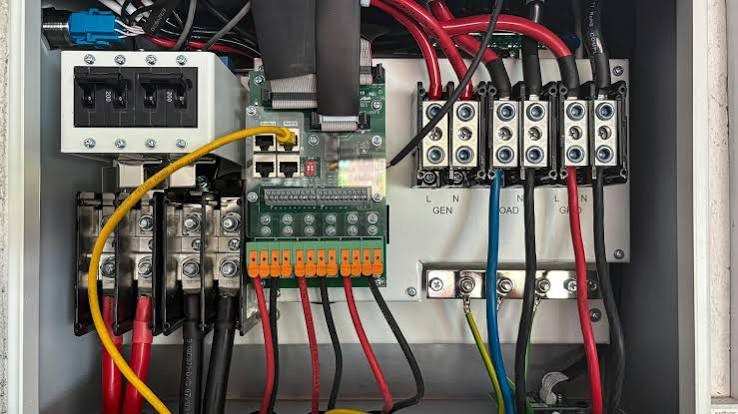
Modern commercial buildings require reliable electrical systems that support daily operations while keeping energy consumption and operating costs under control. From office buildings and shopping centres to hotels, hospitals, factories and warehouses, electricity is essential for lighting, heating, cooling, ventilation, security, communication and equipment operation.
However, poorly designed electrical installations, outdated lighting, inefficient equipment and inadequate energy management can result in unnecessary electricity consumption and high utility bills.
Energy-efficient electrical systems for commercial buildings help address these challenges by combining efficient electrical design, modern technologies, intelligent controls and appropriate energy management practices. They enable businesses to use electricity more effectively, improve building performance and create comfortable, productive environments.
In Uganda, where commercial property owners increasingly need to manage operating costs and maintain reliable power supplies, investing in energy-efficient electrical installations is an important consideration for new developments, renovations and building upgrades.
This guide explains the key components, benefits, technologies, installation considerations and factors to consider when choosing energy-efficient electrical systems for modern commercial buildings.
What Are Energy-Efficient Electrical Systems?
Energy-efficient electrical systems are installations and technologies designed to reduce unnecessary electricity consumption while maintaining the required performance, safety and reliability of a building.
They achieve this through efficient electrical equipment, proper system design, automated controls, monitoring technologies and improved energy management.
Rather than allowing lighting, equipment and other electrical systems to operate continuously regardless of demand, energy-efficient installations help ensure that electricity is used when and where it is needed.
A modern commercial building may incorporate:
- Energy-efficient LED lighting systems.
- Automated lighting control and occupancy sensors.
- Smart electrical distribution systems.
- Energy monitoring and management systems.
- Efficient HVAC electrical controls.
- Power factor correction equipment where required.
- Automated building management systems.
- Solar photovoltaic systems and suitable energy storage.
- Efficient motors, pumps and electrical equipment.
- Surge protection and appropriate power quality solutions.
When properly designed and integrated, these technologies can improve energy performance, reduce avoidable operating expenses and support long-term building sustainability.
Why Commercial Buildings Need Energy-Efficient Electrical Systems
Commercial properties often operate for extended hours and contain numerous electrical appliances, lighting installations, machines and building services. Without proper energy management, electricity consumption can become unnecessarily high.
Installing energy-efficient electrical systems offers several important advantages.
1. Reducing Electricity Bills
One of the main reasons businesses invest in energy-efficient electrical systems is to reduce electricity expenses.
LED lighting, automated controls, efficient motors and properly configured HVAC systems can reduce energy wastage. Energy monitoring also helps facility managers identify equipment that consumes excessive electricity.
For offices, hotels, shopping centres and industrial facilities, even small improvements across several systems can contribute to meaningful long-term savings.
2. Improving Building Performance
Energy-efficient electrical installations support the reliable operation of essential building services.
Properly designed electrical distribution, control systems and monitoring equipment help ensure that power is delivered appropriately to lighting, machinery, security systems, communication equipment and other building services.
This improves operational efficiency and helps reduce avoidable interruptions.
3. Supporting Environmental Sustainability
Reducing unnecessary electricity consumption can lower the environmental impact associated with energy use.
Commercial property developers and businesses can support sustainability objectives by installing efficient lighting, using intelligent controls, improving equipment performance and incorporating renewable energy where suitable.
4. Improving Occupant Comfort and Productivity
Modern electrical systems can improve the working environment through appropriate lighting levels, effective ventilation controls and reliable electrical services.
For example, occupancy-based lighting can ensure that offices, corridors and meeting rooms receive appropriate illumination without keeping unnecessary lights switched on throughout the day.
5. Reducing Equipment Wear and Maintenance Costs
Appropriate system design and control can help prevent equipment from operating unnecessarily or under unsuitable conditions.
Energy monitoring can also reveal abnormal consumption patterns that may indicate equipment faults, inefficient operation or maintenance requirements.
6. Increasing Commercial Property Value and Appeal
Buildings with modern electrical infrastructure, intelligent controls and efficient energy systems may be more attractive to tenants, investors and businesses looking for properties with manageable operating costs.
Key Components of Energy-Efficient Electrical Systems for Commercial Buildings
A successful energy-efficiency strategy involves more than installing energy-saving bulbs. It requires a coordinated approach to electrical design, equipment selection, automation and monitoring.
1. Energy-Efficient LED Lighting Systems
Lighting is an important part of commercial electricity consumption, particularly in offices, hotels, hospitals, retail buildings and warehouses.
LED lighting is an effective alternative to many traditional lighting technologies because it can provide suitable illumination with lower electricity consumption.
Common commercial LED applications include:
- Office lighting.
- Shopping centre lighting.
- Hotel room and corridor lighting.
- Hospital lighting.
- Warehouse and factory lighting.
- Parking area and outdoor security lighting.
- Reception and conference room lighting.
LED installations should be selected according to the required brightness, colour temperature, lighting distribution and operating environment.
Professional lighting design also helps avoid over-illumination, glare and poorly distributed light.
2. Automated Lighting Control Systems
Automated lighting controls help ensure that lights operate according to occupancy, available daylight, schedules or user requirements.
Common technologies include:
Occupancy sensors: Detect movement and automatically switch lights on or off according to room usage.
Daylight sensors: Adjust artificial lighting based on the amount of natural light entering a space.
Programmable timers: Control lighting according to predetermined operating schedules.
Smart lighting controls: Allow authorised users or building management systems to control lighting across different areas.
These technologies are particularly useful in offices, conference rooms, washrooms, corridors, staircases, warehouses and other spaces where occupancy varies.
3. Smart Electrical Distribution Systems
Electrical distribution systems supply power to different sections and equipment within a commercial building.
An energy-efficient electrical distribution installation should be properly designed to support the building’s actual and expected electrical demand.
Important considerations include:
- Correctly sized cables and electrical equipment.
- Appropriate circuit protection.
- Proper distribution board arrangements.
- Suitable load balancing.
- Efficient electrical layouts.
- Monitoring of major electrical loads.
- Safe isolation and maintenance provisions.
Poorly designed electrical distribution can contribute to energy losses, overheating, equipment damage and operational problems.
A professional electrical assessment helps identify areas where the existing distribution infrastructure can be improved.
4. Energy Monitoring and Management Systems
Energy monitoring systems provide information about how electricity is consumed throughout a building.
They may use smart meters, submeters, sensors, monitoring software and communication networks to collect and display energy data.
Facility managers can use this information to:
- Track electricity consumption.
- Identify high-energy equipment.
- Compare consumption across departments.
- Monitor peak demand.
- Detect unusual consumption patterns.
- Evaluate the results of energy-saving improvements.
- Develop more effective energy management plans.
For large commercial properties, monitoring individual floors, departments or major equipment groups can provide better control than relying on a single main electricity meter.
5. Building Management Systems (BMS)
A Building Management System integrates and monitors selected building services through a central platform.
Depending on the building design, a BMS may coordinate:
- Lighting controls.
- HVAC systems.
- Ventilation equipment.
- Electrical energy monitoring.
- Generator status.
- Selected water pumping systems.
- Environmental sensors.
- Alarm and fault notifications.
A properly configured BMS can help facility managers monitor building performance, automate selected operations and identify opportunities to reduce unnecessary energy consumption.
For large offices, hotels, hospitals and shopping centres, BMS technology can play an important role in coordinated energy management.
6. Energy-Efficient HVAC Electrical Controls
Heating, ventilation and air conditioning systems can account for a substantial share of electricity consumption in many commercial buildings.
Energy efficiency can be improved through suitable controls and equipment, including:
- Variable speed drives for compatible motors.
- Programmable HVAC controllers.
- Temperature sensors.
- Occupancy-based controls.
- Zoned air conditioning systems.
- Efficient ventilation equipment.
- Proper scheduling of cooling and ventilation.
Variable speed drives can regulate the speed of compatible motors according to demand instead of operating continuously at full speed.
However, the correct solution depends on the equipment, system design and operating requirements. HVAC controls should be designed and commissioned by qualified professionals.
7. Power Factor Correction Systems
Some commercial and industrial electrical installations contain inductive loads, including motors, pumps, compressors and certain other equipment.
These loads can contribute to a low power factor, which may increase current demand and place additional demands on electrical distribution infrastructure.
Power factor correction equipment, such as appropriately selected capacitor banks, can help improve power factor where required.
Before installation, an electrical assessment should establish the existing power factor, load characteristics, harmonics and appropriate correction requirements.
Correctly designed power factor correction can improve electrical system efficiency and help businesses manage their electrical installations more effectively.
8. Solar Power and Battery Energy Storage
Solar photovoltaic systems can supplement electricity supplied by the national grid and reduce grid electricity consumption when properly designed for the building’s energy requirements.
Commercial solar installations may include:
- Solar panels.
- Solar inverters.
- Mounting structures.
- Protection and isolation equipment.
- Monitoring systems.
- Battery storage where required.
- Grid integration equipment.
Battery storage can provide backup or shift the use of stored solar energy, depending on system configuration and available capacity.
For commercial buildings in Uganda, solar installations may be particularly useful where daytime electricity consumption is significant and the roof or available site has suitable solar exposure.
A professional feasibility assessment should consider the building’s consumption profile, roof conditions, grid connection, backup requirements, battery requirements and financial objectives.
Energy-Efficient Electrical Systems for Different Commercial Buildings
Different commercial properties have different electricity requirements. Their electrical systems should therefore be designed according to their activities, occupancy levels and operational needs.
Energy-Efficient Electrical Systems for Office Buildings
Offices use electricity for lighting, computers, printers, communication equipment, air conditioning, lifts and other building services.
Recommended solutions include:
- LED office lighting.
- Occupancy sensors in meeting rooms and washrooms.
- Daylight-responsive lighting controls.
- Smart electrical meters.
- Efficient HVAC controls.
- Building management systems.
- Solar power installations where suitable.
These solutions help businesses manage electricity consumption while maintaining a comfortable working environment.
Energy-Efficient Electrical Systems for Hotels
Hotels operate many electrical systems throughout the day and night, including guest room lighting, air conditioning, kitchens, laundry equipment, water heating and lifts.
Useful energy-efficiency solutions include:
- Occupancy-based guest room controls.
- Efficient lighting in guest rooms and public spaces.
- Smart HVAC controls.
- Central energy monitoring.
- Efficient water heating systems.
- Solar power and suitable energy storage.
- Automated control of selected building services.
Guest comfort, safety and uninterrupted service should remain central to the design.
Energy-Efficient Electrical Systems for Hospitals
Hospitals require reliable electrical installations because many services operate continuously and support critical healthcare activities.
Energy-efficiency improvements may include:
- Efficient lighting in suitable areas.
- Automated lighting controls in non-critical spaces.
- Efficient HVAC systems.
- Energy monitoring and submetering.
- Efficient motors and pumps.
- Appropriate backup power systems.
- Intelligent monitoring of building services.
Energy-saving measures in hospitals must never compromise patient safety, critical equipment operation, ventilation requirements or essential clinical services.
Critical electrical loads should have appropriately designed backup and power continuity arrangements.
Energy-Efficient Electrical Systems for Shopping Centres
Shopping centres contain retail outlets, restaurants, escalators, lifts, lighting, air conditioning and common-area facilities.
Recommended installations include:
- LED retail and common-area lighting.
- Automated lighting schedules.
- Occupancy and daylight sensors.
- Efficient HVAC controls.
- Submetering for individual tenants.
- Central energy monitoring.
- Solar power where technically and financially suitable.
Submetering can also help property managers understand how different tenants and shared facilities contribute to overall electricity consumption.
Energy-Efficient Electrical Systems for Factories and Warehouses
Industrial facilities may use electricity for motors, production machinery, compressors, pumps, ventilation, lighting and material-handling equipment.
Potential improvements include:
- High-efficiency motors.
- Variable speed drives for suitable applications.
- Efficient industrial LED lighting.
- Power factor correction where required.
- Energy monitoring of production equipment.
- Efficient compressed-air systems.
- Properly designed electrical distribution.
Industrial energy-efficiency projects should consider production requirements, equipment operating hours, power quality and safety.
Smart Technologies Used in Energy-Efficient Commercial Buildings
Modern commercial buildings increasingly use connected technologies to improve the way electrical systems operate.
Important technologies include:
Internet of Things (IoT) sensors: Collect information about occupancy, temperature, lighting conditions and equipment performance.
Smart meters: Measure electricity consumption and provide information for energy monitoring.
Automated controllers: Adjust selected systems according to schedules, sensor readings and operating requirements.
Building automation platforms: Coordinate different building services through integrated controls.
Energy management software: Helps facility managers analyse consumption, identify inefficiencies and monitor improvements.
Remote monitoring systems: Allow authorised personnel to view selected building system information remotely.
These technologies can make energy management more proactive, measurable and responsive to changing building requirements.
How to Design Energy-Efficient Electrical Systems for a Commercial Building
Energy efficiency should be considered during the planning and design stages of a commercial construction project rather than treated as an afterthought.
The following steps help guide the process.
Step 1: Assess the Building’s Electrical Requirements
Begin by identifying the building’s intended use, floor area, occupancy, operating hours and electrical equipment requirements.
The assessment should establish the expected electrical demand and identify major energy-consuming systems.
Step 2: Conduct an Energy Audit
An energy audit helps establish how electricity is currently used and where improvements may be possible.
For existing buildings, the audit may include:
- Reviewing electricity bills.
- Measuring electrical loads.
- Inspecting lighting installations.
- Assessing HVAC performance.
- Checking major motors and equipment.
- Identifying unnecessary operating hours.
- Reviewing electrical distribution arrangements.
The findings help determine which improvements are technically appropriate and financially worthwhile.
Step 3: Develop an Energy-Efficient Electrical Design
Electrical engineers should develop a design that considers safety, efficiency, reliability, future expansion and the building’s operating requirements.
The design may include efficient lighting layouts, suitable cable sizing, distribution boards, protection systems, automated controls, energy monitoring and renewable energy integration.
Step 4: Select Appropriate Equipment
Choose electrical equipment according to performance, quality, compatibility, safety requirements, energy consumption, maintenance needs and expected operating life.
Selecting equipment based only on the lowest purchase price may result in higher long-term operating and maintenance costs.
Step 5: Install Automated Controls and Monitoring
Where appropriate, integrate lighting controls, smart meters, sensors and building management systems.
These technologies help the building respond to actual demand and provide information for ongoing energy management.
Step 6: Test and Commission the Systems
Before handover, qualified professionals should inspect, test and commission the electrical installations.
This includes verifying the correct operation of protective devices, control systems, monitoring equipment and other installed components.
Step 7: Monitor Performance and Maintain the Installation
Energy efficiency requires ongoing attention.
Facility managers should review consumption data, inspect equipment, maintain electrical installations and adjust operating schedules when building requirements change.
Factors to Consider When Choosing Energy-Efficient Electrical Systems
Before investing in energy-efficient electrical installations, commercial property owners should evaluate several important factors.
Building Size and Purpose
An office building, hospital, hotel and factory have different energy requirements. The electrical design should reflect the specific activities carried out in the property.
Initial Installation Cost
The installation budget should cover equipment, labour, control systems, electrical infrastructure, testing and commissioning.
Long-Term Operating Savings
Compare the expected operating savings with the initial investment, maintenance costs and equipment lifespan.
A life-cycle cost assessment provides a better basis for decision-making than considering purchase price alone.
Equipment Quality and Compatibility
Electrical equipment should meet applicable standards and be compatible with the building’s electrical infrastructure.
Future Expansion
The installation should consider potential increases in occupancy, additional equipment, new floors or changes in building use.
Maintenance Requirements
Choose systems that can be inspected, maintained and repaired using appropriate technical support and available replacement components.
Electrical Safety and Regulatory Compliance
All electrical installations should be designed, installed, inspected and tested by appropriately qualified professionals in accordance with applicable Ugandan requirements and relevant technical standards.
Integration with Existing Building Systems
For existing properties, new energy-efficient equipment should be compatible with existing electrical distribution, HVAC systems, automation platforms and backup power installations.
Common Mistakes to Avoid When Installing Energy-Efficient Electrical Systems
Although energy-efficient technologies can deliver important benefits, poor planning and installation can reduce their effectiveness.
Avoid these common mistakes:
- Choosing equipment based only on price: Low-quality equipment may have higher operating costs and shorter service life.
- Ignoring the building’s actual energy consumption: Solutions should be based on measured or properly estimated demand.
- Installing LED lights without proper lighting design: Incorrect brightness or placement can affect comfort and productivity.
- Using automation without proper configuration: Poorly configured sensors and schedules can cause inconvenience or unnecessary energy use.
- Ignoring HVAC efficiency: Cooling and ventilation systems can be major electricity consumers in commercial buildings.
- Failing to monitor electricity consumption: Without monitoring, it is difficult to verify whether improvements are working.
- Neglecting maintenance: Poorly maintained equipment can lose efficiency and become unreliable.
- Overlooking electrical safety: Energy-saving upgrades must never compromise circuit protection, earthing or safe operation.
- Ignoring future building requirements: An installation that cannot accommodate future expansion may require expensive modifications.
What Determines the Cost of Energy-Efficient Electrical Systems in Uganda?
The cost of installing energy-efficient electrical systems in Uganda varies depending on the size, design and requirements of the building.
There is no single price that applies to every commercial property. A professional assessment is necessary to develop an accurate quotation.
Key cost factors include:
- Size and layout of the building.
- Existing electrical infrastructure.
- Type and quantity of LED lighting.
- Number of automated lighting control points.
- Complexity of electrical distribution.
- Energy monitoring and metering requirements.
- Building management system specifications.
- HVAC control requirements.
- Solar panel and battery storage capacity.
- Quality and specifications of selected equipment.
- Installation, testing and commissioning requirements.
For an existing commercial building, an energy audit can help prioritise improvements according to their expected benefits and investment requirements.
Why Professional Electrical Installation Matters
Energy-efficient electrical systems involve interconnected equipment, electrical distribution, automation, monitoring and safety requirements.
Professional design and installation help ensure that these components work together correctly.
A qualified electrical installation team can assist with:
- Electrical load assessments.
- Energy-efficient lighting design.
- Electrical distribution installations.
- Smart lighting controls.
- Energy monitoring systems.
- Building automation integration.
- HVAC electrical controls.
- Solar electrical installations.
- Testing and commissioning.
- Maintenance and system upgrades.
Working with an experienced electrical contractor also helps reduce the risk of poor equipment selection, incompatible systems and unsafe installations.
Energy-Efficient Electrical Systems by Daltrevco Company
Daltrevco Company supports modern building projects with electrical, building utility and integrated building technology solutions.
For commercial property developers, business owners, facility managers and organisations in Uganda, an effective electrical installation should deliver safety, reliability, efficiency and long-term value.
Daltrevco can be positioned to support projects involving energy-efficient electrical installations, lighting systems, automated controls, building management solutions and related building services, according to each project’s technical requirements.
Whether you are developing a new office building, upgrading a hotel, improving a commercial facility or planning electrical installations for an industrial property, investing in an appropriate energy-efficiency strategy can help improve building performance and manage operating costs.
Contact Daltrevco Company to discuss your commercial electrical installation requirements and explore suitable energy-efficient solutions for your building.
Frequently Asked Questions About Energy-Efficient Electrical Systems
1. What are energy-efficient electrical systems in commercial buildings?
Energy-efficient electrical systems are installations and technologies designed to reduce unnecessary electricity consumption while maintaining the required safety, performance and reliability. They may include LED lighting, automated controls, efficient motors, smart meters, energy monitoring and building management systems.
2. How can commercial buildings reduce electricity consumption?
Commercial buildings can reduce electricity consumption by installing LED lighting, using occupancy sensors, improving HVAC efficiency, monitoring major electrical loads, maintaining equipment and introducing automated building controls.
3. Are energy-efficient electrical systems suitable for existing commercial buildings?
Yes. Existing offices, hotels, hospitals, shopping centres and industrial properties can benefit from electrical upgrades. An energy audit can identify suitable improvements, such as replacing inefficient lighting, installing smart controls and improving energy monitoring.
4. What is the role of a Building Management System in energy efficiency?
A Building Management System helps monitor and control selected building services, including lighting, HVAC and energy monitoring equipment. It can automate operations according to schedules, occupancy and system requirements.
5. Can solar power improve energy efficiency in commercial buildings?
Solar photovoltaic systems can reduce the amount of electricity a building purchases from the grid when their generation matches the building’s energy requirements. Battery storage may provide additional flexibility or backup, depending on the design.
6. What is the difference between energy-efficient lighting and automated lighting?
Energy-efficient lighting uses technologies such as LED lamps to provide illumination with reduced electricity consumption. Automated lighting uses sensors, schedules and controls to operate lighting according to occupancy, daylight and other conditions. Combining both approaches can improve performance.
7. How much does it cost to install energy-efficient electrical systems in Uganda?
The cost depends on building size, electrical requirements, selected equipment, automation complexity, monitoring needs and installation scope. A site assessment and technical quotation are recommended before starting the project.
8. Why should businesses hire professional electrical contractors?
Professional electrical contractors help ensure that electrical systems are properly designed, installed, tested and maintained. This supports electrical safety, reliable operation, system compatibility and effective energy management.
Conclusion
Energy-efficient electrical systems are an important investment for modern commercial buildings. They help businesses manage electricity consumption, improve building operations, support sustainability and create comfortable environments for employees, customers, patients and visitors.
From LED lighting and smart electrical distribution to automated controls, energy monitoring, efficient HVAC systems and solar power, the right combination of technologies can improve the overall performance of a commercial property.
For businesses and property developers in Uganda, the best approach is to assess the building’s actual requirements, select suitable technologies and ensure that all installations are professionally designed, installed and maintained.
Planning a new commercial building or upgrading an existing property? Contact Daltrevco Company to discuss energy-efficient electrical systems and professional building electrical solutions in Uganda.

