
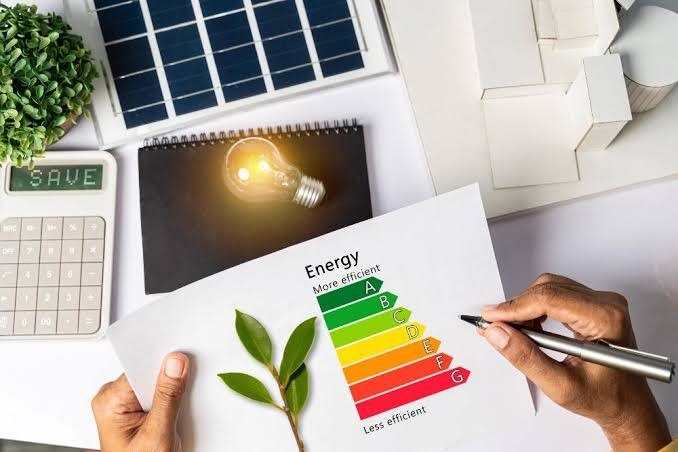
Electricity consumption is one of the major operating expenses for many commercial buildings. Offices, hotels, hospitals, shopping centres, factories, warehouses and other business facilities depend on electricity to operate lighting, air conditioning, ventilation, machinery, computers, security systems and other essential equipment.
When these systems are poorly designed, inefficient or operated without proper controls, businesses can experience unnecessarily high electricity bills. In addition, inefficient electrical installations may increase equipment maintenance requirements and reduce the overall performance of a building.
For commercial property owners and businesses in Uganda, finding effective ways to reduce electricity consumption is an important step towards controlling operating costs, improving energy efficiency and creating more sustainable buildings.
The good news is that reducing electricity consumption does not always require major renovations or expensive equipment. Businesses can achieve improvements through better energy management, efficient lighting, automated controls, proper equipment maintenance and appropriate electrical system upgrades.
This guide explains how to reduce electricity consumption in commercial buildings, the technologies that can help, common energy-wasting practices to avoid and how professional electrical solutions can improve building efficiency.
Why Is Electricity Consumption High in Commercial Buildings?
Commercial buildings use electricity for different activities depending on their size, purpose, occupancy and operating hours.
Some facilities operate throughout the day and night, while others have predictable operating schedules. Without appropriate energy management, electricity-consuming equipment may continue operating even when it is not required.
Common causes of high electricity consumption include:
- Inefficient lighting systems.
- Air conditioning operating unnecessarily.
- Poorly maintained HVAC equipment.
- Computers and office equipment left running after working hours.
- Outdated electrical appliances and machinery.
- Lack of automated lighting controls.
- Poor energy monitoring.
- Inefficient electric motors and pumps.
- Incorrect electrical system design.
- Excessive lighting in unoccupied areas.
- Poor building insulation and excessive heat gain.
- Lack of an effective energy management strategy.
Identifying these problems is the first step towards reducing electricity consumption.
15 Effective Ways to Reduce Electricity Consumption in Commercial Buildings
The following strategies can help businesses improve electrical efficiency, manage energy costs and optimise the performance of their buildings.
1. Replace Traditional Lighting with Energy-Efficient LED Lights
Lighting is an important part of electricity consumption in offices, hotels, shopping centres, hospitals and industrial facilities.
Traditional lighting technologies can consume more electricity than modern LED alternatives while also requiring more frequent replacement.
LED lighting offers an effective way to reduce lighting energy consumption without compromising the required illumination when properly selected.
Commercial LED lighting applications include:
- Office ceiling lights.
- Reception and lobby lighting.
- Conference room lighting.
- Hotel room lighting.
- Hospital corridor lighting.
- Warehouse and factory lighting.
- Parking area lighting.
- Outdoor security lighting.
When upgrading lighting, businesses should consider brightness, colour temperature, lighting distribution, operating hours and the suitability of fittings for each environment.
Professional lighting design also helps prevent unnecessary over-lighting.
2. Install Automated Lighting Control Systems
Installing LED lights is only one part of an effective lighting strategy. Businesses should also ensure that lights operate only when needed.
Automated lighting control systems use sensors, timers and smart controllers to manage lighting according to occupancy, daylight availability and operating schedules.
Common solutions include:
Occupancy sensors: Automatically switch lights on or off depending on whether people are using a particular space.
Daylight sensors: Adjust artificial lighting according to the amount of natural light entering a room.
Programmable timers: Control lighting based on predetermined operating hours.
Smart lighting systems: Allow authorised users to control lighting across different rooms, floors or building sections.
These systems are particularly useful in offices, meeting rooms, corridors, washrooms, staircases, warehouses and parking facilities.
3. Improve Air Conditioning and HVAC Efficiency
Heating, ventilation and air conditioning systems can account for a significant share of electricity consumption in many commercial buildings, especially in facilities that operate cooling systems for extended periods.
Poorly maintained air conditioners, incorrect temperature settings, blocked filters and inefficient equipment can increase electricity consumption.
Businesses can improve HVAC efficiency by:
- Cleaning or replacing air filters regularly.
- Servicing air conditioning equipment.
- Selecting suitable temperature settings.
- Using programmable thermostats.
- Avoiding unnecessary cooling in unoccupied spaces.
- Maintaining appropriate ventilation.
- Sealing gaps that allow unwanted heat to enter.
- Using efficient air conditioning equipment.
- Installing zoning controls where appropriate.
For large commercial properties, integrating HVAC systems with a Building Management System can provide better control over operating schedules and building conditions.
4. Install Smart Energy Monitoring Systems
Businesses cannot manage electricity consumption effectively without understanding where and how electricity is being used.
Smart energy monitoring systems help facility managers track electricity consumption across different building areas and equipment.
These systems may use smart meters, submeters, sensors and energy management software to provide useful information.
Energy monitoring can help businesses:
- Identify equipment with high electricity consumption.
- Track daily and monthly electricity usage.
- Compare consumption between departments.
- Monitor peak electricity demand.
- Detect unusual consumption patterns.
- Evaluate the results of energy-saving improvements.
- Identify opportunities for further optimisation.
For large commercial buildings, installing submeters on major electrical loads, floors or tenant areas can provide more detailed information than relying only on the main electricity meter.
5. Use Building Management Systems (BMS)
A Building Management System helps monitor and control selected building services through a central platform.
Depending on the system design, a BMS can integrate:
- Lighting systems.
- Air conditioning and ventilation.
- Energy monitoring equipment.
- Selected electrical distribution information.
- Water pumping systems.
- Environmental sensors.
- Generator status and alarms.
A properly configured BMS can help reduce unnecessary energy use by coordinating equipment operation with occupancy, schedules and building requirements.
For hotels, hospitals, shopping centres and large office buildings, building management technology can make energy management more systematic.
6. Switch Off Unused Electrical Equipment
Electrical equipment left running unnecessarily contributes to avoidable electricity consumption.
Businesses should establish clear procedures for switching off equipment when it is not required.
Examples include:
- Computers and monitors after working hours.
- Printers and photocopiers when not in use.
- Meeting room screens and projectors.
- Kitchen equipment outside operating periods.
- Unnecessary office lighting.
- Non-essential ventilation equipment.
- Chargers and other devices that can safely be disconnected.
However, equipment supporting critical operations, security, safety, refrigeration, healthcare or essential building services should only be switched off according to approved operating procedures.
A workplace energy-saving policy can help employees develop responsible electricity-use habits.
7. Choose Energy-Efficient Office Equipment
Office equipment can contribute significantly to electricity consumption, particularly in large organisations with many computers, printers, photocopiers and other electronic devices.
When purchasing new equipment, businesses should compare energy consumption, performance, operating requirements and maintenance costs.
Consider:
- Energy-efficient computers.
- LED computer monitors.
- Efficient printers and photocopiers.
- Modern refrigerators.
- Efficient water dispensers.
- Low-energy networking equipment.
- Programmable office appliances.
Power-saving settings can also help reduce unnecessary electricity consumption when equipment is idle.
8. Maintain Electrical Equipment Regularly
Poorly maintained electrical and mechanical equipment can operate inefficiently, develop faults and consume more electricity than expected.
Regular maintenance helps keep building systems operating according to their intended performance.
Maintenance activities may include:
- Inspecting electrical distribution boards.
- Checking electrical connections.
- Cleaning lighting fittings.
- Servicing air conditioning equipment.
- Inspecting pumps and motors.
- Replacing faulty components.
- Checking electrical protection devices.
- Monitoring unusual equipment performance.
Electrical inspections and repairs should be carried out by appropriately qualified professionals.
9. Install Energy-Efficient Motors and Variable Speed Drives
Commercial and industrial buildings often use electric motors in pumps, ventilation systems, compressors and production equipment.
Where motors operate continuously or under changing loads, the choice of equipment and control method can affect electricity consumption.
Variable speed drives (VSDs) can adjust the speed of compatible motors according to demand.
For example, a pump may not need to operate at full speed throughout the day if the required water flow changes.
VSDs may be suitable for:
- Water pumping systems.
- HVAC fans.
- Ventilation systems.
- Industrial machinery.
- Compatible compressors.
- Other variable-load motor applications.
A technical assessment is important before installation to establish motor compatibility, operating requirements, control arrangements and potential savings.
10. Improve Building Insulation and Natural Ventilation
Building design influences electricity consumption, particularly where air conditioning and artificial lighting are used extensively.
Excessive heat gain can increase cooling requirements, while poor natural lighting may lead to unnecessary daytime lighting use.
Businesses can improve building performance through:
- Suitable roof insulation.
- Appropriate window glazing.
- External shading.
- Solar-control window treatments.
- Effective sealing of unwanted air leaks.
- Appropriate building orientation in new developments.
- Well-designed natural ventilation.
- Effective use of daylight.
These measures can reduce the demand placed on electrical lighting and cooling systems.
For existing buildings, improvements should be selected according to the building’s structure, climate exposure and operational requirements.
11. Install Solar Power Systems for Commercial Buildings
Solar photovoltaic systems can help reduce the amount of electricity purchased from the national grid when solar generation is appropriately matched to building consumption.
Commercial solar installations typically include solar panels, inverters, mounting structures, electrical protection equipment and monitoring systems.
Battery storage may also be included depending on the building’s backup and energy management requirements.
Solar power can be particularly relevant for commercial buildings in Uganda that have substantial daytime electricity consumption and suitable roof or ground space.
Before installing solar, businesses should evaluate:
- Daily and seasonal electricity consumption.
- Available roof or installation space.
- Solar exposure and shading.
- Grid connection requirements.
- Inverter capacity.
- Battery storage requirements.
- Equipment protection.
- Installation and maintenance costs.
A professional solar feasibility assessment helps determine the appropriate system size and expected financial benefits.
12. Improve Power Factor Where Necessary
Commercial and industrial buildings may operate motors, pumps, compressors and other inductive electrical loads.
These loads can affect the power factor of an electrical installation.
Where power factor is poor, appropriately designed power factor correction equipment may help improve electrical system performance and reduce unnecessary current demand.
Before installing correction equipment, a qualified electrical professional should assess:
- Existing power factor.
- Electrical load characteristics.
- Harmonic distortion.
- Capacitor bank requirements.
- System operating conditions.
Power factor correction should not be treated as a universal solution for reducing every electricity bill. Its suitability depends on the building’s electrical characteristics and applicable electricity tariff arrangements.
13. Introduce Energy-Saving Operating Schedules
Many commercial buildings have predictable working hours, occupancy patterns and equipment requirements.
Establishing operating schedules can help ensure that electrical systems do not run unnecessarily.
Examples include:
- Switching off non-essential office lighting after closing.
- Scheduling air conditioning around occupancy.
- Operating selected ventilation systems according to demand.
- Using timers for suitable outdoor lighting.
- Scheduling non-essential equipment during appropriate operating periods.
- Monitoring weekend and holiday electricity consumption.
For buildings with automated controls, these schedules can be programmed into the building management or energy management system.
14. Monitor Electricity Consumption and Set Energy Targets
Reducing electricity consumption requires measurable objectives.
Businesses should establish a baseline using electricity bills, meter readings and available monitoring data.
They can then set realistic energy performance targets and review progress regularly.
Useful performance indicators include:
- Monthly electricity consumption.
- Electricity consumption per square metre.
- Electricity consumption per occupied room.
- Energy use per production unit.
- Electricity consumption during non-operating hours.
- Energy use by department or building section.
These measurements help facility managers identify whether energy-saving measures are delivering the intended results.
15. Train Employees and Promote Energy Awareness
Technology alone cannot eliminate unnecessary electricity consumption. Employees also play an important role in how electrical systems are used.
Businesses should introduce simple energy-saving practices and communicate them clearly.
Staff should be encouraged to:
- Switch off unnecessary lights.
- Shut down computers when appropriate.
- Avoid unnecessary use of air conditioning.
- Report faulty equipment.
- Keep doors and windows closed when cooling systems are operating.
- Follow approved equipment operating schedules.
- Report unusual electricity consumption or electrical faults.
Appointing an energy management representative or facilities team can help monitor implementation and encourage continuous improvement.
How to Reduce Electricity Consumption in Different Commercial Buildings
Different commercial properties have different energy requirements. The most effective energy-saving measures should reflect how each building operates.
1. Office Buildings
Offices consume electricity through lighting, computers, printers, air conditioning, lifts and communication equipment.
Recommended energy-saving measures include:
- LED lighting installations.
- Occupancy sensors in meeting rooms and washrooms.
- Automated lighting schedules.
- Efficient computers and office equipment.
- Smart energy monitoring.
- Programmable HVAC controls.
- Employee energy awareness programmes.
These improvements can help offices reduce unnecessary consumption while maintaining comfortable working conditions.
2. Hotels and Hospitality Facilities
Hotels operate throughout the day and may have substantial electricity requirements for guest rooms, restaurants, kitchens, laundry areas, lighting, air conditioning and water heating.
Effective solutions include:
- Guest room occupancy controls.
- Efficient lighting.
- Smart HVAC systems.
- Energy monitoring.
- Efficient kitchen equipment.
- Solar water heating or other suitable efficient water-heating solutions.
- Solar photovoltaic systems where appropriate.
- Building management systems.
Energy-saving controls should be designed to preserve guest comfort, hygiene and service quality.
3. Hospitals and Healthcare Facilities
Hospitals require reliable electrical services to support clinical equipment, lighting, ventilation, cooling, laboratories and other essential operations.
Energy-saving improvements may include:
- Efficient lighting in appropriate areas.
- HVAC optimisation.
- Energy monitoring and submetering.
- Efficient pumps and motors.
- Automated controls in non-critical areas.
- Proper maintenance of electrical equipment.
- Suitable renewable energy integration.
Hospitals must prioritise patient safety and continuity of essential services. Critical clinical equipment, emergency lighting, life-support systems and required ventilation must not be compromised by energy-saving measures.
4. Shopping Centres and Retail Buildings
Shopping centres use electricity for shop lighting, common areas, escalators, lifts, ventilation, air conditioning, restaurants and security systems.
Useful improvements include:
- LED retail lighting.
- Automated lighting schedules.
- Daylight sensors.
- Efficient HVAC controls.
- Submetering for individual tenants.
- Energy monitoring.
- Efficient escalator and lift controls where suitable.
- Solar power installations.
Tenant-level energy monitoring can help property managers identify high-consumption areas and encourage responsible electricity use.
5. Factories and Industrial Buildings
Factories may consume significant electricity through production machinery, electric motors, pumps, compressors, ventilation and industrial lighting.
Recommended measures include:
- High-efficiency motors.
- Variable speed drives for suitable applications.
- Efficient industrial lighting.
- Energy monitoring of major equipment.
- Properly designed power distribution.
- Power factor correction where appropriate.
- Preventive maintenance.
- Optimisation of compressed-air systems.
Industrial energy-saving projects should be planned around production requirements, equipment operating conditions and electrical safety.
6. Warehouses and Storage Facilities
Warehouses often require lighting, ventilation, material-handling equipment, security systems and sometimes refrigeration.
Energy-saving improvements include:
- LED high-bay lighting.
- Occupancy sensors in suitable storage areas.
- Daylight-responsive lighting.
- Efficient ventilation.
- Scheduled operation of equipment.
- Energy-efficient refrigeration where required.
- Solar installations where suitable.
What Is an Energy Audit and Why Is It Important?
An energy audit is a systematic assessment of how electricity and other energy resources are consumed within a building.
It helps identify inefficiencies, unnecessary consumption and opportunities to improve energy performance.
For commercial property owners, an energy audit provides a practical starting point before investing in major electrical upgrades.
A commercial energy audit may involve:
- Reviewing electricity bills and historical consumption.
- Inspecting lighting systems.
- Assessing HVAC equipment.
- Measuring electrical loads.
- Examining motors, pumps and other major equipment.
- Identifying energy use outside operating hours.
- Reviewing electrical distribution and power quality where appropriate.
- Recommending suitable energy-saving improvements.
- Estimating potential savings and investment requirements.
- Establishing a plan for monitoring future performance.
The results help businesses prioritise improvements based on technical suitability, expected savings, cost and operational importance.
How Much Can a Commercial Building Save on Electricity?
The amount a building can save depends on its existing condition, electricity consumption, equipment, operating hours and the improvements implemented.
A building with outdated lighting and poorly controlled air conditioning may have different savings opportunities from a modern building that already uses efficient equipment.
The most effective way to estimate potential savings is to compare current energy consumption with expected consumption after proposed improvements.
For example, a business can evaluate:
- Existing lighting electricity consumption.
- Expected LED lighting consumption.
- HVAC operating hours before and after optimisation.
- Energy used by major motors and pumps.
- Electricity consumed outside working hours.
- Expected solar generation, where applicable.
Businesses should avoid relying on generic savings percentages without considering their actual equipment and operating conditions.
A professional energy assessment can provide more realistic projections and help establish whether an investment is financially worthwhile.
Common Mistakes That Increase Electricity Consumption in Commercial Buildings
Some businesses invest in energy-saving technologies but fail to achieve the expected results because of poor planning or implementation.
Avoid these common mistakes:
- Ignoring energy consumption data: Without monitoring, it is difficult to identify where electricity is being wasted.
- Using outdated lighting: Inefficient lighting can increase electricity consumption over long operating periods.
- Leaving air conditioning running unnecessarily: Poor operating schedules can result in avoidable cooling costs.
- Neglecting equipment maintenance: Poorly maintained systems may operate inefficiently.
- Installing unsuitable automation systems: Incorrectly configured sensors and controllers may not deliver the expected benefits.
- Buying equipment based only on purchase price: Initial cost does not always reflect long-term operating expenses.
- Ignoring employee behaviour: Staff practices can contribute to unnecessary electricity use.
- Failing to conduct energy audits: Businesses may invest in improvements that do not address their biggest energy problems.
- Ignoring electrical safety: Energy-saving modifications must maintain proper protection, earthing and safe operation.
- Failing to review results: Without regular monitoring, businesses cannot establish whether their energy-saving programme is successful.
Why Professional Electrical and Energy Management Solutions Matter
Reducing electricity consumption in a commercial building requires a coordinated approach involving electrical infrastructure, efficient equipment, automation, monitoring and maintenance.
Professional assessment and installation help ensure that energy-saving technologies are correctly selected and integrated.
Daltrevco Company can support commercial building projects involving relevant electrical and building technology solutions, including:
- Commercial electrical installations.
- Energy-efficient lighting systems.
- Automated lighting controls.
- Smart energy monitoring solutions.
- Building Management Systems.
- Building automation systems.
- HVAC electrical controls.
- Solar electrical installations.
- Electrical maintenance and upgrades.
For property developers, business owners, facility managers and organisations in Uganda, choosing suitable electrical solutions can help improve building performance and manage long-term operating costs.
Whether you are constructing a new commercial property or upgrading an existing facility, Daltrevco can help you explore appropriate electrical and building utility solutions based on your project requirements.
Frequently Asked Questions About Reducing Electricity Consumption in Commercial Buildings
1. How can I reduce electricity consumption in my commercial building?
You can reduce electricity consumption by installing LED lighting, using automated lighting controls, improving air conditioning efficiency, switching off unnecessary equipment, maintaining electrical systems and monitoring energy consumption.
2. What consumes the most electricity in commercial buildings?
Major electricity-consuming systems often include air conditioning, ventilation, lighting, motors, pumps, refrigeration and industrial machinery. The largest consumers vary depending on building type and operating conditions.
3. Do LED lights reduce electricity consumption?
Yes. LED lights can provide the required illumination using less electricity than many traditional lighting technologies. The actual savings depend on the lighting products being replaced, the selected LED equipment and operating hours.
4. What is the best way to monitor electricity consumption in a commercial building?
Smart meters, submeters and energy monitoring systems can help track electricity consumption across different areas and equipment. These technologies provide information that helps facility managers identify inefficient operations.
5. Can a Building Management System reduce electricity consumption?
Yes. A properly designed and configured Building Management System can coordinate selected building services, including lighting and HVAC systems, according to occupancy, schedules and operating conditions.
6. Is solar power suitable for commercial buildings in Uganda?
Solar power can be suitable for many commercial buildings in Uganda, particularly those with significant daytime electricity demand and suitable installation space. A feasibility assessment should determine the appropriate system size, expected generation, costs and backup requirements.
7. How often should a commercial building conduct an energy audit?
The frequency depends on building size, operating conditions, energy consumption and previous audit findings. Businesses should conduct an initial assessment and review energy performance regularly, particularly after major renovations, equipment changes or significant increases in electricity consumption.
8. What is the difference between energy efficiency and energy conservation?
Energy efficiency means using equipment and systems that provide the required performance with less energy. Energy conservation involves reducing unnecessary energy use through actions such as switching off unused lights and equipment. Both approaches help reduce electricity consumption.
9. Can small businesses benefit from energy-efficient electrical systems?
Yes. Small offices, retail shops, restaurants and other businesses can benefit from LED lighting, efficient appliances, better air conditioning practices and simple energy monitoring. Improvements can be introduced gradually according to available budgets.
10. Who can install energy-efficient electrical systems in Uganda?
Commercial energy-efficient electrical systems should be designed and installed by appropriately qualified electrical professionals and competent specialists for the relevant technologies. Daltrevco Company can be contacted to discuss suitable commercial electrical and building technology solutions.
Conclusion: Make Your Commercial Building More Energy Efficient
Reducing electricity consumption in commercial buildings is an important way to manage operating costs, improve building performance and support environmental sustainability.
Businesses can achieve meaningful improvements by replacing inefficient lighting, installing automated controls, optimising air conditioning, monitoring electricity consumption, maintaining equipment and adopting appropriate energy management technologies.
For larger properties, integrating Building Management Systems, smart energy monitoring and suitable solar installations can provide additional opportunities to improve energy performance.
The most effective strategy begins with understanding how electricity is being used, identifying areas of unnecessary consumption and implementing improvements that suit the building’s actual requirements.
Planning to reduce electricity costs in your commercial property? Contact Daltrevco Company for professional electrical installations, energy-efficient building solutions and modern building technology services in Uganda.

