
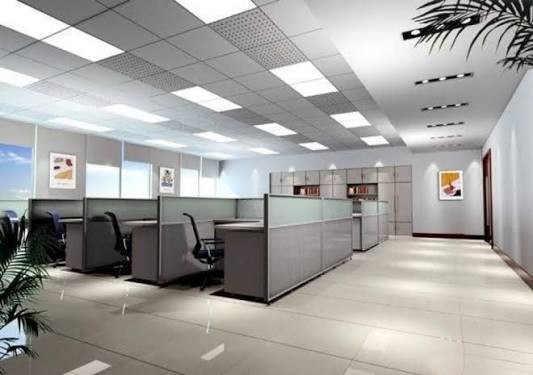
LED lighting installation is one of the most effective ways to improve energy efficiency, reduce electricity consumption and enhance the appearance and functionality of modern buildings. Whether you own a home, manage an office, operate a hotel or oversee an industrial facility, choosing the right LED lighting system can deliver long-term benefits.
Across Uganda, property owners and businesses are increasingly looking for reliable ways to manage electricity costs while maintaining safe, comfortable and productive environments. Traditional incandescent and fluorescent lighting systems can consume more electricity, require frequent replacement and offer fewer control options than modern LED technology.
Professional LED lighting installation in Uganda provides a practical solution for residential, commercial and industrial properties. With suitable LED fixtures, efficient lighting layouts and professionally installed electrical connections, buildings can achieve better illumination, improved energy performance and reduced maintenance requirements.
At Daltrevco Company, we recognise the importance of efficient electrical systems in modern buildings. This guide explains the benefits of LED lighting, the different types available, installation considerations and how to choose the right lighting solution for your property.
What Is LED Lighting?
LED stands for Light Emitting Diode. It is a lighting technology that produces light when an electrical current passes through a semiconductor.
Unlike traditional incandescent bulbs, which generate light by heating a filament, LEDs produce light more efficiently and generally release less energy as heat.
LED lighting is available in different designs, brightness levels, colours and configurations, making it suitable for almost every type of building.
Common LED lighting products include:
- LED bulbs for residential and commercial spaces.
- LED panel lights for offices and institutions.
- LED downlights for ceilings and interior spaces.
- LED strip lights for decorative and architectural applications.
- LED floodlights for outdoor areas and security lighting.
- LED high-bay lights for warehouses and factories.
- LED street and parking-area lights.
- LED emergency lighting fixtures.
The right combination of LED products depends on the building’s purpose, ceiling height, room dimensions, lighting requirements and electrical system.
Why Is LED Lighting Installation Important in Uganda?
Electricity is an essential operating cost for homes, businesses and industrial facilities. Lighting contributes to electricity consumption, particularly in buildings that operate for long hours.
Installing energy-efficient LED lighting can help reduce the amount of electricity required to achieve suitable illumination.
LED systems are particularly useful in Uganda because they can support properties that need dependable lighting during working hours, evening operations and periods of limited natural daylight.
Some important reasons to consider LED lighting installation include:
- Reducing electricity consumption.
- Lowering lighting-related operating expenses.
- Improving indoor and outdoor visibility.
- Reducing the frequency of lamp replacements.
- Supporting modern building designs.
- Improving lighting control and automation.
- Enhancing workplace comfort and productivity.
- Supporting energy-efficiency objectives.
For property owners planning new construction, renovation or electrical upgrades, LED lighting should be considered during the electrical design stage rather than treated as an afterthought.
10 Major Benefits of LED Lighting Installation
1. Reduced Electricity Consumption
One of the biggest advantages of LED lighting is its energy efficiency.
LED lamps generally use significantly less electricity than traditional incandescent lighting while providing comparable light output. This can help homes and businesses reduce the electricity consumed by their lighting systems.
For example, replacing frequently used conventional bulbs with appropriately rated LED alternatives can reduce the energy required for lighting.
The actual savings depend on the original lighting technology, wattage, operating hours, LED efficiency and electricity tariffs.
For commercial properties with many lighting points, even modest savings per fixture can contribute to meaningful reductions in monthly electricity expenses.
2. Lower Electricity Bills
Lighting systems that operate throughout the day can contribute considerably to a property’s electricity bill.
Offices, shopping centres, hotels, warehouses, hospitals and factories often have large numbers of lighting fixtures. Replacing inefficient lamps with suitable LEDs can reduce the cost of operating these systems.
The financial benefits may be particularly noticeable in properties where lights operate for extended periods.
LED lighting can help businesses:
- Reduce monthly electricity expenses.
- Improve control over energy consumption.
- Lower long-term operating costs.
- Allocate energy budgets more efficiently.
- Improve the overall efficiency of building utilities.
For accurate savings estimates, a lighting assessment should compare existing fixtures, operating hours and proposed LED alternatives.
3. Longer Operating Life and Reduced Maintenance
Many LED lighting products have longer rated operating lives than traditional incandescent lamps and some fluorescent alternatives.
This means that properly selected and installed LED fixtures may require fewer replacements over time.
Reduced replacement requirements are particularly valuable in buildings with high ceilings, large lighting installations or difficult-to-access fixtures.
Examples include:
- Industrial warehouses.
- Manufacturing facilities.
- Commercial office buildings.
- Shopping centres.
- Hotels.
- Large residential developments.
- Outdoor security installations.
Although LED products have a longer rated life, actual performance depends on product quality, heat management, electrical conditions and installation practices.
4. Better Lighting Quality and Visibility
Lighting quality affects how people use and experience a building.
Poor lighting can make rooms uncomfortable, reduce visibility and create difficulties when performing detailed tasks.
LED lighting is available in different colour temperatures and brightness levels, allowing designers and property owners to select suitable lighting for individual spaces.
For example:
- Warm white lighting creates a relaxed atmosphere in living rooms and hospitality spaces.
- Neutral white lighting is suitable for many offices, kitchens and general work areas.
- Cool white lighting can be useful in selected workspaces and industrial environments where clear visibility is important.
The appropriate lighting design should consider brightness, glare, colour rendering, uniformity and the activities taking place in each room.
5. Improved Workplace Productivity and Comfort
Lighting is an important part of the working environment.
Offices require suitable illumination for reading, computer work, meetings and other activities. Industrial facilities need adequate visibility for production, equipment operation, inspections and movement around the workplace.
A well-designed LED lighting system can help create a more comfortable and functional working environment.
Potential benefits include:
- Better visibility at workstations.
- Reduced unnecessary glare when suitable fixtures are selected.
- More consistent illumination.
- Improved appearance of office interiors.
- Better lighting for detailed tasks.
- Greater flexibility in controlling different work areas.
Lighting should be designed according to the specific tasks performed in each space rather than relying on brightness alone.
6. Greater Design Flexibility
LED technology is available in many shapes, sizes and installation configurations.
This gives architects, interior designers, electricians and property developers more flexibility when planning lighting systems.
LED lighting can be incorporated into:
- Suspended ceilings.
- Recessed ceiling installations.
- Decorative ceiling features.
- Wall-mounted fixtures.
- Display cabinets.
- Staircases and corridors.
- Building facades.
- Landscaped outdoor spaces.
- Industrial production areas.
LED strip lighting can also be used for decorative and architectural applications, while recessed downlights can create a clean and modern interior appearance.
7. Improved Outdoor and Security Lighting
Outdoor lighting is important for safety, visibility and property security.
LED floodlights and outdoor-rated fixtures can provide illumination around building entrances, parking areas, perimeter walls, loading zones and walkways.
Suitable outdoor LED installations can help property owners improve visibility around:
- Residential compounds.
- Commercial buildings.
- Factories and warehouses.
- Hotels and lodges.
- Shopping centres.
- Parking facilities.
- Storage yards.
- Access roads.
Outdoor LED fittings should have an appropriate ingress protection (IP) rating for their exposure to rain, dust and other environmental conditions.
8. Compatibility with Smart Lighting Controls
Modern LED lighting systems can be integrated with suitable control technologies.
Depending on the equipment selected, property owners can control lighting through switches, dimmers, occupancy sensors, daylight sensors, timers and smart building systems.
Examples include:
- Motion-activated corridor lighting.
- Automatic lighting in washrooms.
- Daylight-responsive office lighting.
- Scheduled outdoor lighting.
- Dimmable lighting in meeting rooms.
- Centralised lighting control in commercial buildings.
These technologies can improve convenience and help prevent lights from operating unnecessarily.
However, LED fixtures, drivers, dimmers and control systems must be compatible to operate correctly.
9. Reduced Heat Output Compared with Traditional Lighting
LED lighting generally converts a greater proportion of its electrical input into light than incandescent lighting, which releases substantial energy as heat.
Reducing unnecessary heat from lighting can be beneficial in enclosed spaces and buildings that use air conditioning.
This may help reduce additional cooling demand, although the actual impact depends on the building design, lighting load, climate and air-conditioning system.
For offices, hotels, hospitals and commercial facilities, efficient lighting can therefore contribute to broader building energy-management objectives.
10. Support for Sustainable Building Design
Energy efficiency is an important consideration in modern construction and property management.
By reducing lighting electricity consumption and the frequency of replacements, suitable LED systems can contribute to more efficient building operations.
LED lighting can form part of a wider sustainability strategy that includes:
- Solar photovoltaic systems.
- Energy-efficient electrical installations.
- Smart lighting controls.
- Efficient air-conditioning systems.
- Building management systems.
- Energy monitoring.
- Water-efficient plumbing systems.
For new buildings and renovation projects, combining these technologies can help create properties that are easier and more economical to operate.
LED Lighting Solutions for Homes
Residential LED lighting installation helps homeowners improve comfort, functionality, appearance and electricity efficiency.
Different rooms require different lighting arrangements depending on their purpose and design.
Living Rooms
Living rooms benefit from flexible lighting that supports relaxation, entertainment and social activities.
Suitable options include LED downlights, ceiling fixtures, decorative LED strips and dimmable lighting systems where compatible.
Kitchens
Kitchens require clear and practical illumination for food preparation, cleaning and other activities.
LED ceiling panels, downlights and under-cabinet LED lighting can help improve visibility in important working areas.
Bedrooms
Bedrooms generally benefit from comfortable lighting that creates a relaxed atmosphere.
Warm white LED bulbs, bedside fixtures and dimmable lighting can be useful options.
Bathrooms
Bathrooms require suitable moisture-resistant lighting fixtures.
The selected products should have appropriate protection ratings for their installation locations and comply with applicable electrical safety requirements.
Outdoor Areas
LED floodlights and wall-mounted outdoor fixtures can improve visibility around entrances, gardens, parking spaces and walkways.
Professional installation helps ensure that outdoor electrical connections and fittings are suitable for the environment.
LED Lighting Installation for Offices and Commercial Buildings
Commercial properties often require lighting systems that operate for long periods and serve different activities.
A professionally planned LED installation can improve illumination while supporting energy management.
Office Buildings
Offices need suitable lighting for computer work, meetings, reception areas, corridors and shared facilities.
Common LED solutions include:
- LED panel lights.
- Recessed LED downlights.
- Linear LED fixtures.
- Dimmable meeting-room lights.
- Occupancy sensors.
- Daylight-responsive controls.
Hotels and Restaurants
Hotels require different lighting arrangements for guest rooms, reception areas, restaurants, kitchens, corridors and outdoor spaces.
LED lighting can support both functional and decorative requirements.
Warm lighting may be appropriate in guest rooms and selected hospitality areas, while kitchens, service areas and workspaces require task-appropriate illumination.
Shopping Centres and Retail Shops
Retail lighting helps customers navigate spaces and view products.
LED track lights, panel lights, spotlights and display lighting can be used depending on the retail environment.
Hospitals and Healthcare Facilities
Healthcare buildings need carefully planned lighting for patient rooms, corridors, treatment spaces, laboratories and administrative areas.
Lighting selection should consider visibility, glare control, cleaning requirements, colour rendering and the needs of staff and patients.
Critical areas may also require emergency lighting and backup power arrangements.
Schools and Educational Institutions
Classrooms, laboratories, libraries, offices and corridors need appropriate lighting for learning and daily operations.
LED lighting can help provide consistent illumination when fixtures are correctly selected and positioned.
LED Lighting Installation for Industrial Buildings
Industrial facilities often have more demanding lighting requirements because of their large spaces, high ceilings, equipment layouts and operating schedules.
The lighting system must provide adequate visibility while taking account of environmental and operational conditions.
Warehouses
Warehouses require suitable lighting for storage aisles, loading bays, packaging areas and inventory operations.
LED high-bay fixtures are commonly used in spaces with high ceilings, while suitable linear fixtures can serve other areas.
Factories and Manufacturing Facilities
Factories require lighting that supports machinery operation, assembly, inspections and production activities.
A lighting design should consider the precision of the work, ceiling height, machinery layout, dust, vibration and operating conditions.
Workshops and Garages
Workshops need clear task lighting for repairs, fabrication, inspections and equipment maintenance.
LED high-output fixtures, task lights and suitable overhead fittings can help improve visibility.
Loading and Outdoor Industrial Areas
Industrial loading bays, access roads, storage yards and parking areas require durable outdoor lighting.
Suitable LED floodlights and industrial-grade fittings can provide illumination for these locations.
Cold Storage and Industrial Processing Areas
Cold rooms and processing environments require lighting products specifically suitable for their temperature, moisture and cleaning conditions.
Product selection should follow manufacturer specifications and applicable safety requirements.
Common Types of LED Lighting Used in Buildings
Choosing the correct LED fixture is essential for achieving the required lighting performance.
| LED lighting type | Common applications |
|---|---|
| LED bulbs | Homes, offices and general-purpose lighting |
| LED panel lights | Offices, schools and commercial interiors |
| LED downlights | Homes, hotels and modern ceilings |
| LED strip lights | Decorative and architectural lighting |
| LED floodlights | Outdoor areas, security and parking |
| LED high-bay lights | Warehouses and industrial buildings |
| LED tube lights | Workshops, offices and selected commercial spaces |
| LED track lights | Retail shops, galleries and displays |
| LED emergency lights | Exit routes and emergency illumination |
| LED street lights | Roads, access areas and external spaces |
A lighting professional can help determine which products are suitable for the building’s layout and operating requirements.
The LED Lighting Installation Process
Proper installation is important for safety, lighting performance and long-term reliability.
The process normally involves several stages.
1. Site Assessment
The first step is to assess the property and understand its lighting requirements.
The assessment should consider:
- Building size and layout.
- Number and location of lighting points.
- Existing electrical installations.
- Ceiling heights.
- Natural daylight availability.
- Working activities.
- Indoor and outdoor environmental conditions.
- Existing lighting problems.
2. Lighting Design and Planning
After the assessment, the lighting layout can be developed.
The design should determine suitable fixture types, locations, brightness levels, colour temperatures and control arrangements.
For larger projects, lighting calculations and layouts help confirm whether the proposed installation provides suitable illumination.
3. Selection of LED Fixtures
The next stage is choosing appropriate LED products.
Important specifications include:
- Wattage.
- Lumens and luminous efficacy.
- Colour temperature.
- Colour rendering index (CRI).
- Rated operating life.
- IP rating.
- Operating temperature.
- Driver quality.
- Dimming and control compatibility.
- Warranty and manufacturer support.
Selecting products based only on their wattage or purchase price can lead to poor lighting performance.
4. Electrical System Inspection
Before installation, the electrical system should be checked to confirm that it is suitable for the proposed fixtures.
This may involve examining wiring, switches, protective devices, circuit loading, earthing and existing connections.
Any unsafe or unsuitable electrical components should be addressed by a qualified electrical professional.
5. Installation of LED Fixtures
The selected fixtures are installed according to the approved design and manufacturer instructions.
This may involve replacing existing lamps, installing new lighting points, mounting panels, fitting downlights, installing outdoor floodlights or connecting lighting controls.
Electrical work should be carried out by competent and appropriately qualified personnel.
6. Testing and Commissioning
After installation, the lighting system should be tested.
Checks may include:
- Correct operation of each fixture.
- Secure mounting.
- Proper electrical connections.
- Switch and control functionality.
- Dimming compatibility.
- Suitable illumination.
- Emergency lighting operation where applicable.
- Verification of protective arrangements.
7. Handover and Maintenance Guidance
Once the installation is complete, the property owner or facility manager should receive relevant information about the installed equipment, controls and maintenance requirements.
What Determines the Cost of LED Lighting Installation in Uganda?
The cost of LED lighting installation in Uganda varies according to the size and complexity of the project.
A small residential installation will generally have different requirements from a large office, hotel, warehouse or industrial facility.
Important cost factors include:
1. Number of Lighting Fixtures
The total number of LED bulbs, panels, downlights, floodlights and other fittings affects the material and installation cost.
2. Type and Quality of LED Products
Different LED fixtures have different prices depending on their design, efficiency, quality, specifications and manufacturer.
Industrial high-bay lighting, for example, has different requirements from standard residential LED bulbs.
3. Building Size and Layout
Large properties may require more fixtures, additional wiring and more extensive installation work.
Complex ceilings and difficult installation locations may also increase labour requirements.
4. Electrical Wiring and Infrastructure
If the existing wiring, switches, distribution boards or protective devices require upgrades, the overall project cost may increase.
5. Lighting Controls and Automation
Motion sensors, dimmers, timers, daylight sensors and centralised lighting controls add to the initial project cost but may improve long-term energy management.
6. Indoor and Outdoor Installation Requirements
Outdoor lighting may require weather-resistant fixtures, suitable mounting equipment and additional protective measures.
Industrial environments may also require specialised fittings.
7. Installation Labour and Project Complexity
The amount of work required, site accessibility, installation height and project schedule can affect the final cost.
How to Obtain an Accurate LED Lighting Installation Quote
Property owners should request a site assessment and a detailed quotation rather than relying on a general price per bulb.
A useful quotation should explain:
- Recommended LED fixture types.
- Number of fittings required.
- Product specifications.
- Installation labour.
- Wiring or electrical upgrades.
- Lighting controls.
- Testing and commissioning.
- Warranty information.
This makes it easier to compare quotations and understand the value of the proposed installation.
How to Choose the Right LED Lighting Installation Company in Uganda
Selecting a suitable contractor is essential for achieving a safe and reliable lighting system.
Before engaging an installation company, consider the following factors.
Experience in Electrical Installation
Choose a contractor with relevant experience in the type of building involved, whether residential, commercial or industrial.
Understanding of Lighting Design
The contractor should understand fixture selection, brightness requirements, glare control, lighting layouts and energy efficiency.
Quality of Materials
Ask about the manufacturers, specifications and warranties of the proposed LED products.
Electrical Safety
Confirm that electrical work will be handled by competent professionals and that appropriate safety procedures and applicable requirements will be followed.
Clear Quotations
A professional quotation should describe the proposed work, materials, costs and project scope.
Testing and After-Installation Support
Choose a contractor who includes appropriate testing and explains the maintenance requirements of the installed system.
For property owners planning electrical upgrades or new construction, Daltrevco Company can be contacted to discuss suitable building electrical and lighting solutions.
Common LED Lighting Installation Mistakes to Avoid
Even high-quality LED products may deliver poor results when incorrectly selected or installed.
Avoid these common mistakes:
1. Choosing fixtures based only on price: Very cheap products may have poor drivers, inconsistent light output or limited durability.
2. Ignoring brightness requirements: Installing fixtures that provide insufficient illumination can make rooms uncomfortable and unsafe.
3. Using the wrong colour temperature: Different spaces have different lighting needs. Selecting an unsuitable colour temperature can affect the appearance and comfort of a room.
4. Ignoring glare: Poorly positioned or excessively bright fixtures can create visual discomfort.
5. Installing incompatible dimmers: Not all LED lamps and drivers work with every dimmer.
6. Overlooking outdoor protection: Indoor-rated fixtures should not be used in exposed outdoor locations.
7. Failing to inspect existing wiring: Old or unsuitable wiring can create electrical risks and affect system performance.
8. Ignoring emergency lighting: Commercial and public buildings may require dedicated emergency lighting arrangements.
9. Poor fixture positioning: Incorrect spacing can create dark areas, uneven illumination and unnecessary energy consumption.
10. Failing to plan for maintenance: Fixtures installed in difficult-to-access locations should be selected and positioned with future servicing in mind.
LED Lighting and Smart Building Automation
LED lighting becomes even more useful when integrated with smart building technologies.
Modern buildings can use lighting automation to control when, where and how lights operate.
Examples include:
- Motion sensors that switch lights on when people enter a room.
- Timers that control outdoor lighting.
- Daylight sensors that adjust artificial lighting based on available sunlight.
- Centralised systems for controlling multiple floors.
- Smart switches for selected residential and office applications.
- Building management systems that coordinate lighting with other building utilities.
For offices, hotels, hospitals and commercial facilities, these systems can improve operational control and help reduce unnecessary electricity consumption.
However, automation should be planned around the building’s actual occupancy patterns and operational needs.
Why Choose Daltrevco Company for Building Lighting Solutions?
Lighting is an important part of a property’s electrical infrastructure. A suitable system must combine the right fixtures, appropriate electrical connections, effective lighting design and reliable controls.
Daltrevco Company focuses on building and infrastructure solutions and recognises the importance of efficient, practical and well-planned building systems.
When planning an LED lighting project, property owners should consider the full requirements of their building, including energy efficiency, electrical safety, functionality and future maintenance.
Whether you are upgrading an existing property or planning lighting for a new development, contact Daltrevco Company to discuss your project requirements and suitable building solutions.
Frequently Asked Questions About LED Lighting Installation in Uganda
1. What is LED lighting installation?
LED lighting installation involves fitting light-emitting diode fixtures into a building’s electrical system. It may include replacing conventional bulbs, installing LED panels, fitting downlights, mounting floodlights and integrating lighting controls.
2. Is LED lighting cheaper to operate than traditional lighting?
Generally, yes. LED lighting uses less electricity than incandescent lighting and can provide comparable illumination. Actual savings depend on the products being replaced, operating hours and electricity tariffs.
3. How long do LED lights last?
LED products have different rated lifespans depending on their quality, design and operating conditions. Many quality products are rated for tens of thousands of operating hours. Actual lifespan depends on heat management, driver quality, electrical conditions and usage.
4. Is LED lighting suitable for industrial buildings?
Yes. LED high-bay lights, industrial linear fixtures and suitable floodlights are commonly used in warehouses, factories, workshops and other industrial facilities.
5. Which LED lights are best for offices?
LED panel lights, recessed downlights and linear LED fixtures are common office options. The best choice depends on ceiling design, room layout, computer use, required illumination and glare control.
6. Can LED lighting reduce electricity bills in Uganda?
Yes. Replacing inefficient lighting with suitable LED alternatives can reduce electricity consumption and lighting-related expenses. The actual reduction depends on the existing installation and how long the lights operate.
7. Can LED lights be connected to solar power systems?
Yes. Suitable LED lighting can operate on compatible solar-powered electrical systems. The solar system must be correctly designed to meet the lighting load and operating requirements.
8. Can LED lights be used outdoors?
Yes. Outdoor-rated LED fixtures can be installed in parking areas, compounds, building entrances, walkways and industrial yards. The fittings must have appropriate environmental protection ratings.
9. What is the difference between LED panels and LED downlights?
LED panels generally provide broad, more uniform illumination and are commonly used in offices and commercial ceilings. LED downlights are smaller recessed or surface-mounted fixtures often used for focused or general interior lighting.
10. How much does LED lighting installation cost in Uganda?
The cost depends on the number and type of fixtures, product quality, building size, wiring requirements, installation complexity and lighting controls. A site assessment and detailed quotation provide a more accurate estimate.
11. Can existing fluorescent lights be replaced with LED lights?
Yes, in many cases. However, the replacement method depends on the existing fixture and wiring arrangement. A qualified professional should check compatibility and determine whether the fitting, ballast or wiring needs modification.
12. Does LED lighting require regular maintenance?
LED lighting generally requires less frequent lamp replacement than many traditional lighting technologies. However, fixtures should still be inspected, cleaned where appropriate and checked for damage or electrical problems.
Conclusion: Invest in Energy-Efficient LED Lighting for Your Property
LED lighting installation is a practical investment for homeowners, offices, hotels, hospitals, shopping centres, warehouses and industrial facilities in Uganda.
By choosing suitable LED fixtures and ensuring professional installation, property owners can reduce lighting electricity consumption, improve visibility, lower maintenance requirements and create more comfortable environments.
From residential LED bulbs and office panel lights to industrial high-bay fixtures and outdoor floodlights, the right lighting system should be designed around the building’s purpose and operational requirements.
If you are planning a new electrical installation, renovating an existing property or upgrading an inefficient lighting system, contact Daltrevco Company to discuss suitable lighting and building solutions.
Choose efficient lighting today and create a safer, more comfortable and energy-conscious building for the future.

