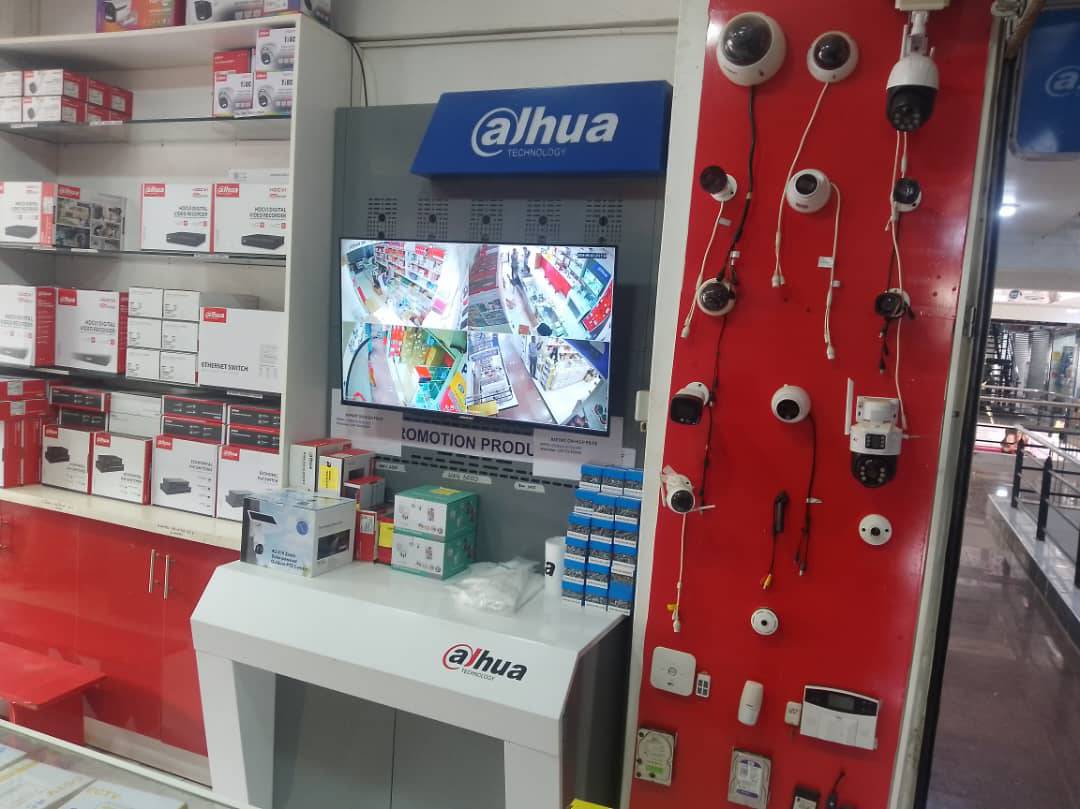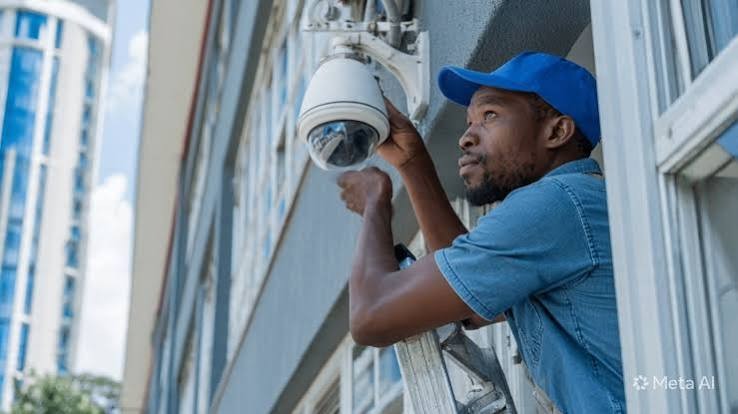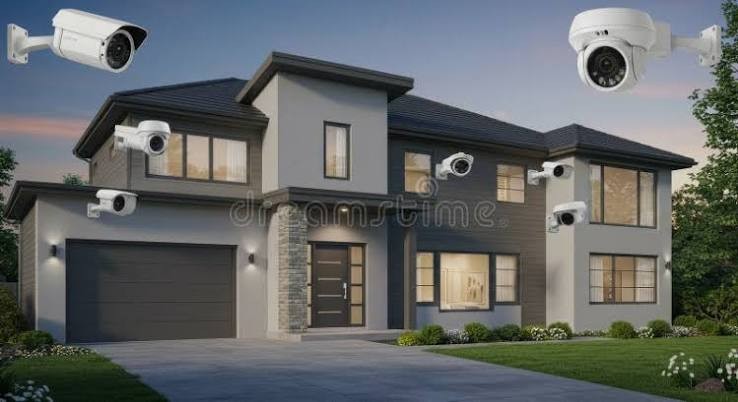
Home security is an important priority for homeowners, tenants, landlords and residential property developers. Protecting family members, valuable belongings and residential property requires reliable security measures that help prevent unauthorised access and improve the monitoring of activities around the home.
As residential properties become more sophisticated, traditional security measures such as perimeter walls, gates and security guards are increasingly complemented by modern surveillance technology. One of the most effective additions to a residential security strategy is a professionally installed Closed-Circuit Television (CCTV) system.
Residential CCTV installation in Uganda provides homeowners with an opportunity to monitor their properties, record security activities, identify suspicious behaviour and remotely view their homes using smartphones and other connected devices.
Modern CCTV cameras offer advanced features such as high-definition recording, night vision, motion detection, remote access and intelligent alerts. These technologies make it easier to monitor residential premises during the day and at night, whether homeowners are inside the house, at work or travelling.
Whether you own a standalone house, apartment, townhouse, gated residential property or a large private estate, installing the right CCTV surveillance system can significantly improve your home’s security.
This guide explores everything you need to know about residential CCTV installation, including camera types, installation locations, benefits, costs, smart security features, maintenance and how to choose the right CCTV installation company in Uganda.
What Is Residential CCTV Installation?
Residential CCTV installation involves designing, supplying, installing and configuring security cameras and associated surveillance equipment for homes and residential properties.
The purpose is to monitor selected areas of a property and provide recorded video footage that can be accessed when needed.
A typical residential CCTV system consists of:
- Security cameras positioned around the property.
- Digital Video Recorder (DVR) or Network Video Recorder (NVR).
- Hard drives for storing recorded footage.
- Power supplies and electrical connections.
- Network cables or wireless connections.
- Monitors or display devices where required.
- Mobile applications for remote viewing.
- Network equipment such as routers and switches where applicable.
Depending on the homeowner’s requirements, the system can include indoor cameras, outdoor cameras, motion detection, night vision and remote monitoring.
Professional residential CCTV installation ensures that cameras are strategically positioned, recording equipment is configured correctly and the surveillance system provides the intended security coverage.
Why Residential CCTV Installation Is Important for Homes in Uganda
Investing in a home CCTV surveillance system offers several advantages beyond simply recording activities around the property.
Here are the major reasons homeowners should consider modern security camera installation.
1. Improved Home Security
One of the main reasons homeowners install CCTV cameras is to improve the security of their properties.
Cameras positioned around entrances, gates, driveways and other vulnerable areas help monitor activities and identify suspicious behaviour.
Visible surveillance cameras may also discourage opportunistic theft, vandalism and unauthorised access.
2. Monitoring Your Home Remotely
Modern residential CCTV systems allow homeowners to monitor their properties remotely through smartphones, tablets and computers.
Using compatible mobile applications, authorised users can view live footage and access recorded videos from different locations.
This is particularly useful for homeowners who travel frequently, work away from home or manage multiple residential properties.
3. Protection of Family Members
CCTV cameras can help homeowners monitor entrances, compound areas and other appropriate shared spaces.
Parents may also use suitable indoor cameras to monitor selected common areas of the home, while ensuring that the privacy of family members and household staff is respected.
4. Night-Time Surveillance
Security concerns do not end when the sun goes down.
Modern CCTV cameras with infrared night vision or low-light technology can record activities in poorly illuminated areas.
This is particularly important for monitoring gates, driveways, perimeter walls, garages and outdoor spaces at night.
5. Evidence During Security Incidents
Recorded CCTV footage can help homeowners investigate incidents such as theft, vandalism, property damage and unauthorised entry.
Clear recordings may help establish the sequence of events and provide useful information when reporting incidents to the relevant authorities.
6. Monitoring Domestic and Property Activities
Homeowners can use CCTV cameras to monitor selected shared areas, entrances and external property spaces.
This can be particularly useful for landlords, property managers and homeowners who have residential buildings with several occupants or service areas.
7. Increased Peace of Mind
Knowing that important areas of your property are monitored can provide additional confidence and peace of mind.
Remote viewing allows homeowners to check their properties when away without having to be physically present.
Types of CCTV Cameras Suitable for Residential Properties
Selecting the right CCTV cameras is essential for effective home surveillance.
Different camera types are designed for different locations, lighting conditions and monitoring requirements.
1. Dome CCTV Cameras
Dome cameras have a compact, rounded design and are commonly used for indoor surveillance.
They are suitable for:
- Living room entrances and common areas.
- Hallways and corridors.
- Residential reception areas.
- Garages.
- Covered outdoor spaces.
- Apartment common areas.
Their design makes them suitable for installations where a discreet camera appearance is preferred.
2. Bullet CCTV Cameras
Bullet cameras have a cylindrical shape and are commonly used for outdoor monitoring.
They are ideal for:
- Main entrances.
- Compound gates.
- Driveways.
- Perimeter walls.
- Garages.
- Outdoor parking areas.
Many bullet cameras include infrared night vision and weather-resistant housings.
3. IP CCTV Cameras
Internet Protocol cameras transmit digital video through network connections.
They are popular in modern residential surveillance installations because they offer high-resolution recording, network connectivity and remote monitoring capabilities.
Depending on the system design, IP cameras can connect to a network video recorder or compatible network storage solution.
4. Wireless CCTV Cameras
Wireless cameras transmit video through a wireless network, reducing the need for dedicated video cabling between individual cameras and recording equipment.
They are suitable for certain homes where cable installation may be difficult or where flexible camera placement is required.
However, wireless CCTV cameras still need a suitable power source unless they use battery or solar power.
Their performance also depends on reliable Wi-Fi coverage and network security.
5. PTZ CCTV Cameras
Pan-Tilt-Zoom cameras allow authorised operators to change the camera direction and zoom remotely.
They are suitable for larger residential compounds, estates and properties with extensive outdoor spaces.
PTZ cameras provide flexible monitoring but should be carefully configured to ensure important areas remain covered.
6. Night Vision Security Cameras
Night vision cameras are designed to capture video in low-light conditions.
They commonly use infrared illumination to record footage in darkness.
These cameras are especially useful for outdoor areas such as gates, driveways, gardens and perimeter boundaries.
7. Smart CCTV Cameras
Smart CCTV cameras incorporate advanced features such as motion detection, person detection, intelligent alerts and integration with compatible smart home platforms.
Depending on the model, they may notify homeowners when movement or other selected events are detected.
These features can make home surveillance more convenient and responsive.
Best Places to Install CCTV Cameras Around Your Home
Correct camera positioning is just as important as selecting high-quality surveillance equipment.
A professionally designed residential CCTV system should focus on important access points and vulnerable areas without unnecessarily recording private spaces.
1. Main Entrance and Front Door
The main entrance is one of the most important locations for a residential security camera.
A camera positioned here can monitor visitors, deliveries and activities around the front door.
It should provide a clear view of approaching individuals while avoiding excessive glare and unsuitable viewing angles.
2. Main Gate and Perimeter Entrance
The main gate provides access to the residential compound.
Installing an outdoor CCTV camera near the gate helps homeowners monitor people and vehicles entering or leaving the property.
3. Driveway and Parking Area
Driveways and parking spaces are important areas to monitor because they contain vehicles and provide access to the house.
Cameras should be positioned to capture vehicle movements and relevant activity around parked vehicles.
4. Backyard and Rear Entrances
Backyards and rear entrances may provide additional access points to a property.
Installing cameras in these locations can help reduce surveillance blind spots.
5. Perimeter Walls and Fences
Outdoor CCTV cameras can monitor selected sections of a property’s boundary.
For larger properties, a carefully designed camera layout can provide better visibility around vulnerable perimeter areas.
6. Garage and Storage Areas
Garages and storage facilities often contain vehicles, tools, equipment and other valuable belongings.
CCTV cameras can help monitor these spaces and record access activities.
7. Internal Common Areas
Depending on the household’s requirements, cameras may be installed in selected common areas such as hallways and shared entrances.
Cameras should not be installed in bedrooms, bathrooms, changing areas or other private spaces.
Wired vs Wireless CCTV Installation for Homes
Homeowners often have to choose between wired and wireless CCTV surveillance systems.
Both options have advantages, and the best choice depends on the property’s design, security requirements and available infrastructure.
Wired CCTV Systems
Wired systems use physical cables to connect cameras to recording equipment or network infrastructure.
Advantages include:
- Reliable connections when properly installed.
- Consistent video transmission.
- Suitable for permanent installations.
- Support for multiple cameras.
- Reduced dependence on Wi-Fi for video transmission.
Wired systems are particularly suitable for new houses, larger residential compounds and properties undergoing construction or renovation.
Wireless CCTV Systems
Wireless systems transmit video through wireless network connections.
Their advantages include:
- Flexible camera placement.
- Reduced need for dedicated video cabling.
- Convenient installation in selected existing homes.
- Easy expansion in suitable network environments.
However, wireless cameras depend on reliable network coverage and still require power unless they are battery-powered or use another suitable energy source.
Which CCTV System Is Better for Your Home?
For permanent installations, wired CCTV systems are often a dependable option, particularly where structured cabling can be installed during construction.
Wireless cameras may be more convenient for certain existing homes where running cables is difficult.
A professional site assessment can help determine the most suitable option.
Smart Home Security Features in Modern CCTV Systems
Modern residential surveillance systems offer more than basic video recording.
Many include smart features that improve monitoring, convenience and security management.
1. Smartphone Monitoring
Smartphone monitoring allows homeowners to view live camera footage through compatible mobile applications.
This makes it possible to check entrances, driveways and other monitored areas while away from home.
2. Motion Detection
Motion detection allows compatible CCTV cameras to identify movement within selected areas.
The system can be configured to trigger recording or send notifications when movement is detected.
3. Person Detection
Some advanced cameras can distinguish between people and other types of movement.
This can help reduce unnecessary alerts caused by moving vegetation, animals or vehicles, depending on the camera’s capabilities.
4. Two-Way Audio
Certain smart cameras include microphones and speakers that support two-way communication.
This feature may allow homeowners to communicate with visitors through a compatible smartphone application.
5. Cloud Video Storage
Some CCTV systems support cloud recording, allowing video footage to be stored on remote servers.
Cloud storage may provide an additional recording option, although subscription fees, internet availability, privacy and data protection should be considered.
6. Motion Alerts and Notifications
Smart CCTV systems can send notifications when selected events are detected.
This allows homeowners to respond more quickly to activity around their properties.
7. Smart Home Integration
Some CCTV cameras can integrate with compatible smart home devices and automation platforms.
Depending on the equipment, this may allow surveillance to work alongside smart lighting, alarms and other security technologies.
The Residential CCTV Installation Process
Professional home CCTV installation involves several stages to ensure that the system is properly designed, installed and tested.
Step 1: Residential Property Assessment
The installation team first evaluates the property to identify security requirements and vulnerable access points.
The assessment considers:
- Number of entrances and exits.
- Property size and layout.
- Perimeter walls and gates.
- Driveways and parking spaces.
- Lighting conditions.
- Existing network infrastructure.
- Available power sources.
- Areas requiring indoor and outdoor surveillance.
This helps determine the number and type of cameras required.
Step 2: CCTV System Design
After the assessment, the installer prepares a surveillance layout.
This identifies suitable camera positions, viewing angles, cabling routes and recording equipment locations.
A good design aims to minimise blind spots while avoiding unnecessary camera installations.
Step 3: Camera and Equipment Selection
The installer recommends suitable equipment based on the property and homeowner’s budget.
The equipment may include:
- Indoor and outdoor CCTV cameras.
- DVR or NVR recording equipment.
- Surveillance hard drives.
- Network switches.
- Power supplies.
- Ethernet or coaxial cables.
- Connectors and mounting accessories.
- UPS backup equipment.
- Monitoring displays where required.
Step 4: Camera Mounting and Installation
Cameras are mounted in the agreed locations.
The installation team considers height, viewing angles, lighting, weather exposure and potential obstructions.
Outdoor cameras should be suitable for the conditions in which they will operate.
Step 5: Cabling and Power Connections
The installer establishes the necessary network, video and power connections.
Where supported, Power over Ethernet (PoE) can supply power and data through a single Ethernet cable.
Cables should be properly routed and protected to prevent accidental damage and environmental exposure.
Step 6: Recording System Configuration
The DVR or NVR is configured to receive video footage and store recordings.
The installer sets up recording schedules, motion detection, camera names, image quality and storage settings.
Step 7: Remote Access Configuration
Where required, the CCTV system is configured for remote viewing.
The homeowner can then access live footage and recordings through compatible smartphones or computers.
The system should use strong passwords and secure network settings to protect access.
Step 8: System Testing and Handover
The installation team tests the cameras and recording equipment to confirm that the system operates correctly.
Testing should include:
- Daytime image quality.
- Night vision performance.
- Camera viewing angles.
- Recording and playback.
- Motion detection.
- Remote viewing.
- Storage functionality.
- Power backup arrangements.
The homeowner should also receive guidance on accessing footage and using the surveillance system.
How Much Does Residential CCTV Installation Cost in Uganda?
The cost of residential CCTV installation in Uganda varies according to the equipment, number of cameras and complexity of the installation.
A small residential house will generally require a different investment from a large home, townhouse or private estate.
The following factors influence the overall installation budget.
1. Number of Cameras Required
The number of cameras affects the amount of equipment, cabling and installation labour required.
A home with several entrances, a large compound and multiple buildings may require more cameras than a smaller residential property.
2. CCTV Camera Quality
Different cameras have different technical specifications and prices.
For example, standard HD cameras, high-resolution IP cameras, smart cameras and PTZ cameras have different capabilities and equipment requirements.
3. Wired or Wireless Installation
Wired installations may require additional cabling, conduits and labour, particularly in completed buildings.
Wireless installations may reduce certain cabling requirements but could require additional networking equipment or improvements to Wi-Fi coverage.
4. Recording and Storage Equipment
The cost of DVRs, NVRs and surveillance hard drives depends on the system capacity and required recording period.
A system designed to retain footage for longer periods may need additional storage.
5. Property Size and Design
Larger homes and residential compounds may require longer cable routes, additional mounting materials and more complex installation work.
6. Remote Monitoring Features
Systems with smartphone access, advanced motion detection and cloud recording may require additional configuration or service costs.
7. Backup Power
Homeowners may choose UPS systems or other suitable backup arrangements to keep surveillance equipment operating during power interruptions.
The required backup capacity depends on the number of cameras and the power consumption of the complete system.
How to get an accurate quotation: Request a professional site assessment so that the installer can recommend the appropriate equipment, camera positions, storage capacity and installation requirements.
Common Residential CCTV Installation Mistakes to Avoid
A CCTV system may fail to provide effective surveillance if it is poorly planned or installed.
Homeowners should avoid the following mistakes.
1. Installing Cameras Without a Coverage Plan
Purchasing cameras without assessing the property can result in unnecessary equipment and important blind spots.
Always plan camera positions before installation.
2. Choosing Cameras Based on Price Alone
Low-cost cameras may not provide the image quality, durability or features required for reliable surveillance.
Compare specifications and suitability rather than focusing only on purchase price.
3. Ignoring Night-Time Performance
Outdoor cameras should be selected according to the lighting conditions in which they will operate.
Check night vision specifications before purchasing.
4. Using Insufficient Storage
Inadequate recording capacity can cause important footage to be overwritten too quickly.
Choose storage according to the required retention period.
5. Ignoring Internet and Network Security
CCTV cameras connected to the internet should be properly secured.
Use strong passwords, update firmware and limit system access to authorised users.
6. Installing Cameras in the Wrong Locations
Incorrect camera positioning may result in glare, poor image quality and unnecessary privacy intrusion.
Camera placement should focus on legitimate security objectives.
7. Failing to Maintain the System
Dirty lenses, damaged cables and failing hard drives can affect surveillance performance.
Schedule regular inspections and maintenance.
CCTV Maintenance Tips for Residential Properties
Regular CCTV maintenance helps ensure that your home surveillance system continues operating effectively.
Homeowners should consider the following maintenance practices:
- Clean camera lenses regularly.
- Check camera housings for damage.
- Inspect outdoor mounting brackets.
- Confirm that cameras are recording correctly.
- Review recorded footage periodically.
- Test night vision functionality.
- Check network connections.
- Monitor available storage capacity.
- Test UPS and backup power equipment.
- Update supported camera firmware.
- Review passwords and authorised users.
Professional servicing may also be necessary when cameras stop recording, display unclear images or experience connectivity problems.
Privacy and Legal Considerations for Home CCTV Installation in Uganda
Installing CCTV cameras around your home should be done responsibly.
Although homeowners have legitimate security interests, surveillance should also respect the privacy of family members, domestic workers, visitors, neighbours and other individuals.
Consider the following practices:
- Avoid installing cameras in bathrooms, bedrooms and other private spaces.
- Position outdoor cameras to focus on your own property.
- Minimise unnecessary recording of neighbouring homes and private spaces.
- Inform relevant people about surveillance where required.
- Restrict access to recorded footage.
- Use strong passwords to prevent unauthorised viewing.
- Store and retain footage responsibly.
- Follow applicable Ugandan data protection and privacy requirements.
Where CCTV footage involves personal data, homeowners and organisations should consider their obligations under Uganda’s Data Protection and Privacy Act and applicable regulations.
How to Choose the Best Residential CCTV Installation Company in Uganda
Selecting an experienced CCTV installer is essential for obtaining a reliable home surveillance system.
Before choosing a service provider, consider the following factors.
1. Technical Knowledge and Experience
Choose a company with knowledge of CCTV technologies, camera installation, network configuration and recording systems.
The installer should understand the specific requirements of residential surveillance.
2. Quality of Equipment
Ask about camera brands, image resolution, recording equipment, storage capacity and warranty conditions.
The equipment should be appropriate for the intended indoor or outdoor installation.
3. Professional Site Assessment
A reliable installer should assess your home before recommending the number and positioning of cameras.
This helps ensure that the proposed system addresses your actual security needs.
4. Proper Installation Workmanship
Look for a provider that follows good installation practices, including secure mounting, organised cabling and correct equipment configuration.
5. Remote Monitoring Configuration
If you want to monitor your home through a smartphone, ensure that the installer can configure the system and demonstrate how to use it securely.
6. After-Sales Support
Choose a company that offers technical assistance, troubleshooting and maintenance services.
This is important when cameras or recording equipment develop faults.
7. Transparent Quotations
Request a detailed quotation showing the equipment, installation work and additional services included.
Compare different quotations based on quality, technical specifications and support.
Why Choose Daltrevco for Building Security and CCTV Solutions?
Securing a residential property requires more than installing cameras. It requires a properly planned approach that considers the layout of the home, access points, security risks and the surveillance technology needed.
Daltrevco provides building-related solutions for property owners, businesses and institutions seeking to improve their buildings and facilities.
When planning residential CCTV installation, important considerations include:
- Understanding the property’s security requirements.
- Selecting suitable indoor and outdoor cameras.
- Planning strategic camera positions.
- Providing reliable cabling and equipment installation.
- Configuring recording and remote monitoring systems.
- Testing the completed installation.
- Considering maintenance and technical support.
Whether you are securing a family home, apartment building, townhouse or residential development, choosing appropriate surveillance solutions is an important investment in property security.
Visit Daltrevco to explore available services and make an enquiry about your building security requirements.
Frequently Asked Questions About Residential CCTV Installation
1. How many CCTV cameras do I need for my home?
The number depends on the size of the property, number of entrances, perimeter layout and security requirements. A professional site assessment helps determine the appropriate number and positioning of cameras.
2. What are the best CCTV cameras for residential properties?
IP cameras, dome cameras, bullet cameras and suitable smart wireless cameras are common residential options. The best choice depends on the intended location, lighting, connectivity and monitoring requirements.
3. Can I monitor my home CCTV cameras using my phone?
Yes. Many modern IP CCTV systems support smartphone applications that allow authorised users to view live footage, receive alerts and review recordings remotely.
4. Can residential CCTV cameras record at night?
Yes. Cameras equipped with infrared night vision or suitable low-light technology can record activities in dark environments.
5. Is wireless CCTV suitable for home security?
Wireless CCTV can be suitable for homes where installing cables is difficult. However, it requires reliable network coverage and an appropriate power source.
6. Does CCTV work without internet?
Yes. Many CCTV systems can record footage locally using a DVR or NVR without an internet connection. However, remote monitoring and internet-based notifications may not be available while the connection is offline.
7. How much does home CCTV installation cost in Uganda?
The price depends on the number and quality of cameras, recording equipment, storage capacity, property layout and installation complexity. A site assessment is recommended for an accurate quotation.
8. Can CCTV cameras operate during power outages?
Yes, provided the system has a suitable UPS, battery backup or alternative power arrangement. The operating duration depends on the backup capacity and power requirements.
9. How long can home CCTV cameras store footage?
Recording duration depends on the number of cameras, resolution, recording settings, compression and hard drive capacity. Storage should be designed around the homeowner’s preferred retention period.
10. Should I install CCTV cameras inside or outside my home?
Both indoor and outdoor cameras can be useful. Outdoor cameras generally monitor entrances, gates and driveways, while indoor cameras may monitor selected shared areas. Privacy should always be respected.
Conclusion: Protect Your Home with Modern Residential CCTV Installation
Home security is an important investment that requires reliable equipment, proper planning and professional installation.
Modern residential CCTV systems help homeowners monitor their properties, record important activities, identify suspicious behaviour and access live footage remotely.
From dome and bullet cameras to advanced IP surveillance systems, homeowners can choose from several technologies depending on their property layout, budget and security requirements.
However, the effectiveness of any residential CCTV system depends on strategic camera positioning, suitable recording equipment, reliable power and network connections, secure configuration and regular maintenance.
Whether you own a small family house, a large residential compound, an apartment building or a private estate, investing in an appropriate surveillance system can improve your ability to monitor and protect your property.
Choose the right residential CCTV installation solution and take a proactive step towards protecting your home, family and valuable belongings.
Visit www.daltrevco.com to learn more about Daltrevco’s building and security solutions.