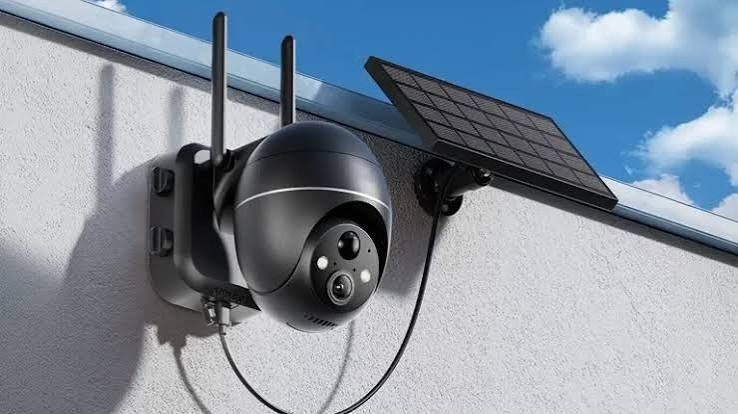
Security is a major concern for businesses operating in Uganda. Whether you manage an office, retail shop, supermarket, shopping centre, hotel, warehouse or commercial building, protecting employees, customers, equipment, stock and other valuable assets is essential for successful business operations.
As businesses grow and commercial properties become more complex, traditional security measures alone may not provide sufficient visibility over daily activities. Modern Closed-Circuit Television (CCTV) surveillance systems offer an effective way to monitor business premises, record important activities and improve overall security management.
Commercial CCTV installation in Uganda enables business owners and property managers to monitor entrances, reception areas, payment points, offices, corridors, parking facilities, warehouses and other important locations. With modern surveillance technology, authorised users can view live footage, review recorded incidents and monitor their premises remotely using smartphones and computers.
However, effective business surveillance requires more than installing cameras at random locations. It involves assessing security risks, planning camera coverage, selecting suitable equipment, installing reliable cabling, configuring recording systems and ensuring that the surveillance network operates securely.
Whether you operate a small retail shop in Kampala, manage a corporate office, own a shopping complex or oversee a large commercial facility, investing in a professionally designed CCTV system can strengthen your security arrangements.
This guide explains everything businesses need to know about commercial CCTV installation, including camera types, installation locations, system design, costs, benefits, maintenance and how to choose the right CCTV installation company in Uganda.
What Is Commercial CCTV Installation?
Commercial CCTV installation involves the professional design, supply, installation, configuration and maintenance of video surveillance systems for business and commercial properties.
These systems use strategically positioned cameras to capture activities within and around a business premises. The footage is transmitted to a recording device or network storage system, allowing authorised personnel to monitor live activities and review recordings when necessary.
A typical commercial CCTV installation includes:
- Security cameras positioned throughout the premises.
- Digital Video Recorders (DVRs) or Network Video Recorders (NVRs).
- Surveillance hard drives for storing footage.
- Network switches and communication equipment.
- Ethernet or coaxial cabling.
- Power supplies and backup power equipment.
- Monitoring screens and control stations.
- Remote viewing applications.
- System configuration, testing and commissioning.
Depending on the business’s security requirements, the installation may also include advanced features such as motion detection, video analytics, facial recognition where lawful and appropriate, number plate recognition and integration with access control systems.
A properly designed commercial CCTV system helps businesses improve security visibility while supporting the management of their premises.
Why Commercial CCTV Installation Is Important for Businesses in Uganda
Businesses face different security challenges depending on their operations, location, property size and the value of their assets.
Installing a suitable CCTV surveillance system offers several important benefits.
1. Improved Business Security
One of the main reasons businesses install CCTV cameras is to improve the security of their premises.
Cameras positioned at entrances, exits, parking areas, storage facilities and other vulnerable locations help monitor activities and identify suspicious behaviour.
Visible surveillance cameras may also discourage opportunistic theft, vandalism and unauthorised access.
2. Protection of Business Assets
Commercial properties contain valuable assets such as computers, machinery, office equipment, merchandise, cash-handling equipment and inventory.
CCTV cameras help monitor areas where these assets are stored or used.
For warehouses, supermarkets, retail outlets and industrial facilities, surveillance can support efforts to identify security incidents and protect valuable stock.
3. Monitoring Employees and Workplace Activities
CCTV systems can help authorised managers monitor operational areas and investigate reported incidents.
For example, cameras can cover reception areas, entrances, loading bays and other appropriate shared workspaces.
Surveillance should be implemented transparently and in accordance with applicable employee privacy and data protection requirements.
4. Customer and Visitor Safety
Businesses have a responsibility to maintain reasonably safe environments for customers, employees and visitors.
CCTV cameras can help monitor entrances, corridors, parking facilities and common areas.
Recorded footage may also assist when reviewing accidents, property damage or reported security incidents.
5. Remote Monitoring of Business Premises
Modern IP CCTV systems allow authorised business owners and managers to access live footage remotely.
Through compatible mobile applications and computer software, users can monitor business activities even when they are away from the premises.
This is especially useful for business owners managing several branches or commercial properties.
6. Evidence for Incident Investigation
Recorded CCTV footage can provide valuable information when investigating theft, vandalism, disputes, accidents and unauthorised entry.
Depending on the recording quality, camera position and available footage, video recordings can help establish the sequence of events.
7. Better Operational Oversight
CCTV systems can provide visibility into selected business operations.
For example, managers may review customer movement, delivery activities, loading operations and access to restricted areas.
This can support operational reviews and help identify areas that need improvement.
Types of Commercial CCTV Cameras Used in Business Premises
Selecting appropriate cameras is an important part of designing an effective commercial surveillance system.
Different camera types offer different capabilities depending on the location, lighting conditions, monitoring distance and security requirements.
1. Dome CCTV Cameras
Dome cameras feature a rounded protective housing and are commonly installed indoors.
They are suitable for:
- Office reception areas.
- Retail shops.
- Supermarkets.
- Shopping centres.
- Hotels.
- Corridors and common areas.
- Commercial building entrances.
Their compact design makes them suitable for environments where discreet surveillance is preferred.
2. Bullet CCTV Cameras
Bullet cameras have a cylindrical design and are commonly used for outdoor surveillance.
They are suitable for monitoring:
- Building entrances.
- Commercial property boundaries.
- Parking areas.
- Loading and delivery zones.
- Warehouses.
- Business access roads.
Many outdoor bullet cameras include weather-resistant housings and infrared night vision.
3. IP CCTV Cameras
Internet Protocol cameras transmit digital video through network connections.
They are widely used in modern commercial surveillance installations because they support high-resolution recording, remote monitoring and network-based system management.
IP cameras can connect to an NVR through Ethernet cabling, and compatible Power over Ethernet (PoE) technology can supply both power and data through one network cable.
They are particularly suitable for offices, shopping centres, hotels and large commercial buildings.
4. PTZ CCTV Cameras
Pan-Tilt-Zoom cameras allow authorised operators to adjust the camera’s direction and zoom remotely.
They are useful for monitoring larger commercial areas such as:
- Shopping centre parking facilities.
- Large business compounds.
- Warehouses.
- Commercial property grounds.
- Industrial premises.
- Large outdoor access areas.
PTZ cameras offer flexibility, although fixed cameras may also be needed to provide continuous coverage of important locations.
5. Wireless CCTV Cameras
Wireless cameras transmit video over wireless network connections rather than requiring a dedicated video cable for each camera.
They can be suitable for selected commercial environments where installing cables is difficult.
However, wireless systems require reliable network coverage and appropriate power arrangements.
For larger businesses, wired IP CCTV systems may offer more predictable network performance.
6. Night Vision CCTV Cameras
Night vision cameras are designed to capture footage in dark or poorly illuminated environments.
They commonly use infrared illumination or low-light imaging technology.
They are particularly useful for monitoring:
- Business entrances.
- Parking facilities.
- Outdoor storage areas.
- Loading bays.
- Perimeter boundaries.
- Commercial compounds.
7. Fisheye and Panoramic CCTV Cameras
Fisheye cameras provide wide-angle surveillance and can monitor large indoor areas from a single installation point.
They are useful in selected environments such as reception areas, retail spaces and open commercial halls.
Their wide-angle images may require specialised viewing or dewarping software to make details easier to interpret.
8. Thermal CCTV Cameras
Thermal cameras detect heat patterns rather than relying entirely on visible light.
They are suitable for specialised security applications involving large outdoor facilities, industrial environments and challenging visibility conditions.
Commercial CCTV Installation for Different Business Environments
Every commercial property has unique security requirements. A surveillance system should therefore be designed around the nature of the business and the layout of its premises.
1. CCTV Installation for Offices
Office buildings contain employees, visitors, computers, documents and other valuable business assets.
CCTV cameras can be installed in:
- Main entrances and exits.
- Reception areas.
- Corridors.
- Staircases.
- Parking facilities.
- Server room entrances.
- Shared office spaces.
- Delivery and service entrances.
A properly planned office CCTV system helps improve visibility over access points and shared operational areas.
Cameras should not be installed in private spaces such as toilets and changing rooms.
2. CCTV Installation for Retail Shops
Retail shops experience frequent customer and supplier movements, making surveillance an important part of store security.
CCTV cameras can help monitor:
- Shop entrances and exits.
- Sales floors.
- Cashier and payment areas.
- Stockrooms.
- Display sections.
- Delivery points.
- External entrances.
A combination of dome and bullet cameras can provide suitable coverage for different areas of a retail premises.
3. CCTV Installation for Supermarkets
Supermarkets often have large retail floors, multiple entrances, checkout counters and storage facilities.
A professionally designed CCTV system can monitor customer areas, cashier stations, stockrooms, delivery zones and parking spaces.
For larger supermarkets, centralised monitoring can help security personnel manage multiple cameras from one control location.
4. CCTV Installation for Shopping Centres and Malls
Shopping centres require comprehensive surveillance because they contain multiple businesses, public areas, parking facilities and service entrances.
CCTV cameras may be installed in:
- Main entrances.
- Shopping corridors.
- Common areas.
- Parking facilities.
- Loading bays.
- Service corridors.
- Staircases and selected lift areas.
- Building perimeter zones.
Large installations may benefit from centralised video management systems that allow security teams to monitor several cameras simultaneously.
5. CCTV Installation for Hotels and Restaurants
Hotels and restaurants require surveillance systems that help protect guests, staff and property.
Suitable camera locations include reception areas, main entrances, parking facilities, corridors, service entrances and storage areas.
Surveillance should respect guest privacy and avoid private accommodation spaces.
6. CCTV Installation for Warehouses
Warehouses often contain valuable inventory, machinery, raw materials and finished products.
CCTV cameras can monitor:
- Loading and unloading areas.
- Storage sections.
- Goods receiving points.
- Dispatch areas.
- Warehouse entrances.
- External boundaries.
- Vehicle parking areas.
Depending on the warehouse size, cameras with suitable viewing angles, night vision and weather protection may be required.
7. CCTV Installation for Banks and Financial Institutions
Financial institutions require carefully planned security systems because they handle sensitive operations and valuable assets.
Surveillance may cover public entrances, reception areas, selected operational areas and external access points.
Camera selection, recording retention, access permissions and system security should be aligned with the institution’s security policies and applicable regulatory requirements.
Where Should CCTV Cameras Be Installed in Commercial Buildings?
Proper camera placement is essential for achieving effective surveillance coverage.
A commercial CCTV installation should focus on important access points, vulnerable areas and locations where monitoring provides genuine security value.
Main Entrances and Exits
Entrances and exits are important locations because they record the movement of employees, customers, visitors and suppliers.
Cameras should be positioned to capture clear footage without excessive glare or obstruction.
Reception Areas
Reception areas are often the first point of contact for visitors.
CCTV cameras can help monitor visitor movements and support the management of building access.
Parking Facilities
Parking areas may contain company vehicles, customer vehicles and other valuable property.
Outdoor cameras can help monitor vehicle movements and activities within the parking facility.
Cashier and Payment Areas
Retail businesses may use CCTV cameras to monitor payment areas and investigate reported incidents.
Camera placement should protect sensitive payment information and avoid capturing PIN entry or other confidential customer details.
Stockrooms and Storage Facilities
Storage areas contain valuable merchandise, equipment and inventory.
Cameras can help monitor access and support investigations into stock-related incidents.
Loading and Delivery Areas
Loading bays and delivery points experience frequent movement of goods and vehicles.
Surveillance can help monitor deliveries, dispatch operations and access to restricted storage locations.
Perimeter Boundaries
Outdoor cameras can monitor selected sections of the commercial property’s perimeter.
This helps security personnel identify activity around vulnerable access points and external facilities.
Wired vs Wireless Commercial CCTV Systems
Businesses must choose between wired and wireless surveillance systems based on their security requirements and building infrastructure.
Wired CCTV Systems
Wired systems use physical cables to transmit video and, in some cases, supply power to cameras.
Advantages include:
- Reliable connections when properly installed.
- Consistent video transmission.
- Suitability for permanent commercial installations.
- Support for multiple cameras.
- Reduced dependence on Wi-Fi for video transmission.
- Easier integration with structured network infrastructure.
Wired IP CCTV systems are often suitable for offices, shopping centres, warehouses and large commercial buildings.
Wireless CCTV Systems
Wireless systems transmit video through wireless network connections.
Their advantages include:
- Flexible camera placement.
- Reduced video cabling requirements.
- Convenient installation in selected existing buildings.
- Potentially easier expansion in suitable network environments.
However, performance depends on reliable wireless coverage, network capacity and suitable power arrangements.
Which Is Better for Commercial Properties?
For most permanent commercial installations, wired IP CCTV systems are worth considering because of their connection reliability, scalability and compatibility with business network infrastructure.
Wireless systems can be useful for specific areas where cable installation is impractical.
A professional assessment helps determine the best option.
The Commercial CCTV Installation Process
Professional CCTV installation involves several stages to ensure that the system meets the business’s security and operational requirements.
Step 1: Site Assessment and Security Audit
The installation team evaluates the commercial property to understand its layout, access points, security risks and surveillance requirements.
The assessment considers:
- Building size and number of floors.
- Entrances and exits.
- Customer and employee movement.
- Parking facilities.
- Storage and loading areas.
- Lighting conditions.
- Existing network infrastructure.
- Power supply arrangements.
- Areas requiring restricted access.
This information helps determine the number of cameras and the most appropriate surveillance technology.
Step 2: CCTV System Design
The next stage involves developing a camera coverage plan.
The design identifies camera positions, viewing angles, cabling routes, recording equipment locations and monitoring arrangements.
For larger commercial buildings, the design should consider network capacity, storage requirements and future system expansion.
Step 3: Equipment Selection
The installation team selects appropriate cameras and supporting equipment.
Typical components include:
- Indoor and outdoor CCTV cameras.
- DVR or NVR recording devices.
- Surveillance-grade hard drives.
- Network switches.
- Power supplies.
- Ethernet and coaxial cables.
- Mounting brackets and accessories.
- Monitoring displays.
- UPS backup equipment.
All equipment should be compatible and suitable for the intended operating environment.
Step 4: Camera Mounting and Installation
Cameras are installed at the locations identified in the design.
The installation team considers camera height, viewing angles, lighting, obstructions and environmental exposure.
Outdoor cameras should have suitable protection against dust, moisture and weather conditions.
Step 5: Cabling and Network Configuration
The required network and power connections are installed.
IP cameras may use PoE switches to supply power and transmit video through Ethernet cabling.
The network should be designed to support the number of cameras and required video quality without unnecessary congestion.
Step 6: DVR or NVR Configuration
The recording system is configured to receive and store footage from all cameras.
Configuration may include:
- Camera naming and organisation.
- Recording schedules.
- Video resolution.
- Motion detection.
- Storage allocation.
- User permissions.
- Video retention settings.
Step 7: Remote Monitoring Setup
Where required, authorised business owners and security personnel are provided with remote access.
Compatible smartphones, computers or monitoring stations can then be used to view live footage and recorded videos.
Network security and user access permissions should be configured carefully.
Step 8: Testing and Commissioning
Before handover, the complete system should be tested.
The installer checks camera image quality, recording and playback, night vision, network connectivity, storage functionality and remote access.
The completed installation should meet the agreed project specifications.
How Much Does Commercial CCTV Installation Cost in Uganda?
The cost of commercial CCTV installation in Uganda varies depending on the property size, number of cameras, equipment specifications and installation complexity.
A small office or retail shop will generally require a different budget from a supermarket, shopping centre, hotel or large warehouse.
Several factors determine the overall project cost.
1. Number of CCTV Cameras
The number of cameras is one of the biggest factors affecting the installation budget.
Larger commercial properties require more surveillance points to cover entrances, exits, parking areas, corridors, storage facilities and other important locations.
2. Camera Type and Resolution
Different cameras have different specifications and prices.
For example, standard dome cameras, high-resolution IP cameras, PTZ cameras and specialised thermal cameras have different equipment requirements.
3. Type of Recording System
Analogue DVR systems, IP NVR systems and hybrid recording systems have different equipment and installation requirements.
The appropriate choice depends on the building’s existing infrastructure and desired surveillance capabilities.
4. Building Size and Complexity
Multi-storey buildings, large offices and commercial complexes may require longer cable routes, additional network equipment and more installation labour.
5. Video Storage Capacity
The storage system must accommodate the number of cameras and the required recording period.
Important factors include resolution, frame rate, compression and continuous or motion-based recording.
6. Network Infrastructure
IP CCTV installations may require network switches, structured cabling, network configuration and additional bandwidth capacity.
7. Backup Power Requirements
Commercial surveillance systems may require UPS equipment or other backup power solutions to maintain operation during electricity interruptions.
8. Installation and Configuration
The total cost also depends on mounting requirements, cabling, equipment configuration, testing and commissioning.
Getting an accurate quotation: Businesses should request a site assessment and a detailed quotation that specifies the cameras, recording equipment, installation work, storage capacity and support arrangements.
Advanced Features to Consider in Commercial CCTV Systems
Modern commercial surveillance systems offer advanced capabilities that improve security monitoring and management.
High-Definition Video Recording
High-resolution cameras provide clearer images and help capture important details.
The appropriate resolution depends on the monitoring distance, camera position and required level of detail.
Motion Detection
Motion detection allows cameras or recording systems to identify movement within selected areas.
It can trigger event-based recording and notifications.
Video Analytics
Advanced systems may include analytics features that identify selected events, such as people entering restricted areas or objects remaining in defined zones.
The available capabilities depend on the camera and video management software.
Number Plate Recognition
Automatic Number Plate Recognition (ANPR) systems can capture and analyse vehicle registration plates.
They may be useful for commercial parking facilities, gated properties and vehicle access management.
Remote Monitoring
Remote access enables authorised business owners and security personnel to monitor their premises from different locations.
Centralised Video Management
Larger businesses can use Video Management Systems (VMS) to manage multiple cameras, recording devices and monitoring stations through a central interface.
Integration with Access Control
CCTV can be integrated with access control systems to provide visual monitoring of controlled entrances and restricted areas.
Night Vision
Infrared and low-light cameras help maintain surveillance in dark or poorly illuminated areas.
Integrating CCTV with Other Commercial Security Systems
For businesses seeking more comprehensive protection, CCTV can be integrated with other security and building technologies.
CCTV and Access Control Systems
Access control systems manage who can enter specific areas, while CCTV provides visual monitoring.
Integrating both technologies can improve visibility around restricted doors, staff entrances and visitor access points.
CCTV and Intruder Alarm Systems
Intruder alarm systems can detect unauthorised access or other selected security events.
When integrated with CCTV, the system may allow security personnel to review relevant camera footage following an alarm event.
CCTV and Fire Detection Systems
In selected commercial projects, CCTV monitoring can complement fire safety and emergency management arrangements by providing visual information from suitable building areas.
It should not replace approved fire detection and alarm equipment.
CCTV and Building Management Systems
Larger commercial properties may integrate surveillance with wider building management and security platforms.
This can support centralised monitoring and coordinated facility management.
Common Commercial CCTV Installation Mistakes to Avoid
Poorly planned surveillance systems may fail to provide the coverage and reliability businesses expect.
Avoid these common mistakes.
Installing Cameras Without a Coverage Plan
Without a proper design, important areas may remain unmonitored while other areas receive unnecessary camera coverage.
Choosing Equipment Based Only on Price
Low-cost equipment may not provide the required image quality, durability or technical capabilities.
Compare camera specifications, warranties and system compatibility.
Ignoring Lighting Conditions
Poor lighting can affect image quality, especially at night.
Choose cameras with suitable low-light performance and plan appropriate lighting where necessary.
Installing Insufficient Storage
Inadequate storage can cause footage to be overwritten before it is needed.
Calculate storage requirements based on the business’s recording and retention policies.
Poor Cable Management
Exposed cables and poorly secured connections can lead to damage and unreliable operation.
Use appropriate conduits, cable protection and organised installation practices.
Neglecting Network Security
CCTV systems connected to business networks must be secured against unauthorised access.
Use strong passwords, access restrictions, firmware updates and appropriate network segmentation.
Failing to Maintain the System
Dirty lenses, damaged cables and failing storage drives can reduce surveillance performance.
Establish a regular maintenance schedule.
Commercial CCTV Maintenance and Servicing
Regular maintenance helps keep surveillance systems operating reliably.
Businesses should consider scheduled inspections to identify potential problems before they affect security monitoring.
Important maintenance activities include:
- Cleaning camera lenses and housings.
- Checking camera mounting brackets.
- Inspecting network and power cables.
- Testing recording and playback.
- Checking hard drive health.
- Reviewing available storage.
- Testing night vision.
- Verifying remote access.
- Updating supported firmware.
- Checking UPS batteries.
- Reviewing user permissions.
- Testing integrated security functions.
For large offices, shopping centres, hotels and warehouses, planned CCTV maintenance can help reduce unexpected system failures and maintain effective surveillance coverage.
Privacy and Legal Requirements for Commercial CCTV Installation in Uganda
Businesses installing CCTV systems must consider privacy and data protection responsibilities.
Surveillance footage may contain personal information relating to employees, customers, suppliers and visitors.
Commercial CCTV installations should therefore be designed and operated responsibly.
Important considerations include:
- Establishing legitimate security purposes for surveillance.
- Informing employees and visitors about CCTV monitoring where required.
- Using appropriate surveillance notices.
- Avoiding unnecessary monitoring of private spaces.
- Restricting access to recorded footage.
- Protecting recordings against unauthorised access.
- Establishing appropriate footage retention periods.
- Ensuring that recordings are used for legitimate purposes.
- Following applicable Ugandan data protection and privacy requirements.
Businesses handling personal data through CCTV should assess their obligations under Uganda’s Data Protection and Privacy Act, 2019, and applicable regulations. Professional legal guidance may be appropriate for complex surveillance arrangements.
How to Choose the Best Commercial CCTV Installation Company in Uganda
Selecting a reliable installation company is important because the quality of equipment and workmanship directly affects the performance of a surveillance system.
Before hiring a CCTV installer, consider the following factors.
1. Experience in Commercial CCTV Projects
Choose a provider with relevant knowledge of commercial surveillance installations.
Commercial buildings have different requirements from residential properties, particularly when dealing with multiple cameras, network infrastructure and centralised monitoring.
2. Technical Expertise
The installer should understand IP cameras, analogue systems, NVRs, DVRs, network switches, storage systems and remote monitoring.
3. Quality of Equipment
Ask about camera brands, recording specifications, warranties and compatibility.
Equipment should be selected according to the property’s security requirements.
4. Professional Site Assessment
A reliable installer should assess your business premises before preparing a system design and quotation.
5. Installation Workmanship
Check that the company follows proper installation practices, including secure camera mounting, organised cabling and correct configuration.
6. After-Sales Support
Choose a provider that offers troubleshooting, maintenance and technical assistance after installation.
7. Transparent Pricing
Request a detailed quotation outlining equipment, installation, configuration and additional services.
Compare the complete value of each proposal rather than choosing solely on the lowest price.
Why Choose Daltrevco for Commercial Building and Security Solutions?
Commercial security requires a well-planned approach that considers the property’s layout, business operations, access points and surveillance requirements.
Daltrevco focuses on building-related solutions for property owners, businesses and institutions seeking to improve their facilities.
When planning commercial CCTV installation, important priorities include:
- Understanding the security requirements of the business.
- Selecting suitable cameras and recording equipment.
- Planning effective camera coverage.
- Installing reliable cabling and network infrastructure.
- Configuring recording and remote monitoring.
- Testing and commissioning the surveillance system.
- Considering future expansion and maintenance.
Whether you are securing an office, retail shop, supermarket, hotel, warehouse or commercial building, selecting appropriate security technology is an important investment in protecting your premises.
Visit Daltrevco to explore the company’s services and make an enquiry about your commercial building and security requirements.
Frequently Asked Questions About Commercial CCTV Installation
1. What is commercial CCTV installation?
Commercial CCTV installation involves designing, supplying, installing and configuring surveillance systems for offices, shops, warehouses, hotels, shopping centres and other business premises.
2. How many CCTV cameras does a business need?
The number depends on the size of the premises, entrances, exits, operating activities and security requirements. A professional site assessment helps establish the appropriate number of cameras.
3. Which CCTV cameras are best for commercial buildings?
IP dome cameras, bullet cameras, PTZ cameras and specialised surveillance cameras are common options. The best selection depends on the building layout, lighting conditions and monitoring requirements.
4. How much does commercial CCTV installation cost in Uganda?
The cost depends on camera quantity, equipment specifications, recording capacity, cabling, network infrastructure and installation complexity. A detailed site assessment is recommended for an accurate quotation.
5. Can business owners monitor CCTV cameras remotely?
Yes. Many modern IP CCTV systems support remote monitoring through compatible smartphones, tablets and computers, allowing authorised users to access live footage and recordings.
6. Is IP CCTV better than analogue CCTV for businesses?
IP CCTV systems generally offer greater network flexibility, high-resolution recording and integration capabilities. However, modern HD analogue systems may also be suitable for certain businesses, particularly where compatible infrastructure already exists.
7. Can CCTV systems monitor a business at night?
Yes. Cameras equipped with infrared night vision or suitable low-light technology can record footage in dark environments.
8. How long should commercial CCTV footage be stored?
The appropriate retention period depends on business needs, security risks, storage capacity and applicable data protection requirements. Businesses should establish a reasonable footage retention policy.
9. Can CCTV be integrated with access control systems?
Yes. Compatible CCTV and access control systems can be integrated to provide visual monitoring of entrances and restricted areas.
10. How often should commercial CCTV systems be maintained?
Commercial CCTV systems should undergo periodic inspections and servicing. Maintenance frequency should depend on equipment, environmental conditions and the importance of continuous surveillance.
Conclusion: Invest in Professional Commercial CCTV Installation
Protecting employees, customers, business assets and commercial premises requires effective security planning.
Modern CCTV surveillance systems provide businesses with improved monitoring, recorded video evidence, remote access and greater visibility over important operational areas.
Whether you operate an office, retail shop, supermarket, hotel, shopping centre, warehouse or industrial facility, investing in an appropriately designed surveillance system can strengthen your overall security arrangements.
However, successful CCTV installation depends on selecting suitable cameras, planning effective coverage, installing reliable network infrastructure, providing sufficient recording storage and maintaining the system regularly.
Choosing a professional installation provider helps ensure that the surveillance system meets your business requirements and can support future expansion.
Daltrevco encourages businesses and commercial property owners to prioritise effective building security through appropriate surveillance and security solutions.
Visit www.daltrevco.com to explore building and security services and make an enquiry about your commercial CCTV installation requirements.