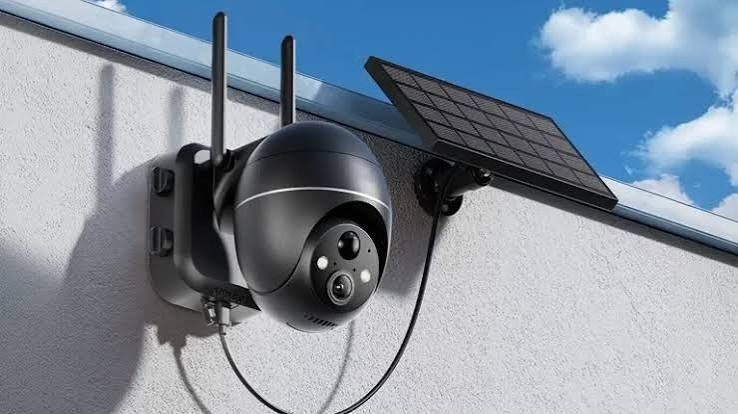
Factories, warehouses and manufacturing facilities contain valuable machinery, raw materials, finished products, vehicles and specialised equipment. Protecting these assets while maintaining safe and efficient operations is essential for industrial businesses.
As Uganda’s industrial and manufacturing sectors continue to develop, businesses increasingly need reliable security systems that provide visibility across large and complex facilities. Traditional security measures such as perimeter fencing, security personnel and physical access restrictions remain important, but they can be strengthened through modern video surveillance technology.
Industrial CCTV systems in Uganda provide factories, warehouses and manufacturing facilities with advanced surveillance capabilities for monitoring production areas, storage sections, loading bays, entrances, perimeter boundaries and other critical operational locations.
Modern industrial CCTV systems do more than record video footage. They can support remote monitoring, incident investigation, access control integration, vehicle monitoring and operational oversight. Advanced technologies such as high-definition IP cameras, thermal imaging, video analytics and centralised monitoring platforms make it possible to manage security across extensive industrial properties.
However, industrial surveillance requires a different approach from ordinary residential or office CCTV installation. Factories and warehouses often operate in demanding environments involving dust, heat, vibration, moisture, heavy machinery and continuous movement of people and vehicles.
Selecting the right cameras, designing effective coverage, installing suitable network infrastructure and configuring reliable recording systems are therefore essential.
Whether you operate a manufacturing plant, distribution warehouse, food processing facility, industrial park or production factory, investing in a professionally designed industrial CCTV system can improve security visibility and support better facility management.
This guide explains everything you need to know about industrial CCTV systems, including camera types, applications, installation procedures, benefits, costs, maintenance and how to choose the right industrial CCTV installation company in Uganda.
What Are Industrial CCTV Systems?
Industrial CCTV systems are specialised video surveillance solutions designed to monitor and protect factories, warehouses, manufacturing plants and other industrial facilities.
They use strategically installed cameras to capture activities across production areas, storage facilities, machinery zones, access points and external industrial environments.
Recorded footage is transmitted to DVRs, NVRs or centralised video management systems, allowing authorised personnel to monitor activities and investigate incidents.
A typical industrial CCTV system may include:
- High-resolution industrial security cameras.
- Indoor and outdoor surveillance cameras.
- Network Video Recorders (NVRs).
- Digital Video Recorders (DVRs) for compatible analogue systems.
- Surveillance-grade storage devices.
- Network switches and structured cabling.
- Fibre-optic communication infrastructure where required.
- Power supply equipment.
- Uninterruptible Power Supply (UPS) systems.
- Monitoring screens and control stations.
- Remote monitoring software.
- Video management systems.
- Camera mounting brackets and protective housings.
Depending on the facility’s security requirements, the system may also include thermal cameras, explosion-protected cameras for suitable hazardous environments, automatic number plate recognition and intelligent video analytics.
A properly designed industrial surveillance system provides continuous visibility over important areas and helps security teams respond more effectively to reported incidents.
Why Industrial CCTV Systems Are Important for Factories and Warehouses
Industrial facilities face security and operational challenges that require reliable monitoring solutions.
From protecting expensive machinery to monitoring inventory movements, CCTV surveillance plays an important role in modern industrial security management.
1. Protection of Industrial Assets and Equipment
Factories and manufacturing facilities contain valuable machinery, production equipment, electrical installations, tools and specialised technology.
Warehouses also store raw materials, finished products and other valuable inventory.
Industrial CCTV cameras help monitor these assets and provide recorded footage that may assist in investigating theft, vandalism, equipment interference and unauthorised activities.
2. Prevention of Theft and Unauthorised Access
Industrial facilities often have multiple entrances, loading bays, storage areas and restricted operational zones.
Without suitable surveillance coverage, monitoring these locations can be challenging.
CCTV cameras help security personnel observe activities around important access points and identify suspicious behaviour.
Visible cameras may also discourage opportunistic theft and unauthorised access.
3. Monitoring Manufacturing Operations
CCTV systems can provide visual monitoring of selected production areas.
Managers may use footage to review activities around machinery, production lines, material handling zones and other operational spaces.
This can support internal investigations and operational reviews.
However, CCTV should complement rather than replace dedicated industrial process monitoring and safety control systems.
4. Improved Warehouse Inventory Security
Warehouses often handle large volumes of goods, making inventory security a major concern.
CCTV cameras can monitor receiving points, dispatch sections, storage areas and loading bays.
Recorded footage may help businesses investigate discrepancies involving goods received, stored or dispatched.
5. Monitoring Employee and Contractor Access
Industrial facilities may accommodate employees, contractors, suppliers, visitors and delivery personnel.
CCTV cameras installed at appropriate entrances can help monitor movement and support access management.
When integrated with access control systems, surveillance can provide visual context around controlled entry points.
6. Improved Workplace Security
Factories and warehouses contain areas where movement of vehicles, machinery and people must be carefully managed.
CCTV systems can help security and facility management teams observe selected common areas and investigate reported safety incidents.
Camera placement should avoid creating unnecessary privacy intrusion or replacing required workplace safety controls.
7. Remote Monitoring of Industrial Facilities
Modern IP CCTV systems allow authorised managers to access live footage remotely.
This is particularly useful for industrial businesses managing multiple warehouses, factories or production locations.
Remote monitoring can provide visibility into selected facility areas without requiring managers to be physically present at every location.
8. Support for Incident Investigation
Industrial CCTV recordings can assist in investigating:
- Theft of equipment and materials.
- Unauthorised entry.
- Vehicle-related incidents.
- Property damage.
- Stock discrepancies.
- Workplace incidents.
- Security breaches.
- Disputes involving deliveries and dispatch operations.
The usefulness of recordings depends on camera placement, image quality, system availability and footage retention.
Types of Industrial CCTV Cameras Used in Factories and Warehouses
Selecting the appropriate cameras is essential because industrial environments often have demanding surveillance requirements.
Different cameras are designed for specific applications and operating conditions.
1. Industrial IP CCTV Cameras
IP cameras transmit digital video through network connections.
They are widely used in modern industrial surveillance installations because they support high-resolution imaging, remote monitoring and integration with network video management systems.
Their advantages include:
- High-definition video recording.
- Network-based communication.
- Flexible system expansion.
- Remote monitoring.
- Integration with compatible security technologies.
- Support for advanced video analytics.
They are suitable for manufacturing facilities, distribution centres, warehouses and industrial compounds.
2. Bullet CCTV Cameras
Bullet cameras have a cylindrical design and are commonly used for outdoor surveillance.
They are suitable for monitoring:
- Factory entrances.
- Warehouse loading bays.
- Industrial perimeter walls.
- Vehicle parking areas.
- External storage facilities.
- Access roads.
Many models include infrared night vision and weather-resistant housings.
3. Dome CCTV Cameras
Dome cameras have a rounded housing and are commonly installed indoors.
They are suitable for:
- Factory corridors.
- Warehouse interiors.
- Administrative offices.
- Reception areas.
- Production support areas.
- Indoor storage facilities.
Vandal-resistant dome models may be appropriate in locations where cameras could be exposed to physical interference.
4. PTZ CCTV Cameras
Pan-Tilt-Zoom cameras allow authorised operators to adjust the camera direction and zoom remotely.
They are useful for monitoring extensive industrial environments such as:
- Large factory compounds.
- Warehouse yards.
- Industrial parking facilities.
- Loading and dispatch areas.
- Large outdoor production environments.
PTZ cameras provide flexible coverage, although fixed cameras may also be required to continuously monitor important locations.
5. Thermal CCTV Cameras
Thermal cameras detect heat patterns rather than relying entirely on visible light.
They can be useful in specialised industrial applications where conventional cameras may struggle with darkness, smoke or challenging visibility conditions.
Potential applications include:
- Perimeter monitoring.
- Specialised equipment temperature observation.
- Selected industrial safety applications.
- Monitoring difficult outdoor environments.
Thermal cameras intended for security monitoring should not automatically be treated as substitutes for certified industrial temperature-monitoring or fire-detection equipment.
6. Explosion-Protected CCTV Cameras
Certain industrial environments contain flammable gases, vapours or combustible dust.
In these locations, ordinary CCTV cameras may be unsuitable.
Explosion-protected cameras are designed and certified for specific hazardous-area classifications and applicable installation requirements.
They may be used in selected chemical processing facilities, fuel storage environments and other hazardous industrial locations.
Equipment selection must be based on the site’s hazardous-area assessment and applicable certification requirements.
7. Weatherproof Industrial CCTV Cameras
Outdoor industrial cameras are often exposed to rain, dust, humidity, sunlight and temperature changes.
Weather-resistant cameras with suitable Ingress Protection (IP) ratings help protect equipment against environmental exposure.
The correct rating depends on the installation location and operating conditions.
8. Fisheye and Panoramic Cameras
Fisheye cameras provide wide-angle coverage and can monitor large indoor spaces from selected mounting points.
They may be suitable for warehouse floors, production halls and large commercial-industrial spaces.
However, the installation must account for image distortion and the ability to identify important details.
Industrial CCTV Applications in Different Facilities
Industrial facilities have different layouts, security priorities and operating requirements.
A surveillance system should therefore be customised according to the nature of the business.
1. CCTV Systems for Manufacturing Plants
Manufacturing plants contain production lines, raw materials, machinery and finished goods.
CCTV cameras can monitor:
- Production floor entrances.
- Manufacturing lines.
- Machinery access zones.
- Raw material storage.
- Finished goods sections.
- Loading and unloading areas.
- External boundaries.
Surveillance can help managers review selected activities and investigate security or operational incidents.
2. CCTV Systems for Warehouses
Warehouses require extensive surveillance because of their large storage areas and continuous movement of goods.
Cameras can be installed around:
- Main warehouse entrances.
- Goods receiving points.
- Dispatch sections.
- Storage aisles.
- Loading bays.
- Vehicle movement routes.
- External yards.
- Inventory handling areas.
A well-planned system can help improve visibility over stock movement and warehouse access.
3. CCTV Systems for Food Processing Facilities
Food processing facilities often have specialised production environments with hygiene and sanitation requirements.
CCTV cameras may be installed in appropriate areas to monitor entrances, production support spaces, storage sections and loading facilities.
Camera housings and installation methods should be selected to suit cleaning procedures, moisture exposure and the facility’s hygiene requirements.
4. CCTV Systems for Pharmaceutical Manufacturing
Pharmaceutical manufacturing facilities handle sensitive materials, specialised equipment and controlled production environments.
CCTV systems may be used to monitor authorised access points, storage areas and selected operational spaces.
The surveillance design should align with applicable industry requirements, facility procedures and data protection policies.
5. CCTV Systems for Industrial Parks
Industrial parks contain multiple facilities, access roads, parking areas and shared infrastructure.
A centralised surveillance system can help security personnel monitor selected shared spaces and external boundaries.
Fibre-optic networks and central video management platforms may be appropriate for larger installations.
6. CCTV Systems for Distribution Centres
Distribution centres handle goods arriving from suppliers and leaving for customers.
CCTV cameras can monitor vehicle entry, goods receiving, loading, dispatch and storage operations.
This can support investigations into missing goods, delivery disputes and unauthorised access.
7. CCTV Systems for Heavy Industrial Facilities
Heavy industrial environments may include machinery, metal processing equipment, large vehicles and demanding operating conditions.
Surveillance equipment must be selected according to factors such as vibration, dust, heat, moisture and installation height.
Specialised protective housings and suitable mounting arrangements may be necessary.
Strategic CCTV Camera Placement in Industrial Facilities
Effective camera positioning is one of the most important aspects of industrial CCTV system design.
A surveillance system should cover critical locations while minimising blind spots.
1. Main Entrance and Exit Points
Industrial facilities often have separate entrances for employees, visitors, contractors and vehicles.
Cameras should monitor these locations to record access activities and support security management.
2. Factory Production Areas
Production floors may require cameras to monitor selected operational spaces, machinery access areas and production support activities.
Camera positioning should account for equipment obstructions, lighting and workplace safety requirements.
3. Warehouse Storage Areas
Cameras should cover important storage sections, aisles and inventory handling locations.
For high-rack warehouses, suitable camera heights and viewing angles are essential.
4. Loading and Unloading Bays
Loading bays are important surveillance locations because goods and vehicles frequently move through them.
Cameras can help monitor loading activities, delivery vehicles and access to goods handling areas.
5. Industrial Perimeter Boundaries
Outdoor cameras can monitor selected boundary areas, gates and access roads.
Large facilities may require a combination of fixed cameras, PTZ cameras and specialised perimeter surveillance technologies.
6. Machinery and Equipment Zones
Selected machinery areas may benefit from surveillance to help investigate reported incidents and monitor access.
CCTV should not replace machine guards, emergency stops, safety interlocks or dedicated equipment monitoring systems.
7. Parking and Vehicle Movement Areas
Industrial facilities often accommodate delivery trucks, employee vehicles, forklifts and other machinery.
Camera placement should consider vehicle movement patterns and potential obstructions.
8. Server Rooms and Restricted Areas
Server rooms, electrical control rooms and other restricted areas may require additional monitoring.
Cameras can complement access control systems to help document entry and exit activities.
Wired vs Wireless CCTV Systems for Industrial Facilities
Choosing the right connection method is important when designing an industrial surveillance network.
Wired Industrial CCTV Systems
Wired CCTV systems use physical cabling to transmit video and, in some cases, supply power to cameras.
Advantages include:
- Reliable communication when properly installed.
- Consistent video transmission.
- Support for high-resolution cameras.
- Suitability for large permanent installations.
- Easier integration with structured network infrastructure.
- Reduced dependence on wireless coverage.
Ethernet cabling and fibre-optic communication links are common options in larger industrial installations.
Wireless Industrial CCTV Systems
Wireless cameras transmit video through wireless network connections.
They may be useful in locations where installing physical cables is difficult or expensive.
However, industrial environments can contain metal structures, machinery and other sources of wireless interference.
Network coverage, signal strength, cybersecurity and power availability must therefore be evaluated carefully.
Which System Is Best for Industrial Facilities?
For most permanent factory and warehouse installations, wired IP CCTV systems provide a strong foundation because of their connection reliability and scalability.
Fibre-optic infrastructure can also be useful where cameras are distributed across large industrial sites or require long-distance communication.
Wireless solutions can complement wired infrastructure in selected locations.
The Industrial CCTV Installation Process
Industrial CCTV installation requires careful planning to ensure that surveillance equipment performs reliably in demanding operating environments.
The following are the main installation stages.
Step 1: Industrial Site Assessment
The process begins with an assessment of the facility.
The installation team evaluates:
- Factory or warehouse layout.
- Number of entrances and exits.
- Production areas.
- Storage facilities.
- Loading and dispatch zones.
- Industrial perimeter boundaries.
- Lighting conditions.
- Dust, moisture and temperature exposure.
- Existing electrical and network infrastructure.
- Hazardous-area classifications where applicable.
This information helps determine the system requirements.
Step 2: CCTV System Design and Coverage Planning
After the assessment, a surveillance layout is developed.
The design identifies camera locations, viewing angles, network routes, recording equipment and monitoring points.
For large industrial sites, the design should consider camera bandwidth, storage capacity, network redundancy and future expansion.
Step 3: Selection of Industrial CCTV Equipment
Equipment is selected according to the operating conditions and surveillance objectives.
This may include:
- High-resolution IP cameras.
- Weather-resistant outdoor cameras.
- Industrial dome and bullet cameras.
- PTZ cameras.
- Thermal cameras.
- Explosion-protected cameras where required.
- NVR recording systems.
- Surveillance hard drives.
- Network switches.
- Fibre-optic equipment.
- UPS systems.
- Monitoring displays.
- Protective housings and mounting accessories.
All components should be compatible with the intended system design.
Step 4: Camera Mounting and Installation
Cameras are mounted at suitable locations to provide the required coverage.
The installer considers height, viewing angles, lighting, vibration, equipment movement and environmental exposure.
In demanding industrial environments, suitable mounting brackets and protective enclosures may be required.
Step 5: Network Cabling and Power Installation
The installation team establishes communication and power connections.
PoE technology may be used with compatible cameras to transmit data and power over Ethernet cabling.
Larger facilities may use fibre-optic links to connect remote camera groups to central network equipment.
Cabling should be properly routed and protected from physical damage, heat, moisture and electromagnetic interference where relevant.
Step 6: NVR and Video Management Configuration
The recording and video management systems are configured to receive and store footage.
Configuration may include:
- Camera identification.
- Recording schedules.
- Video resolution.
- Motion detection.
- Event notifications.
- User access permissions.
- Storage allocation.
- Video retention settings.
Step 7: Remote Monitoring and Control Room Setup
Industrial CCTV systems may be connected to a central security control room.
Authorised personnel can monitor multiple cameras using dedicated screens and video management software.
Remote access may also be configured for approved managers and security supervisors.
Step 8: Testing and Commissioning
The complete system should undergo testing before handover.
Testing should cover:
- Image quality.
- Camera viewing angles.
- Day and night performance.
- Recording and playback.
- Network connectivity.
- Storage functionality.
- Remote access.
- Power backup.
- Video management functions.
- Integration with other security systems.
The system should be commissioned against the agreed project specifications.
How Much Do Industrial CCTV Systems Cost in Uganda?
The cost of industrial CCTV installation in Uganda varies according to facility size, camera specifications, installation complexity and system requirements.
A small warehouse will generally require a different investment from a large manufacturing plant or industrial park.
Several factors influence the total project cost.
1. Number of Cameras
The number of cameras directly affects equipment requirements and installation work.
Large industrial facilities may require many cameras to monitor production areas, loading bays, storage sections and perimeter boundaries.
2. Camera Specifications
Standard IP cameras, PTZ cameras, thermal cameras and explosion-protected models have different prices and technical capabilities.
Specialised equipment designed for demanding industrial environments may require a higher investment.
3. Size of the Facility
Large factories and warehouses may require extensive cabling, additional network switches, fibre-optic links and more complex installation arrangements.
4. Network Infrastructure
Industrial CCTV networks may require structured cabling, fibre-optic connections, managed switches and network redundancy.
These components can influence the overall project budget.
5. Video Storage Requirements
The storage system must support the number of cameras and the desired footage retention period.
Factors include:
- Camera resolution.
- Frame rate.
- Compression technology.
- Number of recording channels.
- Continuous or event-based recording.
- Required retention period.
6. Environmental Protection
Industrial cameras may require weather-resistant housings, vibration-resistant mounting arrangements or specialised protective enclosures.
7. Monitoring and Video Management
Large surveillance systems may require centralised video management software, monitoring displays and control room equipment.
8. Backup Power and Redundancy
Industrial businesses may require UPS equipment, backup power systems and redundant network connections to improve surveillance availability.
How to obtain an accurate quotation: Request a professional industrial site assessment and detailed system design. The quotation should identify the equipment, camera locations, network infrastructure, recording capacity, installation work and maintenance arrangements.
Advanced Technologies Used in Modern Industrial CCTV Systems
Modern industrial surveillance systems can include advanced technologies that improve monitoring capabilities.
1. Video Analytics
Video analytics software can automatically identify selected activities within camera footage.
Depending on the system, features may include:
- Intrusion detection.
- Line-crossing detection.
- Restricted-area monitoring.
- People counting.
- Object detection.
- Unattended object detection.
- Vehicle detection.
These features can help security teams focus on important events rather than continuously monitoring every camera manually.
2. Automatic Number Plate Recognition
Automatic Number Plate Recognition (ANPR) technology captures and analyses vehicle registration plates.
It can be useful for monitoring vehicles entering and leaving industrial compounds, warehouses and distribution centres.
3. Thermal Imaging
Thermal imaging cameras detect heat patterns and can support specialised surveillance applications.
In certain industrial settings, thermal cameras can also be used for equipment temperature observation when the selected equipment is designed and calibrated for that purpose.
4. Centralised Video Management Systems
Video Management Systems allow operators to manage multiple cameras and recording devices through one platform.
They are especially useful for large manufacturing facilities, warehouses and industrial parks.
5. Intelligent Motion Detection
Advanced motion detection can distinguish selected types of activity and generate alerts based on configured rules.
This may help reduce unnecessary notifications caused by irrelevant movement.
6. Remote Surveillance
Authorised managers can access compatible surveillance systems remotely, improving visibility over multiple industrial locations.
7. Cloud and Hybrid Video Storage
Some systems support cloud or hybrid recording solutions.
Businesses should consider bandwidth, subscription costs, data security, privacy and business continuity before selecting cloud storage.
For many industrial applications, local recording remains important even when remote or cloud services are used.
Integrating Industrial CCTV with Other Security and Building Systems
CCTV systems can be integrated with other technologies to create a more comprehensive industrial security environment.
CCTV and Access Control Systems
Access control manages entry into restricted areas, while CCTV provides visual monitoring.
Integration allows authorised personnel to review camera footage associated with access events.
CCTV and Intruder Alarm Systems
Intruder alarms detect selected security events.
When integrated with CCTV, alarm notifications can be linked to relevant camera views to support faster investigation.
CCTV and Fire Detection Systems
CCTV can complement fire safety arrangements by providing visual information from selected facility areas.
However, CCTV does not replace approved fire detection, alarm or suppression systems.
CCTV and Building Management Systems
Industrial facilities may integrate surveillance with broader building management platforms.
This can support centralised facility monitoring and coordination of selected building technologies.
CCTV and Industrial Automation Systems
In selected applications, surveillance can be integrated with operational monitoring platforms.
Such integration should be carefully designed to maintain separation between security networks and critical industrial control systems.
CCTV should not replace dedicated process instrumentation, machine safety systems or industrial control protections.
Common Industrial CCTV Installation Mistakes to Avoid
Industrial facilities should avoid mistakes that can compromise surveillance performance and reliability.
1. Failing to Conduct a Site Assessment
Installing cameras without understanding the facility layout may result in blind spots and unnecessary equipment costs.
A proper site assessment is essential.
2. Selecting Unsuitable Cameras
Ordinary cameras may not withstand extreme temperatures, dust, moisture or other demanding industrial conditions.
Choose equipment designed for the intended environment.
3. Ignoring Lighting Conditions
Poor lighting can reduce image quality and make important details difficult to identify.
Consider low-light cameras, infrared illumination and suitable environmental lighting.
4. Poor Camera Positioning
Incorrect viewing angles and mounting heights can limit coverage.
Camera positions should be planned according to the monitoring objectives.
5. Inadequate Network Capacity
Large industrial CCTV installations generate substantial video traffic.
Network infrastructure should be designed to handle the number of cameras and required video quality.
6. Insufficient Video Storage
Inadequate recording capacity may result in important footage being overwritten too soon.
Storage requirements should be calculated before installation.
7. Ignoring Power Backup
Power interruptions can affect surveillance operations.
Suitable UPS and backup arrangements should be considered according to the facility’s security priorities.
8. Poor Cybersecurity
Network-connected cameras and recording systems must be protected against unauthorised access.
Use strong passwords, firmware updates, access restrictions and appropriate network segmentation.
9. Neglecting Maintenance
Industrial conditions can accelerate equipment wear and affect camera performance.
Establish a regular inspection and servicing programme.
Industrial CCTV Maintenance and Servicing
Regular maintenance is essential for keeping industrial surveillance systems reliable.
Dust, vibration, heat, moisture and continuous operation can affect cameras, cables and recording equipment.
Important maintenance activities include:
- Cleaning camera lenses and protective housings.
- Checking camera brackets and mounting structures.
- Inspecting cables and connectors.
- Testing network connectivity.
- Checking image quality.
- Testing infrared and low-light performance.
- Reviewing NVR and DVR recording functionality.
- Checking storage health and available capacity.
- Testing UPS equipment.
- Updating supported firmware.
- Reviewing user access permissions.
- Checking system integration.
- Testing remote monitoring.
Factories and warehouses should establish maintenance schedules based on equipment specifications, environmental conditions and the importance of continuous surveillance.
Cybersecurity Considerations for Industrial CCTV Systems
Modern industrial CCTV systems frequently operate over IP networks, which means cybersecurity must be part of the installation design.
Poorly secured cameras and recording devices can expose surveillance systems to unauthorised access.
Businesses should consider the following measures:
Strong Passwords: Change default passwords and use strong, unique credentials for cameras, NVRs and management accounts.
Network Segmentation: Where appropriate, separate CCTV networks from critical production and industrial control networks.
Access Control: Restrict system access to authorised personnel and assign permissions according to job responsibilities.
Firmware Updates: Install security updates provided by equipment manufacturers.
Secure Remote Access: Use secure remote access methods and avoid exposing cameras and recording equipment directly to the public internet.
System Monitoring: Review network and device activity to identify unusual behaviour.
Backup and Recovery: Maintain appropriate configuration backups and recovery procedures.
Industrial CCTV cybersecurity should form part of the wider facility cybersecurity strategy.
Privacy and Legal Considerations for Industrial CCTV Installation in Uganda
Industrial CCTV surveillance must balance security requirements with the privacy rights of employees, contractors, visitors and other individuals.
Businesses should consider Uganda’s Data Protection and Privacy Act, 2019, and applicable regulations when collecting and processing personal data through surveillance systems.
Important considerations include:
- Establishing legitimate security purposes for surveillance.
- Informing employees and visitors about CCTV monitoring where required.
- Using appropriate surveillance notices.
- Avoiding unnecessary monitoring of private spaces.
- Restricting access to recorded footage.
- Protecting stored recordings against unauthorised access.
- Establishing appropriate retention and deletion procedures.
- Using footage only for legitimate and lawful purposes.
Organisations should also consider whether their CCTV arrangements create additional data protection obligations and seek professional legal guidance where necessary.
How to Choose the Best Industrial CCTV Installation Company in Uganda
Selecting an experienced installation provider is essential for successful industrial surveillance.
Industrial environments require technical knowledge beyond ordinary residential CCTV installation.
Consider the following factors before choosing a service provider.
1. Industrial Installation Experience
Choose a company with relevant experience in factories, warehouses and large commercial or industrial environments.
The provider should understand the challenges associated with extensive camera coverage and demanding operating conditions.
2. Technical Expertise
The installation team should understand IP cameras, NVR systems, fibre-optic networks, video management software and industrial security integration.
3. Quality of Equipment
Ask about camera specifications, environmental protection ratings, recording equipment and warranties.
Equipment should be suitable for the actual installation environment.
4. Professional System Design
A reliable provider should conduct a site assessment and prepare a surveillance coverage plan before installation.
5. Installation Standards
Check whether the company uses appropriate mounting equipment, cable protection, network configuration and testing procedures.
6. Cybersecurity Awareness
Choose a provider that understands secure camera configuration, user permissions, network segmentation and remote access protection.
7. After-Sales Support
Industrial surveillance systems require ongoing technical support and maintenance.
Ask about troubleshooting services, inspection schedules and equipment warranty arrangements.
8. Transparent Project Pricing
Request a detailed quotation covering equipment, installation, network infrastructure, recording capacity, configuration and maintenance.
Compare the technical specifications and complete value of each proposal.
Why Choose Daltrevco for Industrial Building and Security Solutions?
Factories, warehouses and manufacturing facilities require security solutions designed around their operational environments.
Daltrevco focuses on building-related solutions for businesses, property owners and institutions seeking to improve their facilities.
When planning industrial CCTV and security projects, important priorities include:
- Assessing the facility’s security requirements.
- Identifying critical surveillance locations.
- Selecting suitable cameras and recording equipment.
- Planning reliable cabling and network infrastructure.
- Considering environmental protection requirements.
- Configuring recording and monitoring systems.
- Testing and commissioning installed equipment.
- Considering future expansion and maintenance.
Whether you operate a manufacturing plant, distribution warehouse, processing facility or industrial complex, a properly planned surveillance system can support better security management.
Visit Daltrevco to explore the company’s building and security solutions and make an enquiry about your industrial facility requirements.
Frequently Asked Questions About Industrial CCTV Systems
1. What are industrial CCTV systems?
Industrial CCTV systems are video surveillance solutions designed for factories, warehouses, manufacturing plants and other industrial environments. They help monitor production areas, storage facilities, access points and external property boundaries.
2. Which CCTV cameras are best for factories?
IP cameras, bullet cameras, dome cameras and PTZ cameras are common options for factories. Specialised thermal or explosion-protected cameras may be required for certain industrial applications.
3. How many CCTV cameras does a warehouse need?
The number depends on warehouse size, storage layout, entrances, loading bays, vehicle movement and security requirements. A professional site assessment helps determine the appropriate number and placement.
4. How much does industrial CCTV installation cost in Uganda?
The cost depends on the number of cameras, camera specifications, network infrastructure, storage capacity, facility size and installation complexity. A detailed site assessment is recommended for an accurate quotation.
5. Can industrial CCTV systems operate at night?
Yes. Cameras with infrared night vision, low-light technology or suitable thermal imaging capabilities can support surveillance in dark environments.
6. Can industrial CCTV cameras be monitored remotely?
Yes. Modern IP surveillance systems support remote monitoring through compatible computers and mobile devices, provided the system has suitable connectivity and secure access configuration.
7. Can CCTV systems monitor factory production lines?
Yes. Cameras can provide visual monitoring of selected production areas and machinery zones. However, they should complement rather than replace dedicated industrial monitoring and machine safety systems.
8. What is the difference between industrial and ordinary CCTV cameras?
Industrial CCTV cameras may be designed with additional environmental protection, specialised housings, greater durability and features suited to demanding operating conditions. The appropriate specification depends on the actual installation environment.
9. Can industrial CCTV integrate with access control?
Yes. Compatible surveillance and access control systems can be integrated to provide visual monitoring of controlled entrances and restricted areas.
10. How often should industrial CCTV systems be maintained?
Maintenance frequency depends on operating conditions, equipment specifications and security requirements. Industrial cameras exposed to dust, vibration and moisture may need more frequent inspections.
Conclusion: Invest in Reliable Industrial CCTV Systems for Better Facility Security
Factories, warehouses and manufacturing facilities require effective surveillance to protect valuable assets, monitor access points and improve security visibility across their operations.
Modern industrial CCTV systems provide businesses with high-resolution video recording, remote monitoring, intelligent analytics and integration with other security technologies.
However, the effectiveness of an industrial surveillance system depends on selecting suitable equipment, planning camera coverage, installing reliable network infrastructure, providing sufficient video storage and implementing appropriate cybersecurity measures.
Whether you operate a small manufacturing facility, a large warehouse, a distribution centre or an industrial park, investing in a professionally designed CCTV system can strengthen your security arrangements and support more effective facility management.
Daltrevco encourages industrial businesses to prioritise reliable building security and appropriate surveillance solutions when planning, upgrading or managing their facilities.
Visit www.daltrevco.com to explore building and security solutions and make an enquiry about your industrial CCTV requirements.