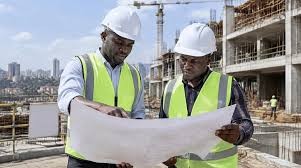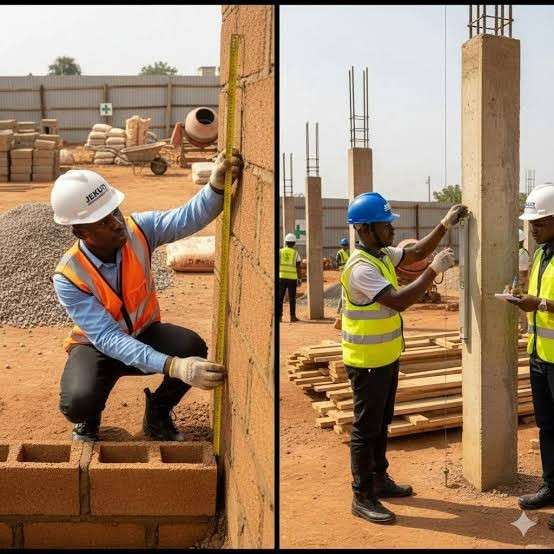
Construction projects require more than good architectural designs, quality building materials and skilled contractors. They also need effective supervision to ensure that construction activities are carried out according to approved drawings, technical specifications, contractual requirements and recognised building practices.
Whether you are constructing a residential house, commercial building, apartment complex, warehouse, factory or infrastructure project, professional site supervision plays an important role in achieving the expected quality and performance of the completed structure.
In Uganda, construction projects can involve multiple contractors, suppliers, consultants, technicians and workers. Without proper coordination and regular monitoring, mistakes may go unnoticed, construction activities may fall behind schedule, materials may be wasted and defects may become expensive to correct.
Professional site supervision in Uganda helps property owners, developers and project stakeholders monitor construction activities, identify problems early, maintain quality standards and improve accountability throughout the building process.
This guide explains what construction supervision services involve, why professional site supervision matters, the responsibilities of a site supervisor, common construction problems supervision helps prevent and how to choose suitable supervision services for your project.
What Are Construction Supervision Services?
Construction supervision services involve monitoring and overseeing construction activities to help ensure that work is performed in accordance with approved designs, technical specifications, contractual requirements, construction programmes and applicable regulations.
Site supervision provides an important link between project planning and actual construction. It helps ensure that the work taking place on site reflects the requirements established during the design and procurement stages.
Professional supervision may involve monitoring:
- Construction workmanship and quality.
- Building materials delivered and used on site.
- Compliance with approved drawings and specifications.
- Construction progress and work schedules.
- Contractor performance and coordination.
- Health and safety practices.
- Construction methods and sequencing.
- Site records, reports and identified defects.
- Testing and inspection requirements.
- Corrective actions for defective or incomplete work.
The scope of supervision depends on the project type, contractual arrangements, professional appointments and the qualifications of the appointed personnel.
For example, supervising a residential house may involve monitoring foundation works, wall construction, roofing, plumbing, electrical installations and finishing. A large commercial or industrial development may require more specialised supervision and coordination across structural, mechanical, electrical and other technical disciplines.
Why Professional Site Supervision Matters in Uganda
Construction supervision is important because even a well-designed project can experience problems during implementation. Drawings may be misunderstood, materials may not meet specifications, construction methods may be unsuitable and different contractors may fail to coordinate their activities.
Professional site supervision helps reduce these risks through regular monitoring, technical coordination, documentation and timely communication.
1. Ensures Construction Work Follows Approved Drawings
Approved construction drawings provide the technical information required to execute a building project. They communicate dimensions, layouts, structural details, building components and installation requirements.
However, construction teams must interpret and implement these drawings correctly.
Without adequate supervision, contractors may make unauthorised changes, use incorrect dimensions, position building components incorrectly or overlook important technical details.
Professional site supervision helps check whether construction activities follow the relevant approved drawings and specifications.
This may involve monitoring:
- Building setting out and dimensions.
- Foundation positions and levels.
- Column, beam and slab locations.
- Wall alignment and openings.
- Roof structures and connections.
- Plumbing and drainage layouts.
- Electrical installation routes.
- Finishing details and material specifications.
Where discrepancies or design conflicts are identified, the appropriate designer or responsible professional should be consulted before changes are implemented.
This helps reduce construction errors and improves consistency between the approved design and the finished building.
2. Improves Construction Quality
Quality is one of the most important considerations in any construction project. Poor workmanship can result in structural defects, water leakage, uneven finishes, cracking, damaged installations and costly repairs.
Professional site supervision helps establish a consistent approach to quality monitoring throughout construction.
A supervisor may inspect workmanship, review material compliance, observe construction methods and ensure that required inspections and tests are carried out.
Examples include:
- Checking reinforcement placement before concrete is poured.
- Monitoring formwork alignment and stability.
- Confirming that concrete is placed and cured appropriately.
- Checking blockwork alignment and joint consistency.
- Inspecting roof installation and waterproofing details.
- Monitoring plastering, tiling and painting quality.
- Checking plumbing and electrical installation workmanship.
Some activities become difficult or expensive to inspect after they are covered by subsequent work. For example, reinforcement, underground drainage and concealed electrical or plumbing installations should be inspected at the appropriate stages.
The responsible technical professionals should define the required inspection and testing procedures for the project.
3. Helps Prevent Costly Construction Mistakes
Construction mistakes can increase project costs through material wastage, demolition, rework, delays and additional labour requirements.
A relatively small error during the early stages of construction can become a major problem if it is not identified promptly.
For example, incorrect foundation positioning may affect wall alignment, room dimensions and other building components. Similarly, poorly coordinated plumbing installations may require breaking completed floors or walls to correct the problem.
Professional supervision helps identify potential errors before they affect additional construction activities.
It can also improve accountability by documenting defects, notifying responsible parties and monitoring corrective work.
Although supervision cannot eliminate every construction risk, early identification of problems can reduce avoidable expenditure.
4. Monitors Construction Progress and Project Timelines
Construction projects involve activities that must be completed in a logical sequence. Delays in one activity can affect other activities and extend the overall project duration.
For example, delays in foundation completion may affect wall construction, roofing and subsequent finishing activities.
Professional site supervision helps monitor progress against the agreed construction programme.
This may involve:
- Reviewing planned and actual progress.
- Monitoring contractor activities.
- Identifying delayed tasks.
- Checking whether required materials are available.
- Coordinating activities between different trades.
- Reporting obstacles affecting construction.
- Following up on agreed corrective measures.
A supervisor can help identify delays and communicate them to the project manager or relevant stakeholders.
However, the responsibility for approving changes to the construction programme, granting extensions of time or determining contractual delay claims depends on the project contract and appointed authorities.
5. Improves Contractor Coordination
Many construction projects involve several contractors and specialist service providers.
A residential development may involve a main contractor, plumbers, electricians, roof installers, painters, tilers and suppliers.
Commercial and industrial developments may involve even more specialised teams.
When contractors work without adequate coordination, problems can occur. One contractor may complete work that another contractor needs to access, materials may arrive at the wrong time, and different installations may conflict.
Professional site supervision supports coordination by monitoring the sequence of work, identifying interface problems and communicating site requirements.
For example:
- Electrical conduits should be coordinated with structural and architectural requirements.
- Plumbing routes should be planned before walls and floors are closed.
- Ceiling installations should account for lighting, ventilation and other services.
- External drainage should be coordinated with site levels and access routes.
- Finishing works should follow the appropriate completion of preceding installations.
Effective coordination reduces unnecessary interruptions and helps construction activities proceed in an organised manner.
6. Supports Better Construction Material Management
Building materials represent a significant part of construction expenditure. Poor material management can lead to theft, damage, wastage, incorrect use and unnecessary purchases.
Professional site supervision can help monitor how materials are received, stored and used.
Important material management activities may include:
- Checking delivered materials against purchase orders and specifications.
- Identifying visibly damaged or unsuitable materials.
- Monitoring storage conditions.
- Recording material deliveries where required.
- Observing material use and wastage.
- Confirming that specified products are used for the intended applications.
- Reporting shortages that may affect construction progress.
For example, cement should be stored in suitable dry conditions, reinforcement should be protected against contamination and damage, and materials requiring special handling should be stored according to their manufacturers’ instructions.
Where material testing or formal approval is required, the relevant procedures should be followed by the appropriately qualified personnel.
7. Promotes Construction Site Safety
Construction sites contain potential hazards associated with working at heights, excavation, lifting operations, electrical installations, machinery, moving vehicles and construction materials.
Poor site organisation and unsafe working practices can result in injuries, damage to property and project interruptions.
Site supervision can support safety management by monitoring whether contractors are following the project’s safety requirements and reporting unsafe conditions.
Supervision may include observing:
- Use of appropriate personal protective equipment.
- Safe access routes and site housekeeping.
- Excavation protection measures.
- Scaffolding and working-at-height arrangements.
- Electrical safety practices.
- Lifting operations and equipment use.
- Storage of construction materials.
- Site access and restricted areas.
- Emergency arrangements.
The supervisor’s safety responsibilities should be clearly defined. Site supervision does not replace the contractor’s legal health and safety obligations or the appointment of competent safety personnel where required.
8. Improves Communication and Reporting
Poor communication can create misunderstandings between property owners, consultants, contractors and suppliers.
For example, a contractor may proceed using outdated drawings, a client may not be informed about a technical problem, or different teams may have conflicting instructions.
Professional supervision helps establish clearer communication channels.
Regular site reports can provide information about:
- Work completed during the reporting period.
- Activities currently in progress.
- Planned activities for the next period.
- Materials delivered to the site.
- Labour and equipment availability.
- Quality inspections and test results.
- Defects and corrective actions.
- Safety observations.
- Delays and potential risks.
- Decisions required from the client or project team.
Accurate reporting allows stakeholders to understand what is happening on site and make better-informed decisions.
9. Helps Protect the Property Owner’s Interests
Property owners and developers invest substantial resources in construction projects. Many cannot spend every day monitoring contractors and checking technical work.
Professional site supervision provides an organised monitoring process that helps property owners understand whether construction activities are progressing as expected.
Depending on the appointment, the supervision team may review workmanship, monitor compliance with specifications, report deviations and follow up on corrective actions.
It can also help maintain records of site instructions, inspections, progress reports and other important project information.
However, the supervisor’s authority must be clearly established. A supervisor should not automatically be assumed to have authority to approve variations, certify payments, accept defective work or change contractual obligations unless the appointment and contract expressly provide for it.
10. Supports Better Project Completion and Handover
The completion stage is important because the building must be checked before it is handed over for occupation or use.
Incomplete work, defective installations and missing documentation can create problems after the property owner takes possession.
Professional supervision can support the completion process through inspections, defect recording and follow-up.
Depending on the project requirements, completion activities may include:
- Inspecting completed building components.
- Preparing a snagging or defects list.
- Monitoring correction of identified defects.
- Checking plumbing and electrical testing records.
- Reviewing relevant equipment commissioning documents.
- Confirming completion of agreed works.
- Collecting operation and maintenance information.
- Organising relevant handover documentation.
Final acceptance, certification and statutory approvals should be handled by the professionals and authorities authorised to undertake those functions.
Key Responsibilities of a Professional Construction Site Supervisor
The responsibilities of a site supervisor depend on the size, complexity and contractual structure of the project.
However, common responsibilities include the following.
1. Monitoring Daily Construction Activities
A site supervisor monitors ongoing construction activities to assess whether work is proceeding according to the agreed programme, drawings and technical specifications.
This includes observing contractors, identifying problems and communicating issues that require attention.
2. Inspecting Workmanship
The supervisor checks completed and ongoing work against relevant quality requirements.
Where work does not meet the specified standard, the issue should be documented and communicated to the responsible contractor or professional.
3. Reviewing Construction Materials
Material inspections help confirm that delivered materials correspond to the project’s requirements.
Where formal material approval or testing is required, the relevant procedures should be followed.
4. Monitoring Work Against the Construction Programme
The supervisor observes progress and reports delays or activities that are not proceeding as planned.
This information can help the project manager assess whether additional coordination or corrective action is necessary.
5. Coordinating Contractors and Site Teams
The supervisor helps monitor interfaces between different construction activities and communicates issues that may affect work sequencing.
6. Maintaining Site Records
Accurate records are essential for managing construction projects.
Depending on the agreed scope, these may include:
- Daily site reports.
- Site inspection records.
- Material delivery records.
- Photographic progress records.
- Non-conformance reports.
- Meeting minutes.
- Site instructions.
- Testing and inspection records.
- Progress reports.
7. Identifying Defects and Non-Conforming Work
When construction work does not comply with the relevant requirements, the supervisor records the issue and follows the agreed process for corrective action.
A non-conformance may relate to incorrect dimensions, poor workmanship, unsuitable materials or failure to follow an approved construction detail.
8. Reporting Project Risks
The supervisor communicates issues that could affect quality, cost, safety or progress.
These may include unsuitable ground conditions, material shortages, design conflicts, contractor delays and adverse weather.
9. Supporting Inspections and Testing
Certain construction activities require inspections or testing before work can proceed to the next stage.
The supervisor helps coordinate these activities and ensures that the required records are maintained.
Construction Activities That Require Professional Supervision
Professional supervision is valuable throughout construction, but some stages require particularly careful monitoring because errors can affect the safety, performance or durability of the building.
1. Site Preparation and Setting Out
<escape> </escape> <escape> </escape> Site preparation involves clearing, excavation, establishing working areas and preparing the ground for construction.
Supervision should help verify that setting-out activities follow the relevant drawings and survey information.
Important considerations include:
- Site boundaries and building positions.
- Building dimensions and orientation.
- Ground levels and drainage.
- Excavation locations.
- Access and working areas.
- Existing underground services.
Errors during setting out may affect the entire building, making early verification important.
2. Foundation Construction
Foundations transfer building loads to the supporting ground. Their design and construction must reflect the building requirements and ground conditions.
Supervision may involve monitoring excavation dimensions, founding levels, reinforcement placement, formwork, concrete placement and other specified inspections.
Where unexpected ground conditions are encountered, the responsible structural or geotechnical professional should assess the implications before construction proceeds.
3. Reinforced Concrete Works
Concrete works require appropriate materials, workmanship and construction procedures.
Important supervision considerations include:
- Reinforcement size, spacing and positioning.
- Concrete mix requirements.
- Formwork dimensions and stability.
- Concrete placement procedures.
- Compaction and curing.
- Required sampling and testing.
- Construction joints and specified details.
Reinforcement and formwork should be inspected at the required stage before concrete is placed.
4. Wall Construction and Masonry
Wall construction affects building dimensions, structural performance where applicable and the quality of internal and external finishes.
Supervision may check:
- Wall alignment and verticality.
- Block or brick quality.
- Mortar preparation and application.
- Joint consistency.
- Openings for doors and windows.
- Lintels and specified reinforcement.
- Connection details.
- Damp-proofing requirements.
5. Roofing Installation
Roofing protects the building from weather and contributes to its overall durability.
Supervision may monitor roof framing, structural connections, roof covering, flashings, gutters and rainwater drainage.
Poor installation can result in leaks, water damage and premature deterioration.
6. Plumbing and Drainage Installation
Plumbing and drainage systems must be installed according to the approved design and relevant technical requirements.
Important inspection areas include:
- Water supply pipe routes.
- Pipe sizes and connections.
- Drainage gradients.
- Inspection chambers.
- Wastewater connections.
- Leak testing.
- Water storage arrangements.
- Access for maintenance.
Concealed pipework should be inspected and tested at the appropriate stage before being covered.
7. Electrical Installation
Electrical installations require competent personnel and compliance with applicable electrical safety requirements.
Supervision may involve checking installation progress against approved drawings, observing cable routes, checking distribution board locations and coordinating inspections and testing by appropriately qualified professionals.
Important considerations include:
- Cable containment and routing.
- Earthing and bonding.
- Distribution boards.
- Lighting and power points.
- Circuit protection.
- Equipment installation.
- Testing and commissioning documentation.
8. Finishing Works
Finishing works influence the appearance, usability and maintenance requirements of a building.
Supervision may monitor plastering, screeding, tiling, painting, ceiling installation, joinery, doors, windows and sanitary fittings.
Checking samples, approved material selections and workmanship standards before large-scale installation can help reduce costly corrections.
Types of Construction Projects That Benefit from Site Supervision
Different building projects have different supervision requirements. The level of supervision should reflect the project’s size, complexity, risks and technical requirements.
Residential Construction Projects
Residential construction includes individual houses, bungalows, maisonettes, apartments and housing developments.
Professional supervision helps monitor:
- Foundation and structural works.
- Masonry and roofing.
- Plumbing and electrical installations.
- Internal and external finishes.
- Drainage and external works.
- Contractor performance and construction progress.
For homeowners in Kampala, Wakiso, Entebbe and other parts of Uganda, site supervision can be particularly useful when they are unable to monitor construction activities personally.
Commercial Construction Projects
Commercial projects include office buildings, shopping complexes, hotels, restaurants, retail developments and business premises.
These projects often involve several specialist contractors and building systems.
Supervision helps coordinate architectural, structural, electrical, plumbing, fire-safety and mechanical installation requirements, according to the project’s design and appointed professionals.
It also supports quality monitoring, progress reporting and defect management.
Industrial Construction Projects
Industrial projects may include factories, warehouses, workshops, production facilities and storage buildings.
These developments may involve specialised structural systems, heavy equipment, industrial electrical installations, ventilation systems, drainage and operational requirements.
Professional supervision helps monitor coordination between building construction and specialist installations.
Institutional Construction Projects
Schools, hospitals, churches and other institutional developments require careful attention to building functionality, accessibility, safety and the intended use of the facilities.
Supervision helps monitor construction quality and coordination of the systems required for the building to operate effectively.
Infrastructure and External Works
Depending on the project scope, supervision may also cover access roads, drainage systems, parking areas, boundary walls, retaining structures and other external works.
These activities require appropriate technical oversight based on their design and construction requirements.
Professional Site Supervision vs Managing Construction Without Supervision
Property owners sometimes rely entirely on contractors to monitor their own work. While contractors have important responsibilities for managing construction operations, independent or separately appointed professional supervision can provide additional oversight.
| Area | With professional site supervision | Without adequate supervision |
|---|---|---|
| Workmanship | Inspections help identify defects | Defects may remain unnoticed |
| Drawings | Construction is monitored against relevant drawings | Unauthorised deviations may occur |
| Materials | Deliveries and use can be checked | Incorrect or unsuitable materials may be used |
| Progress | Work is monitored against the programme | Delays may be identified late |
| Coordination | Construction interfaces are monitored | Contractors may work without proper coordination |
| Reporting | Site records provide greater visibility | Owners may receive incomplete information |
| Defects | Problems can be documented and followed up | Repairs may become more expensive |
| Accountability | Responsibilities and observations are recorded | Disagreements may be harder to resolve |
Professional supervision does not guarantee that every problem will be prevented. Its value lies in providing a structured process for monitoring construction, communicating issues and following up on corrective actions.
What Is the Difference Between a Site Supervisor, Clerk of Works and Project Manager?
These roles are related but are not necessarily interchangeable.
Site Supervisor
A site supervisor generally monitors construction activities and workmanship within the scope of their appointment.
Responsibilities may include checking work against drawings, monitoring site progress, coordinating activities and reporting problems.
Clerk of Works
A clerk of works is commonly appointed to provide independent quality-focused observation and inspection of construction work.
The role may include checking workmanship, materials and compliance with specifications, depending on the appointment.
Construction Project Manager
A construction project manager oversees broader project delivery and coordination.
Responsibilities may include planning, scheduling, stakeholder coordination, risk management, reporting and monitoring project performance.
The exact duties of each professional depend on the contract, project structure, qualifications and appointment. Some responsibilities may overlap, but their authority should be clearly defined.
How Much Do Construction Supervision Services Cost in Uganda?
The cost of construction supervision services in Uganda varies depending on the size, complexity, duration and location of the project.
There is no single supervision fee that applies to every construction project. A small residential house may require a different supervision arrangement from a multi-storey commercial building or an industrial development.
The following factors commonly influence supervision costs.
1. Size of the Construction Project
Larger projects generally require more monitoring, reporting and coordination.
A building with multiple floors, extensive installations and several contractors may require more supervision resources than a smaller residential development.
2. Project Complexity
Projects involving specialised structural systems, mechanical installations, electrical infrastructure or industrial equipment may require additional technical expertise.
3. Duration of Construction
Longer construction periods may increase supervision costs because professional involvement is required over an extended period.
4. Frequency of Site Visits
The agreed supervision arrangement may involve daily attendance, scheduled inspections, periodic site visits or supervision at critical construction stages.
The required frequency should reflect the project risks and inspection needs.
5. Location of the Project
A project in central Kampala may have different logistical requirements from one located in a distant or difficult-to-access area.
Transport, accommodation where necessary and travel time may influence the overall fee.
6. Professional Qualifications and Expertise
The project may require different specialists, including architects, structural engineers, civil engineers, quantity surveyors, mechanical engineers, electrical engineers and health and safety professionals.
Their fees depend on the services required and the terms of appointment.
7. Scope of Services
A basic site monitoring arrangement may cost less than a comprehensive supervision appointment involving regular inspections, detailed reports, contractor coordination, testing oversight and handover support.
How to Obtain a Construction Supervision Fee Estimate
Before requesting a quotation, prepare the following information:
- Project location.
- Type of building or development.
- Approximate project size.
- Architectural and engineering drawings, where available.
- Construction programme or expected duration.
- Current construction stage.
- Required supervision frequency.
- Specific services expected.
- Reporting and documentation requirements.
This information helps the service provider understand the project and prepare a more appropriate proposal.
Factors to Consider When Choosing Construction Supervision Services in Uganda
Selecting the right supervision team is important because the quality of oversight can influence construction outcomes.
Before appointing a provider, consider the following factors.
1. Relevant Professional Qualifications
Check whether the proposed personnel have qualifications appropriate to the work they will undertake.
Some construction activities require input from professionals registered or licensed under the relevant Ugandan laws and professional bodies.
Where a project requires architectural, engineering, quantity surveying or other regulated services, verify the relevant professional registration and practising status.
2. Relevant Project Experience
Ask about experience supervising projects similar to yours.
For example, supervision of a residential house differs from supervision of a factory, warehouse or multi-storey commercial building.
Relevant experience helps the team understand the technical and coordination requirements of the project.
3. Clear Scope of Services
The appointment should explain exactly what the supervision team will do.
Clarify whether the services include:
- Regular site inspections.
- Quality monitoring.
- Progress reporting.
- Material checks.
- Contractor coordination.
- Defect identification.
- Inspection and testing coordination.
- Completion and handover support.
4. Site Attendance and Reporting Arrangements
Find out how frequently the supervision team will visit the site and who will prepare reports.
The arrangement should explain how urgent issues will be communicated and how decisions will be documented.
5. Understanding of Construction Contracts
Construction supervision should operate within the project’s contractual framework.
Clarify who can issue formal instructions, approve variations, certify payments, accept completed work and make contractual decisions.
These responsibilities should not be assumed without written authority.
6. Communication and Accountability
Choose a provider that communicates clearly and maintains accurate records.
You should understand who is responsible for reporting, who receives reports and how identified problems are followed up.
7. Transparent Fees and Deliverables
Request a written proposal showing professional fees, payment arrangements, expected deliverables, exclusions and any additional expenses.
This helps avoid misunderstandings during the project.
8. Independence and Conflict-of-Interest Disclosure
Where independent oversight is important, establish whether the supervision team has any financial or contractual relationship that could affect its objectivity.
Potential conflicts should be disclosed and managed appropriately.
Common Construction Problems That Professional Supervision Helps Prevent
Professional site supervision helps reduce the likelihood of several common construction problems.
Poor Workmanship
Inadequate supervision may allow incorrect construction methods, uneven finishes and defective installations to continue unnoticed.
Regular inspection and timely feedback help improve workmanship.
Use of Incorrect Materials
Materials that do not meet project specifications may affect durability, performance and safety.
Material checks help identify discrepancies before products are incorporated into the building.
Construction Deviations
Contractors may unintentionally or deliberately deviate from approved drawings.
Supervision helps identify deviations and refer proposed changes to the responsible professionals for review.
Poor Contractor Coordination
Uncoordinated construction activities can cause delays, rework and conflicts between different installations.
Supervision helps monitor interfaces and communicate sequencing requirements.
Uncontrolled Material Wastage
Poor storage, careless handling and inaccurate ordering can increase material costs.
Monitoring deliveries, storage and usage can improve accountability.
Inadequate Documentation
Missing site records can make it difficult to understand what happened during construction.
Professional supervision encourages systematic recording of inspections, progress, instructions and identified problems.
Delayed Defect Correction
Defects become more expensive when they are discovered after additional work has covered or concealed them.
Timely inspection helps identify problems at the appropriate construction stage.
How Professional Site Supervision Works Throughout a Construction Project
Supervision should begin with an understanding of the project requirements and continue through the relevant stages of construction.
Stage 1: Reviewing Project Documents
Before construction monitoring begins, the supervision team reviews relevant drawings, specifications, schedules, contracts and other project documents within its appointed scope.
This helps establish the standards against which construction activities will be monitored.
Stage 2: Understanding the Construction Programme
The team reviews the construction schedule to understand the planned sequence of activities, important milestones and inspection requirements.
Stage 3: Establishing Site Monitoring Procedures
The supervision arrangement should establish how site visits, inspections, reports, communication and corrective actions will be handled.
Stage 4: Monitoring Construction Activities
As construction progresses, the team monitors work against the relevant drawings, specifications and programme.
The frequency and depth of inspections depend on the project requirements.
Stage 5: Recording and Reporting Issues
Identified defects, deviations, delays and other concerns should be recorded and communicated to the responsible parties.
Stage 6: Following Up on Corrective Actions
The supervision team monitors whether agreed corrective actions have been completed and whether further inspection or testing is required.
Stage 7: Supporting Completion and Handover
At the end of construction, the team may assist with inspections, snagging, defect follow-up and the preparation or collection of relevant handover records, depending on its appointment.
Why Construction Supervision Is Important for Projects in Kampala, Wakiso and Other Parts of Uganda
Construction conditions vary across Uganda. Site location, access, ground conditions, climate, material availability and local project requirements can influence construction activities.
In Kampala and Wakiso, property developments may involve constrained sites, neighbouring buildings, traffic, drainage challenges and limited storage space.
In Entebbe and other lakeside or low-lying areas, site-specific drainage, groundwater and ground-condition considerations may require careful technical assessment.
Industrial and commercial developments may also involve specialised installations, heavy equipment, large structural spans and more complex contractor coordination.
In rural and remote locations, access to materials, labour, equipment and specialist technical personnel may affect construction planning.
Professional supervision helps project stakeholders monitor these site-specific issues and respond through the appropriate technical and contractual processes.
Practical Checklist for Effective Construction Site Supervision
Before appointing a construction supervision provider, use the following checklist to assess whether the arrangement is suitable for your project.
- The project scope and objectives are clearly defined.
- Relevant drawings and technical specifications are available.
- The supervision team has appropriate professional qualifications.
- Relevant registration and practising status have been verified where required.
- The supervision scope is documented in writing.
- Site attendance frequency has been agreed.
- Inspection and testing requirements are identified.
- Reporting procedures are established.
- Contractor responsibilities are clearly defined.
- Authority to issue instructions and approve changes is documented.
- Defect reporting and corrective action procedures are established.
- Health and safety responsibilities are clearly allocated.
- Professional fees and exclusions are transparent.
- Completion and handover responsibilities are understood.
Why Work with a Professional Construction Consultancy?
A construction consultancy can help property owners and developers obtain professional input during important stages of a construction project.
Depending on the services offered and the professionals appointed, consultancy support may include project planning, construction monitoring, cost advice, technical coordination, quality oversight and project reporting.
The benefit of engaging an appropriately qualified team is that construction decisions can be supported by relevant technical knowledge, documented procedures and better communication between project stakeholders.
For property owners who cannot monitor construction activities personally, a clearly defined supervision arrangement can provide useful visibility into the progress and quality of work.
Before appointing a construction consultancy, confirm that its proposed services, professional personnel, responsibilities and contractual authority match your project’s requirements.
Frequently Asked Questions About Construction Supervision Services in Uganda
1. What are construction supervision services?
Construction supervision services involve monitoring construction activities to help ensure that work follows approved drawings, specifications, contractual requirements and relevant quality standards.
2. Why is professional site supervision important?
Professional site supervision helps monitor workmanship, identify construction defects, coordinate contractors, track progress, improve reporting and reduce avoidable construction mistakes.
3. Do I need site supervision when building a house in Uganda?
Site supervision is valuable for residential projects because it helps monitor foundations, structural works, roofing, plumbing, electrical installations and finishing. The required level of supervision depends on the project’s size and complexity.
4. How much do construction supervision services cost in Uganda?
Fees depend on project size, location, complexity, construction duration, site attendance frequency, professional qualifications and the scope of services. A project-specific quotation is necessary for an accurate estimate.
5. What does a construction site supervisor do?
A construction site supervisor monitors construction activities, checks workmanship, observes material use, tracks progress, coordinates site activities and reports problems within the scope of the appointment.
6. What is the difference between site supervision and project management?
Site supervision focuses mainly on monitoring construction activities and workmanship. Project management covers broader project delivery responsibilities, including planning, scheduling, coordination, risk management and performance monitoring.
7. Can a site supervisor prevent construction defects?
A site supervisor can help identify defects early and monitor corrective actions. However, supervision cannot guarantee that every defect will be prevented.
8. How often should a construction supervisor visit a site?
Visit frequency depends on project complexity, construction activities, contractual requirements and inspection needs. Some projects require frequent attendance, while others may use scheduled inspections at critical stages.
9. Does site supervision include checking building materials?
Material checks may be included in the supervision scope. These can involve reviewing delivered materials against project specifications, observing storage conditions and reporting unsuitable products.
10. Can site supervision help reduce construction costs?
Yes. Supervision can help reduce avoidable costs by identifying errors early, monitoring material use, improving coordination and reducing unnecessary rework. It does not guarantee that a project will remain within budget.
11. Is site supervision necessary for commercial buildings?
Yes. Commercial buildings often involve several contractors and complex building systems, making professional monitoring and coordination valuable.
12. Do warehouses and factories require construction supervision?
Industrial projects benefit from supervision because they may involve specialised structural systems, mechanical installations, electrical infrastructure, drainage and equipment coordination.
13. What documents does a site supervisor use?
Depending on the project, a supervisor may use architectural drawings, structural drawings, engineering designs, technical specifications, construction programmes, contracts, inspection checklists and relevant test records.
14. Does a construction supervisor approve building design changes?
A site supervisor should not independently approve design changes unless appropriately qualified and expressly authorised. Design changes should be reviewed and approved by the responsible designer or authorised professional.
15. Can a site supervisor approve contractor payments?
Only where the supervisor has been expressly appointed and authorised to perform the relevant contractual function. Payment certification responsibilities should be clearly defined in the contract.
16. Does site supervision include construction safety?
Supervision may include observing site safety practices and reporting hazards. However, it does not replace the contractor’s legal safety obligations or the work of appointed safety professionals.
17. What happens when a contractor does not follow approved drawings?
The deviation should be documented and communicated to the responsible parties. The relevant designer or authorised professional should assess the issue and determine the appropriate corrective action.
18. Can site supervision help prevent construction delays?
Supervision can help identify delayed activities, material shortages and coordination problems early. It supports corrective action but cannot guarantee that delays will not occur.
19. Is professional site supervision necessary for renovation projects?
It can be valuable, particularly where renovation work affects structural elements, plumbing, electrical systems, waterproofing or other important building components.
20. What is a construction site inspection report?
A site inspection report is a document recording observations made during a site visit. It may include work progress, workmanship, material observations, defects, safety concerns and actions requiring follow-up.
21. What is a snagging inspection?
A snagging inspection identifies incomplete, defective or unsatisfactory work before project handover. The identified issues are recorded for correction by the responsible contractor.
22. When should construction supervision begin?
Supervision should ideally be planned before construction starts so that the team can review project documents, establish inspection procedures and understand the construction programme.
23. Can I hire a construction supervisor after work has started?
Yes. Supervision can begin at different construction stages. However, work completed before the appointment may be difficult to verify, particularly where important components have already been concealed.
24. What should I check before hiring a site supervision company in Uganda?
Review the company’s relevant experience, professional qualifications, registration where applicable, proposed personnel, scope of services, reporting arrangements, fees and contractual responsibilities.
25. Does professional site supervision guarantee a successful construction project?
No. Supervision improves monitoring, communication and accountability, but project outcomes also depend on design quality, contractor competence, funding, material availability, site conditions and effective project management.
Conclusion: Invest in Professional Site Supervision for Better Construction Outcomes
Professional site supervision is an important part of successful construction project delivery. It helps ensure that construction activities are monitored, workmanship is checked, materials are used appropriately and project problems are identified before they become more difficult and expensive to resolve.
For homeowners, property developers, commercial investors and industrial project owners in Uganda, proper supervision can improve construction quality, support contractor coordination, strengthen reporting and protect the value of the investment.
Whether you are planning a residential house in Wakiso, a commercial building in Kampala, an apartment development in Entebbe or an industrial facility elsewhere in Uganda, consider professional supervision as part of your construction planning.
Are you planning a construction project in Uganda?
Contact Daltrevco to discuss your construction project requirements and explore suitable consultancy, supervision and project support arrangements. A clearly defined professional approach can help you monitor construction activities and work towards better project outcomes.