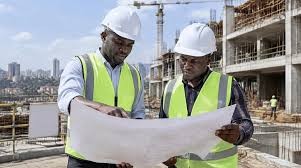
Successful building construction requires more than architectural drawings, quality materials and skilled workers. Every construction project needs effective site management to coordinate activities, supervise resources, monitor progress and ensure that work is carried out according to the agreed project requirements.
From residential houses and apartment developments to commercial buildings, warehouses, factories and institutional facilities, construction sites involve numerous activities that must be properly organised. Contractors, subcontractors, engineers, suppliers, technicians and labourers often work simultaneously, making coordination essential.
Without effective building construction site management, projects can experience delays, poor workmanship, material wastage, safety incidents, budget overruns and disagreements between project stakeholders.
In Uganda, where construction projects vary significantly in size, complexity, location and available resources, proper site management helps property owners and developers maintain better control over construction activities.
Building construction site management in Uganda involves planning, organising, coordinating, monitoring and controlling construction operations to support the delivery of a project according to its approved designs, specifications, programme, budget and contractual requirements.
This guide explains the responsibilities of a construction site manager, the importance of professional site management, common challenges on Ugandan construction sites and the best practices that help improve construction project performance.
What Is Building Construction Site Management?
Building construction site management is the process of organising and controlling activities taking place at a construction site to ensure that work progresses safely, efficiently and according to project requirements.
It involves coordinating people, materials, machinery, construction methods, schedules and technical information throughout the building process.
Effective site management helps translate project plans into organised construction activities. It ensures that workers understand their assignments, materials are available when needed, contractors coordinate their work and problems are addressed through the appropriate procedures.
Depending on the project and the manager’s appointment, construction site management may cover:
- Planning and organising daily site activities.
- Coordinating contractors and subcontractors.
- Monitoring construction progress.
- Managing labour, materials and equipment.
- Monitoring workmanship and quality requirements.
- Supporting construction health and safety management.
- Maintaining site records and reports.
- Monitoring construction costs and resource usage.
- Coordinating inspections and testing.
- Identifying construction risks and operational problems.
- Supporting project completion and handover.
The exact responsibilities depend on the construction contract, project management structure, professional qualifications and authority assigned to the site manager.
Why Is Building Construction Site Management Important in Uganda?
Construction projects involve many interconnected activities. A delay, mistake or shortage affecting one activity can influence several other stages of construction.
For example, delayed foundation works may affect wall construction, roofing, plumbing, electrical installations and finishing activities.
Professional site management provides a structured approach to coordinating these activities and monitoring project performance.
1. Improves Construction Project Organisation
A well-managed construction site operates according to an organised plan.
Workers should understand their responsibilities, contractors should know when their activities are required and materials should be available in accordance with the construction programme.
Site management helps organise daily tasks, assign responsibilities and coordinate activities so that construction operations proceed in a logical sequence.
This reduces confusion, unnecessary interruptions and duplication of work.
2. Helps Control Construction Costs
Poor site management can increase construction costs through material wastage, idle labour, equipment downtime, rework and inefficient construction methods.
For example, if concrete is delivered before formwork and reinforcement are ready, resources may be wasted. Similarly, poorly coordinated plumbing and electrical installations may require completed walls or floors to be opened for corrections.
Effective site management helps monitor resource use, identify avoidable waste and communicate cost-related problems early.
Cost management should also be supported by appropriate budgeting, quantity surveying and financial controls.
3. Supports Timely Project Completion
Construction projects are usually organised around a programme showing the sequence and expected duration of activities.
Site management helps monitor whether construction is progressing according to the programme.
This includes checking completed work, identifying delayed activities, coordinating contractors and following up on obstacles affecting progress.
Although effective management can reduce avoidable delays, project completion also depends on factors such as funding, weather, design decisions, approvals, contractor performance and material availability.
4. Improves Construction Quality
Quality management is essential because poor workmanship can affect building safety, durability, functionality and appearance.
Site management supports quality control by ensuring that construction activities are monitored against approved drawings, specifications and inspection requirements.
This includes monitoring foundation works, concrete construction, masonry, roofing, plumbing, electrical installations and finishing.
5. Strengthens Site Safety
Construction sites contain hazards involving excavation, working at heights, machinery, electrical systems, lifting operations and moving vehicles.
Effective site management helps organise work areas, communicate safety requirements, monitor site conditions and ensure that unsafe practices are reported and addressed.
It also supports the implementation of appropriate health and safety procedures.
6. Improves Contractor Coordination
Building projects often involve several contractors working on different parts of the same development.
Without coordination, their activities may conflict, causing delays, damage to completed work or unnecessary rework.
Site management helps coordinate work sequences, communicate requirements and monitor the interfaces between different construction trades.
7. Increases Accountability and Transparency
Proper site management encourages accurate records of activities, progress, material deliveries, inspections, instructions and identified problems.
These records help project stakeholders understand what has happened on site, what work remains and which issues require attention.
Key Responsibilities of a Building Construction Site Manager
A construction site manager performs several important responsibilities throughout the construction process. The specific role varies depending on the project size, contractual arrangements and professional appointments.
1. Planning and Organising Construction Activities
One of the main responsibilities of a site manager is organising construction activities before and during implementation.
The manager needs to understand the project requirements, construction programme, available resources and sequence of work.
Planning may involve:
- Reviewing relevant construction drawings and specifications.
- Understanding the project scope.
- Identifying activities required at each stage.
- Coordinating labour and equipment requirements.
- Planning material deliveries.
- Organising work areas.
- Identifying activities that depend on other tasks.
- Coordinating inspections and testing.
For example, concrete works should be properly planned to ensure that reinforcement, formwork, labour, equipment and concrete supply are ready before placement begins.
2. Managing Daily Site Operations
A site manager helps ensure that daily construction activities are organised and coordinated.
This involves monitoring work areas, communicating instructions within the manager’s authority, checking resource availability and responding to operational problems.
Daily management may include:
- Reviewing planned activities.
- Assigning work responsibilities.
- Monitoring worker attendance and productivity.
- Checking equipment availability.
- Confirming material deliveries.
- Coordinating different trades.
- Identifying obstacles affecting work.
- Reviewing completed activities.
Daily site coordination helps maintain order and improves communication between the construction teams.
3. Coordinating Contractors and Subcontractors
Construction projects may involve a main contractor and several subcontractors responsible for specialist activities.
These may include masonry, roofing, plumbing, electrical installation, painting, tiling, glazing, mechanical installations and external works.
The site manager helps coordinate these teams by monitoring the sequence of work and identifying potential conflicts.
For example:
- Plumbing routes should be coordinated with structural and architectural requirements.
- Electrical conduits should be installed at the correct construction stage.
- Ceiling works should account for lighting and ventilation installations.
- Waterproofing should be completed before affected areas receive subsequent finishes.
- External drainage should be coordinated with site levels and access arrangements.
Effective coordination helps prevent contractors from interfering with one another’s work.
4. Monitoring Construction Quality
Site management plays an important role in ensuring that construction work meets the required quality standards.
The manager may monitor workmanship, check compliance with specifications, arrange inspections and report defects.
Quality monitoring may cover:
- Correct building dimensions.
- Foundation construction.
- Reinforcement positioning.
- Concrete placement and curing.
- Wall alignment.
- Roof installation.
- Plumbing and drainage.
- Electrical installations.
- Waterproofing.
- Finishing materials and workmanship.
Where specialist technical judgement is required, the matter should be referred to the appropriately qualified professional.
The site manager should not independently approve structural or engineering changes outside their competence or authority.
5. Managing Construction Materials
Building materials must be ordered, delivered, stored and used appropriately.
Poor material management can result in shortages, theft, damage and unnecessary wastage.
The site manager may help monitor:
- Material delivery schedules.
- Quantities received.
- Storage conditions.
- Material handling.
- Distribution to work areas.
- Consumption and wastage.
- Availability of critical supplies.
- Compliance with project specifications.
For example, cement should be protected from moisture, reinforcement should be stored to minimise damage and contamination, and materials with special handling requirements should follow the manufacturer’s instructions.
Material approval and testing should follow the project’s specified procedures.
6. Managing Labour and Workforce Productivity
Labour management is important because construction activities depend on workers with different skills and responsibilities.
The site manager helps coordinate the workforce and monitor whether the required labour is available for planned activities.
Responsibilities may include:
- Organising work teams.
- Monitoring attendance.
- Coordinating skilled and unskilled labour.
- Identifying labour shortages.
- Monitoring task completion.
- Supporting communication between teams.
- Identifying productivity problems.
- Reporting workforce requirements.
Good labour management helps ensure that workers are assigned appropriate tasks and that construction activities are properly coordinated.
7. Monitoring Construction Equipment and Machinery
Construction equipment must be available, suitable and properly maintained to support site operations.
Depending on the project, equipment may include excavators, concrete mixers, compactors, cranes, scaffolding, generators, welding equipment and lifting machinery.
Site management may involve:
- Coordinating equipment requirements.
- Monitoring equipment availability.
- Organising equipment use.
- Identifying breakdowns.
- Reporting maintenance requirements.
- Monitoring safe operating arrangements.
- Reducing unnecessary equipment downtime.
Equipment operators should have appropriate competence and authorisation for the machinery they operate.
8. Monitoring Project Progress
The site manager monitors construction activities against the agreed project programme.
This includes checking actual progress, identifying delays and communicating issues that may affect project milestones.
Progress monitoring may involve:
- Recording completed activities.
- Comparing planned and actual progress.
- Reviewing delayed work.
- Monitoring material availability.
- Checking contractor performance.
- Identifying work that must be prioritised.
- Preparing progress reports.
The information helps the project manager and other stakeholders assess project performance and determine appropriate responses.
9. Supporting Construction Cost Control
Although overall financial management may be the responsibility of the project manager, quantity surveyor or developer, site management contributes to cost control through operational monitoring.
This may involve identifying material wastage, monitoring labour productivity, reducing equipment downtime and reporting work that may require additional resources.
The site manager should also report changes in site conditions, variations and unforeseen work through the agreed contractual procedures.
Cost approvals and financial certification should remain with the authorised project professionals.
10. Managing Construction Site Safety
Construction safety is a major responsibility across all building projects.
Site management supports safety by monitoring working conditions, communicating hazards and ensuring that construction operations follow the established safety arrangements.
Important safety considerations include:
- Personal protective equipment.
- Safe excavation practices.
- Scaffolding and working-at-height arrangements.
- Electrical safety.
- Machinery operation.
- Lifting operations.
- Site access control.
- Housekeeping.
- Fire prevention.
- Emergency response arrangements.
The contractor retains its applicable legal responsibilities for site safety. Site managers should understand their assigned duties and ensure that competent safety personnel are involved where required.
11. Maintaining Construction Site Records
Accurate documentation helps maintain accountability and provides evidence of construction activities.
Site records may include:
- Daily site reports.
- Weekly and monthly progress reports.
- Labour records.
- Material delivery records.
- Equipment records.
- Inspection reports.
- Test results.
- Photographic progress records.
- Meeting minutes.
- Site instructions.
- Defect and non-conformance records.
- Weather observations where relevant.
The required documentation should be agreed at the beginning of the project.
12. Identifying and Managing Construction Risks
Construction risks can affect cost, time, quality, safety and project performance.
Site managers should identify operational risks and communicate them to the responsible project professionals.
Examples include:
- Unexpected ground conditions.
- Heavy rainfall affecting excavation.
- Delayed material deliveries.
- Equipment breakdowns.
- Design conflicts.
- Labour shortages.
- Poor workmanship.
- Unsafe site conditions.
- Coordination problems.
Early reporting helps the project team assess risks and determine suitable corrective measures.
13. Supporting Project Completion and Handover
At the final stages of construction, the site manager may support inspections, snagging, defect correction and handover preparations.
This may involve checking outstanding work, coordinating contractors and ensuring that identified issues are followed up.
Relevant handover records may include testing and commissioning documents, equipment manuals, warranties where applicable, approved as-built information and maintenance instructions.
Formal certification and statutory approvals should be handled by the professionals and authorities authorised to provide them.
Best Practices for Effective Building Construction Site Management
Good site management requires consistent procedures rather than relying on occasional inspections or informal communication.
The following best practices can help improve the organisation and performance of construction projects in Uganda.
1. Prepare a Detailed Construction Site Management Plan
A site management plan establishes how construction activities will be organised, monitored and controlled.
It should reflect the project’s size, location, risks and contractual requirements.
A suitable plan may cover:
- Site layout and access arrangements.
- Construction activity sequencing.
- Contractor responsibilities.
- Labour and equipment requirements.
- Material storage and handling.
- Site safety procedures.
- Quality inspection arrangements.
- Waste management.
- Environmental considerations.
- Communication and reporting procedures.
- Emergency arrangements.
A clear plan gives the construction team a common framework for managing site operations.
2. Use a Realistic Construction Programme
A construction programme identifies activities, their expected durations, dependencies and important milestones.
The programme should be realistic and based on the resources available and the nature of the work.
For example, a building programme should account for excavation, foundations, structural works, masonry, roofing, building services, finishes and external works.
The site team should regularly compare actual progress against planned progress and communicate delays.
3. Conduct Regular Site Meetings
Site meetings help project stakeholders review progress, address technical problems and coordinate upcoming activities.
Meetings may involve the client, project manager, consultant, contractor and relevant subcontractors.
Typical agenda items include:
- Progress since the previous meeting.
- Activities planned for the next period.
- Delayed work.
- Material and equipment requirements.
- Technical issues.
- Design information required.
- Quality observations.
- Safety matters.
- Decisions and actions outstanding.
Meeting minutes should record important decisions, responsible parties and agreed deadlines.
4. Establish Clear Communication Channels
Every construction project should have a clear communication structure.
Workers and contractors need to know who to contact when they encounter technical problems, material shortages, safety concerns or conflicting instructions.
Formal instructions and approvals should be recorded through the agreed project communication procedures.
This reduces misunderstandings and provides a reliable record of important decisions.
5. Implement Quality Inspection Procedures
Quality should be monitored throughout construction rather than checked only when the building is almost complete.
The project team should identify activities requiring inspection before work proceeds to the next stage.
Examples include:
- Foundation excavations before concrete placement.
- Reinforcement before casting.
- Formwork before concrete works.
- Concealed plumbing and electrical installations before covering.
- Waterproofing before subsequent finishes.
- Roofing details before final closure.
- Completed building services before handover.
Inspection checklists can help ensure that important requirements are not overlooked.
6. Monitor Materials from Delivery to Installation
Material management should begin before materials arrive on site.
The team should coordinate deliveries, confirm storage arrangements and monitor the use of materials against project requirements.
Good practices include:
- Ordering materials according to the construction programme.
- Checking deliveries against purchase orders.
- Separating approved and rejected materials.
- Protecting materials from weather and damage.
- Recording material issues.
- Monitoring wastage.
- Securing valuable supplies.
These procedures help improve resource accountability.
7. Prioritise Health and Safety Management
Safety should be considered during planning and throughout construction.
The site team should identify hazards, communicate safe working procedures and monitor whether control measures are being followed.
Regular safety inspections and toolbox talks can help workers understand site risks and their responsibilities.
High-risk activities such as excavation, lifting and work at height require appropriate planning and competent supervision.
8. Maintain Accurate Daily Site Reports
Daily reports help establish what happened on site and provide useful information for project monitoring.
A report may record:
- Date and weather conditions.
- Number and type of workers present.
- Contractors on site.
- Activities undertaken.
- Materials delivered.
- Equipment used.
- Work completed.
- Inspections carried out.
- Problems encountered.
- Safety observations.
- Instructions and follow-up actions.
Accurate records are particularly valuable when investigating delays, defects or disagreements.
9. Monitor Productivity and Resource Utilisation
Construction productivity depends on how effectively labour, materials and equipment are used.
Site management should monitor whether available resources are supporting planned work.
For example, if workers are frequently idle because materials are unavailable, the procurement and delivery arrangements may need improvement.
If equipment is regularly breaking down, maintenance planning may require attention.
Productivity monitoring helps identify operational problems and opportunities for improvement.
10. Manage Construction Waste and Housekeeping
Poor housekeeping creates safety risks and makes construction activities less efficient.
Construction waste should be managed through appropriate collection, separation, storage and disposal arrangements.
The site should maintain clear access routes and organised material storage areas.
Where practical, reusable materials should be protected from damage and unnecessary disposal.
11. Use Digital Tools for Site Monitoring
Digital tools can improve communication, record keeping and project visibility.
Depending on the project’s needs, useful tools may include:
- Digital construction schedules.
- Spreadsheet-based material tracking.
- Digital site inspection forms.
- Photographic progress records.
- Project management software.
- Shared drawing and document platforms.
- Digital issue and defect registers.
The project team should establish a reliable system for document control so that contractors work with current approved information.
12. Review Site Performance Regularly
Site management procedures should be reviewed throughout the project.
The team should assess whether construction is progressing according to the programme, whether resources are being used effectively and whether quality and safety requirements are being met.
Regular reviews help identify weaknesses and improve site operations before problems become more serious.
Construction Site Management at Different Stages of a Building Project
Site management responsibilities change as construction progresses.
Stage 1: Pre-Construction Planning
Before work begins, the site management team should understand the project requirements and prepare for implementation.
Activities may include:
- Reviewing drawings and specifications.
- Understanding the contract.
- Reviewing the construction programme.
- Planning site access and layout.
- Identifying resource requirements.
- Establishing safety arrangements.
- Coordinating initial material procurement.
- Identifying inspection requirements.
Proper preparation reduces confusion when construction begins.
Stage 2: Site Preparation and Excavation
This stage involves preparing the site for construction.
Management activities may include coordinating clearing, setting out, excavation, temporary access and site facilities.
The team should monitor site conditions and ensure that any unexpected ground conditions are reported to the appropriate professionals.
Stage 3: Foundation and Structural Construction
Foundation and structural works require careful coordination and inspection.
The site team monitors work sequences, material availability, reinforcement, formwork, concrete activities and required inspections.
Structural decisions and technical approvals must be handled by the appropriately qualified professionals.
Stage 4: Walling and Roofing
During this stage, management focuses on masonry, openings, lintels, roof structures and weather protection.
The team should coordinate material deliveries and ensure that work is completed according to the approved details.
Stage 5: Mechanical, Electrical and Plumbing Installations
Building services must be coordinated with architectural and structural work.
The site manager should help ensure that installation routes, access requirements and construction sequences are coordinated before walls, floors and ceilings are closed.
Stage 6: Finishing Works
Finishing includes plastering, screeding, tiling, painting, ceilings, joinery, doors, windows and fixtures.
Management should monitor approved material selections, workmanship, protection of completed work and the correction of defects.
Stage 7: Testing, Inspection and Handover
The final stage involves checking completed work, arranging required tests, preparing defect lists and coordinating outstanding activities.
The team should also support the collection of relevant handover documents according to the project requirements.
Common Challenges in Building Construction Site Management in Uganda
Construction sites in Uganda can face challenges related to weather, material supply, labour, funding, site conditions and coordination.
Understanding these challenges helps project stakeholders prepare suitable management strategies.
1. Unpredictable Weather Conditions
Rainfall can affect excavation, concrete activities, material storage, earthworks and transportation.
Poor drainage may also create waterlogging and access problems.
Best practice: Consider seasonal conditions during planning, protect materials, maintain suitable drainage and adjust work sequences when site conditions require it.
2. Material Price Fluctuations
Changes in material prices can affect procurement plans and construction budgets.
Delayed purchasing may also expose projects to supply shortages or price changes.
Best practice: Use realistic cost estimates, plan procurement carefully, monitor market conditions and follow the contract’s procedures for dealing with price changes.
3. Delayed Material Deliveries
Construction progress may be interrupted when important materials arrive late.
Best practice: Prepare procurement schedules based on the construction programme, identify critical supplies and communicate delivery requirements to suppliers early.
4. Shortage of Skilled Labour
Some construction activities require specialised skills and experience.
A shortage of suitable workers can affect workmanship and productivity.
Best practice: Identify labour requirements early, use competent contractors and ensure that specialist tasks are assigned to appropriately skilled personnel.
5. Poor Contractor Coordination
Different contractors may have conflicting schedules or incompatible work sequences.
Best practice: Hold regular coordination meetings, maintain a clear construction programme and communicate work interfaces before activities begin.
6. Inadequate Site Documentation
Missing records make it difficult to track progress, monitor defects and verify instructions.
Best practice: Maintain daily reports, inspection records, meeting minutes, delivery records and photographic documentation.
7. Budget Constraints and Cash Flow Problems
Insufficient funds or delayed payments can affect labour availability, material procurement and contractor performance.
Best practice: Maintain an updated cash flow forecast, monitor project expenditure and communicate funding risks early.
8. Limited Site Access and Storage Space
Some urban construction sites have restricted access and limited room for materials or machinery.
Best practice: Prepare a site logistics plan, coordinate deliveries and organise storage areas to reduce congestion.
9. Design Changes During Construction
Changes may arise from client decisions, unforeseen site conditions or technical coordination issues.
Best practice: Use formal variation and design review procedures. Assess the effect of each change on cost, time, quality and other project requirements before implementation.
10. Theft and Material Loss
Construction materials and equipment may be vulnerable to theft or unauthorised removal.
Best practice: Maintain suitable site security, control access, keep delivery and issue records and store valuable materials securely.
Difference Between a Construction Site Manager and a Project Manager
The terms construction site manager and construction project manager are sometimes used interchangeably, but they generally describe different areas of responsibility.
A site manager focuses primarily on daily construction operations, while a project manager oversees broader project delivery.
| Area | Construction Site Manager | Construction Project Manager |
|---|---|---|
| Main focus | Daily site operations | Overall project delivery |
| Work planning | Organises site activities | Oversees the project programme |
| Contractor coordination | Coordinates site teams | Manages wider stakeholder and contractual coordination |
| Quality | Monitors workmanship and site compliance | Oversees project quality management arrangements |
| Cost | Monitors site resource use and wastage | Oversees wider cost and budget performance |
| Safety | Monitors site-level safety arrangements within assigned duties | Oversees project-level safety coordination and governance |
| Reporting | Prepares site reports | Reviews overall project performance |
| Risk management | Identifies and reports site risks | Coordinates broader project risk management |
| Handover | Supports site completion activities | Oversees overall project close-out |
The actual division of duties depends on the project structure and contractual appointments. A site manager may report to a project manager, construction manager or another appointed authority.
How Much Does Building Construction Site Management Cost in Uganda?
The cost of construction site management in Uganda depends on the scope of work, project size, construction duration, location and level of professional involvement required.
A small residential building may require a different management arrangement from a multi-storey commercial development or an industrial facility.
Important cost factors include:
1. Size and Complexity of the Project
Large projects generally involve more construction activities, contractors, equipment and coordination requirements.
2. Construction Duration
Longer projects may require management services over an extended period, increasing the total professional cost.
3. Site Attendance Requirements
The fee may depend on whether the arrangement involves full-time site management, scheduled attendance or periodic supervision.
4. Location and Accessibility
Travel time, transport arrangements and site accessibility can influence the cost of providing management services.
5. Number of Contractors
Projects with many subcontractors and specialist service providers may require more coordination and reporting.
6. Technical Requirements
Projects involving complex structural systems, specialised building services or industrial installations may require additional expertise.
7. Scope of Responsibilities
The fee depends on the specific deliverables, authority and responsibilities included in the appointment.
What Should Be Included in a Site Management Proposal?
A professional proposal should explain:
- Description of the project.
- Scope of management services.
- Proposed personnel and qualifications.
- Site attendance arrangements.
- Construction reporting procedures.
- Coordination responsibilities.
- Quality and safety monitoring duties.
- Duration of appointment.
- Professional fees and payment terms.
- Exclusions and additional expenses.
- Limits of authority.
- Communication and escalation procedures.
Property owners should compare proposals based on the services and responsibilities offered, not price alone.
How to Choose the Right Building Construction Site Management Provider in Uganda
Selecting a suitable site management provider is important because the quality of management affects how construction activities are organised and monitored.
Consider the following factors before making an appointment.
1. Relevant Qualifications and Competence
Check whether the proposed personnel have qualifications and experience suitable for their assigned responsibilities.
Where the work involves regulated professional services, verify registration and practising status through the relevant Ugandan professional body.
2. Experience with Similar Projects
Ask whether the provider has managed projects similar to yours.
For example, residential construction requires different operational knowledge from industrial warehouse construction or multi-storey commercial development.
3. Understanding of Construction Procedures
The provider should understand construction sequencing, site coordination, quality requirements, reporting and contractor management.
4. Clear Scope of Work
Request a written scope that explains the services, responsibilities, deliverables and exclusions.
5. Reporting and Communication
Confirm how frequently reports will be prepared, who will receive them and how urgent issues will be communicated.
6. Professional Accountability
Clarify who is responsible for site decisions, formal instructions, approvals and escalation of technical matters.
7. Transparent Fees
Ensure that fees, payment arrangements, site attendance requirements and additional expenses are clearly explained.
8. Knowledge of Local Construction Conditions
A provider familiar with construction conditions in Uganda may be better prepared to understand local procurement, logistics, weather and coordination challenges.
Practical Building Construction Site Management Checklist
Use this checklist when planning or reviewing site management arrangements for a building project.
Before construction begins
- Review approved drawings and specifications.
- Understand the construction contract.
- Prepare a realistic construction programme.
- Identify contractors and subcontractors.
- Establish site access and storage arrangements.
- Prepare a site management plan.
- Identify material and equipment requirements.
- Establish quality inspection procedures.
- Establish safety management arrangements.
- Define communication and reporting procedures.
During construction
- Conduct regular site inspections.
- Monitor daily construction activities.
- Check material deliveries and storage.
- Coordinate contractors and subcontractors.
- Monitor workmanship.
- Track actual progress against the programme.
- Record defects and non-conforming work.
- Monitor resource use and wastage.
- Maintain site safety arrangements.
- Prepare regular site reports.
- Follow up on outstanding actions.
- Document approved changes and instructions.
Before project handover
- Inspect completed building components.
- Prepare a snagging or defects list.
- Monitor correction of outstanding defects.
- Coordinate required testing and commissioning.
- Collect relevant completion records.
- Review operation and maintenance information.
- Confirm outstanding contractual obligations.
- Support the agreed handover process.
Why Professional Construction Site Management Matters for Projects in Kampala, Wakiso and Across Uganda
Construction conditions differ depending on project location, site characteristics, accessibility, material availability and the nature of the development.
In Kampala, construction sites may face limited working space, traffic congestion, neighbouring properties and logistical challenges associated with delivering materials.
In Wakiso, residential estates, commercial developments and mixed-use projects may require careful coordination of access roads, drainage, utilities and multiple construction activities.
In Entebbe and other areas with site-specific groundwater or drainage considerations, construction planning should account for appropriate ground investigations and engineering advice.
Industrial developments may involve specialised machinery, heavy structural components, electrical installations and complex building services.
In rural areas, transportation, material supply, equipment availability and access to skilled labour may influence construction operations.
Effective site management helps identify these conditions and coordinate appropriate responses with the responsible professionals and contractors.
Conclusion: Effective Site Management Supports Successful Construction Projects
Building construction site management is essential for organising construction activities, coordinating contractors, monitoring quality, controlling resources and maintaining project progress.
Without proper management, construction projects may experience unnecessary delays, material wastage, poor workmanship, safety risks and avoidable financial losses.
For property owners, developers and investors in Uganda, professional site management provides a structured approach to monitoring construction and improving accountability throughout the project lifecycle.
Whether you are building a residential house in Wakiso, a commercial property in Kampala, an apartment development in Entebbe or an industrial facility elsewhere in Uganda, effective site management should be considered an important part of your construction planning.
Planning a building project in Uganda?
Contact Daltrevco to discuss your construction project requirements and explore suitable construction consultancy, site management and project support arrangements. Proper planning, clear responsibilities and effective monitoring can help create better-managed construction projects and improve the likelihood of achieving the intended results.