Interlocking concrete blocks are increasingly useful in modern construction because they are designed to fit together through specially shaped edges, grooves, projections or recesses. Depending on their design, these blocks can reduce the need for extensive mortar work, simplify construction and create strong, organised structures when correctly selected and installed.
In Uganda, interlocking concrete blocks can be considered for residential developments, commercial properties, boundary walls, landscaping, retaining structures, paved areas and selected infrastructure projects. Their suitability depends on the block design, engineering requirements, ground conditions and the intended application.
For property developers, contractors and homeowners, understanding the benefits, applications and installation process is essential before choosing an interlocking block system.
This guide explains what interlocking concrete blocks are, how they work, where they are used, their advantages and limitations, and the important steps involved in installation.
1. What Are Interlocking Concrete Blocks?
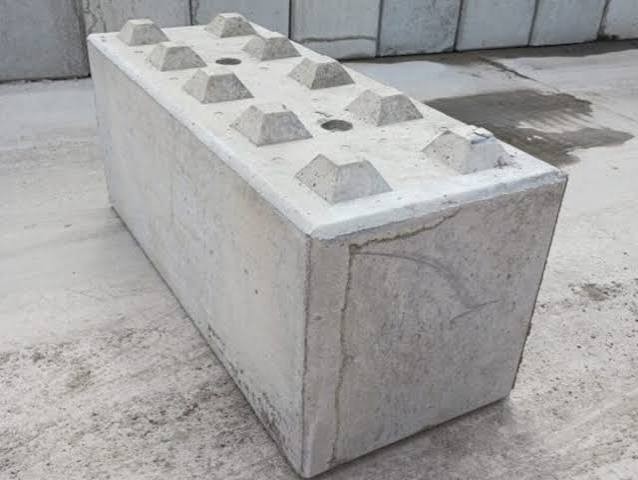
Interlocking concrete blocks are precast or manufactured concrete units designed with complementary shapes that allow individual blocks to fit together. Their profiles may include grooves, tongues, ridges, recesses or other connecting features that help maintain alignment and improve the stability of an assembled structure.
Unlike conventional rectangular masonry blocks, which are generally laid with mortar joints, some interlocking systems use their specially designed profiles to connect neighbouring units. Other systems still require mortar, grout, reinforcement or additional connectors depending on the application.
The exact installation method depends on the manufacturer’s design and the engineer’s specifications.
Interlocking concrete blocks are manufactured using a combination of cement, aggregates, water and, where specified, other approved materials. The mixture is placed into moulds and compacted to achieve the required shape, dimensions and performance characteristics. Proper curing is important for developing the intended strength and durability.
How Do Interlocking Concrete Blocks Work?
The blocks are designed to fit together in a planned arrangement. Their profiles help guide positioning and can reduce unwanted movement between units.
Depending on the system:
- Mechanical interlocking: Shaped edges or projections help connect adjacent blocks.
- Gravity-based stability: The weight and arrangement of the blocks contribute to stability in certain retaining-wall systems.
- Mortar-assisted construction: Some products use mortar or grout to strengthen or complete the joints.
- Reinforced systems: Reinforcement, geogrids, concrete infill or other engineered components may be required for specific structures.
Interlocking does not automatically mean that a wall or structure is structurally safe without engineering. The block system must be appropriate for the loads, height, soil conditions and intended use.
2. Types of Interlocking Concrete Blocks
Different interlocking concrete block designs serve different construction purposes. Choosing the right type begins with understanding the project.
2.1 Interlocking Masonry Blocks
These blocks are designed to connect with adjacent units through shaped edges or grooves. They can be used for selected walling applications where the product has been designed and approved for that purpose.
Their dimensions, strength, joint details and construction method should be checked before use in load-bearing or other structural walls.
2.2 Interlocking Retaining Wall Blocks
Retaining wall blocks are designed for landscaping and soil-retention applications. Some systems use specially shaped faces, lips or connecting features to help maintain the position of each course.
Depending on the wall height and ground conditions, the system may require drainage, geogrid reinforcement, a designed foundation or other engineering measures.
2.3 Interlocking Concrete Paving Blocks
Interlocking paving blocks are shaped concrete units laid in a planned pattern to form a hard-wearing surface. Their shapes and laying arrangement help distribute loads across the paved area.
They are commonly considered for:
- Residential driveways
- Walkways and footpaths
- Parking areas
- Courtyards
- Commercial outdoor spaces
- Selected access roads and pedestrian areas
Paving blocks require a properly prepared base, suitable bedding material, edge restraints and correctly filled joints.
2.4 Interlocking Landscaping Blocks
These blocks are used to create garden borders, raised planting areas, decorative walls and other landscape features.
They can provide a neat, consistent appearance while allowing designers to create different shapes and layouts.
2.5 Special-Purpose Interlocking Blocks
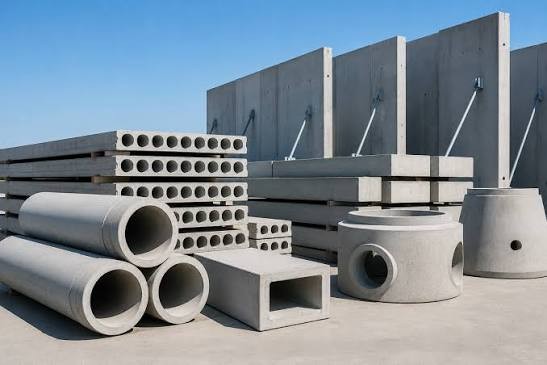
Some manufacturers produce interlocking units for particular construction or infrastructure requirements. These may include drainage-related applications, modular site structures and specialised walling systems.
Always confirm that the product is intended for the proposed use rather than assuming that all interlocking blocks are interchangeable.
3. Benefits of Interlocking Concrete Blocks
Interlocking concrete blocks offer several potential advantages when the correct product is used and the installation is properly carried out.
3.1 Faster and More Organised Installation
Some interlocking systems are designed to fit together with less reliance on conventional mortar joints. This can simplify positioning and make installation more systematic.
For paving and modular retaining-wall systems, workers can follow a defined laying pattern, helping maintain consistent alignment.
However, actual construction time depends on site preparation, block dimensions, labour experience, the complexity of the project and whether reinforcement or additional structural work is required.
3.2 Consistent Dimensions and Appearance
Manufactured blocks are produced using moulds, allowing dimensions and shapes to be controlled during production.
Consistent block dimensions can make it easier to maintain straight lines, uniform courses and an orderly finish. Product consistency still depends on manufacturing quality, mould condition, compaction and curing.
3.3 Reduced Mortar Requirements in Suitable Systems
Certain interlocking designs rely on their profiles to connect rather than requiring a conventional mortar joint between every block.
This may reduce mortar consumption and some associated labour costs. However, not all systems are mortar-free. Some applications require mortar, grout, concrete infill, reinforcement or specialised connectors.
3.4 Flexibility in Design
Interlocking blocks are available in different shapes, sizes, colours and finishes. This allows them to be used in functional and decorative projects.
For example, paving blocks can be arranged in patterns, while landscaping blocks can create curved garden borders or stepped outdoor features.
3.5 Potentially Easier Repairs
In certain modular paving and landscaping systems, individual damaged units can be lifted and replaced without demolishing a large section of the surrounding work.
This can make maintenance more manageable, provided replacement units are compatible with the original system and the underlying cause of damage is addressed.
3.6 Durable Construction When Properly Specified
Concrete can provide good resistance to everyday wear and environmental exposure when correctly designed, manufactured, installed and maintained.
The durability of interlocking blocks depends on factors such as:
- Concrete mix quality
- Cement and aggregate quality
- Compaction during manufacturing
- Curing conditions
- Product dimensions and design
- Exposure to water and weather
- Applied loads
- Installation quality
- Maintenance practices
A block’s interlocking shape alone does not guarantee strength or long-term performance.
3.7 Efficient Use of Materials in Some Applications
Modular systems can help reduce cutting and material wastage when the design and block dimensions are planned properly.
For paving, for example, selecting an appropriate block size and laying pattern can minimise unnecessary cutting around edges and obstacles.
3.8 Attractive Finishes
Interlocking concrete blocks can provide a clean, organised appearance for driveways, walkways, courtyards, retaining walls and landscaping features.
Different colours, patterns and textures can help complement the surrounding building design.
4. Applications of Interlocking Concrete Blocks in Uganda
Interlocking concrete blocks can serve different purposes across residential, commercial, industrial and infrastructure developments. The correct product must be selected for each application.
4.1 Residential Construction
Homeowners and residential developers can consider interlocking concrete products for:
- Driveways and parking spaces
- Garden paths and walkways
- Courtyard paving
- Garden borders
- Selected boundary and landscaping walls
- Outdoor entertainment areas
- Raised garden beds
For structural house walls, the block system must be specifically suitable for the required wall function and approved in the building design.
4.2 Commercial Developments
Commercial properties often need durable and presentable outdoor spaces. Interlocking paving blocks may be suitable for:
- Shopping centre walkways
- Office compound paving
- Hotel courtyards
- Restaurant outdoor areas
- Customer parking areas
- Pedestrian access routes
- Landscaping around commercial buildings
For areas used by vehicles, the paving design must account for traffic volume, vehicle weight, ground conditions and drainage.
4.3 Industrial Facilities
Industrial developments may use suitable interlocking concrete products for:
- Pedestrian walkways
- External paved areas
- Selected loading and access areas
- Landscaping around industrial buildings
- Defined outdoor circulation spaces
Heavy-duty applications require careful consideration of block thickness, strength, pavement layers, subgrade conditions and expected loading. Ordinary pedestrian paving blocks should not automatically be used for heavy vehicle traffic.
4.4 Retaining Walls and Landscaping
Specially designed interlocking retaining wall blocks can be used to manage changes in ground level and create functional outdoor spaces.
Potential applications include:
- Garden retaining walls
- Terraced landscapes
- Raised planting areas
- Sloped property landscaping
- Selected erosion-control features
Retaining walls must be designed to resist soil pressure and other applicable loads. Drainage is particularly important because water accumulating behind a wall can increase pressure and contribute to failure.
4.5 Roads, Walkways and External Infrastructure
Interlocking concrete paving blocks may be considered for selected pedestrian routes, access areas, courtyards and other paved surfaces.
The suitability of a paving system depends on the expected traffic, subgrade strength, drainage, block specification and pavement design. High-traffic roads and heavy-duty industrial pavements require appropriate engineering rather than simply selecting a thicker-looking block.
5. Interlocking Concrete Blocks vs Conventional Concrete Blocks
Interlocking concrete blocks and conventional concrete masonry blocks are designed for different construction systems. The right choice depends on the intended application and the product’s technical specifications.
| Feature | Interlocking concrete blocks | Conventional concrete blocks |
|---|---|---|
| Design | Shaped to fit together through complementary profiles | Usually rectangular masonry units |
| Jointing | May use dry joints, mortar, grout or connectors depending on the system | Commonly laid using mortar joints |
| Installation | Follows a system-specific laying arrangement | Follows conventional masonry procedures |
| Applications | Paving, landscaping, retaining systems and approved walling systems | General walling and other specified masonry applications |
| Appearance | Available in different shapes, patterns and finishes | Usually a more uniform rectangular appearance |
| Repairs | Some modular systems allow individual units to be replaced | Repairs may require removal and rebuilding of masonry sections |
| Structural requirements | Must follow the engineering design for the specific system | Must follow the structural and masonry design |
Neither option is automatically better in every situation. A project should use the system that meets its structural, functional, cost and appearance requirements.
6. How to Install Interlocking Concrete Blocks
Correct installation is essential for achieving a stable, durable and attractive result. The process varies depending on whether the blocks are intended for paving, retaining walls, landscaping or masonry construction.
The following sections explain the general installation considerations for common applications.
6.1 Site Assessment and Planning
Before installation begins, assess the site and establish the purpose of the proposed structure or paved area.
Important considerations include:
- Site dimensions and layout
- Ground conditions and soil stability
- Existing drainage patterns
- Expected pedestrian or vehicle traffic
- Required finished levels
- Nearby buildings and underground services
- Product specifications
- Applicable engineering requirements
For retaining walls, structural walls and other load-bearing applications, obtain the appropriate design before construction.
6.2 Preparing the Ground
Ground preparation is one of the most important stages of interlocking block installation.
For paving, remove vegetation, loose soil, organic material and unsuitable ground. Excavate to the required depth based on the pavement design, block thickness and intended loading.
The exposed ground should be shaped to the planned levels and compacted using suitable equipment. Weak or unstable sections may require removal, replacement or additional ground improvement.
For retaining walls, foundation preparation must follow the approved design. The foundation should provide the required support and alignment for the wall system.
6.3 Preparing the Base
The base provides support and helps distribute loads.
For interlocking paving, a properly graded and compacted layer of suitable aggregate is commonly used. The required thickness depends on ground conditions and expected traffic.
For retaining walls, the foundation or levelling pad must be appropriate for the wall system, soil conditions and design loads.
Using unsuitable materials or failing to compact the base correctly can result in settlement, uneven surfaces, movement and premature damage.
6.4 Setting Out the Layout
Before placing the blocks, mark the required boundaries, reference lines, levels and finished dimensions.
Use suitable measuring equipment, string lines and level controls to maintain alignment.
For paving, establish the laying pattern and identify where cutting may be necessary. For walls, follow the specified block arrangement, bonding pattern and any required setbacks or connections.
Accurate setting out reduces unnecessary adjustments during installation.
6.5 Laying the Interlocking Blocks
Place the blocks according to the manufacturer’s installation instructions and the approved layout.
For paving:
- Prepare and level the bedding layer as specified.
- Start laying from an appropriate straight edge or reference line.
- Position each block in the selected pattern.
- Maintain consistent joint spacing.
- Check alignment and surface levels regularly.
- Cut edge units carefully where necessary.
For interlocking retaining wall systems:
- Position the first course on the prepared foundation or levelling pad.
- Check that the blocks are level and correctly aligned.
- Install subsequent courses according to the system’s specified connection and setback arrangement.
- Add drainage materials and reinforcement where required by the design.
- Follow the specified backfilling and compaction sequence.
The first course is especially important because errors at the base can affect the alignment and stability of the entire installation.
6.6 Filling Joints and Completing Connections
The finishing method depends on the product.
For many interlocking paving systems, suitable jointing sand is brushed into the joints and compacted using the specified method. Additional joint material may be required after initial settlement.
Some walling systems use mortar, grout, concrete infill, pins or connectors. Others are designed for dry assembly.
Do not substitute ordinary sand, mortar or other materials for the specified jointing material without confirming compatibility with the system.
6.7 Installing Edge Restraints Where Required
Paving areas need suitable edge restraints to prevent the outer blocks from spreading or moving under use.
The restraint may consist of a designed concrete edge, kerb or another suitable system component.
The choice and installation of the restraint should suit the paving design, ground conditions and expected loads.
6.8 Compaction and Final Inspection
For paving systems designed for mechanical compaction, use the specified equipment and protective measures to avoid damaging the block surface.
Check that:
- Blocks are properly aligned.
- The surface has the required levels and falls.
- Joints are filled as specified.
- Edges are adequately restrained.
- Drainage paths are clear.
- There are no unacceptable rocking or loose units.
- The finished area is clean and ready for use.
Retaining walls and structural applications require inspection against the approved design before being accepted.
7. Materials and Equipment Required for Installation
The materials and equipment depend on the type and scale of the project.
| Materials | Common equipment |
|---|---|
| Interlocking concrete blocks | Measuring tape |
| Suitable aggregates | String line and pegs |
| Bedding material for paving | Spirit level or laser level |
| Jointing sand where specified | Shovel and wheelbarrow |
| Geotextile or drainage materials where required | Plate compactor or suitable compaction equipment |
| Concrete or mortar where specified | Concrete mixer where needed |
| Geogrid or connectors where specified | Block-cutting equipment |
| Kerbs or edge restraints | Personal protective equipment |
Not every project requires all the materials listed. The construction drawings, product instructions and site conditions should determine the final requirements.
8. Factors to Consider When Choosing Interlocking Concrete Blocks in Uganda
Selecting the right interlocking concrete blocks helps prevent avoidable construction problems and improves the performance of the finished work.
8.1 Intended Application
Start by identifying exactly where the blocks will be used.
A block designed for pedestrian paving may not be suitable for vehicle traffic. A landscaping block may not be suitable for a structural wall. A retaining wall unit must be designed for the relevant soil and loading conditions.
8.2 Compressive Strength and Product Performance
Check whether the block meets the strength and performance requirements for its intended application.
Where appropriate, request test results or technical documentation from the manufacturer. The required performance should be established by the project specification and applicable standards.
8.3 Dimensions and Shape
Blocks should have consistent dimensions and profiles that fit the intended system.
Poorly formed units may create uneven joints, alignment difficulties and installation problems.
8.4 Manufacturing Quality
Consider the quality of the cement, aggregates, mixing, moulding, compaction and curing process.
Poor manufacturing practices can lead to weak blocks, inconsistent shapes, cracking and premature deterioration.
8.5 Ground and Drainage Conditions
For paving, assess soil stability, compaction requirements and surface drainage.
For retaining walls, consider soil pressure, groundwater, surface runoff and the need for drainage behind the structure.
8.6 Traffic and Loading Requirements
Identify whether the finished surface or wall will experience pedestrian movement, cars, trucks, stored materials, soil pressure or other loads.
The product and supporting construction must be designed for these conditions.
8.7 Cost and Long-Term Value
Do not compare blocks using unit price alone. Consider the complete installation cost, including:
- Block purchase price
- Transportation
- Excavation
- Base preparation
- Bedding materials
- Labour
- Cutting and wastage
- Edge restraints
- Drainage and reinforcement
- Equipment hire
- Maintenance
A lower-priced block may not provide the best overall value if it is unsuitable for the application or requires expensive remedial work.
8.8 Compliance With Applicable Standards
Confirm the applicable Uganda National Bureau of Standards (UNBS) requirements and any relevant project specifications. Where a product is intended for a specialised structural application, ensure the technical requirements are confirmed by the responsible design professional.
9. Common Mistakes to Avoid During Installation
Even good-quality interlocking concrete blocks can perform poorly if installation is not properly planned and supervised.
Common mistakes include:
1. Installing blocks on poorly prepared ground
Loose soil, vegetation and weak subgrade can lead to settlement and uneven surfaces.
2. Using an inadequate base
An improperly designed or poorly compacted base may cause paving to move, sink or develop depressions.
3. Ignoring drainage
Poor drainage can cause water accumulation, erosion, movement and deterioration. Retaining walls are particularly sensitive to water pressure behind the structure.
4. Choosing the wrong block type
Using pedestrian paving blocks in heavy-duty traffic areas or decorative units in structural applications can create serious performance problems.
5. Failing to maintain alignment
Inconsistent spacing and poor setting out can affect appearance and the way the system fits together.
6. Omitting necessary edge restraints
Where required, inadequate edge restraints can allow paving units to spread under traffic and movement.
7. Ignoring engineering requirements
Retaining walls and load-bearing structures must not be constructed based on appearance or block shape alone. They require suitable design and consideration of the ground and applied loads.
8. Using incompatible jointing materials
The wrong jointing material can affect the performance of the paving or wall system.
9. Failing to inspect delivered blocks
Damaged, poorly formed or inconsistent blocks can create installation and performance difficulties. Inspect materials before use.
10. How Much Do Interlocking Concrete Blocks Cost in Uganda?
The cost of interlocking concrete blocks in Uganda varies according to the product type, dimensions, strength, finish, manufacturing quality, order quantity and supplier.
There is no single price that applies to every interlocking block because paving blocks, retaining wall blocks and interlocking masonry units have different designs and specifications.
Important cost factors include:
- Block type: Specialised retaining wall units may have different production and material requirements from standard paving blocks.
- Dimensions and thickness: Larger or thicker units may require more concrete.
- Concrete quality: The specified strength and manufacturing process can influence the price.
- Shape and finish: Special moulds, colours and surface finishes may affect production costs.
- Order quantity: Bulk orders may have different pricing arrangements from small purchases.
- Transport distance: Delivery costs depend on the supplier’s location, site accessibility and order volume.
- Installation requirements: Base preparation, excavation, labour, drainage, reinforcement and edge restraints contribute to the total project cost.
How to Estimate the Total Installation Cost
A practical estimate should include more than the price of the blocks.
For a paving project, calculate:
- Total paved area in square metres.
- Block quantity required per square metre according to the selected product.
- Additional blocks for cutting, breakage and wastage.
- Excavation and disposal requirements.
- Base and bedding material quantities.
- Labour and equipment costs.
- Jointing material and edge restraints.
- Transportation and site access costs.
For a retaining wall, the estimate should also account for foundation works, drainage, reinforcement, backfilling and engineering requirements.
Request quotations based on the same product dimensions, technical specifications, quantities and delivery conditions so that supplier prices can be compared fairly.
11. Maintenance of Interlocking Concrete Block Surfaces
Proper maintenance helps preserve the appearance and performance of interlocking concrete paving and other suitable modular installations.
Recommended practices include:
- Sweep away dirt, leaves and loose debris regularly.
- Remove weeds growing between paving joints.
- Replenish jointing material where required by the system.
- Clean stains using methods suitable for the concrete finish.
- Inspect for loose, rocking or sunken blocks.
- Check drainage channels and outlets.
- Repair damaged edge restraints.
- Investigate recurring settlement rather than simply covering the affected area.
Where individual paving blocks can be removed, repairs should also address the underlying bedding or base problem. Replacing a damaged block without correcting the cause may result in the same problem returning.
Retaining walls should be inspected for movement, bulging, cracking, blocked drainage outlets and erosion around the foundation.
12. Are Interlocking Concrete Blocks Suitable for Every Project?
No. Interlocking concrete blocks are useful for many applications, but they are not a universal replacement for conventional concrete blocks, reinforced concrete or other construction systems.
Their suitability depends on:
- The purpose of the structure
- The required load capacity
- Ground and soil conditions
- Water exposure and drainage
- Product specifications
- Construction method
- Maintenance requirements
- Project budget
For example, interlocking paving may be appropriate for a residential driveway when the pavement is designed for the expected vehicles and installed on a suitable base. However, a retaining wall supporting a significant height of soil requires proper engineering, not just a selection of attractive blocks.
Professional assessment helps ensure that the selected system is suitable before materials are purchased and installation begins.
13. Frequently Asked Questions About Interlocking Concrete Blocks
What are interlocking concrete blocks used for?
Interlocking concrete blocks are used in suitable paving, landscaping, retaining wall, modular walling and selected infrastructure applications. The exact use depends on the block’s design and technical specifications.
Are interlocking concrete blocks stronger than ordinary concrete blocks?
Not necessarily. Strength depends on the concrete mix, manufacturing quality, compaction, curing, dimensions and product design. Interlocking profiles help units fit together but do not automatically make a block stronger than a conventional concrete block.
Do interlocking concrete blocks require cement or mortar?
Some systems are designed for dry assembly, while others require mortar, grout, concrete infill, connectors or reinforcement. Always follow the manufacturer’s instructions and the approved construction design.
Are interlocking concrete blocks suitable for driveways?
Suitable interlocking paving blocks can be used for driveways when their specifications, thickness, pavement base and installation method are appropriate for the expected vehicle loads.
Can interlocking concrete blocks be used for retaining walls?
Yes. Specially designed retaining wall blocks are available for this purpose. The wall must be properly designed to account for soil pressure, drainage, foundation conditions, height and other relevant loads.
How long do interlocking concrete blocks last?
Their service life depends on manufacturing quality, installation, traffic, environmental exposure, drainage and maintenance. Correct product selection and a properly prepared foundation are essential for long-term performance.
Are interlocking concrete blocks cheaper than conventional construction materials?
They may reduce certain labour or mortar requirements in suitable applications, but the overall cost depends on product price, installation requirements, transport, base preparation and maintenance. Compare the total project cost rather than the unit price alone.
Can damaged interlocking paving blocks be replaced?
In many modular paving systems, individual blocks can be lifted and replaced. The underlying base and bedding should also be inspected to identify and correct the cause of the damage.
What should I check before buying interlocking concrete blocks in Uganda?
Check the intended application, dimensions, strength, shape consistency, manufacturing quality, technical documentation, applicable standards, price, delivery costs and installation requirements.
14. Why Proper Material Selection and Construction Planning Matter
The performance of an interlocking concrete block project depends on more than the blocks themselves. Ground preparation, drainage, base construction, product specifications, installation workmanship and supervision all contribute to the final result.
Property owners and developers should establish the project requirements before purchasing materials. Contractors should follow the appropriate drawings, product instructions and technical specifications throughout construction.
Daltrev Co. Ltd. supports construction-related enquiries and project planning through its construction and materials-related services. Whether you are planning a residential development, commercial property, industrial facility or external improvement project, selecting suitable materials and planning the work carefully can help reduce avoidable costs and construction problems.
Explore Daltrev’s construction materials services, construction works and construction consultancy services.
For enquiries about your construction requirements, visit the Daltrev Co. Ltd. contact page.
Conclusion
Interlocking concrete blocks provide a practical construction option for suitable paving, landscaping, retaining wall and modular building applications. Their shaped profiles can simplify installation, improve alignment and support attractive finishes when the correct system is selected.
However, successful results depend on using blocks designed for the intended purpose, preparing a stable foundation, providing adequate drainage and following the manufacturer’s instructions and engineering specifications.
For construction projects in Uganda, careful material selection and professional planning are essential. By evaluating product quality, expected loading, installation requirements and total project costs, property owners and contractors can make better decisions and achieve more durable results.