Cement is one of the most important building materials in Uganda’s construction industry. It is required for constructing foundations, concrete slabs, beams, columns, walls, floors, drainage channels, roads and other building and infrastructure components.
Whether you are building a family home in Kampala, developing rental apartments in Wakiso, constructing commercial premises in Mukono or undertaking an industrial project elsewhere in Uganda, cement is likely to account for a significant part of your construction material budget.
However, cement prices in Uganda are not the same everywhere. The amount paid per bag can vary depending on the cement manufacturer, product type, strength class, supplier, purchase quantity, transportation distance and prevailing market conditions.
Understanding these factors is important because inaccurate material estimates and poor purchasing decisions can increase construction costs, delay project completion and create unnecessary financial pressure.
For property owners, contractors, engineers and developers, knowing what determines cement prices makes it easier to prepare realistic construction budgets, compare supplier quotations and purchase suitable building materials at competitive rates.
This guide explores current pricing considerations in Uganda’s cement market, the major factors affecting cement and other building material costs, how to calculate cement requirements, and practical ways to reduce construction expenses without compromising quality.
1. Understanding Cement Prices in Uganda
Cement prices in Uganda refer to the amount buyers pay to purchase cement from manufacturers, distributors, wholesalers, hardware shops and other building material suppliers.
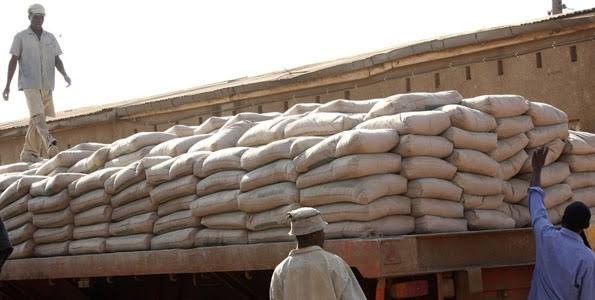
Cement is commonly sold in bags, although large construction projects may obtain it through bulk supply arrangements where available.
The price of a bag of cement is influenced by several stages of the supply chain, including manufacturing, packaging, transportation, distribution, storage and retailing.
For example, the price quoted by a supplier in Kampala may differ from the price offered in Mbarara, Gulu, Jinja, Fort Portal or other locations because transportation and distribution costs vary.
Similarly, two cement products sold in the same area may have different prices because they have different formulations, technical specifications, manufacturers or market positioning.
When comparing cement prices, it is therefore important to establish whether the quotation refers to:
- A particular cement type and strength class.
- A standard bag size and quantity.
- A wholesale or retail purchase.
- Collection from the supplier’s premises or delivery to the site.
- A price that includes or excludes unloading and other applicable charges.
A low advertised price does not necessarily represent the lowest total purchasing cost.
2. What Is the Current Price of Cement in Uganda?
Cement prices in Uganda change over time and differ between manufacturers, distributors, retailers and geographical locations.
There is no single national retail price that applies to every cement product and every construction site.
The actual amount paid depends on the product selected, supplier terms, order quantity, transport arrangements and prevailing market conditions.
For an accurate construction budget, obtain quotations from suppliers serving your project location.
When requesting cement prices, provide the following information:
- The type of cement required.
- The preferred product specification or strength class.
- The number of bags needed.
- The construction site location.
- Whether delivery is required.
- Whether unloading is included.
- The expected delivery schedule.
Requesting quotations using the same specifications makes it easier to compare suppliers fairly.
Important: Do not rely on old online price estimates when preparing a current construction budget. Cement prices can change, and a quotation should be confirmed directly with the supplier before making a purchasing decision.
3. Major Factors Affecting Cement Prices in Uganda
Several economic, manufacturing and distribution factors determine the cost of cement in the Ugandan market.
Understanding these factors helps property owners and construction professionals make better purchasing decisions.
3.1 Cost of Raw Materials
Cement manufacturing depends on raw materials such as limestone, clay, gypsum and other permitted mineral constituents.
The availability, extraction, processing and transportation of these materials contribute to production costs.
Changes in quarrying expenses, raw material availability, processing requirements and supply arrangements can influence the manufacturer’s overall operating costs.
These production costs can eventually affect the prices charged to distributors and consumers.
3.2 Energy and Fuel Costs
Cement manufacturing is energy-intensive.
Industrial kilns require substantial heat to produce clinker, while grinding, material handling and packaging also consume energy.
Electricity and fuel costs therefore form an important part of cement production expenses.
Changes in energy prices can influence manufacturing costs, particularly when producers experience higher fuel, electricity or transportation expenses.
3.3 Transportation and Distribution Costs
Transportation is one of the most important factors affecting the final price of cement paid by construction customers.
Cement must move from manufacturing facilities or distribution centres to wholesalers, hardware shops and construction sites.
The total delivery cost depends on:
- Distance from the supplier.
- Fuel prices.
- Vehicle operating expenses.
- Road conditions.
- Delivery quantity.
- Loading and unloading arrangements.
- Accessibility of the construction site.
For example, a developer purchasing cement for a project near a major distribution centre may face different delivery costs from someone constructing a building in a more distant district.
When comparing quotations, always consider the delivered price rather than the price per bag alone.
3.4 Manufacturer and Cement Brand
Different manufacturers have different production processes, distribution networks, product ranges and operating costs.
Their products may also differ in cement composition, declared strength class, packaging and technical characteristics.
These differences can influence market prices.
However, a higher-priced cement product is not automatically better for every construction activity.
Buyers should compare the product’s conformity, technical specifications, supplier reliability and suitability for the intended work.
3.5 Type of Cement
Different cement types may have different manufacturing processes and constituent materials.
Common categories include:
- Ordinary Portland Cement.
- Portland Pozzolana Cement.
- Portland Limestone Cement.
- Composite Cement.
- Specialised cement products.
Specialised products, including white cement and certain performance-specific cements, may cost more than general-purpose grey cement.
The price difference should be evaluated against the requirements of the construction project.
3.6 Cement Strength Class
Cement products are available in different declared strength classes under applicable standards.
These classifications indicate standardised cement strength performance, not the guaranteed strength of concrete made using the product.
Different strength classes and product formulations may have different prices.
However, purchasing the highest strength class available is not automatically the most economical decision.
The appropriate cement should meet the engineer’s specifications and the requirements of the intended concrete or mortar application.
3.7 Supply and Demand
Cement prices may respond to changes in market demand and product availability.
Demand can increase during periods of active construction, major infrastructure development and increased investment in residential or commercial property.
Supply disruptions, production constraints and distribution challenges may also influence market conditions.
Where demand is high and supplies are limited, buyers may experience changes in availability and prices.
3.8 Taxes, Duties and Regulatory Costs
Applicable taxes, import-related charges where relevant, compliance requirements and other operating costs can influence the final cost of building materials.
These costs may affect manufacturers, importers, distributors and retailers differently.
Their effect on the retail price depends on the product’s supply chain and prevailing market conditions.
3.9 Retailer and Distributor Margins
Cement passes through different stages of the distribution chain before reaching the final buyer.
Wholesalers, distributors and retailers incur operating expenses, including rent, labour, storage, handling and administration.
Each supplier may apply a different commercial margin.
This explains why prices can differ between hardware shops, even when they sell the same cement product in the same area.
3.10 Purchase Quantity
The number of cement bags ordered can influence the final purchasing cost.
A customer purchasing a few bags may pay a different unit price from a contractor arranging a large delivery.
Some suppliers may offer negotiated prices, bulk discounts or more favourable delivery arrangements for larger orders.
However, buyers should compare the actual terms rather than assuming that every bulk purchase is automatically cheaper.
4. Cement Prices in Kampala, Wakiso and Other Parts of Uganda
The location of a construction project can significantly influence the final cost of cement.
Transportation, distribution arrangements, supplier availability and site accessibility vary across Uganda.
Cement Prices in Kampala
Kampala has a large network of hardware shops, building material suppliers and distribution businesses.
Competition between suppliers may provide buyers with several quotation options.
However, the final delivered price can still depend on the location of the construction site, traffic conditions, order quantity and unloading requirements.
Cement Prices in Wakiso
Construction activity across Wakiso District includes residential housing, apartments, commercial buildings, estates and industrial developments.
The cost of cement delivery may vary depending on the distance from the supplier and the accessibility of the site.
Projects in different parts of Wakiso should therefore obtain location-specific quotations.
Cement Prices in Mukono
Mukono has growing residential, commercial and institutional construction requirements.
Buyers should compare suppliers based on product specifications, delivery arrangements and the total cost of transporting cement to the site.
Cement Prices in Jinja
Construction projects in Jinja require careful consideration of supplier location and delivery arrangements.
Buyers should request quotations that clearly separate the product price from transportation and unloading costs where applicable.
Cement Prices in Mbarara, Gulu and Other Regional Towns
For projects outside the central region, transportation distance, distribution networks and local supplier availability may have a significant effect on delivered cement prices.
Contractors should plan material procurement early, especially when large quantities are required.
5. Other Building Material Costs That Affect Construction Budgets in Uganda
Although cement is an important construction expense, it is only one component of the overall building material budget.
Other materials can also experience price changes that affect project costs.
5.1 Sand Prices
Sand is used in concrete, mortar, plastering and screeding.
Its price depends on source, quality, transportation distance, supply conditions and quantity purchased.
Sand that requires additional washing or processing may also have different costs.
Using suitable sand is important because contaminated or poorly graded material can affect mortar and concrete performance.
5.2 Aggregate and Hardcore Prices
Aggregates such as crushed stone, gravel and hardcore are used in concrete production, road works, foundations and floor construction.
Their costs depend on quarry location, material quality, crushing and processing, transport and delivery arrangements.
For construction projects, aggregates should meet the technical requirements of the intended application.
5.3 Steel Reinforcement Prices
Steel reinforcement is an important component of reinforced concrete construction.
It is used in foundations, beams, columns, slabs, retaining walls and other structural elements.
Prices can be influenced by steel production costs, raw material markets, import conditions, transportation, product size and supplier margins.
Because reinforcement requirements are determined by structural design, buyers should not reduce steel quantities or substitute specifications simply to save money.
5.4 Roofing Material Prices
Roofing costs depend on the selected material, design, thickness, profile, coating, accessories and installation requirements.
Common roofing options include metal sheets, tiles and other specialised roofing systems.
The roof structure, insulation, gutters, fasteners and labour should all be considered when preparing the total roofing budget.
5.5 Bricks and Concrete Blocks
The price of bricks and concrete blocks depends on manufacturing materials, production methods, dimensions, strength, quality, transportation and supplier location.
Poor-quality masonry units may result in additional mortar consumption, plastering difficulties and construction defects.
Always compare products based on dimensions, strength, quality and suitability.
5.6 Timber and Formwork Materials
Timber is used in roofing, formwork, temporary supports, doors and other construction applications.
Its cost depends on species, dimensions, quality, treatment, availability and transportation.
For concrete works, formwork should be suitable for the required dimensions and loads.
5.7 Plumbing and Electrical Materials
Building budgets must also include plumbing pipes, fittings, electrical cables, conduits, distribution boards, switches, sockets and other services.
These products vary considerably in specification, quality and price.
Selecting unsuitable materials to reduce costs can create safety, maintenance and operational problems.
6. How Cement Prices Affect the Total Cost of Building a House in Uganda
Cement expenditure can influence the overall construction budget because cement is required across several stages of building.
However, the amount spent on cement depends on the design and specifications of the house.
A house with a larger floor area, complex structural design, multiple floors or extensive concrete works may require more cement than a smaller and simpler building.
Cement is commonly used for:
Foundation construction: Cement is required in concrete for foundation bases, strip foundations, pads, ground beams and other foundation elements.
Structural framework: Reinforced concrete columns, beams, stairs and slabs require cement as a binding ingredient in concrete.
Wall construction: Cement is used in mortar for bricklaying and blockwork.
Plastering: Cement-based mortar is used for internal and external wall finishes.
Floor construction: Cement is used in concrete floors, screeds and selected finishing systems.
External works: Cement is required for walkways, paving, drainage channels, boundary walls and other external construction activities.
A change in cement price can therefore affect several construction activities, particularly where large volumes of concrete and mortar are required.
For accurate budgeting, estimate cement quantities from approved drawings and the Bill of Quantities rather than relying on a general figure for the number of bags needed to build a house.
7. How to Calculate Cement Requirements for Your Construction Project
Estimating cement requirements accurately helps prevent unnecessary purchasing, shortages and material wastage.
The required quantity depends on the design, concrete volumes, mortar quantities and finishing specifications.
Follow these steps when preparing a cement estimate.
Step 1: Obtain Construction Drawings
Use approved architectural and structural drawings to establish the dimensions and construction requirements.
These drawings provide the basis for calculating concrete, masonry and finishing quantities.
Step 2: Calculate Concrete Volumes
Measure the concrete required for foundations, columns, beams, slabs, stairs and other structural components.
For rectangular concrete elements:
Volume = Length × Width × Thickness
Ensure all dimensions are converted into consistent units before calculating the volume.
Step 3: Identify the Concrete Specifications
Different structural elements may have different specified concrete grades.
Use the approved mix design to establish the required cement content and the quantities of other materials.
Do not apply one generic cement-to-sand-to-aggregate ratio to every structural element.
Step 4: Estimate Mortar Requirements
Calculate the wall areas and masonry quantities to establish the mortar required for bricklaying and blockwork.
The estimate should consider joint thickness, masonry dimensions, mortar specifications and workmanship.
Step 5: Calculate Plastering and Screeding Requirements
Determine the surface areas to be plastered or screeded and the specified thickness of the finishes.
Use the appropriate mortar mix proportions to estimate cement quantities.
Step 6: Include Appropriate Allowances
Allow for reasonable handling losses and unavoidable wastage based on the project conditions.
Excessive allowances should be avoided because they can result in unnecessary material purchases.
Step 7: Prepare a Material Schedule
Combine the estimates into a procurement schedule showing the required quantities and expected delivery periods.
For major projects, this schedule should be coordinated with the construction programme.
8. How to Compare Cement Supplier Quotations in Uganda
Getting quotations from several suppliers is one of the most practical ways to manage cement purchasing costs.
However, quotations must be compared using the same product specifications and delivery conditions.
Consider the following factors.
Product Type
Ensure suppliers are quoting for the same cement category or an approved equivalent.
Comparing different cement products without considering their specifications may produce misleading results.
Strength Class
Check the declared strength class and confirm that it meets the project requirements.
Bag Size
Confirm the weight of each bag and the total quantity being supplied.
Do not compare quotations using different bag sizes without adjusting the unit price.
Delivery Charges
Ask whether the quoted amount includes delivery to the construction site.
Where delivery is charged separately, include it when calculating the final cost.
Unloading Costs
Establish whether unloading is included or whether additional labour or equipment will be required.
Product Authenticity
Confirm the manufacturer’s identity, product information and applicable conformity documentation.
Supply Reliability
A supplier’s ability to deliver the required quantity on schedule is important for avoiding construction interruptions.
Payment Terms
Review the payment requirements, deposit arrangements and any conditions affecting the quotation.
Quotation Validity
Check how long the quoted price remains valid because market prices and supplier terms can change.
Practical tip: Compare the total delivered cost per bag, not just the advertised price.
9. How to Reduce Cement Costs Without Compromising Construction Quality
Reducing cement expenditure does not mean purchasing inferior products or using less cement than required by the structural specification.
The most effective savings come from better planning, procurement, storage and construction management.
9.1 Prepare an Accurate Bill of Quantities
A BOQ helps establish realistic material requirements before construction begins.
It reduces guesswork and helps prevent excessive cement purchases.
9.2 Purchase From Reliable Suppliers
Compare quotations from reputable suppliers and select products that meet the required specifications.
Reliable supply arrangements can help reduce emergency purchases and project interruptions.
9.3 Plan Bulk Purchases Carefully
Where large quantities are needed, negotiate supply arrangements with distributors.
However, avoid purchasing more cement than can be stored safely and used within the manufacturer’s recommended period.
9.4 Coordinate Deliveries With Construction Activities
Arrange cement deliveries according to the construction programme.
This reduces unnecessary storage time and helps prevent shortages during important concrete works.
9.5 Prevent Cement Wastage
Use proper handling procedures, accurate batching and appropriate storage facilities.
Avoid leaving open cement bags exposed to rain, damp floors and other sources of moisture.
9.6 Use Suitable Sand and Aggregates
Poor-quality aggregates can contribute to construction defects and material wastage.
Select suitable materials that meet the required specifications.
9.7 Avoid Unnecessary Rework
Poor workmanship, incorrect measurements and inadequate supervision can lead to demolition and reconstruction.
Proper planning and quality control help reduce avoidable cement consumption.
9.8 Follow Approved Concrete Mix Designs
Do not increase or reduce cement content arbitrarily.
An approved mix design helps achieve the required strength and durability while using materials efficiently.
9.9 Monitor Material Consumption
Record cement deliveries and compare actual consumption with the BOQ.
Investigate unusual differences to identify possible wastage, inaccurate estimates or construction problems.
9.10 Use Professional Construction Supervision
Professional supervision helps ensure that materials are used correctly and that construction activities follow the approved specifications.
This can reduce errors that increase material costs.
10. Common Mistakes That Increase Cement and Building Material Costs
Construction budgets can increase unnecessarily when materials are poorly managed.
Some of the most common mistakes include:
Buying cement without checking specifications: This can result in purchasing unsuitable products that may need to be replaced.
Ignoring transportation costs: A low supplier price may become expensive after delivery and unloading charges are included.
Ordering excessive quantities: Purchasing more cement than can be stored properly increases the risk of deterioration and wastage.
Poor cement storage: Moisture exposure can damage cement before use.
Using inaccurate material estimates: Guesswork can lead to over-ordering or shortages.
Changing material specifications without approval: Unapproved substitutions can compromise construction quality and lead to costly corrections.
Poor workmanship: Incorrect mixing, inadequate compaction and insufficient curing can contribute to defects.
Failing to compare suppliers: Accepting the first quotation without evaluating alternatives may result in unnecessarily high procurement costs.
Avoiding these mistakes can improve cost control throughout the construction process.
11. How to Identify Quality Cement When Purchasing in Uganda
Price should never be the only consideration when purchasing cement.
Quality assurance is important because cement contributes directly to the performance of concrete and mortar.
Before accepting a delivery, check the following:
- Packaging condition: Bags should be properly sealed and free from damage that could allow moisture contamination.
- Product identification: Check the cement type, manufacturer’s details and product information.
- Declared specifications: Confirm that the cement meets the required product specification and strength class.
- Conformity information: Verify applicable Uganda National Bureau of Standards requirements and relevant certification or conformity information.
- Physical condition: Cement should normally be free-flowing and should not contain significant hard lumps.
- Storage history: Avoid products that have been exposed to damp conditions.
- Supplier reliability: Purchase from suppliers who can provide traceable products and supporting documentation.
Visual inspection alone cannot establish the full quality or strength of cement. For major projects, use appropriate product documentation, sampling and laboratory testing.
12. Proper Storage of Cement to Prevent Financial Losses
Improper cement storage can turn a good purchase into a financial loss.
Cement absorbs moisture from its surroundings, which can cause premature hydration and deterioration.
To protect cement on construction sites in Uganda:
- Store cement in a dry, covered and ventilated room.
- Keep bags raised above the floor using suitable pallets.
- Protect cement from rain and leaking roofs.
- Avoid placing bags directly against damp walls.
- Arrange bags to allow stock inspection.
- Separate different cement types and batches.
- Use stock rotation according to manufacturer recommendations.
- Purchase quantities that can be stored safely.
Proper storage is particularly important during rainy periods and on sites where temporary storage facilities are used.
13. Cement Prices and Construction Cost Planning: Why Professional Advice Matters
Cement is only one part of a building project’s total cost.
A realistic construction budget must account for all materials, labour, transportation, equipment, professional services, site preparation and other project requirements.
For example, the cost of constructing a residential property may be affected by:
- Architectural design and building size.
- Soil conditions and foundation requirements.
- Cement and concrete specifications.
- Reinforcement steel quantities.
- Sand, aggregates and hardcore.
- Walling materials.
- Roofing materials.
- Plumbing and electrical installations.
- Windows, doors and finishes.
- Labour and equipment.
- Transportation and site accessibility.
- Construction programme and project management.
A quantity surveyor can prepare a detailed BOQ and cost estimate based on the project drawings and specifications.
This helps property owners understand expected expenditure, compare quotations and monitor actual costs during construction.
Professional cost planning also makes it easier to identify potential savings without compromising structural safety or building quality.
Frequently Asked Questions About Cement Prices in Uganda
1. How much is a bag of cement in Uganda?
The price varies depending on the manufacturer, cement type, strength class, supplier, location, purchase quantity and delivery arrangements. Contact suppliers serving your project area for current quotations.
2. Why do cement prices differ between Kampala and other districts?
Differences may arise from transportation expenses, supplier availability, distribution networks, order quantity and local operating costs. The final delivered price depends on the specific supplier and construction site.
3. What determines cement prices in Uganda?
Major factors include raw material costs, energy prices, manufacturing expenses, transportation, distribution margins, taxes and regulatory costs, product type, market demand and purchase quantity.
4. Which cement is best for building a house in Uganda?
The appropriate cement depends on the structural design and intended application. Foundations, reinforced concrete, masonry, plastering and floor finishes may have different requirements. Follow the engineer’s specifications and manufacturer’s technical guidance.
5. Is buying cement in bulk cheaper?
Bulk purchases may attract negotiated prices or more favourable delivery arrangements. However, compare the total cost and ensure that the cement can be stored properly without moisture exposure.
6. Does a higher cement strength class mean better quality?
A higher strength class indicates higher standardised strength performance under the relevant test conditions. It does not automatically mean that the product is the best choice for every construction application. Suitability and compliance with the project specification are more important.
7. How many bags of cement are needed to build a house in Uganda?
The number depends on the building size, structural design, foundation system, concrete quantities, walling, plastering and finishing specifications. A BOQ prepared from approved drawings provides a more reliable estimate.
8. How can I reduce cement costs during construction?
Prepare accurate material estimates, compare suppliers, negotiate suitable bulk arrangements, plan deliveries, store cement correctly, prevent wastage and follow approved concrete mix designs.
9. Can cement prices change during a construction project?
Yes. Prices can change due to production costs, fuel prices, transportation expenses, market demand, supply conditions and other economic factors. Longer projects should include appropriate procurement and budget monitoring arrangements.
10. What other building material prices should I consider when preparing a construction budget?
In addition to cement, consider sand, aggregates, hardcore, reinforcement steel, bricks, concrete blocks, timber, roofing materials, plumbing supplies, electrical materials, windows, doors and finishing products.
11. How do I compare cement prices from different suppliers?
Compare the same cement type, strength class, bag weight and quantity. Include delivery, unloading and other charges to establish the actual total cost.
12. Where can I buy cement in Uganda?
Cement is available through hardware shops, building material suppliers, wholesalers and authorised distributors. Select suppliers who provide traceable products, suitable documentation and reliable delivery.
Conclusion: Understand Cement Prices to Control Construction Costs in Uganda
Cement prices in Uganda are influenced by several factors, including manufacturing expenses, raw materials, energy, transportation, distribution, cement type, strength class and market conditions.
For property owners, contractors and developers, understanding these factors is important for preparing realistic construction budgets and making informed purchasing decisions.
However, controlling cement costs is not simply about finding the cheapest bag. It requires selecting suitable products, obtaining competitive quotations, calculating material requirements accurately, planning deliveries and preventing unnecessary wastage.
The same approach should be applied to other construction materials, including sand, aggregates, reinforcement steel, concrete blocks, roofing materials and finishing products.
A well-prepared BOQ, reliable suppliers, professional quantity surveying and effective construction supervision can help keep a project financially controlled while maintaining the required standards of quality and safety.
Planning to build a house, commercial property, warehouse or industrial facility in Uganda?
Daltrevco provides construction and infrastructure development support to help property owners and developers plan and execute their projects.
Contact Daltrevco to discuss your construction requirements, material planning and project cost considerations.
Daltrevco – Building quality, managing costs and delivering lasting construction solutions.