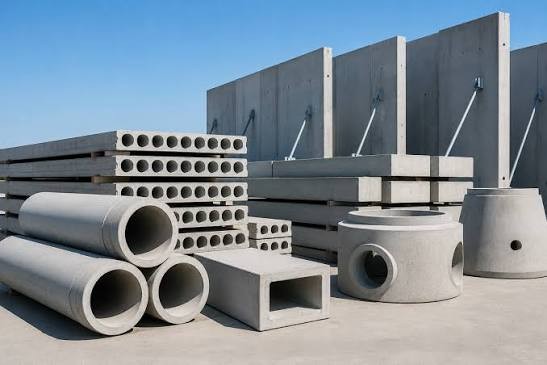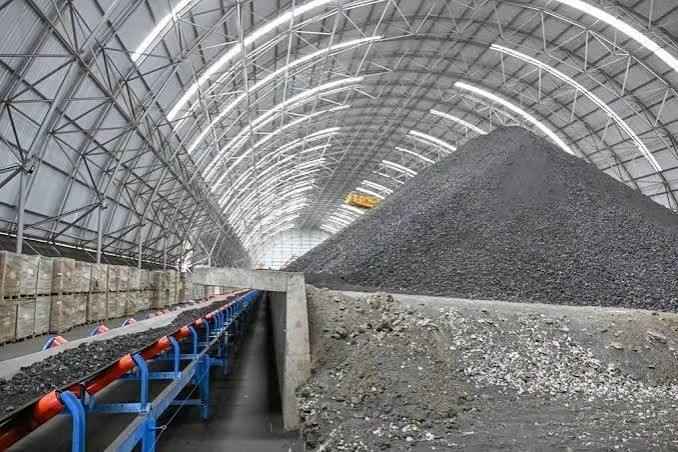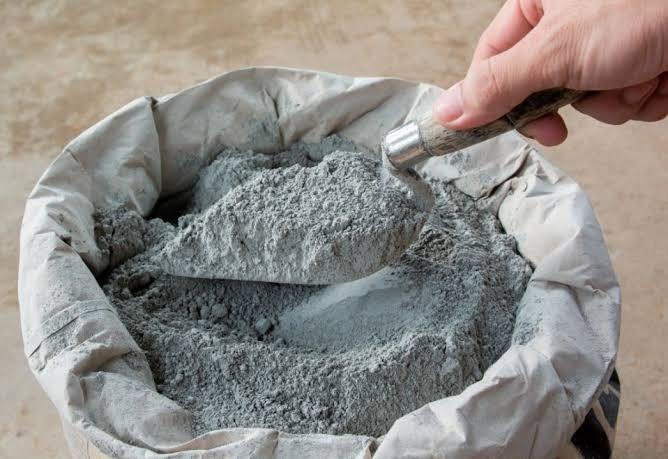
Cement is one of the most essential building materials in Uganda. It is used in almost every stage of construction, from laying foundations and building walls to casting concrete slabs, constructing drainage systems, manufacturing concrete blocks and developing roads and commercial infrastructure.
However, not all cement is the same. Different cement products have different compositions, strength development characteristics and performance properties. Selecting the wrong cement for a particular application can contribute to poor concrete performance, construction defects, unnecessary material costs and premature deterioration of structures.
For homeowners, property developers, contractors, engineers and construction companies, understanding the available types of cement in Uganda, their applications, quality requirements and purchasing considerations is important for achieving strong, durable and cost-effective construction.
Whether you are building a residential house in Kampala, developing commercial property in Wakiso, constructing an industrial facility or undertaking an infrastructure project elsewhere in Uganda, choosing the appropriate cement should be part of your construction planning process.
This comprehensive guide explains the different types of cement used in Uganda, where each type is suitable, how to identify quality cement, what affects cement prices and how to make the right purchasing decision for your construction project.
1. What Is Cement and Why Is It Important in Construction?
Cement is a hydraulic binding material that reacts chemically with water to form a paste that hardens and develops strength. It is commonly used to bind sand, aggregates, bricks, concrete blocks and other construction materials.
The most familiar construction cement is Portland cement and its blended varieties. These products are manufactured using Portland cement clinker, gypsum and, depending on the product, other permitted mineral constituents.
Cement is important because it provides the binding action needed to produce materials such as concrete and mortar.
Concrete is produced by combining cement, water, fine aggregates such as sand and coarse aggregates such as crushed stone or gravel. It is used for structural and non-structural construction.
Mortar is generally produced by mixing cement, sand and water. It is used for bricklaying, blockwork, plastering and other masonry applications.
Cement is therefore used in:
- Building foundations and foundation slabs.
- Reinforced concrete beams and columns.
- Suspended and ground-floor slabs.
- Bricklaying and concrete block construction.
- Wall plastering and rendering.
- Concrete roads and pavements.
- Concrete paving blocks and kerbs.
- Drainage channels, culverts and manholes.
- Retaining walls and other civil engineering structures.
- Precast concrete products.
- Industrial floors and warehouse construction.
The type and quality of cement selected influence the performance of the concrete or mortar produced. However, cement alone does not determine the strength of a finished structure. Mix design, aggregates, water quality, workmanship, compaction and curing are also essential.
2. Types of Cement Available in Uganda
The Ugandan construction market offers different cement products manufactured for general construction and specialised applications.
The product names, compositions and availability vary between manufacturers. Therefore, buyers should examine the product specifications and declared standards rather than relying on the name alone.
2.1 Ordinary Portland Cement (OPC)
Ordinary Portland Cement is a widely recognised type of Portland cement used in general construction.
It is manufactured primarily from Portland cement clinker and gypsum, with composition controlled by the applicable product standard.
OPC is commonly used where reliable strength development is required and where its characteristics meet the project specification.
Main applications of OPC include:
- Reinforced concrete foundations.
- Structural beams and columns.
- Concrete slabs and stairs.
- Concrete floors.
- General structural concrete.
- Precast concrete products, where specified.
- Other building and civil engineering works.
Important considerations
The suitability of OPC depends on its declared strength class and the requirements of the concrete mix. It should not be assumed that every OPC product is automatically suitable for every structural application.
For major structural works, follow the engineer’s specifications and approved concrete mix design.
2.2 Portland Pozzolana Cement (PPC)
Portland Pozzolana Cement is produced using Portland cement constituents combined with pozzolanic materials.
Pozzolanic materials react with calcium hydroxide produced during cement hydration to form additional cementitious compounds. This can contribute to long-term strength development and improved performance in certain exposure conditions.
PPC is used in many general construction applications.
Common applications include:
- Residential building construction.
- Foundations and concrete floors.
- Masonry and plastering.
- Concrete drainage structures.
- General concrete construction.
- Selected infrastructure projects.
Advantages of PPC may include:
- Good long-term strength development.
- Reduced heat of hydration compared with some conventional cement products.
- Improved resistance to certain aggressive exposure conditions.
- Potentially improved workability, depending on the formulation.
- Suitability for many general building applications.
Important considerations
PPC may develop early strength more slowly than some other cement types. This makes proper curing and compliance with the construction programme particularly important.
Do not remove formwork or load concrete based on assumptions about the cement type. Follow the structural engineer’s instructions and the relevant strength requirements.
2.3 Portland Limestone Cement
Portland Limestone Cement contains Portland cement clinker and a controlled proportion of limestone, alongside other permitted constituents where applicable.
It is commonly used in general construction where its declared properties meet the required specification.
Applications include:
- General concrete production.
- Residential construction.
- Commercial building works.
- Masonry and plastering.
- Floor screeds.
- Concrete paving and selected precast applications.
Its suitability should be established using the product’s technical data, applicable standard and project requirements.
2.4 Composite Cement
Composite cement contains Portland cement clinker combined with more than one supplementary constituent, depending on the formulation and applicable standard.
These constituents may include pozzolanic materials, limestone or other permitted materials.
Common applications include:
- General building construction.
- Concrete production.
- Masonry work.
- Plastering and rendering.
- Selected infrastructure and precast applications.
Composite cement products can have different performance characteristics. Contractors should consult the manufacturer’s technical information before using them in demanding structural or specialised applications.
2.5 Rapid-Hardening Cement
Rapid-hardening cement is designed to achieve faster early strength development than conventional cement products under comparable testing conditions.
It is useful where early strength is important to the construction process.
Common applications include:
- Selected precast concrete manufacturing.
- Certain repair works.
- Construction activities requiring early strength development.
- Projects with specific formwork removal requirements.
Rapid-hardening cement is not a substitute for proper concrete design, compaction or curing. Its use should be approved for the particular application.
2.6 Sulphate-Resisting Cement
Sulphate-resisting cement is formulated to improve resistance to sulphate attack in certain aggressive soil and groundwater environments.
Sulphates can react with cement hydration products and contribute to concrete deterioration, expansion and cracking.
Common applications include:
- Foundations in sulphate-bearing soils.
- Underground concrete structures.
- Certain drainage and wastewater structures.
- Infrastructure exposed to aggressive groundwater.
- Concrete structures in chemically aggressive environments.
Before specifying this cement, the project should assess the actual exposure conditions. Appropriate concrete mix design, low permeability and protective measures may also be necessary.
2.7 White Cement
White cement is manufactured using carefully selected raw materials and production processes to achieve a light colour.
It is mainly used for decorative and architectural applications rather than ordinary structural construction.
Common applications include:
- Decorative concrete finishes.
- Terrazzo and specialised flooring.
- Architectural detailing.
- Decorative mouldings.
- Coloured cement products.
- Selected tile grouting and finishing applications.
White cement is generally more expensive than ordinary grey cement. Its use should be based on the desired finish and product suitability.
3. Cement Strength Classes: What Do the Numbers Mean?
One important consideration when purchasing cement is its strength class.
Cement strength classes indicate the compressive strength performance of standardised mortar specimens tested under prescribed laboratory conditions.
Depending on the applicable cement standard, classifications may include values such as 32.5, 42.5 and 52.5 MPa.
These figures describe the cement’s standardised strength class. They do not represent the guaranteed strength of concrete made using that cement.
The actual performance of concrete depends on several factors, including:
- Cement type and strength class.
- Water-cement ratio.
- Aggregate quality and grading.
- Concrete mix proportions.
- Mixing consistency.
- Compaction and placement.
- Curing conditions.
- Age of the concrete.
Some strength classes may also include early-strength designations, depending on the standard and product classification.
Why this matters to property owners
A cement product with a higher strength class is not automatically the best choice for every construction activity. The correct product is the one that satisfies the specified requirements of the work.
For structural concrete, use the cement and concrete mix specified by the engineer rather than selecting a product based solely on its strength-class number.
4. Which Type of Cement Is Best for Different Construction Activities?
Choosing cement becomes easier when the intended construction application is clearly understood.
The following table provides general guidance. Final selection should always follow the project specification and manufacturer’s technical information.
| Construction activity | Cement selection considerations |
|---|---|
| Building foundations | Cement suitable for the specified concrete design and soil exposure |
| Beams and columns | Cement meeting the approved structural concrete specification |
| Concrete slabs | Cement suitable for the required concrete strength and durability |
| Bricklaying | Cement suitable for the specified masonry mortar |
| Wall plastering | Cement suitable for plastering mortar and the required finish |
| Concrete paving | Cement meeting the paving concrete specification |
| Precast concrete products | Cement suitable for the product’s strength and production requirements |
| Drainage structures | Cement and concrete designed for the expected environmental exposure |
| Decorative finishes | White or specialised cement where the appearance requires it |
| Aggressive soil conditions | Cement and protective measures appropriate to the identified chemical exposure |
The key principle is to match the cement to the required performance rather than assuming that one product is ideal for all construction activities.
5. Major Uses of Cement in Uganda’s Construction Industry
Cement supports a wide range of building and infrastructure activities across Uganda.
5.1 Residential House Construction
Cement is required throughout residential construction, including:
- Foundation concrete.
- Ground beams and structural columns.
- Floor slabs.
- Bricklaying and blockwork mortar.
- Internal and external plastering.
- Concrete stairs.
- Screeds and selected finishes.
The amount and type of cement required depend on the architectural design, structural specifications, construction method and finishing requirements.
5.2 Commercial Building Construction
Shopping centres, offices, hotels, supermarkets and other commercial properties use cement in structural concrete, masonry, floors, stairs, drainage and external works.
Commercial projects often involve larger material quantities and stricter requirements for construction quality, durability and programme management.
Proper cement procurement and quality control help maintain consistency throughout the project.
5.3 Industrial and Warehouse Construction
Factories, warehouses, workshops and industrial buildings use cement-based materials for:
- Reinforced concrete foundations.
- Industrial floor slabs.
- Machine foundations.
- Loading and unloading areas.
- Retaining walls.
- Drainage systems.
- Precast concrete elements.
Industrial floors may be exposed to heavy loads, abrasion, impact and chemical substances. Their design must consider these conditions rather than relying on cement selection alone.
5.4 Road Construction and Concrete Paving
Cement is essential in concrete road construction, pavements, kerbs, walkways and other infrastructure.
It is also used in the production of concrete paving blocks for residential, commercial and industrial properties.
For these applications, concrete must be designed to meet the expected loading, wear, drainage and environmental requirements.
5.5 Drainage and Water Management
Cement is used to construct stormwater channels, culverts, manholes, inspection chambers and other drainage structures.
Drainage structures may experience water exposure, abrasion, soil pressure and, in some cases, chemical attack.
The correct concrete specification and proper construction techniques are important for achieving durability.
5.6 Precast Concrete Manufacturing
Cement is a fundamental ingredient in the production of precast materials such as:
- Concrete blocks.
- Concrete bricks.
- Interlocking pavers.
- Concrete kerbs.
- Precast slabs.
- Drainage channels.
- Concrete fence posts.
Consistent cement quality, accurate batching, suitable aggregates, adequate compaction and controlled curing help manufacturers produce reliable precast products.
6. How to Choose the Right Cement in Uganda: 10 Important Factors
Before purchasing cement, property owners and contractors should evaluate more than the product’s brand and price.
The following factors can help you make an informed selection.
6.1 Identify the Purpose of the Cement
Start by determining where the cement will be used.
Is it intended for structural concrete, masonry, plastering, paving, precast manufacturing or specialised infrastructure?
Each activity has different technical requirements.
A product suitable for general masonry may not necessarily satisfy the requirements of a demanding structural or chemically aggressive environment.
6.2 Check the Applicable Uganda Standards
Cement sold in Uganda should comply with the relevant applicable Uganda National Bureau of Standards requirements.
Before purchasing, check:
- The product’s declared cement type.
- The applicable standard identified by the manufacturer.
- Manufacturer and product identification.
- Declared strength class, where applicable.
- Relevant conformity or certification information.
For large projects, request product documentation and verify conformity through the appropriate channels.
Do not assume that a product is compliant simply because it is widely sold or has familiar packaging.
6.3 Examine the Cement Strength Class
Check the declared strength class and confirm that it meets the project specification.
A higher number does not automatically make cement the best option for every application.
The engineer should determine the appropriate cement and concrete specifications based on the structural requirements and expected exposure conditions.
6.4 Consider the Construction Environment
The location and exposure conditions of the structure can influence cement and concrete selection.
For example:
- Foundations may be exposed to aggressive soil or groundwater.
- Underground structures may experience moisture and chemical exposure.
- External concrete may undergo repeated wetting and drying.
- Industrial floors may experience abrasion and chemical exposure.
- Drainage structures may come into contact with wastewater.
Where aggressive conditions exist, a durability assessment should guide the cement selection and concrete specification.
6.5 Check Product Freshness and Storage History
Cement can absorb moisture during storage and transportation.
Moisture exposure can cause partial hydration and the formation of hard lumps, reducing the reliability of the product.
Before purchasing, inspect the packaging and ask about storage conditions.
Buy from suppliers who store cement in dry, protected facilities.
6.6 Assess Supplier Reliability
A reliable cement supplier should be able to provide genuine, traceable products and consistent deliveries.
For major construction projects, supplier reliability is important because delays in cement supply can interrupt concrete works and affect the construction programme.
Consider the supplier’s:
- Product authenticity.
- Stock availability.
- Delivery capacity.
- Storage arrangements.
- Documentation.
- Ability to supply consistent batches.
6.7 Compare Cement Prices and Total Project Cost
Cement prices vary depending on the manufacturer, product type, packaging, location, transport costs and market conditions.
However, the cheapest product is not always the most economical.
An unsuitable or poor-quality product may contribute to material wastage, repairs and construction delays.
Compare cement based on quality, technical suitability, availability and total delivered cost.
6.8 Check Compatibility With the Concrete Mix Design
Cement must be considered alongside sand, aggregates and water.
A concrete mix design establishes the proportions and material characteristics needed to achieve the required performance.
Do not change the cement type or supplier on a major structural project without checking whether the substitution is permitted by the project specification.
6.9 Consider Workability and Setting Characteristics
Different cement products can influence the behaviour of fresh concrete and mortar.
Factors such as setting time, temperature, water content and supplementary cementitious materials can affect construction operations.
The selected cement should suit the working conditions, placement method and construction schedule.
6.10 Seek Professional Advice for Structural Work
For foundations, columns, beams, suspended slabs and other critical structural elements, cement selection should be guided by the engineer and approved construction specifications.
This reduces the risk of making decisions based on assumptions or general recommendations that may not suit the project.
7. Cement Prices in Uganda: What Determines the Cost?
The cost of cement is an important consideration when preparing a construction budget.
However, cement prices in Uganda are not fixed. They can vary by product, manufacturer, location, supplier and market conditions.
The following factors influence the amount you pay.
7.1 Type of Cement
Different cement products may have different manufacturing processes, constituent materials and technical characteristics.
Specialised products, including white cement and certain performance-specific products, may cost more than ordinary general-purpose grey cement.
7.2 Manufacturer and Brand
Manufacturers have different production costs, distribution networks, product ranges and market positions.
Buyers should compare technical specifications and conformity information rather than relying exclusively on brand recognition.
7.3 Cement Strength Class
Cement products with different declared strength classes may have different prices.
However, the correct selection should be based on the project specification, not simply on purchasing the highest-priced or highest-class product.
7.4 Location and Transportation Costs
Cement prices may differ between Kampala, Wakiso, Mukono, Entebbe, Mbarara, Gulu, Jinja and other parts of Uganda.
Transport costs, delivery distance, order size and accessibility of the construction site can affect the final delivered price.
7.5 Quantity Purchased
Large construction projects may negotiate different delivery or supply arrangements from those available to customers purchasing a few bags.
The final price depends on supplier terms and logistics.
7.6 Market Conditions
Changes in production costs, fuel prices, distribution expenses, supply conditions and general market demand can influence cement prices.
For accurate budgeting, request current quotations from suppliers rather than relying on outdated online price estimates.
Important: When comparing quotations, check whether prices include delivery, unloading and any other applicable charges.
8. How Much Cement Is Needed for a Construction Project?
The amount of cement required depends on the size, design and construction method of the project.
There is no single cement quantity that applies to every house, slab, foundation or building.
Important factors include:
Building dimensions: Larger buildings generally require more concrete, mortar and plastering materials.
Structural design: Foundation dimensions, column sizes, beam dimensions and slab thickness affect concrete quantities.
Concrete grade: Different specified concrete grades may require different mix proportions and cement contents.
Walling system: The type and number of bricks or blocks influence mortar consumption.
Plastering requirements: Wall surface area, plaster thickness and mortar proportions affect cement quantities.
Floor finishes: Screeds and other cement-based finishes add to material requirements.
Construction wastage: Poor handling, inaccurate batching, spillage and rework increase cement consumption.
For reliable estimates, prepare a Bill of Quantities using approved drawings, construction specifications and appropriate material calculations.
How to Estimate Cement Requirements More Accurately
A professional estimate should normally follow these steps:
- Obtain the approved architectural and structural drawings.
- Calculate the required concrete volumes for foundations, beams, columns and slabs.
- Identify the specified concrete grades and mix designs.
- Calculate mortar quantities for bricklaying and blockwork.
- Estimate plastering and screeding quantities.
- Apply appropriate allowances for handling and unavoidable wastage.
- Prepare a material schedule and procurement plan.
For structural concrete, do not use a generic cement-per-bag estimate as a substitute for an approved mix design.
9. How to Identify Quality Cement Before Buying
Quality assurance starts before cement reaches the construction site.
Property owners, contractors and procurement officers should carry out basic checks when receiving cement.
Inspect the Cement Packaging
The bag should be properly sealed and should not have visible damage that allows moisture or contaminants to enter.
Check the printed product information and manufacturer identification.
Verify the Product Information
Look for the product name, cement type, manufacturer, batch or traceability details and declared technical information.
Where relevant, check the applicable conformity information.
Check the Physical Condition
Cement should normally be a fine, free-flowing powder.
Hard lumps may indicate moisture exposure or deterioration. Do not use cement with significant hard lumps in important structural works without proper assessment.
Check Storage Conditions
Avoid purchasing cement that has been exposed to rain, damp floors or unsuitable storage conditions.
Buy From Traceable Suppliers
Choose established suppliers who can provide product documentation and explain the origin of the cement.
Request Testing for Major Projects
Visual inspection cannot establish the compressive strength or full compliance of cement.
For major or quality-sensitive projects, use appropriate sampling, laboratory testing and material approval procedures.
10. Proper Cement Storage on Construction Sites in Uganda
Cement is sensitive to moisture. Poor storage can reduce its quality before it is used.
Proper storage is especially important during rainy periods and on construction sites where covered storage facilities may be limited.
Follow these practices:
- Store cement in a dry, covered and well-ventilated room.
- Keep cement bags on raised wooden or suitable moisture-resistant pallets.
- Prevent direct contact with the ground.
- Protect bags from rain, roof leaks and damp walls.
- Keep the storage area clean and free from standing water.
- Arrange bags to allow inspection and stock rotation.
- Keep different products and batches clearly identified.
- Follow the manufacturer’s storage recommendations.
- Purchase quantities that can be stored safely and used within the recommended period.
- Assess cement that has developed hard lumps before deciding whether it is suitable for use.
Proper storage helps protect cement quality and reduces avoidable construction losses.
11. Common Cement-Related Construction Mistakes and How to Avoid Them
Even when good-quality cement is purchased, mistakes during construction can affect the finished work.
Mistake 1: Using Cement Without Checking Its Suitability
Different cement products have different characteristics.
How to avoid it: Confirm the product type, declared specifications and suitability for the intended construction activity.
Mistake 2: Adding Excess Water to Concrete
Too much water can increase the water-cement ratio, reduce concrete strength and increase permeability.
How to avoid it: Follow the approved mix design and control water addition carefully.
Mistake 3: Using Poor-Quality Sand and Aggregates
Dirty, unsuitable or poorly graded aggregates can reduce the performance of concrete and mortar.
How to avoid it: Use aggregates that meet the project requirements and check their cleanliness and grading.
Mistake 4: Failing to Measure Materials Accurately
Uncontrolled batching can result in inconsistent concrete or mortar.
How to avoid it: Use approved batching procedures and appropriate measuring equipment.
Mistake 5: Inadequate Concrete Compaction
Poor compaction can leave air voids and honeycombing in concrete.
How to avoid it: Use appropriate compaction methods and ensure that concrete is placed correctly around reinforcement and formwork.
Mistake 6: Poor Curing Practices
Insufficient curing can lead to surface cracking, reduced strength development and poor durability.
How to avoid it: Follow the specified curing method and duration, taking account of the concrete type and environmental conditions.
Mistake 7: Using Cement That Has Been Exposed to Moisture
Moisture exposure can cause cement to deteriorate before use.
How to avoid it: Inspect cement during delivery and maintain proper storage.
Mistake 8: Ignoring Structural Specifications
Choosing materials based on assumptions can compromise structural quality.
How to avoid it: Follow approved drawings, specifications and professional engineering advice.
12. Cement vs Concrete vs Mortar: Understanding the Difference
These terms are often confused, particularly by people undertaking their first construction project.
| Material | Composition | Main applications |
|---|---|---|
| Cement | Hydraulic binding material | Used to produce concrete and mortar |
| Concrete | Cement, water, sand and coarse aggregates | Foundations, beams, columns, slabs, roads and pavements |
| Mortar | Cement, sand and water | Bricklaying, blockwork, plastering and masonry |
Cement is an ingredient, while concrete and mortar are mixtures produced using cement.
Understanding this distinction helps property owners communicate more accurately with contractors and suppliers.
13. How to Buy Cement for Large Construction Projects
Large residential, commercial and industrial developments require careful procurement planning.
Buying cement without considering the construction programme can lead to shortages, unnecessary storage costs and deterioration of materials.
A practical procurement strategy should include:
Prepare a Bill of Quantities: Establish the estimated cement requirements for the entire project.
Identify the required cement specifications: Confirm the approved cement types and strength classes.
Select reliable suppliers: Compare product conformity, delivery capacity and consistency.
Request quotations: Obtain current prices and clarify transport and unloading charges.
Plan delivery schedules: Arrange supplies according to the construction programme and available storage.
Inspect deliveries: Check packaging, product identification, batch information and physical condition.
Maintain records: Record quantities received, suppliers, batches and materials used.
Monitor consumption: Compare actual usage with the BOQ and investigate unusual variations.
These measures improve cost control and help maintain consistent material quality.
14. Why Proper Cement Selection Matters for Long-Term Building Quality
Cement is a relatively small component of the overall construction process, but its role in concrete and mortar makes it extremely important.
Selecting suitable cement and using it correctly can help achieve:
- Reliable concrete strength development.
- Strong masonry bonding.
- Durable concrete surfaces.
- Improved construction consistency.
- Better control of material wastage.
- Reduced risk of avoidable defects.
- Improved long-term performance when combined with proper design and workmanship.
However, durable construction requires more than good cement. It also requires sound structural design, suitable aggregates, correct mix proportions, proper reinforcement detailing, effective drainage, adequate curing and professional supervision.
Frequently Asked Questions About Cement in Uganda
1. What are the main types of cement used in Uganda?
Common categories include Ordinary Portland Cement, Portland Pozzolana Cement, Portland Limestone Cement and composite cement. Specialised products such as rapid-hardening cement, sulphate-resisting cement and white cement are also used for particular applications. Availability varies between manufacturers and suppliers.
2. Which cement is best for building a house in Uganda?
The appropriate cement depends on the house design and the construction activity. Structural concrete, masonry mortar, plastering and floor screeds may have different requirements. Choose cement that meets the project specification and the manufacturer’s technical recommendations.
3. Which cement is best for foundations?
The correct product depends on the foundation design, concrete specification and soil or groundwater conditions. Where aggressive chemical exposure is identified, the engineer may specify sulphate-resistant cement or other durability measures.
4. What is the difference between OPC and PPC cement?
OPC is based primarily on Portland cement clinker and gypsum. PPC includes pozzolanic materials that react with cement hydration products. Their strength development, heat generation and durability characteristics can differ depending on the formulation.
5. What does 32.5 or 42.5 mean on a cement bag?
These numbers refer to cement strength classes under applicable standards. They describe the standardised strength performance of cement mortar specimens, not the guaranteed compressive strength of concrete produced using that cement.
6. Is PPC suitable for concrete construction?
PPC is used in many concrete applications. Its suitability depends on the declared product specification, concrete mix design, strength requirements and exposure conditions. Follow the engineer’s approval and manufacturer’s technical guidance.
7. How can I identify poor-quality cement?
Warning signs include damaged packaging, evidence of moisture exposure, significant hard lumps and missing or unclear product identification. However, visual inspection cannot establish full product quality. Laboratory testing and appropriate conformity documentation may be necessary.
8. How should cement be stored on a construction site?
Store cement in a dry, covered and ventilated room. Keep bags on raised pallets, protect them from rain and moisture, and rotate stock according to the manufacturer’s recommendations.
9. What determines cement prices in Uganda?
Prices depend on cement type, manufacturer, product specification, supplier, location, transport costs, order quantity and market conditions. Request current quotations to establish the actual delivered cost.
10. How many bags of cement are required to build a three-bedroom house in Uganda?
There is no reliable fixed number. Cement requirements depend on the house dimensions, structural design, foundation type, concrete specifications, walling materials, plastering and finishes. A BOQ based on approved drawings provides a more dependable estimate.
11. Can I use the same cement for plastering, bricklaying and concrete?
Some general-purpose cement products may be suitable for several applications, but the mortar or concrete must still meet the relevant specifications. Always check the product’s technical guidance and the project requirements.
12. Does more cement always mean stronger concrete?
No. Adding cement without controlling water content, aggregates and mix proportions does not guarantee better concrete. Concrete strength and durability depend on the complete mix design and construction process.
13. Why does concrete crack even when good cement is used?
Concrete may crack because of shrinkage, temperature changes, settlement, structural movement, inadequate reinforcement, poor mix proportions, excessive water, insufficient curing or other construction problems. The cause should be investigated before selecting a repair method.
14. Where can I buy cement in Uganda?
Cement is sold through hardware shops, building material suppliers and authorised distributors. Select a supplier who can provide traceable products, appropriate documentation and reliable delivery arrangements.
Conclusion: Choose Quality Cement for Strong and Durable Construction in Uganda
Choosing the right cement is one of the most important material decisions in a construction project. Whether you are constructing a residential house, commercial building, warehouse, factory, road or drainage system, the cement selected should satisfy the technical requirements of the intended application.
Understanding the different cement types, strength classes, construction uses, quality checks and price considerations helps property owners and contractors make informed purchasing decisions.
Remember that the best cement is not necessarily the most expensive product or the one with the highest strength-class number. It is the product that meets the relevant standards, suits the project specification and performs reliably when used with appropriate materials and workmanship.
For successful construction, combine quality cement with suitable aggregates, accurate batching, proper compaction, effective curing and professional supervision.
Planning a residential, commercial or industrial construction project in Uganda?
Daltrevco supports construction and infrastructure development through professional project planning, material selection guidance and construction services.
Contact Daltrevco to discuss your construction requirements and get professional support for your next project.
Daltrevco – Building quality, durability and confidence into every construction project.