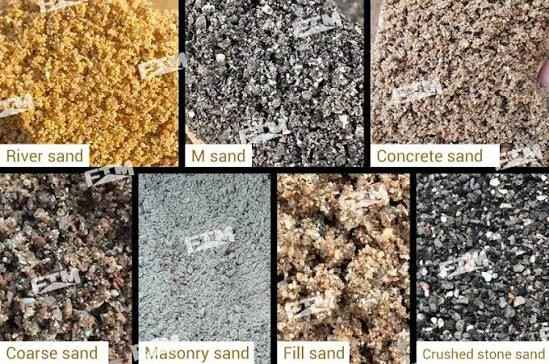
Sand is one of the most important building materials used in construction in Uganda. It is essential for producing concrete, preparing mortar, plastering walls, laying paving materials, constructing floors and carrying out various finishing works.
From residential houses and commercial buildings to warehouses, roads, drainage systems and industrial facilities, sand contributes significantly to the strength, stability and durability of construction projects.
However, not all sand is suitable for every construction activity. Different types of sand have different particle sizes, shapes, textures, grading characteristics and levels of cleanliness. Selecting the wrong type can affect concrete strength, mortar bonding, plaster quality and the overall performance of a building.
For homeowners, contractors, engineers, quantity surveyors and property developers, understanding the different types of sand used in building construction is essential for selecting suitable materials and avoiding unnecessary construction problems.
Whether you are constructing a house in Kampala, developing commercial property in Wakiso, building an industrial facility in Mukono or undertaking an infrastructure project elsewhere in Uganda, choosing the right sand is an important part of construction planning.
This guide explores the main types of sand used in building construction, their applications, important quality requirements, how to choose the right sand and common mistakes to avoid when purchasing construction sand in Uganda.
1. What Is Construction Sand?
Construction sand is a granular material made up of small mineral and rock particles. It is commonly used as a fine aggregate in concrete, mortar, plastering and other building applications.
Sand can be obtained from natural deposits or produced through the crushing and processing of suitable rocks.
Its properties depend on its source, mineral composition, particle size, shape, grading and level of impurities.
In construction, sand performs several important functions:
- Fills spaces between coarse aggregates in concrete.
- Contributes to the volume and workability of concrete and mortar.
- Helps produce strong and stable masonry mortar.
- Provides a suitable texture for plastering and rendering.
- Supports the production of concrete blocks and paving products.
- Forms part of selected floor screeds and finishing materials.
- Contributes to the preparation of construction bedding materials where specified.
The quality of sand is important because unsuitable fine aggregates can negatively affect the strength, workability and durability of cement-based construction materials.
2. Main Types of Sand Used in Building Construction
Different types of sand are used depending on the construction activity, material specifications and required finish.
The following are the main categories relevant to building and infrastructure construction.
2.1 River Sand
<AsyncImage query=”clean natural river sand fine aggregate construction stockpile” aspectRatio=”16:9″ width=”100%” />
River sand is naturally occurring sand obtained from riverbeds and approved extraction areas.
It is formed through the weathering and erosion of rocks, followed by the transportation and deposition of particles by flowing water.
River sand is widely used in construction because it can have relatively rounded particles and suitable grading, although its properties vary depending on the source and processing.
Common applications of river sand include:
- Concrete production.
- Bricklaying and blockwork mortar.
- Wall plastering.
- Floor screeding.
- General masonry construction.
- Selected paving and finishing works.
Advantages of river sand
- Can provide suitable grading for concrete and mortar.
- Often has a relatively smooth particle texture.
- Can be suitable for several construction applications when properly processed.
- Can contribute to workable mortar and concrete mixes.
Important considerations
River sand is not automatically suitable for every construction activity. Some sources may contain silt, clay, organic matter or other impurities.
Before using it in concrete or mortar, check its grading, cleanliness and compliance with the relevant project requirements.
Extraction should also come from legally authorised and environmentally responsible sources.
2.2 Pit Sand
<AsyncImage query=”natural pit sand construction material excavated sand stockpile” aspectRatio=”16:9″ width=”100%” />
Pit sand is obtained from deposits found beneath the ground surface, usually through excavation.
Its particle characteristics depend on the geological formation and source.
Pit sand may have angular or irregular particles and can contain varying amounts of clay, silt and other impurities.
Common applications include:
- Masonry mortar.
- Bricklaying.
- Blockwork.
- General building applications where suitable.
- Selected concrete works where testing confirms compliance.
Advantages of pit sand
- Can provide good particle interlocking depending on its characteristics.
- May be available from local approved deposits.
- Can be suitable for masonry and other building applications when properly selected.
Important considerations
Pit sand should be inspected carefully because its quality can vary significantly between deposits.
Excessive clay, silt and organic impurities can affect bonding, workability and construction performance.
Where necessary, washing, screening or other processing may be required before use.
2.3 Manufactured Sand (Crushed Stone Sand)
<AsyncImage query=”manufactured crushed stone sand fine aggregate quarry stockpile” aspectRatio=”16:9″ width=”100%” />
Manufactured sand, also known as M-sand or crushed stone sand, is produced by crushing suitable rocks into fine particles.
It is processed to achieve the required particle size distribution and can be used as an alternative to natural sand in suitable applications.
Unlike naturally deposited sand, manufactured sand generally has more angular and irregular particles.
Common applications include:
- Concrete production.
- Concrete blocks.
- Interlocking paving blocks.
- Masonry mortar.
- Floor screeds.
- Selected plastering applications.
- Precast concrete products.
Advantages of manufactured sand
- Can provide controlled particle grading when properly processed.
- Can reduce dependence on natural river sand.
- Offers a potential alternative where natural sand supplies are limited.
- Can be produced to meet specific aggregate requirements.
Important considerations
The quality of manufactured sand depends on the parent rock, crushing process, particle shape, grading and fines content.
Excessive dust or unsuitable fine particles can affect water demand and concrete performance.
Always check whether the manufactured sand meets the requirements of the intended concrete or mortar application.
2.4 Beach Sand
<AsyncImage query=”natural beach sand coastal sandy shoreline close up” aspectRatio=”16:9″ width=”100%” />
Beach sand is naturally deposited along coastal areas through wave action and the movement of sediments.
Although it may appear similar to other construction sands, it often contains salts, shell fragments and other marine materials.
Potential applications
Beach sand may be used in selected non-structural or specialised applications only where its properties have been properly assessed and the relevant specifications permit its use.
Why caution is necessary
Beach sand is generally unsuitable for ordinary reinforced concrete and masonry unless appropriate testing and treatment demonstrate that it meets the required specifications.
Salt contamination can contribute to reinforcement corrosion and concrete durability problems.
It may also contain shell fragments, organic materials and other undesirable substances.
For reinforced concrete, structural foundations and other critical building components, use approved sand that satisfies the specified chloride and other relevant limits.
2.5 Dune Sand
<AsyncImage query=”natural inland sand dune fine sand close up” aspectRatio=”16:9″ width=”100%” />
Dune sand is formed through the movement and deposition of sand particles by wind.
Its particles are often relatively rounded and may have a narrow size distribution.
This can make dune sand unsuitable for certain concrete applications unless it is blended with other aggregates and shown to meet the required grading and performance specifications.
Potential applications include:
- Selected non-structural construction uses.
- Specialised mortar or plastering applications where suitable.
- Landscaping and other approved uses.
- Blended fine aggregate applications where tested and specified.
Important considerations
Dune sand should not automatically be substituted for ordinary concrete sand.
Its grading, particle characteristics and fines content must be assessed before use.
2.6 Silica Sand
<AsyncImage query=”clean white silica sand industrial fine granular material” aspectRatio=”16:9″ width=”100%” />
Silica sand is sand containing a high proportion of silicon dioxide, usually in the form of quartz.
It is used in specialised construction, industrial and manufacturing applications.
Common applications include:
- Specialised concrete and mortar products.
- Certain flooring systems.
- Construction grouts.
- Industrial coatings.
- Glass manufacturing.
- Filtration applications.
- Specialised surface finishes.
Important considerations
Silica sand is not automatically the best choice for ordinary building concrete or mortar.
Its particle size, purity and grading must match the requirements of the intended application.
Handling fine silica-containing dust requires appropriate occupational safety controls because respirable crystalline silica can cause serious lung disease.
2.7 Plastering Sand
<AsyncImage query=”fine clean plastering sand construction material close up” aspectRatio=”16:9″ width=”100%” />
Plastering sand is fine aggregate selected for preparing plastering and rendering mortar.
It is generally finer and more carefully graded than sand intended for some coarse concrete applications.
Its particle characteristics help produce a smooth and consistent wall finish.
Common applications include:
- Internal wall plastering.
- External wall rendering.
- Ceiling plastering where specified.
- Decorative cement-based finishes.
- Selected repair and finishing works.
Characteristics of suitable plastering sand
- Appropriate fine particle grading.
- Clean material with limited harmful impurities.
- Consistent texture.
- Suitable workability when mixed with cement and water.
- Compatibility with the required plaster finish.
Very coarse sand may produce a rough finish, while excessively fine or poorly graded sand may increase water demand and shrinkage-related problems.
2.8 Concrete Sand
<AsyncImage query=”coarse graded concrete sand fine aggregate stockpile construction” aspectRatio=”16:9″ width=”100%” />
Concrete sand is fine aggregate selected for use in concrete production.
It is generally graded to work with coarse aggregates and cement to produce a dense and workable concrete mix.
Common applications include:
- Foundation concrete.
- Reinforced concrete beams and columns.
- Concrete floor slabs.
- Concrete roads and pavements.
- Precast concrete products.
- Concrete paving blocks.
- Drainage structures.
Characteristics of suitable concrete sand
- Appropriate particle size distribution.
- Low levels of harmful impurities.
- Suitable particle shape and texture.
- Compliance with the specified fine aggregate requirements.
- Compatibility with the concrete mix design.
Concrete sand should be selected based on testing and the approved mix design rather than simply on its appearance.
3. Types of Sand Based on Particle Size
Apart from their geological source, construction sands can also be described according to particle size.
Particle size influences workability, surface finish, water demand and the performance of concrete and mortar.
The commonly used descriptions include the following.
3.1 Fine Sand
Fine sand consists of relatively small particles.
It is commonly used in applications requiring smoother finishes and fine mortar textures.
Applications include:
- Selected plastering works.
- Fine rendering.
- Certain finishing mortars.
- Specialised masonry applications.
Fine sand must still have suitable grading. Excessively fine sand can increase water demand and shrinkage risk in some cement-based mixtures.
3.2 Medium Sand
Medium sand has particles between fine and coarse sand categories.
It is commonly used in general masonry and other construction applications where its grading is suitable.
Applications include:
- Bricklaying mortar.
- Blockwork mortar.
- General plastering, depending on the finish.
- Selected concrete applications.
3.3 Coarse Sand
Coarse sand contains relatively larger fine aggregate particles.
It is commonly used in concrete production and selected construction applications where the required grading is suitable.
Applications include:
- Structural concrete.
- Floor screeds.
- Concrete paving.
- Selected masonry work.
- Precast concrete products.
Important: Exact particle-size limits should be established using the applicable aggregate standard and project specification. The terms fine, medium and coarse are descriptive and should not replace grading tests.
4. Which Type of Sand Is Best for Different Construction Activities?
The most suitable sand depends on the purpose for which it will be used.
The following table provides general guidance for common construction applications.
| Construction activity | Suitable sand characteristics |
|---|---|
| Concrete foundations | Clean, properly graded concrete sand |
| Beams and columns | Tested fine aggregate meeting the concrete mix specification |
| Concrete slabs | Suitable graded concrete sand |
| Bricklaying | Clean sand with appropriate mortar grading |
| Blockwork | Sand suitable for the specified masonry mortar |
| Wall plastering | Clean, appropriately graded plastering sand |
| Floor screeding | Sand suitable for the screed specification |
| Concrete paving blocks | Graded fine aggregate suitable for the product design |
| Precast concrete products | Tested sand meeting the precast mix requirements |
| Decorative finishes | Specially selected sand appropriate for the intended texture |
A sand type suitable for one activity may not be appropriate for another.
For example, sand used for structural concrete should meet the relevant concrete aggregate requirements, while plastering sand should produce the required finish without compromising mortar performance.
5. Characteristics of Good Quality Construction Sand
Selecting good-quality sand is essential for achieving strong and durable concrete, mortar and plaster finishes.
The following characteristics should be considered when purchasing sand in Uganda.
5.1 Proper Particle Size Distribution
Good construction sand should have grading appropriate for its intended use.
A suitable distribution of particle sizes helps improve packing, reduce unnecessary voids and support the performance of concrete and mortar.
Poorly graded sand may increase material demand and affect workability.
5.2 Cleanliness
Sand should be free from excessive clay, silt, organic matter, rubbish and other harmful contaminants.
Contaminated sand may interfere with cement bonding and affect the strength and durability of construction materials.
5.3 Suitable Particle Shape
Particle shape affects the workability and behaviour of concrete and mortar.
Rounded particles may improve workability, while angular particles can contribute to mechanical interlocking but may increase water demand.
The correct characteristics depend on the intended application and mix design.
5.4 Consistent Quality
Sand supplied to a construction site should have reasonably consistent characteristics.
Significant differences between deliveries can affect concrete and mortar proportions, workability and final performance.
5.5 Appropriate Moisture Content
Sand naturally contains moisture, especially when stored outdoors or exposed to rain.
Moisture content matters because it affects the actual water available in a concrete or mortar mix.
For concrete production, moisture corrections may be necessary to maintain the specified water-cement ratio.
5.6 Compliance With Applicable Standards
Sand intended for construction should satisfy the relevant aggregate requirements and project specifications.
For important concrete works, quality should be confirmed through appropriate testing rather than relying solely on visual inspection.
6. How to Test Sand Quality Before Using It in Construction
Before using sand for important construction work, property owners and contractors should establish whether it is suitable for the intended application.
Basic site observations can identify warning signs, but laboratory testing provides more reliable information.
6.1 Visual Inspection
Examine the sand for visible contamination, including:
- Organic matter.
- Rubbish and foreign materials.
- Excessive clay lumps.
- Unusual discolouration.
- Excessive dust or silt.
- Shell fragments or other unwanted materials.
Visual inspection is useful as an initial check but cannot confirm full compliance.
6.2 Hand and Texture Assessment
Rub a small amount of damp sand between your fingers.
Excessive clay or fine silt may make the material feel unusually sticky or leave a heavy coating.
However, this is only a preliminary observation, not a substitute for testing.
6.3 Jar Sedimentation Test
A simple jar test can provide an initial indication of the presence of fine silt or clay.
The procedure is:
- Place a representative sample of sand into a transparent jar.
- Add clean water.
- Shake the mixture thoroughly.
- Allow the particles to settle.
- Observe whether a layer of fine material forms above the settled sand.
A noticeable layer of fine sediment may indicate excessive fines, but the test does not establish whether the sand complies with the required standard.
6.4 Sieve Analysis
Sieve analysis is a laboratory test used to determine the particle size distribution of sand.
The test helps establish whether the sand grading is appropriate for concrete, mortar or other specified applications.
6.5 Silt and Clay Content Tests
Laboratory testing can establish the amount of fine material present in the sand.
This is important because excessive clay and silt can affect bonding, workability and the water requirements of concrete and mortar.
6.6 Organic Impurity Testing
Organic materials can interfere with cement hydration and affect the performance of concrete and mortar.
Appropriate tests should be conducted where contamination is suspected or where required by the project specification.
6.7 Chloride and Other Chemical Tests
For reinforced concrete and specialised applications, testing may be necessary to establish chloride content and other potentially harmful chemical constituents.
This is particularly important where sand comes from sources that may be affected by saline water or other contaminants.
7. How to Choose the Right Sand for Your Building Project in Uganda
Choosing suitable sand requires more than asking a supplier for a truckload of construction sand.
Consider the following factors before purchasing.
7.1 Identify the Construction Activity
Determine whether the sand will be used for:
- Structural concrete.
- Bricklaying.
- Blockwork.
- Plastering.
- Floor screeding.
- Concrete paving.
- Precast products.
- Landscaping.
Each activity has different material requirements.
7.2 Consider the Sand Source
Establish where the sand comes from and whether it is obtained and supplied legally.
Different sources produce sand with different particle characteristics, cleanliness and grading.
Do not assume that sand from a particular source is always suitable for every application.
7.3 Check Particle Grading
Ask whether the sand has been tested and whether its grading meets the intended application.
For major projects, request relevant laboratory test results.
7.4 Examine Cleanliness
Avoid sand containing excessive clay, silt, organic materials, rubbish and other harmful contaminants.
Where necessary, use approved washing and screening processes.
7.5 Consider Transportation Costs
Sand is a bulky construction material, so transportation can significantly influence its delivered cost.
Compare suppliers based on the total cost of transporting the required quantity to the construction site.
7.6 Compare Supplier Reliability
Choose suppliers who can provide consistent quantities, disclose the source of their material and arrange reliable deliveries.
7.7 Follow the Project Specifications
For structural concrete and other critical works, use the sand specified or approved by the engineer.
Do not substitute materials without checking whether the alternative meets the required technical standards.
8. Common Mistakes to Avoid When Buying and Using Construction Sand
Poor sand selection and handling can create problems that affect construction quality and increase project expenses.
Avoid the following mistakes.
Mistake 1: Using Any Available Sand
Not all sand is suitable for every construction activity.
How to avoid it: Match the sand characteristics to the intended application and project specification.
Mistake 2: Using Dirty Sand
Sand containing excessive clay, silt and organic matter can affect cement-based materials.
How to avoid it: Inspect the material and arrange appropriate testing where necessary.
Mistake 3: Assuming All River Sand Is High Quality
River sand can vary considerably in grading and cleanliness depending on its source.
How to avoid it: Test the material and confirm that it meets the required specifications.
Mistake 4: Using Beach Sand in Reinforced Concrete Without Testing
Salts and chlorides can contribute to reinforcement corrosion.
How to avoid it: Use approved sand with verified chemical properties for reinforced concrete.
Mistake 5: Ignoring Sand Moisture Content
Wet sand introduces additional water into a concrete or mortar mix.
How to avoid it: Account for aggregate moisture when batching concrete and maintaining the specified water-cement ratio.
Mistake 6: Buying Sand Based Only on Price
Cheaper sand may contain impurities or have unsuitable grading.
How to avoid it: Compare quality, source, quantity and delivered cost rather than price alone.
Mistake 7: Failing to Control Sand Deliveries
Different deliveries may have different characteristics.
How to avoid it: Use approved suppliers and carry out periodic checks on supplied materials.
Mistake 8: Ignoring Professional Advice
Incorrect material selection can affect important structural components.
How to avoid it: Follow the engineer’s specifications and use qualified construction professionals for critical work.
9. Factors Affecting Sand Prices in Uganda
Sand prices in Uganda vary depending on source, quality, location and delivery arrangements.
Some of the main factors include:
Source of sand: River, pit and manufactured sand may have different extraction and processing costs.
Sand quality: Clean, graded and processed sand may cost more than untreated material.
Transportation distance: Suppliers located far from the construction site may incur higher delivery expenses.
Fuel costs: Changes in fuel prices affect the cost of transporting bulky materials.
Order quantity: Larger orders may attract different delivery arrangements or negotiated rates.
Processing requirements: Washing, screening, crushing and grading can increase production costs.
Market demand: Construction activity and local supply conditions can influence prices.
Site accessibility: Difficult access roads or restricted delivery arrangements may increase transport and handling costs.
When requesting quotations, confirm the quantity, source, material type, delivery location and any additional charges.
10. Proper Storage and Handling of Sand on Construction Sites
Although sand is generally less sensitive to moisture than cement, poor storage and handling can still affect its quality.
Follow these practices:
- Store different sand types separately.
- Use a clean and designated storage area.
- Avoid mixing sand with soil, rubbish and other contaminants.
- Prevent runoff from washing soil and organic matter into stockpiles.
- Provide suitable drainage around storage areas.
- Keep approved construction sand separate from rejected material.
- Avoid unnecessary mixing of different deliveries.
- Check material condition before using it in concrete and mortar.
- Account for moisture variations during concrete batching.
Good stockpile management helps maintain consistent material quality throughout construction.
11. Why the Right Sand Is Important for Strong and Durable Concrete
Concrete is made from cement, water, fine aggregates and coarse aggregates.
Sand fills spaces between larger aggregate particles and contributes to the overall composition and performance of the concrete mix.
The quality of sand affects several important properties.
Concrete Workability
Sand grading and particle shape influence how easily fresh concrete can be mixed, placed and compacted.
Unsuitable sand may make concrete difficult to work with.
Concrete Strength
Poorly graded or contaminated sand can affect water demand, bonding and the quality of the hardened concrete.
The concrete mix must be designed using suitable materials to achieve the specified strength.
Concrete Durability
Impurities and harmful chemical constituents may contribute to deterioration, depending on the exposure conditions.
Appropriate aggregate selection helps support long-term performance.
Surface Finish
Sand characteristics can influence the appearance and texture of concrete surfaces.
For exposed concrete and specialised finishes, aggregate selection should be considered during the design stage.
Material Efficiency
Properly graded sand can contribute to efficient aggregate packing and help achieve the required concrete performance.
However, cement content and water proportions should always follow the approved mix design.
12. Sand in Other Building Materials and Construction Applications
Beyond ordinary concrete and mortar, sand is used in several construction products and activities.
Concrete Blocks
Sand is combined with cement, water and other suitable aggregates to manufacture concrete blocks.
The grading and cleanliness of sand affect the quality and consistency of the finished blocks.
Interlocking Paving Blocks
Manufacturers use selected fine aggregates in concrete paving block production.
Consistent grading and controlled mix proportions are important for achieving the required strength and surface quality.
Floor Screeds
Sand is used with cement to produce screeds that provide a suitable base for floor finishes.
The selected sand should meet the screed specification and help achieve the required surface level and finish.
Plastering and Rendering
Fine, clean and appropriately graded sand is used to prepare mortar for internal and external wall finishes.
Road Construction
Sand is used in concrete pavements, drainage structures and selected road construction applications.
Other sand-based materials may also be used in specified bedding and construction layers where their grading and properties are appropriate.
Landscaping
Selected sand is used in landscaping, bedding, decorative applications and other external works.
The required material characteristics depend on the intended purpose.
13. Why Professional Material Selection Matters in Construction
Choosing the right sand is part of a broader construction quality management process.
A successful project requires appropriate selection of cement, aggregates, reinforcement steel, blocks, roofing materials and other building components.
Professional construction planning helps ensure that materials meet the relevant specifications and are used correctly.
For property owners and developers, professional support can help to:
- Identify suitable construction materials.
- Prepare accurate material estimates.
- Assess supplier quotations.
- Reduce material wastage.
- Improve concrete and mortar quality.
- Monitor construction workmanship.
- Reduce avoidable construction defects.
- Improve project cost control.
For structural works, the engineer’s specifications and relevant material testing requirements should always guide the final selection.
Frequently Asked Questions About Types of Sand Used in Building Construction
1. What are the main types of sand used in building construction?
Common categories include river sand, pit sand, manufactured sand, concrete sand, plastering sand and specialised materials such as silica sand. Their suitability depends on particle grading, cleanliness, source and intended application.
2. Which sand is best for concrete?
The best sand for concrete is clean, properly graded fine aggregate that meets the relevant concrete specification. River sand and manufactured sand can both be suitable when their properties have been verified.
3. Which sand is best for plastering walls?
Plastering requires clean sand with grading appropriate for the required finish. Sand that is too coarse can produce a rough surface, while excessively fine or poorly graded sand can increase water demand and shrinkage risk.
4. Can river sand be used for building construction?
Yes. River sand is commonly used in concrete, masonry and plastering when it meets the relevant quality requirements. Its grading and cleanliness should be checked before use.
5. What is the difference between river sand and manufactured sand?
River sand is naturally deposited through water movement and erosion, while manufactured sand is produced by crushing suitable rocks. Their particle shape, grading and processing characteristics differ.
6. Can beach sand be used for concrete?
Beach sand should not be used in reinforced concrete without appropriate testing and confirmation that it meets the required specifications. Salt and chloride contamination can contribute to reinforcement corrosion.
7. Why is clean sand important in construction?
Clean sand helps prevent harmful impurities from interfering with cement bonding and concrete or mortar performance. Excessive clay, silt and organic matter can affect strength, workability and durability.
8. What is manufactured sand?
Manufactured sand, also called M-sand, is produced by crushing and processing suitable rock into fine aggregate. It can be used in concrete, mortar and precast products when it meets the relevant specifications.
9. How can I test sand quality before using it?
Basic site checks include visual inspection and preliminary sedimentation tests. More reliable assessment involves laboratory sieve analysis, fines-content testing and other relevant tests depending on the intended application.
10. Does sand quality affect concrete strength?
Yes. Sand grading, cleanliness, particle characteristics and harmful impurities can influence water demand, workability and the performance of concrete. Proper aggregate selection and mix design are essential.
11. Why do sand prices differ in Uganda?
Sand prices depend on the source, quality, processing, transportation distance, fuel costs, order quantity, supplier and local market conditions.
12. How much sand is required to build a house in Uganda?
The quantity depends on the building size, concrete volumes, walling materials, mortar requirements, plastering area and floor finishes. A BOQ based on approved drawings provides a more accurate estimate.
13. Can manufactured sand replace river sand?
Manufactured sand can replace natural sand in suitable applications if it meets the required grading, quality and performance specifications. The concrete or mortar mix may need to be adjusted and verified.
14. Is fine sand always better for plastering?
Not necessarily. Plastering sand must have appropriate grading and particle characteristics. Excessively fine sand may increase water demand and shrinkage, while overly coarse sand can produce a rough finish.
Conclusion: Choose the Right Sand for Strong and Durable Construction
Sand is a fundamental material in building construction, and its quality directly influences the performance of concrete, mortar, plaster and other cement-based products.
Understanding the different types of sand, including river sand, pit sand, manufactured sand, concrete sand and plastering sand, helps property owners and contractors select suitable materials for their projects.
However, selecting sand based only on appearance or price can lead to construction problems. Factors such as particle grading, cleanliness, moisture content, chemical impurities, source and compliance with project specifications must also be considered.
For successful construction in Uganda, use tested and approved materials, follow the engineer’s specifications, work with reliable suppliers and maintain proper quality control throughout the construction process.
At Daltrevco, we recognise the importance of proper material selection, construction planning and quality workmanship in delivering reliable building and infrastructure projects.
Whether you are planning a residential house, commercial development, warehouse, industrial facility or infrastructure project, professional material selection and construction management can help you achieve better results.
Contact Daltrevco for professional construction support and guidance on your next building project in Uganda.
Daltrevco – Building quality, durability and confidence into every construction project.