Choosing the right building sand is one of the most important decisions in any construction project. Whether you are building a residential house, commercial property, apartment block, warehouse, school or industrial facility, the quality of sand directly affects the strength, durability, finish and overall performance of your construction work.
In Uganda, building sand is widely used for concrete production, mortar preparation, plastering, floor screeding, blockwork and other building applications. However, not all sand is suitable for every construction activity. Differences in particle size, grading, cleanliness, clay content, silt content and source can significantly influence the quality of the finished work.
Using poor-quality sand may result in weak concrete, poor bonding, plaster cracks, uneven finishes, excessive material consumption and expensive repairs. On the other hand, selecting suitable, clean and properly graded sand helps contractors achieve better construction results while managing material costs.
This guide explains the different types of building sand in Uganda, how to identify quality sand, which sand is suitable for concrete and plastering, factors affecting sand prices, and important considerations when purchasing materials for your project.
What Is Building Sand?
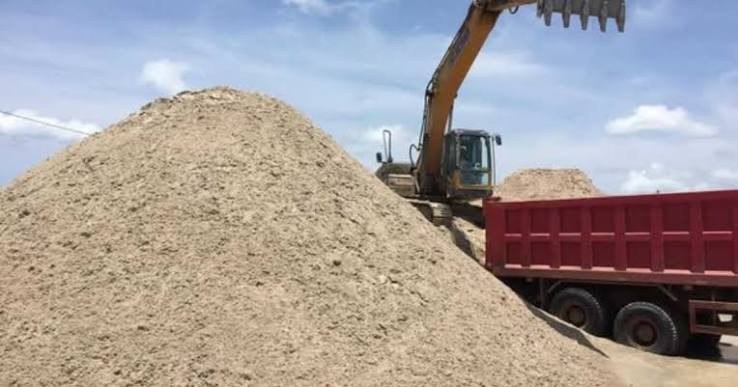
Building sand is a granular construction material obtained from natural deposits or manufactured by crushing suitable rock. It is commonly mixed with cement and water to produce concrete, mortar, plaster and screed.
Sand is classified as a fine aggregate in concrete production. Its particles fill spaces between larger aggregates, contributing to the density, workability and performance of the concrete mixture.
In masonry and plastering, sand provides bulk, helps determine the texture of the finished surface and contributes to the overall performance of cement-based mixtures.
The suitability of building sand depends on the intended application. Sand used for structural concrete may require different grading and quality characteristics from sand used for plastering or decorative finishes.
Common Types of Building Sand in Uganda
Different types of sand are available in Uganda, depending on the source, processing method and supplier. Understanding their characteristics helps builders choose materials that meet project requirements.
1. River Sand
River sand is naturally deposited by flowing water and is commonly used in construction where suitable material is available.
It generally contains particles that have been shaped and rounded through natural movement. However, its grading and cleanliness vary depending on the river, extraction location and processing.
Common applications include:
- Concrete production, where testing confirms suitability.
- Cement mortar preparation.
- General masonry work.
- Floor screeding.
- Selected plastering applications.
What to check: River sand should be free from excessive silt, clay, organic matter, rubbish and other harmful impurities. Do not assume that all river sand is automatically suitable for structural concrete.
2. Pit Sand
Pit sand is extracted from natural deposits found beneath the ground. Its particles may be angular, coarse or irregular, depending on the geological formation.
The characteristics of pit sand vary considerably between extraction sites. Some deposits provide suitable construction material, while others may contain excessive clay, soil or other impurities.
Common applications include:
- Masonry mortar.
- Concrete production, where properly graded and tested.
- General construction work.
- Selected plastering and screeding applications.
What to check: Inspect the material for soil contamination, clay lumps, excessive fines and inconsistent particle sizes. Confirm its suitability before using it in important structural work.
3. Lake Sand
Lake sand is obtained from deposits associated with lakes and their surrounding environments. Its properties depend on the extraction location and natural sediment characteristics.
Some lake sand may contain fine particles, silt or other materials that require washing or processing before construction use.
Common applications include:
- Selected mortar applications.
- Plastering, where the grading and cleanliness are appropriate.
- Other non-structural construction applications, subject to quality checks.
What to check: Establish whether the material has been properly processed and whether its particle grading is suitable for the intended use.
4. Manufactured Sand (Crushed Stone Sand)
Manufactured sand is produced by crushing suitable rock into smaller particles. It is sometimes used as an alternative to natural sand where the production process provides consistent and suitable material.
Its particle shape and grading depend on the crushing equipment, rock type and processing methods.
Common applications include:
- Concrete production.
- Masonry mortar.
- Precast concrete products.
- Other applications where the material meets the required specifications.
What to check: Confirm that the manufactured sand has suitable particle grading, controlled fines content and acceptable durability. Excessive stone dust can affect workability and water demand.
5. Plastering Sand
Plastering sand is selected for its particle size, grading, cleanliness and ability to produce a smooth, workable mortar.
It is generally finer than sand selected for many concrete applications, although the exact grading depends on the plaster specification and desired finish.
Common applications include:
- Internal wall plastering.
- External wall plastering.
- Ceiling and other finishing applications where specified.
- Decorative cement-based finishes.
What to check: The sand should be clean, consistently graded and free from excessive clay, organic material and other contaminants. Very fine or poorly graded sand may increase shrinkage and cracking risks if the mix is not properly designed.
6. Concrete Sand
Concrete sand is selected and graded for use in concrete production. It must work well with cement, water and coarse aggregates to produce concrete with the required properties.
The correct sand grading contributes to workability, aggregate packing and concrete performance.
Common applications include:
- Foundation concrete.
- Reinforced concrete.
- Columns and beams.
- Concrete slabs.
- Concrete floors.
- Precast concrete products.
What to check: Concrete sand should meet the grading and quality requirements specified for the project. For structural concrete, material selection should be supported by appropriate testing and mix design.
How to Identify Quality Building Sand in Uganda
Before purchasing sand, contractors and property owners should assess its appearance, cleanliness, particle characteristics and consistency.
The following checks can help identify potential quality problems.
1. Check the Cleanliness of the Sand
Quality building sand should not contain excessive soil, clay, leaves, roots, rubbish, organic matter or other unwanted materials.
Contaminants can interfere with cement bonding, affect concrete performance and reduce the quality of mortar and plaster.
Spread a small sample on a clean surface and inspect it carefully. If the material contains visible soil, organic waste or significant foreign matter, request further assessment before accepting the delivery.
2. Examine the Particle Size
Sand particles should have a grading suitable for the intended construction application.
Different construction activities require different particle sizes:
- Coarser sand is commonly selected for suitable concrete and mortar applications.
- Medium sand is often used for general masonry and screeding.
- Fine sand is commonly selected for plastering and finishing, subject to the required specification.
The terms fine, medium and coarse are useful descriptions, but they are not substitutes for formal sieve grading.
For important construction work, particle-size distribution should be confirmed through sieve analysis.
3. Look for Excessive Clay and Silt
Clay and silt can affect the performance of cement-based construction materials.
Excessive clay may coat sand particles and interfere with bonding. Fine silt may increase water demand and affect the consistency of concrete and mortar.
A simple preliminary check is to place a sample of sand in a transparent container, add clean water, shake it and allow it to settle. Observe whether a significant layer of fine material forms above the main sand deposit.
This is only an indicative field check. It does not establish whether the sand meets a construction specification. Laboratory testing is more reliable.
4. Check for Organic Impurities
Organic materials such as roots, leaves, decomposed vegetation and other waste should not be present in excessive quantities.
Some organic impurities can interfere with cement hydration and affect the quality of concrete or mortar.
Avoid accepting visibly contaminated sand for important construction applications without proper assessment.
5. Assess Consistency Between Deliveries
Sand quality can vary between suppliers and even between deliveries from the same supplier.
A delivery that appears clean and well graded does not guarantee that the next load will have identical characteristics.
For larger construction projects, establish material acceptance requirements and inspect deliveries before use. Where necessary, arrange testing of representative samples.
6. Request Testing for Structural Applications
Visual inspection is useful, but it cannot establish all the engineering properties of sand.
For structural concrete and other critical applications, testing may include:
- Sieve analysis to determine particle-size distribution.
- Assessment of silt, clay and other fine materials.
- Tests for organic impurities.
- Specific gravity and water absorption tests where required.
- Other aggregate quality tests specified by the project.
The project engineer or materials specialist should determine the appropriate tests and acceptance criteria.
Which Building Sand Is Best for Different Construction Activities?
One of the most common construction mistakes is using the same type of sand for every activity without considering its properties.
The right choice depends on the mixture design, application, required finish and project specifications.
| Construction activity | Suitable sand characteristics |
|---|---|
| Structural concrete | Clean, properly graded sand that meets the concrete specification |
| Foundation concrete | Suitable concrete aggregate with verified grading and cleanliness |
| Brick and block laying | Clean, workable sand suitable for masonry mortar |
| Wall plastering | Clean, appropriately graded fine sand |
| Floor screeding | Sand with grading suitable for the screed specification |
| Precast concrete products | Consistent, properly graded sand meeting the product requirements |
| Decorative finishes | Sand selected for the desired texture and finish |
Important: The source of sand alone does not determine its suitability. River sand, pit sand or manufactured sand should be accepted according to its tested properties and the requirements of the intended application.
Building Sand for Concrete Construction
Concrete is one of the most important applications of building sand. It is used in foundations, columns, beams, slabs, staircases, floors and other structural components.
The quality of sand affects concrete workability, aggregate packing and the properties of the hardened concrete.
Characteristics of suitable concrete sand
Sand selected for concrete should generally have:
- Appropriate particle-size distribution.
- Acceptable levels of silt, clay and other fine materials.
- No harmful organic contamination.
- Suitable particle characteristics for the specified concrete mix.
- Consistent quality between deliveries.
Why sand grading matters in concrete
Proper grading helps smaller particles fill spaces between larger particles, improving the packing of the aggregate mixture.
Poorly graded sand may increase voids, affect workability and require adjustments to the mix.
However, simply adding more cement or water is not a reliable way to correct poor-quality sand. Concrete should be produced using an appropriate mix design and controlled water content.
For reinforced concrete and other structural elements, always follow the engineer’s specifications and applicable material requirements.
Building Sand for Plastering and Wall Finishing
Plastering requires sand that can produce a workable mortar and an acceptable surface finish.
The choice of sand influences the texture, consistency, thickness and finishing characteristics of the plaster.
Qualities of suitable plastering sand
Good plastering sand should be:
- Clean and free from excessive clay and organic impurities.
- Appropriately graded for the specified plaster.
- Consistent in particle size.
- Free from rubbish and other foreign materials.
- Compatible with the cement and plastering method being used.
Problems caused by poor plastering sand
Using unsuitable sand may contribute to:
- Cracking and surface defects.
- Poor plaster adhesion.
- Rough or uneven finishes.
- Excessive shrinkage.
- Increased material consumption.
- Repeated plaster repairs.
Good workmanship, suitable mix proportions, proper surface preparation and adequate curing are equally important for durable plastering.
Building Sand for Bricklaying and Blockwork
Sand is an essential ingredient in cement mortar used to lay bricks and concrete blocks.
The quality of the sand affects the mortar’s workability, consistency and bonding performance.
For masonry work, choose clean sand with grading appropriate to the mortar specification.
Sand containing excessive clay or organic impurities can cause problems during mixing and may affect the performance of the finished mortar.
Contractors should also maintain consistent mixing proportions, avoid adding excessive water and ensure that mortar is used within the recommended working period.
Factors That Affect Building Sand Prices in Uganda
The cost of building sand in Uganda varies depending on the source, location, quality, transport arrangements and quantity purchased.
There is no single price that applies to all types of sand and construction locations.
Understanding the following factors helps property owners prepare more realistic construction budgets.
1. Type and Source of Sand
Different sources have different extraction, processing and supply costs.
Natural sand, washed sand and manufactured sand may have different prices depending on availability, quality and processing requirements.
2. Quality and Cleanliness
Sand that has been properly screened, washed or processed may cost more than untreated material.
However, paying for cleaner, suitable material may reduce the risk of construction defects and unnecessary rework.
3. Transportation Distance
Transport is a major factor affecting building sand prices.
A supplier located far from your construction site may charge more because of fuel, vehicle operating costs, road conditions and delivery distance.
For projects in Kampala, Wakiso, Mukono and other urban or developing areas, compare the total delivered cost rather than the supplier’s material price alone.
4. Quantity Ordered
The quantity of sand required may influence transportation and supply arrangements.
Large projects may benefit from planned bulk deliveries, but buyers should ensure that the material meets the same quality requirements throughout the project.
5. Seasonal Supply Conditions
Weather conditions, road accessibility, extraction arrangements and changes in demand may affect sand availability and delivery costs.
Plan material procurement early to reduce delays and avoid rushed purchasing decisions.
6. Loading and Delivery Arrangements
The quoted price may or may not include loading, transportation and offloading.
Always confirm the quantity supplied, delivery location and all additional charges before placing an order.
How to Calculate the Amount of Building Sand Required
Estimating the correct quantity of sand helps prevent material shortages, unnecessary purchases and construction delays.
The required quantity depends on the construction activity and the volume of mortar, concrete or screed being prepared.
Step 1: Identify the construction activity
Determine whether the sand is required for concrete, plastering, masonry, screeding or another application.
Step 2: Calculate the work volume
For a rectangular area, calculate:
Volume = Length × Width × Thickness
For example, if a screed covers a floor measuring 5 metres by 4 metres with a thickness of 0.05 metres:
5 × 4 × 0.05 = 1 cubic metre of finished screed.
Step 3: Apply the specified mix design
The quantity of sand required depends on the mix proportions and the difference between dry material volume and finished compacted volume.
Concrete and mortar quantities should be estimated using the appropriate mix design or project specification rather than assuming that the finished volume equals the loose volume of dry ingredients.
Step 4: Allow for handling and wastage
Consider material losses during loading, transportation, storage and construction.
The allowance should reflect the site conditions and procurement method rather than using an arbitrary percentage for every project.
Step 5: Confirm quantities with a construction professional
For large projects or structural concrete, have the quantities checked by the contractor, quantity surveyor or engineer.
Common Mistakes to Avoid When Buying Building Sand in Uganda
Choosing sand based only on price can expose a construction project to quality problems and unexpected costs.
Avoid the following mistakes:
1. Buying Sand Without Inspecting It
Do not accept a delivery simply because it has arrived from a familiar supplier.
Inspect the material before use and confirm that it meets the requirements of the construction activity.
2. Choosing the Cheapest Sand Available
A low purchase price does not always mean lower overall construction costs.
Poor-quality sand may increase cement consumption, cause finishing problems or contribute to defects that require expensive repairs.
Compare quality and delivered cost rather than price alone.
3. Using Plastering Sand for Every Application
Fine plastering sand may not have the grading required for structural concrete.
Likewise, coarse sand intended for other construction activities may produce an unsuitable plaster finish.
Select sand according to the specification of each activity.
4. Ignoring Clay and Silt Content
Excessive clay and silt can affect the performance of cement-based mixtures.
Check the material and request testing where necessary, especially for concrete production.
5. Failing to Check Delivered Quantities
A supplier’s quoted quantity should be verified against the actual delivery.
Confirm the agreed unit of measurement, vehicle capacity and delivery arrangement. Do not assume that every truckload contains the same volume.
6. Poor Storage on the Construction Site
Sand stored directly on muddy ground can become contaminated.
Prepare a clean storage area, separate different sand types and protect the material from contamination by soil, rubbish and wastewater.
7. Ignoring Project Specifications
Different construction projects have different material requirements.
Always follow the engineer’s specifications, approved mix designs and applicable construction standards.
How to Store Building Sand Properly on a Construction Site
Proper storage helps preserve sand quality between delivery and use.
Follow these practices:
- Store sand on a clean, stable and well-drained surface.
- Keep different grades and types of sand separate.
- Avoid placing sand directly on muddy or contaminated ground.
- Prevent mixing with soil, rubbish, leaves and other materials.
- Use suitable barriers where different aggregates are stored close together.
- Manage surface runoff to prevent contamination and material loss.
- Inspect stored sand before using it in concrete, mortar or plaster.
Good material storage is especially important on large construction sites where sand may be delivered in several batches.
Why Quality Building Sand Matters in Construction
The benefits of using suitable building sand extend beyond the immediate construction activity.
Improved Concrete Performance
Properly graded and clean sand supports the production of concrete that meets the specified performance requirements.
Better Masonry Work
Suitable sand helps produce workable mortar for laying bricks and blocks.
Improved Plastering Quality
Appropriately graded plastering sand supports smoother finishes and more consistent application.
Reduced Construction Defects
Selecting suitable materials helps reduce the risk of defects associated with contaminated or poorly graded sand.
Better Cost Management
Quality materials can reduce waste, unnecessary adjustments and avoidable repair work.
Longer-Lasting Construction
When combined with proper design, workmanship, curing and maintenance, suitable building materials contribute to durable structures.
Where to Buy Building Sand in Uganda
Building sand can be sourced from established aggregate suppliers, material yards, quarry operators and other construction material dealers.
When selecting a supplier, consider more than the quoted price.
Look for suppliers who can provide:
- Clear information about the sand source.
- Details about the type and intended application of the material.
- Consistent supply and delivery arrangements.
- Material that can be inspected before acceptance.
- Testing documentation where required.
- Transparent pricing and delivery terms.
For major construction projects, specify the required sand properties in the procurement documents and arrange testing before approving materials for use.
Property owners and contractors working in Kampala, Wakiso, Mukono and other parts of Uganda should also consider delivery distance, site accessibility and the reliability of the supplier.
How Daltrevco Can Support Your Construction Project
Successful construction requires careful planning, suitable materials and professional execution.
Whether you are constructing a residential home, commercial building, industrial facility or infrastructure project, selecting the right materials is essential to achieving quality results.
Daltrevco provides construction-related solutions for property owners, developers and organisations in Uganda. Careful material selection, proper project planning and attention to construction quality are important considerations throughout the building process.
When planning your next construction project, make sure that the sand and other materials are selected according to the relevant project requirements.
Contact Daltrevco through https://www.daltrevco.com/ to discuss your construction requirements and explore suitable solutions for your project.
Frequently Asked Questions About Building Sand in Uganda
1. Which type of sand is best for building in Uganda?
The best type depends on the construction activity. Suitable, properly graded sand is required for concrete, while plastering and masonry may require different grading characteristics. Always select sand according to its tested properties and project specifications.
2. Which sand is best for concrete in Uganda?
Concrete requires clean sand with appropriate particle-size distribution and acceptable levels of harmful impurities. River sand, pit sand or manufactured sand may be suitable if they meet the relevant concrete specification.
3. Which sand is best for plastering?
Plastering generally requires clean, appropriately graded fine sand that produces workable mortar and the desired surface finish. Excessively fine or contaminated sand should be avoided.
4. Can river sand be used for concrete?
Yes, river sand can be used for concrete when its grading, cleanliness and other relevant properties meet the project requirements. It should not be accepted for structural concrete based on its source alone.
5. Can pit sand be used for construction?
Pit sand can be used in construction if it is suitable for the intended application. Its quality varies by deposit, so check for clay, soil, silt and other impurities before use.
6. How can I tell whether building sand is clean?
Inspect the sand for visible soil, clay lumps, organic material and rubbish. A simple sediment test in a transparent container can provide an initial indication of fine contamination, but laboratory testing is more reliable.
7. Does sand quality affect concrete strength?
Yes. Sand grading, cleanliness and other aggregate properties can influence concrete workability and performance. The final concrete strength also depends on cement quality, water content, mix design, compaction and curing.
8. What causes plaster to crack when using building sand?
Cracking may result from several factors, including unsuitable sand grading, excessive water, high shrinkage, excessive plaster thickness, poor surface preparation, inadequate curing and movement in the underlying structure.
9. Is manufactured sand suitable for building construction?
Manufactured sand can be suitable for concrete, mortar and other applications when it is produced from appropriate rock and meets the relevant grading and quality requirements.
10. What determines the price of building sand in Uganda?
The main factors include sand type, source, quality, processing, transportation distance, order quantity, loading arrangements and seasonal availability.
11. How much sand is needed to build a house?
The quantity depends on the building size, design, foundation requirements, wall area, concrete volumes, plastering thickness, screed requirements and specified mix proportions. A quantity surveyor or construction professional can prepare a project-specific estimate.
12. Should building sand be washed before use?
Washing may be necessary when sand contains excessive silt, clay or other impurities. However, not every type of sand requires washing. The decision should be based on testing and the requirements of the intended application.
Conclusion
Choosing quality building sand in Uganda is essential for achieving strong concrete, reliable masonry, durable plastering and professional construction finishes.
Before purchasing sand, assess its cleanliness, particle grading, clay and silt content, source and suitability for the intended application. Do not select materials based on price or appearance alone, particularly when they will be used in structural concrete.
For better construction outcomes, work with reliable suppliers, follow project specifications, inspect material deliveries and arrange appropriate laboratory testing for critical applications.
Whether you are building a house, commercial property, warehouse, apartment block or industrial facility, investing in suitable construction materials from the beginning can help reduce defects, manage costs and improve the durability of the finished project.
Planning a construction project in Uganda? Visit Daltrevco to explore construction solutions and discuss your project requirements.