
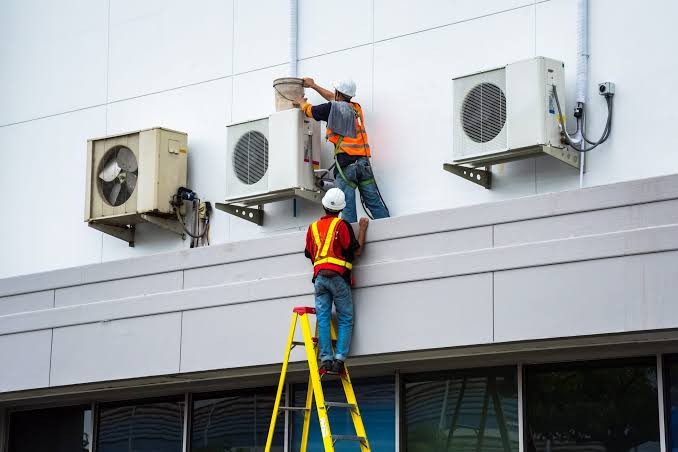
Air conditioning has become an important feature of modern residential, commercial and institutional buildings in Uganda. From homes and offices to hotels, hospitals, restaurants, shopping centres and industrial facilities, properly installed air conditioning systems help create comfortable indoor environments, improve working conditions and support the reliable operation of temperature-sensitive equipment.
As temperatures, building occupancy and indoor heat loads vary across Uganda, choosing the right air conditioning system requires more than simply purchasing a unit and mounting it on a wall. The equipment must be correctly sized, professionally installed and configured to operate efficiently within the building.
Whether you are planning to install an air conditioner in a home, office, commercial property or industrial facility, understanding the available systems, installation requirements and cost factors can help you make a better investment.
At Daltrevco, we understand the importance of properly planned building services. This guide explains air conditioning installation in Uganda, including the different types of air conditioners, how installation works, the factors that determine costs and the benefits of professional installation.
What Is Air Conditioning Installation?
Air conditioning installation is the process of selecting, positioning, connecting, testing and commissioning equipment designed to regulate indoor temperature and provide controlled cooling.
A typical air conditioning system removes heat from indoor air and transfers it to the outside environment through a refrigeration cycle. Depending on the equipment, the system may also help control humidity and filter airborne particles.
A complete air conditioning installation may include:
- Indoor air conditioning units.
- Outdoor condensing units.
- Refrigerant copper piping.
- Electrical power connections and control wiring.
- Condensate drainage pipes.
- Mounting brackets and structural supports.
- Insulation for refrigerant pipes.
- Air distribution ducts and grilles, where required.
- Thermostats, controllers and other control equipment.
- Electrical protection and isolation devices.
The exact components depend on the type of air conditioning system, the building layout, cooling requirements and installation design.
It is important to understand that air conditioning and ventilation are not the same thing. Many conventional split air conditioners recirculate and cool indoor air without supplying fresh outdoor air. Buildings that require controlled fresh-air circulation need an appropriate ventilation system as well.
Why Air Conditioning Is Important in Uganda
Air conditioning provides more than indoor cooling. It can improve comfort, support productivity and help businesses maintain suitable indoor conditions.
In Uganda, air conditioning is particularly useful in buildings such as offices, hotels, healthcare facilities, restaurants, banks, retail spaces and modern residential properties.
Some of the main reasons property owners install air conditioning systems include:
1. Improved Indoor Comfort
High indoor temperatures can make homes, offices and commercial premises uncomfortable. Air conditioning helps maintain a more controlled indoor temperature, creating a pleasant environment for occupants.
This is especially important in offices, meeting rooms, bedrooms, restaurants and customer service areas.
2. Better Working Conditions
Employees may find it difficult to concentrate when indoor temperatures are uncomfortable. A properly designed air conditioning system helps create a more suitable working environment.
For offices and commercial buildings, this can support employee comfort and improve the experience of customers and visitors.
3. Temperature Control for Sensitive Equipment
Some electronic equipment and specialised machinery generate considerable heat during operation. Excessive heat can affect performance and may contribute to equipment failures.
Air conditioning can help maintain suitable operating conditions in server rooms, communication facilities, laboratories and selected industrial environments.
However, spaces with critical equipment may require dedicated precision cooling rather than ordinary comfort air conditioning.
4. Humidity Management
Air conditioning systems can remove some moisture from indoor air as part of the cooling process.
This can help improve indoor comfort, particularly in enclosed rooms with limited natural ventilation. However, ordinary air conditioners are not substitutes for properly designed dehumidification systems where precise humidity control is required.
5. Improved Indoor Air Filtration
Many air conditioners have filters that capture some dust and airborne particles circulating through the equipment.
Regular cleaning and replacement of filters are essential to maintain performance. Standard air conditioner filters do not remove every pollutant, so buildings with specific indoor air quality requirements may need additional filtration and ventilation equipment.
Types of Air Conditioning Systems Available in Uganda
Choosing the right air conditioning system is one of the most important decisions when planning an installation. Different systems are designed for different building sizes, room arrangements, cooling requirements and budgets.
Below are the common types of air conditioning systems suitable for residential and commercial applications in Uganda.
1. Wall-Mounted Split Air Conditioners
Wall-mounted split air conditioners are among the most common options for homes, small offices, shops and individual rooms.
A split air conditioner consists of two main units:
- An indoor unit mounted on a wall inside the room.
- An outdoor unit installed outside the building.
The two units are connected using refrigerant piping, electrical cables and condensate drainage.
Benefits of wall-mounted split air conditioners
- Suitable for individual rooms.
- Relatively straightforward to install.
- Available in different cooling capacities.
- Generally quieter indoors than systems with the compressor inside the room.
- Available in inverter and non-inverter models.
- Suitable for many residential and small commercial applications.
Wall-mounted split air conditioners are suitable for bedrooms, living rooms, private offices, consultation rooms, small shops and reception areas.
2. Inverter Air Conditioners
Inverter air conditioners use variable-speed compressor technology to adjust cooling output according to demand.
Instead of repeatedly switching between full power and complete shutdown, an inverter system can regulate compressor speed to maintain the selected temperature.
Benefits of inverter air conditioners
- Can reduce electricity consumption compared with comparable fixed-speed models under suitable operating conditions.
- Maintain more consistent indoor temperatures.
- Often provide quieter operation at reduced speeds.
- Can reduce frequent compressor starting and stopping.
- Suitable for rooms where air conditioning operates for extended periods.
Inverter air conditioners are worth considering for homes, offices, hotels and businesses that use cooling regularly.
When comparing models, check the manufacturer’s energy performance information, cooling capacity and warranty rather than assuming every inverter unit will deliver the same savings.
3. Ceiling Cassette Air Conditioners
Ceiling cassette air conditioners are designed to fit into suspended or false ceilings. Most models distribute cooled air in several directions, making them suitable for relatively open spaces.
They are commonly installed in:
- Offices.
- Conference rooms.
- Restaurants.
- Retail shops.
- Hotels.
- Commercial reception areas.
- Training rooms.
Benefits of ceiling cassette air conditioners
- Provide broad air distribution.
- Maintain a clean and modern ceiling appearance.
- Reduce the need for wall-mounted indoor units.
- Suit many open-plan commercial spaces.
- Can be integrated into selected commercial interior designs.
Ceiling cassette installation requires sufficient ceiling space, proper structural support, accessible maintenance arrangements and a suitable condensate drainage route.
4. Floor-Standing Air Conditioners
Floor-standing air conditioners are larger indoor units installed at floor level. They are suitable for spaces where wall-mounted or ceiling-mounted equipment may not be practical.
Typical applications include:
- Large offices.
- Restaurants.
- Showrooms.
- Churches and halls.
- Commercial spaces.
- Selected institutional buildings.
Benefits of floor-standing air conditioners
- Can provide substantial cooling capacity.
- Suitable for spaces with installation restrictions.
- Offer convenient access for some maintenance activities.
- Can distribute air across larger areas when correctly positioned.
The installer must consider available floor space, airflow direction, noise levels and the location of the outdoor unit.
5. Ducted Air Conditioning Systems
Ducted air conditioning systems distribute conditioned air through a network of ducts concealed above ceilings or within designated building spaces.
Air is delivered into rooms through supply grilles, while return-air openings allow indoor air to circulate back through the system.
Ducted systems are suitable for:
- Large residential properties.
- Hotels.
- Corporate offices.
- Conference facilities.
- Commercial buildings.
- Selected institutional facilities.
Benefits of ducted air conditioning systems
- Provide cooling to multiple rooms or zones.
- Keep much of the equipment concealed.
- Support coordinated building interior designs.
- Allow centralised control in suitable installations.
- Can be integrated with ventilation systems when properly designed.
Ducted systems require careful planning of duct dimensions, airflow, insulation, static pressure, access panels and ceiling space. Poorly designed ductwork can reduce efficiency and cause uneven cooling.
6. Multi-Split Air Conditioning Systems
A multi-split system connects several indoor air conditioning units to one outdoor unit.
This arrangement can be useful where multiple rooms require independent temperature control but there is limited space for several outdoor units.
Applications include:
- Homes with several bedrooms.
- Small office buildings.
- Apartments.
- Hotels.
- Commercial premises with separate rooms.
Benefits of multi-split systems
- Several indoor units can be connected to one outdoor unit.
- Different rooms can have individual indoor controls, depending on the system.
- Reduces the number of outdoor units required.
- Can provide flexible cooling arrangements.
The outdoor unit must have sufficient capacity for the connected indoor units. System selection should account for the manufacturer’s combination limits and the expected simultaneous cooling demand.
7. VRF and VRV Air Conditioning Systems
Variable Refrigerant Flow (VRF) and Variable Refrigerant Volume (VRV) systems are advanced air conditioning solutions designed for buildings with multiple rooms or zones.
They regulate refrigerant flow according to the cooling demand of different indoor units.
VRF and VRV systems are commonly considered for:
- Large office buildings.
- Hotels.
- Shopping complexes.
- Apartment developments.
- Corporate facilities.
- Large commercial properties.
Benefits of VRF and VRV systems
- Support multiple indoor units and zones.
- Allow flexible temperature control.
- Can provide efficient operation when properly designed.
- Reduce the need for numerous independent outdoor systems.
- Suit buildings with varying cooling requirements.
These systems require specialised design, refrigerant piping calculations, controls integration, installation expertise and commissioning.
8. Portable Air Conditioners
Portable air conditioners are movable units designed to cool individual spaces. Most require an exhaust hose connected to an appropriate window or external opening to discharge hot air.
They may be suitable for temporary installations, rented spaces or situations where permanent equipment installation is not practical.
However, portable units generally require careful consideration of exhaust arrangements, noise, drainage and energy consumption. They are not always the best choice for long-term cooling of larger rooms.
How to Choose the Right Air Conditioning System for Your Property
The best air conditioning system depends on the building and how the space will be used. Selecting equipment based only on purchase price or room size can result in poor cooling, high electricity bills and unnecessary maintenance costs.
Consider the following factors before choosing an air conditioner.
1. Size of the Room or Building
The size of the space affects the cooling capacity required.
A small bedroom may need a different unit from a large conference room, restaurant or commercial showroom.
However, floor area alone is not enough to determine the correct air conditioner size.
A professional cooling-load assessment should consider:
- Room length, width and ceiling height.
- Number of occupants.
- Window size and orientation.
- Direct sunlight and roof heat gain.
- Wall and ceiling insulation.
- Lighting and electrical equipment.
- Heat generated by machinery.
- Fresh-air ventilation requirements.
- Expected operating hours.
Correct sizing helps prevent undercooling, excessive cycling and unnecessary energy consumption.
2. Type of Building
Residential and commercial properties have different cooling requirements.
For example, a bedroom may be served by a wall-mounted split air conditioner, while a large office may require cassette, ducted or VRF systems.
The system should match the building’s design, occupancy and intended use.
3. Energy Efficiency
Air conditioners can contribute significantly to electricity consumption, particularly when operated for long periods.
When selecting equipment, compare its energy performance, cooling capacity and expected operating conditions.
Consider inverter technology where appropriate, and check the manufacturer’s energy efficiency information.
Uganda’s energy efficiency regulations emphasise appropriate equipment selection, effective controls, good installation practices and proper maintenance for refrigeration and air conditioning systems.
4. Available Electrical Supply
Before installation, confirm that the property’s electrical supply can safely support the selected air conditioning equipment.
Important considerations include:
- Supply voltage.
- Single-phase or three-phase requirements.
- Electrical circuit capacity.
- Cable sizing.
- Circuit protection.
- Earthing.
- Isolation switches.
- Power quality and surge protection.
Larger commercial systems may have different electrical requirements from small residential units.
5. Available Installation Space
The indoor and outdoor units need suitable locations.
The indoor unit should be positioned to distribute air effectively without creating uncomfortable direct airflow over occupants.
The outdoor unit needs adequate airflow, secure support and sufficient space for servicing.
Ceiling-mounted systems also require enough ceiling clearance and a practical route for refrigerant piping and condensate drainage.
6. Maintenance and Availability of Spare Parts
Before purchasing an air conditioner, consider the availability of filters, replacement parts, qualified technicians and after-sales support.
Choosing a system that can be maintained locally helps reduce future repair difficulties and equipment downtime.
Air Conditioning Installation Process in Uganda
Professional air conditioning installation involves several technical stages. Following the correct procedure helps ensure reliable cooling, safe operation and long equipment life.
Step 1: Site Inspection and Assessment
The installation process begins with a site inspection.
The technician assesses the building, identifies the rooms requiring cooling and checks the available installation locations.
The assessment should establish:
- Room dimensions and layout.
- Cooling requirements.
- Electrical supply.
- Indoor and outdoor unit positions.
- Refrigerant pipe routes.
- Condensate drainage arrangements.
- Wall and ceiling conditions.
- Access for future servicing.
For commercial and multi-room installations, a more detailed HVAC design may be necessary.
Step 2: Cooling Load Calculation
A cooling-load calculation determines how much cooling capacity is required to maintain the desired indoor conditions.
The calculation considers heat entering the building through roofs, walls, windows, occupants, lighting and equipment.
The result helps determine the appropriate air conditioning capacity.
Choosing an undersized unit may cause continuous operation without achieving the desired temperature. An oversized system can also lead to inefficient operation and poor humidity control under certain conditions.
Step 3: Selection of Equipment
After assessing the cooling requirements, the appropriate air conditioning system is selected.
The equipment should match:
- Required cooling capacity.
- Building layout.
- Energy efficiency requirements.
- Electrical supply.
- Available installation space.
- Noise requirements.
- Maintenance needs.
- Project budget.
The quotation should clearly identify the proposed equipment, model, capacity and installation scope.
Step 4: Indoor Unit Installation
The indoor unit is mounted in the agreed position.
For wall-mounted systems, the installer uses an appropriate mounting plate and secure fixing method. The location should allow good airflow and convenient access to filters and service components.
For ceiling cassette and ducted systems, the installation must provide adequate support and maintenance access.
Step 5: Outdoor Unit Installation
The outdoor unit is positioned in a location that allows sufficient airflow and safe servicing.
It should be installed on suitable brackets, a concrete base or another properly designed support.
The installer should also consider vibration, noise, weather exposure, security and the manufacturer’s required clearances.
Step 6: Refrigerant Pipe Installation
Copper refrigerant pipes connect the indoor and outdoor units.
Correct installation requires suitable pipe sizes, proper insulation, secure connections and careful routing.
The installer must follow the manufacturer’s requirements for maximum pipe length, elevation differences and refrigerant charge.
Poor refrigerant piping can lead to leaks, reduced cooling performance and equipment damage.
Step 7: Condensate Drainage Installation
Air conditioning systems produce condensate as moisture is removed from indoor air.
A drainage pipe must safely carry this water away from the indoor unit.
The drain should have an appropriate slope and discharge point. Where gravity drainage is not possible, a suitable condensate pump may be required.
Incorrect drainage can cause water leakage, ceiling damage, mould growth and unpleasant odours.
Step 8: Electrical Connections
Electrical connections must be completed according to the equipment manufacturer’s specifications and applicable electrical safety requirements.
This includes selecting suitable cables, circuit protection, isolation devices and earthing arrangements.
Air conditioning equipment should have an appropriately designed electrical supply. Improvised connections and undersized cables can create serious safety risks.
Step 9: Pressure Testing, Evacuation and Refrigerant Checks
Before commissioning, the refrigeration circuit should be checked for leaks using appropriate procedures.
Where required, the installer carries out pressure testing with suitable equipment and an approved dry test gas, followed by evacuation using a vacuum pump.
The purpose of evacuation is to remove air and moisture from the refrigerant circuit.
Refrigerant charging must follow the manufacturer’s specifications and the actual installation requirements. Refrigerant should never be released into the atmosphere as a routine installation practice.
Step 10: Testing and Commissioning
The final stage is to test the complete system.
The technician checks:
- Cooling operation.
- Indoor and outdoor fan operation.
- Temperature performance.
- Refrigerant operating conditions.
- Condensate drainage.
- Electrical operation.
- Control settings.
- Unusual noise and vibration.
- Any warning indicators or fault codes.
The customer should receive operating instructions and guidance on routine maintenance.
How Much Does Air Conditioning Installation Cost in Uganda?
The cost of air conditioning installation in Uganda varies depending on the type of system, equipment capacity, brand, installation complexity and building requirements.
There is no single installation price that applies to every property. A small bedroom installation is different from a complete air conditioning project for a hotel, office building, shopping centre or industrial facility.
For an accurate estimate, the property should be assessed and the required equipment and installation scope established.
Factors That Determine Air Conditioning Installation Costs
1. Type of Air Conditioner
Different systems have different purchase and installation costs.
A standard wall-mounted split system generally requires less installation work than a ducted, cassette, multi-split or VRF system.
Larger commercial systems may also require additional design, electrical and control work.
2. Cooling Capacity
Air conditioning units are available in different capacities, commonly expressed in British Thermal Units per hour (BTU/h) or kilowatts (kW).
Higher-capacity equipment generally costs more than smaller units.
The required capacity should be determined through a proper cooling-load assessment rather than selecting the largest available unit.
3. Brand and Equipment Quality
The price of an air conditioner varies according to brand, model, efficiency, features, warranty and supplier.
Some models have advanced controls, inverter technology, improved filtration or specialised operating features.
Comparing equipment specifications is more useful than comparing brand names alone.
4. Installation Complexity
A straightforward installation may require limited piping and electrical work.
More complicated projects may involve:
- Long refrigerant pipe routes.
- Additional copper piping.
- Special mounting brackets.
- Concrete bases or structural supports.
- Condensate pumps.
- Ceiling modifications.
- Electrical circuit upgrades.
- Ductwork and air distribution components.
- Access equipment for high-level installations.
These requirements affect the final installation cost.
5. Number of Rooms or Units
Installing several air conditioners in one property increases the total equipment and labour requirements.
However, a multi-split or centralised system may be more suitable for some buildings than installing separate outdoor units for every room.
The most cost-effective arrangement depends on the building layout and cooling requirements.
6. Electrical Installation Requirements
Some properties require additional electrical work before an air conditioner can be installed safely.
This may include new circuits, distribution board modifications, circuit breakers, isolators, cabling, earthing improvements or surge protection.
These costs should be identified during the site assessment.
7. Maintenance and Operating Costs
The initial installation price is only part of the investment.
Property owners should also consider electricity consumption, filter cleaning, periodic servicing, repairs and eventual component replacement.
An efficient, correctly sized system may offer better long-term value than a cheaper unit that consumes more electricity or requires frequent repairs.
What Should an Air Conditioning Installation Quotation Include?
Before approving an installation project, request a detailed quotation showing:
- Air conditioner brand and model.
- Cooling capacity of each unit.
- Number of indoor and outdoor units.
- Supply and installation costs.
- Refrigerant piping and insulation requirements.
- Electrical connection requirements.
- Mounting brackets and supports.
- Condensate drainage arrangements.
- Additional building or ceiling works.
- Testing and commissioning.
- Equipment and workmanship warranties.
- Recommended maintenance arrangements.
A clear quotation helps prevent misunderstandings and makes it easier to compare contractors.
Benefits of Professional Air Conditioning Installation
Professional installation is essential for achieving the expected performance and reliability of an air conditioning system.
Even high-quality equipment can perform poorly when incorrectly installed.
The following are some of the main benefits of using qualified installation professionals.
1. Correct Equipment Selection
Professional assessment helps identify equipment that matches the building’s cooling requirements.
This reduces the risk of installing an undersized or oversized system.
2. Improved Energy Efficiency
Correct refrigerant piping, insulation, drainage, electrical connections and system commissioning support efficient operation.
A properly installed system is more likely to deliver its intended performance.
3. Reliable Cooling Performance
Correct positioning and installation help distribute conditioned air effectively throughout the intended space.
This reduces problems such as uneven cooling, water leakage and unnecessary noise.
4. Reduced Risk of Equipment Damage
Incorrect electrical connections, refrigerant leaks and poor drainage can damage air conditioning equipment.
Professional installation helps identify and address these risks before the system is put into operation.
5. Improved Safety
Air conditioning installation involves electrical connections, refrigerants, heavy equipment and work at height in some buildings.
Qualified technicians use appropriate procedures and equipment to reduce installation risks.
6. Longer Equipment Service Life
Proper installation, operation and maintenance help protect important system components.
This can reduce avoidable breakdowns and support a longer useful service life.
7. Better Maintenance Planning
A professional installation can include guidance on filter cleaning, routine servicing and the correct operation of the equipment.
This helps property owners maintain system performance over time.
Air Conditioning Installation for Different Types of Buildings
The best air conditioning solution depends on how the building is used, the number of occupants and the cooling requirements of each space.
Residential Air Conditioning Installation
Residential air conditioning is suitable for homeowners who want to improve comfort in bedrooms, living rooms and other indoor spaces.
Common residential solutions include:
- Wall-mounted split air conditioners.
- Inverter air conditioners.
- Multi-split systems.
- Selected ducted systems for larger homes.
For residential installations, important considerations include noise levels, electricity consumption, room layout and outdoor unit positioning.
Office Air Conditioning Installation
Offices require comfortable indoor conditions for employees, clients and visitors.
Suitable systems may include wall-mounted splits, ceiling cassettes, ducted systems and VRF solutions.
The design should consider the number of employees, computers, lighting, meeting rooms and the amount of outdoor air required.
Hotel Air Conditioning Installation
Hotels require reliable cooling solutions for guest rooms, restaurants, reception areas, conference facilities and other shared spaces.
Depending on the building, suitable systems may include split, multi-split, ducted and VRF installations.
Hotel systems should also consider noise, independent room controls, maintenance access and operating costs.
Restaurant and Hospitality Air Conditioning
Restaurants, cafés and hospitality facilities may experience significant heat from occupants, kitchen equipment and lighting.
The cooling design should account for these heat sources and the need for proper ventilation.
Kitchen exhaust systems should be designed separately where necessary. Ordinary comfort air conditioning should not be relied upon to remove cooking fumes and grease-laden air.
Shopping Centres and Retail Buildings
Shopping centres and retail premises often require cooling across large areas with varying occupancy levels.
Cassette, ducted, VRF and centralised systems may be appropriate depending on the size and layout of the property.
The installation should provide effective air distribution while allowing access for servicing.
Hospitals and Healthcare Facilities
Healthcare buildings have specialised indoor environmental requirements.
Air conditioning and ventilation systems may need to meet specific requirements for filtration, fresh-air supply, pressure relationships, temperature and humidity control.
A general commercial air conditioning installation is not automatically suitable for operating theatres, isolation rooms or other specialised clinical spaces. These areas require appropriate specialist design and commissioning.
Industrial and Manufacturing Facilities
Factories and industrial buildings may generate substantial heat from machinery, production processes and equipment.
The correct solution depends on the type of operation, heat load, dust levels, ventilation requirements and working conditions.
Some facilities need industrial ventilation, process cooling or specialised HVAC systems rather than conventional room air conditioners.
Common Air Conditioning Installation Mistakes to Avoid
Poor installation can lead to high electricity consumption, inadequate cooling, frequent breakdowns and expensive repairs.
Property owners should avoid the following mistakes.
1. Choosing the Wrong Air Conditioner Size
Selecting equipment based only on room area can result in poor performance.
Cooling capacity should be determined through a proper assessment of heat gain, occupancy and building characteristics.
2. Installing the Indoor Unit in the Wrong Position
Poor positioning can restrict airflow and create uncomfortable direct cooling.
The indoor unit should be installed where air can circulate effectively throughout the room.
3. Poor Outdoor Unit Placement
Outdoor units require sufficient airflow and suitable support.
Installing them in enclosed spaces without adequate ventilation can affect heat rejection and system performance.
4. Incorrect Refrigerant Pipe Installation
Incorrect pipe sizing, poor insulation and badly made connections can cause refrigerant leaks and reduced cooling performance.
Installation must follow the manufacturer’s technical requirements.
5. Poor Condensate Drainage
A badly installed drain pipe can cause water leakage inside the building.
Drainage should be tested before the installation is completed.
6. Ignoring Electrical Requirements
Air conditioners require properly designed electrical connections and protective devices.
Undersized cables, unsuitable circuit breakers and poor earthing arrangements can create safety risks.
7. Failing to Test the System
An installation should not be considered complete simply because the unit switches on.
The system must be tested and commissioned to confirm that cooling, drainage, electrical operation and controls are working correctly.
8. Neglecting Maintenance
Dusty filters, blocked drains and dirty heat exchanger coils can reduce performance.
Routine cleaning and professional servicing should be included in the equipment’s maintenance plan.
Air Conditioning Maintenance After Installation
Regular maintenance helps keep an air conditioning system operating efficiently and reduces the likelihood of unexpected breakdowns.
Property owners should follow the manufacturer’s maintenance recommendations and arrange professional servicing according to equipment usage and operating conditions.
Important maintenance activities include:
Cleaning Air Filters
Filters collect dust and airborne particles during normal operation.
They should be inspected and cleaned at intervals recommended by the manufacturer, with more frequent attention where dust levels are high.
Cleaning Indoor and Outdoor Coils
Dirty heat exchanger coils reduce heat transfer and can affect cooling performance.
Professional servicing should include inspection and appropriate cleaning of the coils.
Checking Refrigerant Circuit Performance
A technician should inspect the refrigeration system for signs of leakage or abnormal operation.
Refrigerant should not be added automatically whenever cooling performance drops. The underlying cause should first be identified.
Inspecting Condensate Drainage
Drain pipes and trays should be checked for blockages, leaks and poor drainage.
Checking Electrical Connections
Electrical components, isolators and connections should be inspected by a qualified technician.
Testing System Performance
The system should be checked for unusual noise, vibration, weak airflow, poor cooling and fault indicators.
A planned maintenance programme is particularly important for hotels, offices, hospitals, restaurants and other properties where air conditioning is used frequently.
How to Choose the Best Air Conditioning Installation Company in Uganda
Selecting the right contractor is an important part of any air conditioning project.
The quality of installation affects system performance, safety, operating costs and long-term maintenance requirements.
Before hiring an air conditioning installation company, consider the following factors.
1. Technical Experience
Choose a contractor with relevant experience in the type of air conditioning system required.
Installing a wall-mounted split unit is different from designing and commissioning a ducted, multi-split or VRF system.
2. Site Inspection and Technical Assessment
A reliable contractor should assess the property before recommending equipment.
Be cautious of quotations based only on a brief description or room size when the project requires more detailed technical evaluation.
3. Proper Equipment Recommendations
The contractor should explain the proposed system, cooling capacity, expected application and installation requirements.
Equipment should be selected according to performance needs rather than price alone.
4. Clear Installation Quotation
The quotation should identify the equipment, materials, labour, electrical work, drainage, commissioning and any exclusions.
This makes the scope of work clear before the project begins.
5. Installation Safety
The contractor should demonstrate appropriate knowledge of electrical safety, refrigerant handling, structural mounting and safe working practices.
6. Testing and Commissioning
The contractor should test the installed system and explain how to operate it.
7. After-Installation Support
Ask about equipment warranties, workmanship guarantees, servicing and technical support.
A contractor who provides clear maintenance guidance can help protect your investment after installation.
Why Choose Daltrevco for Air Conditioning and Building Services?
Air conditioning should be treated as an important part of a building’s overall mechanical and electrical services.
At Daltrevco, we recognise the importance of properly planned building installations that support comfort, functionality and dependable building performance.
Whether you are planning a new building, improving an existing property or upgrading your commercial facilities, it is important to consider air conditioning alongside electrical installations, ventilation requirements, ceiling arrangements and other building services.
When planning an air conditioning project, the key priorities should include:
- Selecting an appropriate air conditioning system.
- Assessing the property’s cooling requirements.
- Planning suitable indoor and outdoor unit positions.
- Providing safe electrical connections.
- Ensuring proper refrigerant piping and condensate drainage.
- Testing and commissioning the completed installation.
- Establishing a practical maintenance plan.
Daltrevco provides building and technical service solutions for residential and commercial properties in Uganda. Contact our team to discuss your project requirements and obtain guidance on suitable installation solutions.
Visit Daltrevco: https://www.daltrevco.com/
Frequently Asked Questions About Air Conditioning Installation in Uganda
1. How much does air conditioning installation cost in Uganda?
The cost depends on the air conditioner type, cooling capacity, brand, number of units and installation requirements. Additional expenses may include copper piping, electrical work, mounting brackets, drainage and ceiling modifications. A site assessment is recommended for an accurate quotation.
2. Which type of air conditioner is best for a home in Uganda?
Wall-mounted split air conditioners are suitable for many homes because they are available in different capacities and are relatively straightforward to install. Inverter models may be worth considering for rooms where cooling is used frequently. Larger homes may benefit from multi-split or ducted systems.
3. Which air conditioner is best for an office?
The best option depends on office size, room arrangement and occupancy. Wall-mounted splits may suit small offices, while ceiling cassette, ducted and VRF systems may be more appropriate for larger commercial spaces.
4. What is the difference between inverter and non-inverter air conditioners?
An inverter air conditioner adjusts compressor speed to match cooling demand. A conventional fixed-speed unit generally switches its compressor on and off to regulate temperature. Inverter systems can offer better energy efficiency under suitable operating conditions.
5. How long does air conditioning installation take?
A standard wall-mounted split installation may be completed within part of a working day, depending on site conditions. More complicated installations involving several units, ductwork, ceiling modifications or VRF systems can take considerably longer.
6. What size air conditioner do I need for my room?
The required size depends on room dimensions, ceiling height, sunlight, insulation, occupancy, equipment and ventilation requirements. A cooling-load assessment provides a more reliable recommendation than floor area alone.
7. Does an air conditioner consume a lot of electricity?
Electricity consumption depends on the unit’s capacity, efficiency, operating hours, temperature setting, room conditions and maintenance. Choosing an appropriately sized efficient system and keeping filters clean can help manage electricity use.
8. Are inverter air conditioners suitable for Uganda?
Yes. Inverter air conditioners can be suitable for residential and commercial properties in Uganda. Their variable-speed compressors adjust cooling output according to demand, which can help reduce energy consumption when compared with comparable fixed-speed models.
9. How often should an air conditioner be serviced?
Filters should be checked and cleaned according to the manufacturer’s instructions. The entire system should receive periodic professional inspection and servicing based on operating hours, environmental conditions and equipment requirements.
10. Can one outdoor unit serve several rooms?
Yes. Multi-split and some VRF or VRV systems can connect several indoor units to an outdoor system. The design must comply with the manufacturer’s capacity and connection limits.
11. Can air conditioning be installed in an existing building?
Yes. Air conditioning can be installed in existing homes, offices and commercial buildings. However, the installer must assess available electrical capacity, mounting locations, pipe routes, drainage and structural conditions.
12. Does an air conditioner provide fresh air?
Most conventional split air conditioners recirculate and cool indoor air rather than supplying outdoor fresh air. A separate ventilation system or suitable integrated ventilation solution may be needed to provide fresh air.
13. Why is my newly installed air conditioner not cooling properly?
Possible causes include incorrect sizing, restricted airflow, installation defects, refrigerant leakage, poor outdoor unit ventilation or incorrect operating settings. A qualified technician should inspect the system rather than adding refrigerant without diagnosing the problem.
14. Is professional air conditioning installation necessary?
Professional installation is strongly recommended. Air conditioning systems involve electrical connections, refrigerant circuits, drainage and equipment mounting. Correct installation helps protect the equipment, improve performance and reduce safety risks.
15. Can air conditioning be installed in a commercial building during construction?
Yes. Planning air conditioning during the construction stage is often beneficial because refrigerant pipe routes, electrical supplies, drainage, ceiling spaces, ductwork and equipment locations can be coordinated with other building services.
Conclusion: Invest in Professional Air Conditioning Installation in Uganda
Air conditioning is an important investment for residential, commercial and institutional properties in Uganda. The right system can improve indoor comfort, support productive working environments and help maintain suitable conditions for people and equipment.
However, successful air conditioning installation requires proper equipment selection, cooling-load assessment, electrical planning, refrigerant piping, condensate drainage and professional commissioning.
Whether you need a wall-mounted split air conditioner for your home, a cassette system for an office or a larger HVAC solution for a commercial property, choosing the right system and installation contractor is essential.
Planning an air conditioning installation project in Uganda? Contact Daltrevco to discuss your building and technical service requirements.
Visit https://www.daltrevco.com/ to learn more about Daltrevco’s building and construction services.

