Choosing the right flooring is an important part of designing a modern commercial building. Whether you are constructing a new office, renovating an existing workspace or upgrading a commercial property, the flooring you select affects the appearance, comfort, safety, durability and maintenance requirements of the building.
Modern offices require flooring that can withstand daily foot traffic while maintaining a professional and attractive appearance. The ideal solution should also complement the interior design, support employee comfort and provide long-term value.
In Uganda, businesses have several office flooring options to consider, including ceramic tiles, porcelain tiles, vinyl flooring, carpet tiles, polished concrete, laminate flooring and natural stone. Each option has different advantages depending on the type of commercial space, available budget and intended use.
At Daltrevco, we understand that successful commercial interior design involves selecting suitable materials that combine functionality, durability and visual appeal. This guide explores the best office flooring options for modern commercial buildings and explains how to choose the right flooring for your workspace.
Why Choosing the Right Office Flooring Matters
Office flooring is more than a decorative feature. It contributes to the overall functionality and performance of a commercial building.
Some of the main reasons to invest in suitable office flooring include:
1. Creates a Professional Business Environment
The floor is one of the most noticeable elements of an office interior. Clean, attractive and well-installed flooring creates a professional impression for employees, clients, visitors and business partners.
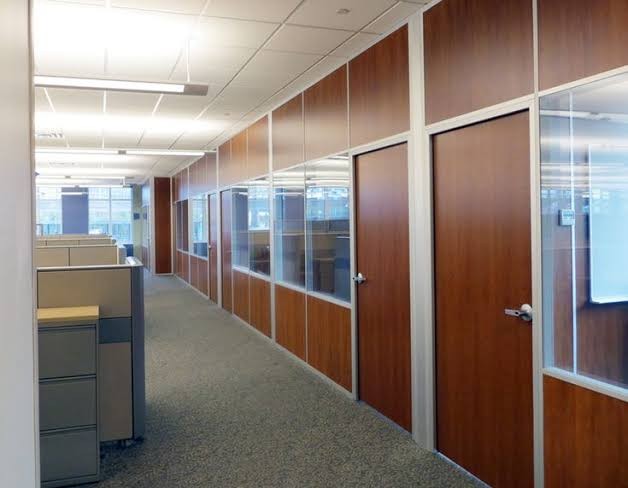
Modern flooring materials can complement office furniture, glass partitions, reception desks and other interior design features.
2. Improves Durability
Commercial offices experience regular movement from employees, customers and visitors. Choosing durable flooring helps prevent premature wear, scratches and damage.
High-quality flooring is particularly important in reception areas, corridors, meeting rooms and other spaces with heavy foot traffic.
3. Supports Employee Comfort
Employees spend many hours working in office environments. Flooring can influence walking comfort, noise levels and the general working atmosphere.
Carpet tiles and certain resilient flooring materials can provide a softer surface underfoot, while appropriate acoustic flooring solutions can help reduce unwanted noise.
4. Makes Cleaning and Maintenance Easier
Different commercial flooring materials have different cleaning requirements. Choosing flooring that is easy to maintain helps businesses keep their premises clean and presentable.
This is particularly important in reception areas, open-plan offices, corridors and shared commercial spaces.
5. Complements Modern Office Interior Design
The right flooring helps create a consistent interior design. Colour, texture, pattern and material selection can make an office look more spacious, welcoming and organised.
Flooring should complement wall finishes, ceiling designs, lighting, furniture and office partitioning systems.
Best Office Flooring Options for Modern Commercial Buildings
The following are some of the most suitable flooring options for modern offices and commercial properties in Uganda.
1. Porcelain Tiles
Porcelain tiles are among the popular flooring options for modern commercial buildings because of their durability, attractive appearance and relatively low maintenance requirements.
They are manufactured from refined clay materials and fired at high temperatures, producing a dense and hard-wearing surface.
Porcelain tiles are available in different colours, textures, sizes and finishes, allowing businesses to achieve a variety of interior designs.
Benefits of porcelain office flooring
- Durable and suitable for busy commercial environments.
- Resistant to moisture when properly installed and maintained.
- Available in modern designs, including stone and concrete effects.
- Easy to clean and maintain.
- Suitable for reception areas, corridors and office common areas.
Best applications: Corporate reception areas, commercial corridors, executive offices and modern business premises.
For commercial environments, select an appropriate slip-resistant finish, particularly in areas that may become wet.
2. Ceramic Tiles
Ceramic tiles are another practical flooring option for offices and commercial buildings. They are available in many colours, patterns and sizes, making them suitable for different interior design styles.
Ceramic flooring can provide a clean, professional appearance without requiring complicated maintenance.
Benefits of ceramic office flooring
- Available in different designs and finishes.
- Easy to clean.
- Resistant to everyday stains when properly maintained.
- Suitable for many commercial interior applications.
- Offers options for different project budgets.
Best applications: Small offices, reception spaces, administrative areas, staff rooms and commercial corridors.
When choosing ceramic tiles, consider their intended use, wear rating, slip resistance and suitability for commercial traffic.
3. Vinyl Flooring
Vinyl flooring is a versatile option for modern office environments. It is available in sheets, tiles and luxury vinyl planks, with designs that imitate natural wood, stone and other materials.
Its range of finishes makes it possible to achieve a contemporary office appearance while selecting a flooring system suited to the building’s functional requirements.
Benefits of vinyl office flooring
- Available in a wide range of colours and patterns.
- Offers a relatively comfortable surface underfoot.
- Some products provide good resistance to moisture and everyday stains.
- Easy to clean when installed and maintained according to manufacturer instructions.
- Can imitate more expensive flooring materials.
Best applications: Open-plan offices, administrative departments, meeting rooms, retail offices and commercial workspaces.
Businesses should select commercial-grade vinyl flooring with suitable wear-layer specifications rather than choosing products intended only for light residential use.
4. Carpet Tiles
Carpet tiles are particularly suitable for offices where comfort, noise control and professional appearance are important.
Unlike traditional wall-to-wall carpet, carpet tiles are supplied in individual sections that can be arranged in different patterns. Damaged or heavily stained tiles can often be replaced individually without removing the entire floor covering.
Benefits of carpet tile flooring
- Helps reduce noise from footsteps and movement.
- Provides a comfortable walking surface.
- Available in different colours, textures and patterns.
- Individual damaged tiles can be replaced.
- Helps create a warm and professional office atmosphere.
Best applications: Corporate offices, boardrooms, meeting rooms, executive offices and collaborative workspaces.
Carpet tiles require regular vacuuming and appropriate stain treatment. They may be less suitable for areas frequently exposed to water, mud or heavy dirt.
5. Polished Concrete Flooring
Polished concrete is a modern flooring option increasingly considered for contemporary commercial and industrial-style interiors.
It involves mechanically grinding and polishing a concrete surface to achieve a smooth, attractive finish. Depending on the specification, the final appearance can range from a subtle matte finish to a more reflective surface.
Benefits of polished concrete flooring
- Strong and suitable for heavy-duty environments when properly designed.
- Offers a modern, minimalist appearance.
- Can have relatively low routine maintenance requirements.
- Works well with contemporary interior designs.
- Can make use of an existing concrete floor where its condition and specification allow.
Best applications: Modern offices, commercial showrooms, creative workspaces, industrial offices and large commercial buildings.
Proper surface preparation, moisture assessment, joint treatment and finishing are essential to achieve a durable result.
6. Laminate Flooring
Laminate flooring is designed to reproduce the appearance of natural timber and other decorative surfaces. It can create a warm and welcoming atmosphere in offices without using solid hardwood flooring.
It is available in different colours, textures and plank designs, making it suitable for contemporary commercial interiors.
Benefits of laminate office flooring
- Provides an attractive wood-like appearance.
- Available in several styles and finishes.
- Can be relatively straightforward to install.
- Creates a warm and professional interior atmosphere.
- Offers different product grades for different levels of use.
Best applications: Executive offices, private offices, meeting rooms and selected administrative spaces.
For commercial buildings, choose a product with an appropriate commercial-use rating. Standard laminate products may be vulnerable to moisture, so consider water-resistant specifications where necessary.
7. Natural Stone Flooring
Natural stone flooring is a premium option for commercial properties seeking an elegant and distinctive appearance.
Materials such as granite, marble and other natural stones can create impressive interior finishes. Each stone has unique patterns and textures, making every installation visually distinctive.
Benefits of natural stone flooring
- Offers a premium and elegant appearance.
- Provides a distinctive natural finish.
- Some stone types are highly durable.
- Can complement high-end commercial interior designs.
- Suitable for selected prestigious spaces.
Best applications: Luxury reception areas, executive offices, high-end commercial buildings and selected entrance spaces.
Natural stone requires appropriate installation, sealing and maintenance. Some finishes can be slippery when wet, so surface selection is important.
8. Rubber Flooring
Rubber flooring is a practical option for selected commercial environments where comfort, durability and slip resistance are priorities.
It is available in different colours, thicknesses and surface textures. Its resilient nature can help create a more comfortable surface in areas where people stand or move frequently.
Benefits of rubber office flooring
- Provides a resilient surface.
- Can help reduce impact noise.
- Available in different colours and textures.
- Some products offer good slip resistance.
- Suitable for selected high-traffic environments.
Best applications: Staff facilities, fitness areas within commercial buildings, utility spaces and selected high-traffic work environments.
The product should be selected according to the intended application, cleaning requirements and manufacturer’s technical specifications.
Comparison of Office Flooring Options
Choosing between different flooring materials becomes easier when their main characteristics are compared.
| Flooring type | Main advantage | Suitable applications |
|---|---|---|
| Porcelain tiles | Durability and attractive finishes | Reception areas and corridors |
| Ceramic tiles | Easy cleaning and design variety | General office spaces |
| Vinyl flooring | Versatility and comfort | Open-plan offices |
| Carpet tiles | Acoustic comfort | Boardrooms and workspaces |
| Polished concrete | Modern appearance and durability | Commercial and industrial offices |
| Laminate flooring | Wood-like appearance | Executive offices |
| Natural stone | Premium appearance | Luxury commercial interiors |
| Rubber flooring | Resilience and comfort | Selected functional spaces |
The best choice depends on the building’s purpose, expected traffic, maintenance arrangements and overall interior design.
How to Choose the Best Office Flooring for Your Commercial Building
Selecting the right flooring requires more than comparing colours and prices. Businesses should evaluate the practical requirements of each room before making a final decision.
1. Consider the Purpose of Each Room
Different areas of a commercial building have different flooring requirements.
For example:
- Reception areas: Porcelain tiles, natural stone or suitable commercial vinyl can create a welcoming first impression.
- Open-plan offices: Vinyl, carpet tiles and suitable laminate products can support comfortable working environments.
- Boardrooms: Carpet tiles can help reduce noise and create a professional atmosphere.
- Corridors: Durable, easy-to-clean flooring is important because of frequent movement.
- Staff rooms: Practical flooring that is easy to maintain is usually preferable.
- Showrooms: Polished concrete, porcelain tiles or other decorative flooring can complement product displays.
Selecting flooring according to room function helps improve performance and reduce unnecessary maintenance.
2. Evaluate Foot Traffic
The expected number of people using an area should influence the flooring material selected.
Reception areas, entrances, corridors and shared workspaces generally experience more movement than private offices.
Choose commercial-grade materials with suitable wear resistance to ensure that the floor can withstand regular use.
3. Consider Your Budget
The cost of office flooring depends on the material, product quality, installation requirements and condition of the existing floor.
When preparing a flooring budget, consider:
- Cost of flooring materials.
- Transportation and delivery.
- Floor preparation and levelling.
- Installation labour.
- Adhesives, underlays and other accessories.
- Skirting and finishing.
- Future cleaning and maintenance.
It is important to compare the total cost of ownership rather than selecting a flooring material based only on its initial purchase price.
4. Prioritise Safety and Slip Resistance
Commercial buildings should provide safe walking surfaces for employees, customers and visitors.
Consider slip resistance, especially around entrances, washrooms, kitchens and other areas exposed to moisture.
The flooring finish should be appropriate for the environment and comply with applicable building and safety requirements.
5. Consider Noise Reduction
Noise can affect concentration and communication in modern offices.
Carpet tiles and suitable acoustic flooring systems can help reduce impact noise and improve the working environment.
For offices with glass partitions, open-plan layouts and meeting rooms, flooring should form part of a wider acoustic design strategy.
6. Match Flooring with Interior Design
Flooring should complement the overall appearance of the commercial building.
Consider how the selected material will work with:
- Office partitioning systems.
- Glass walls and doors.
- Wall colours and finishes.
- Ceiling designs.
- Reception furniture.
- Lighting arrangements.
- Workstations and office furniture.
A coordinated interior design creates a professional and visually consistent workspace.
7. Consider Cleaning and Maintenance Requirements
Some flooring materials require more maintenance than others.
For example, carpet tiles require regular vacuuming, while ceramic and porcelain tiles can generally be cleaned using suitable floor-cleaning products.
Natural stone may require sealing and specialised maintenance depending on the material.
Choose a flooring system that matches the building’s cleaning resources and maintenance schedule.
8. Assess Moisture and Environmental Conditions
Before installation, consider whether the floor is exposed to moisture, water spills or dampness.
This is particularly important in buildings where ground-floor spaces may experience moisture-related problems.
The existing floor should be assessed and any underlying moisture issues addressed before installing the new flooring system.
9. Choose Professional Installation
Even high-quality flooring can fail when it is poorly installed.
Professional installation helps ensure proper surface preparation, accurate measurements, appropriate adhesives, correct joints and neat finishing.
A qualified contractor should assess the site conditions and recommend suitable installation methods for the selected flooring product.
Modern Office Flooring Design Ideas
Beyond selecting the right material, businesses can use flooring creatively to improve the appearance and functionality of commercial interiors.
1. Combine Different Flooring Materials
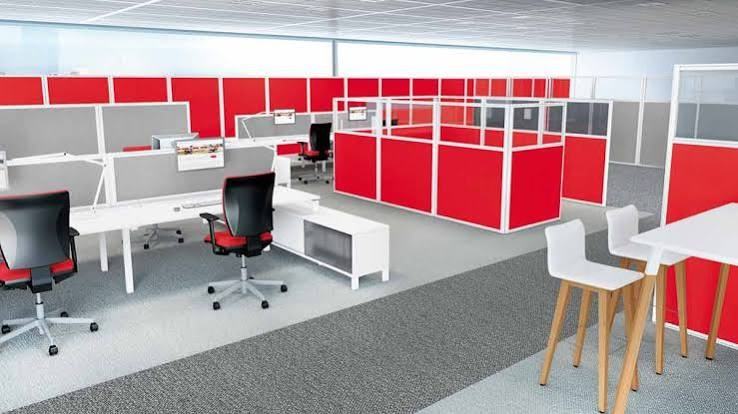
Combining flooring materials can help define different areas within an open-plan office.
For example, carpet tiles can be used in workstations while porcelain tiles are installed in reception and circulation areas.
The transition between materials should be carefully planned to maintain a neat and safe finish.
2. Use Wood-Look Flooring for Warm Interiors
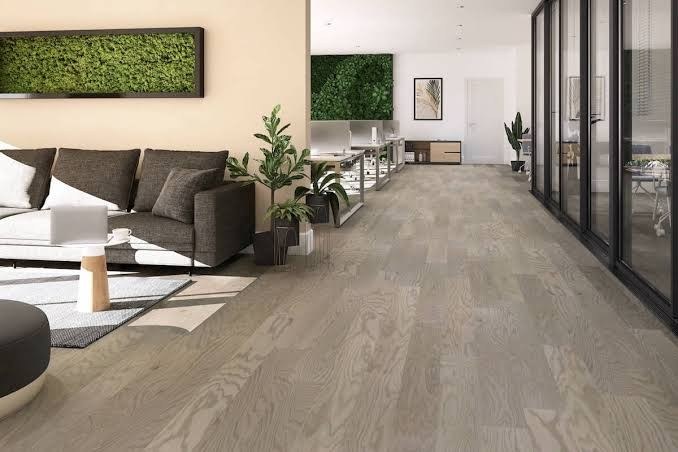
Wood-effect vinyl and laminate flooring can introduce warmth into modern offices.
They work particularly well with neutral wall colours, contemporary furniture and glass partitions.
3. Choose Neutral Flooring Colours
Grey, beige, cream and natural wood tones are popular choices for professional interiors.
Neutral colours can complement different furniture styles and make future interior upgrades easier.
4. Introduce Flooring Patterns
Some commercial flooring products are available in geometric designs, contrasting colours and decorative patterns.
These can be used to create visual interest in reception spaces, creative offices and selected collaborative areas.
5. Use Flooring to Define Office Zones
Different flooring finishes can help distinguish reception areas, meeting rooms, workstations and relaxation spaces.
This is particularly useful in open-plan commercial buildings where physical walls are limited.
Common Office Flooring Mistakes to Avoid
Choosing and installing office flooring without proper planning can lead to unnecessary expenses and long-term maintenance problems.
Avoid the following mistakes:
1. Choosing flooring based only on appearance: Attractive flooring may not be suitable for heavy commercial traffic.
2. Ignoring maintenance requirements: Some materials require specialised cleaning, sealing or regular replacement.
3. Using residential-grade products in commercial spaces: Commercial buildings generally require flooring designed for higher levels of use.
4. Failing to prepare the subfloor: Uneven, dirty or damp surfaces can affect the final installation.
5. Ignoring slip resistance: Flooring should be suitable for the expected conditions and movement within each area.
6. Overlooking acoustic performance: Hard flooring throughout an office may increase reflected sound and footstep noise.
7. Selecting incompatible materials: Flooring should work with the building’s interior design, doors, partitions and other finishes.
8. Hiring inexperienced installers: Poor workmanship can result in uneven surfaces, lifting edges, visible joints and premature damage.
Careful planning and professional installation help prevent these problems.
Why Professional Office Flooring Installation Matters
Office flooring installation involves several important stages, including site assessment, measurements, material selection, surface preparation and final finishing.
Professional installation helps businesses achieve a clean and durable result while reducing the risk of avoidable defects.
A professional contractor can help with:
- Assessing the condition of the existing floor.
- Recommending suitable flooring materials.
- Measuring the installation area.
- Preparing and levelling the subfloor where required.
- Installing the selected flooring system.
- Completing edges, joints and transitions.
- Inspecting the finished work.
Professional installation is particularly important for large offices, commercial buildings and projects involving several flooring materials.
Office Flooring Solutions for Different Commercial Buildings
Different commercial properties require different flooring approaches.
Corporate Offices
Corporate offices benefit from flooring that creates a professional appearance while supporting employee comfort. Carpet tiles, vinyl and porcelain tiles are common options depending on the room’s function.
Hotels and Hospitality Buildings
Hotels require flooring that combines appearance, durability and easy maintenance. Different materials may be used in reception areas, corridors, meeting spaces and back-of-house facilities.
Educational Institutions
Schools, colleges and training facilities require durable, safe and easy-to-maintain flooring suitable for frequent movement.
Healthcare Facilities
Healthcare environments require flooring selected according to hygiene, cleaning, slip resistance and applicable healthcare requirements. Specialist commercial flooring may be appropriate.
Retail and Commercial Showrooms
Retail premises and showrooms benefit from attractive flooring that complements product displays while withstanding customer traffic.
Professional Commercial Interior Improvement Services by Daltrevco
Creating a modern commercial building requires careful coordination of flooring, ceilings, partitions, lighting and other interior finishes.
Daltrevco provides building improvement, office partitioning and interior design-related solutions for commercial spaces in Uganda. Whether you are developing a new office, renovating an existing workspace or improving a commercial property, selecting suitable materials and working with experienced professionals can help achieve a functional and attractive result.
From modern office partitioning systems to gypsum installations, aluminium works and commercial interior improvements, Daltrevco focuses on practical solutions that support professional working environments.
If you are planning to upgrade your office or commercial building, visit Daltrevco to explore the company’s services and discuss your project requirements.
Frequently Asked Questions About Office Flooring Options
1. What is the best flooring for modern offices?
The best flooring depends on the office’s purpose, foot traffic, budget and design requirements. Porcelain tiles, vinyl flooring, carpet tiles and polished concrete are among the options suitable for different modern office environments.
2. Which office flooring is the most durable?
Porcelain tiles and properly specified polished concrete are durable options for many commercial applications. However, durability depends on product quality, installation, maintenance and the conditions in which the flooring is used.
3. Is vinyl flooring suitable for commercial offices?
Yes. Commercial-grade vinyl flooring is suitable for many offices because it is available in different designs, offers a practical surface and can be relatively easy to maintain. The correct wear rating and installation specification should be selected.
4. Are carpet tiles good for office spaces?
Yes. Carpet tiles are useful in offices where acoustic comfort and a softer walking surface are important. They are also practical because individual damaged tiles can often be replaced.
5. What flooring is best for office reception areas?
Porcelain tiles, natural stone and suitable commercial vinyl are good options for reception areas. The final selection should consider appearance, durability, cleaning requirements and slip resistance.
6. How do I choose affordable office flooring in Uganda?
Compare flooring materials based on purchase price, installation costs, durability and maintenance requirements. Consider the specific needs of each room and obtain quotations that clearly explain material specifications and installation work.
7. Can different flooring materials be combined in one office?
Yes. Different materials can be used to define reception areas, workstations, corridors and meeting rooms. Proper planning is necessary to create safe transitions and a consistent interior appearance.
8. Why should I hire professionals to install office flooring?
Professional installers help ensure correct measurements, surface preparation, material handling and finishing. Proper installation can improve the appearance, performance and lifespan of the flooring system.
Conclusion
Selecting the best office flooring options for modern commercial buildings requires balancing durability, appearance, comfort, safety and maintenance requirements.
Porcelain tiles, ceramic tiles, vinyl flooring, carpet tiles, polished concrete, laminate, natural stone and rubber flooring each offer different advantages. The right choice depends on the intended use of the space, expected foot traffic, available budget and overall interior design.
For businesses planning to construct, renovate or upgrade commercial properties in Uganda, professional planning and installation can make a significant difference to the final result.
Daltrevco can help businesses improve their commercial spaces through practical building, partitioning and interior improvement solutions. Visit www.daltrevco.com to learn more and discuss your commercial building improvement project.