
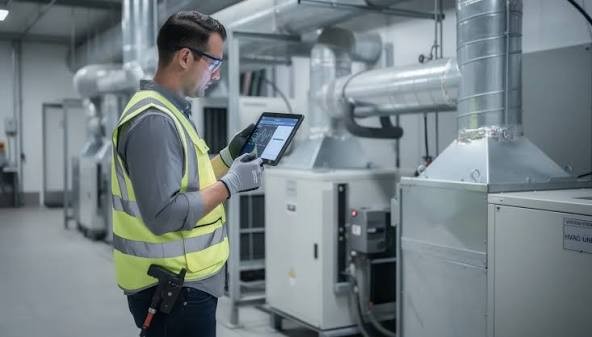
Owning a residential, commercial or industrial property involves more than constructing the building and finding tenants. Property owners must ensure that essential building systems remain safe, reliable, efficient and properly maintained throughout the property’s useful life.
Electrical installations, plumbing systems, air conditioning, ventilation, fire protection, drainage, water pumps, lifts and other building utilities require regular inspection and maintenance. Without proper maintenance, small technical problems can develop into expensive breakdowns, disrupt building operations and reduce property value.
For landlords, commercial property investors, facility managers and developers in Uganda, managing these responsibilities can be challenging, particularly when operating large buildings with complex mechanical, electrical and plumbing systems.
A building services maintenance contract provides a structured arrangement between a property owner and a qualified maintenance service provider to inspect, maintain and support essential building systems over an agreed period.
Instead of waiting for equipment to fail before arranging repairs, property owners can use a planned maintenance programme to identify potential problems early, improve equipment performance, control maintenance expenses and maintain a safer environment for occupants.
In Uganda, where buildings depend on reliable electricity, water supply, ventilation, drainage and other essential utilities, planned maintenance is an important part of responsible property management.
This guide explains building services maintenance contracts, the systems they cover, their benefits for property owners, the factors affecting maintenance costs and how to choose the right maintenance provider.
What Are Building Services Maintenance Contracts?
A building services maintenance contract is a formal agreement between a property owner, property manager or facility operator and a maintenance contractor.
The agreement defines the building systems to be maintained, the maintenance activities, service frequency, responsibilities, response arrangements, costs and contract duration.
The main objective is to keep building services operating safely and efficiently while reducing the likelihood of unexpected equipment failures.
Depending on the property and agreed scope, a maintenance contract may cover:
- Electrical installations and distribution systems.
- Lighting and emergency lighting.
- Air conditioning and HVAC systems.
- Mechanical ventilation and exhaust systems.
- Plumbing and water supply systems.
- Water storage tanks and pumping equipment.
- Drainage and wastewater systems.
- Fire detection and firefighting equipment.
- Building automation and control systems.
- Selected lifts and other specialist equipment through appropriately qualified service providers.
Maintenance contracts can be arranged for residential apartments, office buildings, shopping centres, hotels, hospitals, warehouses, factories and other commercial or industrial properties.
Why Building Services Maintenance Is Important
Building services operate continuously or frequently, depending on the type of property. Over time, equipment can deteriorate, electrical connections can become loose, filters can become blocked, pumps can wear out and plumbing systems can develop leaks.
Without regular maintenance, these problems may affect occupant comfort, building safety and daily operations.
For example:
- Poorly maintained air conditioning can reduce cooling performance and increase electricity consumption.
- Faulty electrical connections can create overheating and electrical safety risks.
- Leaking plumbing pipes can cause water damage and increase water bills.
- Blocked drainage systems can lead to flooding and unpleasant odours.
- Poorly maintained pumps can interrupt water supply to upper floors.
- Neglected fire protection equipment may fail to operate when needed.
A planned maintenance contract helps property owners manage these risks through scheduled inspections, servicing, repairs and performance monitoring.
12 Major Benefits of Building Services Maintenance Contracts for Property Owners
A professional building services maintenance contract offers several financial, operational and safety benefits.
1. Reduces Unexpected Equipment Breakdowns
Unexpected equipment failures can interrupt building operations and create significant repair expenses.
For example, an air conditioning breakdown in an office building may affect employees and business activities. A failed water pump in an apartment block may interrupt water supply to multiple households.
With a planned maintenance contract, equipment can be inspected and serviced at agreed intervals.
Maintenance activities may include:
- Inspecting electrical installations.
- Checking air conditioning equipment.
- Cleaning HVAC filters and coils.
- Inspecting water pumps.
- Checking plumbing connections.
- Examining drainage systems.
- Inspecting control panels.
- Identifying worn or damaged components.
Early identification of problems helps property owners arrange repairs before minor faults become major failures.
2. Helps Control Property Maintenance Costs
Unplanned maintenance can be expensive because equipment failures may require emergency repairs, urgent replacement parts and additional labour.
A maintenance contract helps property owners plan their maintenance budgets more effectively.
The contractor can prepare a maintenance schedule, identify equipment requiring attention and recommend repairs based on the condition of the systems.
This helps owners anticipate expenses rather than responding only when equipment stops working.
However, maintenance contracts do not automatically eliminate unexpected costs. The contract should clearly distinguish between routine servicing, corrective repairs, replacement parts and major equipment replacement.
3. Extends the Lifespan of Building Equipment
Building equipment represents a significant investment.
Air conditioning units, electrical distribution equipment, water pumps, generators, ventilation fans and other installations require appropriate servicing to maintain their performance.
Regular maintenance can reduce unnecessary wear and help identify components that need attention.
Examples include:
- Cleaning and servicing air conditioning systems.
- Inspecting pump bearings and mechanical components.
- Checking electrical connections and protective devices.
- Replacing worn seals and faulty fittings.
- Maintaining generator systems according to manufacturer requirements.
- Inspecting control equipment.
Proper servicing can help extend the useful life of building assets and delay avoidable replacement costs.
4. Improves Energy Efficiency and Reduces Utility Bills
Poorly maintained building systems can consume more electricity and water than necessary.
For example, blocked HVAC filters can restrict airflow, while poorly maintained pumps may operate inefficiently. Faulty lighting controls can also result in unnecessary electricity consumption.
A building services maintenance programme can help improve efficiency through:
- Cleaning HVAC filters and heat exchange surfaces.
- Checking air conditioning performance.
- Inspecting pump operation.
- Maintaining lighting systems.
- Identifying unnecessary energy consumption.
- Inspecting electrical distribution equipment.
- Checking automated control systems.
- Recommending energy-efficient upgrades.
For property owners in Uganda, where electricity and water expenses can represent a significant portion of building operating costs, maintaining efficient equipment can support better financial performance.
5. Improves Safety for Tenants, Employees and Visitors
Safety is one of the most important responsibilities of a property owner.
Faulty electrical systems, leaking pipes, damaged equipment and neglected fire protection installations can create hazards for building occupants.
Regular maintenance helps identify and address potential risks.
Safety-related maintenance may include:
- Inspection of electrical distribution boards.
- Testing of appropriate electrical protection devices.
- Inspection of earthing and bonding systems.
- Checking emergency lighting.
- Inspection and servicing of fire alarm systems.
- Inspection of firefighting equipment.
- Checking ventilation and exhaust systems.
- Identifying water leaks and drainage hazards.
Fire protection and other life-safety systems should be maintained and tested according to applicable requirements and manufacturer instructions by competent specialists.
6. Minimises Disruption to Tenants and Business Operations
Building service failures can inconvenience tenants and disrupt businesses.
For example, a shopping centre may experience operational difficulties if its electrical distribution or air conditioning system fails. A hotel may receive guest complaints if water supply or cooling systems stop working.
A maintenance contract provides a planned approach to inspecting and servicing these systems.
Scheduled maintenance can also be arranged during less busy periods to reduce disruption.
For property owners, this can support tenant satisfaction, smoother operations and more predictable building management.
7. Helps Maintain Property Value
The condition of a building’s services influences its overall quality and attractiveness.
A property with unreliable electrical installations, poor ventilation, leaking plumbing and neglected equipment may become less attractive to potential tenants and buyers.
Regular maintenance helps preserve the condition of essential building systems.
It also provides property owners with maintenance records that demonstrate how building equipment has been inspected and serviced.
These records can support property management, asset planning and future property assessments.
8. Provides Access to Technical Expertise
Managing complex building systems requires technical knowledge and appropriate equipment.
A maintenance contractor can provide access to personnel with experience in electrical, mechanical, HVAC and plumbing installations.
Depending on the contract, specialist support may include:
- Electrical inspection and maintenance.
- HVAC servicing.
- Pump and motor maintenance.
- Plumbing repairs.
- Drainage maintenance.
- Fire alarm servicing.
- Building control system support.
This can reduce the need for property owners to manage multiple technical service providers independently.
The contract should specify the qualifications, authorisations and specialist responsibilities required for each type of work.
9. Makes Property Management Easier
Managing several building systems can be demanding, particularly for owners of large commercial properties or multiple rental buildings.
A maintenance contract can establish a clear process for:
- Scheduling routine inspections.
- Recording maintenance activities.
- Reporting faults.
- Coordinating repairs.
- Tracking equipment condition.
- Planning replacement works.
- Monitoring maintenance expenditure.
This gives property owners and facility managers better visibility of building operations.
10. Supports Compliance and Maintenance Documentation
Building systems may be subject to applicable safety, inspection, operational and regulatory requirements.
A maintenance contract can help property owners organise inspections, servicing and documentation for relevant installations.
Depending on the systems covered, documentation may include:
- Electrical inspection reports.
- Equipment servicing records.
- HVAC maintenance reports.
- Pump inspection records.
- Fire alarm testing records.
- Firefighting equipment service records.
- Corrective maintenance reports.
- Equipment replacement recommendations.
A maintenance contract does not automatically guarantee regulatory compliance. Property owners should confirm that the contractor understands the applicable requirements and that the agreed work covers the necessary inspections and documentation.
11. Helps Identify Future Repair and Replacement Needs
Building equipment does not last forever. Pumps, generators, air conditioning systems, electrical components and other assets eventually require major repairs or replacement.
Routine maintenance gives the contractor opportunities to monitor equipment condition and identify developing problems.
The contractor can recommend:
- Equipment requiring replacement.
- Components approaching the end of their useful life.
- Systems consuming excessive energy.
- Repeatedly failing equipment.
- Improvements that may reduce operating expenses.
This helps property owners plan capital expenditure and avoid unnecessary emergency purchases.
12. Provides Greater Confidence in Building Operations
A well-maintained building is generally easier to manage than one that depends entirely on emergency repairs.
Property owners can benefit from planned servicing, clearer responsibilities, better maintenance records and more predictable support arrangements.
Although a maintenance contract cannot prevent every failure, it provides a structured approach to managing the building’s essential systems.
Building Systems Commonly Covered by Maintenance Contracts
The scope of a building services maintenance contract depends on the property type, equipment installed and the owner’s requirements.
The following systems are commonly included.
1. Electrical Systems Maintenance
Electrical systems provide power for lighting, appliances, equipment and building operations.
Maintenance activities may include:
- Inspecting distribution boards.
- Checking electrical connections.
- Inspecting cables and cable containment.
- Checking circuit breakers and protective devices.
- Testing appropriate electrical protection systems.
- Inspecting earthing and bonding.
- Checking lighting and emergency lighting.
- Inspecting generator and UPS installations.
- Recording electrical faults and recommended repairs.
Electrical work should be undertaken by appropriately qualified and authorised personnel.
2. HVAC and Air Conditioning Maintenance
HVAC systems regulate indoor temperatures, ventilation and air quality.
Routine servicing may include:
- Cleaning or replacing air filters.
- Cleaning coils and inspecting condensate drains.
- Checking refrigerant systems through competent technicians.
- Inspecting fans and motors.
- Checking thermostats and controls.
- Inspecting ductwork.
- Checking system performance.
- Identifying unusual noise, vibration or leakage.
Regular HVAC servicing can help maintain cooling performance, indoor comfort and energy efficiency.
3. Plumbing and Water Supply Maintenance
Plumbing maintenance helps ensure reliable water distribution and proper operation of sanitary installations.
Common activities include:
- Inspecting water supply pipes.
- Checking taps, valves and fittings.
- Identifying leaks.
- Inspecting water storage tanks.
- Checking water pressure.
- Inspecting booster pumps.
- Checking hot-water systems.
- Inspecting sanitary fixtures.
- Identifying water wastage.
Water tanks and related equipment should also be cleaned and maintained according to the building’s water quality and operational requirements.
4. Drainage and Wastewater Maintenance
Drainage systems require regular inspection to prevent blockages, leakage and wastewater problems.
Maintenance activities may include:
- Inspecting drainage pipes.
- Cleaning selected drainage lines.
- Checking floor drains.
- Inspecting inspection chambers.
- Checking roof drainage systems.
- Inspecting sump pumps.
- Identifying leaks and blockages.
- Checking wastewater disposal arrangements.
Proper drainage maintenance is particularly important in commercial properties, apartment buildings, hotels and facilities with high water usage.
5. Fire Detection and Firefighting System Maintenance
Fire protection equipment must remain functional and accessible.
Depending on the installation, maintenance may include:
- Inspection of fire alarm control panels.
- Testing smoke and heat detectors.
- Checking manual call points.
- Testing audible and visual alarm devices.
- Inspecting fire extinguishers.
- Inspecting hose reels and hydrants.
- Checking fire pumps.
- Inspecting sprinkler system components.
- Reviewing emergency lighting and exit signage.
Testing frequency and maintenance procedures should follow applicable requirements, equipment specifications and manufacturer instructions.
Specialist fire protection work should be handled by competent service providers.
6. Water Pumps and Mechanical Equipment Maintenance
Water pumps and other mechanical equipment are important for the operation of many buildings.
Maintenance may include:
- Inspecting pump motors.
- Checking mechanical seals.
- Inspecting bearings and couplings.
- Checking vibration and unusual noise.
- Inspecting control panels.
- Checking pressure and flow performance.
- Inspecting valves and pipe connections.
- Checking automatic controls.
- Testing standby equipment where installed.
Proper maintenance helps reduce pump failures and interruptions to water supply.
7. Building Automation and Control System Maintenance
Modern buildings may use automation systems to monitor and control lighting, HVAC, pumps and other equipment.
Maintenance may include:
- Inspecting control panels.
- Checking sensors.
- Verifying control settings.
- Reviewing alarms and fault logs.
- Checking communication between system components.
- Inspecting actuators and control devices.
- Reviewing energy monitoring data.
A properly maintained building management system can help facility managers monitor equipment performance and identify unusual operating conditions.
Types of Building Services Maintenance Contracts
Property owners can choose from different maintenance arrangements depending on the building’s size, budget, equipment and operational requirements.
1. Preventive Maintenance Contract
A preventive maintenance contract focuses on scheduled inspections and servicing designed to reduce the likelihood of equipment failure.
Activities are carried out at agreed intervals based on equipment specifications, operating conditions and maintenance recommendations.
Examples include:
- Monthly HVAC inspections.
- Scheduled pump servicing.
- Periodic electrical inspections.
- Plumbing system checks.
- Fire protection equipment servicing.
This approach is particularly useful for properties with frequently used building systems.
2. Corrective Maintenance Contract
Corrective maintenance involves identifying and repairing faults after they have occurred.
It may cover:
- Electrical fault repairs.
- Air conditioning repairs.
- Pump replacement.
- Plumbing leak repairs.
- Drainage blockage removal.
- Replacement of damaged components.
The contract should define how faults are reported, assessed, approved and repaired.
3. Comprehensive Maintenance Contract
A comprehensive maintenance arrangement may combine preventive servicing, routine corrective repairs and agreed replacement of selected components.
However, the word “comprehensive” should not be accepted without reviewing the exclusions.
The agreement should clearly state:
- Which equipment is included.
- Which repairs are covered.
- Whether spare parts are included.
- Whether consumables are included.
- Which emergency services are covered.
- What costs require additional approval.
- Whether major equipment replacement is excluded.
4. Full-Service Facilities Maintenance Contract
A broader facilities maintenance contract may cover building services alongside selected property maintenance responsibilities.
Depending on the agreement, it may include:
- Electrical and mechanical maintenance.
- Plumbing and drainage.
- HVAC servicing.
- Fire protection maintenance.
- Generator maintenance coordination.
- Building fabric inspections.
- General maintenance reporting.
Specialist services such as lifts, medical equipment and other regulated installations may require separately qualified providers.
Building Services Maintenance Contracts for Different Property Types
Different properties have different maintenance needs.
Residential Apartments
Apartment buildings require regular maintenance to support residents and shared facilities.
Typical maintenance requirements include:
- Electrical distribution systems.
- Corridor and external lighting.
- Water pumps and storage tanks.
- Plumbing and drainage.
- Lift maintenance coordination.
- Fire detection and protection.
- Ventilation systems.
- Shared-area electrical installations.
A planned contract can help landlords address faults before they affect multiple tenants.
Commercial Office Buildings
Office buildings depend on reliable electrical power, lighting, air conditioning, ventilation and communication systems.
Maintenance contracts may cover:
- Electrical distribution boards.
- Lighting and emergency lighting.
- HVAC equipment.
- Plumbing and washroom facilities.
- Backup power systems.
- Fire detection equipment.
- Building automation.
- Water pumps and drainage.
Hotels and Hospitality Facilities
Hotels require consistent building services to support guest comfort and uninterrupted operations.
Important maintenance areas include:
- Guest room air conditioning.
- Hot and cold water systems.
- Electrical installations.
- Kitchen ventilation.
- Laundry equipment connections.
- Fire protection.
- Water pumping systems.
- Lifts and other specialist equipment.
Maintenance should be carefully scheduled to minimise disruption to guests and hotel operations.
Hospitals and Healthcare Facilities
Hospitals require particularly careful maintenance because some building services support critical clinical activities.
Maintenance may involve:
- Essential and normal electrical distribution.
- Standby generators and UPS systems.
- HVAC and specialist ventilation.
- Water supply systems.
- Fire detection and protection.
- Pumping equipment.
- Drainage systems.
- Critical equipment power supplies.
Healthcare facilities should use suitably qualified specialists and maintenance procedures appropriate to the clinical environment.
Shopping Centres and Retail Complexes
Shopping centres contain several interconnected systems serving shops, restaurants, offices and public areas.
Maintenance requirements may include:
- High-capacity electrical distribution.
- Commercial lighting.
- Air conditioning.
- Mechanical ventilation.
- Escalator and lift maintenance coordination.
- Plumbing and drainage.
- Fire protection systems.
- Backup power.
- Building control systems.
Planned maintenance helps reduce disruptions that could affect tenants, customers and business operations.
Warehouses and Industrial Buildings
Industrial and warehouse properties may contain specialised electrical and mechanical equipment.
Maintenance activities can include:
- Industrial electrical distribution.
- Machinery power installations.
- High-bay lighting.
- Ventilation systems.
- Industrial cooling equipment.
- Water pumps.
- Drainage systems.
- Fire protection installations.
- Backup power equipment.
The maintenance programme should reflect the operational risks and equipment requirements of the facility.
How Building Services Maintenance Contracts Work
A well-structured maintenance contract follows a clear process from the initial building assessment to ongoing servicing.
Step 1: Initial Building Assessment
The maintenance contractor reviews the building, its installed systems, equipment condition and operational requirements.
The assessment may cover electrical installations, HVAC, plumbing, drainage, fire protection, pumps and other relevant utilities.
Step 2: Equipment Inventory and Condition Assessment
The contractor prepares or reviews an inventory of the equipment covered by the contract.
Important information may include:
- Equipment type and location.
- Manufacturer and model.
- Equipment capacity.
- Installation date, where available.
- Existing faults.
- Maintenance history.
- Current operating condition.
Step 3: Development of a Maintenance Plan
Based on the assessment, the contractor prepares a maintenance schedule.
The schedule identifies the work required, service frequency, responsible personnel and relevant inspection requirements.
Step 4: Preparation and Signing of the Contract
The property owner and contractor agree on the scope of work, pricing, duration, payment terms, reporting procedures, response arrangements and exclusions.
Both parties should ensure that responsibilities are clearly documented before work begins.
Step 5: Routine Inspection and Servicing
The contractor carries out scheduled maintenance according to the agreed programme.
Work should be recorded, including the equipment inspected, services performed, faults identified and recommendations made.
Step 6: Fault Reporting and Corrective Repairs
When equipment develops a fault, the contractor follows the agreed reporting and response process.
Repairs outside the routine maintenance scope should be assessed and approved according to the contract.
Step 7: Performance Reporting and Review
The contractor provides maintenance reports and recommendations.
The property owner or facility manager reviews system condition, outstanding repairs, maintenance expenditure and any required improvements.
What Should Be Included in a Building Services Maintenance Contract?
Before signing a maintenance agreement, property owners should ensure that the document clearly explains the services being provided.
Important contract elements include:
1. Scope of work: List all electrical, mechanical, plumbing and other building systems included.
2. Equipment inventory: Identify the equipment and locations covered by the agreement.
3. Maintenance schedule: Specify inspection and servicing frequencies.
4. Responsibilities: Clarify the obligations of the property owner and maintenance contractor.
5. Contract price: State the maintenance fees and payment arrangements.
6. Spare parts and consumables: Explain whether filters, lubricants, replacement components and other materials are included.
7. Corrective repairs: Define which repairs are included and which require separate quotations.
8. Emergency response: State how faults are reported and the expected response arrangements.
9. Testing and documentation: Specify inspection reports, test records and other deliverables.
10. Health and safety: Establish site access, safety procedures and responsibilities.
11. Warranties and liability: Clarify workmanship warranties, equipment warranties and relevant responsibilities.
12. Contract duration and termination: State the start date, renewal conditions and termination procedures.
13. Performance reviews: Explain how maintenance performance will be evaluated.
14. Exclusions: Clearly identify equipment, services and costs that are not covered.
A clear agreement helps prevent misunderstandings and allows property owners to monitor the quality of maintenance services.
How Much Do Building Services Maintenance Contracts Cost in Uganda?
The cost of a building services maintenance contract in Uganda depends on the size of the property, number of installed systems, equipment condition, maintenance frequency and level of service required.
There is no single maintenance price suitable for every building.
The main factors influencing maintenance costs include:
1. Building Size and Complexity
Large commercial buildings generally have more equipment and building systems to maintain than smaller properties.
A multi-storey office tower, hotel or shopping centre may require more frequent inspections and specialised servicing.
2. Number and Type of Equipment
Maintenance costs depend on the quantity and type of installed equipment.
For example, a building with several air conditioning systems, water pumps, generators and distribution boards may require a larger maintenance budget.
3. Maintenance Frequency
Monthly, quarterly, biannual and annual maintenance arrangements may have different pricing structures depending on the work involved.
The appropriate frequency should be determined by equipment requirements, manufacturer recommendations, operating conditions and applicable standards.
4. Condition of Existing Systems
Buildings with neglected equipment or existing technical problems may require additional repairs before they can enter a routine maintenance programme.
5. Spare Parts and Replacement Materials
The cost of filters, lubricants, electrical components, plumbing fittings and other replacement materials can affect the total contract price.
6. Emergency Maintenance Requirements
Contracts that include emergency call-outs, extended operating hours or rapid response arrangements may cost more than routine maintenance-only agreements.
7. Specialist Equipment
Lifts, generators, specialised HVAC systems, fire protection equipment and other technical installations may require specialist maintenance providers.
8. Location and Accessibility
Travel distance, equipment access, working conditions and site restrictions may influence the cost of providing maintenance services.
For accurate pricing, property owners should request a site assessment and an itemised quotation based on the actual equipment inventory and required maintenance scope.
How to Choose the Right Building Services Maintenance Contractor in Uganda
Selecting the right maintenance contractor is essential for protecting building assets and ensuring reliable building operations.
Consider the following factors before making a decision.
1. Technical Qualifications and Authorisations
Confirm that the contractor has appropriately qualified personnel and the necessary licences or authorisations for regulated work.
Electrical installations, fire protection equipment and other specialist systems should be maintained by competent and appropriately authorised personnel.
2. Experience With Similar Buildings
Look for experience in maintaining properties with similar systems and operational requirements.
A contractor experienced in office buildings may not automatically have the specialist expertise required for hospitals or industrial facilities.
3. Range of Maintenance Services
Assess whether the contractor can maintain the systems included in your building.
Where specialist subcontractors are required, establish who will coordinate them and who remains responsible under the agreement.
4. Maintenance Planning and Reporting
A reliable contractor should provide clear maintenance schedules, inspection records, fault reports and recommendations.
5. Response Arrangements
Establish how the contractor handles urgent faults and whether emergency support is included.
6. Pricing Transparency
Request a detailed quotation that separates routine servicing, corrective repairs, spare parts, emergency call-outs and excluded work.
7. Safety and Quality Procedures
Check how the contractor manages electrical hazards, working at height, equipment isolation and other site risks.
8. Warranty and Support
Clarify how defects, repeated faults and equipment failures will be handled during and after the contract period.
Preventive Maintenance vs Reactive Maintenance: Which Is Better?
Property owners generally use two approaches to maintaining building systems.
Preventive maintenance involves scheduled inspections and servicing to reduce the likelihood of equipment failures.
Reactive maintenance involves repairing equipment after a problem has occurred.
Both approaches may be necessary, but preventive maintenance offers several advantages for properties with important or frequently used systems.
| Preventive maintenance | Reactive maintenance |
|---|---|
| Planned inspections and servicing | Repairs after faults occur |
| Helps identify problems early | Faults may remain unnoticed |
| Easier to plan maintenance budgets | Costs can be unpredictable |
| Supports equipment reliability | May involve operational disruption |
| Helps extend equipment lifespan | Delayed repairs may worsen damage |
| Can reduce emergency breakdowns | Emergency repairs may be necessary |
For most commercial and multi-storey buildings, a structured preventive maintenance programme supported by corrective repair arrangements provides a practical approach.
Common Building Maintenance Problems Property Owners Should Avoid
Some maintenance problems develop because building owners delay servicing or fail to monitor the condition of essential equipment.
Common issues include:
- Ignoring unusual electrical smells, overheating or repeated circuit trips.
- Failing to service air conditioning systems.
- Allowing plumbing leaks to continue.
- Neglecting water pump maintenance.
- Ignoring blocked drainage systems.
- Failing to inspect backup power equipment.
- Neglecting fire alarm and firefighting systems.
- Using unqualified technicians for specialist work.
- Failing to keep maintenance records.
- Choosing maintenance contracts with unclear responsibilities.
- Delaying replacement of severely deteriorated equipment.
Addressing these issues early helps protect the building and reduce avoidable operating problems.
Why Building Services Maintenance Is Important for Property Owners in Uganda
Property owners in Uganda must manage building services under different operating conditions.
Electricity interruptions, changing water supply conditions, heavy rainfall, dust, high equipment usage and the operating demands of commercial buildings can all influence maintenance requirements.
For example:
- Water storage and pumping systems may require regular inspection where municipal supply is inconsistent.
- Roof drainage and stormwater systems need attention before and during rainy periods.
- Air conditioning equipment may require frequent filter cleaning in dusty environments.
- Backup power systems need scheduled servicing and operational checks.
- Commercial buildings with high occupancy may need more frequent plumbing and ventilation inspections.
A maintenance contract should therefore reflect the actual conditions and operational requirements of the property rather than relying on a generic maintenance schedule.
Daltrevco Company: Building Services and Maintenance Solutions in Uganda
Maintaining a property requires a clear understanding of its electrical, mechanical and plumbing systems. Proper inspection, servicing and timely repairs help protect building infrastructure and support reliable daily operations.
Daltrevco Company recognises the importance of dependable building services in residential, commercial and industrial properties.
Whether you own an apartment building, office block, hotel, shopping complex, warehouse or industrial facility, planning for building services maintenance is an important part of protecting your investment.
Property owners and facility managers should establish clear maintenance requirements, identify the systems that need regular attention and work with competent service providers who understand the technical requirements of their buildings.
Are you planning maintenance for a commercial or residential property in Uganda?
Contact Daltrevco Company to discuss your building services requirements and explore suitable solutions for your property.
Website: https://www.daltrevco.com/
Explore more building services information: https://www.daltrevco.com/blog/
Conclusion
Building services maintenance contracts provide property owners with a structured way to manage essential electrical, mechanical, plumbing and other building systems.
Through scheduled inspections, preventive servicing, fault reporting and planned repairs, these agreements can help reduce unexpected breakdowns, control maintenance expenses, improve energy efficiency, extend equipment life and support occupant safety.
For property owners in Uganda, a well-planned maintenance contract can make managing residential, commercial and industrial properties more predictable and efficient.
Before signing an agreement, carefully review the scope of work, maintenance schedule, pricing, spare parts arrangements, emergency response, qualifications and reporting requirements.
Investing in professional building services maintenance is an important step towards protecting property assets and maintaining reliable building operations.
Frequently Asked Questions About Building Services Maintenance Contracts
1. What is a building services maintenance contract?
A building services maintenance contract is an agreement between a property owner and a maintenance provider to inspect, service and maintain essential building systems such as electrical installations, HVAC, plumbing, drainage, pumps and fire protection equipment.
2. Why do property owners need building maintenance contracts?
Maintenance contracts help property owners organise regular servicing, reduce the likelihood of unexpected breakdowns, plan maintenance expenditure, improve equipment performance and maintain safer building environments.
3. What services are included in a building maintenance contract?
Depending on the agreement, services may include electrical maintenance, air conditioning servicing, mechanical ventilation, plumbing repairs, drainage maintenance, water pump servicing, lighting inspections and fire protection system maintenance.
4. How much does a building maintenance contract cost in Uganda?
The cost depends on building size, equipment quantity, maintenance frequency, system complexity, spare parts requirements and emergency support arrangements. A site assessment and detailed quotation are recommended.
5. What is the difference between preventive and reactive maintenance?
Preventive maintenance involves scheduled inspections and servicing to reduce the risk of failures. Reactive maintenance involves repairing systems after faults or breakdowns occur.
6. How often should building services be maintained?
Maintenance frequency depends on the equipment, manufacturer recommendations, operating conditions, building usage and applicable requirements. Some systems need monthly inspections, while others may require quarterly, biannual or annual servicing.
7. Can a maintenance contract cover electrical and mechanical systems?
Yes. A building services maintenance contract can cover electrical distribution, lighting, HVAC, ventilation, pumps and other mechanical equipment, provided the scope and contractor capabilities are clearly established.
8. Are plumbing and drainage included in building maintenance contracts?
They can be included. Common activities include checking water supply pipes, inspecting tanks and pumps, identifying leaks, inspecting sanitary fittings and maintaining drainage systems.
9. Do building maintenance contracts include emergency repairs?
Some contracts include emergency call-outs, while others cover routine servicing only. Property owners should confirm response times, emergency charges and repair responsibilities before signing.
10. What should a building maintenance contract include?
It should include the scope of work, equipment inventory, maintenance schedule, service fees, spare parts arrangements, corrective repair procedures, emergency response terms, reporting requirements, warranties, exclusions and contract duration.
11. Can maintenance contracts reduce electricity bills?
Regular maintenance can help improve equipment efficiency by identifying faults, cleaning HVAC components, maintaining pumps, checking lighting systems and identifying unnecessary energy consumption. Actual savings depend on the building and its equipment.
12. Are fire protection systems included in building maintenance contracts?
They can be included where the contractor has the appropriate competence and authorisations. Fire alarms, detectors, extinguishers, pumps, sprinklers and other equipment require inspection and servicing according to applicable requirements.
13. Who is responsible for building services maintenance: the landlord or tenant?
Responsibility depends on the lease agreement, property management arrangement and applicable legal obligations. Landlords commonly manage shared building infrastructure, while tenant responsibilities may cover equipment and installations within their leased spaces.
14. How do I choose a building maintenance company in Uganda?
Evaluate technical qualifications, relevant experience, service coverage, maintenance planning, safety procedures, pricing transparency, reporting arrangements and after-service support.
15. What happens if a property does not have a maintenance contract?
Without a structured maintenance arrangement, inspections and repairs may become inconsistent. This can increase the risk of equipment failures, emergency repair costs, operational disruption and deterioration of building systems.
16. Can maintenance contracts cover multiple properties?
Yes. Property owners and property management companies can arrange maintenance agreements covering several buildings. Each property should have a clearly documented equipment inventory, maintenance schedule and service scope.
17. Do building maintenance contracts include equipment replacement?
Not necessarily. Some agreements include selected minor components, while major equipment replacement is usually excluded or separately priced. The contract should clearly define these responsibilities.

