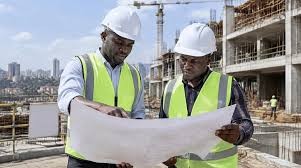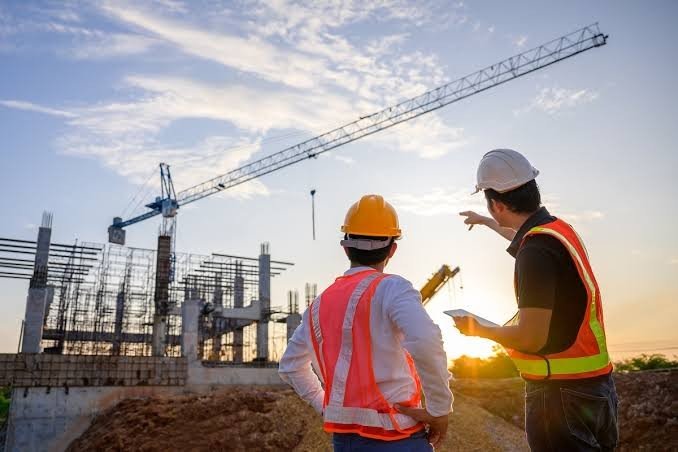
Residential and commercial construction projects require careful planning, professional coordination and effective control to achieve successful results. Whether you are building a private home, developing apartments, constructing office premises, establishing a shopping complex or investing in a commercial property, every stage of construction must be properly managed.
A construction project involves several interconnected activities, including feasibility assessment, design development, budgeting, procurement, contractor selection, site preparation, construction, quality monitoring and final handover. Each stage requires decisions that can affect the project’s cost, completion time, quality and long-term performance.
Without effective management, building projects may experience budget overruns, construction delays, poor workmanship, material shortages, design conflicts and disputes between project participants.
This is why construction project management in Uganda is essential for property owners, developers, investors and organisations undertaking residential and commercial developments.
Construction project management provides a structured approach to planning, coordinating, monitoring and controlling building projects from the initial concept to completion. It helps ensure that contractors, consultants, suppliers and other stakeholders work towards clearly defined project objectives.
Although residential and commercial developments share many construction processes, they have different requirements. Residential projects focus heavily on living comfort, functionality, privacy and long-term household needs, while commercial developments must also consider business operations, customer movement, building services, accessibility, operating costs and investment performance.
Understanding these differences is important when selecting the right project management approach.
This comprehensive guide explains how construction project management works for residential and commercial developments in Uganda, the major stages involved, key responsibilities, cost and time management strategies, common challenges and how professional construction support can improve project delivery.
1. What Is Construction Project Management?
Construction project management is the process of planning, organising, coordinating, monitoring and controlling construction activities to achieve defined project objectives.
It brings together the people, resources, information and management systems required to complete a construction project.
The main objectives are to deliver the agreed scope of work while managing:
- Project costs and financial resources.
- Construction schedules and completion milestones.
- Design and technical requirements.
- Contractor and subcontractor performance.
- Procurement and material supply.
- Workmanship and quality standards.
- Health and safety requirements.
- Project risks and changes.
- Testing, commissioning and handover.
Construction project management covers the entire project lifecycle, beginning with early planning and continuing through design, procurement, construction and completion.
A project manager coordinates the different participants and monitors overall performance within the authority established by the project appointment and relevant contracts.
Depending on the project structure, the management team may include architects, engineers, quantity surveyors, construction managers, contractors, specialist subcontractors and suppliers.
The precise responsibilities of each professional should be clearly established before work begins.
2. Why Construction Project Management Is Important for Residential and Commercial Developments
Residential and commercial projects can involve substantial financial commitments, technical decisions and coordination requirements.
Effective project management helps property owners and developers maintain better control over these commitments.
2.1 Improves Project Planning
Successful construction begins with a clear understanding of what needs to be built, how it will be delivered and what resources are required.
Project management helps establish:
- Project objectives.
- Scope of work.
- Design requirements.
- Budget estimates.
- Construction methods.
- Procurement arrangements.
- Contractor responsibilities.
- Completion targets.
This creates a structured foundation for implementation.
2.2 Helps Control Construction Costs
Construction expenditure can increase when projects are poorly planned or changes are introduced without considering their financial implications.
Project management supports cost control through budgeting, procurement planning, expenditure monitoring, variation assessment and financial reporting.
For example, a residential developer may need to compare different roofing systems, window specifications and finishing materials to understand their cost and performance implications.
A commercial developer may need to assess the financial implications of lifts, air-conditioning systems, fire protection, security infrastructure and specialised electrical installations.
2.3 Supports Timely Project Completion
Construction schedules depend on the availability of labour, materials, equipment, approvals and completed preceding activities.
Project management helps coordinate these requirements and monitor progress against agreed milestones.
It also helps identify potential delays early enough for the project team to consider appropriate corrective action.
2.4 Improves Construction Quality
Quality management ensures that work is carried out in accordance with approved drawings, specifications, contractual requirements and applicable standards.
Project management helps coordinate inspections, testing, defect reporting and corrective action.
This is important for both residential buildings, where defects can affect comfort and safety, and commercial properties, where poor construction quality may disrupt business operations and increase maintenance costs.
2.5 Strengthens Contractor Coordination
Residential and commercial developments may involve several contractors and specialist subcontractors.
Project management helps organise their activities, clarify responsibilities, coordinate work sequences and resolve interface issues.
2.6 Improves Communication and Accountability
Construction projects require continuous communication between property owners, consultants, contractors and suppliers.
A structured management system establishes reporting arrangements, meeting procedures, decision-making responsibilities and methods for escalating problems.
2.7 Helps Manage Project Risks
Potential risks include unexpected ground conditions, design changes, material shortages, cost increases, weather disruptions and contractor performance problems.
Project management helps identify these risks, assess their potential effects and develop suitable responses.
2.8 Supports Better Long-Term Building Performance
Decisions made during design and construction affect the building’s operating costs, maintenance requirements, functionality and durability.
Project management helps ensure that long-term performance considerations are included in project planning and technical reviews.
3. Understanding Residential Construction Project Management
Residential construction project management focuses on planning and delivering buildings intended for people to live in.
Residential developments range from individual houses to apartment blocks, gated communities, housing estates and large multi-unit developments.
Each type of residential project has different management requirements depending on its size, design, budget and intended occupancy.
3.1 Individual House Construction
Building a private house requires coordination of architectural design, structural engineering, foundations, masonry, roofing, plumbing, electrical installation and finishes.
Project management helps the owner establish a realistic budget, select suitable professionals, coordinate contractors and monitor construction progress.
Important considerations include:
- Number and arrangement of rooms.
- Foundation design and ground conditions.
- Structural safety.
- Roof design and weather protection.
- Water supply and drainage.
- Electrical installations.
- Ventilation and natural lighting.
- Security arrangements.
- Internal and external finishes.
- Future maintenance.
3.2 Apartment Construction
Apartment developments involve multiple residential units and shared building facilities.
Management requirements may include:
- Structural design and construction.
- Staircases and circulation areas.
- Lifts where required.
- Water storage and distribution.
- Electrical distribution.
- Drainage systems.
- Fire safety provisions.
- Parking facilities.
- Waste management.
- Shared amenities.
- Access control and security systems.
Coordination is especially important because building services and common facilities serve multiple occupants.
3.3 Housing Estates and Residential Communities
Large housing developments may involve several houses or apartment buildings within one development.
Project management may need to coordinate individual building packages alongside shared infrastructure.
This can include internal roads, drainage, water infrastructure, electricity distribution, boundary works, landscaping and communal facilities.
3.4 Luxury and High-Specification Homes
High-specification residential developments may include specialised finishes, imported fittings, home automation, advanced security systems, swimming pools and complex mechanical and electrical installations.
These projects require careful specification management, procurement planning and coordination of specialist contractors.
3.5 Residential Renovation and Extension Projects
Renovations and extensions involve modifying existing buildings.
Project management should consider existing structural conditions, access limitations, protection of occupied areas, service connections and the interface between new and existing construction.
4. Understanding Commercial Construction Project Management
Commercial construction project management focuses on buildings and facilities intended for business, institutional, retail, industrial or other non-residential activities.
Commercial projects often have more complex operational, service and compliance requirements than individual residential buildings.
4.1 Office Building Construction
Office developments require careful planning of working spaces, circulation, utilities, technology and occupant facilities.
Important coordination areas include:
- Structural systems.
- Office layouts.
- Electrical distribution.
- Lighting.
- Data and communication networks.
- HVAC and ventilation.
- Fire protection.
- Lifts and staircases.
- Security and access control.
- Toilets and water services.
- Parking and external access.
Project management helps coordinate these systems so that the building can support its intended business operations.
4.2 Shopping Complexes and Retail Developments
Shopping centres and retail developments may contain multiple tenants, common areas, service spaces, parking facilities and public access routes.
Project management should consider:
- Tenant space requirements.
- Retail layouts.
- Public circulation.
- Loading and unloading areas.
- Fire safety provisions.
- Electrical and mechanical services.
- Security systems.
- Parking arrangements.
- Signage.
- Waste management.
- Common facilities.
Where tenants have separate fit-out contractors, their work must be coordinated with the main construction programme.
4.3 Hotel and Hospitality Developments
Hotels require coordination of guest rooms, reception areas, kitchens, restaurants, conference facilities, service areas and building services.
Important considerations include:
- Guest circulation.
- Room layouts.
- Water supply and hot water systems.
- Ventilation and air conditioning.
- Fire protection.
- Lifts.
- Laundry facilities.
- Kitchen equipment.
- Lighting and power.
- Security and access control.
- Operational support spaces.
The project team should consider how the completed facility will function before construction decisions are finalised.
4.4 Warehouse Construction
Warehouses require practical layouts that support storage, loading, unloading and movement of goods.
Project management may cover:
- Structural frames.
- Roof systems.
- Floor specifications.
- Loading bays.
- Vehicle circulation.
- Drainage.
- Lighting.
- Ventilation.
- Fire protection.
- Security.
- Storage system interfaces.
4.5 Industrial and Factory Developments
Industrial facilities may involve specialised equipment, production lines, heavy electrical installations, ventilation systems, drainage and process-related infrastructure.
Project management must coordinate building construction with equipment procurement, installation, utility connections, testing and commissioning.
4.6 Institutional and Public-Facing Buildings
Schools, hospitals, churches and other institutional buildings may require specialist layouts, services, accessibility arrangements and operational considerations.
Their project management requirements should reflect the intended users and applicable regulatory obligations.
5. Key Differences Between Residential and Commercial Construction Project Management
Although both project types require planning, budgeting, procurement, contractor coordination and quality control, their priorities are different.
| Management area | Residential developments | Commercial developments |
|---|---|---|
| Main objective | Provide safe, functional and comfortable living spaces | Support business, institutional or commercial operations |
| Design priorities | Privacy, comfort, room layouts and household needs | Operational efficiency, occupancy, circulation and services |
| Building services | Domestic water, electrical, drainage and ventilation | Often more extensive mechanical, electrical and specialist systems |
| Stakeholders | Owners, families, developers and contractors | Investors, developers, tenants, operators, consultants and contractors |
| Procurement | Domestic fittings, finishes and building materials | Specialist equipment, commercial systems and larger material packages |
| Quality priorities | Durability, comfort, appearance and safety | Durability, functionality, operational performance and compliance |
| Programme considerations | Household requirements and available funding | Business opening dates, tenant requirements and operational readiness |
| Handover | Occupancy documentation and residential systems | Testing, commissioning, operating manuals and facility handover |
The correct management approach should be determined by the project’s requirements rather than assuming that every residential or commercial development can be managed in the same way.
6. Main Stages of Construction Project Management for Residential and Commercial Developments
Successful project delivery requires a structured process that covers the full construction lifecycle.
The following stages explain how residential and commercial building projects can be managed.
Stage 1: Project Initiation and Requirements Definition
The first stage involves identifying the purpose of the development and defining what the client wants to achieve.
The project team should establish:
- Type of building.
- Intended use.
- Required size and capacity.
- Site location.
- Functional requirements.
- Quality expectations.
- Initial budget parameters.
- Target completion period.
- Important project constraints.
For a residential project, the brief may specify the number of bedrooms, living areas, parking spaces and household facilities.
For a commercial project, it may include office capacity, retail space, storage requirements, tenant needs, plant rooms and service infrastructure.
A clear project brief helps prevent confusion during design development.
Stage 2: Feasibility Assessment and Site Evaluation
Before major design and construction commitments are made, the project should be assessed for practical and financial feasibility.
The assessment may consider:
- Site suitability.
- Land use and planning considerations.
- Site access.
- Ground conditions.
- Drainage.
- Availability of utilities.
- Environmental considerations.
- Development constraints.
- Preliminary construction costs.
- Project funding.
- Potential operational requirements.
Technical investigations should be undertaken by suitably qualified professionals where required.
A feasibility assessment helps the client understand whether the proposed development is realistic and what issues must be addressed before proceeding.
Stage 3: Design Development and Professional Coordination
Once the project requirements are established, the design process can proceed.
Depending on the project, the design team may include:
- Architects.
- Structural engineers.
- Civil engineers.
- Mechanical engineers.
- Electrical engineers.
- Quantity surveyors.
- Other specialist consultants.
The project manager coordinates the design process to help ensure that information is developed, reviewed and issued in accordance with the project programme.
Design coordination should address:
- Architectural layouts.
- Structural systems.
- Foundations.
- Drainage.
- Water supply.
- Electrical distribution.
- Lighting.
- HVAC.
- Fire protection.
- Security systems.
- External works.
- Material specifications.
For commercial developments, design coordination may also involve tenant requirements, equipment layouts and operational interfaces.
Stage 4: Construction Budgeting and Cost Planning
Cost management is essential for both residential and commercial developments.
The project team should develop a realistic budget based on the project scope, design information, material specifications and expected construction requirements.
Cost planning may include:
- Site preparation.
- Foundations and substructure.
- Structural works.
- Roofing.
- Wall construction.
- Doors and windows.
- Mechanical and electrical services.
- Internal finishes.
- External works.
- Professional fees.
- Statutory and approval-related costs where applicable.
- Contingencies.
- Other project-specific expenses.
Quantity surveyors can provide professional cost advice, prepare estimates and bills of quantities where appropriate, and monitor financial performance within their appointment.
The client should understand the assumptions, exclusions and limitations of every cost estimate.
Stage 5: Approvals and Regulatory Coordination
Building projects must comply with applicable planning, building control, environmental, health and safety and other legal requirements.
The relevant requirements depend on the location, building type, size and intended use.
Project management helps identify the approvals and professional submissions that may be required and incorporates their preparation and review into the project programme.
Property owners should engage appropriately qualified professionals and confirm the applicable requirements with relevant authorities.
In Uganda, project teams can use the Building Industry Management System (BIMS) at https://www.bims.go.ug/ as part of their process for accessing relevant building control services and information.
Stage 6: Procurement and Contractor Selection
Procurement involves obtaining the labour, materials, equipment and services required for the project.
The process may include:
- Preparing procurement requirements.
- Developing tender documentation.
- Identifying potential suppliers and contractors.
- Inviting quotations or tenders.
- Evaluating technical and commercial submissions.
- Reviewing qualifications and relevant experience.
- Clarifying scope and exclusions.
- Selecting suitable service providers.
- Finalising contractual arrangements.
- Planning procurement and delivery schedules.
For residential projects, procurement may focus on building materials, roofing, windows, plumbing, electrical installations and finishing products.
Commercial projects may require additional procurement packages for lifts, generators, HVAC equipment, fire protection systems, specialist electrical panels and other building services.
Contractor selection should consider capability, compliance, relevant experience, quality and commercial suitability, not simply the lowest price.
Stage 7: Construction Planning and Site Mobilisation
Before construction begins, the project team should prepare the implementation arrangements.
These may include:
- Construction programme.
- Site layout plan.
- Contractor mobilisation schedule.
- Labour requirements.
- Equipment requirements.
- Procurement schedule.
- Material storage arrangements.
- Site access procedures.
- Health and safety arrangements.
- Quality management procedures.
- Communication and reporting systems.
A coordinated mobilisation process helps ensure that construction begins in an organised manner.
Stage 8: Construction Implementation and Contractor Coordination
During construction, contractors and subcontractors carry out the work according to the approved designs, specifications and contractual requirements.
Project management helps coordinate activities such as:
- Excavation.
- Foundation construction.
- Structural works.
- Masonry.
- Roofing.
- Plumbing.
- Electrical installations.
- Mechanical installations.
- External works.
- Finishing.
The project team monitors progress, follows up on technical queries, reviews contractor performance and coordinates decisions affecting construction.
Stage 9: Cost, Time and Quality Monitoring
Project performance should be assessed throughout construction.
Time monitoring: Compare actual progress against the approved programme and investigate delays.
Cost monitoring: Track expenditure, valuations, procurement commitments, variations and remaining budget.
Quality monitoring: Coordinate inspections, testing, defect records and corrective action.
Risk monitoring: Review emerging risks and determine whether additional controls are required.
Regular reports help the client understand the project’s position and make informed decisions.
Stage 10: Testing, Commissioning and Handover
The final stage involves confirming that the building and its systems are ready for their intended use.
Activities may include:
- Completion inspections.
- Defect identification and rectification.
- Electrical testing.
- Plumbing and drainage testing.
- HVAC testing.
- Fire system testing.
- Lift testing where applicable.
- Security system testing.
- Equipment commissioning.
- As-built documentation.
- Operation and maintenance manuals.
- Relevant warranties and product information.
- Handover records.
Commercial developments may require additional commissioning and operational readiness activities because of their more complex building systems.
Residential projects also require proper inspection and documentation before occupation.
7. Essential Responsibilities of a Construction Project Manager
A construction project manager helps coordinate the people, activities and resources required to deliver the development.
The exact responsibilities depend on the appointment, project structure and contractual authority.
Key responsibilities may include the following.
7.1 Project Planning
Developing and maintaining plans covering project scope, activities, resources, costs, communication and delivery milestones.
7.2 Budget Coordination
Working with the client and cost professionals to establish budget controls and monitor financial performance.
7.3 Programme Management
Preparing or coordinating the construction programme, monitoring progress and following up on delays.
7.4 Contractor Management
Coordinating contractor activities, monitoring performance and following up on contractual deliverables.
7.5 Consultant Coordination
Organising design reviews, technical meetings, information exchanges and responses to construction queries.
7.6 Procurement Coordination
Monitoring material and equipment requirements, procurement progress and delivery arrangements.
7.7 Quality Monitoring
Coordinating inspections, reviewing quality records and tracking defects within the agreed scope.
7.8 Risk Management
Identifying potential threats to the project and coordinating appropriate mitigation measures.
7.9 Communication and Reporting
Preparing progress reports, organising meetings, recording decisions and communicating important project developments.
7.10 Completion and Handover
Coordinating final inspections, testing, commissioning, documentation and handover requirements.
8. Construction Cost Management for Residential Developments
Residential construction costs depend on many factors, including the design, building size, materials, location, ground conditions and finishing specifications.
Effective cost management begins before construction.
8.1 Establish a Realistic Budget
The owner should establish a budget that considers the complete development rather than only the main building works.
Depending on the project, the budget may include:
- Land-related development costs.
- Site investigations.
- Design and professional fees.
- Statutory approvals.
- Construction materials.
- Labour.
- Equipment.
- Utility connections.
- External works.
- Landscaping.
- Contingency allowances.
8.2 Select Suitable Building Materials
Materials should be selected according to performance, durability, availability, maintenance and cost.
For example, roofing products, windows, floor finishes and sanitary fittings should be assessed against both the initial purchase price and expected long-term performance.
8.3 Manage Design Changes
Changes made after construction begins may affect quantities, procurement and labour requirements.
A formal change procedure should assess the financial and time implications before changes are approved.
8.4 Monitor Expenditure
Regular cost reports help identify whether actual and committed expenditure is consistent with the approved budget.
8.5 Control Material Wastage
Proper measurement, storage, handling and supervision help reduce avoidable material losses.
9. Construction Cost Management for Commercial Developments
Commercial developments may require more extensive cost planning because of their size, specialist systems and operational requirements.
Important cost management areas include:
9.1 Building Structure
The structural system, foundations, floor spans, building height and site conditions can significantly influence construction costs.
9.2 Mechanical and Electrical Systems
Commercial buildings may require substantial electrical distribution, generators, HVAC systems, lifts, pumps, fire protection and specialised equipment.
These systems should be considered during early budgeting.
9.3 Internal Fit-Out
Floor finishes, ceilings, partitions, lighting, doors, glazing and specialist finishes can represent significant parts of a commercial development budget.
9.4 External Infrastructure
Parking areas, access roads, drainage, landscaping, utility connections and boundary works should be included in cost planning.
9.5 Operational Requirements
Developers should consider the building’s future operating requirements, including energy use, maintenance access, equipment replacement and servicing.
A building with a lower initial construction cost may have higher long-term operating expenses if its systems are inefficient or difficult to maintain.
10. How to Manage Construction Timelines for Residential and Commercial Projects
Construction delays can affect financing, occupancy, rental income and business operations.
A realistic programme should be developed early and updated as the project progresses.
10.1 Identify All Major Activities
List the work required to complete the development, from site preparation to handover.
10.2 Establish Activity Dependencies
Determine which activities must be completed before others can begin.
10.3 Estimate Activity Durations
Estimate realistic durations based on project size, construction methods, resources and site conditions.
10.4 Coordinate Procurement
Identify materials and equipment with long delivery or manufacturing periods.
10.5 Monitor Contractor Performance
Review progress against the programme and identify delays before they affect major milestones.
10.6 Prepare Recovery Measures
Where delays occur, assess possible changes to sequencing, resource allocation and procurement arrangements.
Any recovery plan should consider cost, quality, safety and contractual implications.
10.7 Consider Differences Between Residential and Commercial Timelines
Residential projects may have relatively straightforward building services, depending on their size and specification.
Commercial developments may require additional time for complex mechanical and electrical installations, specialist equipment, tenant fit-outs, inspections and commissioning.
Project duration should therefore be based on the actual scope and construction programme rather than generic assumptions.
11. Contractor and Consultant Coordination in Residential and Commercial Developments
Construction projects involve multiple professionals and contractors who must work together.
Poor coordination can lead to conflicting instructions, delayed work, duplicated activities and disputes.
11.1 Coordinate Architectural and Engineering Designs
Architectural, structural and building services designs should be reviewed together to identify conflicts.
For example, structural beams, plumbing routes, electrical containment and HVAC ducts may require space within the same building zones.
11.2 Define Contractor Responsibilities
Every contractor should have a clear scope of work, deliverables, programme requirements and reporting obligations.
11.3 Hold Regular Coordination Meetings
Meetings should address progress, upcoming activities, procurement, technical queries, safety concerns and outstanding decisions.
11.4 Maintain Drawing and Document Control
All participants should work with the latest approved information.
Drawing registers and revision records help prevent mistakes arising from outdated documents.
11.5 Manage Contractor Interfaces
The project team should identify where one contractor’s work depends on or affects another contractor’s activities.
This is especially important for mechanical, electrical, plumbing, fire protection and specialist equipment installations.
12. Quality Management in Residential and Commercial Construction
Quality management ensures that construction work meets the agreed design, specification and performance requirements.
Although quality principles are similar across residential and commercial projects, their technical priorities may differ.
Residential Quality Considerations
Residential quality management may focus on:
- Foundation and structural integrity.
- Roof performance.
- Waterproofing.
- Plumbing and drainage.
- Electrical safety.
- Ventilation.
- Window and door installation.
- Finishing quality.
- Comfort and usability.
Commercial Quality Considerations
Commercial quality management may also require close attention to:
- Structural performance.
- Fire protection systems.
- HVAC installation.
- Lift systems.
- Electrical distribution.
- Emergency lighting.
- Security infrastructure.
- Building automation.
- Accessibility provisions.
- Specialist equipment interfaces.
Quality Control Procedures
A project quality plan may include:
- Approved drawings and specifications.
- Material approval procedures.
- Inspection and test plans.
- Site inspection records.
- Testing requirements.
- Defect reporting.
- Corrective action procedures.
- Completion inspections.
- Handover documentation.
Quality monitoring should be undertaken by appropriately qualified personnel within their assigned responsibilities.
13. Risk Management for Residential and Commercial Developments
Construction projects are exposed to technical, financial, environmental, operational and contractual risks.
Risk management helps the project team identify potential problems before they become serious.
13.1 Financial Risks
Examples include budget overruns, price changes, funding interruptions and unexpected project costs.
Management approach: Prepare realistic cost plans, monitor expenditure, maintain suitable contingency allowances and assess proposed changes.
13.2 Programme Risks
Examples include late material deliveries, contractor underperformance, poor sequencing and delayed decisions.
Management approach: Use realistic schedules, monitor critical activities, track procurement and prepare appropriate recovery measures.
13.3 Technical Risks
Examples include design conflicts, unsuitable materials, unexpected ground conditions and inadequate building services coordination.
Management approach: Conduct suitable investigations, engage qualified professionals and review technical information before construction.
13.4 Contractor Risks
Examples include insufficient resources, poor workmanship, contractual disputes and failure to meet programme requirements.
Management approach: Conduct appropriate contractor evaluation, define contractual obligations and monitor performance.
13.5 Safety Risks
Examples include falls, excavation hazards, lifting operations, electrical hazards and unsafe site access.
Management approach: Establish risk assessments, safety procedures, competent supervision and appropriate controls.
13.6 Environmental Risks
Examples include poor drainage, construction waste, dust, noise and impacts on neighbouring properties.
Management approach: Identify applicable environmental requirements and implement appropriate site management measures.
14. Technology Used in Construction Project Management
Technology can improve project communication, planning, documentation and performance monitoring.
The tools selected should match the size and complexity of the development.
14.1 Project Scheduling Software
Scheduling tools help prepare construction programmes, identify dependencies and monitor activity progress.
14.2 Cost Management Systems
Digital cost tracking helps monitor budgets, commitments, variations, payments and expenditure.
14.3 Document Management Systems
These systems help organise drawings, specifications, reports, approvals and correspondence.
14.4 Building Information Modelling
BIM supports the coordination of architectural, structural and building services information through digital models.
It can help identify design clashes and improve information sharing where suitable processes and competent teams are available.
14.5 Digital Site Reporting
Mobile reporting tools can support progress records, site photographs, inspections, action tracking and issue reporting.
14.6 Communication Platforms
Digital communication platforms can support coordination between clients, consultants, contractors and suppliers, provided that formal instructions and decisions are recorded through the agreed project procedures.
15. Common Construction Project Management Challenges in Uganda
Residential and commercial developments in Uganda may face several challenges that affect project delivery.
Understanding these challenges helps project owners plan more effectively.
15.1 Inaccurate Initial Cost Estimates
Incomplete designs, uncertain quantities and inadequate site investigations can lead to unreliable budgets.
How to address it: Use appropriate site investigations, developed designs and professional cost planning before major construction commitments.
15.2 Material Supply Challenges
Delays in the supply of materials and specialist equipment can interrupt construction.
How to address it: Prepare procurement schedules, verify supplier capacity and monitor delivery commitments.
15.3 Contractor Coordination Problems
Different contractors may work with conflicting schedules or unclear responsibilities.
How to address it: Establish clear scopes, communication procedures and regular coordination meetings.
15.4 Delayed Approvals and Decisions
Unresolved design details, approval requirements or delayed client decisions may affect the construction programme.
How to address it: Identify required decisions early and include realistic review periods in the programme.
15.5 Weather-Related Disruptions
Rainfall can affect excavation, earthworks, drainage, concrete activities and external construction.
How to address it: Plan weather-sensitive activities carefully and establish suitable temporary drainage and site protection.
15.6 Site Access and Logistics
Urban sites may have restricted access, traffic constraints and limited storage space.
How to address it: Develop a site logistics plan covering deliveries, storage, equipment movement and waste removal.
15.7 Inadequate Project Monitoring
Projects can fall behind schedule or exceed budgets when performance is not monitored consistently.
How to address it: Establish regular progress reporting, cost reviews, site inspections and risk assessments.
16. How Much Does Construction Project Management Cost in Uganda?
The cost of construction project management in Uganda depends on the project’s size, value, complexity, duration and scope of professional services required.
Residential and commercial developments may require different levels of management input.
For example, an individual residential house may require a relatively straightforward coordination structure, while a multi-storey commercial building may involve several consultants, contractors, specialist systems and detailed reporting arrangements.
Factors influencing project management fees include:
- Total project value.
- Building size and complexity.
- Construction duration.
- Number of contractors.
- Number of consultants.
- Frequency of site visits.
- Reporting requirements.
- Procurement responsibilities.
- Cost monitoring requirements.
- Contract administration responsibilities.
- Project location and logistics.
- Specialist technical coordination needs.
Common Project Management Fee Structures
Depending on the appointment, fees may be structured in several ways.
Fixed fee: An agreed amount for a defined scope of work.
Percentage-based fee: A fee calculated as an agreed percentage of an identified project cost or contract value.
Time-based fee: Charges based on professional time spent using agreed rates.
Stage-based fee: Payments linked to the completion of defined project stages or deliverables.
The client should request a written proposal explaining the scope, deliverables, fee basis, exclusions and responsibilities.
It is important to compare project management proposals based on the quality and extent of services offered, rather than price alone.
17. How to Choose the Right Construction Project Management Consultant in Uganda
Selecting suitable professional support is an important decision for property owners and developers.
The following considerations can help you assess potential providers.
17.1 Relevant Project Experience
Look for experience with developments similar to yours.
Residential housing, apartments, offices, shopping centres, warehouses and industrial facilities have different coordination requirements.
17.2 Professional Qualifications and Registration
Verify the qualifications and registration of professionals undertaking regulated services.
Architectural, engineering, quantity surveying and other specialist responsibilities should be assigned to appropriately qualified and registered practitioners where required.
17.3 Clear Service Scope
The provider should explain the services included in the appointment.
These may cover planning, coordination, cost monitoring, scheduling, procurement support, reporting and other agreed responsibilities.
17.4 Project Management Methodology
Ask how the team plans to manage project schedules, contractor communication, risks, costs, quality and reporting.
17.5 Communication and Reporting
The provider should have clear arrangements for meetings, progress reports, decision tracking and issue escalation.
17.6 Understanding of Local Conditions
Knowledge of local construction conditions, procurement arrangements, site access challenges and applicable regulatory processes can be useful when managing projects in Uganda.
17.7 Transparent Fees and Contractual Arrangements
Ensure that fees, deliverables, exclusions, responsibilities and limits of authority are documented.
17.8 References and Verifiable Track Record
Where available, review references and evidence of comparable completed assignments.
A professional appointment should also address conflicts of interest and the management of confidential project information.
18. Construction Project Management Checklist for Residential Developments
Before starting a residential building project, consider the following checklist:
- Define the type and purpose of the house or residential development.
- Confirm the site and relevant land information.
- Conduct necessary site investigations.
- Prepare a clear project brief.
- Appoint appropriate design professionals.
- Develop architectural and engineering designs.
- Coordinate designs and technical details.
- Prepare a realistic construction budget.
- Identify applicable approvals.
- Select suitable contractors.
- Prepare construction and procurement schedules.
- Establish site safety and quality procedures.
- Monitor expenditure and construction progress.
- Coordinate inspections and testing.
- Rectify defects.
- Prepare completion and handover documents.
19. Construction Project Management Checklist for Commercial Developments
Commercial developers should consider additional requirements:
- Define the intended business or commercial use.
- Establish occupancy and space requirements.
- Assess site suitability and access.
- Review applicable planning and building requirements.
- Appoint the required professional consultants.
- Coordinate architectural, structural and building services designs.
- Develop a detailed cost plan.
- Identify specialist equipment and systems.
- Prepare a procurement strategy.
- Select contractors and specialist subcontractors.
- Develop an integrated construction programme.
- Coordinate tenant or operator requirements where applicable.
- Monitor quality and construction progress.
- Coordinate fire safety and building services requirements.
- Plan testing and commissioning.
- Prepare operation and maintenance documentation.
- Complete inspections and handover.
20. Why Choose Daltrevco for Construction Project Support?
Residential and commercial construction projects require careful planning, professional coordination and effective management of resources, contractors and technical information.
Whether you are building a private home, developing apartments, constructing office premises, establishing a warehouse or undertaking a large commercial development, it is important to have a clear project delivery strategy.
Daltrevco provides a point of contact for property owners, developers and organisations seeking to discuss construction and project-related requirements.
A structured approach to project planning, cost considerations, construction coordination and progress monitoring can help improve project organisation and decision-making.
When preparing a residential or commercial development, Daltrevco can discuss your project requirements and the type of construction support that may be appropriate.
Visit https://www.daltrevco.com/ to contact Daltrevco and discuss your residential or commercial construction project.
21. Frequently Asked Questions About Construction Project Management for Residential and Commercial Developments
1. What is construction project management for residential and commercial developments?
It is the process of planning, coordinating, monitoring and controlling building projects to achieve the agreed scope, budget, quality and completion objectives. It applies to houses, apartments, offices, shopping complexes, warehouses and other developments.
2. Why is construction project management important for residential buildings?
It helps homeowners and developers organise designs, budgets, contractors, materials, construction schedules and quality requirements. This reduces the risk of avoidable delays, poor workmanship and unexpected costs.
3. Why is construction project management important for commercial buildings?
Commercial projects often involve complex building services, multiple contractors, specialist equipment and operational requirements. Project management helps coordinate these elements and supports a more organised delivery process.
4. What is the difference between residential and commercial construction project management?
Residential project management focuses on living requirements, household functionality, comfort and durability. Commercial project management also considers business operations, occupancy, public access, specialist systems, tenant requirements and long-term operating performance.
5. What are the main stages of construction project management?
The main stages include project initiation, feasibility assessment, design development, cost planning, approvals, procurement, contractor selection, construction, monitoring, testing, commissioning and handover.
6. Who is responsible for managing a residential construction project?
Depending on the project structure, responsibility may be assigned to a project manager, construction manager or other appointed professional. Contractors and consultants remain responsible for their respective contractual and professional obligations.
7. Who is responsible for managing a commercial construction project?
A project manager or project management team may coordinate overall delivery, while specialist consultants and contractors manage their assigned technical and construction responsibilities.
8. How does construction project management help control costs?
It supports cost planning, procurement management, expenditure monitoring, variation assessment and financial reporting. These activities help the client understand project commitments and manage changes.
9. How does construction project management prevent delays?
It establishes realistic programmes, identifies activity dependencies, coordinates contractors, monitors procurement and follows up on problems that may affect completion milestones.
10. What professionals are involved in residential construction projects?
Depending on the project, the team may include architects, structural engineers, civil engineers, quantity surveyors, project managers, contractors, plumbers, electricians and other specialist professionals.
11. What professionals are involved in commercial construction projects?
Commercial developments may require architects, structural and civil engineers, mechanical and electrical engineers, quantity surveyors, fire safety specialists, project managers, contractors, equipment suppliers and other technical professionals.
12. What is included in a residential construction project budget?
A residential budget may include site preparation, foundations, structural works, roofing, masonry, building services, finishes, external works, professional fees, approvals and contingency allowances.
13. What is included in a commercial construction project budget?
Commercial project budgets may include structural works, building services, lifts, HVAC, electrical systems, fire protection, specialist equipment, internal fit-out, external infrastructure, professional fees and other project-specific expenses.
14. How do you manage contractors during building construction?
Establish clear scopes of work, agree on programmes, coordinate work areas, monitor progress, organise meetings, resolve technical issues and manage changes through formal procedures.
15. What is the role of a quantity surveyor in construction project management?
A quantity surveyor provides cost and commercial management services. Depending on the appointment, responsibilities may include cost estimates, bills of quantities, tender evaluation, valuations, variation assessments and cost reporting.
16. What is the role of an architect in residential and commercial developments?
An architect develops architectural designs and helps ensure that the building layout, appearance and functional requirements meet the client’s brief and relevant professional and regulatory requirements.
17. How long does it take to complete a residential construction project in Uganda?
The duration depends on building size, design complexity, ground conditions, construction methods, contractor resources, material availability, approvals and weather. A realistic programme should be prepared for each project.
18. How long does it take to complete a commercial building in Uganda?
Commercial building durations vary according to size, number of floors, structural systems, specialist installations, procurement lead times, approvals and commissioning requirements.
19. What are common challenges in commercial construction projects?
Common challenges include complex design coordination, specialist equipment procurement, contractor interfaces, budget changes, delayed decisions, building services conflicts and commissioning requirements.
20. What are common challenges in residential construction projects?
Residential projects may face budget constraints, incomplete designs, material shortages, contractor coordination problems, unexpected site conditions, changes in client requirements and delays.
21. How can construction quality be maintained?
Quality can be managed through approved drawings and specifications, material checks, inspection and test plans, workmanship monitoring, defect registers and proper testing before handover.
22. What is construction project scheduling?
It is the process of identifying construction activities, estimating their durations, arranging their sequence and assigning planned start and completion dates.
23. What is the difference between construction management and project management?
Construction management generally focuses on organising and managing construction operations, while project management covers the wider delivery process, including scope, time, cost, procurement, risks, communication and completion. The exact responsibilities depend on the appointment.
24. How much does construction project management cost in Uganda?
Fees depend on the project value, size, complexity, duration and scope of services. Common arrangements include fixed fees, percentage-based fees, time-based charges and stage-based payments.
25. When should I hire a construction project manager?
Ideally, appoint project management support during the early planning stage, before major design, procurement and construction commitments are made. Early involvement helps establish responsibilities, budgets, schedules and coordination procedures.
26. Can one project management team handle both residential and commercial developments?
A project management organisation may manage both types of developments if it has the appropriate experience, professional resources and expertise for the specific project. The appointed team should demonstrate capability relevant to the development.
27. What approvals are required for construction projects in Uganda?
Requirements depend on the project’s location, size, use and characteristics. Developers should confirm the applicable planning, building control, environmental and other requirements with relevant authorities and engage qualified professionals.
28. Why is professional construction consultancy important for property developers?
Construction consultancy can provide technical, commercial and management advice that helps developers evaluate project requirements, control costs, coordinate professional services and make informed decisions.
29. What documents should be prepared before construction begins?
Common documents include the project brief, site investigation reports where required, approved designs, specifications, cost plans, construction programme, procurement documents, contracts and relevant approvals.
30. How can I get construction project management support in Uganda?
Start by defining the type of development, location, project scope, budget and expected timeline. Contact a suitable construction consultancy or project management provider to discuss the services and management arrangements required for your project.
Conclusion
Construction project management is essential for delivering successful residential and commercial developments. It provides the planning, coordination and control needed to manage construction activities, contractors, consultants, suppliers, costs, schedules and quality requirements.
Although residential and commercial projects share many management principles, each has different technical and operational demands. Residential developments require particular attention to comfort, functionality and household needs, while commercial projects often involve more complex building services, specialist equipment, occupancy requirements and operational considerations.
For property owners, investors and developers in Uganda, engaging appropriate professional support from the early planning stages can improve project organisation, strengthen cost and programme control, and reduce avoidable construction problems.
Whether you are planning a residential house, apartment development, office building, shopping complex, warehouse or industrial facility, a structured construction project management approach helps turn the development concept into a properly planned and coordinated project.
Contact Daltrevco through https://www.daltrevco.com/ to discuss your residential or commercial development requirements and explore suitable construction project support.