Construction quality is one of the most important factors determining the safety, durability, functionality and overall success of a building project. Whether constructing a residential house, commercial building, industrial facility or infrastructure development, maintaining high construction standards requires proper planning, professional supervision and consistent quality management.
Two essential processes used to achieve these standards are Construction Quality Assurance (QA) and Construction Quality Control (QC). Although these terms are often used interchangeably, they have different purposes and responsibilities within the construction industry.
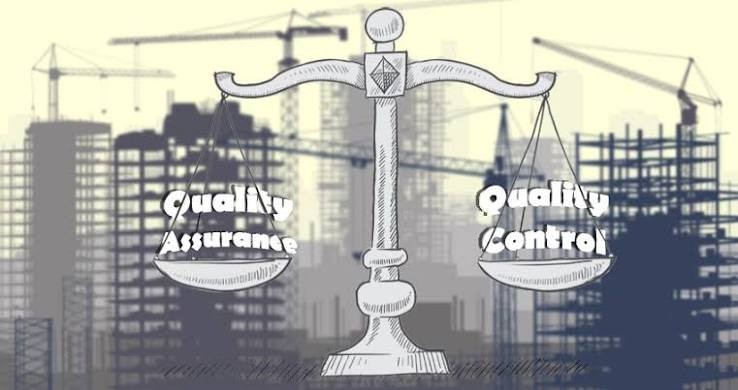
Construction Quality Assurance focuses on preventing defects by establishing effective processes, procedures and standards before and during construction. Construction Quality Control, on the other hand, focuses on inspecting, testing and verifying construction work to identify defects and confirm that completed activities meet the required specifications.
Understanding construction quality assurance vs quality control helps property developers, project owners, contractors, engineers and construction consultants manage projects more effectively, minimise costly mistakes and achieve better building outcomes.
At Daltrevco, we recognise that quality management is essential to successful construction projects. Through proper construction planning, technical supervision, quality monitoring and project management, building projects can achieve the required standards while minimising unnecessary delays and additional costs.
What Is Construction Quality Assurance (QA)?
Construction Quality Assurance (QA) refers to the systematic processes, policies, procedures and management practices established to ensure that construction activities are performed according to approved specifications, drawings, building standards and contractual requirements.
The main purpose of quality assurance is to prevent construction defects before they occur.
Rather than waiting until construction work is completed to identify problems, quality assurance establishes clear procedures that guide how different construction activities should be planned, executed, monitored and documented.
Quality assurance begins before physical construction starts and continues throughout the entire project.
Key Activities Involved in Construction Quality Assurance
1. Establishing Construction Quality Standards
A quality assurance system begins by defining the quality requirements that a construction project must achieve.
These requirements may include structural performance, material specifications, workmanship standards, safety requirements, building regulations and approved construction drawings.
Establishing these standards ensures that contractors, engineers, consultants and other project stakeholders understand the expected quality of work.
2. Developing a Construction Quality Management Plan
A construction quality management plan outlines the procedures and responsibilities required to maintain quality throughout a project.
It identifies inspection requirements, testing procedures, documentation standards, reporting arrangements and corrective action processes.
A properly prepared quality management plan provides a framework for maintaining consistency across different construction activities.
3. Selecting Qualified Contractors and Suppliers
The quality of a construction project depends significantly on the competence of the contractors, professionals and suppliers involved.
Quality assurance includes evaluating contractors, checking relevant qualifications, assessing previous project experience and selecting suppliers capable of providing materials that meet the required specifications.
This reduces the likelihood of poor workmanship and substandard materials entering the project.
4. Establishing Material Approval Procedures
Construction materials must meet the specifications and performance requirements established for the project.
Quality assurance procedures help ensure that materials such as cement, reinforcement steel, aggregates, roofing products, electrical components and plumbing materials are sourced from suitable suppliers and approved before use.
Where necessary, material certificates, technical data sheets and laboratory test results should be reviewed.
5. Planning Construction Activities
Construction activities should be properly planned to ensure that work follows approved drawings, specifications and technical procedures.
This includes establishing construction sequences, identifying quality risks, coordinating different trades and ensuring that workers have the necessary instructions and resources.
Proper planning reduces mistakes that could affect the quality of completed work.
6. Training and Communicating Quality Requirements
Workers, supervisors and subcontractors should understand the quality requirements associated with their responsibilities.
Quality assurance therefore involves communicating construction standards, providing technical guidance and ensuring that everyone understands the correct methods of carrying out their work.
What Is Construction Quality Control (QC)?
Construction Quality Control (QC) refers to the practical inspection, testing, measurement and verification activities undertaken to determine whether construction materials, workmanship and completed activities meet the required quality standards.
Unlike quality assurance, which focuses on preventing defects, quality control focuses on identifying defects and correcting non-compliant work.
Quality control takes place throughout construction, particularly at important stages where the quality of completed work must be verified before proceeding to subsequent activities.
For example, before concrete is poured into a structural foundation, the reinforcement arrangement, formwork dimensions, concrete specifications and other relevant requirements should be checked.
Similarly, completed masonry, roofing, electrical installations, plumbing systems and finishing works should be inspected to verify compliance with approved requirements.
Key Activities Involved in Construction Quality Control
1. Inspection of Construction Materials
Construction materials should be inspected to verify that they meet the specified quality requirements.
This may involve checking cement condition, reinforcement bar sizes, aggregate quality, concrete ingredients, roofing materials and other products delivered to the construction site.
Materials that fail to meet the required specifications should be rejected or quarantined until their suitability is established.
2. Concrete Quality Testing
Concrete quality control is particularly important in structural construction because concrete strength and performance directly affect building safety and durability.
Depending on the project specifications, concrete quality control may include:
- Checking concrete mix proportions.
- Conducting slump tests to assess workability.
- Preparing concrete test cubes or cylinders.
- Conducting compressive strength tests.
- Monitoring concrete placement and compaction.
- Checking curing procedures.
These tests help establish whether concrete meets the required performance standards.
3. Structural Work Inspections
Structural elements must be inspected to confirm that construction follows approved structural drawings and engineering specifications.
Inspections may cover:
- Foundation dimensions and reinforcement.
- Column reinforcement and positioning.
- Beam and slab reinforcement.
- Formwork stability and dimensions.
- Concrete placement and finishing.
- Structural connections.
These checks help identify errors that could compromise structural integrity.
4. Workmanship Inspection
Quality control involves examining the workmanship of different construction activities to ensure that they meet the required standards.
This includes inspecting masonry alignment, plastering, floor screeding, tiling, painting, roofing and other building finishes.
Poor workmanship should be documented and corrected before it affects subsequent construction activities.
5. Testing Building Installations
Electrical, plumbing, drainage, mechanical and other building services should undergo appropriate inspections and testing.
For example, electrical installations may require continuity, insulation resistance and earthing tests, while plumbing installations may require pressure and leakage tests.
The specific tests depend on the system design, applicable standards and project requirements.
6. Identifying and Correcting Construction Defects
When inspections reveal non-compliant work, corrective action should be taken.
This may involve repairing defective work, replacing unsuitable materials, repeating failed tests or reconstructing elements that do not meet the approved specifications.
All significant defects and corrective actions should be properly recorded.
Construction Quality Assurance vs Quality Control: What Is the Difference?
The main difference between construction quality assurance and construction quality control is their approach to managing quality.
Quality assurance is preventive because it establishes systems and procedures designed to avoid defects. Quality control is corrective and verification-focused because it involves inspecting and testing construction work to identify problems and confirm compliance.
Although they have different responsibilities, both processes are necessary for successful construction project delivery.
The following table highlights their major differences.
| Comparison | Quality Assurance (QA) | Quality Control (QC) |
|---|---|---|
| Main purpose | Prevent construction defects | Identify and correct defects |
| Approach | Preventive and process-oriented | Inspection and verification-oriented |
| Main focus | Construction processes and procedures | Materials, workmanship and completed work |
| Timing | Before and throughout construction | During and after construction activities |
| Activities | Planning, procedures, training and standards | Inspections, measurements and testing |
| Responsibility | Project management and quality management teams | Inspectors, engineers, supervisors and testing personnel |
| Documentation | Quality management plans and procedures | Inspection reports and test results |
| Main objective | Ensure processes consistently produce quality work | Verify that actual work meets specifications |
| Example | Establishing concrete quality procedures | Testing concrete samples for compressive strength |
Both processes contribute to the same overall objective: ensuring that construction projects meet the required quality, safety and performance standards.
Why Are Quality Assurance and Quality Control Important in Construction?
Construction quality management is essential because poor workmanship, unsuitable materials and inadequate supervision can lead to structural defects, financial losses, project delays and safety risks.
Implementing effective quality assurance and quality control procedures offers several important benefits.
1. Preventing Construction Defects
One of the greatest benefits of quality management is reducing the likelihood of construction defects.
Quality assurance establishes procedures that help prevent mistakes, while quality control identifies problems before they become more serious.
For example, checking structural reinforcement before concrete placement helps prevent errors that may otherwise become difficult and expensive to correct.
2. Improving Building Safety and Structural Integrity
Buildings must be designed and constructed to meet appropriate structural and safety requirements.
Quality assurance helps establish the procedures necessary to achieve these requirements, while quality control verifies that the actual construction work complies with approved drawings and specifications.
This is particularly important when constructing foundations, columns, beams, slabs and other structural elements.
3. Reducing Construction Costs
Construction defects can result in additional labour costs, material wastage, demolition, reconstruction and project delays.
Effective quality management helps reduce these unnecessary expenses by preventing problems and identifying them early.
For example, detecting incorrect plumbing installations before wall finishes are completed can prevent expensive repairs and disruption later in the project.
4. Improving Project Efficiency
Construction activities are interconnected. Poor-quality work in one area can delay several other activities.
For example, defective concrete work may delay masonry, roofing and finishing activities.
Quality assurance and quality control help ensure that construction activities meet the required standards before subsequent work proceeds.
This improves coordination and supports better project scheduling.
5. Ensuring Compliance With Building Regulations
Construction projects must comply with applicable building regulations, technical standards, approved designs and contractual requirements.
Quality assurance establishes procedures for meeting these obligations, while quality control provides evidence that completed work meets the relevant requirements.
In Uganda, construction teams should pay attention to applicable building control requirements, relevant Uganda Standards, approved project documentation and the requirements of the responsible authorities.
6. Increasing Client Confidence and Satisfaction
Property owners expect their buildings to be safe, durable and completed according to agreed specifications.
Effective quality management provides greater confidence that construction work is being performed professionally.
Proper inspections, testing and documentation also give clients a clearer understanding of project progress and workmanship.
7. Improving Building Durability
The durability of a building depends on the quality of its materials, design, construction methods and maintenance.
Quality assurance helps establish suitable material and workmanship requirements, while quality control checks whether those requirements have been achieved.
Together, they help reduce defects such as cracking, water leakage, poor finishes and premature deterioration.
Practical Examples of Quality Assurance and Quality Control in Building Construction
Understanding the difference between QA and QC becomes easier when examining how both processes are applied to actual construction activities.
1. Foundation Construction
Quality Assurance:
- Establishing foundation construction procedures.
- Reviewing approved structural drawings.
- Specifying suitable concrete and reinforcement materials.
- Establishing excavation and foundation inspection requirements.
- Planning reinforcement and concrete placement activities.
Quality Control:
- Checking excavation dimensions and founding conditions.
- Inspecting reinforcement sizes, spacing and positioning.
- Verifying formwork dimensions.
- Checking concrete workability and conducting specified strength tests.
- Recording inspection findings before covering completed work.
2. Concrete Works
Quality Assurance:
- Establishing approved concrete mix requirements.
- Selecting suitable material suppliers.
- Preparing concrete placement procedures.
- Establishing curing and testing requirements.
- Ensuring workers understand concrete quality standards.
Quality Control:
- Inspecting delivered concrete materials.
- Conducting slump tests where specified.
- Preparing and testing concrete samples.
- Checking concrete placement and compaction.
- Monitoring curing and documenting test results.
3. Masonry Construction
Quality Assurance:
- Specifying suitable masonry units and mortar requirements.
- Establishing workmanship standards.
- Preparing procedures for wall construction.
- Communicating requirements for wall alignment and dimensions.
Quality Control:
- Inspecting block or brick quality.
- Checking wall alignment and verticality.
- Measuring wall dimensions.
- Inspecting mortar joints.
- Identifying cracks, uneven surfaces and defective masonry.
4. Roofing Installation
Quality Assurance:
- Establishing roofing material specifications.
- Reviewing roof construction drawings.
- Selecting suitable roofing contractors.
- Defining installation and waterproofing requirements.
Quality Control:
- Inspecting roofing materials.
- Checking roof framing and structural connections.
- Verifying roof sheet alignment and fixing.
- Inspecting flashings and drainage details.
- Checking for leaks where appropriate.
5. Electrical and Plumbing Installations
Quality Assurance:
- Establishing installation standards.
- Reviewing approved electrical and plumbing drawings.
- Specifying suitable pipes, cables and fittings.
- Establishing testing and inspection procedures.
Quality Control:
- Inspecting installed pipes and electrical components.
- Conducting appropriate pressure and leakage tests.
- Checking electrical continuity and insulation resistance.
- Inspecting drainage connections.
- Verifying completed installations before concealment and handover.
These examples demonstrate that quality assurance and quality control must work together throughout the construction process.
Who Is Responsible for Construction Quality Assurance and Quality Control?
Construction quality is a shared responsibility involving different professionals and organisations.
However, individual responsibilities depend on the project structure, contractual arrangements and quality management plan.
The main participants include:
1. Project Managers
Project managers coordinate construction activities and ensure that quality requirements are incorporated into project planning and implementation.
Their responsibilities may include monitoring quality performance, coordinating inspections, managing non-conformance issues and ensuring that corrective actions are completed.
2. Construction Consultants
Construction consultants provide professional advice, technical guidance and independent oversight to support the successful delivery of building projects.
Depending on their appointment, they may assist with developing quality management procedures, reviewing technical documentation, monitoring workmanship and advising clients on quality-related issues.
3. Site Engineers
Site engineers help ensure that construction activities follow approved drawings, specifications and engineering requirements.
They may inspect structural work, monitor construction methods, review technical details and coordinate corrective actions.
4. Site Supervisors
Site supervisors oversee daily construction activities and monitor workers to ensure that work is performed according to the required standards.
They play an important role in identifying workmanship problems and ensuring that construction activities are properly coordinated.
5. Contractors
Contractors are responsible for carrying out construction work in accordance with contractual requirements, approved drawings and applicable standards.
They should establish suitable internal quality procedures, provide competent workers and correct defective work.
6. Material Suppliers and Testing Laboratories
Material suppliers must provide products that meet agreed specifications and provide relevant documentation where required.
Testing laboratories support quality control by conducting material and construction tests using appropriate procedures and equipment.
Common Construction Quality Management Mistakes to Avoid
Even when construction teams understand the importance of quality, poor management practices can undermine the effectiveness of QA and QC procedures.
Some common mistakes include:
1. Treating Quality Assurance and Quality Control as the Same Thing
Although they complement each other, they perform different functions. Focusing only on inspections without establishing preventive procedures can allow recurring problems to continue.
2. Using Substandard Construction Materials
Purchasing unsuitable materials to reduce initial costs can result in poor building performance, defects and expensive repairs.
Materials should be evaluated against approved specifications before acceptance and use.
3. Failing to Inspect Work Before Concealment
Some construction activities become difficult to inspect once covered by subsequent work.
Reinforcement, plumbing pipes, electrical conduits and waterproofing installations should undergo appropriate inspections before concealment.
4. Poor Construction Documentation
Failure to maintain inspection records, test reports, material approvals and corrective action reports makes it difficult to verify whether quality requirements have been achieved.
Proper documentation supports accountability and effective project management.
5. Inadequate Site Supervision
Insufficient supervision can allow poor workmanship, incorrect construction methods and deviations from approved drawings to continue unnoticed.
Professional site supervision helps identify and address problems early.
6. Ignoring Failed Inspection and Test Results
Construction teams should not proceed as though work has passed when inspection or testing identifies non-compliance.
Defective work must be assessed, corrected and re-inspected according to the approved procedures.
7. Conducting Quality Inspections Too Late
Waiting until the end of a project to identify defects can increase repair costs and cause significant delays.
Quality checks should be integrated into construction activities at appropriate stages.
How to Develop an Effective Construction Quality Management System
A successful construction quality management system integrates quality assurance and quality control into every major stage of project delivery.
The following steps provide a practical framework.
Step 1: Establish Project Quality Objectives
Define the expected quality standards for the project based on approved drawings, specifications, applicable regulations and contractual requirements.
Step 2: Prepare a Quality Management Plan
Develop a document outlining quality responsibilities, inspection procedures, testing requirements, reporting arrangements and corrective action processes.
Step 3: Review Construction Drawings and Specifications
Ensure that project teams understand the approved drawings, technical specifications and relevant construction requirements before work begins.
Step 4: Approve Materials and Suppliers
Establish procedures for reviewing construction materials, checking supplier documentation and verifying compliance with project requirements.
Step 5: Implement Inspection and Test Plans
Prepare inspection and test plans identifying construction activities that require inspection, testing, approval or formal verification.
These plans should identify the responsible parties, inspection stages, acceptance criteria and required records.
Step 6: Conduct Regular Site Inspections
Monitor construction activities to verify that work follows approved drawings, specifications and established procedures.
Inspections should be appropriately timed, documented and coordinated with construction progress.
Step 7: Record and Address Non-Conformities
Document defective or non-compliant work and establish appropriate corrective actions.
The completed work should be re-inspected or retested where necessary to confirm that the problem has been resolved.
Step 8: Monitor Quality Performance
Review inspection findings, testing results, recurring defects and corrective action records to identify areas requiring improvement.
Step 9: Conduct Final Quality Inspections
Before project handover, inspect completed building elements, finishes, installations and relevant documentation.
Outstanding defects should be recorded and addressed in accordance with the contractual requirements.
Quality Assurance vs Quality Control: Which Is More Important?
A common question among property developers and construction professionals is whether quality assurance or quality control is more important.
The reality is that neither process should operate independently.
Quality assurance helps prevent problems by establishing the correct procedures, standards and responsibilities. Quality control verifies whether those procedures have produced construction work that meets the required specifications.
For example, a contractor may establish a comprehensive concrete quality assurance procedure, but without appropriate inspections and strength testing, there may be insufficient evidence that the concrete meets the specified requirements.
Similarly, conducting frequent inspections without proper planning and preventive procedures may result in repeatedly identifying the same construction defects.
The most effective approach is to combine both systems.
Construction quality assurance establishes the foundation for good construction practices, while construction quality control verifies the quality of the actual work.
Together, they provide a more reliable approach to managing construction quality, reducing defects and achieving successful project outcomes.
The Role of Professional Construction Consultancy in Quality Management
Professional construction consultancy plays an important role in helping property developers and project owners maintain quality throughout the construction process.
Building projects involve several interconnected activities, technical requirements, contractors, suppliers and professional teams. Without proper coordination and oversight, quality problems can develop and affect project performance.
A professional construction consultant can assist with:
- Reviewing construction drawings and technical specifications.
- Advising on suitable construction materials and methods.
- Establishing project quality management requirements.
- Monitoring construction progress and workmanship.
- Coordinating inspections and technical reviews.
- Identifying construction defects and non-compliant work.
- Reviewing testing reports and inspection documentation.
- Monitoring corrective actions.
- Advising clients on construction quality risks.
- Supporting project completion and handover assessments.
For residential, commercial and industrial developments, professional construction consultancy helps ensure that quality requirements are considered from project planning through to completion.
At Daltrevco, we understand the importance of proper construction planning, professional supervision and effective project management in achieving successful building outcomes.
Whether developing a residential property, commercial facility or industrial building, having appropriate professional oversight can help minimise construction risks and improve the overall quality of the finished project.
Frequently Asked Questions About Construction Quality Assurance and Quality Control
1. What is the difference between quality assurance and quality control in construction?
Construction Quality Assurance focuses on preventing defects through proper planning, procedures, standards and management systems. Construction Quality Control focuses on inspecting, testing and verifying construction materials, workmanship and completed activities to identify defects and confirm compliance with project specifications.
2. Is quality assurance more important than quality control?
Neither is more important than the other. Both are essential components of effective construction quality management. Quality assurance helps prevent defects, while quality control verifies that construction work meets the required standards.
3. When should construction quality assurance begin?
Quality assurance should begin during the early planning stages of a construction project. Establishing quality objectives, reviewing specifications, selecting competent contractors and preparing quality management procedures before construction starts helps prevent problems later.
4. When is quality control carried out in construction?
Quality control is carried out throughout the construction process. It includes inspecting materials, checking workmanship, testing concrete, monitoring structural activities and verifying building installations before project completion.
5. Who is responsible for construction quality control?
Construction quality control involves contractors, site supervisors, engineers, quality inspectors, consultants and testing laboratories, depending on the project requirements and contractual responsibilities.
6. What are examples of construction quality control tests?
Examples include concrete slump tests, concrete compressive strength tests, soil compaction tests, reinforcement inspections, masonry inspections, electrical testing, plumbing pressure tests and waterproofing checks.
7. How does quality assurance reduce construction costs?
Quality assurance reduces construction costs by preventing avoidable mistakes, improving construction procedures, minimising material wastage and reducing the likelihood of expensive repairs and rework.
8. Can a construction project have quality control without quality assurance?
Yes, inspections and testing can take place without a comprehensive quality assurance system. However, this approach is less effective because it focuses on detecting problems rather than establishing procedures to prevent them.
9. What documents are used in construction quality management?
Common documents include quality management plans, inspection and test plans, material approval records, inspection checklists, laboratory test reports, non-conformance reports, corrective action records and project completion documentation.
10. Why should property developers hire professional construction consultants?
Professional construction consultants provide technical guidance, project oversight and quality management support. Their involvement helps property developers monitor construction activities, identify potential problems and improve compliance with approved project requirements.
Conclusion: Combining Quality Assurance and Quality Control for Successful Construction Projects
Understanding construction quality assurance vs quality control is essential for anyone involved in planning, managing or delivering building projects.
Although both processes have different responsibilities, they work together to ensure that construction activities meet the required standards.
Quality assurance focuses on preventing defects through proper planning, procedures, material selection and management systems. Quality control focuses on inspecting, testing and verifying actual construction work to identify defects and confirm compliance.
For property developers, contractors and project owners in Uganda, implementing both systems is important for achieving safe, durable, cost-effective and high-quality buildings.
At Daltrevco, we recognise that successful construction requires more than completing a building within the agreed timeline. It also requires proper planning, professional oversight, effective coordination and consistent attention to quality.
Whether you are planning a residential, commercial or industrial construction project, investing in professional construction consultancy, site supervision and quality management can help protect your investment and improve project outcomes.
Contact Daltrevco today to discuss your building construction, construction consultancy, site supervision and project management requirements in Uganda.