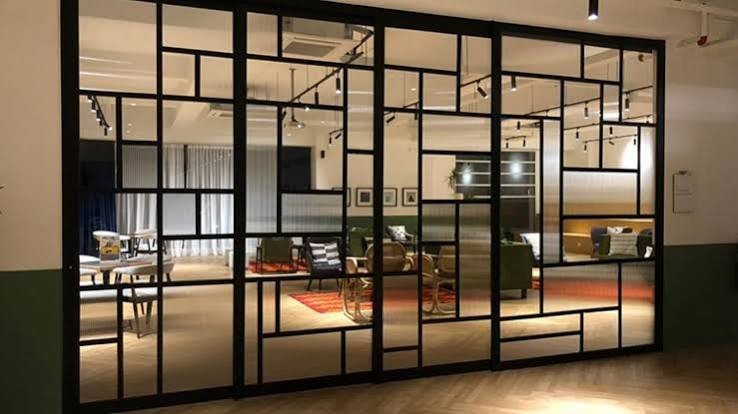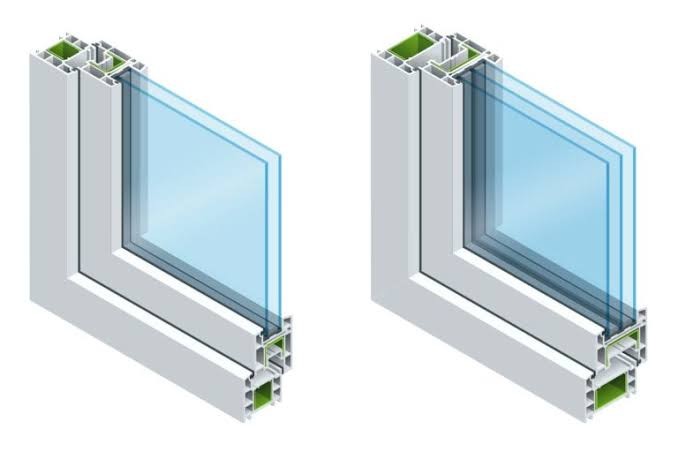
Choosing the right glass thickness for windows and doors is one of the most important decisions when planning a residential, commercial or industrial building. The thickness of glass affects its strength, safety, durability, appearance and ability to withstand everyday use and environmental conditions.
Whether you are installing aluminium windows in a modern home, glass entrance doors in an office or large glass panels in a commercial building, selecting the correct glass thickness helps ensure that the installation performs as expected.
However, not all glass installations require the same thickness. Small residential windows have different requirements from large sliding doors, frameless glass entrances and commercial shopfronts. Factors such as glass dimensions, installation height, wind exposure, supporting frames and intended application must all be considered.
In Uganda, where modern architectural designs increasingly incorporate glass and aluminium systems, understanding how to select suitable glass thickness can help property owners avoid unnecessary costs, improve safety and achieve quality building finishes.
At Daltrev Co. Ltd, we understand the importance of choosing suitable construction materials and achieving professional finishes. This guide explains the different glass thickness options, where they are used and the important factors to consider before purchasing or installing glass windows and doors.
1. Why Is Glass Thickness Important?
Glass thickness refers to the measurement of a glass sheet from one surface to the other, usually expressed in millimetres (mm).
It plays an important role in determining how glass performs under different conditions. Selecting glass that is too thin for its intended application may increase the risk of excessive deflection, breakage or failure. On the other hand, choosing unnecessarily thick glass can increase material costs, weight and installation requirements.
The right glass thickness helps achieve several important objectives:
- Improved strength: Appropriate thickness helps glass withstand the loads expected in its intended application.
- Better safety: Correctly specified safety glazing reduces the risk of injury in locations where human impact is possible.
- Greater durability: Suitable glass specifications help installations perform reliably under everyday conditions.
- Improved appearance: Properly selected glass creates clean, attractive and professional architectural finishes.
- Better performance: Glass can be selected to meet specific requirements for sound insulation, thermal performance and weather resistance.
- Cost efficiency: Choosing the appropriate specification prevents unnecessary material expenses and costly replacements.
The most important consideration is that glass thickness should be determined by technical requirements rather than appearance or price alone.
2. Common Glass Thickness Options for Windows and Doors
Architectural glass is available in different thicknesses depending on the intended application, manufacturing process and safety requirements.
The following are common nominal thickness options used in building projects.
3mm Glass
3mm glass is a relatively thin option generally associated with small, lightly loaded glazing applications.
It may be suitable for certain small decorative or framed glazing installations where the applicable specifications permit its use.
However, it is generally not the preferred choice for large windows, frequently used doors or areas exposed to significant impact.
4mm Glass
4mm glass is commonly associated with smaller residential window panes and selected internal glazing applications.
It can provide a practical option for certain traditional window designs, provided the panel dimensions, support conditions and applicable requirements are satisfied.
For larger panes or areas where human impact is possible, a suitable safety glass specification may be necessary.
5mm Glass
5mm glass provides an intermediate thickness option for selected residential and commercial window applications.
It may be considered for appropriately sized framed windows where the expected loads and support conditions are suitable.
The actual suitability depends on the panel dimensions, frame design and installation environment.
6mm Glass
6mm glass is a popular option in many modern architectural applications.
Depending on whether it is annealed, tempered or laminated, it can be used in selected residential and commercial windows, internal partitions and other glazing systems.
It is also available in different finishes, including clear, tinted and frosted glass.
8mm Glass
8mm glass is commonly used in applications requiring a more substantial glass panel.
Possible applications include:
- Selected glass doors.
- Shower enclosures.
- Office partitions.
- Commercial glazing.
- Internal decorative glass installations.
For doors and shower enclosures, the glass should be appropriately specified as safety glazing, with thickness and panel dimensions verified for the particular system.
10mm Glass
10mm glass is commonly considered for larger or more demanding architectural glazing applications.
It can be used in certain frameless glass doors, shower enclosures, partitions and commercial installations when supported by an appropriate design.
Because of its greater weight, the supporting frames, hinges, clamps and other hardware must be compatible with the glass panel.
12mm Glass
12mm glass is frequently used in more substantial frameless glazing applications and selected architectural installations.
Examples include:
- Frameless glass doors.
- Large internal glass partitions.
- Selected commercial entrance systems.
- Certain glass balustrade systems, where supported by an appropriate design.
For applications where people may lean against or fall onto the glass, the required safety-glass construction and structural design must be carefully assessed.
Important: These thicknesses are common market options, not universal recommendations. The correct thickness must be established through the applicable glazing standards and project-specific design calculations.
3. How to Choose the Right Glass Thickness for Windows
Windows are among the most common applications of architectural glass. However, the correct thickness depends on the window dimensions, frame construction, location and environmental exposure.
Consider the following factors when choosing glass for windows.
A. Size of the Window
The dimensions of a window directly influence the amount of pressure and stress the glass may experience.
Small windows generally require less glass thickness than large glass panels, assuming similar loading and support conditions.
For example, a small bathroom window and a large floor-to-ceiling living room window should not automatically use the same glass specification.
Large windows may require thicker glass, heat-treated glass or specially designed glazing systems.
B. Type of Window Frame
The frame determines how the glass is supported and how loads are transferred to the building structure.
Aluminium windows are popular in modern construction because they provide a lightweight, durable and versatile framing solution.
When selecting glass for aluminium windows, consider:
- The strength and dimensions of the aluminium profile.
- The glazing rebate and available glass thickness.
- The quality of rubber gaskets and seals.
- The window opening mechanism.
- The dimensions and weight of the glass panel.
The glass and aluminium frame must be compatible to achieve a secure and properly fitted installation.
C. Exposure to Wind and Weather
Windows installed in exposed locations may experience significant wind pressure.
Large windows in multi-storey buildings, open locations and buildings with exposed elevations require careful assessment of wind loads.
The appropriate glass thickness and construction should be determined according to the design pressure, panel dimensions and support arrangement.
D. Window Location
The location of a window also affects the type of glass required.
For example, ground-floor windows may require additional consideration for human impact and security, while bathroom windows may require privacy glazing.
Windows close to doors, floors, staircases and circulation areas should be assessed for safety glazing requirements.
E. Desired Energy Performance
If energy efficiency is a priority, consider more than thickness alone.
Solar-control glass, low-emissivity coatings and double-glazed units can help manage solar heat gain and thermal transfer.
For buildings in Uganda, selecting appropriate glazing and external shading can help reduce excessive indoor heat while maintaining natural lighting.
4. How to Choose the Right Glass Thickness for Doors
Glass doors generally require more careful consideration because they are frequently opened, closed and exposed to accidental human impact.
The glass must be suitable for the door dimensions, operating mechanism and supporting hardware.
A. Aluminium Glass Doors
Aluminium glass doors are widely used in modern homes, offices, hotels and commercial buildings.
They combine aluminium framing with glass panels to create attractive and functional entrances.
When selecting glass thickness for aluminium doors, consider:
- Door height and width.
- Type of aluminium profile.
- Door opening mechanism.
- Glass weight.
- Frequency of use.
- Safety requirements.
Sliding aluminium glass doors, hinged doors and folding doors may have different technical requirements.
B. Frameless Glass Doors
Frameless glass doors create a clean and contemporary appearance because they minimise visible framing.
They are commonly used in modern offices, commercial entrances, bathrooms and selected residential interiors.
Because these doors rely heavily on specialised fittings and glass strength, the correct glass specification is essential.
Tempered safety glass is commonly used, but the required thickness depends on the panel dimensions, door design, hardware and intended use.
C. Sliding Glass Doors
Sliding glass doors are popular because they provide convenient access while saving space.
They are suitable for balconies, patios, living rooms, offices and commercial premises.
The glass specification should account for the size of each panel, sliding system, track design and exposure conditions.
The rollers and tracks must also be capable of supporting the complete door assembly.
D. Commercial Entrance Doors
Commercial entrance doors often experience heavier usage than residential doors.
They may be installed in shopping centres, office buildings, hotels, restaurants and retail outlets.
For these applications, glass must be selected according to the expected traffic, potential impact, door dimensions and safety requirements.
Laminated or tempered safety glass may be appropriate depending on the installation design.
5. Understanding the Difference Between Standard, Tempered and Laminated Glass
Choosing the right glass thickness is only one part of the selection process. You must also understand the different types of glass available.
Standard Annealed Glass
Annealed glass is ordinary glass that has been slowly cooled during manufacturing to reduce internal stresses.
It is used in various conventional glazing applications where its properties and thickness are suitable.
However, when broken, it can form large, sharp fragments. It should therefore not automatically be used in doors, low-level glazing or other locations where human impact is likely.
Tempered Glass
Tempered glass, also known as toughened glass, undergoes a controlled heating and rapid cooling process that increases its strength compared with ordinary annealed glass of the same thickness.
Its main benefits include:
- Greater resistance to mechanical and thermal stress.
- Improved suitability for many safety-glazing applications.
- Breakage into relatively small fragments rather than large sharp shards.
It is commonly used in glass doors, shower enclosures, partitions and selected commercial glazing applications.
One important consideration is that tempered glass cannot normally be cut, drilled or reshaped after the tempering process. All required dimensions, holes and edge treatments must therefore be completed beforehand.
Laminated Glass
Laminated glass consists of two or more glass layers bonded together using a special interlayer, commonly PVB.
When broken, the interlayer helps hold the fragments together rather than allowing the entire sheet to fall apart.
Its advantages include:
- Better retention of broken glass fragments.
- Reduced risk of falling glass pieces.
- Potential security benefits depending on its construction.
- Useful acoustic performance in appropriately designed glazing systems.
Laminated glass is commonly considered for skylights, overhead glazing, selected windows, glass balustrades and other applications where retaining broken fragments is important.
For some applications, a combination of laminated and tempered glass may be specified.
6. Glass Thickness Guide for Different Applications
The following table provides an introductory overview of common glass thickness options and their possible applications.
| Glass thickness | Possible applications |
|---|---|
| 3mm | Small decorative and selected framed glazing |
| 4mm | Small residential windows |
| 5mm | Selected residential and commercial windows |
| 6mm | Windows, partitions and selected glazing systems |
| 8mm | Shower enclosures, partitions and selected doors |
| 10mm | Frameless doors and larger glass installations |
| 12mm | Substantial frameless doors and selected architectural applications |
Note: This is an indicative guide to commonly available thicknesses, not a structural design table. Glass type, panel size, wind loading, support conditions and safety requirements may require a different specification. Always obtain professional confirmation before ordering.
7. Factors to Consider Before Selecting Glass Thickness
Before purchasing glass for your building project, consider the following important factors.
1. Glass Panel Dimensions
The height, width and total surface area of the glass panel influence its structural requirements.
Larger panels generally require more careful assessment because they may experience greater deflection and loading.
2. Safety Requirements
Safety should always be a priority when selecting glass for windows and doors.
Glass installed in doors, low-level windows, shower enclosures and other areas exposed to human impact should be assessed for appropriate safety glazing.
Tempered and laminated glass are common safety-glazing options, but they have different breakage characteristics and are not interchangeable in every application.
3. Type of Building
The glass specification may vary depending on whether the project involves a residential home, office, hotel, hospital, shopping centre or industrial facility.
Commercial buildings may experience higher levels of usage and require additional consideration for impact resistance, security and maintenance.
4. Quality of Aluminium Frames
When installing aluminium glass windows and doors, the supporting frame must be strong enough for the weight and dimensions of the glass.
Poor-quality frames or incompatible profiles can compromise the entire installation.
5. Budget
Thicker glass and specialised safety glazing may increase project costs.
However, selecting glass based on price alone can result in poor performance, safety concerns and replacement expenses.
The objective should be to choose a specification that meets the project’s technical requirements while remaining within the available budget.
6. Professional Installation
Even high-quality glass can fail when incorrectly measured, transported, handled or installed.
Professional installers ensure that the glass fits properly, receives suitable support and is secured using compatible fittings and accessories.
7. Applicable Building Standards
Glass selection should comply with relevant building regulations and recognised glazing standards.
Uganda’s building regulations include guidance on minimum glass thickness in relation to pane size, while Uganda National Bureau of Standards provides product standards for tempered and laminated safety glass.
For example, the UNBS catalogue identifies US ISO 12540:2017 for tempered safety glass and US ISO 12543 standards for laminated glass. These standards help guide appropriate product selection and quality requirements.
8. Common Mistakes to Avoid When Choosing Glass Thickness
Selecting unsuitable glass can lead to unnecessary expenses and safety problems.
Avoid these common mistakes when planning your installation.
Choosing glass based on price alone: Cheap glass may not meet the technical and safety requirements of your project.
Using thin glass for large panels: Large glass panels require careful assessment of their dimensions, loading and support conditions.
Ignoring safety glazing: Ordinary annealed glass may be unsuitable in doors and other locations where people could collide with the glass.
Overlooking aluminium frame compatibility: Glass thickness must match the glazing system and supporting profiles.
Ignoring wind exposure: External windows and doors must be designed to withstand the expected environmental loads.
Failing to consider glass weight: Heavy glass requires compatible hinges, rollers, tracks, clamps and supporting structures.
Ordering without accurate measurements: Incorrect measurements can result in poor fitting, additional costs and delays, especially when using tempered glass.
Attempting to modify tempered glass after manufacturing: Cutting or drilling tempered glass after processing can cause it to shatter.
Avoiding these mistakes helps improve the safety, appearance and long-term performance of glass installations.
9. Why Professional Glass Measurement and Installation Matter
Correct glass measurement and professional installation are essential for achieving reliable results.
Before fabrication begins, the installer should inspect the opening, determine the required glass dimensions and identify the appropriate supporting system.
The process generally involves:
- Inspecting the window or door opening.
- Measuring the required glass dimensions accurately.
- Assessing the frame and supporting structure.
- Selecting the correct glass type and thickness.
- Confirming the necessary holes, cut-outs and edge finishes.
- Fabricating the glass according to the approved measurements.
- Installing the glass using suitable gaskets, fittings and hardware.
- Inspecting the completed installation for alignment, stability and proper sealing.
Professional workmanship helps minimise installation errors and ensures that the glass, frames and fittings work together correctly.
For property owners in Uganda, choosing an experienced glass and aluminium installation provider is an important step towards achieving durable and attractive building finishes.
10. Where to Find the Right Glass and Aluminium Solutions in Uganda
Finding suitable glass and aluminium solutions requires more than simply choosing a preferred glass thickness.
You need a provider who understands different architectural applications, glass specifications, aluminium framing systems, safety requirements and installation techniques.
Whether you are constructing a new house, renovating an office, installing commercial entrance doors or upgrading an existing property, the quality of materials and workmanship can significantly influence the final result.
Daltrev Co. Ltd provides construction and building solutions, including glass partitioning works, supporting modern residential and commercial developments.
When planning your next project, consider professional guidance to help identify suitable glass options, compatible aluminium frames and appropriate installation methods.
Conclusion
Choosing the right glass thickness for windows and doors is essential for achieving safe, durable and attractive architectural installations.
The correct specification depends on several factors, including glass dimensions, type of application, wind exposure, frame compatibility, safety requirements and installation conditions.
While 4mm, 5mm and 6mm glass are common options for selected window applications, thicker options such as 8mm, 10mm and 12mm are available for various doors, partitions and architectural installations. However, thickness alone does not determine safety or suitability.
Tempered and laminated glass should also be considered where appropriate, particularly in locations exposed to human impact.
Before ordering glass, consult experienced professionals who can assess your project and recommend suitable materials.
Planning to install glass windows or doors in Uganda? Contact Daltrev Co. Ltd for professional construction and glass partitioning solutions that support modern residential and commercial building projects.
Frequently Asked Questions About Glass Thickness for Windows and Doors
1. What is the best glass thickness for house windows?
The best glass thickness depends on the size of the window, frame design, wind exposure and safety requirements. Common options include 4mm, 5mm and 6mm glass for selected residential window applications, but larger or more exposed windows may require thicker or specially designed glazing.
2. What thickness of glass is suitable for aluminium windows?
Glass thickness for aluminium windows depends on the aluminium profile, glass dimensions, support arrangement and intended application. Common options include 4mm, 5mm and 6mm, although larger panels may require a different specification.
3. What is the recommended glass thickness for glass doors?
Glass doors may use 8mm, 10mm or 12mm glass depending on the door dimensions, type of installation, supporting hardware and safety requirements. Frameless doors generally require carefully specified safety glass.
4. Is 6mm glass strong enough for windows?
6mm glass can be suitable for many appropriately designed window installations. However, it may not be sufficient for every application. Large panels, exposed locations and high-impact areas require additional technical assessment.
5. Is 10mm glass suitable for frameless doors?
10mm tempered safety glass is used in certain frameless door systems. However, the appropriate thickness depends on panel dimensions, hardware specifications, door design and expected usage.
6. Which is better for doors: tempered glass or laminated glass?
Both have important safety advantages. Tempered glass breaks into relatively small fragments, while laminated glass holds broken fragments together through its interlayer. The appropriate choice depends on the application and the required safety performance.
7. Does thicker glass provide better sound insulation?
Thicker glass can improve certain aspects of sound insulation, but thickness alone does not determine acoustic performance. Laminated glass, double glazing, glass spacing and proper sealing can also make a significant difference.
8. Does thicker glass cost more?
Generally, thicker glass costs more because it requires additional material and may involve more demanding handling and installation. Specialised tempered, laminated and insulated glass products may also have higher costs.
9. Can tempered glass be cut after installation?
No. Tempered glass cannot normally be cut or drilled after the tempering process. All required measurements, holes and edge finishing must be completed before tempering.
10. How do I know which glass thickness is right for my building?
The best approach is to have a professional assess the glass dimensions, application, supporting frame, wind exposure and safety requirements before fabrication and installation. This helps ensure that the selected glass meets the needs of the project.