
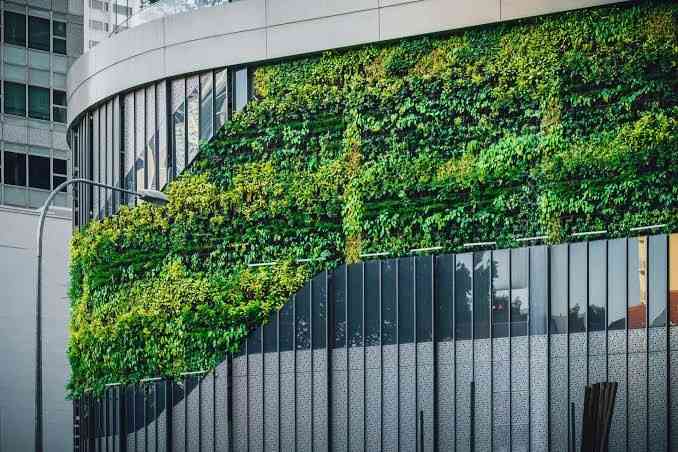
Green building technologies are transforming how residential, commercial and industrial buildings are designed, constructed and operated. As energy costs increase, environmental concerns grow and demand for efficient buildings rises, property developers are increasingly adopting technologies that reduce energy consumption, conserve water and improve indoor comfort.
In Uganda, sustainable building development is becoming increasingly important for homeowners, commercial property investors, hotels, hospitals, schools, factories and office developers. Incorporating efficient electrical installations, modern HVAC systems, renewable energy, smart controls and water conservation technologies can help reduce operating expenses while improving building performance.
Green building technologies for electrical, HVAC and utility systems focus on making buildings more energy-efficient, environmentally responsible, comfortable and cost-effective throughout their operational life.
Rather than relying on individual technologies, modern green buildings integrate several systems to improve how electricity, heating, cooling, ventilation, water and other essential utilities are managed.
At Daltrevco Company, we recognise the importance of efficient building utility solutions in modern construction. This guide explores the technologies, benefits, applications and installation considerations that property owners and developers should understand when planning sustainable buildings in Uganda.
What Are Green Building Technologies?
Green building technologies are systems, materials, equipment and design approaches that help reduce the environmental impact of buildings while improving energy efficiency, water conservation, indoor environmental quality and operational performance.
These technologies can be incorporated during the construction of new buildings or introduced when upgrading existing properties.
Examples include:
- Energy-efficient electrical installations.
- LED lighting systems.
- Solar photovoltaic power systems.
- Battery energy storage.
- Energy-efficient heating, ventilation and air conditioning systems.
- Smart building automation.
- Water conservation systems.
- Rainwater harvesting.
- Efficient plumbing installations.
- Wastewater treatment and recycling.
- Energy monitoring and management systems.
- Efficient pumps and motors.
The objective is to create buildings that use resources responsibly while maintaining safety, comfort, functionality and reliable operation.
Why Green Building Technologies Are Important in Uganda
Green building technologies offer practical advantages for Uganda’s growing residential, commercial and industrial property sectors.
1. Reduce Electricity Consumption
Lighting, cooling, ventilation, pumps and electrical equipment can account for a significant proportion of a building’s energy consumption.
Energy-efficient equipment, automated controls and properly designed electrical systems help reduce unnecessary electricity use.
2. Lower Building Operating Costs
Efficient electrical and mechanical systems can reduce electricity and water expenses. Over time, these savings may help offset the initial investment in energy-efficient equipment.
3. Improve Indoor Comfort
Modern HVAC systems, effective ventilation and intelligent lighting controls help create comfortable indoor environments for occupants.
4. Support Environmental Sustainability
Reducing energy consumption, water wastage and unnecessary resource use helps minimise the environmental impact of buildings.
5. Improve Building Performance
Integrated utility systems help property owners monitor and manage energy, water, ventilation and other essential services more effectively.
6. Increase Property Appeal
Energy-efficient buildings may attract tenants, businesses and investors who value predictable operating costs, comfortable environments and sustainable property management.
7. Improve Long-Term Reliability
Properly designed electrical, HVAC and utility systems can reduce avoidable equipment strain, improve maintenance planning and support reliable building operation.
1. Energy-Efficient Electrical Systems
Electrical systems are among the most important components of a modern green building. Efficient electrical design ensures that power is distributed safely while reducing unnecessary energy consumption.
Modern electrical solutions combine efficient equipment, intelligent controls, appropriate protection devices and renewable energy integration.
Energy-Efficient Electrical Installations
A well-designed electrical installation considers the building’s expected power demand, equipment requirements, lighting needs and future expansion.
Important considerations include:
- Proper electrical load assessment.
- Correct cable and distribution equipment selection.
- Efficient electrical distribution.
- Appropriate circuit protection.
- Effective earthing and bonding.
- Power factor correction where required.
- Provision for renewable energy integration.
- Energy monitoring.
Correct system design helps minimise avoidable losses and supports safe, reliable electrical operation.
LED Lighting Systems
LED lighting is one of the most practical energy-saving technologies for modern buildings.
Compared with many conventional lighting technologies, suitable LED products can provide equivalent lighting levels using less electricity and often have longer service lives.
Applications include:
- Residential interior lighting.
- Office lighting.
- Hotel and hospitality lighting.
- Industrial lighting.
- Warehouse lighting.
- Outdoor security lighting.
- Parking areas and walkways.
LED systems can also be combined with occupancy sensors, daylight sensors and automatic lighting controls to reduce unnecessary operation.
Smart Lighting Controls
Smart lighting systems automatically adjust lighting according to occupancy, daylight availability, schedules and user preferences.
Common technologies include:
- Motion and occupancy sensors.
- Daylight harvesting controls.
- Programmable lighting schedules.
- Dimming systems.
- Centralised lighting management.
- Wireless lighting controls.
These systems are particularly useful in offices, hotels, shopping centres, educational institutions and large commercial properties.
Energy Monitoring Systems
Energy monitoring technologies provide information about how electricity is consumed throughout a building.
Depending on the system, property managers can monitor:
- Total electricity consumption.
- Individual circuit consumption.
- Equipment operating patterns.
- Peak demand.
- Unusual energy usage.
- Solar power generation.
- Battery charging and discharging.
This information helps identify energy waste and supports better operational decisions.
2. Solar Energy and Renewable Power Solutions
Renewable energy is a major component of sustainable building development.
Solar power is particularly relevant to Uganda because photovoltaic systems can generate electricity from sunlight and reduce reliance on grid electricity or generator operation.
Solar Photovoltaic Systems
Solar photovoltaic systems convert sunlight into electricity using solar panels.
A typical building solar installation may include:
- Solar panels.
- Mounting structures.
- Solar inverter.
- Electrical protection equipment.
- Cabling and connectors.
- Monitoring equipment.
- Optional battery storage.
Solar installations can support lighting, office equipment, refrigeration, pumps and other suitable electrical loads, depending on system capacity and design.
Hybrid Solar Systems
Hybrid solar systems combine solar generation with other available power sources, such as grid electricity, generators and battery storage.
These systems can improve energy flexibility and provide backup power for selected loads.
They are useful for:
- Residential properties.
- Hotels and lodges.
- Offices.
- Healthcare facilities.
- Commercial buildings.
- Industrial operations.
Battery Energy Storage
Battery storage systems store electricity for use when solar generation is low or when grid electricity is unavailable.
A properly designed battery system can help support essential building loads and improve energy management.
Important design considerations include:
- Daily energy consumption.
- Critical load requirements.
- Required backup duration.
- Battery chemistry and capacity.
- Inverter compatibility.
- Ventilation and installation conditions.
- Battery protection and monitoring.
Solar Water Heating
Solar water heating systems use solar energy to heat water for domestic and commercial applications.
They can reduce electricity or fuel consumption associated with conventional water heating.
Potential applications include:
- Residential houses.
- Hotels and lodges.
- Hospitals.
- Staff accommodation.
- Sports facilities.
- Commercial kitchens.
The system should be selected according to hot water demand, available roof space and expected operating conditions.
3. Energy-Efficient HVAC Systems
Heating, ventilation and air conditioning systems play an important role in indoor comfort and building energy performance.
In Uganda, air conditioning and ventilation are particularly relevant in offices, hotels, hospitals, shopping centres, conference facilities and industrial buildings.
Green HVAC technologies aim to maintain suitable indoor conditions while reducing unnecessary electricity consumption.
High-Efficiency Air Conditioning Systems
Modern air conditioning equipment can provide cooling more efficiently than older or poorly maintained systems.
Examples include:
- Inverter air conditioners.
- High-efficiency split systems.
- Variable refrigerant flow systems.
- Efficient central air conditioning.
- Properly designed chilled-water systems.
The most suitable technology depends on building size, occupancy, cooling demand, room layout and operational requirements.
Variable Refrigerant Flow Systems
Variable refrigerant flow (VRF) systems regulate refrigerant flow according to the cooling or heating demand of different indoor spaces.
They can provide individual zone control and are often considered for larger commercial buildings, hotels and office developments.
Energy-Efficient Ventilation
Ventilation systems introduce outdoor air and remove stale indoor air.
Efficient ventilation solutions may include:
- Demand-controlled ventilation.
- Variable-speed ventilation fans.
- Efficient air handling units.
- Heat or energy recovery ventilation where suitable.
- Programmable ventilation controls.
In buildings where indoor air quality is important, ventilation should be designed to meet the required occupancy, air quality and safety needs.
Smart HVAC Controls
Smart HVAC controls improve system operation by adjusting cooling, ventilation and temperature settings according to occupancy, schedules and environmental conditions.
Common features include:
- Programmable thermostats.
- Occupancy-based controls.
- Temperature sensors.
- Zoned cooling.
- Remote monitoring.
- Automated operating schedules.
These controls help prevent unnecessary cooling of unoccupied spaces and support more efficient building operation.
HVAC Maintenance and Energy Efficiency
Even efficient HVAC equipment can consume excessive electricity when poorly maintained.
Important maintenance activities include:
- Cleaning or replacing air filters.
- Inspecting coils.
- Checking refrigerant systems.
- Cleaning ventilation components.
- Inspecting ductwork.
- Checking thermostats and sensors.
- Maintaining fans and motors.
- Reviewing operating schedules.
Regular maintenance helps maintain performance, indoor comfort and equipment reliability.
4. Smart Building Automation Systems
Building automation technologies connect and control different building services through centralised or distributed control systems.
These technologies allow property managers to monitor and manage important systems more efficiently.
A building management system (BMS) may integrate:
- HVAC equipment.
- Lighting systems.
- Electrical energy monitoring.
- Water pumps.
- Water storage levels.
- Ventilation equipment.
- Selected security and access systems.
- Equipment alarms and maintenance alerts.
Benefits of Building Automation
Smart building automation can help:
- Monitor electricity and water consumption.
- Control lighting according to occupancy.
- Adjust HVAC operation automatically.
- Identify abnormal equipment performance.
- Improve maintenance planning.
- Reduce unnecessary energy use.
- Improve facility management.
Building automation is particularly useful in large office buildings, hotels, hospitals, shopping centres and industrial facilities.
5. Water Conservation and Efficient Plumbing Systems
Water efficiency is another essential component of green building development.
Modern buildings can integrate water-saving fixtures, rainwater harvesting, efficient pumps, smart metering and wastewater reuse technologies.
Rainwater Harvesting Systems
Rainwater harvesting involves collecting water from suitable roof surfaces and storing it for approved uses.
A typical system includes gutters, filters, first-flush equipment, storage tanks and distribution components.
Harvested rainwater can be used for:
- Gardening.
- Landscape irrigation.
- Cleaning.
- Toilet flushing.
- Other suitable non-potable applications.
Drinking and cooking applications require appropriate treatment and water-quality testing.
Low-Flow Plumbing Fixtures
Low-flow taps, showerheads and water-efficient toilets help reduce water consumption in residential and commercial properties.
They are useful in homes, hotels, offices, hospitals, schools and shopping centres.
Greywater Recycling Systems
Greywater recycling systems collect and treat suitable wastewater from showers, baths and washbasins for approved non-potable applications.
These systems can help reduce the demand for fresh water in buildings with suitable plumbing arrangements and sufficient reuse demand.
Smart Water Monitoring
Smart water meters and leak detection equipment help identify unusual water consumption and potential plumbing problems.
They are particularly useful in apartment developments, hotels and large commercial properties.
Efficient Water Pumps
Correctly selected pumps and automatic controls help distribute water efficiently while avoiding unnecessary pumping and energy consumption.
6. Sustainable Drainage and Wastewater Management
Green building utility solutions should also consider how wastewater and stormwater are collected, managed and discharged.
Poor drainage can cause flooding, property damage, contamination and disruption to building operations.
Efficient Drainage Systems
Properly designed drainage systems help remove wastewater and stormwater safely.
Important components may include:
- Drainage pipes.
- Inspection chambers.
- Floor drains.
- Rainwater downpipes.
- Stormwater channels.
- Appropriate discharge arrangements.
Stormwater Management
Sustainable stormwater management helps reduce uncontrolled runoff and manage rainwater around buildings.
Possible solutions include:
- Rainwater storage.
- Permeable paving where suitable.
- Properly designed drainage channels.
- Rain gardens.
- Controlled stormwater discharge.
- Landscape-based water management.
Wastewater Treatment
Wastewater treatment systems process wastewater before approved discharge or reuse.
The required treatment depends on the wastewater source, intended discharge or reuse application and applicable environmental and public health requirements.
7. Energy-Efficient Pumps, Motors and Mechanical Equipment
Pumps, fans, motors and other mechanical equipment can account for substantial energy consumption in large properties.
Selecting suitable equipment and controlling its operation can improve building efficiency.
Examples include:
- High-efficiency electric motors.
- Variable-frequency drives.
- Efficient water pumps.
- Variable-speed ventilation fans.
- Automated pump controls.
- Efficient cooling equipment.
Variable-frequency drives can adjust motor speed to match demand in suitable applications, helping avoid unnecessary energy consumption.
Equipment should be selected according to its operating conditions rather than relying on rated efficiency alone.
8. Energy-Efficient Building Design and System Integration
Green building technologies deliver greater value when they are considered together during the design and construction stages.
For example, an efficient lighting system may reduce internal heat gains, which can lower cooling demand. Solar power can support daytime electrical loads, while smart controls can improve how HVAC and lighting systems operate.
Effective integration may involve:
- Coordinating electrical and HVAC design.
- Planning solar installation requirements.
- Providing space for batteries and inverters.
- Designing efficient plumbing and drainage.
- Integrating monitoring equipment.
- Planning for future equipment expansion.
- Coordinating maintenance access.
A building should be designed as an integrated system rather than treating each utility installation as an unrelated project.
Green Building Technologies for Different Types of Properties
The best technologies depend on the building’s function, size, occupancy and operational requirements.
Residential Buildings
Modern homes can adopt green technologies such as:
- LED lighting.
- Solar power systems.
- Solar water heating.
- Efficient air conditioning.
- Smart lighting controls.
- Water-saving fixtures.
- Rainwater harvesting.
- Efficient water pumps.
These solutions can improve household resource management and reduce unnecessary utility expenses.
Office Buildings
Offices can benefit from:
- Automated lighting controls.
- Efficient HVAC systems.
- Smart energy monitoring.
- Occupancy sensors.
- Solar power.
- Water-efficient washrooms.
- Building management systems.
These technologies help improve employee comfort and manage operating expenses.
Hotels and Lodges
Hotels have significant energy and water requirements because of guest rooms, kitchens, laundry, hot water systems, air conditioning and swimming pools.
Recommended solutions include:
- Solar water heating.
- Solar photovoltaic systems.
- Efficient air conditioning.
- Smart room controls.
- LED lighting.
- Water conservation systems.
- Wastewater treatment and reuse where appropriate.
Hospitals and Healthcare Facilities
Healthcare facilities require dependable electricity, ventilation, water supply and environmental controls.
Relevant technologies include:
- Energy-efficient HVAC systems.
- Reliable backup power.
- Efficient lighting.
- Smart energy monitoring.
- Water-efficient plumbing.
- Appropriate wastewater treatment.
- Carefully designed ventilation and air quality controls.
Energy conservation measures must never compromise clinical safety, infection prevention or essential healthcare operations.
Industrial Buildings and Factories
Industrial facilities can benefit from energy-efficient motors, efficient pumps, solar power, automated controls, ventilation optimisation and process water management.
The best approach begins with understanding production processes and identifying major energy and water consumption areas.
Shopping Centres and Commercial Complexes
Large commercial properties can integrate centralised HVAC systems, automated lighting, smart metering, solar energy, water-saving fixtures and building management systems.
These technologies can help facility managers coordinate multiple building services.
How to Implement Green Building Technologies in a New or Existing Building
Successful implementation requires proper planning, system selection and professional installation.
Step 1: Conduct a Building Energy and Water Assessment
Review electricity and water consumption, operating schedules, equipment performance and existing utility installations.
Identify the systems responsible for the highest resource consumption.
Step 2: Establish Sustainability Objectives
Determine whether the project prioritises lower energy bills, improved indoor comfort, water conservation, renewable energy, reduced maintenance or broader environmental performance.
Step 3: Select Suitable Technologies
Choose technologies based on the property’s requirements, available space, budget, operating conditions and maintenance capacity.
Step 4: Coordinate Electrical, HVAC and Plumbing Designs
Ensure that electrical, mechanical, water and drainage systems are properly coordinated.
This is particularly important for new developments where poor coordination can lead to expensive modifications.
Step 5: Evaluate Installation and Operating Costs
Compare equipment costs, installation expenses, electricity consumption, water savings, maintenance requirements and expected equipment lifespan.
Step 6: Use Appropriate Equipment and Qualified Installers
Select reliable equipment and ensure that installations meet applicable safety, technical and regulatory requirements.
Step 7: Test and Commission the Systems
Test installations to confirm correct operation, safety, control settings and performance.
Step 8: Monitor Performance
Review energy and water consumption after installation to determine whether the selected solutions are delivering the expected results.
Factors That Affect the Cost of Green Building Technologies in Uganda
The cost of incorporating green technologies varies considerably depending on building type, size, design and equipment specifications.
Important cost factors include:
- Building size and occupancy.
- Type of electrical installation.
- Solar system capacity.
- Battery storage requirements.
- HVAC equipment type and capacity.
- Number of lighting fixtures and control devices.
- Plumbing and water conservation requirements.
- Water storage and treatment capacity.
- Building automation requirements.
- Installation complexity.
- Equipment quality and availability.
- Maintenance and replacement costs.
A residential LED lighting upgrade will have different costs from a commercial building project involving solar power, central air conditioning, water recycling and building automation.
For accurate budgeting, property owners should obtain a technical assessment and detailed project quotation.
Common Green Building Mistakes to Avoid
Green building projects can fail to achieve their intended results when technologies are poorly selected or improperly integrated.
Avoid these common mistakes:
- Choosing equipment based only on purchase price: Cheap equipment may have higher operating costs or shorter service life.
- Ignoring energy and water assessments: Without understanding consumption, it is difficult to select appropriately sized systems.
- Installing oversized HVAC equipment: Oversizing can increase costs and may reduce system efficiency and comfort.
- Poor electrical system planning: Inadequate load assessment and protection can compromise safety and reliability.
- Ignoring ventilation requirements: Reducing energy consumption must not compromise indoor air quality.
- Installing solar without proper load assessment: An incorrectly sized solar system may fail to meet the building’s actual requirements.
- Overlooking water conservation: Efficient buildings should consider both energy and water consumption.
- Failing to integrate smart controls: Equipment that operates unnecessarily can waste resources even when it is energy-efficient.
- Ignoring maintenance: Poor maintenance can reduce system efficiency and shorten equipment lifespan.
- Failing to plan for future expansion: New equipment and changing occupancy can increase utility demand over time.
Maintenance of Green Building Electrical, HVAC and Utility Systems
Regular maintenance helps maintain the performance, safety and reliability of green building technologies.
Recommended activities include:
- Inspecting electrical distribution equipment.
- Checking protective devices and earthing systems.
- Cleaning and maintaining LED lighting equipment.
- Inspecting solar panels and mounting structures.
- Checking inverters and battery systems.
- Cleaning HVAC filters and coils.
- Inspecting ventilation systems.
- Testing smart controls and sensors.
- Servicing pumps and motors.
- Inspecting plumbing and drainage.
- Cleaning water storage tanks.
- Maintaining water treatment equipment.
- Reviewing energy and water consumption data.
Maintenance schedules should follow manufacturer recommendations, system requirements and applicable safety standards.
Why Professional Green Building Utility Installation Matters
Green building technologies involve electrical, mechanical, plumbing and control systems that must work together.
Professional planning and installation help ensure that:
- Electrical systems are correctly designed and protected.
- Solar systems match the building’s energy requirements.
- HVAC systems are appropriately selected and configured.
- Water conservation equipment is safely integrated.
- Building automation systems communicate correctly.
- Pumps and motors operate under suitable conditions.
- Installations are tested and commissioned properly.
- Maintenance requirements are clearly established.
Working with experienced building utility professionals helps reduce installation errors and supports long-term building performance.
Build More Efficient and Sustainable Properties With Daltrevco Company
Green building technologies are an important investment in the future of residential, commercial and industrial property development.
From energy-efficient electrical systems and modern HVAC installations to solar power, smart building automation and water conservation, the right utility solutions can help create properties that use resources more efficiently.
Whether you are developing a new property, upgrading an existing building or improving the performance of a commercial facility, careful planning of electrical, HVAC and utility systems is essential.
Daltrevco Company is focused on building utility solutions that support functional, efficient and modern properties.
Contact Daltrevco Company to discuss your building utility requirements and explore suitable solutions for your next construction, installation or upgrade project.
Choose smarter building technologies. Improve efficiency. Build sustainably with Daltrevco Company.
Frequently Asked Questions About Green Building Technologies
1. What are green building technologies?
Green building technologies are systems and equipment that help reduce energy consumption, conserve water, improve indoor environmental quality and minimise the environmental impact of buildings. Examples include solar power, LED lighting, efficient HVAC systems, smart controls and water recycling.
2. What are the most important green building technologies for modern buildings?
Important technologies include energy-efficient electrical systems, solar photovoltaic installations, battery storage, efficient air conditioning, smart building automation, rainwater harvesting, low-flow plumbing fixtures and wastewater treatment systems.
3. Why are green building technologies important in Uganda?
They help property owners manage electricity and water consumption, improve indoor comfort, reduce unnecessary resource use and support sustainable property development.
4. How do energy-efficient electrical systems reduce operating costs?
They reduce unnecessary electricity consumption through efficient lighting, suitable electrical equipment, smart controls, appropriate distribution design and energy monitoring.
5. How does solar power support green buildings?
Solar photovoltaic systems generate electricity from sunlight, helping buildings reduce their dependence on grid electricity or generator power. Their benefits depend on system design, energy demand and available sunlight.
6. What is the role of HVAC systems in green buildings?
Efficient HVAC systems maintain indoor temperature, ventilation and comfort while managing energy consumption. Technologies such as inverter air conditioners, variable-speed fans, zoning and smart controls can improve efficiency.
7. What is a building management system?
A building management system is a technology platform used to monitor and control selected building services, such as HVAC, lighting, pumps and energy monitoring equipment.
8. Can existing buildings be upgraded with green technologies?
Yes. Existing properties can be improved through LED lighting, solar power, efficient air conditioning, smart controls, water-saving fixtures, leak detection and other suitable upgrades.
9. How do green building technologies conserve water?
They reduce water wastage through low-flow fixtures, rainwater harvesting, smart metering, leak detection, efficient irrigation and appropriately designed wastewater recycling systems.
10. Are green building technologies expensive to install?
Initial costs vary depending on the selected equipment, building size, installation complexity and system capacity. Some upgrades, such as LED lighting and water-efficient fixtures, can be relatively straightforward, while integrated solar and building automation projects require larger investments.
11. Do green building systems require maintenance?
Yes. Solar panels, electrical equipment, HVAC systems, pumps, sensors, water treatment systems and automation equipment need regular inspection and maintenance to maintain their performance and reliability.
12. What is the difference between a green building and a conventional building?
A green building is designed or upgraded to use energy, water and other resources more efficiently while supporting occupant comfort and environmental performance. A conventional building may not incorporate the same level of resource-efficiency planning and monitoring.
13. Can green building technologies improve property value?
They may improve a property’s appeal to buyers, tenants and investors by supporting lower operating costs, better building performance and sustainability objectives. Actual property value depends on market conditions and the quality of the installation.
14. How can I make my new building more energy-efficient?
Start with an energy assessment and efficient building design. Incorporate LED lighting, appropriately sized HVAC equipment, solar readiness, smart controls, efficient pumps, water-saving fixtures and energy monitoring. Plan these systems together before construction begins.

