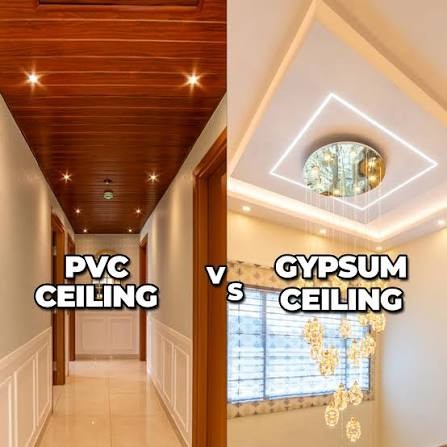
Choosing the right ceiling material is an important decision when constructing, renovating or upgrading a residential or commercial building. A well-designed ceiling improves interior appearance, enhances comfort and contributes to the overall functionality of a space. Among the most popular ceiling options are gypsum ceilings and PVC ceilings.
Both materials offer unique advantages, making them suitable for different building requirements. Gypsum ceilings are widely preferred for their elegant finishes, modern designs and versatility, while PVC ceilings are valued for their moisture resistance, lightweight construction and relatively easy maintenance.
For property owners, developers and contractors in Uganda, understanding the differences between gypsum ceilings and PVC ceilings can help you select a solution that meets your design preferences, budget and long-term building requirements.
At Daltrevco, we understand the importance of quality construction and interior finishing. This guide compares gypsum ceilings vs PVC ceilings to help you determine which option is better for your building.
What Is a Gypsum Ceiling?
A gypsum ceiling is an interior ceiling system made from gypsum boards attached to a supporting framework, usually consisting of metal channels or timber battens.
Gypsum boards have a smooth surface that can be finished with jointing compounds, sanded and painted to achieve a clean, seamless appearance.
They are popular in modern residential, commercial and institutional buildings because they support a wide range of architectural designs.
Gypsum ceilings can be customised into different styles, including:
- Flat and plain gypsum ceilings.
- Modern stepped ceiling designs.
- Recessed ceiling designs.
- Decorative gypsum ceilings.
- Tray ceilings.
- Coffered ceilings.
- Gypsum ceilings with concealed LED lighting.
- Multi-level decorative ceiling designs.
Gypsum ceilings are particularly suitable for homeowners and commercial property developers looking for sophisticated interior finishes.
What Is a PVC Ceiling?
A PVC ceiling is a ceiling system made from polyvinyl chloride, a lightweight plastic material manufactured into ceiling panels.
PVC ceiling panels are commonly designed with interlocking edges that allow them to fit together during installation. They are available in different colours, patterns, textures and finishes, including designs that imitate wood, marble and other decorative surfaces.
PVC ceilings are popular because they are resistant to moisture, easy to clean and relatively straightforward to install.
Common PVC ceiling designs include:
- Plain white PVC ceiling panels.
- Wood-effect PVC ceilings.
- Glossy PVC ceiling panels.
- Decorative patterned PVC ceilings.
- Textured PVC ceiling panels.
- Modern printed PVC ceiling designs.
PVC ceilings are often considered for kitchens, bathrooms, laundry areas, utility rooms and other spaces where moisture resistance is important.
Gypsum Ceilings vs PVC Ceilings: Key Differences
Although both ceiling materials can improve the appearance of a building, they differ in composition, appearance, durability, maintenance and performance.
The following comparison highlights their major differences.
| Feature | Gypsum Ceilings | PVC Ceilings |
|---|---|---|
| Material | Gypsum board | Polyvinyl chloride plastic |
| Appearance | Smooth, elegant and paintable | Decorative panels with different finishes |
| Design flexibility | Excellent for customised designs | Mainly panel-based designs |
| Moisture resistance | Standard boards are moisture-sensitive | Generally highly moisture-resistant |
| Maintenance | May require repainting and repairs | Easy to wipe and clean |
| Installation | Requires framework, jointing and finishing | Usually involves panel fitting and framework |
| Acoustic performance | Can be improved with suitable insulation and construction | Generally limited without additional acoustic treatment |
| Fire performance | Depends on the board and tested ceiling assembly | Depends on the specific PVC product and its fire classification |
| Repairs | Damaged sections can be patched or replaced | Individual panels can often be replaced |
| Best applications | Offices, living rooms, hotels and commercial interiors | Bathrooms, kitchens and selected utility spaces |
8 Major Factors to Consider When Choosing Between Gypsum and PVC Ceilings
1. Appearance and Interior Design
The appearance of a ceiling has a major influence on the overall look and feel of an interior space.
Gypsum ceilings are an excellent choice for buildings that require modern, elegant and sophisticated interior finishes.
Their smooth surfaces can be painted in different colours and shaped into customised designs. This makes them suitable for properties where ceiling design is an important part of the interior decoration.
For example, gypsum ceilings can incorporate:
- Recessed LED lighting.
- Decorative ceiling borders.
- Concealed lighting features.
- Multi-level ceiling designs.
- Modern architectural patterns.
- Customised shapes and finishes.
PVC ceilings also offer attractive designs, including wood-effect, glossy and decorative finishes. However, their appearance is generally determined by the available panel patterns and dimensions.
Winner: Gypsum ceilings for customised architectural designs and seamless finishes. PVC ceilings remain attractive for straightforward decorative applications.
2. Moisture Resistance
Moisture resistance is one of the most important factors when choosing ceiling materials, particularly in areas exposed to humidity, water vapour and occasional splashes.
Standard gypsum boards can absorb moisture when exposed to persistent dampness or water leakage. This may result in staining, swelling, deterioration or damage.
Moisture-resistant gypsum boards are available and can be used in appropriate interior applications, although they should not be treated as completely waterproof.
PVC ceilings, on the other hand, are generally resistant to moisture and do not absorb water in the same way as gypsum boards.
This makes PVC ceilings particularly suitable for:
- Bathrooms.
- Kitchens.
- Laundry rooms.
- Utility areas.
- Selected indoor spaces exposed to humidity.
However, proper ventilation and leak prevention remain essential regardless of the ceiling material.
Winner: PVC ceilings for moisture resistance.
3. Durability and Lifespan
Both gypsum and PVC ceilings can provide long-term service when properly installed and maintained.
Gypsum ceilings are durable in dry indoor environments. However, their performance may be affected by water leakage, physical impact, poor installation and prolonged exposure to moisture.
PVC ceilings are resistant to moisture, corrosion and certain forms of surface deterioration. They do not require painting and can maintain their decorative appearance with basic cleaning.
However, low-quality PVC panels may become brittle, discolour or deform when exposed to excessive heat or direct sunlight.
The durability of either option depends on:
- Material quality.
- Installation workmanship.
- Supporting framework.
- Environmental conditions.
- Maintenance practices.
- Exposure to moisture and heat.
Winner: Depends on the environment. PVC is advantageous in moisture-prone areas, while gypsum performs well in properly maintained dry interiors.
4. Installation Process
The installation process differs significantly between gypsum and PVC ceiling systems.
Gypsum ceiling installation
Gypsum ceiling installation generally involves:
- Measuring the ceiling area.
- Preparing the ceiling layout.
- Installing the supporting framework.
- Fixing gypsum boards to the framework.
- Applying jointing compound and tape.
- Sanding and smoothing the joints.
- Applying primer and paint.
- Completing lighting fittings and decorative details.
This process requires careful workmanship to achieve a smooth and uniform finish.
PVC ceiling installation
PVC ceiling installation generally involves:
- Measuring the ceiling area.
- Preparing the supporting framework.
- Fixing the starting and finishing trims.
- Cutting PVC panels to the required dimensions.
- Installing the panels using their interlocking edges.
- Securing the panels to the framework.
- Completing edges and finishing details.
- Inspecting the completed ceiling.
PVC installation is often quicker because it does not require extensive jointing, sanding and painting.
Winner: PVC ceilings for straightforward installation and finishing time.
5. Maintenance and Cleaning
Maintenance requirements are another important consideration when selecting a ceiling system.
Gypsum ceilings usually require periodic inspection and occasional repainting to maintain their appearance. Cracks, stains and damaged sections may need patching, sanding and repainting.
PVC ceilings are generally easier to clean because their surfaces can be wiped using a suitable damp cloth and mild cleaning solution.
Their maintenance advantages include:
- No routine repainting.
- Easy removal of surface dust.
- Simple cleaning procedures.
- Resistance to ordinary moisture exposure.
- Replacement of individual panels where the system allows.
However, harsh chemicals and abrasive cleaning materials should be avoided because they may damage the PVC finish.
Winner: PVC ceilings for routine cleaning and low-maintenance requirements.
6. Acoustic Performance and Noise Control
Acoustic comfort is particularly important in modern offices, hotels, conference rooms, schools and residential buildings.
Gypsum ceilings can contribute to improved acoustic performance when combined with suitable insulation materials, acoustic boards and properly designed ceiling assemblies.
This makes gypsum systems suitable for spaces where controlling sound reflections and improving speech comfort are important.
PVC ceiling panels generally offer limited sound absorption on their own because of their smooth, lightweight construction.
Additional acoustic insulation or specialised ceiling systems may be required where noise control is a priority.
Winner: Gypsum ceilings when combined with appropriate acoustic materials and construction.
7. Fire Safety
Fire safety should always be considered when selecting ceiling materials, especially in commercial buildings, hotels, offices, schools and other public facilities.
Gypsum boards generally offer favourable fire-performance characteristics because gypsum contains chemically bound water. Special fire-rated gypsum boards are also available for applications requiring specific fire performance.
However, the fire resistance of a complete ceiling depends on the tested assembly, including the boards, framework, fixings and installation details.
PVC is a plastic material, and its fire behaviour varies according to product formulation and testing. Some PVC panels may soften, deform or release hazardous smoke when exposed to fire.
For commercial projects, property owners should select ceiling materials that meet the applicable fire-safety requirements and have appropriate product documentation.
Winner: Gypsum ceilings in many fire-conscious applications, particularly when a properly tested fire-rated ceiling assembly is specified.
8. Cost and Long-Term Value
The cost of gypsum ceilings vs PVC ceilings depends on several factors, including material quality, ceiling design, installation complexity and labour requirements.
PVC ceiling panels may be more economical for straightforward ceiling installations because they generally require less finishing work.
Gypsum ceilings may require a higher overall investment, particularly where decorative designs, multiple levels, concealed lighting and specialised finishing are involved.
However, the cheapest initial installation does not always represent the best long-term value.
When comparing costs, consider:
- Material purchase prices.
- Supporting framework requirements.
- Labour charges.
- Decorative design complexity.
- Painting and finishing requirements.
- Lighting integration.
- Maintenance and repair costs.
- Expected lifespan.
Winner: PVC ceilings for many simple, budget-conscious installations. Gypsum may offer better value where customised design and interior appearance are priorities.
Which Is Better for Different Areas of Your Building?
The best ceiling material depends on the function and environmental conditions of each room.
1. Living Rooms and Reception Areas
<AsyncImage query=”luxury modern gypsum ceiling living room recessed LED strip lighting contemporary interior” aspectRatio=”16:9″ width=”100%”/>
Gypsum ceilings are generally an excellent choice for living rooms and reception areas because they support elegant designs and integrated lighting.
They can create attractive focal points and complement modern interior decoration.
2. Kitchens
<AsyncImage query=”modern kitchen white PVC ceiling panels interior design” aspectRatio=”16:9″ width=”100%”/>
PVC ceilings can be a practical option for kitchens because they are easy to clean and resistant to ordinary moisture exposure.
Where gypsum is preferred, appropriate moisture-resistant boards, ventilation and protection from water leakage should be considered.
3. Bathrooms
<AsyncImage query=”modern bathroom white PVC ceiling panels recessed lighting” aspectRatio=”16:9″ width=”100%”/>
PVC ceilings are often preferable in bathrooms because of their moisture resistance.
They are suitable for areas exposed to humidity, provided the panels, supporting framework and fittings are appropriate for the environment.
4. Offices and Commercial Buildings
<AsyncImage query=”modern commercial office gypsum suspended ceiling recessed LED lighting” aspectRatio=”16:9″ width=”100%”/>
Gypsum ceilings are a popular option for offices and commercial interiors because they offer a professional appearance and support customised lighting arrangements.
Specialised suspended ceiling systems may also be considered where acoustic performance and maintenance access are important.
5. Hotels and Restaurants
<AsyncImage query=”modern luxury hotel restaurant decorative gypsum ceiling warm lighting” aspectRatio=”16:9″ width=”100%”/>
Hotels and restaurants often benefit from gypsum ceilings because they allow architects and interior designers to create distinctive ceiling features.
PVC may be suitable for selected service areas where moisture resistance and easy maintenance are more important than decorative complexity.
Factors That Affect the Cost of Gypsum and PVC Ceiling Installation in Uganda
If you are planning a ceiling installation project in Uganda, it is important to understand what determines the final cost.
Prices vary depending on the building requirements and the specifications of the selected ceiling system.
The major cost factors include:
1. Size of the Ceiling Area
Larger ceiling areas generally require more materials and labour. Contractors commonly calculate ceiling installation requirements using the total area in square metres.
2. Material Quality
High-quality gypsum boards and PVC panels may cost more than basic alternatives, but they can offer better consistency, appearance and performance.
3. Design Complexity
A plain ceiling is generally simpler to install than a multi-level gypsum ceiling with decorative borders, concealed lighting and customised shapes.
4. Supporting Framework
The quality, spacing and type of supporting framework affect both the installation cost and structural performance of the ceiling.
5. Labour and Installation Requirements
Professional installation, surface preparation, finishing and painting contribute to the overall project cost.
6. Lighting and Electrical Fittings
Recessed LED lights, decorative fixtures and concealed lighting systems may increase the total project budget.
7. Site Conditions
Existing ceiling conditions, building height, access requirements and renovation work can affect installation time and labour costs.
For an accurate quotation, property owners should request a site assessment and compare quotations based on the same material specifications and scope of work.
Common Mistakes to Avoid When Choosing Gypsum or PVC Ceilings
Selecting the wrong ceiling system can lead to unnecessary maintenance costs and disappointing results.
Avoid these common mistakes:
- Choosing based on price alone: Consider durability, material quality, installation and long-term maintenance.
- Ignoring moisture conditions: Avoid using standard gypsum boards in areas with persistent dampness or water exposure.
- Overlooking fire performance: Confirm that materials are suitable for the building’s fire-safety requirements.
- Using poor-quality supporting frameworks: An inadequate framework can result in sagging, movement and premature damage.
- Ignoring lighting requirements: Plan electrical installations and ceiling lighting before installation begins.
- Failing to consider ventilation: Proper ventilation helps reduce condensation and moisture-related problems.
- Hiring inexperienced installers: Poor workmanship can affect ceiling alignment, appearance and durability.
- Ignoring future maintenance: Select a system that allows appropriate access to concealed electrical and mechanical installations.
Why Choose Professional Ceiling Installation Services in Uganda?
Whether you select gypsum or PVC ceilings, professional installation is essential for achieving a high-quality finish.
Experienced installers understand the importance of accurate measurements, proper framework installation, material handling and finishing techniques.
Professional ceiling installation helps ensure:
- Correct ceiling alignment and level surfaces.
- Secure fixing of ceiling materials.
- Neat joints and finishing.
- Proper integration of lighting systems.
- Appropriate material selection.
- Reduced risk of premature ceiling damage.
- A clean and professional interior appearance.
At Daltrevco, we recognise that ceiling installation is an important part of creating attractive and functional buildings.
Our construction and interior finishing approach focuses on delivering solutions that match the requirements of each project, whether residential, commercial or institutional.
If you are planning a new building, office renovation or interior upgrade, choosing suitable ceiling materials and experienced installation professionals can make a significant difference to the final result.
Frequently Asked Questions About Gypsum Ceilings vs PVC Ceilings
1. Which is better, gypsum or PVC ceilings?
Neither material is universally better. Gypsum ceilings are generally better for customised designs, smooth finishes and acoustic applications when properly specified. PVC ceilings are often better for moisture-prone areas and easy maintenance.
2. Are PVC ceilings cheaper than gypsum ceilings?
PVC ceilings can be cheaper for simple installations because they require less finishing and painting. However, actual costs depend on panel quality, design, framework and labour.
3. Which ceiling is best for bathrooms in Uganda?
PVC ceilings are often a practical choice for bathrooms because they resist moisture. Proper ventilation and suitable installation materials are still essential.
4. Which ceiling lasts longer, gypsum or PVC?
Both can last many years when properly installed and maintained. PVC has an advantage in moisture-prone environments, while gypsum performs well in dry indoor spaces.
5. Are gypsum ceilings suitable for commercial buildings?
Yes. Gypsum ceilings are widely suitable for offices, hotels, retail spaces, conference rooms and other commercial interiors. The appropriate board and ceiling assembly should be selected according to the building’s requirements.
6. Can PVC ceilings be painted?
Some PVC products can accept specialised coatings, but many are designed with factory-finished decorative surfaces. Always follow the manufacturer’s recommendations before painting.
7. Do gypsum ceilings require regular maintenance?
Gypsum ceilings require occasional inspection, cleaning and repainting when necessary. Water leaks and physical damage should be repaired promptly.
8. Which ceiling is better for modern office interiors?
Gypsum ceilings are often preferred for modern office interiors because they support smooth finishes, decorative designs and integrated lighting. Acoustic suspended ceiling systems are also worth considering where noise control and maintenance access are important.
9. Can gypsum and PVC ceilings be used in the same building?
Yes. Different ceiling materials can be used in different rooms depending on moisture exposure, design requirements, maintenance needs and intended use.
Conclusion: Should You Choose Gypsum Ceilings or PVC Ceilings?
Choosing between gypsum ceilings and PVC ceilings depends on your building’s purpose, interior design preferences, environmental conditions and budget.
Gypsum ceilings are an excellent option for property owners seeking elegant finishes, customised designs, integrated lighting and improved acoustic possibilities. They are particularly suitable for living rooms, offices, hotels, conference rooms and modern commercial interiors.
PVC ceilings are a practical alternative for areas that require moisture resistance, easy cleaning and relatively straightforward installation. They are especially useful in bathrooms, kitchens and selected utility spaces.
Rather than selecting one material for the entire building, consider using different ceiling systems in different areas according to their functional requirements.
Looking for professional gypsum or PVC ceiling installation in Uganda?
Daltrevco provides construction and interior finishing solutions designed to improve the appearance, functionality and quality of your property.
Whether you are constructing a new building, renovating an office or upgrading your home’s interior, choosing the right ceiling system is an important step towards achieving a durable and attractive finish.
Contact Daltrevco today to discuss your ceiling installation requirements and get professional guidance on selecting the right ceiling solution for your project.