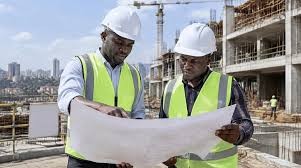
Construction projects require careful planning, technical coordination, financial control and continuous supervision to achieve successful results. Whether constructing a residential house, commercial building, warehouse, factory, office complex or infrastructure facility, every stage must be properly managed to ensure that the development meets its objectives.
However, construction is a complex process involving different professionals, contractors, suppliers, materials, equipment and regulatory requirements. Without effective coordination, projects can experience delays, cost overruns, poor workmanship, communication problems and unnecessary financial losses.
This is why professional project management is important in construction. It provides a structured approach to planning, organising, coordinating, monitoring and controlling project activities from the initial concept to completion and handover.
In Uganda, where construction developments range from private residential properties to large commercial and industrial facilities, professional project management can help property owners make informed decisions, manage resources responsibly and maintain better control over project performance.
This article explores the importance of professional project management in construction projects, its major benefits, key responsibilities, implementation process and how it supports successful residential, commercial and industrial developments.
What Is Professional Project Management in Construction?
Professional construction project management is the process of applying appropriate management knowledge, planning methods, coordination procedures and monitoring systems to deliver a construction project according to its agreed objectives.
It involves managing the different activities and resources required to complete a development, including:
- Project planning and feasibility coordination.
- Budget preparation and cost monitoring.
- Construction scheduling and programme management.
- Design and technical coordination.
- Contractor and subcontractor management.
- Procurement and material planning.
- Quality management.
- Risk identification and control.
- Health and safety coordination.
- Progress monitoring and reporting.
- Contract administration within the agreed appointment.
- Testing, commissioning and project handover.
A professional project manager helps ensure that the project owner, consultants, contractors and suppliers work towards common objectives.
The exact duties and authority of the project manager depend on the contractual appointment. Responsibilities such as approving variations, issuing instructions or certifying payments must be clearly defined in the relevant agreements.
Why Is Professional Project Management Important in Construction Projects?
Professional project management is important because construction projects involve interconnected activities that must be completed in the correct sequence and within available resources.
A problem in one area can affect several others. For example, a delay in structural work may affect roofing, electrical installations, plumbing, plastering and finishing activities.
Without proper coordination, such disruptions can increase costs and extend the project completion period.
Professional project management establishes a framework for making decisions, allocating responsibilities, monitoring progress and responding to problems.
Its importance can be understood through the following benefits.
1. Improves Construction Project Planning
Proper planning is one of the foundations of successful construction. Before work begins, project owners need to understand what they intend to build, the resources required, the expected costs and the time needed to complete the development.
Without a clear plan, construction activities may begin before essential information is available. This can lead to design changes, procurement difficulties, incorrect material orders and unnecessary work.
Professional project management helps establish a structured plan covering the entire project.
This may involve:
- Defining project objectives and deliverables.
- Reviewing the project brief.
- Coordinating feasibility and site investigations.
- Establishing design and technical requirements.
- Identifying the required resources.
- Preparing a construction budget.
- Developing an implementation schedule.
- Identifying potential project risks.
- Establishing communication and reporting procedures.
For example, a developer planning a commercial building in Kampala needs to coordinate architectural design, structural requirements, building services, parking, drainage and access arrangements before construction progresses too far.
Proper planning helps identify potential conflicts early and provides a clearer direction for implementation.
2. Helps Control Construction Costs
Cost management is one of the most important responsibilities in construction project management.
Construction costs can increase because of inaccurate estimates, material price changes, design revisions, poor procurement, unexpected site conditions and uncontrolled variations.
Professional project management helps establish financial controls that allow project owners to understand how funds are being allocated and spent.
Cost management activities may include:
- Reviewing project budgets.
- Coordinating cost estimates.
- Monitoring expenditure.
- Tracking approved variations.
- Reviewing procurement costs.
- Comparing actual costs with planned expenditure.
- Identifying potential budget overruns.
- Updating cost forecasts.
- Monitoring contractual payment processes.
For instance, a residential developer may initially budget for the main building but overlook external drainage, boundary works, paving and landscaping. Proper cost planning helps identify these requirements before they create unexpected financial pressure.
Where detailed measurement and cost advice are required, an appropriately qualified quantity surveyor should be engaged.
Professional project management does not guarantee that costs will never increase. It helps identify financial risks earlier and supports more informed cost decisions.
3. Ensures Better Construction Project Scheduling
Every construction project has activities that must be completed in a specific order.
Foundation works, structural construction, roofing, electrical installations, plumbing, plastering, flooring and painting depend on one another. Poor scheduling can result in contractors arriving before work areas are ready or essential materials being unavailable when required.
Professional project management helps develop and monitor realistic construction schedules.
This involves:
- Breaking the project into individual activities.
- Estimating the duration of each activity.
- Identifying dependencies between activities.
- Establishing project milestones.
- Coordinating labour and equipment requirements.
- Aligning procurement with the construction programme.
- Monitoring actual progress.
- Identifying delays and developing corrective actions.
Tools such as Gantt charts, critical path analysis and short-term look-ahead schedules can help project teams understand work sequences and monitor progress.
Effective scheduling is particularly important for commercial and industrial developments where several contractors may be working simultaneously.
4. Improves Coordination Between Contractors and Consultants
Construction projects involve multiple professionals and organisations.
Depending on the development, these may include:
- Architects.
- Structural engineers.
- Civil engineers.
- Electrical engineers.
- Mechanical engineers.
- Quantity surveyors.
- Project managers.
- Main contractors.
- Specialist subcontractors.
- Material suppliers.
- Regulatory authorities.
Each participant has different responsibilities, but their work must be coordinated.
For example, electrical and plumbing installations need to be coordinated with structural elements and architectural layouts. Poor coordination may result in unnecessary drilling, damaged installations, design conflicts and rework.
Professional project management provides a central coordination framework through:
- Clearly defined responsibilities.
- Regular project meetings.
- Coordinated construction schedules.
- Controlled drawing distribution.
- Written communication procedures.
- Progress reporting.
- Technical issue tracking.
- Monitoring of contractor interfaces.
This helps reduce misunderstandings and ensures that different teams work towards the same project objectives.
5. Helps Reduce Construction Project Delays
Construction delays can have serious financial and operational consequences.
A delayed residential project may postpone occupation, while delayed commercial developments may affect planned business operations, rental income and investment returns.
Common causes of delays include material shortages, poor scheduling, adverse weather, equipment breakdowns, inadequate labour, delayed approvals and slow decision-making.
Professional project management helps identify potential causes of delay before they significantly affect the project.
Important measures include:
- Preparing a realistic construction programme.
- Monitoring progress against planned milestones.
- Identifying critical activities.
- Following up on material deliveries.
- Coordinating contractor availability.
- Resolving technical issues promptly.
- Tracking outstanding approvals and decisions.
- Developing recovery plans when necessary.
In Uganda, construction schedules should also consider seasonal weather conditions, site accessibility, transport constraints and the availability of specialised materials.
Professional management cannot eliminate every possible delay, but it can improve the project’s ability to anticipate and respond to disruptions.
6. Promotes Better Construction Quality
Quality is essential to the safety, durability, functionality and appearance of a completed building.
Poor workmanship or unsuitable materials can lead to structural defects, water leakage, electrical problems, drainage failures and expensive repairs.
Professional project management helps establish systems for monitoring construction quality throughout the project.
These may include:
- Reviewing approved drawings and specifications.
- Establishing quality requirements.
- Coordinating material inspections.
- Monitoring contractor performance.
- Arranging relevant inspections and testing.
- Recording defects and corrective actions.
- Monitoring completion of outstanding work.
- Coordinating quality documentation.
For example, concrete works should comply with the approved structural design and specified construction procedures. Reinforcement placement, formwork, concrete quality, compaction and curing should be addressed through appropriate technical supervision and inspection arrangements.
The project manager coordinates the management process, while technical acceptance and professional certification should remain with the appropriately appointed and qualified professionals.
7. Strengthens Construction Risk Management
Every construction project faces risks that may affect cost, time, quality, safety or successful completion.
Some risks are known during the planning stage, while others emerge as construction progresses.
Examples include:
- Unexpected ground conditions.
- Material supply interruptions.
- Contractor underperformance.
- Financing difficulties.
- Design coordination problems.
- Adverse weather.
- Equipment failure.
- Safety incidents.
- Regulatory compliance issues.
- Uncontrolled design changes.
Professional project management provides a systematic way to identify, assess, prioritise and monitor these risks.
A typical risk management process involves:
Risk identification: Establish what could go wrong.
Risk assessment: Evaluate the likelihood and potential impact.
Risk prioritisation: Identify the risks requiring immediate attention.
Risk response: Determine how each risk should be avoided, reduced, transferred or accepted.
Risk monitoring: Review the risks regularly and update response plans.
A risk register can help project teams assign responsibility for monitoring specific risks and implementing appropriate controls.
8. Improves Communication and Decision-Making
Poor communication is a common source of construction problems.
When project participants receive incomplete information or delayed instructions, they may make incorrect decisions or carry out work using outdated drawings.
Professional project management establishes communication procedures that help stakeholders share information and resolve issues.
These procedures may include:
- Regular site meetings.
- Design coordination meetings.
- Written progress reports.
- Meeting minutes and action lists.
- Document control procedures.
- Formal instructions and approval records.
- Clear escalation channels.
- Defined decision-making responsibilities.
For property owners, regular reporting provides a better understanding of project progress, financial performance, outstanding issues and decisions requiring attention.
Good communication also improves accountability because responsibilities and agreed actions are documented.
9. Supports Effective Procurement and Material Management
Construction materials and equipment must be available at the right time and meet the required specifications.
Poor procurement planning can result in shortages, excessive storage, material wastage and construction interruptions.
Professional project management helps align procurement activities with the construction programme.
This may involve:
- Identifying required materials and equipment.
- Preparing procurement schedules.
- Establishing material specifications.
- Coordinating supplier quotations.
- Monitoring orders and delivery dates.
- Arranging appropriate material inspections.
- Coordinating site storage.
- Following up on critical deliveries.
In Uganda, procurement planning should consider supplier capacity, transport distances, market availability and the lead times for specialised or imported products.
Proper procurement management helps reduce the likelihood of construction activities being interrupted by avoidable supply problems.
10. Encourages Better Resource Management
Construction projects use several resources, including labour, machinery, materials, finances and professional services.
Poor resource allocation can lead to idle workers, equipment downtime, material wastage and unnecessary expenditure.
Professional project management helps identify resource requirements and coordinate their use throughout the project.
For example, a project manager may coordinate the availability of excavation equipment, concrete suppliers, skilled workers and technical professionals according to the approved construction schedule.
Effective resource management helps ensure that resources are available when needed and are used productively.
11. Improves Contractor Performance and Accountability
Contractors play an important role in construction delivery. Their performance can influence workmanship, safety, productivity, cost and completion time.
However, managing contractors can be challenging when responsibilities are unclear or performance is not regularly monitored.
Professional project management supports contractor accountability by establishing clear performance expectations and monitoring arrangements.
These may include:
- Defined scopes of work.
- Agreed construction schedules.
- Contractual performance requirements.
- Site progress assessments.
- Quality inspections.
- Safety monitoring.
- Documented instructions.
- Review of outstanding obligations.
- Formal reporting and issue resolution.
Contractors should be evaluated against their contractual obligations rather than informal or changing expectations.
12. Strengthens Health and Safety Management
Construction sites contain hazards that may cause serious injuries or damage if they are not properly controlled.
These include working at height, excavation activities, electrical installations, moving equipment, falling materials and unsafe access routes.
Professional project management helps ensure that safety is considered during planning and monitored throughout implementation.
Important management measures include:
- Establishing site safety responsibilities.
- Coordinating risk assessments.
- Monitoring compliance with safety procedures.
- Ensuring appropriate worker induction and training.
- Monitoring access control and warning signs.
- Coordinating emergency response arrangements.
- Recording incidents and near misses.
- Following up on corrective actions.
Health and safety responsibilities should be clearly allocated among the client, contractors, consultants and other relevant parties in accordance with applicable requirements.
13. Helps Manage Construction Design Changes
Changes to a building’s design may be necessary because of client preferences, technical discoveries, regulatory requirements or unforeseen site conditions.
However, uncontrolled changes can increase costs, extend the schedule and create confusion among contractors.
Professional project management helps ensure that proposed changes are properly assessed before implementation.
A controlled change management process should:
- Record the proposed change.
- Explain the reason for the change.
- Obtain the relevant technical assessment.
- Evaluate the cost implications.
- Assess the impact on the project schedule.
- Identify affected drawings and specifications.
- Obtain approval from the authorised party.
- Issue updated information to relevant stakeholders.
- Monitor the implementation.
This helps prevent informal changes from disrupting construction activities.
14. Supports Regulatory Compliance
Construction developments must comply with applicable building, planning, environmental, safety and other regulatory requirements.
Failure to understand approval procedures or comply with relevant requirements can lead to delays, additional expenditure and enforcement difficulties.
Professional project management helps identify compliance requirements early and coordinate the documentation and actions needed to address them.
Depending on the project, this may involve:
- Identifying relevant approval authorities.
- Coordinating the preparation of technical documentation.
- Following up on required applications.
- Monitoring compliance-related activities.
- Coordinating relevant inspections.
- Maintaining approval records.
- Tracking outstanding regulatory requirements.
In Uganda, approval requirements depend on the project’s location, nature, size and intended use. Developers should confirm the applicable requirements with the responsible authorities and engage appropriately qualified professionals.
The Building Industry Management System (BIMS) is one relevant resource for building approval processes: https://www.bims.go.ug/.
15. Improves Financial Transparency and Reporting
Property owners need reliable information about how their construction budgets are being used.
Without proper reporting, it may be difficult to understand the project’s financial position, outstanding commitments and possible future expenditure.
Professional project management can establish reporting systems that provide information such as:
- Approved project budget.
- Actual expenditure.
- Contractual commitments.
- Payment status.
- Approved variations.
- Outstanding financial obligations.
- Forecast completion costs.
- Potential budget risks.
Clear reporting helps project owners make informed financial decisions and identify problems before they become more serious.
16. Supports Better Management of Residential Construction Projects
Residential construction includes individual houses, apartments, housing estates and other accommodation developments.
Although some residential projects are relatively small, they still require careful coordination of designs, contractors, materials, finances and quality requirements.
Professional project management can help residential developers and homeowners:
- Establish realistic construction budgets.
- Coordinate architectural and engineering designs.
- Plan construction activities.
- Monitor contractor performance.
- Control design changes.
- Coordinate material procurement.
- Monitor workmanship.
- Manage project risks.
- Plan inspections and handover.
For homeowners constructing in Kampala, Wakiso, Entebbe and other parts of Uganda, proper project management can provide a clearer structure for managing the development.
17. Improves Management of Commercial Construction Projects
Commercial developments often involve more complex technical and operational requirements than smaller residential projects.
Examples include office buildings, shopping complexes, hotels, warehouses, hospitals and retail facilities.
These developments may require extensive coordination between structural works, electrical installations, plumbing, ventilation, fire protection, communication systems, lifts and external infrastructure.
Professional project management helps coordinate these interconnected activities.
Key priorities may include:
- Managing multiple contractors.
- Coordinating technical designs.
- Monitoring procurement and delivery schedules.
- Managing complex construction programmes.
- Monitoring quality requirements.
- Controlling project costs.
- Coordinating commissioning.
- Preparing for building operation and handover.
Good project management helps ensure that the completed facility meets the owner’s intended operational requirements.
18. Supports Industrial and Infrastructure Developments
Industrial facilities and infrastructure projects often involve specialised technical requirements, larger work packages and complex construction activities.
Examples include factories, processing facilities, industrial warehouses, access roads, drainage systems and utility infrastructure.
Professional project management helps coordinate technical teams, contractors, procurement, safety requirements and construction schedules.
Depending on the project, management priorities may include:
- Feasibility and site assessment coordination.
- Engineering design coordination.
- Construction logistics.
- Equipment procurement.
- Contractor management.
- Environmental and safety considerations.
- Quality monitoring.
- Testing and commissioning.
- Operational readiness.
Industrial developments particularly benefit from early coordination because construction decisions can influence equipment installation, production processes, maintenance access and future operations.
19. Improves Construction Documentation and Accountability
Accurate project documentation is essential for tracking decisions, monitoring progress and resolving disagreements.
Construction projects generate numerous documents, including contracts, drawings, specifications, meeting minutes, inspection reports, site instructions, payment records and variation requests.
Professional project management helps establish procedures for managing these records.
A document management system should provide:
- Clear document identification.
- Controlled drawing revisions.
- Secure document storage.
- Records of approvals and instructions.
- Meeting minutes and action registers.
- Progress reports.
- Inspection and testing records.
- Variation documentation.
- Completion and handover information.
Good documentation supports transparency and helps ensure that project decisions can be traced.
20. Ensures Better Project Completion and Handover
Construction management responsibilities continue beyond the completion of physical building work.
Before a development is handed over, the project team may need to coordinate inspections, defect correction, testing, commissioning and preparation of operational documents.
Professional project management helps ensure that these activities are planned and monitored.
Handover requirements may include:
- Final inspections.
- Completion of outstanding works.
- Defect identification and correction.
- Testing of electrical and mechanical systems.
- Commissioning of relevant equipment.
- Preparation of as-built drawings.
- Collection of operation and maintenance manuals.
- Relevant warranties and product documentation.
- User and facility management training.
- Formal handover records.
A structured handover process helps the owner receive a facility that is ready for its intended use, subject to the applicable approvals and completion requirements.
The Main Stages Where Professional Project Management Is Required
Professional project management should be considered throughout the construction lifecycle rather than introduced only after problems develop.
Stage 1: Project initiation
The project owner establishes the development objectives, intended use, initial requirements and expected outcomes.
Stage 2: Feasibility and site assessment
The project team reviews the suitability of the proposed development, site conditions, financial considerations and relevant constraints.
Stage 3: Planning and budgeting
The project scope, implementation strategy, budget, procurement requirements and preliminary programme are developed.
Stage 4: Design and technical coordination
Architectural, structural, civil and building services requirements are coordinated by the relevant professionals.
Stage 5: Regulatory approvals
The project team identifies and coordinates applicable approval requirements before undertaking work that requires prior permission.
Stage 6: Procurement and contractor appointment
Suitable contractors, suppliers and professional consultants are identified and appointed according to the project’s requirements.
Stage 7: Construction implementation
Construction activities are coordinated and monitored against approved drawings, specifications, contracts and schedules.
Stage 8: Monitoring and control
The project team monitors progress, expenditure, quality, risks, procurement and stakeholder performance.
Stage 9: Testing and commissioning
Relevant building systems and installations are tested and prepared for operation.
Stage 10: Completion and handover
Outstanding work is addressed, required documents are prepared and the completed development is formally handed over.
Professional Project Management vs Managing Construction Without Professional Support
Property owners sometimes attempt to coordinate construction activities themselves without appointing suitable project management support.
Although direct owner involvement can be useful, managing a complex development requires considerable time, technical understanding and coordination.
| Area | Without structured professional management | With professional project management |
|---|---|---|
| Planning | Activities may begin with incomplete preparation | Clearer project objectives and implementation plans |
| Budgeting | Limited cost visibility and unexpected expenditure | Structured cost monitoring and financial reporting |
| Scheduling | Work may proceed without coordinated sequencing | Planned activities and progress tracking |
| Contractors | Responsibilities may overlap or remain unclear | Defined coordination and accountability procedures |
| Quality | Defects may be identified late | Planned inspections and quality monitoring |
| Risk | Problems may be addressed after they occur | Earlier identification and management of risks |
| Communication | Information may be inconsistent | Established reporting and communication procedures |
| Documentation | Records may be incomplete | More organised project records |
| Handover | Completion requirements may be overlooked | Planned inspections, commissioning and handover |
The appropriate level of professional support depends on the size, complexity, risk and technical requirements of the project.
How to Choose a Professional Construction Project Manager in Uganda
Selecting the right project management professional can influence the overall organisation and control of a construction development.
Property owners and developers should consider the following factors.
1. Relevant qualifications
Confirm that the professional has appropriate education and competence for the responsibilities being undertaken.
2. Professional registration
Where the role involves regulated professional work, verify the relevant registration and practising status through the appropriate professional body.
3. Relevant project experience
Consider experience with developments of a similar type, size and technical complexity.
4. Project management capabilities
Ask how the professional approaches planning, scheduling, cost monitoring, contractor coordination and risk management.
5. Communication and reporting
Establish how frequently progress reports will be provided and how project issues will be communicated.
6. Understanding of construction contracts
The professional should understand the relevant contractual arrangements and the limits of their authority.
7. Availability and resources
Confirm that the professional has sufficient time and appropriate resources to fulfil the appointment.
8. Clear scope of services
The agreement should define responsibilities, deliverables, fees, exclusions, reporting arrangements and decision-making authority.
9. References and previous work
Where possible, review relevant project references and examples of completed assignments.
10. Independence and transparency
Clarify potential conflicts of interest and establish transparent procedures for procurement recommendations, reporting and decision-making.
The best appointment is one that matches the project’s actual management requirements and provides clear accountability.
Factors That Influence the Cost of Professional Construction Project Management
The cost of professional project management varies according to the nature and requirements of each development.
There is no single fee that applies to every construction project.
Important cost factors include:
- Total project value.
- Size and complexity of the development.
- Project duration.
- Number of contractors and consultants.
- Frequency of site visits.
- Level of reporting required.
- Scope of management responsibilities.
- Technical and operational requirements.
- Project location and accessibility.
- Specialist coordination requirements.
Professional fees may be structured as a fixed amount, percentage of project cost, time-based fee or agreed milestone payments, depending on the appointment.
Property owners should request a written fee proposal explaining the scope of work, deliverables, payment arrangements and exclusions.
Common Mistakes Property Owners Should Avoid
Even with professional project management support, poor decisions by project stakeholders can create unnecessary construction difficulties.
Property owners and developers should avoid:
- Starting construction before completing essential planning.
- Selecting contractors based only on the lowest quotation.
- Using incomplete construction drawings.
- Failing to establish a realistic budget.
- Making frequent changes without assessing their impact.
- Ignoring technical advice.
- Delaying important project decisions.
- Failing to monitor construction progress.
- Neglecting quality and safety requirements.
- Allowing unclear communication between contractors.
- Failing to document instructions and approvals.
- Ignoring procurement lead times.
- Leaving commissioning and handover planning too late.
Avoiding these mistakes helps improve project organisation and strengthens the effectiveness of professional management.
Why Choose Daltrevco for Construction Project Discussions?
Successful construction developments require informed planning, clear coordination and effective control of project activities.
Daltrevco recognises the importance of professional construction management in helping property owners and developers approach their projects with greater organisation and clarity.
Whether you are planning a residential building, commercial property, industrial facility or infrastructure development, it is important to establish the right project requirements, identify potential risks and determine the appropriate professional support.
Daltrevco provides a point of contact for discussing construction project requirements and suitable solutions for your development.
Planning a construction project in Uganda? Visit www.daltrevco.com to discuss your project requirements.
Frequently Asked Questions About Professional Project Management in Construction
1. What is professional project management in construction?
Professional project management in construction is the organised planning, coordination, monitoring and control of construction activities to achieve agreed project objectives relating to scope, cost, time, quality and safety.
2. Why is project management important in construction projects?
It helps coordinate contractors, control costs, manage schedules, monitor quality, identify risks, improve communication and maintain accountability throughout the construction process.
3. What are the main benefits of professional construction project management?
The main benefits include improved planning, better cost control, more effective scheduling, contractor coordination, risk management, quality monitoring, communication and project reporting.
4. When should I hire a construction project manager?
Ideally, project management support should be considered during the early planning stage, before major design, procurement and construction decisions are made.
5. Can professional project management reduce construction costs?
It can help identify unnecessary expenditure, improve procurement planning, monitor variations and strengthen cost control. However, it cannot guarantee that all costs will remain unchanged.
6. How does project management prevent construction delays?
It helps establish realistic schedules, coordinate contractors, monitor progress, identify potential delays and organise corrective actions.
7. What is the role of a construction project manager?
Depending on the appointment, responsibilities may include planning, scheduling, stakeholder coordination, cost monitoring, risk management, progress reporting and coordination of completion activities.
8. Is professional project management necessary for residential construction?
It can be valuable for residential projects, especially developments involving multiple contractors, complex designs, substantial budgets or demanding completion requirements.
9. Why is project management important for commercial buildings?
Commercial developments often involve several technical disciplines, contractors, building systems and operational requirements. Professional coordination helps manage these interconnected activities.
10. How does construction project management improve quality?
It helps establish quality requirements, coordinate inspections, monitor contractor performance, track defects and ensure that technical concerns are addressed by the relevant professionals.
11. What is the difference between a construction project manager and a contractor?
A contractor is responsible for carrying out contracted construction work. A project manager coordinates and monitors project delivery according to the agreed appointment. Their responsibilities may overlap in some contractual arrangements, but they are not automatically the same role.
12. What qualifications should a construction project manager have?
Qualifications depend on the role and project requirements. Relevant project management training, construction industry experience and appropriate professional registration where required should be considered.
13. How does project management improve contractor coordination?
It establishes clear responsibilities, work schedules, communication channels, coordination meetings and progress monitoring procedures.
14. What is construction cost management?
Construction cost management involves estimating, planning, monitoring and controlling project expenditure to help ensure that the development remains financially manageable.
15. What is a construction project schedule?
A construction project schedule is a plan showing the activities required to complete a development, their expected durations, dependencies, milestones and planned sequence.
16. Can professional project management help manage construction risks?
Yes. It provides a structured process for identifying, assessing, prioritising, responding to and monitoring risks throughout the project.
17. How does project management support construction safety?
It helps coordinate safety planning, responsibilities, risk assessments, site monitoring, reporting and corrective actions in accordance with applicable requirements.
18. What documents should a construction project manager maintain?
Important documents include project briefs, contracts, drawings, specifications, schedules, meeting minutes, site reports, inspection records, payment information, variation approvals and handover documents.
19. What factors influence construction project management fees in Uganda?
Fees depend on the project size, complexity, duration, location, scope of services, reporting requirements, number of contractors and frequency of professional involvement.
20. Is project management important for industrial construction?
Yes. Industrial developments often involve specialised equipment, technical installations, safety requirements and complex procurement activities that require careful coordination.
21. How can project owners monitor construction progress?
They can use regular progress reports, site inspections, milestone tracking, construction schedules, expenditure reports and documented records of outstanding issues.
22. What happens if a construction project is poorly managed?
Poor management can contribute to cost overruns, delays, defective work, contractor disputes, material wastage, safety problems and incomplete project documentation.
23. Does professional project management include architectural and engineering design?
Not automatically. Design services are separate professional responsibilities unless specifically included in an appropriately qualified professional’s appointment. Project managers commonly coordinate design activities rather than replace the relevant designers.
24. How does project management help during construction handover?
It coordinates completion activities, inspections, defect tracking, testing, commissioning, documentation and formal transfer of the facility to the owner.
25. Can project management guarantee that construction will finish on time and within budget?
No. Professional project management improves planning, coordination and control, but unforeseen conditions, external events and decisions by project stakeholders can still affect cost and completion time.
26. What is the difference between construction consultancy and project management?
Construction consultancy is a broad category of professional advisory and technical services. Project management focuses on coordinating and controlling project delivery. The services can overlap depending on the appointment.
27. Why is project management important before construction begins?
Early project management helps clarify objectives, coordinate designs, assess risks, prepare budgets, develop schedules and establish responsibilities before major construction commitments are made.
28. How can I select the right construction project management firm in Uganda?
Assess relevant qualifications, professional registration where required, experience, service scope, communication procedures, reporting methods, references, fees and contractual responsibilities.
29. Does project management apply to road and infrastructure construction?
Yes. Infrastructure projects also require feasibility planning, cost control, procurement, contractor coordination, scheduling, quality monitoring, risk management and completion oversight.
30. How can I discuss construction project management requirements with Daltrevco?
Visit www.daltrevco.com to contact Daltrevco and discuss your proposed residential, commercial, industrial or infrastructure development.
Conclusion
Professional project management is an important part of successful construction delivery. It provides the planning, coordination, monitoring and control needed to manage the many activities involved in developing residential, commercial, industrial and infrastructure projects.
Through effective project management, property owners and developers can improve budget monitoring, coordinate contractors, manage construction schedules, monitor quality, address risks and maintain better communication throughout the development process.
In Uganda’s construction industry, engaging appropriate professional support from the early planning stages can help reduce avoidable mistakes and improve project organisation.
Whether you are constructing a home, developing a commercial building or undertaking a large industrial project, professional project management provides a valuable framework for turning construction plans into well-coordinated developments.