
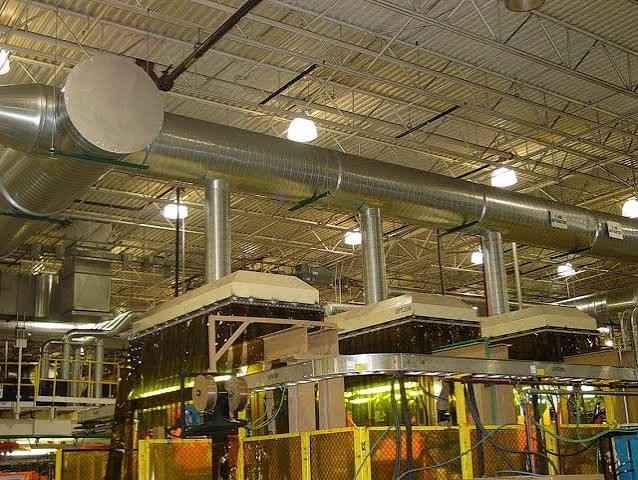
Industrial HVAC systems play a critical role in maintaining safe, comfortable and controlled working environments in factories and manufacturing facilities. Unlike ordinary air conditioning systems designed for homes and small offices, industrial HVAC systems are engineered to handle large spaces, heavy equipment, high heat loads, industrial processes, airborne contaminants and demanding operating conditions.
For manufacturing businesses, proper heating, ventilation and air conditioning are essential for more than employee comfort. They help regulate indoor temperatures, control humidity, improve air quality, protect sensitive machinery, support production processes and maintain suitable working conditions.
Factories that operate without properly designed HVAC systems may experience excessive heat, poor ventilation, condensation, equipment overheating, uncomfortable working environments and reduced production efficiency.
Whether you are constructing a new manufacturing facility, expanding an existing factory or upgrading an outdated ventilation and cooling system, investing in the right industrial HVAC solution can improve operational performance and support long-term business growth.
At Daltrevco, we recognise the importance of properly planned building utility systems in modern industrial facilities. This guide explains industrial HVAC systems, their components, applications, design considerations, installation processes and maintenance requirements.
What Are Industrial HVAC Systems?
Industrial HVAC systems are specialised heating, ventilation and air conditioning installations designed to regulate indoor environmental conditions in factories, warehouses, processing plants, workshops and other large commercial and industrial buildings.
HVAC stands for:
- Heating: Maintaining suitable indoor temperatures where heating is required.
- Ventilation: Supplying fresh air, removing stale air and controlling airborne contaminants.
- Air Conditioning: Cooling and controlling indoor temperature and humidity.
Industrial HVAC systems are generally more powerful and complex than residential HVAC installations because they must accommodate larger floor areas, higher occupancy levels, industrial machinery and specialised manufacturing requirements.
Depending on the nature of the business, an industrial HVAC installation may include large-capacity air conditioning equipment, industrial ventilation fans, ductwork, air filtration systems, exhaust systems, cooling equipment and automated environmental controls.
The system must be designed around the factory’s operations, building layout, equipment requirements and expected heat generation.
Why Are HVAC Systems Important in Factories and Manufacturing Facilities?
A properly designed industrial HVAC system contributes directly to factory performance, workplace safety and the protection of valuable assets.
Here are the major benefits of installing professional HVAC systems in manufacturing facilities.
1. Temperature Control in Industrial Environments
Factories often generate substantial heat from production machinery, electrical equipment, industrial processes, lighting and human activity.
Without effective temperature management, indoor conditions can become uncomfortable and potentially unsafe for workers.
Industrial HVAC systems help regulate indoor temperatures by removing excess heat and maintaining appropriate environmental conditions.
Temperature control is particularly important in:
- Food and beverage processing plants.
- Pharmaceutical manufacturing facilities.
- Electronics production facilities.
- Textile and garment factories.
- Plastic manufacturing plants.
- Industrial workshops.
- Packaging and processing facilities.
Maintaining suitable temperatures helps create better working conditions and supports manufacturing operations that require controlled environments.
2. Improved Indoor Air Quality
Air quality is an important consideration in industrial buildings because manufacturing activities may release dust, fumes, vapours, smoke and other airborne contaminants.
Industrial ventilation and air filtration systems help remove unwanted airborne particles while introducing fresh air into the facility.
Depending on the manufacturing process, the HVAC design may incorporate:
- Industrial exhaust fans.
- Fresh-air ventilation systems.
- Air filtration equipment.
- Dust extraction systems.
- Fume extraction systems.
- Air handling units.
- Specialised filtration solutions.
Effective ventilation helps reduce the accumulation of airborne contaminants and supports a healthier working environment.
However, hazardous industrial emissions may require dedicated local exhaust ventilation and specialist extraction systems rather than relying on general air conditioning.
3. Protection of Industrial Machinery and Equipment
Industrial machinery and electrical equipment can generate significant heat during operation.
Excessive temperatures, uncontrolled humidity and airborne contaminants may negatively affect equipment performance and reliability.
Industrial HVAC systems help maintain suitable operating conditions for sensitive machinery, electrical control rooms, server rooms and automated production equipment.
This is particularly important for factories that depend on temperature-sensitive production equipment and sophisticated electronic systems.
4. Humidity Control
Humidity management is another important function of industrial HVAC systems.
Excessive moisture can contribute to corrosion, condensation, mould growth, product deterioration and damage to certain manufacturing materials.
On the other hand, extremely low humidity can create static electricity problems in environments handling sensitive electronic components.
Industrial HVAC systems can incorporate humidity control equipment to maintain conditions appropriate for the manufacturing process.
Industries that may require specialised humidity management include:
- Pharmaceutical manufacturing.
- Food processing and storage.
- Electronics manufacturing.
- Textile production.
- Printing and packaging.
- Laboratories.
- Chemical processing.
The required humidity level depends on the products, materials and processes involved.
5. Improved Employee Comfort and Productivity
Workers in manufacturing facilities may spend long hours operating machinery, handling materials and performing physically demanding tasks.
Excessive indoor temperatures and inadequate ventilation can contribute to discomfort, fatigue and reduced concentration.
A properly designed industrial HVAC system helps maintain more suitable working conditions.
Improved ventilation, temperature regulation and air distribution can support employee wellbeing and contribute to a more productive workplace.
6. Protection of Manufactured Products
Some products require specific temperature, humidity and cleanliness conditions during manufacturing, packaging and storage.
Uncontrolled environmental conditions can affect product quality, consistency and shelf life.
Industrial HVAC systems help manufacturers maintain the environmental conditions required by their production processes.
This is especially important in pharmaceutical facilities, food processing plants, electronics factories and other specialised manufacturing environments.
Types of Industrial HVAC Systems Used in Factories
Different manufacturing facilities require different HVAC solutions. The appropriate system depends on building size, production requirements, cooling loads, ventilation needs and available energy sources.
The following are some of the most common industrial HVAC systems.
1. Central Air Conditioning Systems
Central air conditioning systems distribute conditioned air throughout large buildings using a network of ducts and air distribution outlets.
They are suitable for factories with large indoor spaces that require consistent temperature control across multiple sections.
Central systems may include:
- Chillers.
- Air handling units.
- Cooling coils.
- Ductwork.
- Pumps.
- Cooling towers where applicable.
- Thermostats and control equipment.
These systems are commonly used in large manufacturing facilities, industrial offices, processing plants and commercial-industrial buildings.
2. Industrial Ventilation Systems
Industrial ventilation systems are designed to remove contaminated air, supply fresh air and control heat and airborne pollutants.
They are particularly important in factories where manufacturing processes generate dust, fumes, smoke, vapours or excessive heat.
Common industrial ventilation solutions include:
- Mechanical supply ventilation.
- Mechanical exhaust ventilation.
- General dilution ventilation.
- Local exhaust ventilation.
- Industrial roof ventilators.
- High-volume industrial fans.
Local exhaust ventilation is particularly useful where pollutants are generated at specific workstations because it captures contaminants close to their source.
3. Chiller HVAC Systems
Chiller systems are commonly installed in large industrial and commercial facilities that require substantial cooling capacity.
An industrial chiller removes heat from water or another suitable fluid, which is then circulated through cooling coils or process equipment.
The main types include:
Air-cooled chillers: Use outdoor air to remove heat from the refrigerant.
Water-cooled chillers: Use water and heat rejection equipment, typically including cooling towers, to remove heat.
Chiller systems are suitable for large factories, processing plants and manufacturing facilities with significant cooling requirements.
4. Rooftop HVAC Units
Rooftop HVAC units are packaged heating and cooling systems installed on building roofs.
They can provide conditioned air to large industrial or commercial spaces through connected ductwork.
Their advantages include:
- Efficient use of indoor floor space.
- Centralised temperature control.
- Relatively straightforward access for servicing.
- Suitability for certain large open-plan buildings.
The structural capacity of the roof, equipment weight, weather exposure and maintenance access must be considered before installation.
5. Split and Multi-Split Air Conditioning Systems
Split air conditioning systems consist of indoor and outdoor units connected through refrigerant piping.
Multi-split systems allow several indoor units to operate using a shared outdoor unit.
They are commonly used in factory offices, control rooms, meeting rooms, laboratories and smaller enclosed production spaces.
They are not automatically suitable for cooling entire industrial production halls, particularly where heat loads and ventilation requirements are substantial.
6. Variable Refrigerant Flow (VRF) and Variable Refrigerant Volume (VRV) Systems
VRF or VRV systems use variable refrigerant flow to provide heating or cooling to multiple indoor units.
They are particularly useful in buildings with different temperature requirements across separate rooms and operational areas.
Applications include:
- Factory administration offices.
- Engineering departments.
- Staff facilities.
- Control rooms.
- Commercial sections within industrial buildings.
These systems provide flexible zoning and individual temperature control, although their suitability depends on building size, operating conditions and system design.
Key Components of an Industrial HVAC System
Industrial HVAC systems consist of several interconnected components that work together to maintain suitable indoor environmental conditions.
Understanding these components helps factory owners make informed decisions when planning new installations or upgrading existing systems.
Air Handling Units (AHUs)
Air handling units condition and distribute air throughout a building.
They may contain filters, fans, heating or cooling coils, dampers and other components depending on the system design.
Industrial Fans and Blowers
Fans and blowers move air through ventilation ducts, exhaust systems and industrial workspaces.
They are essential for air circulation, fresh-air supply and the removal of unwanted heat and contaminants.
Ductwork
Ductwork provides pathways for distributing conditioned air and removing exhaust air.
Proper duct sizing, insulation, sealing and routing are essential for effective airflow and system performance.
Filters and Air Purification Equipment
Air filters remove particles and contaminants from circulating or incoming air.
The filtration requirements depend on the industrial application and may include specialised filtration equipment for controlled environments.
Cooling Equipment
Cooling equipment removes heat from indoor spaces or industrial processes.
Depending on the installation, this may include chillers, cooling coils, condensers, evaporators and other refrigeration components.
Thermostats and Control Systems
HVAC controls regulate system operation based on temperature, humidity, occupancy and other operating conditions.
Advanced systems may incorporate building management systems (BMS) to monitor and coordinate multiple HVAC components.
Exhaust and Extraction Equipment
Exhaust and extraction systems remove contaminated air, heat, fumes, dust and other unwanted substances from designated areas.
These systems must be selected according to the characteristics of the pollutants and applicable industrial safety requirements.
Important Factors to Consider When Designing Industrial HVAC Systems
Industrial HVAC design requires careful planning because every manufacturing facility has different environmental and operational requirements.
Choosing equipment based only on the size of the building can result in poor performance, unnecessary energy consumption and inadequate ventilation.
The following factors should be considered before installation.
1. Factory Size and Building Layout
The size, height and configuration of a factory influence the required HVAC capacity.
A large manufacturing hall with high ceilings may require a different air distribution strategy from a smaller factory divided into several enclosed production rooms.
HVAC designers should assess:
- Total floor area.
- Ceiling height.
- Building orientation.
- Number of rooms and production zones.
- Roof and wall insulation.
- Door and window openings.
- Occupancy levels.
- Internal partitions.
This information helps determine the appropriate system configuration and air distribution requirements.
2. Manufacturing Processes and Heat Loads
Different industrial processes produce different amounts of heat.
Machinery, furnaces, compressors, production lines, motors and electrical equipment can significantly increase indoor temperatures.
An HVAC load assessment should consider both external heat gains and internal heat generated by equipment, lighting and occupants.
This helps determine the cooling capacity required to maintain suitable operating conditions.
3. Ventilation and Air Quality Requirements
The ventilation system must address the specific pollutants and air quality requirements associated with the manufacturing process.
Facilities producing dust, fumes, chemical vapours or smoke may require dedicated extraction systems.
The design should identify contaminant sources, required capture methods, outdoor air requirements, filtration and safe exhaust discharge locations.
4. Energy Efficiency
Industrial HVAC systems can account for a substantial proportion of a factory’s energy consumption.
Selecting energy-efficient equipment can help reduce operating expenses and improve long-term system performance.
Energy-saving measures may include:
- High-efficiency HVAC equipment.
- Variable-speed drives.
- Efficient fans and pumps.
- Proper duct insulation.
- Automated temperature controls.
- Heat recovery systems where appropriate.
- Regular filter replacement.
- Preventive maintenance.
- Correct equipment sizing.
5. Environmental Conditions in Uganda
Industrial HVAC systems installed in Uganda should be designed around local climatic conditions and the operating environment of the facility.
High outdoor temperatures, humidity, dust and seasonal weather variations can influence equipment selection and system performance.
Factories in Kampala, Wakiso, Jinja, Mukono and other industrial areas may have different building conditions and manufacturing requirements.
Equipment selection should account for local ambient temperatures, ventilation demands, electrical supply conditions, maintenance access and availability of replacement components.
6. Future Factory Expansion
Manufacturing businesses may expand production capacity, introduce new machinery or increase their workforce over time.
Industrial HVAC systems should therefore be planned with potential future requirements in mind.
Depending on the project, designers may consider additional cooling capacity, expandable ductwork, modular equipment and separate environmental control zones.
Planning for future expansion can reduce the cost and disruption associated with major HVAC modifications.
Industrial HVAC Installation Process
Professional installation is essential to ensure that industrial HVAC systems operate safely, reliably and efficiently.
Although installation requirements vary depending on the selected equipment, a typical project follows several important stages.
Step 1: Site Assessment and Requirements Evaluation
The first stage involves inspecting the factory and understanding its operational requirements.
The assessment should establish building dimensions, heat loads, ventilation requirements, existing electrical infrastructure and the environmental conditions needed for production.
Step 2: HVAC System Design
Based on the assessment, HVAC engineers develop a system design that addresses cooling capacity, ventilation, equipment positioning, ductwork, filtration and control requirements.
The design should also consider maintenance access, energy efficiency and future expansion.
Step 3: Equipment Selection and Procurement
The appropriate HVAC equipment is selected according to the approved design specifications.
Equipment selection should consider capacity, efficiency, operating conditions, reliability, warranty coverage and availability of servicing support.
Step 4: Installation of HVAC Equipment
Installation involves positioning and securing HVAC equipment, installing ductwork, connecting refrigerant or chilled-water piping where applicable, and setting up ventilation and exhaust components.
Electrical connections, drainage and control systems must also be installed according to the equipment specifications and applicable safety requirements.
Step 5: Testing and Commissioning
After installation, the system must be tested to verify that it operates according to the design requirements.
Commissioning may include:
- Airflow measurements.
- Temperature testing.
- Refrigerant checks.
- Electrical inspections.
- Duct leakage checks.
- Filter inspections.
- Control system verification.
- Ventilation performance testing.
The system should only be handed over after the required performance and safety checks have been completed.
Step 6: Maintenance Planning and Handover
The final stage involves providing operational guidance, maintenance recommendations and relevant system documentation.
A preventive maintenance schedule helps ensure that the HVAC system continues operating effectively after installation.
Common Industrial HVAC Problems in Factories
Even professionally installed HVAC systems can develop operational problems over time, particularly when they are not properly maintained.
Some common industrial HVAC problems include:
1. Inadequate cooling: This may result from incorrect system sizing, refrigerant problems, dirty filters, restricted airflow or equipment faults.
2. Poor ventilation: Blocked air passages, undersized fans and inadequate extraction capacity can result in poor indoor air conditions.
3. Uneven temperature distribution: Incorrect duct design, poor air balancing and inadequate zoning can cause some areas to become warmer or cooler than others.
4. Excessive energy consumption: Inefficient equipment, poor maintenance, air leakage and incorrect operating settings can increase electricity costs.
5. Refrigerant leaks: Leaks can reduce cooling performance and should be identified and repaired by qualified HVAC technicians.
6. Condensation and moisture problems: Poor drainage, inadequate insulation and incorrect humidity control can contribute to condensation and moisture damage.
7. Excessive equipment noise and vibration: These problems may be associated with fan imbalance, worn bearings, loose components or incorrect equipment installation.
Addressing HVAC problems early helps prevent major equipment failures, production interruptions and expensive repairs.
Industrial HVAC Maintenance: How to Keep Factory Systems Operating Efficiently
Regular maintenance is essential for protecting industrial HVAC equipment and maintaining reliable performance.
Factories that depend on continuous production should establish preventive maintenance programmes based on equipment manufacturer recommendations, operating hours and environmental conditions.
Important maintenance activities include:
- Cleaning or replacing air filters.
- Inspecting fans, blowers and motors.
- Checking refrigerant systems for leaks.
- Inspecting electrical connections.
- Cleaning cooling coils and heat exchangers.
- Checking condensate drainage.
- Inspecting ductwork for leaks and damage.
- Testing thermostats and control systems.
- Checking ventilation and extraction performance.
- Inspecting pumps, valves and cooling equipment.
- Monitoring system energy consumption.
Maintenance frequency depends on equipment type, operating conditions and the level of dust or contamination in the factory.
Facilities operating in dusty industrial environments may require more frequent filter inspections and cleaning.
Professional HVAC servicing helps identify potential problems before they develop into costly breakdowns.
Industrial HVAC Systems for Different Manufacturing Industries
Different industries have specialised environmental requirements. The HVAC system should therefore be designed according to the activities carried out within the facility.
Food and Beverage Manufacturing
Food processing facilities may require temperature regulation, humidity control, ventilation and hygienic air distribution.
Certain production and packaging areas may also require specialised filtration and controlled environmental conditions.
Pharmaceutical Manufacturing
Pharmaceutical facilities often require strict environmental controls to support product quality and contamination prevention.
Depending on the manufacturing activity, HVAC systems may incorporate specialised filtration, controlled airflow, pressure differentials and temperature and humidity monitoring.
Textile and Garment Manufacturing
Textile factories may generate substantial heat, dust and fibres.
Appropriate ventilation, extraction and humidity management can help maintain suitable production conditions and protect equipment.
Electronics Manufacturing
Electronics production may require controlled temperature, humidity and particulate levels.
Specialised air filtration and electrostatic discharge control measures may be necessary for certain operations.
Chemical Manufacturing
Chemical manufacturing facilities may require specialised exhaust ventilation, hazardous-area equipment and carefully engineered environmental controls.
HVAC and extraction designs must be based on the chemicals involved, their properties and applicable safety requirements.
Automotive and Metal Manufacturing
Automotive workshops, metal fabrication facilities and related manufacturing operations may generate welding fumes, heat, dust and other airborne contaminants.
Dedicated extraction and industrial ventilation systems are important for controlling these emissions.
Warehouses and Industrial Storage Facilities
Large warehouses may require mechanical ventilation, temperature control and appropriate air circulation to protect stored materials and maintain suitable working conditions.
How Much Does It Cost to Install an Industrial HVAC System?
The cost of installing an industrial HVAC system depends on the size of the factory, the type of equipment required, the complexity of the installation and the environmental conditions that must be maintained.
Unlike residential air conditioning, industrial HVAC installations are usually customised to suit the building and manufacturing process.
The main factors influencing industrial HVAC installation costs include:
1. Factory size: Larger buildings generally require greater cooling and ventilation capacity.
2. HVAC system type: Chillers, central air conditioning, rooftop units and industrial ventilation systems have different equipment and installation costs.
3. Cooling capacity: Facilities with high heat loads require appropriately sized equipment.
4. Ventilation requirements: Specialised dust extraction, fume removal and filtration systems can increase project costs.
5. Ductwork and piping: Extensive duct networks, insulation, chilled-water piping and refrigerant lines affect installation costs.
6. Electrical infrastructure: Some industrial HVAC systems require electrical upgrades, dedicated circuits and specialised controls.
7. Automation and monitoring: Advanced control systems and building management integration may increase initial investment.
8. Maintenance accessibility: Equipment positioning, service platforms and access requirements can influence project costs.
9. Existing infrastructure: Retrofitting an existing factory may involve additional work to accommodate new equipment and ductwork.
For an accurate quotation, a professional HVAC assessment should be carried out before equipment selection and installation.
Factory owners should compare quotations based on equipment specifications, cooling capacity, installation scope, energy efficiency, warranties and after-installation support rather than choosing a contractor based only on the lowest price.
How to Choose the Right Industrial HVAC Contractor in Uganda
Choosing an experienced HVAC contractor is an important step in ensuring the success of an industrial installation.
A poorly designed system can result in inadequate cooling, inefficient ventilation, excessive electricity consumption and recurring maintenance problems.
Before selecting an industrial HVAC contractor, consider the following:
- Technical expertise: Choose a contractor with knowledge of industrial air conditioning, ventilation, ductwork and mechanical building services.
- Project assessment: The contractor should conduct a proper site inspection and evaluate the factory’s cooling and ventilation requirements.
- System design capability: Look for a contractor capable of recommending suitable HVAC solutions based on engineering requirements rather than simply selling equipment.
- Quality of equipment: Confirm that the proposed equipment meets the required performance and efficiency specifications.
- Installation standards: Ensure that installation work follows relevant manufacturer instructions and applicable technical and safety requirements.
- Maintenance support: Choose a contractor that can provide ongoing servicing, inspections and troubleshooting.
- Transparent quotations: A professional quotation should clearly outline equipment specifications, installation activities, exclusions and warranty conditions.
- After-installation support: Reliable technical support is important for reducing downtime and maintaining long-term system performance.
Working with a competent contractor helps ensure that the HVAC system is appropriate for the facility and its manufacturing operations.
Benefits of Investing in Professional Industrial HVAC Installation
Investing in a professionally designed and installed industrial HVAC system provides long-term benefits for manufacturing businesses.
These include:
- Better temperature regulation across production areas.
- Improved indoor air quality.
- More effective removal of industrial heat and contaminants.
- Protection of temperature-sensitive machinery.
- Better humidity management.
- Improved employee working conditions.
- Support for manufacturing quality requirements.
- Reduced risk of unexpected equipment breakdowns.
- Improved energy management.
- Greater flexibility for future factory expansion.
A properly engineered HVAC system is therefore an important part of the infrastructure required to operate a modern manufacturing facility.
Why Professional HVAC Planning Matters for Industrial Projects
Industrial HVAC systems should never be treated as ordinary air conditioning installations.
Factories have specialised operating conditions that require proper assessment, engineering calculations, equipment selection and installation planning.
For example, a food processing plant may require hygienic air distribution and humidity control, while a metal fabrication workshop may need dedicated fume extraction and high-capacity ventilation.
Installing the wrong system can result in poor environmental control, unnecessary operating expenses and production challenges.
Professional planning ensures that the HVAC solution addresses the actual needs of the building and the manufacturing activities taking place inside it.
Industrial HVAC Systems in Uganda: Supporting Modern Manufacturing Facilities
As Uganda’s manufacturing and industrial sectors continue to develop, reliable building utility infrastructure is becoming increasingly important.
Factories, processing plants, warehouses and industrial developments require effective mechanical and electrical systems to support their daily operations.
Industrial HVAC systems contribute to this infrastructure by providing temperature regulation, ventilation, air filtration and environmental control.
Businesses planning new factories or upgrading existing manufacturing facilities should consider HVAC requirements during the early stages of building design and construction.
Early coordination between architects, structural engineers, electrical engineers and mechanical services professionals helps prevent installation conflicts and costly modifications.
Whether a project involves a small manufacturing workshop or a large industrial facility, the HVAC system should be designed around its specific operational requirements.
Frequently Asked Questions About Industrial HVAC Systems
1. What is an industrial HVAC system?
An industrial HVAC system is a specialised heating, ventilation and air conditioning installation designed to regulate temperature, humidity and air quality in factories, manufacturing plants, warehouses and other industrial facilities.
2. What type of HVAC system is best for a factory?
The best HVAC system depends on the factory’s size, production processes, heat loads and ventilation requirements. Large facilities may benefit from central air conditioning or chiller systems, while industrial ventilation and extraction systems may be necessary for managing heat, dust and fumes.
3. Why do factories need industrial ventilation systems?
Factories need industrial ventilation to introduce fresh air, remove stale air, control excess heat and extract airborne contaminants generated during manufacturing activities.
4. How much does an industrial HVAC system cost in Uganda?
Industrial HVAC installation costs vary depending on factory size, cooling capacity, equipment type, ductwork, ventilation requirements and installation complexity. A professional site assessment is necessary to determine the actual project cost.
5. How often should industrial HVAC systems be serviced?
Industrial HVAC systems should be inspected and maintained according to manufacturer recommendations and operating conditions. Filters, fans, cooling coils, electrical components and ventilation equipment require regular inspection.
6. Can industrial HVAC systems improve energy efficiency?
Yes. Proper equipment sizing, efficient motors, variable-speed drives, automated controls, good insulation and preventive maintenance can help reduce unnecessary energy consumption.
7. What is the difference between commercial and industrial HVAC systems?
Commercial HVAC systems are generally designed for offices, shops, hotels and similar buildings. Industrial HVAC systems are engineered to address the larger cooling loads, specialised ventilation, process requirements and environmental conditions commonly found in factories and manufacturing facilities.
8. Can an existing factory HVAC system be upgraded?
Yes. Existing industrial HVAC systems can be upgraded through equipment replacement, improved ductwork, additional ventilation, better filtration, automated controls and energy-efficiency improvements. The appropriate upgrades depend on the condition and capacity of the existing installation.
9. What is the importance of humidity control in manufacturing?
Humidity control helps protect products, machinery and materials from moisture-related damage. It also helps maintain the environmental conditions required for certain manufacturing processes.
10. When should industrial HVAC planning begin during factory construction?
HVAC planning should begin during the early design stages of a factory project. Early planning allows mechanical systems to be coordinated with the building structure, electrical installations, production layouts and other building services.
Conclusion: Invest in the Right Industrial HVAC System for Your Factory
Industrial HVAC systems are essential for maintaining suitable working environments, protecting equipment, supporting manufacturing processes and improving the operational performance of factories.
From central air conditioning and industrial ventilation to chiller systems, filtration and specialised humidity control, every component must be selected according to the facility’s actual requirements.
For manufacturing businesses planning new industrial developments or upgrading existing factories, professional HVAC design, installation and maintenance should be a priority.
At Daltrevco, we understand the importance of properly planned building infrastructure and reliable building utility systems in industrial and commercial developments.
If you are planning a factory, expanding a manufacturing facility or considering improvements to your building’s mechanical services, contact Daltrevco to discuss your project requirements and explore suitable building utility solutions.
Daltrevco – Supporting reliable building infrastructure for commercial and industrial developments in Uganda.

