Meta Title: Understanding Smart Homes: How Technology Is Transforming Modern Living
Meta Description: Discover how smart home technology is transforming modern living through automation, security, energy efficiency, comfort and intelligent home management systems.
Focus Keyword: Smart Homes
Secondary Keywords: Smart Home Technology, Home Automation, Smart Home Systems, Intelligent Buildings, Smart Security Systems, Energy-Efficient Homes, Building Management Systems.
Suggested URL Slug: /understanding-smart-homes-modern-living/
Introduction: The Future of Modern Living Is Smart
Imagine arriving home after a long day and finding your lights already switched on, your preferred room temperature automatically adjusted, your security system activated and your favourite entertainment ready to play. What once seemed like something from a science-fiction movie is now becoming an everyday reality through smart home technology.
Smart homes are transforming the way people interact with their living spaces. By combining internet connectivity, automation, artificial intelligence (AI), sensors and intelligent control systems, homeowners can manage various household functions more conveniently and efficiently.
From automated lighting and smart thermostats to intelligent security cameras and voice-controlled appliances, modern homes are becoming more connected, responsive and energy-efficient.
But what exactly is a smart home, how does it work, and why is this technology becoming increasingly important in modern living?
Let’s explore everything you need to know about smart homes and how they are shaping the future of residential living.
1. What Is a Smart Home?
A smart home is a residential property equipped with connected devices and automated systems that allow homeowners to monitor, control and manage different household functions remotely or automatically.
These devices communicate through wireless or wired technologies, allowing them to work together as part of an integrated home automation system.
Depending on the installation, homeowners can control their smart home devices using:
- Smartphones and tablets.
- Voice assistants.
- Automated schedules and routines.
- Motion and environmental sensors.
- Centralised smart home control panels.
- Internet-connected applications.
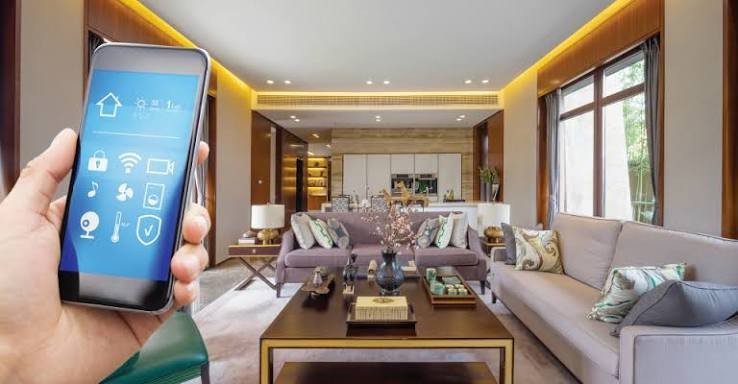
For example, a homeowner can use a smartphone to switch off forgotten lights, monitor security cameras, adjust air conditioning or lock doors while away from home.
The main objective of smart home technology is to make residential environments more comfortable, secure, convenient and energy-efficient.
2. How Does Smart Home Technology Work?
Smart home technology works through interconnected devices that collect information, communicate with one another and respond to user commands or programmed instructions.
Most smart home systems consist of five important components.
Smart Devices
These include intelligent lighting, thermostats, door locks, cameras, televisions, appliances and other connected equipment.
Sensors
Sensors detect changes in the surrounding environment, including movement, temperature, humidity, smoke, water leakage and light levels.
Communication Networks
Smart devices communicate through technologies such as Wi-Fi, Bluetooth, Zigbee, Z-Wave, Thread and other compatible networking solutions.
Smart Home Hub or Controller
A central controller or compatible platform coordinates connected devices and allows homeowners to manage different systems from one location.
Software and Mobile Applications
Applications provide an interface for monitoring, controlling and automating household equipment.
For instance, a motion sensor can detect someone entering a room and automatically activate the lighting system. Similarly, a temperature sensor can communicate with a smart thermostat to maintain comfortable indoor conditions.
This combination of connected devices, sensors and automation makes a home intelligent and responsive.
3. Essential Smart Home Technologies Transforming Modern Living
Several technologies are changing the way people design, build and manage residential properties.
A. Smart Lighting Systems
Smart lighting allows homeowners to control brightness, colour, switching schedules and lighting scenes through mobile applications or voice commands.
Some systems automatically adjust lighting based on occupancy and natural daylight.
Benefits include:
- Reduced unnecessary electricity consumption.
- Improved convenience and comfort.
- Customisable lighting environments.
- Remote lighting management.
- Enhanced home security through scheduled lighting.
B. Smart Security Systems
Home security is one of the most valuable applications of smart home technology.
Modern security solutions include smart cameras, video doorbells, intelligent door locks, motion detectors and alarm systems.
Homeowners can receive instant notifications when unusual activity is detected and view security camera footage remotely.
Some systems also allow temporary access permissions for visitors, maintenance personnel and authorised household members.
C. Smart Climate Control
Smart thermostats and intelligent air conditioning systems help maintain comfortable indoor temperatures while managing energy consumption.
These systems can learn household routines, respond to temperature changes and adjust cooling or heating according to occupancy.
In warm climates, including Uganda, intelligent ventilation and air conditioning controls can help improve indoor comfort while reducing unnecessary energy use.
D. Smart Appliances
Modern household appliances are increasingly incorporating internet connectivity and automation features.
Examples include:
- Smart refrigerators.
- Automated washing machines.
- Intelligent ovens.
- Connected dishwashers.
- Smart water heaters.
- Automated irrigation systems.
These appliances help simplify household activities and provide greater control over daily operations.
E. Voice-Controlled Home Automation
Voice assistants allow homeowners to control compatible devices using spoken commands.
Instead of manually operating switches, users can issue commands to adjust lighting, play music, control entertainment systems and manage other connected equipment.
Voice control is particularly useful for improving accessibility and convenience.
4. The Major Benefits of Smart Homes
Smart home technology offers several advantages that make modern residential properties more efficient and convenient.
Improved Convenience
Homeowners can manage multiple household systems from a smartphone or central control panel.
Automated routines also reduce the need to perform repetitive tasks manually.
Increased Energy Efficiency
Smart lighting, occupancy sensors and intelligent climate controls can reduce unnecessary electricity consumption.
For example, lights can automatically switch off when rooms are unoccupied, while air conditioning can adjust according to programmed schedules.
Enhanced Security
Connected security cameras, smart locks and motion sensors provide additional monitoring capabilities.
Homeowners can receive alerts and remotely check their properties, even when travelling.
Better Comfort
Automated lighting, temperature management, entertainment systems and other connected devices create more personalised living environments.
Remote Property Management
Smart technology allows homeowners and property managers to monitor selected household functions from almost anywhere with an internet connection.
This is particularly useful for people who own rental properties, holiday homes or multiple residential buildings.
Greater Accessibility
Voice commands and automated controls can make household environments easier to use for older adults and people with mobility limitations.
5. Smart Homes and Artificial Intelligence: A New Era of Automation
Artificial intelligence is taking smart home technology beyond basic remote control.
Traditional automation follows predefined instructions. AI-enabled systems can analyse patterns, interpret information and help make more intelligent decisions.
For example, an intelligent home system may:
- Learn when household members usually arrive home.
- Suggest adjustments to energy consumption.
- Identify unusual activity through compatible security systems.
- Recommend lighting and temperature settings.
- Automate routines based on user behaviour.
AI-powered home automation is creating opportunities for more personalised and responsive residential environments.
However, homeowners should understand that AI features vary between products and platforms. Not every smart home device uses artificial intelligence.
6. Understanding the Role of the Internet of Things (IoT) in Smart Homes
The Internet of Things (IoT) is one of the technologies driving the growth of smart homes.
IoT refers to physical devices equipped with sensors, software and connectivity that allow them to exchange information over networks.
In a smart home environment, IoT connects different devices so they can communicate and work together.
For example:
- A motion sensor detects movement in a living room.
- The connected controller receives the information.
- The smart lighting system responds.
- The lights automatically switch on.
- The system can switch them off when the room becomes unoccupied.
This integration creates a connected living environment where household systems operate more intelligently.
7. Are Smart Homes Expensive to Install?
The cost of installing smart home technology depends on the size of the property, the number of devices, the level of automation and the complexity of the installation.
A basic smart home setup may include smart bulbs, connected sockets and a mobile application.
More advanced installations may incorporate:
- Integrated lighting control.
- Automated curtains and blinds.
- Smart security systems.
- Climate control.
- Multi-room entertainment.
- Centralised home automation.
- Energy monitoring systems.
Homeowners do not necessarily need to automate everything at once.
A practical approach is to begin with essential systems and gradually expand the installation as requirements and budgets allow.
It is also important to consider ongoing costs such as subscriptions, maintenance, replacement devices and internet connectivity.
8. Challenges and Risks of Smart Home Technology
Although smart homes provide significant advantages, there are important considerations homeowners should understand before investing.
Cybersecurity and Privacy
Connected devices may collect personal information and communicate through the internet.
Weak passwords, outdated software and poorly secured networks can expose devices to cybersecurity risks.
Homeowners should:
- Use strong, unique passwords.
- Enable multi-factor authentication where available.
- Regularly update device software.
- Secure their home Wi-Fi network.
- Purchase devices from reputable manufacturers.
- Review privacy and data-sharing settings.
Internet Connectivity
Some smart home systems depend heavily on reliable internet connectivity.
Homeowners should consider devices that support local control or offline operation for essential functions.
Compatibility Issues
Not all smart home devices communicate with one another.
Before purchasing equipment, it is important to check compatibility with existing systems and supported platforms such as Matter.
Maintenance and Upgrades
Smart home systems require periodic software updates, troubleshooting and occasional hardware replacement.
Planning for maintenance helps ensure long-term reliability.
9. Smart Homes in Uganda and the Future of Intelligent Living
Smart home technology presents exciting opportunities for Uganda’s growing residential and property development sectors.
As residential developments, modern apartments, hotels and commercial properties continue to evolve, intelligent building solutions can help improve convenience, security and energy management.
In Uganda, practical smart home applications may include:
- Automated security and CCTV monitoring.
- Smart lighting to minimise unnecessary electricity use.
- Intelligent backup power monitoring.
- Automated water tank level monitoring.
- Smart access control.
- Remote monitoring of residential properties.
- Solar energy and battery monitoring integration.
Power reliability and energy management are particularly important considerations when designing smart homes in Uganda.
For this reason, homeowners and developers should consider integrating suitable backup power solutions, energy monitoring equipment and systems that can continue performing essential functions during internet or electricity interruptions.
The future of smart homes in Uganda will depend on affordable technology, reliable installation services, appropriate infrastructure and increased awareness of home automation solutions.
10. How to Start Building Your Own Smart Home
Creating a smart home does not require a complete property renovation.
You can begin with a few carefully selected devices and gradually expand your system.
Here are five practical steps:
Step 1: Identify Your Needs
Determine whether your priority is security, lighting, energy efficiency, entertainment or convenience.
Step 2: Set a Budget
Establish a realistic budget and prioritise essential installations.
Step 3: Choose Compatible Devices
Select devices that can communicate with one another and support your preferred smart home platform.
Step 4: Secure Your Network
Use reliable networking equipment, strong passwords and updated software to protect connected devices.
Step 5: Expand Gradually
Begin with basic automation and introduce more advanced technologies as your requirements grow.
Working with qualified smart home installers can also help ensure proper configuration, safety and reliable system integration.
11. What Does the Future Hold for Smart Homes?
Smart home technology continues to evolve, with new developments creating opportunities for more intelligent and sustainable residential environments.
Some important trends include:
- AI-powered automation: Homes that adapt more effectively to household routines.
- Energy management: Intelligent monitoring and optimisation of electricity consumption.
- Solar integration: Better coordination of solar panels, battery storage and household energy demands.
- Advanced security: More sophisticated detection, monitoring and access control.
- Matter-compatible devices: Improved interoperability between supported smart home products.
- Smart water management: Automated leak detection, water monitoring and irrigation.
- Healthier indoor environments: Connected air quality, humidity and ventilation monitoring.
These innovations are expected to make smart home technology increasingly useful in residential developments around the world.
Conclusion: Smart Homes Are Transforming the Way We Live
Smart homes represent a major shift in the way residential environments are designed, controlled and experienced.
By integrating automation, artificial intelligence, IoT devices and intelligent management systems, homeowners can enjoy greater convenience, improved security, better energy management and more comfortable living environments.
Whether you are planning a new home, upgrading an existing property or exploring modern building technologies, smart home solutions offer practical opportunities to improve everyday living.
The transition towards intelligent homes is no longer simply about having the latest gadgets. It is about creating connected, efficient, secure and sustainable living spaces that respond to people’s needs.
The future of modern living is intelligent, connected and automated. And that future is already here.
Frequently Asked Questions (FAQs)
1. What is a smart home in simple terms?
A smart home is a house equipped with connected devices that allow homeowners to control and automate lighting, security, appliances, temperature and other household functions.
2. What are examples of smart home technology?
Examples include smart lighting, automated curtains, smart locks, security cameras, smart thermostats, voice assistants, connected appliances and intelligent energy monitoring systems.
3. Do smart homes need internet access?
Many smart home devices use the internet for remote access and cloud-based services. However, some systems support local communication and automation without an active internet connection.
4. Are smart homes energy-efficient?
Yes. Smart lighting, occupancy sensors and intelligent climate controls can help reduce unnecessary energy consumption when properly configured.
5. Can I turn my existing house into a smart home?
Yes. Many smart home devices can be installed in existing properties without major structural changes.
6. Are smart homes safe from hackers?
No connected system is completely immune to cybersecurity threats. Strong passwords, secure networks, regular updates and reputable devices help reduce risks.
7. How much does a smart home cost in Uganda?
The cost varies depending on the property size, equipment, installation requirements and automation features. A basic setup is generally less expensive than a fully integrated smart home.
8. What is the difference between a smart home and a smart building?
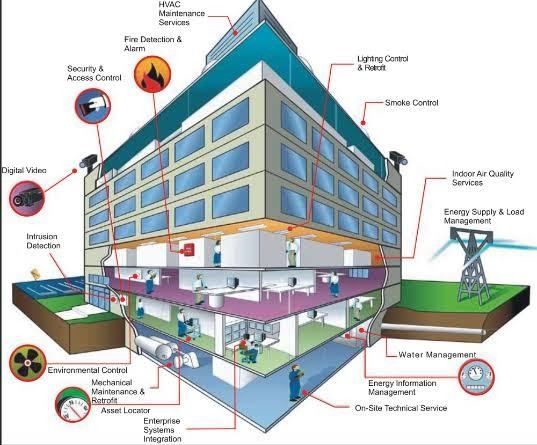
A smart home focuses primarily on residential automation and household management, while a smart building integrates wider systems such as HVAC, lighting, access control, energy management and building operations across residential, commercial or institutional properties.
Recommended Related Articles:
- The Role of Building Management Systems in Modern Smart Buildings.
- How Smart Lighting Systems Improve Energy Efficiency.
- The Benefits of Home Automation for Modern Homeowners.
- Smart Security Systems: Protecting Homes with Intelligent Technology.
- How Artificial Intelligence Is Transforming Building Management.