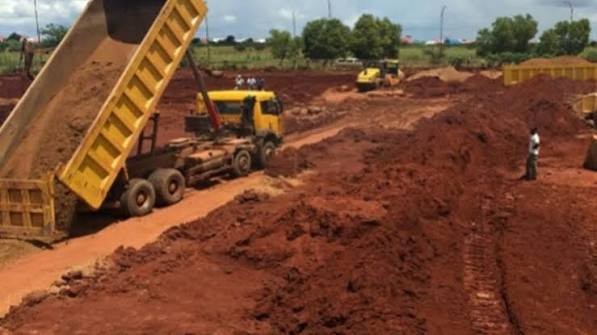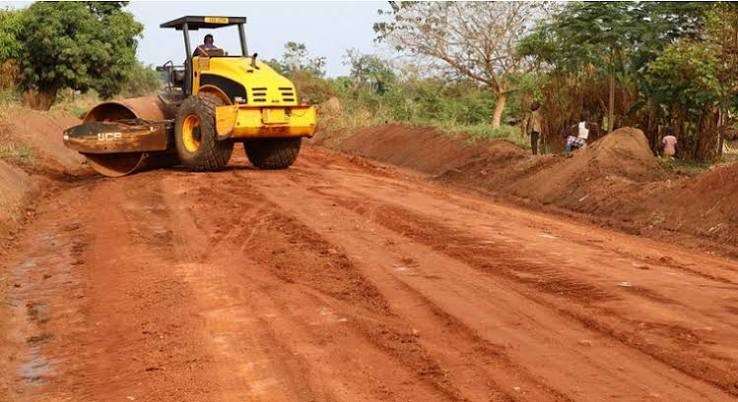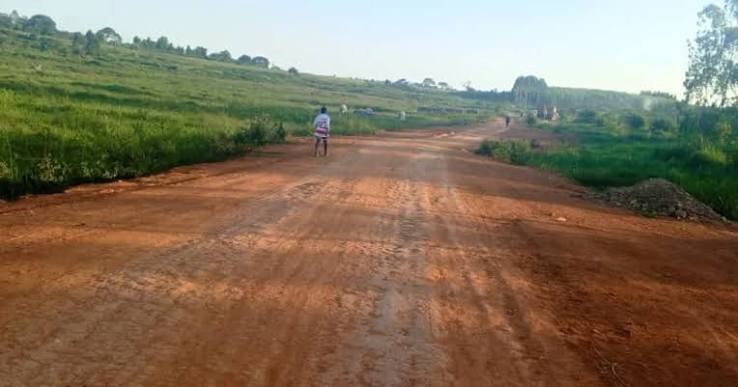
Reliable road access is essential for the successful development of farms, residential estates and industrial properties in Uganda. Whether you are opening a new farm access road, developing an estate, improving access to a commercial property or constructing roads within an industrial facility, a properly built murram road provides a practical solution for vehicle movement and transportation.
Murram road construction is widely used in Uganda because suitable gravel materials can provide a durable, economical road surface when properly selected, placed, compacted and maintained. However, the quality of the finished road depends on much more than spreading gravel over the ground. Proper site assessment, road alignment, earthworks, drainage, material selection and compaction are essential.
For farms, roads must support agricultural activities and the movement of produce, workers and machinery. Residential estates require well-planned access routes that support residents, visitors and service vehicles. Industrial sites need roads that can accommodate operational traffic, deliveries and, where specified, heavy commercial vehicles.
Daltrev Co. Ltd provides civil works services in Uganda, including murram road construction, road opening, road grading and improvement, drainage works, land levelling and other road-related services.
This guide explains how murram road construction works for farms, estates and industrial sites, the benefits, important construction considerations, cost factors and how to plan a successful road project.
What Is Murram Road Construction?
Murram road construction involves preparing a road formation and building a suitable gravel or murram surface to provide access for vehicles and other road users.
The process may involve clearing vegetation, excavating unsuitable soil, preparing the road foundation, installing drainage, placing selected gravel, spreading the material, conditioning it with water where necessary and compacting it to the required specification.
Murram roads are commonly used for:
- Farm access roads and agricultural estates.
- Residential housing developments.
- Commercial properties.
- Industrial facilities and factory compounds.
- Warehouses and storage facilities.
- Construction sites.
- Private access roads.
- Rural roads and community access routes.
The construction method and road specification should be selected according to the site’s ground conditions, expected traffic, drainage requirements and intended use.
Why Murram Roads Are Important for Farms, Estates and Industrial Sites
Road access influences how efficiently a property operates. A well-constructed road makes it easier for vehicles, workers, customers, suppliers and machinery to reach important areas.
Some of the main benefits include:
1. Improved Accessibility
Murram roads provide practical access to properties that may not have paved road connections.
They can connect farms to main roads, link residential plots within an estate and provide vehicle routes between different sections of an industrial property.
2. Better Transportation of Goods and Materials
Farms depend on transportation to move agricultural inputs, harvested produce, equipment and supplies. Industrial businesses also require reliable routes for transporting raw materials, finished products and machinery.
A properly constructed road helps support these activities.
3. More Efficient Daily Operations
Good internal road networks make it easier for vehicles and workers to move between buildings, storage areas, loading zones, fields and other important locations.
4. Practical Construction Costs
Murram roads can offer a lower initial construction cost than paved roads, depending on the site conditions, materials, drainage and required standard.
They can be a suitable option where a gravel surface meets the property’s traffic and operational requirements.
5. Easier Future Improvements
A properly planned murram road can form part of a phased infrastructure development plan. Where appropriate, sections can later be upgraded to a stronger gravel specification or paved surface as traffic and budgets change.
6. Improved Rainy-Season Access
Good road shaping, suitable materials and effective drainage help reduce water damage and improve accessibility during wet conditions.
However, no gravel road is automatically all-weather. Its performance depends on engineering design, construction quality, maintenance and site conditions.
1. Murram Road Construction for Farms in Uganda
<PRIVATE_PERSON>
Farm access roads are important for agricultural production, transportation and the movement of farm machinery. Farms may cover large areas and contain fields, livestock facilities, storage buildings, irrigation systems and processing areas that need to be connected by reliable access routes.
Without properly planned roads, transporting produce and agricultural supplies can become difficult, especially during periods of heavy rainfall.
Common Uses of Farm Access Roads
Murram roads can be constructed to provide access to:
- Crop farms and plantations.
- Livestock farms.
- Poultry and dairy facilities.
- Agricultural storage buildings.
- Produce collection points.
- Irrigation and water infrastructure.
- Farm processing facilities.
- Loading and distribution areas.
Important Considerations for Farm Road Construction
Road alignment: The route should connect important farm facilities while avoiding unnecessary earthworks and difficult terrain where practical.
Vehicle requirements: Consider the vehicles that will use the road, including tractors, pickup trucks, delivery vehicles, trailers and agricultural machinery.
Drainage: Farm roads should be designed to manage surface water and prevent erosion, especially on sloping land and in low-lying areas.
Suitable gravel: The selected murram should meet the requirements of the road specification and intended traffic.
Turning and loading areas: Some farms need additional space for trucks and machinery to turn, load and unload safely.
Benefits of Murram Roads on Farms
- Easier transportation of harvested produce.
- Better access to agricultural facilities.
- Improved movement of farm workers and machinery.
- More efficient delivery of farm supplies.
- Better connections between different farm sections.
- Improved access to storage and processing facilities.
For agricultural properties, road planning should consider the farm’s current operations as well as possible future expansion.
2. Murram Road Construction for Residential Estates
<PRIVATE_PERSON>
Residential estate development requires a road network that allows residents, visitors, delivery vehicles and service providers to move around conveniently.
Internal estate roads connect houses, plots, parking areas, recreational facilities, utility areas and entrance gates.
Murram roads can be used during early development or as a practical road surface where the project specification and long-term maintenance arrangements support their use.
Where Estate Roads Are Needed
Murram road construction may be suitable for:
- Internal residential estate roads.
- Private housing developments.
- Access roads connecting plots.
- Estate entrance roads.
- Roads leading to shared facilities.
- Temporary construction access routes.
- Private property access roads.
Important Considerations for Estate Road Construction
Road layout: Estate roads should follow a suitable layout that provides convenient access to residential plots and shared facilities.
Traffic movement: Consider the expected number of vehicles, visitor traffic, service vehicles and emergency access requirements.
Road width: The required width should reflect the road design, traffic requirements and available land.
Drainage planning: Stormwater should be directed away from the road surface and neighbouring properties through properly designed drainage arrangements.
Pedestrian safety: Where required, include appropriate pedestrian facilities, crossings, shoulders or other safety features in the overall estate layout.
Future development: Plan roads with future housing phases, utility installation and property expansion in mind.
Benefits of Murram Roads in Residential Estates
- Provides access to residential plots.
- Supports phased estate development.
- Allows delivery and service vehicles to reach properties.
- Connects different sections of the development.
- Can provide a practical initial road surface.
- Offers an option for projects with limited initial infrastructure budgets.
For estate developers, it is important to coordinate road construction with drainage, water supply, electricity and other infrastructure so that completed roads are not unnecessarily damaged by later works.
3. Murram Road Construction for Industrial Sites
Industrial facilities require roads that support the movement of goods, machinery, employees, suppliers and commercial vehicles.
Roads within industrial sites may experience more demanding traffic conditions than ordinary residential access roads. Some routes are regularly used by loaded trucks, trailers, forklifts and other heavy equipment.
For this reason, industrial road construction requires careful consideration of traffic loads, road geometry, drainage and pavement design.
Common Industrial Road Applications
Murram roads may be constructed for:
- Factory access roads.
- Warehouse access routes.
- Industrial park roads.
- Construction and material storage sites.
- Loading and unloading areas.
- Equipment access routes.
- Internal roads within commercial facilities.
- Temporary haul roads where appropriate.
Important Considerations for Industrial Road Construction
Expected vehicle loads: Determine the types, weights and frequency of vehicles using the road. Roads carrying heavy trucks require appropriate engineering design.
Road foundation: The underlying soil must be assessed to determine whether it can support the intended traffic or needs improvement.
Material quality: Gravel should be suitable for the specified pavement layers and expected operating conditions.
Drainage: Poor drainage can weaken the road formation and cause damage under heavy traffic.
Turning areas: Industrial sites may require wider junctions, turning spaces and loading areas to accommodate large vehicles.
Compaction and quality control: Appropriate construction procedures and testing help establish whether the completed road meets the project requirements.
Benefits of Murram Roads for Industrial Facilities
- Supports internal vehicle movement.
- Improves access to warehouses and factory buildings.
- Provides routes for deliveries and collections.
- Helps connect storage and operational areas.
- Can support phased industrial site development.
- Provides a practical access option where a gravel surface is suitable for the intended use.
Where heavy vehicles operate frequently, the road should not be designed simply as a basic light-traffic gravel road. Its construction standard must reflect the actual traffic and site conditions.
Comparison: Farm, Estate and Industrial Murram Roads
Although all three types of roads may use murram or selected gravel, their construction requirements can differ.
| Project type | Main purpose | Important construction considerations |
|---|---|---|
| Farm roads | Agricultural access and produce transportation | Machinery access, seasonal drainage, farm layout and loading areas |
| Estate roads | Residential access and internal movement | Road layout, pedestrian safety, drainage and future development |
| Industrial roads | Commercial operations and heavy vehicle movement | Traffic loading, foundation strength, turning areas and drainage |
The correct road specification should be established before construction begins. A road suitable for occasional farm traffic may not be suitable for a busy industrial facility.
Step-by-Step Process of Murram Road Construction
A successful murram road project requires proper planning and a controlled construction process. The exact sequence may vary depending on whether the project involves a new road, an existing road improvement or rehabilitation.
Step 1: Site Assessment and Inspection
The first stage involves examining the proposed road route and understanding the existing site conditions.
The assessment should consider:
- Ground conditions.
- Existing vegetation and obstructions.
- Terrain and slope.
- Existing drainage and water flow.
- Access for construction equipment.
- Expected vehicle traffic.
- Availability of suitable gravel materials.
This helps identify potential construction challenges and determine the work required.
Step 2: Road Alignment and Setting Out
The proposed road route is established according to the project layout and design.
Setting out helps identify the road centreline, boundaries, levels and important construction points.
Proper alignment reduces unnecessary excavation and helps ensure that the road connects the required areas.
Step 3: Site Clearing and Vegetation Removal
Vegetation, bushes, roots and other obstructions are removed from the construction area.
Where necessary, unsuitable topsoil and loose materials are also removed.
The extent of clearing depends on the proposed road alignment and site condition.
Step 4: Earthworks and Road Formation
Earthworks prepare the ground to form the road foundation.
This may involve cutting high sections, filling low areas, removing unsuitable soil and shaping the road formation.
The objective is to establish a suitable foundation for the road layers.
Step 5: Drainage Construction
Drainage structures should be installed according to the road design and the site’s water conditions.
These may include side drains, culverts, drainage outlets and other water-management structures.
Drainage should be planned before the final road surface is completed to avoid unnecessary reworking.
Step 6: Gravel Material Selection and Testing
The proposed gravel should be checked to establish whether it meets the requirements of the specified road layer.
Depending on the project, testing may assess grading, plasticity, strength and other relevant material properties.
The source of the material and its transportation distance should also be considered when estimating the project cost.
Step 7: Gravel Transportation and Placement
Suitable gravel is transported to the construction site using appropriate trucks.
The material is placed and spread according to the required layer thickness and construction method.
The contractor should ensure that the material is distributed consistently and that unsuitable material is not mixed into the road layer.
Step 8: Moisture Conditioning and Compaction
Where required, the gravel is conditioned to an appropriate moisture content before compaction.
A road roller or other suitable compaction equipment is used to achieve the required density under the project specification.
Compaction is important because loose or poorly compacted gravel can lead to settlement, rutting and premature surface damage.
Step 9: Road Shaping and Finishing
The road surface is shaped to provide the required levels, crossfall and drainage characteristics.
The finished surface should allow water to drain rather than collect in depressions.
Shoulders and connecting access points should be completed as required by the design.
Step 10: Inspection and Quality Checks
The completed road should be inspected to confirm that it meets the agreed requirements.
Checks may include road dimensions, surface condition, drainage performance, material quality and compaction results where specified.
Step 11: Handover and Maintenance Planning
After completion, the road should be reviewed with the client and any outstanding work addressed.
A maintenance plan should identify the inspections and routine activities needed to keep the road in serviceable condition.
Machinery Used for Murram Road Construction
The equipment required depends on the project size, ground conditions, construction method and scope of work.
| Machinery | Main function |
|---|---|
| Motor grader | Road shaping, grading and finishing |
| Bulldozer | Clearing and earthmoving |
| Excavator | Excavation and drainage works |
| Wheel loader | Loading and handling gravel |
| Tipper trucks | Transporting gravel and excavated material |
| Road roller | Compacting prepared road layers |
| Water bowser | Moisture conditioning and dust control |
| Backhoe loader | Smaller excavation and drainage activities |
Selecting suitable machinery helps improve productivity and avoid unnecessary equipment costs.
What Determines the Cost of Murram Road Construction in Uganda?
The cost of murram road construction for farms, estates and industrial sites depends on several project-specific factors.
1. Road Length
Longer roads normally require more materials, labour, equipment operating hours and transportation.
2. Road Width
Wider roads require more excavation, gravel, spreading and compaction. Industrial roads may also need additional space for turning and loading.
3. Ground Conditions
Soft soils, rocky areas, steep slopes and swampy sections may require additional earthworks or ground improvement.
4. Gravel Quality and Availability
The cost depends on the suitability of available material, testing requirements, source location and quantity required.
5. Transportation Distance
Longer distances between the gravel source and the site increase truck hire, fuel and delivery expenses.
6. Drainage Requirements
Culverts, side drains, water crossings and erosion protection can add significantly to the construction budget.
7. Equipment and Labour
The machinery, operators, workers and supervision required depend on the size and complexity of the project.
8. Compaction and Quality Control
The required construction standard, testing and inspection activities influence the final cost.
9. Weather and Project Location
Rainfall, access difficulties and remote locations can affect transportation, construction time and equipment mobilisation.
10. Intended Traffic
An industrial road designed for regular heavy trucks may require more substantial construction than an access road used mainly by light vehicles.
There is no single price that applies to every farm, estate or industrial road. A site assessment and an itemised quotation are the best ways to establish the actual project cost.
How to Make Murram Roads More Durable
A durable murram road is the result of proper design, suitable materials, controlled construction and regular maintenance.
The following practices help improve road performance:
- Assess the ground conditions before construction.
- Use gravel that meets the project requirements.
- Remove unsuitable materials from the road formation.
- Construct drainage according to the site conditions.
- Place gravel in controlled layers.
- Condition material to the appropriate moisture level before compaction.
- Achieve the specified compaction.
- Shape the road surface to drain water effectively.
- Protect drainage outlets against erosion.
- Inspect the road regularly, especially after heavy rainfall.
- Repair defects before they become extensive.
For industrial roads, special attention should be given to traffic loads, turning movements and heavily used sections.
Common Problems in Poorly Constructed Murram Roads
Poor construction practices can result in road defects that increase maintenance costs and disrupt access.
Potholes
Potholes can develop where water enters weakened road material or where the surface deteriorates under traffic.
Rutting
Rutting refers to wheel-track depressions that may result from weak materials, inadequate compaction, poor drainage or excessive traffic loading.
Erosion
Water flowing over the road surface can remove gravel and damage the road formation.
Muddy Sections
Poor drainage and unsuitable materials can cause sections of the road to become muddy during wet weather.
Loose Gravel
Insufficient compaction or unsuitable material may cause gravel to loosen under vehicle movement.
Uneven Road Surfaces
Poor grading and inadequate finishing can create depressions and uncomfortable driving conditions.
The best way to prevent these problems is to address material suitability, drainage, road foundation and compaction during construction.
Murram Roads vs Tarmac Roads: Which Is Better for Your Project?
The choice between murram and tarmac depends on the project’s purpose, budget, traffic and long-term maintenance plans.
| Feature | Murram road | Tarmac road |
|---|---|---|
| Initial construction cost | Generally lower, depending on conditions | Generally higher |
| Surface type | Gravel or selected murram | Bituminous paved surface |
| Maintenance | Requires periodic grading and gravel maintenance | Requires pavement inspection and repairs |
| Heavy traffic | Depends on pavement design and material quality | Can be designed for higher traffic demands |
| Rainy-season performance | Strongly depends on drainage and material quality | Generally offers a more sealed surface |
| Suitable applications | Farms, access roads, estates and selected industrial routes | Urban roads, busy access roads and higher-demand routes |
Murram may be suitable where the traffic and maintenance requirements allow it. Tarmac may be more appropriate where traffic volumes, operating conditions or long-term development plans justify a paved road.
The decision should be based on a project assessment rather than initial cost alone.
Why Choose Daltrev Co. Ltd for Civil Works and Murram Road Construction?
Selecting a civil works provider is an important decision for property owners, estate developers, farmers and industrial project managers.
Daltrev Co. Ltd provides civil works services in Uganda, including:
- Murram road construction.
- Road opening.
- Road grading and improvement.
- Land levelling and landscaping.
- Tarmac road construction.
- Drainage works.
- Bridge construction.
The company also provides construction consultancy and construction project management support.
When planning a road project, Daltrev Co. Ltd can be contacted to discuss the proposed works, project requirements and the next steps for obtaining a quotation.
Whether you need access roads for an agricultural property, internal roads for a residential estate or road improvements within an industrial site, it is important to establish the construction scope and site conditions before work begins.
Explore the Daltrev Co. Ltd Civil Works page to learn more about its road construction and related services.
You can also visit the Daltrev Co. Ltd Works page for information about its services.
Frequently Asked Questions About Murram Road Construction for Farms, Estates and Industrial Sites
1. What is murram road construction?
Murram road construction involves preparing a road formation and placing suitable gravel or murram to create a road surface. The process may include clearing, earthworks, drainage, gravel placement, moisture conditioning, compaction and finishing.
2. Is murram road construction suitable for farms in Uganda?
Yes. Murram roads can provide access to crop farms, livestock facilities, storage buildings and agricultural processing areas. The road should be designed according to the expected vehicles, ground conditions, drainage and agricultural operations.
3. Can murram roads be constructed in residential estates?
Yes. Murram roads can provide internal access within residential developments and connect houses, plots and shared facilities. The design should consider traffic movement, pedestrian safety, drainage and future development.
4. Are murram roads suitable for industrial sites?
They can be suitable for selected industrial applications, provided the gravel road is designed for the expected traffic and vehicle loads. Industrial roads carrying frequent heavy trucks may require a stronger pavement design and additional quality control.
5. How much does murram road construction cost in Uganda?
The cost depends on road length, width, ground conditions, gravel quality, haulage distance, drainage, machinery, labour and the required construction specification. A site assessment is needed to prepare an accurate quotation.
6. What materials are used in murram road construction?
The main materials include suitable gravel or murram for the specified road layers. Other materials may be required for drainage structures, culverts, erosion protection and ground improvement, depending on the project design.
7. What machinery is required for murram road construction?
Common machinery includes motor graders, bulldozers, excavators, wheel loaders, tipper trucks, road rollers and water bowsers. The exact equipment depends on the site and construction activities.
8. Why is drainage important in murram road construction?
Drainage helps control water flowing across or collecting around the road. Proper drainage reduces erosion, potholes, soft spots and damage to the road foundation.
9. How long does murram road construction take?
The construction period depends on the road length, site conditions, weather, availability of materials, equipment and drainage requirements. The contractor should provide a realistic programme after assessing the project.
10. Can an existing farm or estate road be improved?
Yes. An existing road may be improved through grading, reshaping, pothole repairs, drainage improvements, gravel placement and compaction. Severely damaged sections may require more extensive rehabilitation.
11. How can I make an industrial murram road strong enough for heavy trucks?
The road should be designed according to expected traffic loading and site conditions. This may require ground investigation, suitable pavement materials, appropriate layer design, drainage and specified compaction and testing. A basic light-traffic road specification should not automatically be used for heavy industrial traffic.
12. Does Daltrev Co. Ltd offer murram road construction services?
Yes. Daltrev Co. Ltd lists murram road construction, road opening, road grading and improvement, drainage works and other civil works among its services. Contact the company to discuss your project requirements and location.
Contact Daltrev Co. Ltd for Murram Road Construction in Uganda
Are you planning to construct a farm access road, develop internal roads for a residential estate or improve vehicle access within an industrial property?
Proper road planning helps establish the right construction approach, materials, drainage requirements and project budget.
Contact Daltrev Co. Ltd to discuss your murram road construction and civil works requirements in Uganda.
Daltrev Co. Ltd Contact Details
- Website: https://www.daltrevco.com/
- Civil Works: https://www.daltrevco.com/civil-works/
- Contact Page: https://www.daltrevco.com/contact-us/
- Phone: +256 744 702 773
- Email: daltrevco@gmail.com
Daltrev Co. Ltd – Civil Works and Road Construction Solutions in Uganda.