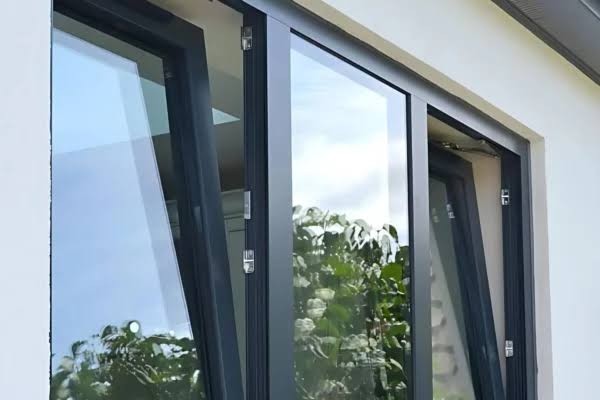
Modern homes require windows that combine style, durability, security, natural lighting and energy efficiency. Whether you are constructing a new house or renovating an existing property, choosing the right window material is an important decision that affects the appearance, comfort and long-term maintenance of your home.
Aluminium windows have become a popular choice for modern residential buildings because of their sleek appearance, strength, versatility and ability to complement different architectural designs. They are suitable for contemporary houses, apartments, maisonettes, villas and other residential properties.
In Uganda, where homeowners experience different weather conditions throughout the year, selecting durable and properly installed windows is particularly important. Aluminium windows offer practical advantages when they are manufactured using suitable materials, fitted with appropriate glazing and installed professionally.
This guide explores the major benefits of installing aluminium windows in modern homes, the different designs available, factors to consider before purchasing and why professional installation matters.
1. Modern and Attractive Appearance
One of the biggest advantages of aluminium windows is their modern appearance. Their slim frames and clean lines create an elegant finish that complements contemporary architectural designs.
Unlike some traditional window materials that require thicker frames, aluminium can provide strong structural support with relatively narrow profiles. This allows more glass to be incorporated into the window design.
Aluminium windows are suitable for:
- Contemporary residential houses.
- Luxury homes and villas.
- Modern apartments.
- Townhouses and maisonettes.
- Renovated residential properties.
- Homes with large window openings.
Homeowners can choose from different colours and finishes to complement their roofs, doors, walls, interior finishes and overall architectural style.
2. Excellent Durability and Long-Term Performance
Durability is an important consideration when choosing windows for a residential building. Windows are continuously exposed to sunlight, rain, dust, wind and changing temperatures.
Aluminium is a strong material that performs well in many residential applications when the correct profiles, surface finishes and installation methods are used.
Unlike untreated timber, aluminium does not rot or attract termites. It also does not swell in the same way that some materials can when exposed to moisture.
With proper fabrication, suitable protective finishes and regular maintenance, aluminium windows can provide many years of reliable service.
For homeowners in Uganda, this makes aluminium a practical option for properties exposed to different environmental conditions.
3. Low Maintenance Requirements
Another important benefit of aluminium windows is that they are relatively easy to maintain.
Unlike timber windows, which may require regular repainting, sealing or treatment, aluminium frames generally require less intensive maintenance.
Routine maintenance includes:
- Cleaning frames with water and mild detergent.
- Removing dust and dirt from window tracks.
- Checking drainage openings for blockages.
- Inspecting handles, hinges and locking systems.
- Lubricating moving components when necessary.
- Checking seals and weatherstripping for deterioration.
Regular cleaning and inspection help maintain the appearance and functionality of aluminium windows.
This is especially beneficial for homeowners who want attractive windows without spending too much time on maintenance.
4. Improved Natural Lighting
Natural lighting contributes significantly to the comfort and appearance of modern homes. Well-designed windows allow daylight to enter rooms, making interior spaces feel brighter and more welcoming.
Aluminium window systems can accommodate large glass panels and slim frame designs, helping increase the glazed area of a window opening.
This can be beneficial in:
- Living rooms.
- Dining areas.
- Bedrooms.
- Home offices.
- Kitchens.
- Staircases and corridors.
Good natural lighting can also reduce the need to use artificial lighting during daylight hours.
However, window size and positioning should be carefully considered to avoid excessive heat gain, glare and loss of privacy. Appropriate glass selection, shading and building orientation help achieve a comfortable balance.
5. Strong and Secure Window Frames
Home security is an important consideration for every property owner. Aluminium is a strong material that can support well-designed window systems with appropriate locking mechanisms.
When professionally fabricated and installed, aluminium windows can accommodate security features such as:
- Multi-point locking systems where suitable.
- Quality window handles and locks.
- Secure hinges.
- Reinforced frame sections.
- Suitable safety glazing.
- Additional security measures where required.
The overall security of a window depends on more than the frame material. Glass type, locking hardware, frame design, installation quality and the surrounding building structure all contribute to its performance.
Homeowners should therefore consider the complete window system rather than choosing windows based on appearance alone.
6. Resistance to Moisture, Rot and Termites
Moisture can damage certain building materials over time. Wooden window frames, for example, may deteriorate when they are not properly treated, sealed and maintained.
Aluminium does not rot and is not affected by termites. This makes it a useful alternative for homeowners looking for a window material that can withstand exposure to moisture.
However, aluminium windows still require proper surface finishing, drainage design, weather seals and installation.
Poor installation can allow rainwater to enter around the window frame, even when the aluminium itself is in good condition.
For this reason, professional measurement, sealing and fitting are essential for achieving reliable performance.
7. Wide Range of Designs and Customisation Options
Modern residential architecture includes different window shapes, sizes and opening styles. Aluminium is versatile and can be fabricated into various configurations to suit the design and functional requirements of a home.
Common aluminium window designs include:
Sliding Aluminium Windows
<AsyncImage query=”modern residential home aluminium sliding glass windows” aspectRatio=”16:9″/>
Sliding windows operate horizontally along tracks. They are suitable for rooms where space is limited because the window panels do not swing into the room or outside.
They are commonly installed in living rooms, bedrooms and apartments.
Casement Aluminium Windows
<AsyncImage query=”modern house black aluminium casement windows open outward” aspectRatio=”16:9″/>
Casement windows are attached to hinges and open outward or inward, depending on their design. They can provide good ventilation when correctly positioned and fitted with suitable weather seals.
Top-Hung Aluminium Windows
<AsyncImage query=”modern aluminium top hung awning windows residential house” aspectRatio=”16:9″/>
Top-hung windows are hinged at the top and open outward from the bottom. They are useful in spaces where controlled ventilation is required.
Fixed Aluminium Windows
<AsyncImage query=”contemporary home large fixed aluminium glass windows” aspectRatio=”16:9″/>
Fixed windows do not open. They are designed to provide natural light and views while maintaining a clean architectural appearance.
They are suitable for staircases, feature walls and areas where additional ventilation is not required.
Aluminium Louver Windows
<AsyncImage query=”modern aluminium glass louvre windows residential building” aspectRatio=”16:9″/>
Louvre windows use adjustable blades to control airflow. They can be useful in kitchens, bathrooms and other spaces where ventilation is important.
Choosing the right design depends on the room, ventilation requirements, privacy, security and architectural style.
8. Better Indoor Comfort Through Appropriate Glazing
Aluminium windows can be fitted with different types of glass to meet the comfort and safety requirements of a residential building.
Available glazing options may include:
- Clear glass: Allows natural light and clear visibility.
- Tinted glass: Helps reduce glare and solar transmission, depending on the glass specification.
- Reflective glass: Provides a reflective appearance and can help manage solar gain.
- Toughened safety glass: Designed to withstand greater impact than ordinary annealed glass of comparable thickness and to break into smaller pieces.
- Laminated safety glass: Uses bonded glass layers with an interlayer that helps hold fragments together when broken.
- Double glazing: Uses two panes separated by a sealed cavity and can improve thermal and acoustic performance when properly specified.
For homes in Uganda, glazing should be selected according to the building’s orientation, exposure to direct sunlight, privacy requirements and intended use of each room.
It is also important to understand that aluminium is naturally a good conductor of heat. Where higher thermal performance is required, homeowners can consider thermally broken aluminium systems and suitable glazing.
9. Space-Saving Designs for Modern Homes
Modern homes often require practical solutions that make efficient use of available space.
Sliding aluminium windows are particularly useful because they operate along tracks rather than swinging open. This makes them suitable for rooms with limited space or furniture positioned close to windows.
Other window styles can also be selected to suit the available opening and the intended use of a room.
When planning a residential project, consider how each window will operate, whether furniture will obstruct it and whether there is enough external clearance.
10. Aluminium Windows Can Complement Different Architectural Styles
Aluminium windows are not limited to one type of building design. Their flexibility makes them suitable for traditional-inspired homes, contemporary houses and modern commercial-residential developments.
They can be incorporated into:
- Minimalist architectural designs.
- Contemporary luxury homes.
- Modern flat-roof houses.
- Two-storey residential buildings.
- Apartments and rental properties.
- Renovated houses with updated finishes.
Popular finishes include black, white, grey, bronze and other powder-coated or approved surface finishes.
The selected colour should complement the property’s overall design and exterior materials.
11. Potential to Improve Energy Efficiency
Energy efficiency is becoming an important consideration in residential building design.
Well-designed aluminium window systems can contribute to indoor comfort and help manage heat gain and heat loss when the correct glazing, seals and frame specifications are selected.
For better performance, homeowners should consider:
- Appropriate glass specifications.
- Double glazing where justified by the project.
- Thermally broken aluminium profiles where required.
- Proper weatherstripping.
- Correct window orientation.
- External shading and roof overhangs.
- Professional installation to minimise air leakage.
It is important to note that standard aluminium frames can transfer heat more readily than some alternative materials. Therefore, the energy performance of a window depends on the complete system rather than the aluminium frame alone.
12. Increased Property Appeal and Marketability
The appearance and quality of windows can influence how a residential property is perceived.
Modern aluminium windows can give a house a clean, finished and contemporary appearance. Large glazed openings can also improve natural lighting and create attractive views of outdoor spaces.
For property developers, landlords and homeowners planning to sell or rent their properties, well-selected windows can contribute to the overall presentation and functionality of the building.
Although aluminium windows do not automatically increase a property’s market value by a fixed amount, quality materials and professional finishing can make a property more attractive to potential buyers and tenants.
13. Suitable for New Construction and Renovation Projects
Aluminium windows can be used in both new residential construction and renovation projects.
For new houses, they can be incorporated into the architectural design from the planning stage. This allows the architect and window installer to coordinate opening sizes, glass specifications, ventilation and exterior appearance.
For renovation projects, existing windows can be replaced with aluminium systems to modernise the property.
Before replacing old windows, it is important to inspect the existing openings, surrounding walls, lintels and any signs of water damage. Accurate measurements help ensure that the new windows fit properly.
Factors to Consider Before Installing Aluminium Windows in Your Home
Although aluminium windows offer many advantages, choosing the right system requires careful planning.
1. Quality of Aluminium Profiles
Do not select aluminium windows based on price alone. Ask about the profile specification, material quality, dimensions and suitability for the intended window size.
2. Glass Thickness and Type
The correct glass depends on the window dimensions, location, safety requirements and expected performance. Large openings may require specially designed glazing systems.
3. Window Design
Select opening styles that suit the room, available space, ventilation requirements and overall architectural design.
4. Surface Finish
Choose a suitable finish that complements your property and is appropriate for the environmental conditions where the building is located.
5. Locks, Hinges and Accessories
Handles, rollers, hinges, locks and other accessories affect how well a window operates. Quality components help improve reliability and ease of use.
6. Weatherproofing
Proper drainage, sealing and installation are essential to reduce water penetration and unwanted air leakage.
7. Professional Fabrication and Installation
Accurate measurements and correct installation are important for achieving a good fit, smooth operation and reliable performance.
How Much Do Aluminium Windows Cost in Uganda?
The cost of aluminium windows in Uganda varies depending on the window design, dimensions, glass specification, aluminium profile, hardware, finish and installation requirements.
There is no single price that applies to every residential project.
The main factors affecting the cost include:
- Size and number of windows required.
- Type and quality of aluminium profiles.
- Sliding, casement, fixed or louvre design.
- Glass thickness and specification.
- Toughened or laminated safety glazing requirements.
- Powder-coated or other surface finishes.
- Quality of handles, hinges, rollers and locking systems.
- Complexity of fabrication and installation.
- Transport and site accessibility.
For an accurate quotation, homeowners should provide the approximate window dimensions, preferred designs, glass requirements and project location.
It is advisable to compare quotations based on the complete specifications rather than choosing the cheapest offer. A low quotation may exclude important items such as quality hardware, suitable glazing, finishing or installation.
The Process of Installing Aluminium Windows
Professional installation involves several stages to ensure that the finished windows meet the property’s requirements.
Step 1: Consultation and Assessment
The installer discusses the homeowner’s preferred designs, number of windows, functional requirements and budget.
Step 2: Measurement of Window Openings
Each opening is measured accurately. The installer also checks the condition of the surrounding walls and identifies any adjustments required before installation.
Step 3: Selection of Profiles and Glass
The appropriate aluminium profiles, glazing, finishes and hardware are selected according to the project specifications.
Step 4: Fabrication
The aluminium frames are cut, assembled and prepared according to the approved measurements and designs.
Step 5: Installation
The completed window units are positioned, aligned and secured within the openings using suitable fixing methods.
Step 6: Sealing and Finishing
Appropriate seals and weatherproofing materials are applied to help reduce water and air infiltration.
Step 7: Testing and Inspection
The installer checks that the windows open, close and lock properly. Drainage, seals, frame alignment and overall finishing are also inspected.
Common Mistakes to Avoid When Buying Aluminium Windows
Homeowners can avoid unnecessary costs and future problems by paying attention to the following mistakes:
- Choosing the cheapest windows without checking specifications: Low prices may come with unsuitable profiles, poor hardware or inadequate glazing.
- Ignoring glass quality: The glass should meet the safety and functional requirements of its location.
- Using incorrect measurements: Poor measurements can lead to gaps, fitting problems and additional costs.
- Selecting unsuitable window designs: A window should match the available space, ventilation needs and intended use of the room.
- Ignoring weatherproofing: Poor sealing and blocked drainage can result in water entering the building.
- Overlooking security: Appropriate locks, hinges and glazing should be considered during selection.
- Hiring installers without checking their work: Poor fabrication and installation can affect the performance and appearance of the finished windows.
- Failing to inspect completed work: Every window should be tested before the project is considered complete.
Why Choose Professional Aluminium Window Services from Daltrev Co. Ltd?
Selecting the right aluminium windows is only part of the process. Proper fabrication, finishing and installation are equally important in achieving the desired results.
Daltrev Co. Ltd provides aluminium works and solutions for residential and commercial projects in Uganda. The company focuses on aluminium fabrication and installation to support building designs that require functional, attractive and professionally finished aluminium systems.
Whether you are constructing a new home, upgrading an existing property or planning a residential development, Daltrev can be contacted to discuss your aluminium works requirements.
When planning your project, consider discussing:
- Your preferred aluminium window designs.
- The number and dimensions of the required windows.
- Suitable glass and frame specifications.
- Preferred colours and finishes.
- Installation requirements.
- Project timelines and quotation details.
Visit the Daltrev Co. Ltd website to learn more about its services, explore its completed works and projects and contact the team for enquiries.
Conclusion: Are Aluminium Windows a Good Choice for Modern Homes?
Aluminium windows are an excellent option to consider when building or renovating a modern home. Their attractive appearance, strength, low maintenance requirements, design flexibility and compatibility with different glazing options make them suitable for a wide range of residential properties.
However, the final performance depends on selecting the right aluminium profiles, glass, hardware and installation methods.
Before making a purchase, compare specifications, assess your home’s requirements and work with a qualified aluminium fabricator and installer.
If you are planning to install aluminium windows in your home in Uganda, contact Daltrev Co. Ltd to discuss your project and request a quotation for suitable aluminium works.
Frequently Asked Questions About Aluminium Windows
1. Are aluminium windows good for modern homes?
Yes. Aluminium windows are suitable for modern homes because they offer a contemporary appearance, strong frames, low maintenance requirements and a wide range of design options.
2. How long do aluminium windows last?
Aluminium windows can last for many years when manufactured using suitable materials, correctly installed and properly maintained. Their lifespan depends on profile quality, surface protection, hardware, exposure and maintenance.
3. Are aluminium windows better than wooden windows?
Aluminium and timber each have advantages. Aluminium generally requires less maintenance and is not affected by termites or rot, while timber offers a natural appearance and can provide good thermal performance. The best option depends on the building design, budget and maintenance preferences.
4. Do aluminium windows rust?
Aluminium does not rust in the same way as iron or steel. However, it can corrode under certain conditions, particularly when unsuitable materials, finishes or installation practices are used. Appropriate surface protection and maintenance are important.
5. Do aluminium windows reduce outside noise?
They can help reduce outside noise when designed with suitable glazing, effective seals and proper installation. Acoustic performance depends on the complete window system, not simply the aluminium frame.
6. Which aluminium window design is best for a living room?
Sliding, casement and fixed aluminium windows can all work well in living rooms. The best option depends on the size of the opening, ventilation needs, available space and preferred appearance.
7. Are aluminium windows suitable for Uganda’s weather?
Yes. Aluminium windows can be suitable for Uganda’s varying weather conditions when they have appropriate surface finishes, quality seals, suitable drainage and professional installation.
8. Can aluminium windows be customised?
Yes. Aluminium windows can be fabricated in different sizes, colours, opening styles and configurations to suit the architectural requirements of a property.
9. Are aluminium windows expensive in Uganda?
The cost varies according to dimensions, profile specifications, glass type, design, hardware and installation requirements. Requesting a quotation based on actual measurements and specifications is the best way to establish the cost.
10. Where can I get aluminium windows in Uganda?
Homeowners can contact aluminium fabrication and installation companies such as Daltrev Co. Ltd to discuss their preferred window designs, specifications and installation requirements. Visit https://www.daltrevco.com/ for more information.