Glass and aluminium works play an important role in modern construction across Uganda. From residential houses and apartment buildings to offices, hotels, shopping centres and industrial facilities, glass and aluminium installations provide practical, attractive and durable solutions for different building requirements.
Whether you are constructing a new property, renovating an existing building or upgrading your commercial premises, choosing the right glass and aluminium products can improve the appearance, functionality, security and natural lighting of your space.
In Uganda, the demand for modern aluminium windows, glass doors, office partitions, shopfronts, curtain walls, balustrades and other architectural installations continues to grow as property owners embrace contemporary building designs.
However, achieving a good result requires more than selecting attractive glass panels or aluminium frames. Material quality, accurate measurements, suitable designs, professional fabrication and proper installation all influence the final outcome.
This complete guide explores glass and aluminium works in Uganda, the available products, their benefits, factors to consider when choosing materials, installation processes and how to select a suitable service provider.
What Are Glass and Aluminium Works?
Glass and aluminium works refer to the fabrication, supply and installation of building components made using glass panels and aluminium framing systems.
These materials are commonly combined to create functional architectural features that provide visibility, natural lighting, ventilation, security and modern appearance.
Aluminium is widely used for frames, supporting structures and profiles because it is lightweight, durable and suitable for different architectural designs. Glass is used for windows, doors, partitions, façades, balustrades and decorative applications.
Depending on the building requirements, glass and aluminium installations can be customised in different sizes, finishes, colours, configurations and levels of performance.
Common glass and aluminium works in Uganda include:
- Aluminium windows and doors.
- Glass office partitions.
- Aluminium sliding and folding doors.
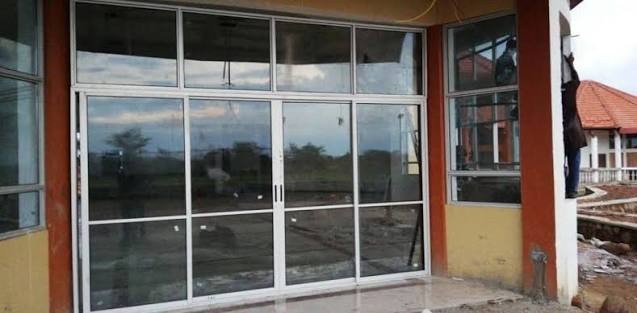
- Glass shopfronts and commercial entrances.
- Aluminium curtain wall systems.
- Frameless glass installations.
- Glass balustrades and stair railings.
- Shower enclosures and bathroom screens.
- Aluminium cladding and architectural features.
- Custom glass and aluminium fabrication.
Common Types of Glass and Aluminium Works in Uganda
Different buildings require different glass and aluminium solutions. The best choice depends on the intended use, architectural design, available space, safety requirements and budget.
1. Aluminium Windows
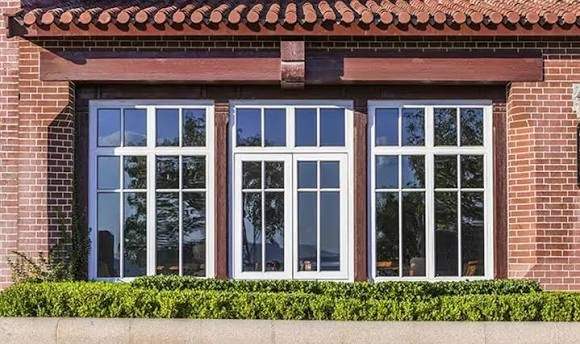
Aluminium windows are among the most common installations in modern Ugandan buildings. They are suitable for homes, apartments, offices, hotels, schools and commercial properties.
They are available in several designs, including sliding, casement, fixed, top-hung and louvre windows.
Benefits of aluminium windows include:
- Modern and attractive appearance.
- Resistance to warping and termite damage.
- Relatively low maintenance requirements.
- Compatibility with different glass types.
- Availability in various colours and finishes.
- Suitability for different building designs.
When selecting aluminium windows, consider frame quality, profile dimensions, glass specifications, locking systems, drainage and weather-sealing details.
2. Aluminium and Glass Doors
Aluminium and glass doors combine strong framing systems with transparent or translucent glass panels. They are commonly installed in residential houses, offices, hotels, shopping centres and other commercial buildings.
Popular options include sliding doors, hinged doors, folding doors, French doors and framed glass entrance doors.
These doors can help maximise natural light, create a modern entrance and connect indoor spaces with outdoor areas.
For external doors, pay attention to the quality of the frame, locking mechanism, hinges or rollers, glass specification and installation.
3. Glass Office Partitions
Glass office partitions are increasingly used in modern workplaces because they create separate working areas without making interiors feel closed or dark.
They can be installed in corporate offices, reception areas, meeting rooms, conference facilities and commercial buildings.
Common options include:
- Clear glass partitions.
- Frosted glass partitions.
- Tinted glass partitions.
- Frameless glass partitions.
- Aluminium-framed glass partitions.
- Decorative and branded glass partitions.
Glass partitions allow natural light to move between spaces while maintaining a professional interior appearance. Frosted or patterned glass can provide additional visual privacy where required.
For meeting rooms and confidential workspaces, consider suitable acoustic performance rather than assuming ordinary glass partitions will provide soundproofing.
4. Glass Shopfronts and Commercial Entrances
Glass shopfronts are popular among retailers, restaurants, banks, showrooms and shopping centres.
They provide clear visibility into commercial spaces, allowing businesses to display products and create attractive entrances.
Aluminium framing can be used to support the glass panels while providing a neat and organised finish.
When planning a glass shopfront, consider:
- The size and layout of the entrance.
- Suitable safety glass.
- Door opening arrangements.
- Security locks and access control.
- Aluminium frame strength.
- Weather protection.
- Visibility and branding requirements.
A properly designed shopfront should balance appearance, accessibility, safety and security.
5. Aluminium Curtain Walls
Curtain wall systems are non-load-bearing external building envelopes commonly used in commercial buildings, office towers, hotels and other modern developments.
They combine glass panels with aluminium framing systems to create large glazed exterior surfaces.
Curtain walls can give buildings a contemporary architectural appearance while allowing natural daylight into interior spaces.
Their performance depends on the complete system, including structural design, glass selection, framing, drainage, weather seals and installation quality.
For larger projects, curtain wall design should be coordinated with qualified building design and engineering professionals.
6. Glass Balustrades and Railings
Glass balustrades are used on balconies, staircases, terraces, walkways and other areas where a protective barrier is required.
They provide an open appearance while maintaining visibility across different parts of a building.
Depending on the design, glass balustrades may use framed, semi-frameless or frameless systems.
Safety is especially important when selecting glass for these installations. Appropriate safety glazing, engineered support systems, secure fixings and compliance with applicable building requirements should be considered.
7. Frameless Glass Installations
Frameless glass installations create clean, minimal designs with fewer visible supporting frames.
They are commonly used for shower enclosures, office partitions, entrance doors and selected interior applications.
Although frameless installations can create an elegant appearance, they require suitable glass thickness and specification, accurate fabrication, appropriate hardware and professional installation.
8. Shower Enclosures and Bathroom Glass
Glass shower enclosures are a popular choice for modern residential houses, apartments, hotels and guest accommodation.
They help separate shower areas from the rest of the bathroom while maintaining an open appearance.
Common designs include sliding shower doors, hinged shower screens, corner enclosures and fixed glass panels.
Tempered safety glass is commonly specified for shower enclosures. Proper sealing, drainage, hinges and fittings are also important for long-term performance.
Benefits of Glass and Aluminium Works in Modern Buildings
Glass and aluminium installations offer several advantages when properly designed, fabricated and installed.
1. Modern Architectural Appearance
Glass and aluminium products can give residential and commercial properties a clean, contemporary appearance.
Their simple lines and different design options make them suitable for modern houses, offices, hotels, retail spaces and institutional buildings.
2. Better Use of Natural Light
Glass windows, doors and partitions allow natural daylight to enter buildings.
This can make rooms feel brighter and more welcoming. Depending on the building design, effective daylight planning may also reduce the need for artificial lighting during daytime hours.
3. Durability and Long-Term Performance
Aluminium is a practical framing material because it is lightweight and does not suffer from termite damage or the same moisture-related swelling associated with untreated timber.
It naturally develops a protective oxide layer, although the quality of its finish and exposure conditions still matter.
Glass can also provide long-term performance when the correct type is selected and it is properly handled and installed.
4. Low Maintenance Requirements
Most aluminium frames require relatively little maintenance compared with some traditional framing materials.
Routine cleaning, checking drainage openings, inspecting seals and maintaining moving hardware can help preserve their appearance and functionality.
Glass surfaces can generally be maintained through regular cleaning using suitable products.
5. Design Flexibility
Glass and aluminium systems can be customised to suit different architectural styles and building dimensions.
Property owners can choose from different frame colours, glass finishes, opening mechanisms, panel sizes and configurations.
This makes them suitable for both small residential projects and large commercial developments.
6. Efficient Use of Interior Space
Sliding doors and selected glass partition systems can help make efficient use of available space.
For example, sliding doors do not require the same swing clearance as conventional hinged doors, while glass partitions can separate rooms without creating the visual heaviness of solid walls.
7. Improved Functionality
The right combination of glass and aluminium can improve ventilation, access, visibility, privacy and movement within a building.
The final performance depends on selecting a system that matches the intended application.
How to Choose the Right Glass for Your Building
Glass selection is one of the most important parts of any glass and aluminium project. Different types of glass offer different levels of safety, appearance, privacy, insulation and performance.
Clear Glass
Clear glass provides high visibility and allows natural light to enter a building.
It is commonly used in windows, doors, shopfronts and office partitions.
The appropriate safety specification should be selected according to the location and intended application.
Tinted Glass
Tinted glass is available in different shades and can help reduce glare and solar heat entering a building, depending on its specifications.
It is often used in offices, commercial properties and residential buildings where additional solar control or a particular appearance is required.
Frosted Glass
Frosted glass provides visual privacy while allowing some natural light to pass through.
It is commonly used in bathrooms, office partitions, meeting rooms and interior doors.
Tempered Glass
Tempered glass is heat-treated to improve its strength compared with ordinary annealed glass of the same thickness. When it breaks, it generally fractures into smaller pieces rather than large sharp shards.
It is commonly specified for shower enclosures, doors, partitions and other applications where safety glazing is required.
Laminated Glass
Laminated glass consists of two or more glass layers bonded with an interlayer.
When broken, the interlayer helps hold the fragments together. This can provide additional safety and security benefits when the appropriate construction is specified.
It may be suitable for selected windows, doors, façades, balustrades and other applications.
Double-Glazed Glass
Double glazing uses two glass panes separated by a sealed space. It can improve thermal and acoustic performance when properly designed and installed.
It may be considered for buildings where reducing heat transfer, outside noise or improving indoor comfort is important.
The best glass option depends on the installation location, building design, safety requirements and performance expectations.
Factors to Consider Before Ordering Glass and Aluminium Works in Uganda
Before ordering glass and aluminium products, property owners should evaluate several important factors.
1. Purpose of the Installation
Start by identifying what the installation is expected to achieve.
A residential bedroom window, commercial shopfront, office partition and balcony balustrade have different requirements.
For example, a shopfront may prioritise visibility and security, while a bathroom enclosure requires privacy, water resistance and appropriate safety glazing.
2. Quality of Aluminium Profiles
Aluminium profiles form the structural framework of many glass and aluminium installations.
When selecting profiles, consider:
- Alloy and material quality.
- Profile dimensions and design.
- Suitability for the intended application.
- Finish and coating quality.
- Compatibility with glass and hardware.
- Manufacturer and supplier specifications.
A profile should be selected according to the design and performance requirements rather than choosing solely by appearance or price.
3. Glass Thickness and Safety
Glass thickness should be determined by the panel dimensions, support arrangement, wind loads, installation location and applicable safety requirements.
Thicker glass is not automatically the best option for every application.
For doors, shower enclosures, balustrades and other safety-critical installations, the correct type of safety glazing should be specified.
4. Accurate Measurements
Incorrect measurements can result in poorly fitting frames, uneven gaps, difficult operation and additional fabrication costs.
A professional measurement process should consider the opening dimensions, wall conditions, floor levels, installation clearances and required frame configuration.
Measurements should be confirmed before fabrication begins.
5. Design and Appearance
Choose a design that complements the building’s architecture.
Consider frame colour, glass transparency, opening direction, frame proportions and how the installation will look alongside other building finishes.
The design should also remain practical for everyday use.
6. Security Requirements
Security is especially important for ground-floor windows, external doors, shopfronts and commercial entrances.
Consider suitable locks, reinforced hardware, secure frame fixing, appropriate glass specifications and access-control requirements.
Laminated glass may offer additional protection against glass fragments remaining loose after breakage, but the complete security system must also include suitable frames, locks and installation details.
7. Weather Resistance
Buildings in Uganda experience different weather conditions, including heavy rainfall, humidity and strong sunlight.
Glass and aluminium systems should therefore be designed with suitable weather seals, drainage, flashing and installation details.
Poor sealing and inadequate drainage can allow water to enter around windows and doors.
8. Budget and Overall Value
The cost of glass and aluminium works varies depending on the product type, dimensions, glass specification, profile quality, hardware, finish, design complexity, transport and installation requirements.
Rather than choosing the cheapest quotation, compare what each provider is offering.
A detailed quotation should clearly explain the materials, measurements, glass type, hardware, fabrication, installation and any additional charges.
9. Installation Quality
Even good-quality materials can perform poorly when incorrectly installed.
Professional installation helps ensure frames are properly aligned, securely fixed, sealed and adjusted.
This is essential for smooth operation, water protection, safety and long-term performance.
The Glass and Aluminium Fabrication and Installation Process
A well-managed glass and aluminium project generally follows several stages.
Step 1: Consultation and Project Assessment
The process begins with understanding the customer’s requirements.
The service provider assesses the building, identifies the intended applications and discusses suitable designs, materials and finishes.
Step 2: Measurements and Design
Accurate measurements are taken from the relevant openings or installation areas.
The design is then developed according to the dimensions, required functions and architectural appearance.
For larger or structurally demanding installations, additional technical design and engineering input may be necessary.
Step 3: Material Selection
The appropriate aluminium profiles, glass types, hardware, seals and accessories are selected.
Each material should be suitable for its intended use.
Step 4: Fabrication
Aluminium profiles are measured, cut and prepared according to the approved design.
Depending on the product, fabrication may include machining, drilling, corner assembly, hardware preparation and frame construction.
Glass panels are also specified, processed and prepared to the required dimensions.
Step 5: Installation
The prepared components are transported to the site and installed.
Frames are positioned, aligned and securely fixed. Glass panels are fitted using the appropriate glazing materials and support systems.
Step 6: Sealing and Finishing
Suitable seals and finishing materials are applied where required.
The installation is checked for alignment, stability, appearance and proper operation.
Step 7: Inspection and Handover
The completed work should be inspected to confirm that doors and windows operate correctly, fittings are secure and the installation meets the agreed requirements.
The customer should also receive appropriate guidance on cleaning and maintenance.
How Much Do Glass and Aluminium Works Cost in Uganda?
The cost of glass and aluminium works in Uganda depends on the nature and scale of the project.
There is no single price that applies to every installation because different products require different materials, dimensions, fabrication methods and installation procedures.
The main factors affecting the cost include:
Type of installation: Aluminium windows, glass doors, curtain walls, shower enclosures and office partitions have different material and labour requirements.
Dimensions: Larger installations generally require more materials and may involve additional structural considerations.
Glass specification: Clear, tinted, frosted, tempered, laminated and double-glazed options have different costs.
Aluminium profile quality: Profile dimensions, specifications, finishes and system designs influence the final quotation.
Hardware and accessories: Locks, handles, hinges, rollers, brackets, seals and other fittings contribute to the total cost.
Design complexity: Custom shapes, oversized panels, frameless installations and specialised systems may require additional fabrication and installation work.
Site conditions: Accessibility, building height, existing wall conditions, transport and installation complexity can affect project costs.
Finishing requirements: Special colours, coatings, decorative treatments and additional sealing may influence the budget.
How to Get an Accurate Quotation
To receive a useful quotation, provide the service provider with the following information:
- Type of glass and aluminium installation required.
- Approximate dimensions or building drawings.
- Number of windows, doors or partition sections.
- Preferred designs and finishes.
- Intended use of each installation.
- Project location in Uganda.
- Any special safety, privacy or security requirements.
A site assessment may be necessary before the final quotation is prepared.
Common Mistakes to Avoid When Choosing Glass and Aluminium Services
Some glass and aluminium problems result from poor material selection, inadequate planning or incorrect installation.
Avoid these common mistakes when planning your project.
Choosing Based on Price Alone
The lowest quotation may not include the same glass specification, aluminium profiles, hardware or installation quality as other quotations.
Compare the full scope of work before making a decision.
Ignoring Glass Safety Requirements
Using unsuitable glass in doors, shower enclosures, balustrades and other impact-prone locations can create serious safety risks.
Always establish the appropriate safety glazing requirements for the intended application.
Providing Inaccurate Measurements
Incorrect measurements can lead to fitting problems, additional costs and delays.
Have the relevant openings professionally measured before fabrication.
Selecting Poor-Quality Hardware
Handles, locks, hinges, rollers and other fittings affect the performance of doors and windows.
Choose hardware that is compatible with the system and suitable for the expected frequency of use.
Overlooking Weather Sealing
Poorly sealed windows and doors can allow rainwater, dust and unwanted air movement into the building.
Pay attention to seals, drainage and proper installation details.
Ignoring Maintenance
Even durable installations require occasional cleaning and inspection.
Neglecting rollers, locks, drainage openings and seals can affect performance over time.
Hiring Without Checking Previous Work
Before choosing a provider, ask to see relevant completed projects or examples of similar installations.
This helps you assess workmanship, finishing quality and suitability for your requirements.
Maintenance Tips for Glass and Aluminium Installations
Proper maintenance helps preserve the appearance and functionality of glass and aluminium products.
Follow these practical recommendations:
- Clean glass surfaces regularly using suitable glass-cleaning products.
- Use a soft cloth or non-abrasive cleaning materials on aluminium frames.
- Avoid harsh chemicals that may damage protective finishes.
- Keep window and door tracks free from dust and debris.
- Check sliding door rollers and moving components periodically.
- Inspect locks, handles, hinges and other hardware.
- Check weather seals for damage or deterioration.
- Keep drainage openings clear.
- Arrange repairs when glass, frames or fittings become damaged.
- Follow the manufacturer’s recommendations for specialised systems.
For buildings near industrial areas, coastal environments or locations exposed to aggressive pollutants, more frequent inspection may be appropriate.
Why Professional Glass and Aluminium Installation Matters
Glass and aluminium installations require technical accuracy and attention to detail.
A professional approach helps ensure that the selected materials are appropriate, the measurements are correct and the finished components are properly installed.
Some of the main benefits include:
Accurate fabrication: Proper measurements and fabrication help produce components that fit the intended openings.
Improved safety: Correct glass specifications, suitable hardware and secure fixing reduce avoidable installation risks.
Better functionality: Professionally fitted doors and windows should open, close and lock as intended.
Weather protection: Appropriate sealing and drainage details help reduce water penetration.
Quality finishing: Careful installation creates neat joints, consistent alignment and an attractive final appearance.
Long-term value: Suitable materials and good workmanship can reduce avoidable repairs and replacement costs.
For property owners, selecting a service provider that understands both the technical and aesthetic requirements of glass and aluminium works is an important part of achieving a successful project.
Choosing a Glass and Aluminium Works Company in Uganda
Choosing the right company can influence the quality, appearance and performance of your installation.
Before engaging a service provider, consider the following:
- Relevant experience: Ask about experience with the particular type of installation you need.
- Material specifications: Confirm the aluminium profiles, glass types and hardware included in the quotation.
- Fabrication quality: Review examples of previous work and inspect finishing details where possible.
- Installation capability: Establish how the company handles measurements, fabrication, transportation and installation.
- Quotation transparency: Request a clear breakdown of materials, labour and additional costs.
- Communication: Choose a provider that explains technical options and responds clearly to project questions.
- After-installation support: Ask what inspection, maintenance guidance or support is available after completion.
Daltrev Co. can be contacted to discuss glass and aluminium requirements for residential and commercial building projects in Uganda. Property owners planning new installations or upgrades can share their project details to establish suitable materials, designs and installation requirements.
Frequently Asked Questions About Glass and Aluminium Works in Uganda
1. What are the most common glass and aluminium works in Uganda?
Common installations include aluminium windows, glass doors, office partitions, shopfronts, curtain walls, shower enclosures, glass balustrades and frameless glass systems.
2. Are aluminium windows suitable for houses in Uganda?
Yes. Aluminium windows are suitable for many residential buildings because they are lightweight, resistant to termite damage and available in different designs and finishes. Their performance depends on the quality of the profiles, glass, hardware and installation.
3. Which type of glass is best for aluminium windows?
The best glass depends on the window’s location and purpose. Clear, tinted, laminated, tempered and double-glazed options are available for different requirements. Safety glazing should be specified wherever the application requires it.
4. How long do aluminium windows and doors last?
Their lifespan depends on the quality of the aluminium profiles, protective finish, hardware, installation and maintenance. Properly selected and maintained systems can provide many years of service.
5. Are glass office partitions suitable for commercial buildings?
Yes. Glass office partitions are suitable for offices, meeting rooms, reception areas and other commercial interiors. They help divide spaces while allowing natural light to pass through. Frosted or patterned options can provide additional privacy.
6. What determines the cost of glass and aluminium works in Uganda?
The main factors include installation type, dimensions, aluminium profile specifications, glass type, hardware, design complexity, transportation and labour.
7. Can glass and aluminium products be customised?
Yes. Many glass and aluminium systems can be customised according to building dimensions, architectural designs, frame colours, glass finishes and functional requirements.
8. Are frameless glass installations safe?
Frameless glass installations can be safe when designed for the intended application using suitable safety glazing, appropriate hardware, secure supports and professional installation. The glass specification must match the panel size and loading requirements.
9. How do I maintain aluminium windows and glass doors?
Clean the glass and frames regularly, remove dirt from sliding tracks, inspect seals and check locks, handles, rollers and hinges. Use cleaning products that are suitable for the materials and finishes.
10. How can I get glass and aluminium works in Uganda?
Start by identifying the type of installation you need, preparing approximate dimensions and discussing your project with a suitable provider. Daltrev Co. can be contacted to discuss your glass and aluminium project requirements and request further information.
Conclusion: Invest in Quality Glass and Aluminium Works in Uganda
Glass and aluminium works are an important part of modern residential and commercial construction. From aluminium windows and glass doors to office partitions, curtain walls, shopfronts and balustrades, these installations can improve a building’s appearance, natural lighting, functionality and overall usability.
However, the quality of the final result depends on selecting suitable materials, using accurate measurements, choosing the right glass specifications and ensuring professional fabrication and installation.
Whether you are building a new home, upgrading an office or developing a commercial property, take time to compare materials, designs and quotations before making your decision.
Looking for glass and aluminium works in Uganda? Contact Daltrev Co. to discuss your project requirements and explore suitable solutions for your residential or commercial building.