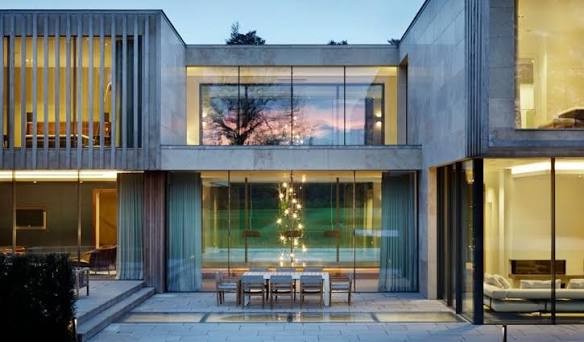
Modern architecture continues to embrace glass as one of the most versatile and visually appealing building materials. From elegant residential homes and contemporary office blocks to hotels, shopping centres and commercial developments, glass has transformed how buildings are designed, constructed and experienced.
Today, glass is no longer limited to windows and doors. It is widely used in glass walls, partitions, staircases, balustrades, curtain walls, shower enclosures, skylights and decorative architectural features. Its ability to combine natural lighting, functionality, elegance and modern aesthetics makes it an important material in contemporary construction.
In Uganda, the demand for modern buildings with attractive finishes, spacious interiors and functional designs continues to create opportunities for the use of architectural glass. Property developers, homeowners, architects and commercial building owners are increasingly incorporating glass into their projects to achieve attractive, practical and comfortable spaces.
At Daltrev Co. Ltd, we recognise the importance of quality building finishes and modern construction solutions. Understanding the benefits of architectural glass can help you make informed decisions when planning a new building, renovating an existing property or upgrading your interior spaces.
1. Enhances the Appearance of Modern Buildings
One of the greatest benefits of using glass in modern architectural designs is its ability to improve the overall appearance of a building.
Glass creates a clean, sophisticated and contemporary look that complements different architectural styles. Whether used in residential homes, commercial buildings, hotels or office complexes, it adds elegance and visual appeal.
Large glass windows, frameless glass doors, glass facades and decorative glass panels can transform an ordinary structure into an impressive architectural feature.
Architects and designers also combine glass with aluminium, steel, concrete, stone and timber to achieve attractive exterior and interior finishes.
For property owners who want their buildings to stand out, architectural glass provides a practical way to achieve a modern and professional appearance.
2. Maximises Natural Lighting
Natural lighting is an important consideration in modern building design. Glass allows sunlight to enter interior spaces, reducing dependence on artificial lighting during daylight hours.
Large windows, glass doors, skylights and glass partitions help distribute natural light throughout a building.
This is particularly beneficial in:
- Residential houses and apartments.
- Office buildings and commercial spaces.
- Hotels and hospitality facilities.
- Shopping centres and retail outlets.
- Educational and institutional buildings.
Well-positioned glass installations can create brighter, more welcoming environments while helping reduce electricity consumption associated with daytime lighting.
For buildings in Uganda, where natural daylight is readily available throughout much of the year, incorporating appropriately designed glass features can improve the use of available natural light.
3. Creates a Spacious and Open Interior Environment
Glass is an excellent material for creating the impression of additional space.
Unlike solid walls, transparent glass allows people to see through different areas of a building without completely separating them visually.
This makes rooms appear larger, brighter and less restricted.
Glass partitions are particularly useful in offices, conference rooms, reception areas and modern residential interiors. They create separate functional spaces while maintaining visual connection and allowing light to move between rooms.
For smaller homes, apartments and offices, glass can help create a more open environment without compromising the intended layout.
4. Improves Energy Efficiency
Modern architectural glass can contribute to improved building energy performance when selected and installed correctly.
High-performance glazing products, including solar-control glass, insulated glazing units and low-emissivity glass, can help manage heat transfer and solar radiation.
These technologies allow architects and property owners to select glass solutions according to the building’s orientation, climate, ventilation requirements and intended use.
Some important energy-related advantages include:
- Reducing the need for artificial lighting during the day.
- Controlling excessive solar heat entering interior spaces.
- Improving indoor thermal comfort.
- Supporting more efficient building designs.
- Helping reduce energy consumption when combined with appropriate building systems.
However, not every type of glass provides the same energy performance. In Uganda’s climate, selecting suitable solar-control glazing, shading systems and window designs is particularly important to prevent excessive indoor heat.
5. Provides Excellent Design Versatility
Architectural glass offers flexibility for different construction and interior design applications.
It is available in different thicknesses, colours, finishes, patterns and performance specifications, allowing architects and designers to achieve a wide range of creative designs.
Some common glass options include:
Clear Glass: Allows maximum visibility and natural light, making it suitable for windows, doors and partitions.
Tempered Glass: Heat-treated glass designed to provide greater resistance to mechanical and thermal stress than ordinary annealed glass. It is commonly used in doors, shower enclosures and other applications requiring safety glazing.
Laminated Glass: Made by bonding glass layers with an interlayer. It is designed to hold together when broken and is used in applications where retained fragments are important.
Frosted Glass: Provides privacy while allowing diffused natural light to enter a room. It is suitable for bathrooms, office partitions and internal doors.
Tinted Glass: Helps control light transmission and solar heat depending on its specification, making it useful for selected residential and commercial applications.
Reflective Glass: Features a reflective coating that can reduce solar heat gain and provide a distinctive exterior appearance, depending on the product selected.
This variety makes glass suitable for both decorative and functional architectural requirements.
6. Improves Indoor and Outdoor Connectivity
Modern architecture increasingly focuses on connecting indoor spaces with the surrounding environment.
Glass makes this possible by providing clear views of gardens, outdoor entertainment areas, swimming pools, landscapes and surrounding developments.
Large glass sliding doors, folding doors and floor-to-ceiling windows create a visual connection between indoor and outdoor spaces.
For residential properties, this can make living rooms, dining areas and entertainment spaces feel more connected to the outdoors.
In commercial buildings, glass facades and large windows can improve visibility and create attractive spaces for employees, customers and visitors.
7. Supports Modern Office and Commercial Designs
Glass has become an important feature in contemporary commercial architecture.
Businesses increasingly use glass to create professional, attractive and functional working environments.
Glass office partitions, conference room enclosures, reception screens and internal glass doors allow businesses to organise their spaces without making interiors appear dark or overcrowded.
Some of the key advantages include:
- Creating a professional corporate appearance.
- Allowing natural light to reach different work areas.
- Improving visual openness.
- Supporting flexible office layouts.
- Enhancing reception and customer-facing spaces.
For offices, banks, hotels, shopping malls and other commercial developments, glass offers a combination of functionality and modern design appeal.
8. Offers Practical Privacy Solutions
Although glass is commonly associated with transparency, modern glass products can also provide privacy.
Frosted, tinted, patterned and decorative glass options allow designers to control visibility while maintaining attractive architectural finishes.
These solutions are suitable for:
- Bathroom windows and shower enclosures.
- Office meeting rooms.
- Hospital consultation rooms.
- Residential bathroom doors.
- Conference facilities.
- Private office partitions.
Glass can therefore provide a balance between privacy, natural lighting and modern aesthetics.
For areas requiring higher privacy levels, the appropriate glass finish, opacity and installation arrangement should be selected according to the intended application.
9. Provides Durable and Low-Maintenance Finishes
When properly specified, fabricated and installed, architectural glass can provide long-lasting performance.
Unlike some traditional finishing materials, glass does not rust, rot or attract termites. It also retains its appearance without requiring regular repainting.
Routine maintenance generally involves cleaning glass surfaces using appropriate cleaning products and inspecting frames, seals, hinges and supporting fittings.
The durability of a glass installation depends on several factors, including:
- The type and quality of glass used.
- Correct glass thickness and specification.
- Quality of aluminium frames and fittings.
- Professional fabrication and installation.
- Proper sealing and structural support.
- Regular inspection and maintenance.
Choosing suitable materials and professional installation helps protect the investment and maintain the appearance of the building.
10. Enhances Property Value and Market Appeal
Modern architectural features can improve the visual appeal and marketability of residential and commercial properties.
Glass windows, aluminium glass doors, shower enclosures, glass partitions and attractive building facades create a contemporary appearance that appeals to many property buyers, tenants and visitors.
For property developers, incorporating well-designed glass features can help distinguish a development from competing properties.
For homeowners, quality glass installations can improve the overall appearance, functionality and presentation of a property.
Although glass alone does not guarantee an increase in property value, professionally designed and installed glass features can contribute to a more attractive and functional building.
11. Offers Greater Design Opportunities for Small and Large Buildings
Another important advantage of architectural glass is its suitability for projects of different sizes.
In smaller residential developments, glass can make rooms appear brighter and more spacious. Glass partitions, sliding doors and large windows can improve the use of available space.
In larger developments, glass can be used for curtain walls, expansive facades, entrance structures, commercial partitions and decorative architectural installations.
This flexibility makes glass suitable for:
- Private residential homes.
- Apartment buildings.
- Hotels and lodges.
- Shopping malls and retail centres.
- Office complexes.
- Hospitals and healthcare facilities.
- Schools and educational institutions.
- Restaurants and entertainment facilities.
The correct glass system should always be selected according to the building’s structural design, intended use and safety requirements.
12. Supports Sustainable Building Design
Sustainable construction focuses on using materials and building systems that support long-term efficiency and responsible resource management.
Architectural glass can contribute to sustainable building design through daylighting, appropriate solar control and the use of energy-efficient glazing systems.
Some glass products can also be recycled, depending on the glass type, coatings, interlayers and available recycling facilities.
When integrated into a properly designed building envelope, glass can help architects balance natural lighting, indoor comfort and energy performance.
However, sustainability depends on more than simply installing large glass surfaces. Proper orientation, glazing selection, shading, ventilation and installation quality are all important considerations.
Common Applications of Glass in Modern Architectural Designs
Glass can be incorporated into different parts of a building depending on the design requirements and intended function.
| Glass application | Main purpose |
|---|---|
| Glass windows | Natural lighting, ventilation and outdoor views |
| Glass doors | Modern entrances and access between spaces |
| Glass partitions | Interior space division and visual openness |
| Glass facades | Contemporary exterior appearance |
| Glass balustrades | Balustrade protection and unobstructed views |
| Shower glass | Bathroom separation and modern finishes |
| Glass skylights | Natural lighting from above |
| Glass shopfronts | Product visibility and attractive commercial entrances |
| Decorative glass panels | Interior decoration and visual appeal |
| Glass curtain walls | Exterior enclosure and modern building design |
Important Factors to Consider Before Using Glass in Building Construction
Despite its many benefits, glass must be carefully selected and installed to ensure safety, durability and functionality.
Before incorporating glass into your architectural design, consider the following factors.
1. Type of Glass
Different glass types have different properties and applications. Choose the appropriate option based on the intended use, safety requirements, privacy needs and environmental conditions.
2. Glass Thickness
Glass thickness should be determined by the dimensions of the installation, support conditions, wind loads, intended use and relevant safety requirements. Large glass panels and overhead installations may require specialised engineering.
3. Safety Requirements
Safety is essential when installing glass in doors, bathrooms, staircases, balustrades and other high-risk locations.
Tempered and laminated safety glass should be considered where appropriate. The correct choice depends on the specific application and applicable building requirements.
4. Quality of Aluminium Frames and Fittings
The performance of many glass installations depends on the supporting frames, hinges, handles, channels, seals and other accessories.
Quality aluminium framing and suitable fittings help provide stability, proper alignment and a professional finish.
5. Professional Installation
Incorrect installation can result in leaks, loose fittings, damaged glass and potential safety hazards.
Work with qualified professionals who understand glass measurement, fabrication, handling, structural support and installation procedures.
6. Maintenance Requirements
Consider how frequently the glass will need cleaning and whether the installation allows safe access for maintenance.
For high-level facades and skylights, cleaning access and long-term maintenance should be considered during the design stage.
7. Climate and Solar Exposure
In Uganda, the position of the building and the amount of direct sunlight received by different elevations should influence glass selection.
Solar-control glass, suitable shading and proper ventilation can help manage excessive heat and improve indoor comfort.
Why Professional Glass Installation Matters
The benefits of architectural glass can only be fully realised when the correct products are selected and installed properly.
Professional glass installation involves accurate measurements, appropriate glass specifications, careful handling, secure fixing and suitable sealing.
Experienced installers also understand how to select compatible aluminium profiles, supporting structures and hardware for different applications.
Whether installing glass windows, doors, partitions, shower enclosures or commercial glass systems, professional workmanship helps achieve an attractive, safe and durable result.
For residential and commercial property owners in Uganda, working with a reliable construction and installation company is an important step towards achieving the desired architectural finish.
Conclusion
Glass has become an essential material in modern architectural designs because of its ability to combine beauty, functionality, natural lighting, versatility and contemporary appeal.
From improving the appearance of residential homes to creating professional commercial interiors, glass provides practical solutions for different building requirements.
Its contribution to energy efficiency, privacy, indoor comfort and property presentation makes it a valuable consideration in modern construction.
However, achieving the best results requires choosing the right glass type, thickness, supporting materials and installation method.
At Daltrev Co. Ltd, we support modern building developments through professional construction solutions, building finishes and glass partitioning works. Whether you are developing a residential property, renovating an office or planning a commercial project, choosing appropriate materials and quality workmanship is essential.
Looking for professional glass and partitioning solutions in Uganda? Contact Daltrev Co. Ltd to discuss your building requirements and explore suitable solutions for your project.
Frequently Asked Questions (FAQs)
1. What are the main benefits of using glass in modern architecture?
The main benefits include improved natural lighting, attractive building designs, spacious-looking interiors, outdoor views, design flexibility, privacy options and the potential for improved energy performance when suitable glazing is used.
2. Why is glass popular in modern buildings?
Glass is popular because it provides a contemporary appearance while allowing natural light into buildings. It can also be used for windows, doors, partitions, facades, skylights and decorative architectural features.
3. What type of glass is best for modern buildings?
The best glass depends on the application. Tempered glass is commonly used for safety glazing in doors and shower enclosures, laminated glass is useful where glass fragments need to remain bonded after breakage, while tinted and solar-control glass can help manage sunlight and heat.
4. Does glass improve energy efficiency in buildings?
Yes. Properly selected glazing can reduce dependence on artificial lighting and help manage solar heat gain. High-performance glazing, shading and appropriate building orientation are important for achieving good results.
5. Is glass suitable for residential buildings in Uganda?
Yes. Glass is suitable for residential applications such as windows, doors, shower enclosures, partitions, balconies and decorative features. The glass specification should account for safety, sunlight exposure and the intended use.
6. Is glass easy to maintain?
Generally, glass is relatively easy to maintain. Regular cleaning and periodic inspection of frames, seals, hinges and fittings help maintain its appearance and performance.
7. Can glass be used for office partitions?
Yes. Glass partitions are widely used in offices to create meeting rooms, executive offices, reception areas and workspaces while maintaining visual openness and allowing natural light to pass through.
8. What should I consider when choosing architectural glass?
Consider the glass type, thickness, safety requirements, solar exposure, privacy, frame compatibility, installation quality and maintenance requirements.