
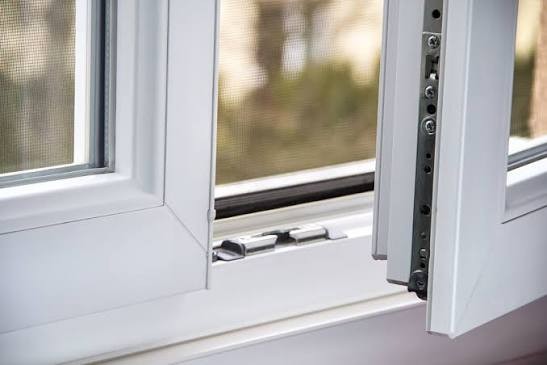
Aluminium windows and doors are among the most popular choices for modern residential and commercial buildings because of their strength, durability, attractive appearance and relatively low maintenance requirements. They offer a practical combination of functionality and modern design, making them suitable for homes, apartments, offices, hotels, shopping centres and industrial buildings.
However, one of the most common questions property owners ask before investing in aluminium installations is: How long do aluminium windows and doors last?
Generally, quality aluminium windows and doors can last several decades when manufactured using suitable materials, professionally installed and properly maintained. Their actual lifespan depends on several factors, including aluminium profile quality, surface finish, hardware, glass specifications, environmental exposure and maintenance practices.
In Uganda, where buildings experience dust, seasonal rainfall, humidity and varying environmental conditions, choosing quality aluminium products and maintaining them correctly can make a significant difference to their long-term performance.
This guide by Daltrevco explains how long aluminium windows and doors last, what affects their lifespan, how to extend their durability and when to consider repairs or replacement.
How Long Do Aluminium Windows and Doors Last?
Aluminium windows and doors can provide several decades of service when properly designed, fabricated, installed and maintained.
As a broad planning estimate, quality aluminium window and door systems may last approximately 20–40 years or longer, although this is not a guaranteed lifespan. Some installations may require repairs or component replacement much earlier, while well-maintained systems can remain functional beyond this period.
It is important to understand that the lifespan of the aluminium frame is not necessarily the same as the lifespan of every component.
For example:
- Aluminium frames may remain serviceable for decades.
- Rubber seals may require replacement as they deteriorate.
- Hinges and locks may wear out through repeated use.
- Sliding door rollers may need adjustment or replacement.
- Glass panels may require replacement if damaged.
- Surface finishes may need attention depending on exposure and quality.
This means that replacing a worn-out handle, roller or rubber seal does not necessarily mean the entire aluminium window or door needs replacing.
The overall durability of an installation depends on the quality of the complete system and how well its individual components are maintained.
Why Are Aluminium Windows and Doors Durable?
Aluminium is widely used in construction because it has several properties that make it suitable for window and door manufacturing.
1. Resistance to Corrosion
Aluminium naturally develops a thin protective oxide layer when exposed to air. This layer helps protect the metal against further corrosion under normal conditions.
Unlike untreated steel, aluminium does not rust in the conventional way.
However, aluminium can still experience corrosion or surface deterioration under certain conditions, particularly when exposed to aggressive chemicals, salt, incompatible metals or prolonged contamination.
Suitable surface treatments and regular cleaning help preserve its performance.
2. Strength and Structural Stability
Aluminium has a favourable strength-to-weight ratio, making it suitable for manufacturing window and door frames.
When the correct profiles, dimensions and reinforcement requirements are selected, aluminium frames can support glass panels while maintaining a relatively lightweight structure.
This makes aluminium suitable for both small residential windows and larger commercial glazing applications.
3. Resistance to Weather Exposure
Aluminium is commonly used in exterior building applications because it can withstand different environmental conditions.
Quality aluminium systems with appropriate finishes can perform well under exposure to sunlight and rainfall.
However, weather resistance also depends on correct installation, drainage, glazing seals and the quality of the surface coating.
4. Low Maintenance Requirements
Aluminium windows and doors generally require less maintenance than many traditional timber alternatives.
They do not require routine painting to prevent timber decay, although their surface finishes still need appropriate cleaning and occasional inspection.
Regular maintenance helps preserve the frames, hardware and moving components.
5. Resistance to Warping
Unlike timber, aluminium does not absorb moisture and swell or shrink in the same way.
This helps aluminium frames maintain their shape under normal operating conditions.
However, poor fabrication, excessive loading, inadequate support or incorrect installation can still cause frame distortion.
7 Factors That Determine How Long Aluminium Windows and Doors Last
Although aluminium is a durable building material, not all aluminium installations have the same lifespan.
Several important factors determine how long your windows and doors will remain functional.
1. Quality of Aluminium Profiles
The quality of aluminium profiles is one of the most important factors affecting durability.
Aluminium profiles are manufactured in different dimensions, designs and specifications to suit different applications.
Poor-quality profiles may have inadequate dimensions or structural characteristics for the intended installation.
When selecting aluminium windows and doors, consider:
- Profile dimensions and suitability.
- Structural strength.
- Material consistency.
- Surface finish quality.
- Compatibility with the selected glass.
- Suitability for the size of the opening.
Choosing appropriate aluminium profiles helps ensure that the frames can perform reliably over time.
2. Quality of Surface Finishing
Aluminium frames are available in different surface finishes, including powder-coated and anodised finishes.
These treatments help improve appearance and protect the underlying aluminium.
A high-quality finish helps reduce the risk of premature surface deterioration and maintains the appearance of the installation.
The finish should be suitable for the environmental conditions in which the windows and doors will be installed.
3. Professional Fabrication and Installation
Even high-quality aluminium materials may fail prematurely if they are poorly fabricated or installed.
Incorrect measurements, weak frame connections, unsuitable fixings and inadequate sealing can affect the performance of aluminium windows and doors.
Professional installation helps ensure:
- Accurate measurements.
- Correct frame alignment.
- Secure fixing to the building structure.
- Proper glass support.
- Suitable weather sealing.
- Functional drainage arrangements.
- Smooth opening and closing.
Professional workmanship is essential for achieving the expected durability of aluminium installations.
4. Quality of Hardware and Accessories
Aluminium windows and doors depend on several accessories for proper operation.
These include:
- Hinges.
- Handles.
- Locks.
- Rollers.
- Sliding tracks.
- Rubber seals.
- Gaskets.
- Corner connectors.
Poor-quality hardware may wear out quickly, especially in doors and windows that are used frequently.
Choosing suitable fittings and replacing worn components when necessary helps extend the useful life of the entire installation.
5. Environmental Conditions
The environment in which aluminium windows and doors are installed can influence their durability.
In Uganda, some of the environmental factors to consider include:
Rainfall and moisture: Poor drainage and damaged seals can allow water to enter the building or accumulate within frame sections.
Dust: Dust and sand can accumulate in sliding tracks, increasing friction and accelerating roller wear.
Sunlight: Prolonged exposure to sunlight can affect certain seals, finishes and other non-metallic components.
Industrial pollution: Airborne contaminants and unsuitable chemical exposure can contribute to surface deterioration.
Selecting suitable materials and carrying out regular maintenance helps manage these environmental challenges.
6. Frequency of Use
Windows and doors in busy commercial buildings may experience more wear than those in lightly used residential properties.
For example, a sliding entrance door in a supermarket may be operated hundreds of times in a day, while a bedroom window may be opened only occasionally.
Frequently used installations require particular attention to hinges, rollers, handles and locking mechanisms.
7. Regular Maintenance
Maintenance plays an important role in extending the service life of aluminium windows and doors.
Regular cleaning removes dust and contaminants that can affect moving parts and surface finishes.
Routine inspections also help identify minor problems before they become expensive repairs.
How Long Do Different Aluminium Window and Door Components Last?
The different components of an aluminium installation may have different replacement requirements.
| Component | Lifespan considerations |
|---|---|
| Aluminium frames | Often several decades with suitable quality and maintenance |
| Powder-coated or anodised finish | Depends on finish quality and environmental exposure |
| Glass panels | Can last for decades if undamaged |
| Rubber seals and gaskets | May require periodic replacement |
| Door hinges and handles | Depend on quality and frequency of use |
| Sliding rollers | Depend on usage, track cleanliness and component quality |
| Locks and locking systems | Depend on hardware quality and maintenance |
These are general service-life considerations, not guaranteed replacement intervals. Actual performance depends on the specific product, manufacturer and installation conditions.
How Long Do Aluminium Windows Last Compared to Wooden Windows?
Property owners often compare aluminium windows with wooden windows when selecting materials for new buildings or renovation projects.
Both materials have advantages, but their maintenance requirements and durability characteristics differ.
| Feature | Aluminium windows | Wooden windows |
|---|---|---|
| Durability | Generally long-lasting | Depends on timber quality and maintenance |
| Moisture resistance | Good with suitable finishes and installation | Can be affected by moisture and decay |
| Maintenance | Relatively low | Usually requires more regular surface treatment |
| Appearance | Modern and versatile | Natural and traditional |
| Structural stability | Does not swell like timber | Can expand or contract with moisture changes |
| Design options | Different profiles and finishes | Different timber types and designs |
| Termite resistance | Not susceptible to termite attack | Vulnerable unless appropriately protected |
Aluminium is often a practical choice for property owners seeking modern designs and relatively low maintenance.
Wood may be preferred where a natural architectural appearance is important and the required maintenance can be provided.
The best choice depends on the building design, budget, intended use and maintenance expectations.
How Long Do Aluminium Doors Last Compared to Steel Doors?
Aluminium and steel doors are both used in residential and commercial construction.
Aluminium doors are lightweight, corrosion-resistant under suitable conditions and suitable for modern glass door designs.
Steel doors offer different structural and security characteristics depending on their construction and protective coating.
| Feature | Aluminium doors | Steel doors |
|---|---|---|
| Weight | Generally lightweight | Generally heavier |
| Corrosion | Protective natural oxide layer | Requires suitable protection against rust |
| Maintenance | Relatively low | Coating maintenance may be necessary |
| Appearance | Modern and versatile | Suitable for various security and industrial applications |
| Glass integration | Commonly used in framed glass doors | Possible depending on design |
| Applications | Homes, offices and commercial entrances | Security, industrial and selected commercial applications |
The correct choice depends on the door’s intended application, security requirements, design and environmental exposure.
8 Practical Ways to Extend the Lifespan of Aluminium Windows and Doors
Proper care can help maintain aluminium installations and reduce unnecessary repair expenses.
Here are practical maintenance practices property owners should follow.
1. Clean Aluminium Frames Regularly
Clean aluminium frames using a soft cloth, clean water and mild detergent.
Avoid abrasive cleaning materials and harsh chemicals that may damage the protective finish.
2. Keep Sliding Tracks Free from Dust
Dust and sand can accumulate inside sliding window and door tracks.
Clean these areas regularly to prevent unnecessary friction and premature roller wear.
3. Lubricate Moving Components When Necessary
Apply suitable lubricant to hinges, rollers and other moving components according to the manufacturer’s recommendations.
Avoid excessive lubrication because it can attract dust and dirt.
4. Inspect Rubber Seals
Check rubber seals for cracks, hardening and detachment.
Replace damaged seals to maintain weather protection and proper closure.
5. Check Locks and Handles
Test locks, handles and hinges periodically to ensure that they work correctly.
Replace worn or damaged fittings before they affect the operation or security of the installation.
6. Maintain Proper Drainage
Ensure that drainage openings are not blocked by dust, debris, paint or sealant.
Proper drainage helps prevent water accumulation within window and door systems.
7. Avoid Forcing Stiff Windows and Doors
If a window or door becomes difficult to open, identify the underlying problem instead of applying excessive force.
Professional adjustment may be necessary to correct alignment or replace worn components.
8. Arrange Professional Inspections
Periodic professional inspections can help identify problems that may not be obvious during routine cleaning.
An experienced technician can assess frame alignment, seals, hardware, glazing and overall installation condition.
Signs That Your Aluminium Windows and Doors Need Repair or Replacement
Although aluminium windows and doors are designed for long-term use, certain warning signs indicate that maintenance or replacement may be necessary.
1. Difficulty Opening and Closing
If windows or doors become difficult to operate, the cause may be dirty tracks, worn rollers, damaged hinges or misalignment.
2. Persistent Water Leakage
Water entering around aluminium frames may indicate damaged seals, poor installation, blocked drainage outlets or deterioration of surrounding building joints.
3. Damaged Aluminium Frames
Bent, cracked or severely distorted frame sections may compromise the stability and operation of the installation.
4. Broken or Damaged Glass
Cracked or broken glass should be addressed promptly, particularly in doors and frequently accessed areas.
5. Faulty Locks and Handles
Locks that fail to engage or handles that no longer operate correctly can affect security and usability.
6. Worn-Out Rubber Seals
Damaged seals may allow rainwater, dust and unwanted air to enter the building.
7. Severe Surface Deterioration
Peeling coatings, extensive corrosion or significant surface damage may indicate that professional refurbishment or replacement is necessary.
Not every problem requires a complete replacement. Where the frame remains structurally sound, replacing individual components may be sufficient.
When Should You Replace Aluminium Windows and Doors?
Aluminium windows and doors do not need to be replaced simply because they have reached a particular age.
Replacement should be based on their actual condition, performance, safety and repair requirements.
Consider replacement when:
- Frames are severely damaged or distorted.
- Glass systems no longer meet the required safety specifications.
- Persistent leakage cannot be resolved through appropriate repairs.
- Multiple components have deteriorated beyond economical repair.
- The installation no longer provides the required security.
- You are undertaking a major building renovation.
- You want to upgrade to more suitable modern window and door systems.
A professional assessment can help determine whether repair, refurbishment or complete replacement is the most appropriate solution.
Are Aluminium Windows and Doors Worth the Investment?
Aluminium windows and doors can offer long-term value for homeowners and commercial property developers.
Although the initial purchase and installation costs depend on the selected materials and design, their durability and relatively low maintenance requirements make them an attractive option for many building projects.
Some of the long-term benefits include:
- Long service life when properly specified.
- Reduced routine maintenance requirements.
- Resistance to termites and timber decay.
- Modern architectural appearance.
- Flexible window and door designs.
- Compatibility with different glass specifications.
- Suitability for residential and commercial buildings.
When comparing prices, property owners should consider more than the initial installation cost.
Profile quality, hardware, glass specifications, fabrication and installation workmanship all influence the long-term value of the investment.
Why Choose Daltrevco for Aluminium Windows and Doors in Uganda?
Choosing the right aluminium fabrication and installation company is an important step towards achieving durable and attractive windows and doors.
Daltrevco provides aluminium fabrication and installation solutions for residential and commercial construction projects in Uganda.
We understand that quality aluminium installations require appropriate material selection, accurate measurements, professional fabrication and proper installation.
Whether you are constructing a new home, developing apartments, renovating commercial premises or upgrading an office building, Daltrevco can help you explore suitable aluminium solutions.
Our aluminium works include:
- Aluminium window fabrication and installation.
- Aluminium door fabrication and installation.
- Sliding aluminium windows and doors.
- Aluminium-framed glass doors.
- Custom aluminium fabrication.
- Residential and commercial aluminium installations.
We aim to deliver practical solutions that combine attractive designs, functionality and durability.
Contact Daltrevco to discuss your aluminium window and door project and request a quotation.
Frequently Asked Questions About the Lifespan of Aluminium Windows and Doors
1. How many years do aluminium windows last?
Quality aluminium windows can last approximately 20–40 years or longer under suitable conditions. Their actual lifespan depends on profile quality, surface finish, installation, hardware, environmental exposure and maintenance.
2. How long do aluminium doors last?
Aluminium doors can also provide several decades of service when properly manufactured, installed and maintained. Frequently used doors may require earlier replacement of rollers, hinges, handles and locks.
3. Do aluminium windows deteriorate over time?
Yes. Although aluminium is durable, surface finishes, rubber seals, glass components and hardware can deteriorate through environmental exposure and regular use. Routine maintenance helps reduce premature wear.
4. Do aluminium windows rust?
Aluminium does not rust like ordinary steel. It naturally forms a protective oxide layer, although it can still corrode or experience surface deterioration under certain environmental conditions.
5. Are aluminium windows suitable for Uganda’s climate?
Yes. Properly specified aluminium windows are suitable for many residential and commercial applications in Uganda. Appropriate surface finishes, weather seals, drainage and professional installation are important for reliable performance.
6. Which lasts longer, aluminium or wooden windows?
Aluminium windows generally require less maintenance and are not affected by termite attack or timber decay. Wooden windows can also last many years when made from suitable timber and properly maintained. Actual lifespan depends on material quality and environmental exposure.
7. Can old aluminium windows be repaired?
Yes. Many aluminium windows can be repaired by replacing worn rollers, handles, locks, hinges, seals and damaged glass panels. Severely damaged frames may require replacement.
8. How can I make aluminium doors last longer?
Clean the frames regularly, keep sliding tracks free from dirt, inspect hardware, replace damaged seals, maintain drainage openings and arrange professional servicing when problems occur.
9. Are aluminium windows expensive to maintain?
Generally, aluminium windows have relatively low routine maintenance requirements. Regular cleaning and occasional replacement of worn hardware or seals help keep them functional.
10. When should I replace my aluminium windows?
Consider replacement when frames are severely damaged, the installation has persistent unresolved problems, safety requirements are no longer met or repairs are no longer economical.
Conclusion
Aluminium windows and doors are a durable and practical investment for modern residential and commercial buildings. With quality aluminium profiles, suitable surface finishes, reliable hardware and professional installation, they can provide several decades of service.
However, their longevity depends on more than the aluminium material itself. Proper fabrication, weather protection, regular cleaning, hardware maintenance and timely repairs all contribute to long-term performance.
For property owners in Uganda, choosing quality aluminium products and working with experienced installation professionals can help reduce avoidable maintenance costs and ensure reliable building performance.
Daltrevco provides professional aluminium window and door fabrication and installation solutions in Uganda. Contact us today for quality aluminium works designed to meet your residential and commercial building requirements.

