
Choosing the right windows is an important decision when constructing or renovating a residential or commercial building. Windows influence the appearance, natural lighting, ventilation, security and overall durability of a property. Among the available options, aluminium windows have become increasingly popular because of their strength, modern appearance, low maintenance requirements and ability to withstand different environmental conditions.
One of the biggest advantages of aluminium windows is their resistance to corrosion and weather damage. Unlike ordinary steel, aluminium does not rust in the conventional way. It naturally develops a thin protective oxide layer that helps protect the underlying metal from further corrosion.
This makes aluminium a practical material for buildings exposed to sunlight, rainfall, humidity and other environmental conditions.
In Uganda, where buildings experience seasonal rainfall, dust, moisture and varying temperatures, choosing suitable window materials is essential for long-term performance.
But what makes aluminium windows resistant to corrosion? How do they withstand weather exposure, and what can property owners do to maintain their durability?
In this guide, Daltrevco explains why aluminium windows are resistant to corrosion and weather damage, the science behind their durability, their benefits and how to choose the right aluminium windows for your building.
1. Aluminium Naturally Forms a Protective Oxide Layer
One of the main reasons aluminium windows resist corrosion is the natural protective oxide layer that forms on the metal’s surface.
When aluminium comes into contact with oxygen in the air, it reacts to form a thin layer of aluminium oxide.
This oxide layer acts as a protective barrier between the underlying metal and the surrounding environment.
Unlike ordinary rust on steel, which can continue spreading and weakening the material, aluminium oxide is generally stable and helps prevent further corrosion under normal conditions.
This natural property makes aluminium suitable for window and door frames used in residential and commercial buildings.
Even when the surface experiences minor scratches, a fresh oxide layer can form when the exposed aluminium comes into contact with oxygen.
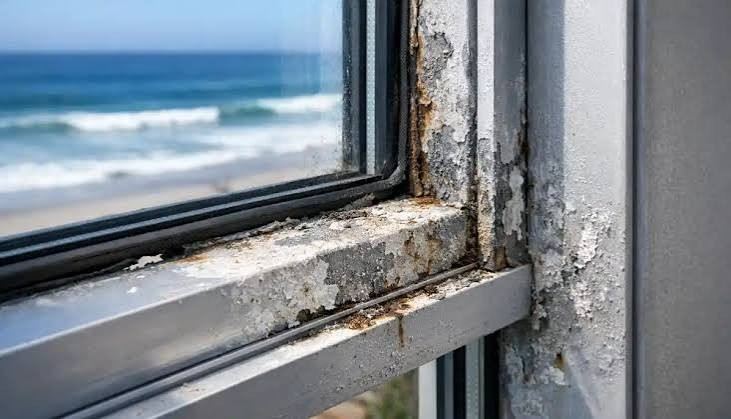
However, this protection is not unlimited. Aggressive chemicals, salt exposure, unsuitable contact with other metals and certain industrial environments can still cause corrosion.
2. Aluminium Windows Do Not Rust Like Ordinary Steel
Rust is a common problem associated with iron and ordinary steel products.
When iron reacts with oxygen and moisture, it forms iron oxides, commonly known as rust. Over time, rust can spread, weaken the metal and affect its structural performance.
Aluminium behaves differently because its corrosion products form a relatively stable protective layer.
This makes aluminium windows a suitable option for property owners who want window frames that do not require regular rust treatment or repainting in the same way as ordinary untreated steel.
The advantages include:
- No conventional iron rusting.
- Reduced need for rust-prevention treatments.
- Good resistance to normal atmospheric exposure.
- Long-term structural usefulness when correctly specified.
- Relatively low routine maintenance requirements.
Although aluminium can still corrode under aggressive conditions, its natural protective properties make it particularly useful for modern window systems.
3. Aluminium Windows Withstand Rainfall and Moisture Exposure
Rainfall and moisture can gradually damage building materials that are not designed for outdoor exposure.
Timber may absorb moisture, swell, decay or become vulnerable to fungal attack when inadequately protected. Ordinary steel may develop rust when its protective coating is damaged.
Aluminium offers a different solution because it does not absorb water like timber and naturally develops a protective oxide layer.
Quality aluminium window systems can perform well in rainy conditions when they incorporate:
- Appropriate aluminium profiles.
- Suitable surface finishes.
- Properly designed drainage openings.
- Quality weather seals.
- Correct glazing systems.
- Professional installation.
- Effective sealing around the building opening.
These features work together to help prevent water penetration and maintain the performance of the window.
It is important to understand that aluminium itself may resist corrosion, but an incorrectly installed window can still experience water leakage.
Proper fabrication and installation are therefore essential.
4. Aluminium Windows Resist Damage from Sunlight
Buildings in Uganda experience considerable sunlight throughout the year. Prolonged exposure to ultraviolet radiation can affect some construction materials, particularly paints, plastics, rubber seals and other components.
Aluminium frames offer good resistance to normal outdoor sunlight exposure because the metal itself does not deteriorate through UV exposure in the same way as many organic materials.
However, the surface finish and non-metallic components require attention.
High-quality powder-coated and anodised finishes can help maintain the appearance and protect the aluminium surface.
When selecting aluminium windows, consider:
- Quality of the surface coating.
- Suitability of the finish for exterior applications.
- Resistance to fading and surface deterioration.
- Quality of rubber seals and gaskets.
- Manufacturer recommendations for cleaning and maintenance.
Choosing appropriate materials helps ensure that the entire window system performs well under prolonged outdoor exposure.
5. Aluminium Windows Are Resistant to Humidity
Humidity is another environmental factor that can affect building materials.
In humid conditions, moisture may remain on exposed surfaces for extended periods, potentially increasing the risk of corrosion in susceptible metals and deterioration in some other materials.
Aluminium naturally forms a protective oxide layer, helping it resist normal atmospheric corrosion.
This makes it useful for windows installed in homes, offices, apartments, hotels and commercial buildings.
However, high humidity combined with salt, industrial pollutants or aggressive chemical exposure can increase corrosion risks.
Suitable finishes, proper drainage and routine cleaning remain important for maintaining aluminium windows in demanding environments.
6. Powder-Coated Finishes Provide Additional Protection
Modern aluminium windows are available in different colours and surface finishes.
One popular option is powder coating, a finishing process in which a dry coating material is applied to the aluminium and cured to form a protective surface layer.
Powder coating offers several benefits:
- Improves the appearance of aluminium frames.
- Provides additional protection against environmental exposure.
- Offers different colour options.
- Helps protect the underlying metal from surface contamination.
- Supports easier routine cleaning.
Popular finishes include black, white, silver, grey and custom architectural colours.
For outdoor window installations, it is important to select an appropriate coating quality and specification for the intended environment.
A properly prepared and applied coating helps improve the durability and appearance of aluminium frames.
7. Anodised Aluminium Provides Enhanced Surface Protection
Anodising is another surface treatment used to improve aluminium’s natural oxide layer.
The process uses an electrochemical treatment to produce a thicker and more controlled oxide coating on the aluminium surface.
Anodised aluminium offers several advantages:
- Improved resistance to surface wear.
- Enhanced corrosion protection.
- Durable architectural finishes.
- Different decorative appearance options.
- Good suitability for many exterior applications.
Anodised finishes are commonly used in architectural aluminium systems where appearance and surface durability are important.
The choice between anodised and powder-coated aluminium depends on the project design, environmental conditions, preferred appearance and product specifications.
8. Aluminium Windows Do Not Warp or Rot Like Timber
Another advantage of aluminium windows is their dimensional stability under normal building conditions.
Timber is a natural material that responds to changes in moisture and temperature. Depending on its quality and treatment, it may swell, shrink, crack, warp or deteriorate when exposed to unsuitable conditions.
Aluminium does not absorb moisture and swell in the same way.
This helps aluminium frames maintain their shape and allows window systems to operate reliably when correctly fabricated and installed.
Benefits include:
- Reduced risk of moisture-related swelling.
- No timber rot.
- No termite damage to the aluminium frame itself.
- Stable frame geometry under normal operating conditions.
- Compatibility with modern glass window designs.
However, aluminium expands and contracts with temperature changes. Correct fabrication, allowances and installation details are important to accommodate normal thermal movement.
9. Aluminium Windows Are Suitable for Different Weather Conditions
Aluminium’s natural corrosion resistance and structural characteristics make it suitable for various building environments.
It is widely used in:
- Residential homes.
- Apartment buildings.
- Commercial offices.
- Hotels and lodges.
- Shopping centres.
- Schools and educational institutions.
- Hospitals.
- Industrial buildings.
- Warehouses.
For Ugandan properties, aluminium windows can provide practical solutions for buildings exposed to rainfall, sunlight, dust and humidity.
The specific profile, glass, surface finish, seals and drainage arrangements should be selected according to the installation location and intended use.
10. The Importance of Proper Aluminium Window Installation
Although aluminium is naturally resistant to corrosion, the quality of installation has a major influence on the long-term performance of the complete window system.
Poor installation may result in water leakage, loose frames, damaged seals and operational problems.
Professional aluminium window installation helps ensure:
Accurate Measurements
Correct measurements ensure that the aluminium frames fit the building openings properly.
Secure Fixing
Appropriate fixing methods help maintain frame stability and prevent unwanted movement.
Proper Weather Sealing
Suitable sealing materials help reduce the risk of rainwater and unwanted air entering around the window perimeter.
Effective Drainage
Drainage openings should be correctly designed and kept clear to allow water to escape from designated frame sections.
Correct Glass Installation
Glass panels should be selected and fitted according to their dimensions, safety requirements and intended application.
Proper Finishing
Neat finishing around the frame helps protect the installation and achieve an attractive appearance.
Choosing an experienced aluminium fabricator and installer is therefore essential for achieving reliable performance.
11. How to Maintain Aluminium Windows for Long-Term Weather Resistance
Even though aluminium windows require relatively little maintenance, regular care helps preserve their appearance and performance.
Property owners should follow these practical maintenance recommendations.
Clean the frames regularly: Use clean water, mild detergent and a soft cloth to remove dust and environmental contaminants.
Avoid harsh chemicals: Strong acidic or alkaline cleaning products can damage certain aluminium finishes.
Inspect surface coatings: Check for scratches, peeling or other signs of coating deterioration and seek appropriate repairs when necessary.
Keep drainage openings clear: Remove dirt and debris from drainage outlets to prevent water accumulation.
Inspect rubber seals: Replace cracked, hardened or damaged weather seals.
Check window hardware: Inspect handles, locks, hinges and other moving components.
Clean sliding tracks: Remove accumulated dust and sand to prevent friction and premature roller wear.
Arrange professional inspections: Seek professional assistance when you notice leakage, frame distortion, damaged glazing or operational problems.
Regular maintenance helps aluminium windows remain attractive and functional for many years.
12. Aluminium Windows vs Steel Windows: Which Is More Resistant to Corrosion?
Aluminium and steel are both used in building construction, but their corrosion behaviour differs.
| Feature | Aluminium windows | Ordinary steel windows |
|---|---|---|
| Corrosion behaviour | Forms a protective oxide layer | Can develop rust when exposed to moisture |
| Rust resistance | Does not rust like iron | Requires protective coatings |
| Weight | Generally lightweight | Generally heavier |
| Maintenance | Relatively low | May require coating repairs |
| Weather resistance | Good with suitable finishes | Depends heavily on protective treatment |
| Design flexibility | Suitable for modern slim-profile systems | Depends on the design |
| Applications | Residential and commercial buildings | Industrial and selected building applications |
Aluminium is often preferred where low maintenance and corrosion resistance are priorities.
However, appropriately protected steel can also provide durable service. The best choice depends on the intended application, structural requirements, design and environmental exposure.
13. Aluminium Windows vs Wooden Windows: Which Handles Weather Better?
Property owners also compare aluminium and timber windows when planning new buildings.
Both materials have different performance characteristics.
| Feature | Aluminium windows | Wooden windows |
|---|---|---|
| Moisture absorption | Does not absorb water like timber | Can absorb moisture |
| Rot resistance | Not susceptible to timber rot | Requires protection against decay |
| Termite resistance | Not susceptible to termite attack | Can be damaged by termites |
| Sunlight exposure | Metal frame is UV-resistant | Finishes may deteriorate |
| Maintenance | Relatively low | Requires regular protective treatment |
| Appearance | Modern architectural designs | Natural traditional appearance |
Aluminium is a practical choice for property owners looking for modern window systems with relatively low maintenance requirements.
Timber remains an option for projects where natural materials and traditional architectural styles are preferred.
14. Factors to Consider When Choosing Corrosion-Resistant Aluminium Windows
Not all aluminium windows offer the same level of durability.
Before purchasing aluminium windows, consider the following factors.
Aluminium Profile Quality
Select profiles with suitable dimensions and structural characteristics for the intended window size and application.
Surface Finish
Choose a suitable powder-coated or anodised finish designed for the expected environmental exposure.
Glass Specification
Select appropriate glass according to safety, insulation, noise control and architectural requirements.
Hardware Quality
Hinges, handles, locks and rollers should be suitable for the window design and expected frequency of use.
Weather Seals
Quality gaskets and seals help reduce water and air infiltration.
Fabrication Standards
Professional cutting, machining, assembly and glazing are important for achieving a reliable installation.
Installation Experience
Choose an aluminium fabrication and installation company that understands proper measurements, fixing, sealing and drainage requirements.
These considerations help property owners make informed decisions and reduce the risk of premature installation problems.
15. Why Aluminium Windows Are a Good Investment for Buildings in Uganda
Aluminium windows offer several advantages for Uganda’s residential and commercial construction sector.
Their natural corrosion resistance makes them suitable for many environments, while their modern designs complement contemporary architecture.
Key advantages include:
- Resistance to conventional rusting.
- Good performance under normal rainfall exposure.
- Resistance to termite attack on the frame.
- Low routine maintenance requirements.
- Compatibility with different glass types.
- Modern and attractive finishes.
- Suitability for residential and commercial properties.
- Long-term value when properly specified and installed.
For homeowners, developers and commercial property owners, aluminium windows provide a practical solution that combines appearance, durability and functionality.
Why Choose Daltrevco for Aluminium Windows in Uganda?
The long-term performance of aluminium windows depends on the quality of the materials, fabrication and installation.
Daltrevco provides aluminium fabrication and installation solutions for residential and commercial construction projects in Uganda.
We understand the importance of using suitable aluminium profiles, quality fittings and appropriate installation methods to achieve durable and attractive window systems.
Whether you are constructing a new home, developing apartments, renovating an office or upgrading a commercial property, Daltrevco can help you explore suitable aluminium window solutions.
Our aluminium works include:
- Aluminium window fabrication and installation.
- Aluminium door fabrication and installation.
- Sliding aluminium windows.
- Aluminium-framed glass installations.
- Custom aluminium fabrication.
- Residential and commercial aluminium works.
We aim to provide practical solutions that meet project requirements while maintaining attention to quality, functionality and finishing.
Contact Daltrevco to discuss your aluminium window requirements and request a quotation.
Frequently Asked Questions About Aluminium Windows and Corrosion Resistance
1. Why are aluminium windows resistant to corrosion?
Aluminium naturally forms a thin protective oxide layer when exposed to oxygen. This layer helps prevent further corrosion under normal environmental conditions.
2. Do aluminium windows rust in the rain?
No. Aluminium does not rust like ordinary iron or steel. However, certain aggressive environmental conditions can still cause aluminium corrosion, particularly when protective finishes are damaged.
3. Are aluminium windows suitable for Uganda’s rainy climate?
Yes. Properly specified and installed aluminium windows can perform well in Uganda’s rainy conditions. Suitable weather seals, drainage systems, surface finishes and professional installation are important.
4. Does powder coating make aluminium windows more durable?
Powder coating provides an additional protective finish that helps improve surface durability and appearance. Its performance depends on coating quality, preparation and application.
5. Can aluminium windows corrode over time?
Yes. Although aluminium naturally resists corrosion, prolonged exposure to aggressive chemicals, salt, certain pollutants and incompatible metals can cause deterioration.
6. Do aluminium windows fade in sunlight?
The aluminium metal itself is resistant to UV degradation, but some surface finishes and other window components can deteriorate with prolonged exposure. Quality exterior-grade finishes help maintain appearance.
7. How long do aluminium windows last?
Quality aluminium windows can last approximately 20–40 years or longer under suitable conditions. Their lifespan depends on profile quality, installation, hardware, maintenance and environmental exposure.
8. Are aluminium windows better than steel windows?
Aluminium windows offer natural corrosion resistance, lightweight construction and relatively low maintenance. Steel windows may offer different structural advantages when properly protected. The best option depends on the project requirements.
9. How do I maintain aluminium windows to prevent corrosion?
Clean frames regularly using mild detergent and water, avoid harsh chemicals, inspect surface finishes, keep drainage openings clear and arrange repairs when damage occurs.
10. Are powder-coated aluminium windows suitable for outdoor use?
Yes. Properly specified powder-coated aluminium windows are suitable for many outdoor applications. The coating should meet the requirements of the intended environment.
Conclusion
Aluminium windows are resistant to corrosion and weather damage because of their natural protective oxide layer, favourable material properties and compatibility with durable architectural surface finishes.
Their resistance to conventional rusting, moisture-related decay and termite attack makes them a practical choice for modern residential and commercial buildings.
However, achieving long-term performance requires more than choosing aluminium. Quality profiles, suitable finishes, reliable hardware, proper drainage, professional installation and regular maintenance all contribute to the durability of the complete window system.
For property owners in Uganda looking for attractive, durable and relatively low-maintenance window solutions, aluminium windows are an excellent option to consider.
Daltrevco provides professional aluminium window fabrication and installation solutions in Uganda. Contact us today to discuss your project and get suitable aluminium windows for your residential or commercial property.

