
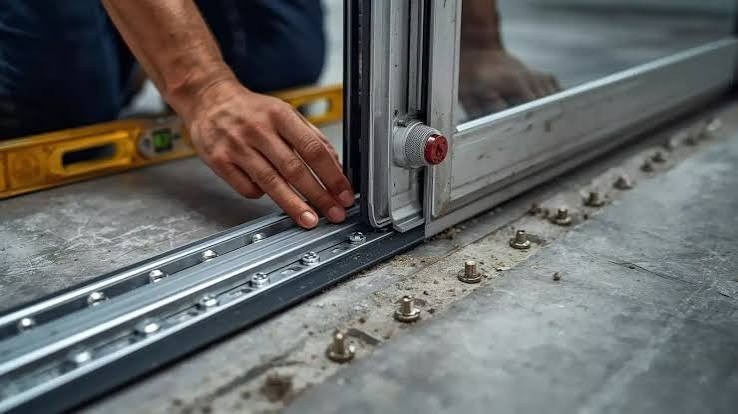
Aluminium windows and doors are widely used in modern homes, offices, apartments, hotels and commercial buildings across Uganda. They are valued for their modern appearance, durability, lightweight construction and relatively low maintenance requirements. However, like other building components, aluminium windows and doors can develop problems over time due to frequent use, poor installation, worn-out accessories, inadequate maintenance and environmental exposure.
Common problems include sliding windows that become difficult to open, loose handles, faulty locks, damaged rollers, leaking frames, broken glass, loose hinges and doors that no longer close properly.
Although aluminium is a durable material, the performance of an aluminium window or door depends on the entire system, including the frame, glass, hinges, rollers, locks, seals and installation quality.
Understanding how to identify and address these problems can help property owners prevent further damage, improve security and extend the useful life of their aluminium installations.
In this guide, we explain how to repair common aluminium window and door problems, the possible causes, practical maintenance solutions and situations that require professional assistance.
1. Aluminium Sliding Windows That Are Difficult to Open or Close
One of the most common aluminium window problems is difficulty opening or closing sliding windows.
Sliding windows operate using rollers that move along tracks. When these components become dirty, damaged or misaligned, the window may become stiff, noisy or difficult to operate.
Common Causes
- Dust and dirt accumulating in the sliding tracks.
- Damaged or worn-out rollers.
- Bent or obstructed tracks.
- Loose or incorrectly positioned window panels.
- Poor initial installation.
- Damaged sliding mechanisms.
How to Repair the Problem
Step 1: Clean the window tracks
Open the window carefully and remove dust, sand, leaves and other debris from the tracks using a soft brush or vacuum cleaner.
Step 2: Inspect the rollers
Check whether the rollers are damaged, worn out or no longer moving smoothly. Replace faulty rollers with compatible components.
Step 3: Check the alignment
Inspect the window panel to determine whether it is sitting correctly within the frame. A misaligned panel may require adjustment.
Step 4: Inspect the tracks
Look for dents, bends or damage that could obstruct movement. Minor obstructions may be removable, but damaged tracks may require professional repair or replacement.
Step 5: Test the window
Move the window gently along its track to confirm that it opens and closes smoothly.
Important: Avoid forcing a stuck sliding window. Excessive pressure can damage the rollers, tracks, glass or frame.
2. Aluminium Windows That Do Not Close Properly
An aluminium window that does not close completely can affect security, ventilation control and protection against rain and dust.
The problem may occur when the window panel is misaligned, the locking mechanism is faulty or the frame has become distorted.
Common Causes
- Loose or worn-out rollers.
- Incorrect window alignment.
- Damaged locks or handles.
- Loose frame fixings.
- Obstructions within the frame.
- Structural movement around the window opening.
How to Repair the Problem
- Remove dirt and debris from the window frame and tracks.
- Inspect the panel for signs of misalignment.
- Check whether the rollers or hinges are functioning correctly.
- Examine the locking mechanism for damaged or loose components.
- Replace faulty accessories with compatible parts.
- Have a professional inspect the frame if it is bent or distorted.
A window should close evenly without excessive force. If the frame itself is damaged, replacing individual accessories may not solve the problem.
3. Faulty Aluminium Window and Door Locks
Locks are essential components of aluminium windows and doors because they help protect buildings against unauthorised access.
A faulty lock may become difficult to engage, fail to secure the window or door, or stop working completely.
Common Causes
- Worn-out locking mechanisms.
- Loose screws and fittings.
- Misaligned locking points.
- Dirt inside the lock mechanism.
- Damaged handles.
- Incorrectly installed hardware.
How to Repair Faulty Locks
1. Inspect the lock
Check the handle, locking points and visible components for damage or looseness.
2. Tighten loose fittings
If the screws are loose, carefully tighten them using the appropriate screwdriver. Avoid overtightening, which may damage the fittings or surrounding material.
3. Check alignment
The locking points should align correctly with the receiving components on the frame. Misalignment may prevent the lock from engaging.
4. Clean the mechanism
Remove visible dirt and debris. Use a lubricant specifically recommended for the lock manufacturer and follow its instructions.
5. Replace damaged locks
If the mechanism is broken or excessively worn, replace it with a compatible locking system.
For doors and windows that cannot be secured properly, arrange professional repair promptly. Do not rely on a faulty lock for property security.
4. Aluminium Doors That Drag Against the Floor
An aluminium door that scrapes the floor or threshold can become difficult to open and close. It may also damage the floor finish or door components.
Common Causes
- Loose or worn-out hinges.
- Incorrect installation.
- Door misalignment.
- Excessive weight on the door.
- Damaged supporting components.
- Movement in the surrounding frame.
How to Repair the Problem
- Inspect the hinges for looseness or visible damage.
- Check whether the door is hanging evenly within the frame.
- Tighten suitable loose hinge fixings where safe to do so.
- Have damaged hinges replaced with compatible heavy-duty components.
- Ask a qualified aluminium technician to adjust the door alignment.
Do not attempt to lift or reposition a heavy glazed door without appropriate support. Large glass panels can be dangerous if the door becomes unstable.
5. Water Leaking Through Aluminium Windows and Doors
Water leakage is a common concern during heavy rainfall, particularly where windows and doors have poor sealing, blocked drainage paths or incorrect installation.
Water entering through a window can damage plaster, paint, flooring, furniture and other interior finishes.
Common Causes
- Deteriorated rubber gaskets.
- Damaged or missing weather seals.
- Poor-quality installation.
- Gaps between the frame and surrounding wall.
- Blocked drainage openings.
- Incorrect window positioning.
- Cracked or damaged glass.
How to Repair Water Leakage
Step 1: Identify the source of the leak
Check whether water is entering through the glass-to-frame joint, the frame-to-wall connection or the window’s drainage system.
Step 2: Inspect the seals
Examine the rubber gaskets and weather seals for cracks, shrinkage, looseness or deterioration.
Step 3: Clear drainage openings
Some aluminium window systems have drainage channels and openings designed to direct water outside. Remove dirt and debris that may block these paths.
Step 4: Replace damaged seals
Worn-out gaskets and weather seals should be replaced with compatible materials.
Step 5: Repair gaps around the frame
Where water enters between the frame and the wall, the affected joint may require suitable exterior-grade sealing materials and proper surface preparation.
Step 6: Test the installation
After repairs, check the affected area during suitable conditions to confirm whether the leakage has stopped.
Important: Do not simply apply sealant over every visible opening. Some openings are intentional drainage outlets. Blocking them may make water leakage worse.
6. Broken or Cracked Glass in Aluminium Windows and Doors
Broken or cracked glass is a serious problem that requires immediate attention.
It may result from accidental impact, thermal stress, structural movement, incorrect glass specification or poor installation.
Common Causes
- Accidental impact.
- Inadequate glass thickness for the application.
- Poor glass support or incorrect glazing.
- Excessive pressure on the glass.
- Movement or distortion of the frame.
- Damaged glazing components.
How to Address Broken Glass
- Keep people away from the damaged area.
- Do not attempt to remove large or unstable glass pieces yourself.
- Restrict access to the affected window or door.
- Arrange for a qualified glazier to assess and remove the damaged glass safely.
- Select replacement glass suitable for the dimensions and intended application.
- Have the new glass professionally installed using compatible glazing materials.
Depending on the application, tempered or laminated safety glass may be appropriate. The correct specification should be determined according to the relevant safety requirements and installation conditions.
Never assume that ordinary glass is suitable for every aluminium door or window.
7. Loose Aluminium Door Handles
Loose handles can make aluminium doors uncomfortable to operate and may affect the locking mechanism.
Common Causes
- Loose screws.
- Worn handle fittings.
- Damaged internal mechanisms.
- Incorrect handle installation.
- Frequent use over time.
How to Repair Loose Handles
- Inspect the handle and identify the loose fittings.
- Tighten accessible screws carefully.
- Check whether the handle moves independently of the locking mechanism.
- Replace worn or damaged handles with compatible models.
- Test the handle and lock after repairs.
If the internal locking mechanism is damaged, tightening the handle alone will not solve the problem.
8. Damaged or Worn-Out Aluminium Window Rollers
Rollers are important components in sliding aluminium windows and doors. They support the moving panels and allow them to travel smoothly along the tracks.
When rollers wear out, the panel may become difficult to move, produce unusual noises or sit unevenly within the frame.
Common Signs of Roller Problems
- Sliding windows becoming stiff.
- Grinding or scraping noises.
- Window panels moving unevenly.
- Visible roller damage.
- Panels coming out of their correct position.
How to Repair Roller Problems
1. Inspect the rollers
Check for visible damage, excessive wear or obstruction.
2. Clean the tracks
Remove accumulated dirt and debris that may interfere with roller movement.
3. Check compatibility
Replacement rollers should match the original system in size, design and fitting requirements.
4. Replace damaged rollers
A qualified technician can remove the window panel safely and install compatible replacement rollers.
5. Adjust the panel
After replacement, the window should be aligned correctly and tested for smooth movement.
Large sliding glass panels should be handled by experienced installers to avoid injury and glass damage.
9. Aluminium Windows and Doors Making Noise
Aluminium windows and doors may produce squeaking, rattling, grinding or scraping sounds during operation.
These noises usually indicate friction, loose components, damaged accessories or poor alignment.
Common Causes
- Dirty sliding tracks.
- Worn-out rollers.
- Loose hinges.
- Loose handles or fittings.
- Misaligned window panels.
- Inadequate fixing of the frame.
How to Reduce the Noise
- Clean the tracks and moving components.
- Inspect and tighten appropriate loose fittings.
- Replace damaged rollers or hinges.
- Check the alignment of the window or door.
- Use manufacturer-recommended lubricants where appropriate.
If the noise continues after basic maintenance, arrange a professional inspection to identify the underlying problem.
10. Gaps Around Aluminium Window and Door Frames
Gaps around aluminium frames can allow dust, insects, outside air and rainwater to enter the building.
They may also reduce the effectiveness of weather sealing and affect indoor comfort.
Common Causes
- Poor installation.
- Incorrect measurements.
- Deteriorated sealant.
- Damaged weather strips.
- Uneven wall openings.
- Movement between the frame and surrounding structure.
How to Repair Frame Gaps
- Identify whether the gap is between the glass and frame, the opening panel and frame, or the frame and wall.
- Inspect the existing seals and fixing points.
- Replace damaged gaskets or weather strips.
- Use suitable sealing materials for gaps around the frame where required.
- Have larger gaps or structural movement assessed by a professional.
Different gaps require different solutions. Applying ordinary silicone to every gap may not provide a durable repair.
11. Corrosion, Scratches and Surface Damage on Aluminium Frames
Aluminium naturally forms a thin protective oxide layer, but its finish can still be damaged by harsh chemicals, abrasion, unsuitable cleaning materials and exposure to certain corrosive conditions.
Common Causes
- Abrasive cleaning products.
- Scratching and physical impact.
- Damaged powder coating.
- Exposure to incompatible chemicals.
- Poor-quality finishing.
- Contact with certain corrosive materials.
How to Address Surface Problems
- Clean the frames using mild soap and clean water.
- Avoid steel wool and abrasive cleaning pads.
- Do not use harsh chemicals unless approved for the finish.
- Have damaged coatings assessed before attempting refinishing.
- Use appropriate professional refinishing methods where necessary.
Deep scratches, coating failure or significant corrosion may require specialist attention rather than ordinary cleaning.
12. Aluminium Doors That Do Not Lock or Close Properly
An aluminium door that fails to close or lock correctly can create security and usability problems.
The cause may be a damaged lock, loose hinges, misaligned frame or faulty door hardware.
How to Identify and Repair the Problem
- Inspect the door for uneven gaps around the frame.
- Check whether the hinges are loose or damaged.
- Examine the lock and receiving points.
- Remove obstructions from the threshold.
- Have the door adjusted if it is misaligned.
- Replace damaged locking components with compatible hardware.
If the door is heavily glazed or unusually large, professional adjustment is recommended.
13. When Should You Repair Aluminium Windows and Doors Instead of Replacing Them?
Not every aluminium window or door problem requires a complete replacement.
In many cases, repairing an individual component can restore normal operation at a lower cost.
Repairs Are Usually Suitable When:
- Sliding rollers are worn but the frame is still sound.
- Handles are loose or damaged.
- Locks can be replaced independently.
- Rubber seals have deteriorated.
- Tracks need cleaning or minor adjustment.
- Hinges require replacement.
- Glass can be replaced while retaining a sound frame.
Replacement May Be Better When:
- The aluminium frame is severely bent or structurally damaged.
- Multiple components have deteriorated.
- The frame cannot be aligned or securely fixed.
- Water leakage continues because of fundamental design or installation problems.
- The window system no longer meets the property’s requirements.
- The cost of repeated repairs approaches the cost of a suitable replacement.
A professional inspection helps determine whether repair or replacement provides better long-term value.
14. How to Prevent Common Aluminium Window and Door Problems
Regular maintenance can help reduce the likelihood of breakdowns and expensive repairs.
Use the following maintenance practices:
Clean Frames Regularly
Wipe aluminium frames with mild soap and water to remove dust, dirt and environmental deposits.
Keep Sliding Tracks Clean
Remove accumulated dirt and debris from tracks to help sliding windows and doors move smoothly.
Inspect Locks and Handles
Check locks, handles and other accessories periodically to identify loose or damaged components before they fail.
Check Hinges and Rollers
Inspect moving components for unusual noises, resistance or visible wear.
Examine Weather Seals
Look for cracked, loose or deteriorated rubber gaskets and weather strips.
Maintain Drainage Openings
Keep designated drainage channels clear so that water can escape from the window system.
Avoid Excessive Force
Open and close windows and doors gently. Forcing stuck panels may damage frames, glass, tracks and locking systems.
Arrange Professional Inspections
Have persistent problems, damaged frames, unstable glass and recurring leaks assessed by a qualified aluminium technician.
15. Why Professional Aluminium Window and Door Repairs Matter
Although some minor maintenance tasks can be performed by property owners, many aluminium window and door problems require technical knowledge and suitable tools.
Professional repairs help identify the actual cause of a fault rather than treating only its visible symptoms.
A qualified technician can:
- Inspect the aluminium frame and its condition.
- Identify damaged rollers, locks, hinges and accessories.
- Assess glass and glazing requirements.
- Check frame alignment and fixing points.
- Identify the source of water leakage.
- Recommend suitable replacement components.
- Determine whether repair or complete replacement is more appropriate.
Professional workmanship is particularly important for large glazed doors, high-level windows, damaged glass and security-related faults.
Why Choose Daltrevco for Aluminium Window and Door Solutions in Uganda?
Aluminium windows and doors play an important role in the appearance, security and functionality of a building. When problems develop, choosing the right technical solution is essential.
Daltrevco provides aluminium fabrication and installation solutions for residential and commercial properties in Uganda.
Whether you are planning a new aluminium window installation, upgrading old doors, replacing damaged window systems or undertaking a larger glass and aluminium project, Daltrevco can help you identify suitable solutions for your building.
When planning aluminium window and door work, consider:
- Appropriate aluminium profiles and frame designs.
- Suitable glass specifications.
- Quality hinges, rollers, locks and handles.
- Accurate measurements and fabrication.
- Proper installation and finishing.
- Maintenance and replacement requirements.
Contact Daltrevco to discuss your aluminium window and door requirements and request a quotation.
Frequently Asked Questions About Aluminium Window and Door Repairs
1. Why is my aluminium sliding window difficult to open?
Common causes include dirty tracks, worn-out rollers, damaged tracks and poor panel alignment. Cleaning the tracks and inspecting the rollers may solve minor problems. Damaged components may need professional replacement.
2. How do I fix an aluminium window that will not close properly?
Check for dirt, obstructions, misaligned panels and damaged locking components. Clean the frame and tracks, then arrange professional adjustment if the panel or frame remains misaligned.
3. Can aluminium window rollers be replaced?
Yes. Damaged rollers can often be replaced without changing the entire window, provided the frame and track system are still in good condition. Replacement rollers must be compatible with the existing window system.
4. How do I stop water leaking through aluminium windows?
Identify where the water is entering. Inspect the weather seals, gaskets, frame-to-wall joints and drainage openings. Replace damaged seals, clear designated drainage paths and repair defective installation joints using suitable materials.
5. Can broken glass in aluminium windows be replaced?
Yes. Broken glass can often be replaced while retaining the existing aluminium frame if the frame is structurally sound. A qualified glazier should assess the required glass type and carry out the replacement safely.
6. Why does my aluminium door scrape the floor?
This may be caused by loose hinges, worn hardware, incorrect alignment or movement in the frame. A technician should inspect the door and make the necessary adjustments.
7. How often should aluminium windows and doors be maintained?
Cleaning and visual inspections should be carried out regularly, with frequency depending on the environment and level of use. Moving components, seals, locks and drainage paths should be checked periodically and serviced when necessary.
8. Is it better to repair or replace damaged aluminium windows?
Repair is usually appropriate when the frame is sound and the problem involves replaceable components such as rollers, handles, locks or seals. Replacement may be more suitable when the frame is severely damaged or the system has widespread problems.
9. Can old wooden or steel windows be replaced with aluminium windows?
Yes. Existing wooden and steel windows can often be replaced with aluminium systems. The openings and surrounding walls should be inspected to determine whether adjustments or repairs are required.
10. Where can I get professional aluminium window and door services in Uganda?
You can contact Daltrevco to discuss aluminium fabrication and installation requirements for residential and commercial properties in Uganda.
Conclusion
Common aluminium window and door problems include stiff sliding panels, faulty locks, damaged rollers, leaking frames, loose handles, broken glass and misaligned doors. Most of these problems can be addressed when their causes are identified early and the correct repair methods are used.
Regular cleaning, proper maintenance and timely replacement of worn components can help preserve the performance of aluminium windows and doors.
However, severely damaged frames, unstable glass, recurring leakage and persistent alignment problems should be assessed by experienced professionals.
Whether you need to repair existing aluminium windows and doors, replace damaged components or install new systems, choosing suitable materials and professional workmanship is essential.

