
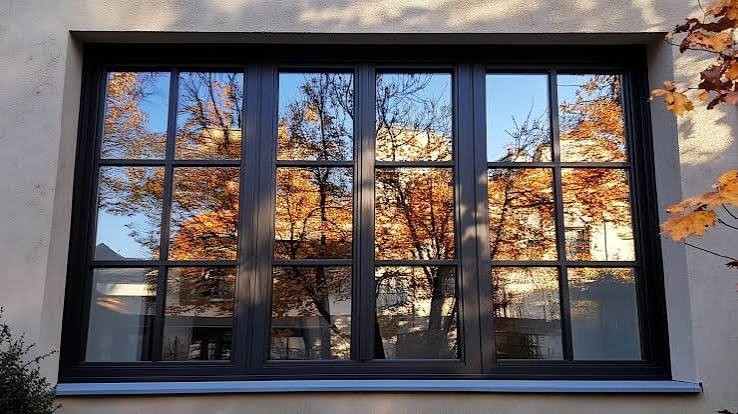
Aluminium windows are a popular choice for modern homes, apartments, offices and commercial buildings in Uganda. They offer a clean architectural appearance, durability, natural lighting, ventilation and relatively low maintenance requirements. Whether you are constructing a new property or upgrading an existing building, aluminium windows can improve both the functionality and appearance of your space.
However, property owners often face an important decision: Should you install new aluminium windows or replace your existing windows?
The answer depends on the condition of your current windows, the age of the building, your renovation budget, energy efficiency requirements, security needs and the overall design you want to achieve.
For new construction projects, aluminium window installation is normally planned as part of the building process. For older properties, replacement may be necessary when existing windows are damaged, outdated, difficult to operate or no longer meet the building’s requirements.
In this guide, we compare aluminium window installation vs replacement, explain the advantages and disadvantages of each option, discuss the factors affecting costs in Uganda and help you determine which solution is best for your property.
What Is Aluminium Window Installation?
Aluminium window installation involves fitting new aluminium windows into prepared openings in a newly constructed building or an existing structure that does not currently have the required window system.
This process usually includes measuring the openings, selecting suitable aluminium profiles, choosing the glass, fabricating the frames and installing the completed windows.
Aluminium window installation is common in:
- Newly constructed residential houses.
- Apartments and rental properties.
- Office buildings.
- Hotels and lodges.
- Schools and educational institutions.
- Hospitals and healthcare facilities.
- Shops and commercial buildings.
- Industrial and institutional properties.
The main advantage of installing new aluminium windows is that the design and specifications can be planned around the building’s architectural requirements from the beginning.
What Is Aluminium Window Replacement?
Aluminium window replacement involves removing existing windows and installing new aluminium window systems in their place.
It is commonly carried out when old windows have become damaged, outdated, inefficient or unsuitable for the property’s current needs.
Replacement may be necessary when:
- Existing wooden or steel windows are deteriorating.
- Old aluminium frames are damaged or corroded.
- Window frames are loose or poorly fitted.
- Windows are difficult to open or close.
- Glass panels are cracked or damaged.
- Locks and accessories no longer function properly.
- Water enters through poorly sealed window frames.
- The building requires a more modern appearance.
Replacement allows property owners to upgrade the appearance, functionality, security and performance of their buildings without necessarily undertaking a complete renovation.
Aluminium Window Installation vs Replacement: Key Differences
Although both processes involve fitting aluminium windows, they differ in terms of preparation, labour, project requirements and overall cost.
| Comparison factor | New window installation | Window replacement |
|---|---|---|
| Main application | New buildings or new window openings | Existing buildings with old windows |
| Existing windows | Usually none to remove | Old windows must be removed |
| Opening preparation | Planned during construction | Existing openings must be inspected |
| Labour requirements | Depends on design and site conditions | May include removal and disposal work |
| Customisation | Can be planned from the building design | Must suit existing openings or involve alterations |
| Finishing | Coordinated with construction finishes | May require repairs around the openings |
| Main benefit | Integrated design and planning | Upgrades existing windows and appearance |
The most suitable option depends on the building’s condition and the purpose of the project.
1. When Is New Aluminium Window Installation Better?
Installing new aluminium windows is generally the better choice when constructing a new building or adding new window openings during an extension or renovation.
Because the window system can be planned before installation, property owners have greater flexibility in selecting dimensions, designs, colours, glass and hardware.
Advantages of New Aluminium Window Installation
1. Greater design flexibility
New installations allow you to choose window designs that complement the building’s architectural style. You can select sliding, casement, fixed, top-hung or combination windows according to the requirements of each room.
2. Easier coordination with construction work
Window dimensions and opening positions can be incorporated into the building drawings. This helps coordinate the windows with wall construction, lintels, plastering and other finishing activities.
3. Opportunity to choose modern materials
You can select suitable aluminium profiles, glass specifications, locking systems, handles and finishing options from the beginning.
4. Improved natural lighting and ventilation
Window positions and dimensions can be planned to provide appropriate natural lighting and ventilation for different rooms.
5. Reduced need for old-frame removal
Since there are no existing windows to remove in a typical new-build installation, the project avoids the additional work associated with dismantling old window systems.
Possible Disadvantages of New Installation
- It requires proper coordination with the construction schedule.
- Incorrect opening measurements can cause fitting problems.
- Poor installation may lead to water leakage and alignment issues.
- Window specifications must be selected carefully before fabrication.
Best suited for: New residential houses, apartments, offices, hotels and commercial developments.
2. When Is Aluminium Window Replacement Better?
Replacing existing windows is often the better option when the current window systems are damaged, poorly functioning or no longer suitable for the building.
Instead of continuing to repair deteriorating windows, replacement can provide a more reliable and modern solution.
Advantages of Aluminium Window Replacement
1. Improves the building’s appearance
Old windows can make a property look outdated. Replacing them with modern aluminium frames can give the building a cleaner and more contemporary appearance.
2. Improves functionality
New windows can provide smoother operation, better-fitting components and more convenient opening arrangements when properly specified and installed.
3. Provides an opportunity to upgrade security
Replacement allows you to select modern locking systems, suitable glass and appropriate window configurations to improve security.
4. Can address persistent window problems
If existing windows have damaged frames, failing seals, poor alignment or recurring water leakage, replacing the complete window system may provide a more effective solution than repeated repairs.
5. Supports property renovation
Aluminium window replacement can be part of a wider renovation project involving new doors, flooring, wall finishes, ceilings and exterior improvements.
Possible Disadvantages of Window Replacement
- Existing windows must be removed.
- Old frames may be difficult to dismantle.
- Damaged plaster or wall finishes may require repairs.
- Existing openings may need adjustment.
- Occupants may experience temporary disruption during installation.
- Additional disposal and finishing costs may apply.
Best suited for: Older homes, renovated apartments, commercial buildings, offices and properties with damaged or outdated windows.
3. Cost Comparison: Aluminium Window Installation vs Replacement in Uganda
The cost of aluminium window installation and replacement in Uganda depends on several factors. Neither option is automatically cheaper because every project has different requirements.
For new installations, the quotation generally considers the aluminium profiles, glass, hardware, fabrication, delivery and installation.
For replacement projects, additional work may be required to remove old windows, prepare existing openings, repair surrounding surfaces and dispose of unwanted materials.
Factors Affecting New Aluminium Window Installation Costs
- Number and dimensions of windows.
- Type of aluminium profiles.
- Window design and configuration.
- Glass type and thickness.
- Colour and finishing.
- Handles, hinges, rollers and locking systems.
- Fabrication complexity.
- Delivery and installation requirements.
Factors Affecting Aluminium Window Replacement Costs
In addition to the materials and installation factors above, replacement costs may include:
- Removal of existing window frames.
- Dismantling and handling of old glass.
- Repairs to damaged walls and plaster.
- Adjustments to existing window openings.
- Disposal of old materials.
- Additional sealing and finishing.
- Special access equipment where required.
Which Option Is More Affordable?
New installation may be more straightforward when the building openings are properly prepared and construction work is still underway.
Replacement may involve additional labour because the old window system must first be removed. However, if the existing openings are in good condition and the replacement windows are designed to fit them, the additional work can be limited.
The most reliable way to compare costs is to request itemised quotations for both options where applicable.
4. Aluminium Window Designs to Consider
Whether installing new windows or replacing old ones, selecting the right design is essential.
Different window styles provide different benefits depending on room size, ventilation requirements, available space and architectural preferences.
Sliding Aluminium Windows
Sliding aluminium windows move horizontally along tracks. They are suitable for bedrooms, living rooms, offices and apartments where space-saving operation is important.
<IMAGE_PLACEHOLDER></IMAGE_PLACEHOLDER>
Casement Aluminium Windows
Casement windows open outwards or inwards using hinges. They are a popular choice for residential buildings because they provide good ventilation when appropriately positioned.
Fixed Aluminium Windows
Fixed windows do not open and are mainly used to provide natural light and outside views. They are suitable for staircases, reception areas, corridors and large glazed spaces.
Top-Hung Aluminium Windows
Top-hung windows are hinged at the top and open from the bottom. They are useful in areas where controlled ventilation is required.
Combination Aluminium Windows
Combination windows integrate fixed and opening sections in one frame. They allow property owners to combine natural lighting, ventilation and different architectural designs.
When selecting a window style, consider the room’s purpose, opening clearance, safety requirements and ease of maintenance.
5. Important Factors to Consider Before Replacing Existing Windows
Before replacing old windows, it is important to assess the condition of the existing frames and surrounding structure.
A professional inspection can help determine whether complete replacement is necessary or whether repairs would be sufficient.
Consider the following:
Condition of Existing Frames
Inspect the frames for corrosion, deformation, loose joints, cracks and other signs of deterioration. Severely damaged frames may need complete replacement.
Condition of Window Openings
Check whether the surrounding walls are stable and whether the openings are square and suitable for the proposed new frames.
Glass Condition
Cracked, damaged or unsuitable glass may require replacement. The correct glass specification should be selected according to the window dimensions, intended use and safety requirements.
Water Leakage and Sealing
Check for gaps around the frames, damaged seals and signs of water penetration. The source of leakage should be identified before new windows are installed.
Security Requirements
Evaluate the existing locking systems and consider suitable modern hardware and glass specifications.
Building Appearance
Choose aluminium colours and window designs that complement the property’s architecture, exterior finishes and other fittings.
6. How to Choose the Right Aluminium Window Profiles and Glass
The quality of the materials used in an aluminium window system affects its performance, appearance and service life.
Aluminium Profiles
Aluminium profiles form the structural frame of the window. Their dimensions, design and strength should be suitable for the size of the window and the weight of the glass.
For larger windows and commercial installations, suitable structural specifications are particularly important.
Glass Options
Common glass options include:
- Clear glass: Allows natural light and provides clear visibility.
- Tinted glass: Helps reduce glare and provides a different appearance.
- Tempered glass: Heat-treated safety glass with improved strength compared with ordinary annealed glass of the same thickness.
- Laminated glass: Uses an interlayer that helps hold broken glass fragments together.
The right glass depends on the intended application, safety requirements and design.
Hardware and Accessories
Window performance also depends on handles, rollers, hinges, locks, gaskets and weather seals.
Choose components that are compatible with the selected window design and suitable for the expected use.
7. Aluminium Window Installation and Replacement Process
Professional installation is important whether you are fitting windows in a new building or replacing existing ones.
Step 1: Site Inspection and Measurements
The first step involves inspecting the building and taking accurate measurements of the window openings.
For replacement projects, the existing frames and surrounding walls should also be assessed.
Step 2: Window Design Selection
Select the appropriate window style, frame colour, glass specification and hardware based on the building’s requirements.
Step 3: Fabrication
The aluminium frames are measured, cut and assembled according to the approved specifications.
Step 4: Preparation of Window Openings
For new installations, the openings must be properly prepared and checked.
For replacement projects, old frames and glass are carefully removed, and the openings are cleaned and assessed before fitting the new windows.
Step 5: Installation and Alignment
The new aluminium frames are positioned, aligned and securely fixed. Proper installation helps ensure smooth operation and appropriate structural support.
Step 6: Glazing and Sealing
Glass panels are installed using suitable glazing components. Appropriate sealing helps protect against water and air infiltration.
Step 7: Testing and Final Inspection
The installer checks that all windows open, close and lock correctly. The finished installation should also be inspected for alignment, sealing, stability and appearance.
8. Common Mistakes to Avoid During Aluminium Window Installation or Replacement
Poor planning and installation can reduce the performance of even high-quality aluminium windows.
Avoid these common mistakes:
1. Choosing windows based only on price
The cheapest quotation may exclude important components or use unsuitable materials. Compare specifications, not just totals.
2. Taking inaccurate measurements
Incorrect measurements can result in poorly fitting windows, gaps and additional modification costs.
3. Selecting unsuitable glass
Glass should be appropriate for the size, location, intended use and safety requirements of the window.
4. Ignoring hardware quality
Poor-quality rollers, hinges, locks and handles can cause operational problems and frequent repairs.
5. Failing to prepare window openings
Uneven or damaged openings can affect alignment, fixing and sealing.
6. Using inadequate sealing materials
Incorrect sealing can allow water and air to enter around the frame.
7. Hiring inexperienced installers
Poor workmanship can affect the stability, appearance and performance of the finished windows.
8. Failing to inspect the completed work
Always test the operation of the windows and check the installation before signing off the project.
9. Can You Replace Wooden or Steel Windows with Aluminium Windows?
Yes. Existing wooden and steel windows can often be replaced with aluminium window systems.
This is a common upgrade for property owners who want a modern appearance, improved functionality and lower routine maintenance requirements.
However, the replacement process depends on the condition and dimensions of the existing openings.
Wooden frames may have deteriorated because of moisture, insects or ageing. Steel frames may show corrosion, damaged joints or other structural problems.
Before replacement, the installer should assess:
- The condition of the existing frames.
- The dimensions of the window openings.
- The condition of surrounding walls.
- The suitability of the proposed aluminium system.
- Any necessary repairs or alterations.
- The required glass and security specifications.
Where possible, replacement windows can be designed to fit existing openings, helping reduce unnecessary structural modifications.
10. How to Maintain Newly Installed Aluminium Windows
Whether you install new aluminium windows or replace old ones, proper maintenance helps keep them functioning correctly.
Recommended maintenance practices include:
- Clean aluminium frames regularly using mild soap and water.
- Avoid harsh chemicals and abrasive cleaning materials.
- Remove dust and debris from sliding tracks.
- Check rollers and hinges periodically.
- Inspect handles and locking mechanisms.
- Check rubber gaskets and weather seals for deterioration.
- Keep drainage openings clear where the window system includes them.
- Arrange repairs when components become loose or damaged.
Regular cleaning and timely repairs help preserve the appearance and functionality of aluminium windows.
11. Why Choose Daltrevco for Aluminium Window Installation and Replacement in Uganda?
Choosing the right company is essential for achieving a professional aluminium window installation or replacement project.
Daltrevco provides aluminium fabrication and installation solutions for residential and commercial properties in Uganda.
Whether you are building a new home, renovating an apartment, upgrading an office or improving a commercial property, Daltrevco can help you plan aluminium window solutions suited to your project’s requirements.
When planning your project, consider:
- Suitable aluminium window designs.
- Appropriate aluminium profiles.
- Glass specifications for different applications.
- Window hardware and accessories.
- Accurate measurements and fabrication.
- Professional installation and finishing.
Daltrevco can help you assess your requirements and identify suitable aluminium window solutions for your property.
Planning to install or replace aluminium windows? Contact Daltrevco to discuss your project and request a quotation.
Frequently Asked Questions About Aluminium Window Installation and Replacement
1. Is it better to install new aluminium windows or replace old windows?
New installation is generally suitable for newly constructed buildings or new window openings. Replacement is more appropriate when existing windows are damaged, outdated, poorly functioning or unsuitable for the property’s requirements.
2. Is aluminium window replacement expensive in Uganda?
The cost depends on the number and size of windows, aluminium profile quality, glass specifications, hardware, removal of existing frames, repairs, transportation and installation labour. An inspection and detailed quotation provide a more reliable estimate.
3. Can aluminium windows be installed in an old house?
Yes. Aluminium windows can be installed in existing houses, provided the window openings are suitable or can be properly modified. The condition of the surrounding walls and existing frames should be assessed first.
4. Can I replace wooden windows with aluminium windows?
Yes. Wooden windows can often be replaced with aluminium systems. The existing openings should be measured and inspected to determine whether the new frames can fit without major structural alterations.
5. How long does aluminium window replacement take?
The timeframe depends on the number of windows, fabrication requirements, accessibility, condition of the existing frames and any necessary repairs. A contractor should assess the project before confirming the installation schedule.
6. Do aluminium windows improve home security?
Aluminium windows can support good security when designed with suitable profiles, appropriate glass, quality locks and professional installation. Security depends on the complete window system rather than the frame material alone.
7. Can I change the design when replacing old windows?
Yes. You can often change from older window styles to modern sliding, casement, fixed or combination aluminium windows. However, changes to dimensions or opening arrangements may require adjustments to the existing structure.
8. Do I need to replace the entire window if the glass is broken?
Not necessarily. If the frame is still structurally sound and suitable for continued use, replacing only the damaged glass may be possible. A professional assessment can establish whether glass replacement or a complete new window is more appropriate.
9. How do I get an aluminium window installation or replacement quotation from Daltrevco?
Contact Daltrevco with your project location, approximate number of windows, measurements and preferred designs. For replacement projects, photographs of the existing windows can also help explain the work required.
Conclusion: Which Is Better?
Choosing between aluminium window installation and replacement depends on the condition of your property and the objectives of your project.
For new buildings, installing aluminium windows is usually the most practical option because the window designs, dimensions and specifications can be coordinated with the construction process.
For existing buildings, replacement is often the better solution when old windows are damaged, outdated, difficult to operate or no longer meet the property’s requirements.
Both options can improve the appearance, functionality and usability of a building when the right materials are selected and the work is carried out professionally.
Before making a decision, assess the condition of your property, compare the total project requirements and obtain a detailed quotation.

