
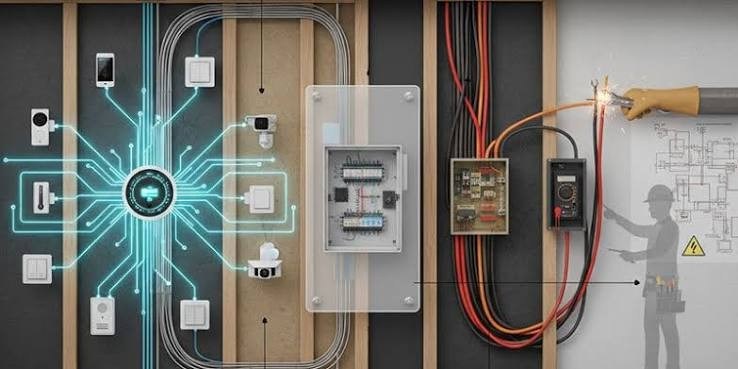
Smart home technology is changing the way people live, manage their properties and use electricity. From automated lighting and intelligent security systems to smart air conditioning, remote-controlled appliances and energy monitoring, modern homes are becoming more convenient, secure and energy-efficient.
In Uganda, the demand for smart home electrical systems is growing as homeowners, property developers and businesses increasingly embrace modern building technologies. Whether you are constructing a new house, renovating an existing property or upgrading your electrical installation, smart electrical solutions can improve comfort, safety, efficiency and control.
A professionally designed smart home electrical system allows different electrical devices and installations to communicate and work together. Homeowners can control lighting, sockets, security systems, entertainment equipment and other connected devices through smartphones, voice assistants, wall-mounted control panels or automated settings.
This guide explores smart home electrical systems in Uganda, including their features, benefits, components, installation process and important considerations when choosing a smart home electrical installation company.
What Are Smart Home Electrical Systems?
Smart home electrical systems are integrated electrical installations that use connected devices, sensors, controllers and automation technologies to manage different functions within a home.
Unlike conventional electrical systems that require manual operation of most switches and appliances, smart electrical systems allow homeowners to automate and remotely control various electrical functions.
For example, a homeowner can switch off lights remotely, adjust room temperatures, monitor electricity consumption, operate motorised gates and receive security alerts through a smartphone.
Smart home electrical systems can be installed in new residential buildings or integrated into existing properties, depending on the available electrical infrastructure and technology requirements.
Common smart home applications include:
- Automated lighting and smart switches.
- Smart sockets and appliance control.
- Automated air conditioning and temperature control.
- Smart security and surveillance systems.
- Smart door locks and access control.
- Automated curtains and window blinds.
- Energy monitoring and management.
- Smart entertainment systems.
- Remote control of electrical appliances.
- Integrated home automation systems.
Key Features of Smart Home Electrical Systems
Modern smart home electrical installations combine different technologies to create a connected and convenient living environment.
1. Smart Lighting Control
Smart lighting is one of the most popular features of home automation. It allows homeowners to control indoor and outdoor lighting through smartphones, voice commands, motion sensors or programmed schedules.
Smart lighting systems can:
- Switch lights on and off remotely.
- Automatically illuminate rooms when movement is detected.
- Adjust brightness depending on personal preferences.
- Schedule lighting according to daily routines.
- Control multiple lights from one application.
- Switch off unnecessary lights to reduce electricity consumption.
For example, outdoor security lights can automatically activate when movement is detected, while bedroom lighting can be programmed to switch off at bedtime.
2. Smart Switches and Electrical Sockets
Smart switches and sockets provide greater control over household electrical installations.
They allow users to operate selected lights and appliances remotely without physically accessing the switches.
Depending on the product, smart sockets can also provide electricity consumption information, schedules and automatic switching functions.
They are useful for controlling:
- Television sets.
- Water heaters.
- Selected kitchen appliances.
- Decorative lighting.
- Office equipment.
- Other compatible electrical devices.
Smart sockets must be selected according to the electrical load and manufacturer’s specifications.
3. Smart Security and Surveillance Systems
Home security is an important consideration when designing a smart electrical system.
Smart security installations combine connected devices to help homeowners monitor and protect their properties.
Common components include:
- Smart CCTV cameras.
- Motion detection sensors.
- Smart door locks.
- Video doorbells.
- Intruder alarm systems.
- Access control systems.
- Automated security lighting.
These systems can send notifications to homeowners when unusual activity is detected.
Some smart security systems also allow users to view live camera footage, lock doors remotely and manage access to their properties.
4. Smart Air Conditioning and Temperature Control
Smart temperature control systems help homeowners manage indoor comfort more conveniently.
Smart thermostats and compatible air conditioning controllers allow users to adjust temperature settings, establish operating schedules and monitor indoor conditions.
Benefits include:
- Remote temperature adjustment.
- Automated air conditioning schedules.
- Improved indoor comfort.
- Reduced unnecessary cooling.
- Better control of electricity consumption.
These systems are particularly useful in modern homes, apartments, hotels and high-end residential developments.
5. Automated Curtains and Blinds
Motorised curtains and blinds can be integrated into smart home electrical systems to provide convenient control of natural lighting and privacy.
Homeowners can open or close curtains using a smartphone, remote control, wall switch or programmed schedule.
For example, curtains can automatically open in the morning and close in the evening.
This feature is especially suitable for luxury homes, modern apartments, hotels and large residential properties.
6. Smart Energy Monitoring Systems
Electricity monitoring is another important feature of smart home technology.
Smart energy monitoring devices measure electricity consumption and provide information about how much energy different circuits or appliances use.
Depending on the system, homeowners can:
- Monitor electricity consumption.
- Identify appliances with high energy demand.
- Track electricity usage over time.
- Receive alerts about unusual consumption.
- Make informed decisions about energy management.
Smart energy monitoring is particularly useful in Uganda, where homeowners want better control over electricity costs.
7. Voice-Controlled Home Automation
Voice control allows homeowners to operate compatible smart devices through supported voice assistants.
Instead of manually switching on lights or adjusting devices, users can issue voice commands.
For example, compatible systems may allow commands such as:
- Turn on the living room lights.
- Switch off the bedroom lights.
- Adjust the room temperature.
- Close the motorised curtains.
- Activate the security system.
Voice control depends on device compatibility, configuration and internet or local network availability.
8. Smart Gate and Access Control Systems
Smart gates and access control systems improve convenience and property security.
They can be integrated with:
- Automated sliding gates.
- Swing gate motors.
- Video intercom systems.
- Smart door locks.
- Keypad access systems.
- Card and biometric access control.
These installations are suitable for private homes, gated communities, apartment complexes and commercial residential developments.
Benefits of Smart Home Electrical Systems
Installing a smart home electrical system offers several advantages beyond convenience. It can improve how homeowners manage electricity, security and everyday household activities.
1. Improved Convenience and Comfort
Smart home automation reduces the need to operate different electrical devices manually.
Homeowners can manage lighting, appliances, air conditioning, curtains and security systems from a central application or control interface.
This makes everyday household activities easier and creates a more comfortable living environment.
2. Better Energy Efficiency
Smart electrical systems can help reduce unnecessary electricity consumption.
Automated lighting, scheduled appliance operation, smart temperature controls and energy monitoring make it easier to manage electricity usage.
For example, motion sensors can switch off lights in unoccupied rooms, while programmable controls can prevent selected appliances from operating unnecessarily.
Actual savings depend on household usage, equipment efficiency, electricity tariffs and system configuration.
3. Enhanced Home Security
Smart security systems allow homeowners to monitor their properties and receive notifications when sensors detect unusual activity.
Integrated CCTV cameras, smart locks, motion detectors and alarm systems provide additional security management options.
Remote monitoring is particularly useful for homeowners who travel frequently or manage properties from different locations.
4. Remote Access and Control
One of the biggest advantages of smart home electrical systems is the ability to control compatible devices remotely.
Using a smartphone or tablet, homeowners can manage selected electrical functions even when they are away from home.
This can help users:
- Switch off forgotten lights.
- Check connected security cameras.
- Control compatible appliances.
- Manage smart door locks.
- Adjust air conditioning settings.
- Monitor electricity consumption.
Some systems also support local operation when internet connectivity is unavailable, depending on their design.
5. Increased Property Appeal
Smart home technology can make residential properties more attractive to buyers and tenants.
Modern features such as automated lighting, smart security, energy monitoring and integrated control systems can improve the functionality and appeal of a property.
Smart electrical installations are therefore valuable considerations for property developers, landlords and homeowners planning modern residential developments.
6. Improved Electrical Management
Centralised control systems allow homeowners to manage several connected devices through one platform.
This makes it easier to monitor selected electrical functions, establish schedules and identify certain operational issues.
However, smart automation does not replace conventional electrical protection devices such as circuit breakers, residual current devices and proper earthing.
7. Greater Flexibility and Scalability
Smart home electrical systems can be designed to accommodate future upgrades.
Homeowners can begin with essential automation features and gradually add more devices as their needs and budgets change.
For example, an initial installation may include smart lighting and security cameras, with later upgrades introducing automated curtains, smart temperature controls and energy monitoring.
Essential Components of a Smart Home Electrical System
A reliable smart home installation requires different electrical and automation components working together.
The main components include:
1. Smart switches: Allow remote and automated control of lighting and selected electrical circuits.
2. Smart sockets: Enable compatible appliances to be controlled through connected applications or automation settings.
3. Smart sensors: Detect movement, temperature, light levels, door openings and other environmental changes.
4. Home automation controllers: Coordinate communication between compatible smart devices and execute programmed functions.
5. Smart lighting devices: Provide automated lighting control, brightness adjustment and scheduling.
6. Smart security equipment: Includes CCTV cameras, alarm sensors, smart locks and video intercom systems.
7. Communication networks: Wi-Fi, Zigbee, Thread, Bluetooth and other supported technologies connect smart devices.
8. Electrical distribution boards: Distribute electrical power to different circuits while accommodating the necessary protective devices.
9. Backup power systems: Inverters, batteries and other appropriately designed backup solutions can support selected smart home equipment during power interruptions.
10. Mobile applications and control panels: Provide interfaces for monitoring and controlling connected home devices.
All components should be selected to ensure compatibility, electrical safety and reliable system performance.
Types of Smart Home Electrical Systems
Smart home installations can be categorised according to their technology, control methods and installation requirements.
1. Wired Smart Home Systems
Wired automation systems use dedicated communication cables to connect controllers, switches, sensors and other devices.
They are commonly considered during the construction of new homes because the necessary wiring can be installed before walls and ceilings are completed.
Advantages include:
- Reliable communication.
- Reduced dependence on Wi-Fi.
- Centralised system management.
- Suitable for extensive automation projects.
- Easier integration into planned electrical infrastructure.
However, wired systems may require more detailed planning and higher initial installation costs.
2. Wireless Smart Home Systems
Wireless smart home systems use communication technologies such as Wi-Fi, Zigbee, Thread and Bluetooth to connect compatible devices.
They are particularly suitable for existing homes where installing additional communication cables may be difficult.
Advantages include:
- Flexible installation.
- Easier expansion.
- Reduced additional cabling.
- Convenient device configuration.
- Suitable for selected home renovation projects.
Wireless systems require careful network planning, device compatibility checks and appropriate security configurations.
3. Hybrid Smart Home Systems
Hybrid systems combine wired and wireless automation technologies.
For example, a home may use wired communication for centralised lighting and security infrastructure while using wireless devices for temperature sensors, smart sockets and selected appliances.
Hybrid installations offer flexibility when designing smart home systems for different building sizes and requirements.
Smart Home Electrical Systems Installation Process
Professional installation is essential to ensure that smart home electrical systems operate safely and reliably.
The installation process should be carefully planned according to the building’s electrical requirements, automation objectives and future expansion needs.
Step 1: Property Assessment and Consultation
The first stage involves evaluating the property and identifying the homeowner’s requirements.
An electrical professional assesses the building layout, existing electrical installation, available network infrastructure and intended automation features.
Important considerations include:
- Number of rooms.
- Lighting requirements.
- Electrical appliance loads.
- Security requirements.
- Internet and network coverage.
- Existing electrical infrastructure.
- Future automation plans.
This assessment helps establish the most suitable smart home installation approach.
Step 2: Smart Home System Design
After the assessment, a detailed smart home electrical design is prepared.
The design identifies the devices, control systems, electrical circuits and communication infrastructure required.
It should include:
- Smart lighting layouts.
- Switch and socket locations.
- Sensor positions.
- CCTV and security equipment locations.
- Network and communication requirements.
- Automation controller locations.
- Electrical distribution and protection arrangements.
Proper planning reduces installation complications and helps ensure that the different components work together.
Step 3: Electrical Wiring and Infrastructure Installation
For new buildings, electrical wiring and automation infrastructure should be installed before plastering, ceiling installation and other finishing works.
The installation may include:
- Electrical power cables.
- Communication cables.
- Distribution boards.
- Conduits and cable trunking.
- Network access points.
- Automation control wiring.
- Appropriate protective devices.
All electrical installations should comply with applicable electrical safety requirements and be undertaken by qualified professionals.
Step 4: Installation of Smart Devices
Once the necessary infrastructure is ready, the smart home devices are installed.
These may include smart switches, sensors, cameras, controllers, automated curtains, smart sockets and other selected components.
Each device should be installed according to the manufacturer’s instructions and the approved electrical design.
Step 5: Configuration and System Integration
The installed devices are configured and connected to the appropriate control platforms.
This stage involves:
- Connecting compatible smart devices.
- Configuring communication networks.
- Setting up mobile applications.
- Creating automation schedules.
- Programming sensor responses.
- Integrating compatible security systems.
- Configuring user access and permissions.
The objective is to ensure that the different components operate together as intended.
Step 6: Testing and Commissioning
Before handing over the system, the installation should undergo comprehensive testing.
Testing should confirm that:
- Smart switches operate correctly.
- Lighting automation works as programmed.
- Sensors respond appropriately.
- Security equipment communicates correctly.
- Remote access functions properly.
- Electrical protection devices operate as intended.
- Connected equipment functions within its specified limits.
Any faults identified during testing should be corrected before commissioning.
Step 7: User Training and Handover
The final stage involves showing the homeowner how to operate and manage the installed smart home system.
The handover should include:
- Operating instructions.
- Mobile application configuration.
- User access details.
- Basic troubleshooting guidance.
- Maintenance recommendations.
- Warranty and equipment documentation.
Homeowners should also receive guidance on changing default passwords and keeping smart device software updated.
Smart Home Electrical Systems for Different Properties
Smart electrical installations can be customised to suit different types of buildings.
Smart Home Systems for Residential Properties
Residential smart home systems focus on comfort, security, energy management and convenience.
Common installations include automated lighting, smart sockets, security cameras, smart locks and temperature controls.
Smart Electrical Systems for Luxury Homes
Luxury homes often require more advanced automation and integrated control solutions.
These may include whole-house lighting automation, motorised curtains, multi-room entertainment systems, automated gates, smart climate control and centralised security management.
Smart Systems for Apartments
Smart electrical systems in apartments can improve security, convenience and energy management.
Common applications include smart door locks, video intercoms, automated lighting, occupancy sensors and selected appliance controls.
Smart Systems for Hotels and Guest Houses
Hotels and guest houses can use smart technology to improve guest comfort and operational efficiency.
Examples include smart room lighting, electronic access control, occupancy-based air conditioning and centralised monitoring of selected electrical systems.
Smart Systems for Offices and Commercial Buildings
Smart electrical technology can also be integrated into offices and commercial properties.
Applications include automated lighting, access control, occupancy sensors, energy monitoring and integrated building management systems.
How Much Does Smart Home Electrical Installation Cost in Uganda?
The cost of installing a smart home electrical system in Uganda depends on the size of the property, the number of devices, the automation technology selected and the complexity of the installation.
A basic smart home installation will generally cost less than a fully integrated automation system covering lighting, security, air conditioning, curtains, entertainment and energy management.
The main factors affecting installation costs include:
1. Property size: Larger homes generally require more devices, wiring, controllers and installation work.
2. Number of smart devices: The cost increases depending on the number of switches, sockets, sensors, cameras and automation components required.
3. Type of technology: Wired, wireless and hybrid systems have different equipment and installation requirements.
4. System complexity: Basic lighting automation is generally simpler than a fully integrated home automation installation.
5. Electrical infrastructure: Existing homes may require additional wiring, distribution board upgrades or network improvements.
6. Equipment quality and brand: Smart devices differ in functionality, compatibility, durability and price.
7. Installation and configuration: Professional installation, programming, integration and testing contribute to the overall project cost.
For an accurate quotation, property owners should request a site assessment and a detailed breakdown of equipment, installation, configuration and commissioning costs.
Important Considerations Before Installing a Smart Home Electrical System
Before investing in smart home technology, property owners should consider several important factors.
1. Device Compatibility
Not every smart device works with every automation platform.
Choose compatible products that can communicate with the intended control system.
2. Internet and Network Reliability
Some smart devices depend on internet access or a reliable local network.
The property should have suitable network coverage, especially in rooms where smart devices will be installed.
3. Electrical Safety
Smart devices must be correctly rated for their intended electrical loads.
The installation should include appropriate circuit protection, earthing, isolation and other safety measures.
4. Cybersecurity and Privacy
Connected devices can introduce cybersecurity risks if poorly configured.
Homeowners should use strong passwords, enable available security features, update device firmware and restrict access to authorised users.
5. Future Expansion
Choose an automation system that can accommodate additional devices and functions.
This makes future upgrades easier and can reduce the need for expensive system replacements.
6. Professional Installation
Smart home electrical installations involve both conventional electrical work and automation configuration.
Hiring qualified electrical professionals helps ensure proper wiring, device compatibility, safe installation and reliable commissioning.
Common Smart Home Electrical Installation Mistakes to Avoid
Poor planning and installation can affect the reliability and performance of smart home systems.
Some common mistakes include:
- Installing incompatible smart devices.
- Failing to plan automation before construction begins.
- Using unsuitable electrical cables and protective devices.
- Ignoring Wi-Fi and network coverage.
- Overlooking future expansion requirements.
- Installing smart switches without checking wiring requirements.
- Failing to secure connected devices.
- Neglecting system testing and commissioning.
- Choosing equipment based only on the lowest purchase price.
- Failing to provide adequate user training.
Working with an experienced electrical installation company helps minimise these problems.
Why Choose Professional Smart Home Electrical Installation Services in Uganda?
Smart home technology requires proper electrical planning, technical knowledge and reliable system integration.
Professional installation services help property owners select appropriate equipment and ensure that all components are correctly installed and configured.
When choosing a smart home electrical installation company, consider the following:
- Experience in residential and commercial electrical installations.
- Knowledge of modern home automation technologies.
- Ability to design customised electrical systems.
- Understanding of electrical safety requirements.
- Experience integrating lighting, security and control systems.
- Quality of equipment and installation materials.
- Testing, commissioning and after-installation support.
A reliable installation provider should assess your property, understand your requirements and recommend a practical solution within your budget.
Frequently Asked Questions About Smart Home Electrical Systems
1. What is a smart home electrical system?
A smart home electrical system is an integrated installation that allows homeowners to automate and remotely control electrical devices such as lighting, sockets, security systems, air conditioning and other compatible appliances.
2. How much does it cost to install a smart home system in Uganda?
The cost depends on property size, the number of smart devices, equipment quality, wiring requirements and system complexity. A professional site assessment is recommended to determine the actual project cost.
3. Can I install smart home technology in an existing house?
Yes. Many wireless smart devices can be installed in existing homes without extensive rewiring. However, some installations may require additional wiring or electrical upgrades.
4. Do smart home systems work without internet?
Some smart home systems can operate locally without internet access, depending on their technology and configuration. However, remote access and certain cloud-based features may require an internet connection.
5. Are smart home electrical systems energy-efficient?
Yes. Smart lighting, occupancy sensors, programmable controls and energy monitoring can help reduce unnecessary electricity consumption. Actual savings depend on how the system is used.
6. Can smart home systems control security cameras and gates?
Yes. Compatible security cameras, automated gates, access control devices and smart locks can be integrated into a smart home system.
7. Are smart home electrical systems safe?
They can be safe when correctly designed, installed and maintained. Proper electrical protection, earthing, device ratings and secure network configuration are essential.
8. Can I upgrade my smart home system in the future?
Yes. Many smart home systems support additional devices and automation features. It is advisable to choose scalable technology during the initial installation.
9. What is the difference between a smart home system and a conventional electrical system?
A conventional electrical system mainly relies on manual switches and controls, while a smart home system uses connected devices, sensors and controllers to automate and remotely manage selected electrical functions.
10. Who should install a smart home electrical system?
A qualified electrical installation professional with relevant home automation knowledge should design, install, configure and test the system.
Conclusion: Invest in Modern Smart Home Electrical Systems in Uganda
Smart home electrical systems are transforming modern residential living by combining convenience, security, energy management and automation.
From smart lighting and intelligent security systems to automated curtains, temperature controls and remote appliance management, these technologies give homeowners greater control over their properties.
Whether you are constructing a new house, renovating an existing property or developing luxury apartments, investing in a properly designed smart home electrical system can improve the functionality and long-term appeal of your building.
The key to a successful installation is selecting compatible equipment, planning the electrical infrastructure correctly and working with qualified professionals who understand both electrical installations and home automation.
Looking for professional smart home electrical installation services in Uganda? Contact Daltrevco for reliable electrical installation, modern automation solutions and customised building electrical systems designed to meet your property’s requirements.

