
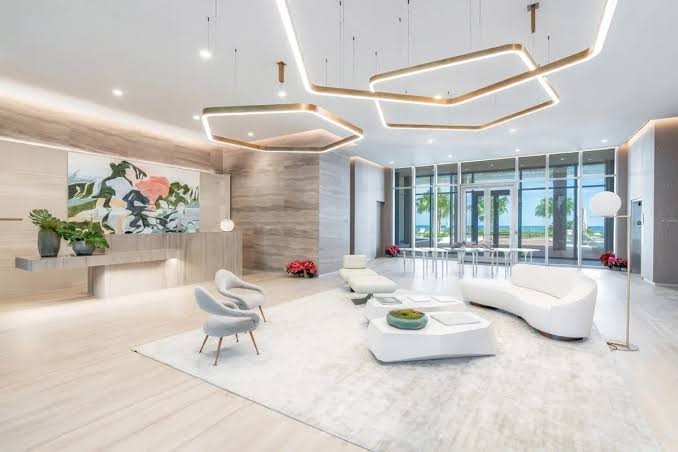
Lighting plays an important role in the comfort, safety, functionality and appearance of modern buildings. With advances in electrical technology, traditional lighting systems are increasingly being complemented by smart lighting solutions that allow property owners to control illumination automatically, remotely and more efficiently.
Smart lighting installation is becoming an important feature in modern homes, offices, hotels, shopping centres, apartments and commercial buildings in Uganda. These systems provide greater control over lighting through smart switches, motion sensors, automated schedules, dimmers and mobile applications.
Whether you are constructing a new home, renovating an existing property or upgrading the lighting infrastructure of a commercial building, smart lighting can improve energy management, convenience, security and the overall indoor environment.
Unlike conventional lighting systems that mainly depend on manual switches, smart lighting systems use connected devices and automation technology to manage how, when and where lights operate.
This guide explains smart lighting installation in Uganda, including its features, types, benefits, applications, installation process, costs and important considerations when choosing a professional electrical installation company.
What Is Smart Lighting?
Smart lighting is an advanced lighting technology that allows users to control and automate lighting fixtures through connected devices, sensors, programmed schedules and centralised control systems.
Depending on the technology installed, users can switch lights on and off, adjust brightness, change colours, establish lighting schedules and control multiple rooms from a smartphone, tablet, remote control or wall-mounted panel.
Smart lighting systems can be installed in individual rooms or integrated throughout an entire building.
Common smart lighting components include:
- Smart LED bulbs.
- Smart light switches.
- Motion and occupancy sensors.
- Smart dimmers.
- Automated lighting controllers.
- Wireless lighting control devices.
- Centralised lighting management systems.
- Daylight sensors.
- Smartphone-controlled lighting applications.
- Programmable lighting schedules.
These components can work independently or together to create an integrated lighting system suitable for residential and commercial applications.
What Is Smart Lighting Installation?
Smart lighting installation involves designing, supplying, installing, configuring and testing lighting equipment that can be controlled automatically or remotely.
The installation process goes beyond fitting ordinary lighting fixtures. It requires proper electrical wiring, suitable control devices, communication infrastructure and programming to ensure that the lighting system operates according to the user’s requirements.
For new buildings, smart lighting infrastructure should ideally be incorporated during the electrical design stage. For existing properties, compatible smart switches, bulbs, sensors and controllers can often be integrated into the current electrical installation.
Professional smart lighting installation ensures that the system is safe, compatible, convenient to operate and suitable for the building’s intended use.
Types of Smart Lighting Systems for Modern Buildings
Different buildings require different lighting technologies depending on their design, occupancy, functionality and energy requirements.
1. Smart LED Lighting Systems
Smart LED lighting is one of the most common solutions for modern homes and commercial buildings.
LED lights consume less electricity than many traditional lighting technologies and have a longer rated operating life when correctly selected and installed.
Smart LED systems offer additional control features, including:
- Remote switching.
- Adjustable brightness.
- Colour temperature adjustment.
- Colour-changing options on compatible products.
- Automated operating schedules.
- Integration with home automation systems.
They are suitable for living rooms, bedrooms, offices, hotels, restaurants, retail shops and outdoor spaces.
2. Motion Sensor Lighting Systems
Motion sensor lighting automatically switches lights on when movement is detected within a designated area.
The system uses sensors to identify movement and activate connected lighting fixtures.
Motion sensor lighting is particularly useful in:
- Corridors and passageways.
- Staircases.
- Bathrooms.
- Parking areas.
- Security entrances.
- Warehouses.
- Outdoor walkways.
- Building access points.
These systems help prevent lights from remaining on unnecessarily in unoccupied spaces.
3. Occupancy Sensor Lighting Systems
Occupancy sensors detect whether a space is being used and automatically manage the lighting accordingly.
They are commonly installed in offices, meeting rooms, classrooms, washrooms and other areas where occupancy changes throughout the day.
Some sensors use motion detection, while others combine multiple sensing technologies to improve detection in different environments.
Correct sensor positioning and sensitivity settings are important for reliable operation.
4. Dimmable Smart Lighting Systems
Smart dimming systems allow users to adjust the brightness of compatible lighting fixtures according to their needs.
Instead of operating lights only at full brightness, users can create different lighting levels for different activities.
For example:
- Bright lighting for reading and working.
- Moderate lighting for everyday activities.
- Soft lighting for relaxation.
- Reduced lighting for evening entertainment.
Dimmable lighting is suitable for bedrooms, living rooms, restaurants, hotels, conference rooms and reception areas.
5. Automated Lighting Control Systems
Automated lighting systems use programmed settings, sensors and controllers to manage lighting without requiring constant manual operation.
Lighting can be scheduled according to time, occupancy, daylight levels or other programmed conditions.
For example, outdoor lights can switch on in the evening and switch off in the morning, while office lighting can operate according to working hours.
Larger installations may use centralised lighting management platforms to control multiple rooms and zones.
6. Wireless Smart Lighting Systems
Wireless smart lighting systems use communication technologies such as Wi-Fi, Bluetooth, Zigbee and Thread to connect compatible lighting devices.
These systems are suitable for existing buildings where extensive additional wiring may not be practical.
Benefits include:
- Flexible installation.
- Remote lighting control.
- Easier system expansion.
- Reduced need for dedicated communication cabling.
- Convenient integration with compatible automation devices.
However, network coverage, device compatibility and cybersecurity should be considered during system design.
7. Wired Smart Lighting Systems
Wired smart lighting systems use dedicated control cables and communication infrastructure to connect lighting fixtures, switches, sensors and controllers.
They are commonly considered for new residential developments, hotels, office buildings and large commercial projects.
Advantages include reliable communication, structured system integration and suitability for extensive lighting automation.
These systems require careful planning during the electrical installation stage.
Benefits of Smart Lighting Installation for Modern Homes
Smart lighting offers several advantages for homeowners who want greater control over their electrical systems and indoor environments.
1. Improved Energy Efficiency
One of the main advantages of smart lighting is its ability to reduce unnecessary electricity consumption.
LED lighting, motion sensors, occupancy detection and automated schedules help ensure that lights operate only when required.
For example, a smart lighting system can automatically switch off lights when a room is unoccupied or reduce brightness when full illumination is unnecessary.
This can help households manage electricity consumption and reduce avoidable energy costs.
2. Convenient Lighting Control
Smart lighting allows homeowners to control their lighting systems through smartphones, tablets, voice assistants and compatible wall switches.
Instead of moving from room to room to operate individual switches, users can control multiple lights through one application or centralised interface.
This is particularly useful in large houses, multi-storey homes and modern residential developments.
3. Improved Home Security
Smart lighting can contribute to home security by making it possible to automate indoor and outdoor lighting.
For example, outdoor security lights can activate when movement is detected, while selected indoor lights can operate according to programmed schedules when occupants are away.
When integrated with CCTV cameras and alarm systems, smart lighting can form part of a broader property security solution.
4. Greater Comfort and Flexibility
Smart lighting allows homeowners to create different lighting environments depending on their activities.
A living room can have bright illumination during the day and softer lighting in the evening.
Bedrooms can use dimmed lighting before sleeping, while kitchens and study areas can have brighter illumination for specific tasks.
5. Increased Property Appeal
Modern buyers and tenants increasingly value convenient and energy-conscious building features.
Smart lighting can make residential properties more attractive by providing modern electrical functionality and automation capabilities.
It is particularly suitable for luxury homes, apartments, gated communities and newly developed residential estates.
6. Better Outdoor Lighting Management
Smart outdoor lighting provides greater control over security lights, garden lighting, pathways, parking areas and entrance illumination.
Automated schedules and compatible daylight or motion sensors can reduce the need for manual operation.
This improves convenience while helping property owners manage outdoor electricity usage.
Benefits of Smart Lighting for Commercial Buildings
Commercial buildings have different lighting requirements from residential properties because they often operate for longer hours and contain multiple rooms, departments and shared spaces.
Smart lighting provides practical solutions for managing illumination across larger properties.
1. Reduced Commercial Electricity Costs
Lighting can contribute significantly to electricity consumption in offices, hotels, shopping centres and industrial buildings.
Smart lighting controls can help reduce unnecessary energy use through occupancy sensors, daylight harvesting, scheduling and dimming.
For example, lighting in meeting rooms can switch off automatically when the rooms are unoccupied.
2. Improved Workplace Productivity and Comfort
Appropriate lighting supports visibility, comfort and the effective performance of workplace activities.
Smart lighting allows businesses to adjust lighting levels according to the requirements of different workspaces.
Offices can use suitable illumination for computer work, meetings, reception areas and shared spaces.
3. Centralised Lighting Management
Large commercial buildings may contain hundreds or thousands of lighting fixtures.
A centralised lighting management system allows authorised users to control multiple lighting zones from a central interface.
This makes it easier to manage operating schedules, monitor selected lighting circuits and coordinate illumination across different departments.
4. Improved Safety and Security
Smart lighting can improve visibility in staircases, corridors, entrances, parking areas and external access routes.
Motion-activated lighting can help illuminate spaces when people approach, while programmed outdoor lighting can support security management.
Emergency lighting must remain compliant with applicable safety requirements and should not depend solely on ordinary smart lighting controls.
5. Better Management of Large Facilities
Hotels, shopping centres, hospitals and office complexes often have different lighting requirements throughout the day.
Smart lighting systems allow facility managers to establish operating schedules and adjust lighting according to occupancy and building activities.
This supports more organised building management.
6. Support for Sustainable Building Operations
Smart lighting contributes to more efficient building operations by combining energy-efficient fixtures with intelligent controls.
It can support wider energy management objectives and help property owners reduce unnecessary electricity consumption.
Smart Lighting Applications in Different Buildings
Smart lighting can be customised for different property types depending on their functions and operating requirements.
Smart Lighting for Residential Homes
Residential smart lighting installations can include:
- Automated living room lighting.
- Smart bedroom switches.
- Kitchen task lighting.
- Bathroom occupancy sensors.
- Outdoor security lighting.
- Garden and landscape lighting.
- Staircase motion sensors.
- Smartphone-controlled lighting.
These installations improve convenience, comfort and lighting management.
Smart Lighting for Offices
Office buildings can benefit from occupancy-based lighting, daylight sensors, automated schedules and centralised lighting controls.
These features help manage lighting in workstations, boardrooms, corridors, reception areas and meeting rooms.
Smart Lighting for Hotels
Hotels require flexible lighting systems that support guest comfort and efficient facility management.
Smart lighting can be installed in guest rooms, restaurants, reception areas, conference facilities, corridors and outdoor spaces.
Possible applications include automated room lighting, bedside controls, occupancy-based lighting and programmable common-area lighting.
Smart Lighting for Shopping Centres
Shopping centres require different lighting arrangements for retail spaces, walkways, parking areas, entrances and common facilities.
Smart lighting allows facility managers to coordinate operating schedules, adjust lighting levels and manage selected zones.
Smart Lighting for Hospitals and Healthcare Facilities
Hospitals require carefully designed lighting systems to support patient comfort, visibility and safe movement.
Smart lighting can be used in suitable patient rooms, corridors, administrative offices, waiting areas and other spaces.
Clinical and emergency areas require lighting solutions designed around their specific operational and safety requirements.
Smart Lighting for Warehouses and Industrial Buildings
Warehouses and industrial facilities often have large spaces, high ceilings and changing occupancy patterns.
Smart high-bay LED lighting, occupancy sensors and zoned lighting controls can help improve illumination management.
Lighting designs should also consider the working environment, equipment, ceiling height and applicable safety requirements.
Smart Lighting Installation Process
Professional smart lighting installation involves several stages to ensure that the system meets the building’s electrical and operational requirements.
Step 1: Site Assessment and Consultation
The first step involves assessing the property and understanding the client’s lighting requirements.
The electrical installation team evaluates:
- Building size and layout.
- Number of rooms and lighting zones.
- Existing electrical infrastructure.
- Lighting requirements for each space.
- Available natural daylight.
- Occupancy patterns.
- Automation preferences.
- Network connectivity.
This assessment helps determine the most appropriate smart lighting solution.
Step 2: Smart Lighting Design and Planning
After the assessment, a lighting and electrical design is prepared.
The design identifies the lighting fixtures, smart switches, sensors, controllers and other equipment required.
It should also specify:
- Lighting fixture positions.
- Switch locations.
- Sensor installation points.
- Lighting circuits.
- Control zones.
- Communication requirements.
- Electrical distribution arrangements.
- Emergency lighting provisions where applicable.
A good lighting design balances illumination quality, convenience, safety and energy efficiency.
Step 3: Electrical Wiring and Infrastructure Preparation
The required electrical infrastructure is installed or upgraded to support the smart lighting system.
This may involve installing:
- Lighting cables.
- Electrical conduits.
- Smart switch wiring.
- Control cables.
- Distribution board connections.
- Communication infrastructure.
- Appropriate protective devices.
For new buildings, this work should be coordinated with the general electrical installation before plastering, ceiling installation and final finishes.
Step 4: Installation of Smart Lighting Equipment
Once the infrastructure is ready, the selected lighting equipment is installed.
This may include LED fixtures, smart bulbs, dimmers, switches, motion sensors, occupancy sensors and lighting controllers.
All equipment should be installed according to the manufacturer’s instructions and the approved electrical design.
Step 5: System Configuration and Programming
The installed devices are connected and configured to operate according to the required lighting arrangements.
This may include:
- Connecting compatible smart lighting devices.
- Configuring mobile applications.
- Establishing lighting schedules.
- Programming motion sensors.
- Creating automated lighting scenes.
- Setting dimming levels.
- Integrating lighting with compatible home automation systems.
For commercial properties, different lighting zones can be configured to suit operational schedules.
Step 6: Testing and Commissioning
After installation and programming, the entire system should be tested.
Testing should confirm that:
- All lighting fixtures operate correctly.
- Smart switches respond as expected.
- Motion sensors detect movement correctly.
- Automated schedules function properly.
- Dimming controls operate correctly.
- Remote access works where provided.
- Electrical protection arrangements are functioning.
- Lighting levels are appropriate for intended spaces.
Any identified problems should be corrected before the system is handed over.
Step 7: User Training and Handover
The final stage involves showing the property owner or facility manager how to use the installed system.
This includes operating smart switches, controlling lights through applications, adjusting schedules and managing user access.
The client should also receive relevant equipment documentation, warranties and maintenance guidance.
How Much Does Smart Lighting Installation Cost in Uganda?
The cost of smart lighting installation in Uganda varies depending on the size of the building, the type of lighting equipment and the complexity of the automation system.
A basic smart lighting installation for a residential property will generally require a smaller investment than a fully integrated lighting management system for a hotel, office complex or shopping centre.
The main factors affecting installation costs include:
1. Size of the property: Larger buildings require more lighting fixtures, switches, sensors and control equipment.
2. Type of smart lighting technology: Basic smart bulbs and switches generally have different costs from advanced wired automation systems.
3. Number of lighting points: The number of rooms, fixtures and lighting zones influences the quantity of equipment required.
4. Quality and brand of equipment: Different manufacturers offer different features, specifications, durability and prices.
5. Wiring and infrastructure requirements: Existing buildings may need additional cables, conduits, switch upgrades or electrical modifications.
6. Automation complexity: Systems involving centralised control, multiple lighting scenes, motion sensors and integration with other building systems require more planning and configuration.
7. Labour and installation requirements: Professional installation, programming, testing and commissioning contribute to the overall cost.
For an accurate quotation, property owners should request a site assessment and a detailed breakdown of materials, equipment, labour and configuration.
Important Factors to Consider Before Installing Smart Lighting
Before choosing a smart lighting system, consider the following factors.
1. Lighting Requirements
Different rooms and activities require different lighting levels.
A kitchen, office, bedroom, warehouse and reception area should not necessarily use the same lighting arrangement.
Choose fixtures and controls according to the function of each space.
2. Compatibility of Smart Devices
Ensure that smart switches, bulbs, sensors and controllers are compatible with the selected automation platform.
This helps prevent communication problems and unnecessary equipment replacements.
3. Electrical Safety
All lighting devices must be suitable for the electrical supply and intended application.
Proper wiring, earthing, circuit protection and installation practices are essential.
4. Network Connectivity
Wireless smart lighting systems may depend on Wi-Fi or other communication technologies.
Ensure that the property has adequate network coverage where required.
5. Future Expansion
Choose a system that can accommodate additional lighting fixtures, sensors and automation functions as your requirements change.
6. Maintenance Requirements
Consider the availability of replacement devices, technical support, software updates and manufacturer warranties.
A reliable system should be practical to maintain throughout its operating life.
7. Professional Installation
Smart lighting combines electrical installation with electronic controls and automation technology.
Professional installation helps ensure that the system is correctly wired, configured and tested.
Common Smart Lighting Installation Mistakes to Avoid
Poor planning and incorrect installation can reduce the performance and reliability of smart lighting systems.
Common mistakes include:
- Selecting incompatible smart switches and lighting fixtures.
- Failing to plan lighting zones before construction.
- Installing poorly positioned motion sensors.
- Ignoring the building’s electrical load requirements.
- Choosing unsuitable LED dimmers.
- Overlooking network coverage for wireless devices.
- Installing low-quality lighting equipment.
- Failing to consider emergency lighting requirements.
- Neglecting system testing and commissioning.
- Failing to provide users with operating instructions.
Working with an experienced electrical installation company helps avoid these problems and ensures that the lighting system meets the property’s requirements.
Why Choose Professional Smart Lighting Installation Services in Uganda?
Smart lighting systems require proper planning, suitable equipment, electrical expertise and reliable configuration.
Professional installation services help property owners achieve lighting solutions that are safe, practical and suitable for their buildings.
When selecting a smart lighting installation company, consider:
- Experience in residential and commercial electrical installations.
- Knowledge of smart lighting and automation technologies.
- Ability to design customised lighting systems.
- Understanding of electrical safety requirements.
- Quality of lighting fixtures and installation materials.
- Experience with lighting controls and sensors.
- Proper testing and commissioning procedures.
- After-installation support and maintenance services.
A reliable electrical installation provider should understand your requirements, inspect the property and recommend a suitable solution based on your building’s design and budget.
Frequently Asked Questions About Smart Lighting Installation
1. What is smart lighting installation?
Smart lighting installation involves fitting and configuring lighting fixtures, switches, sensors and controllers that allow users to automate or remotely control lighting.
2. How much does smart lighting installation cost in Uganda?
The cost depends on the building size, number of lighting points, equipment quality, wiring requirements and level of automation. A site assessment is necessary for an accurate quotation.
3. Can smart lighting be installed in an existing house?
Yes. Many smart bulbs, switches and wireless lighting controllers can be installed in existing houses. Some systems may require additional wiring or electrical modifications.
4. Does smart lighting save electricity?
Yes. Smart lighting can help reduce electricity consumption through efficient LED fixtures, occupancy sensors, daylight controls, dimming and automated schedules.
5. What is the difference between smart lighting and traditional lighting?
Traditional lighting mainly relies on manual switches, while smart lighting uses connected devices, sensors and automation controls to manage illumination remotely or automatically.
6. Can smart lighting work without internet?
Some smart lighting systems support local control through compatible hubs, switches or communication networks without an internet connection. However, cloud-based features and remote access may require internet connectivity.
7. Is smart lighting suitable for commercial buildings?
Yes. Smart lighting is suitable for offices, hotels, hospitals, shopping centres, warehouses, schools and other commercial properties.
8. What are the main components of smart lighting?
The main components include smart LED fixtures, switches, dimmers, motion sensors, occupancy sensors, controllers, communication devices and mobile control applications.
9. Can smart lighting be controlled using a smartphone?
Yes. Compatible smart lighting systems allow users to switch lights on and off, adjust brightness, establish schedules and manage lighting zones through mobile applications.
10. Who should install smart lighting systems?
Smart lighting should be designed and installed by qualified electrical professionals with relevant knowledge of lighting controls, automation technology and electrical safety.
Conclusion: Invest in Professional Smart Lighting Installation in Uganda
Smart lighting installation is an important part of modern residential and commercial electrical design. By combining energy-efficient LED fixtures, intelligent sensors, automated schedules and connected control systems, property owners can achieve better lighting management, convenience, security and energy efficiency.
Whether you are developing a modern home, upgrading an office, constructing a hotel or managing a commercial building, smart lighting provides flexible solutions that can be customised to your property’s needs.
However, achieving reliable results requires proper planning, compatible equipment, professional electrical installation and thorough system testing.
Looking for professional smart lighting installation services in Uganda? Contact Daltrevco for reliable electrical installation, smart lighting solutions and customised building electrical systems for residential and commercial properties. Let Daltrevco help you create a modern, efficient and intelligently controlled lighting environment.

