
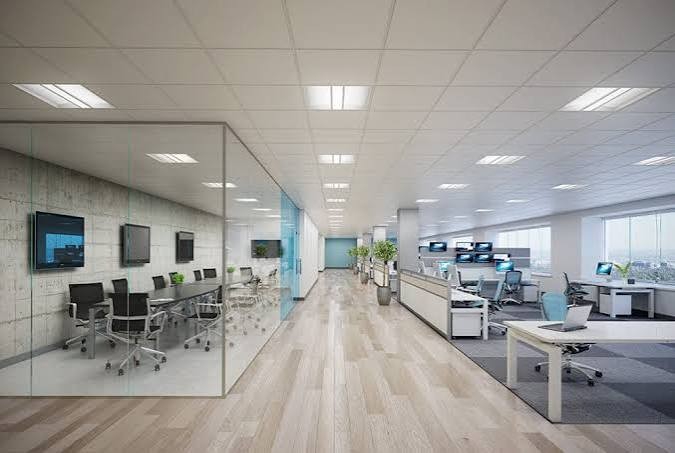
Modern offices and commercial buildings require lighting systems that provide reliable illumination, improve workplace comfort and support efficient electricity management. As businesses increasingly adopt modern building technologies, automated lighting control systems are becoming an important part of commercial electrical installations in Uganda.
Unlike traditional lighting systems that depend mainly on manual switches, automated lighting control systems use sensors, smart switches, timers, dimmers and centralised controllers to manage lighting according to occupancy, daylight availability, operating schedules and building requirements.
These systems allow businesses to control lighting in different rooms, offices, corridors, meeting rooms, warehouses and other commercial spaces more efficiently. They can also help reduce unnecessary electricity consumption, improve workplace convenience and support better building management.
Whether you are constructing a new office building, renovating an existing commercial property or upgrading your electrical infrastructure, investing in automated lighting controls can improve the functionality and efficiency of your premises.
This guide explores automated lighting control systems in Uganda, including their features, types, benefits, applications, installation process, costs and important considerations when choosing a professional electrical installation company.
What Are Automated Lighting Control Systems?
Automated lighting control systems are electrical and electronic technologies designed to manage lighting operations automatically or remotely.
They use sensors, controllers, timers, switches and communication networks to determine when lights should switch on, switch off or adjust their brightness.
For example, an office lighting system can automatically switch off lights when employees leave a meeting room. Similarly, daylight sensors can reduce artificial lighting when sufficient natural light enters the building.
In larger commercial properties, automated lighting systems can be connected to centralised building management platforms, allowing facility managers to control different lighting zones from a single interface.
Common components include:
- Occupancy and motion sensors.
- Daylight sensors.
- Smart lighting switches.
- Programmable timers.
- Automatic dimmers.
- Lighting control panels.
- Centralised lighting controllers.
- Energy monitoring devices.
- Smart LED lighting fixtures.
- Building automation integration systems.
These components can be combined to create a customised lighting solution based on the building’s size, layout, operating hours and electrical requirements.
Why Are Automated Lighting Control Systems Important for Commercial Buildings?
Commercial properties often have complex lighting requirements because they contain different departments, rooms and operational areas.
Traditional lighting arrangements may require employees or facility managers to switch lights on and off manually throughout the day. This can result in lights remaining on in unoccupied rooms, unnecessary electricity consumption and inconsistent lighting conditions.
Automated lighting controls address these challenges by managing illumination according to actual building conditions.
They are particularly valuable in Uganda, where businesses are increasingly interested in reducing operating expenses, improving energy efficiency and adopting modern building technologies.
A properly designed system helps organisations manage lighting more effectively while maintaining suitable illumination for employees, customers and visitors.
Types of Automated Lighting Control Systems for Offices and Commercial Spaces
Different lighting control technologies are available depending on the building’s requirements and the level of automation required.
1. Occupancy Sensor Lighting Control Systems
Occupancy sensors detect whether people are using a particular space and automatically control the connected lighting.
When someone enters a room, the sensor activates the lights. When the space becomes unoccupied for a configured period, the system switches off or reduces the lighting.
Occupancy sensors are particularly useful in:
- Private offices.
- Meeting rooms.
- Conference rooms.
- Washrooms.
- Corridors.
- Storage rooms.
- Staff changing rooms.
- Shared office spaces.
They help reduce unnecessary lighting operation in areas that are not continuously occupied.
2. Motion Sensor Lighting Control Systems
Motion sensors detect movement within a defined area and activate connected lighting fixtures.
They are commonly installed in staircases, corridors, entrances, parking areas and external walkways.
Motion sensor lighting is especially useful in commercial properties where people move through certain areas occasionally rather than occupying them continuously.
Correct sensor positioning and sensitivity settings are important to ensure reliable operation.
3. Daylight Harvesting Systems
Daylight harvesting is an automated lighting technique that uses natural daylight to reduce the amount of artificial illumination required.
The system uses light sensors to measure available daylight and adjusts compatible artificial lighting accordingly.
For example, an office near large windows may automatically reduce artificial lighting during bright daytime conditions while maintaining appropriate illumination in areas farther from the windows.
Benefits include:
- Reduced unnecessary electricity consumption.
- Better utilisation of natural light.
- Improved lighting management.
- Greater flexibility in office lighting.
- Support for energy-efficient building operations.
Daylight harvesting is particularly suitable for offices, shopping centres, hotels and commercial buildings with large windows or skylights.
4. Programmable Timer Lighting Systems
Programmable lighting timers allow businesses to establish specific operating schedules for their lighting installations.
Lights can automatically switch on and off according to predetermined times.
For example:
- Office lighting can activate before working hours.
- Reception lighting can operate throughout business hours.
- External lights can switch on in the evening.
- Selected common-area lighting can follow scheduled operating periods.
Timer-based controls are useful for commercial buildings with predictable operating hours.
5. Automatic Dimming Systems
Automatic dimming systems adjust lighting brightness according to programmed settings, occupancy levels or available daylight.
Instead of operating all lighting fixtures at maximum brightness throughout the day, the system adjusts illumination to suit the requirements of different spaces.
They are suitable for:
- Boardrooms.
- Conference rooms.
- Reception areas.
- Restaurants.
- Hotels.
- Retail spaces.
- Modern office environments.
Dimming equipment must be compatible with the selected LED fixtures and lighting drivers.
6. Centralised Lighting Control Systems
Centralised lighting control systems allow facility managers to operate different lighting zones through one control panel, computer interface or compatible mobile application.
These systems are especially useful in large office complexes, shopping centres, hotels and institutional buildings.
Features may include:
- Centralised switching.
- Lighting schedules.
- Zone-based controls.
- Brightness adjustment.
- Occupancy-based automation.
- Energy monitoring.
- System status monitoring.
Centralised control makes it easier to manage extensive lighting installations without operating every switch individually.
7. Wireless Automated Lighting Systems
Wireless lighting control systems use technologies such as Wi-Fi, Bluetooth, Zigbee and Thread to connect compatible lighting devices and controllers.
They are useful for existing commercial buildings where installing additional control cables may be difficult or disruptive.
Advantages include:
- Flexible installation.
- Reduced additional communication wiring.
- Easier system expansion.
- Convenient remote control.
- Integration with compatible smart building platforms.
However, reliable network coverage, cybersecurity and device compatibility must be considered during planning.
8. Wired Lighting Automation Systems
Wired lighting control systems use dedicated communication cables and electrical infrastructure to connect sensors, switches, controllers and lighting fixtures.
They are commonly considered for new office buildings and large commercial developments.
Advantages include reliable communication, structured control and suitability for extensive lighting installations.
Although they require detailed planning, wired systems can provide a dependable foundation for long-term commercial lighting automation.
Key Features of Modern Automated Lighting Control Systems
Modern lighting automation systems offer several features that improve lighting management in commercial environments.
1. Automatic Switching
Lights can switch on or off according to occupancy, programmed schedules or sensor information.
This reduces dependence on manual switching and helps prevent unnecessary lighting operation.
2. Brightness Adjustment
Compatible lighting systems allow users to adjust brightness according to room requirements.
Different lighting levels can be programmed for office work, presentations, meetings and other activities.
3. Lighting Zone Management
Commercial buildings can be divided into different lighting zones.
For example, an office may have separate lighting controls for reception, workstations, meeting rooms, corridors and external areas.
This allows each zone to operate according to its specific requirements.
4. Remote Lighting Control
Authorised users can control compatible lighting systems through centralised applications, computers or mobile devices.
This is useful for facility managers responsible for buildings with multiple floors or departments.
5. Automated Scheduling
Lighting schedules allow businesses to coordinate lighting operation with working hours and building activities.
This helps ensure that selected lighting circuits do not remain unnecessarily active outside operating periods.
6. Energy Monitoring
Advanced lighting control platforms can provide information about lighting energy consumption.
Facility managers can use this information to identify inefficient operating patterns and improve energy management.
7. Building Management System Integration
Automated lighting controls can be integrated with wider building management systems.
Depending on the technology, they may communicate with HVAC systems, occupancy sensors, security installations and other building services.
This creates opportunities for more coordinated building operations.
Benefits of Automated Lighting Control Systems for Commercial Buildings
Investing in automated lighting control systems offers several advantages for businesses and commercial property owners.
1. Reduced Electricity Consumption
One of the main advantages of lighting automation is its ability to reduce unnecessary electricity use.
Occupancy sensors, daylight controls, programmable timers and dimming systems help ensure that lighting operates according to actual requirements.
For example, lighting in an unoccupied conference room can automatically switch off instead of remaining active throughout the day.
These measures can help businesses reduce avoidable electricity costs.
Actual savings depend on the building design, occupancy patterns, existing lighting equipment and control strategy.
2. Improved Workplace Comfort
Appropriate lighting is important for comfortable and productive working environments.
Automated lighting systems allow businesses to adjust illumination according to the requirements of different activities.
For example, meeting rooms may require different lighting arrangements from computer workstations, reception areas and corridors.
This flexibility helps create more suitable working conditions.
3. Better Facility Management
Centralised lighting control simplifies the management of lighting across large commercial properties.
Facility managers can monitor selected zones, establish schedules and adjust lighting settings without manually operating every individual switch.
This is especially valuable in office complexes, hotels, shopping centres and institutional buildings.
4. Improved Security and Visibility
Automated lighting can improve visibility in corridors, entrances, parking areas, staircases and outdoor walkways.
Motion-activated lighting can illuminate selected areas when movement is detected.
When integrated with suitable security installations, lighting automation can support wider commercial property security management.
5. Reduced Manual Operations
Traditional lighting systems may require employees or maintenance staff to switch lights on and off throughout the day.
Automation reduces this routine work by allowing the system to manage lighting according to programmed conditions.
This improves operational convenience for businesses and facility management teams.
6. Longer Operating Life for Lighting Equipment
Smart lighting controls can reduce unnecessary operating hours and manage brightness more effectively.
When combined with quality LED fixtures and compatible drivers, this can help manage equipment usage and maintenance requirements.
Actual equipment lifespan depends on product quality, operating conditions and installation practices.
7. Support for Sustainable Building Operations
Automated lighting systems support more efficient electricity management by combining energy-efficient fixtures with intelligent controls.
Businesses can incorporate these systems into broader building efficiency and sustainability initiatives.
8. Greater Flexibility and Scalability
Modern lighting control systems can be designed to accommodate future changes.
A business may initially automate its office lighting and later expand the system to include meeting rooms, corridors, external areas and additional building facilities.
This makes lighting automation suitable for growing organisations and developing commercial properties.
Applications of Automated Lighting Control Systems in Different Commercial Spaces
Automated lighting systems can be customised to suit the requirements of different business environments.
1. Office Buildings
Offices are among the most suitable environments for automated lighting controls.
Common applications include:
- Occupancy-based workstation lighting.
- Automated meeting room lighting.
- Daylight-responsive window-side lighting.
- Scheduled corridor illumination.
- Smart reception lighting.
- Centralised floor-by-floor control.
These installations help businesses manage electricity consumption while maintaining suitable lighting conditions.
2. Hotels and Hospitality Facilities
Hotels require flexible lighting arrangements across guest rooms, reception areas, restaurants, conference rooms and corridors.
Automated lighting can control selected guest room lighting, common areas and external spaces according to occupancy and operating schedules.
It can also be integrated with compatible room management systems.
3. Shopping Centres and Retail Stores
Retail buildings require appropriate lighting for product displays, customer walkways, entrances and common areas.
Automated lighting systems can establish operating schedules, control different zones and adjust compatible fixtures according to available daylight.
4. Hospitals and Healthcare Facilities
Healthcare buildings have different lighting requirements depending on the department and activity.
Automated lighting can be used in suitable administrative offices, corridors, waiting areas and non-critical support spaces.
Patient care areas, examination rooms and emergency departments require specialised lighting designs based on clinical and operational requirements.
5. Educational Institutions
Schools, universities and training centres can use automated lighting to manage classrooms, libraries, lecture halls, laboratories and corridors.
Occupancy sensors and scheduled lighting controls can help reduce unnecessary operation when rooms are not being used.
6. Warehouses and Industrial Facilities
Large warehouses and industrial buildings often require lighting across extensive floor areas.
Automated high-bay LED lighting, occupancy sensors and zoned controls can help manage illumination according to activity and occupancy.
7. Restaurants and Conference Centres
Restaurants and conference facilities benefit from flexible lighting arrangements.
Dimmable lighting and programmed scenes can create suitable environments for dining, meetings, presentations and special events.
How Automated Lighting Control Systems Are Installed
Professional installation is essential for achieving reliable and safe lighting automation.
The process should begin with a detailed assessment and continue through design, wiring, equipment installation, programming and commissioning.
Step 1: Site Assessment and Requirements Analysis
The first stage involves evaluating the building and understanding the client’s lighting requirements.
The electrical installation team assesses:
- Building size and layout.
- Number of lighting fixtures.
- Existing electrical infrastructure.
- Room occupancy patterns.
- Natural daylight availability.
- Commercial operating hours.
- Required automation features.
- Existing building management systems.
This assessment helps determine the most suitable control technology.
Step 2: Lighting Control System Design
A detailed lighting control design is prepared based on the assessment.
The design identifies the lighting zones, sensors, switches, controllers and communication infrastructure required.
It should also consider appropriate illumination levels for the intended activities, energy management objectives and emergency lighting requirements.
Step 3: Electrical Wiring and Infrastructure Preparation
The required electrical and communication infrastructure is installed or upgraded.
This may include:
- Lighting power cables.
- Control wiring.
- Electrical conduits.
- Distribution board connections.
- Sensor wiring.
- Communication cables.
- Lighting control panels.
- Appropriate circuit protection.
For new commercial buildings, this work should be coordinated with the main electrical installation before ceilings and wall finishes are completed.
Step 4: Installation of Sensors and Control Devices
The selected control equipment is installed in the designated locations.
This may include occupancy sensors, daylight sensors, motion detectors, smart switches, dimmers and centralised controllers.
Sensor placement is important because incorrect positioning can result in poor detection or unwanted lighting operation.
Step 5: Installation of Lighting Fixtures
Compatible LED lighting fixtures and other selected luminaires are installed and connected to the appropriate control circuits.
The equipment should meet the building’s illumination requirements and be compatible with the selected control technology.
Step 6: Programming and System Integration
The lighting control system is configured to operate according to the building’s requirements.
This may involve:
- Programming operating schedules.
- Setting occupancy detection periods.
- Configuring daylight response.
- Establishing lighting zones.
- Setting dimming levels.
- Connecting centralised control interfaces.
- Integrating compatible building management systems.
Step 7: Testing and Commissioning
The complete installation is tested before handover.
Testing should verify that:
- Sensors detect occupancy correctly.
- Lighting switches operate properly.
- Dimming controls function correctly.
- Automated schedules work as programmed.
- Lighting zones respond correctly.
- Centralised controls operate reliably.
- Electrical protection systems are correctly installed.
- Required lighting conditions are achieved.
Any faults identified should be corrected before commissioning.
Step 8: Handover and User Training
The final stage involves training facility managers and authorised users on how to operate the system.
They should understand how to manage lighting zones, adjust schedules, access control interfaces and respond to common system issues.
Relevant operating manuals, equipment documentation and warranty information should also be provided.
How Much Do Automated Lighting Control Systems Cost in Uganda?
The cost of installing automated lighting control systems in Uganda depends on the building size, number of lighting zones, selected technology and complexity of the installation.
A small office with occupancy sensors and programmable lighting controls will generally require a different investment from a large commercial building with centralised automation and building management integration.
The main factors affecting installation costs include:
1. Building size: Larger commercial buildings require more lighting fixtures, sensors, controllers and electrical infrastructure.
2. Number of lighting zones: The more lighting zones a property requires, the more control devices and configuration work may be needed.
3. Type of automation technology: Wireless, wired and hybrid lighting systems have different equipment and installation requirements.
4. Equipment quality: Lighting controllers, sensors, switches and LED fixtures vary in quality, functionality and price.
5. Existing electrical infrastructure: Older buildings may require additional wiring, distribution board modifications or electrical upgrades.
6. System integration: Connecting lighting controls to HVAC, security or wider building management systems can increase project complexity.
7. Installation and programming: Labour, configuration, testing and commissioning contribute to the total cost.
For an accurate quotation, commercial property owners should request a site inspection and a detailed proposal showing equipment, materials, labour and commissioning requirements.
Important Factors to Consider Before Installing Automated Lighting Controls
Selecting the right system requires careful consideration of the building’s operational and electrical requirements.
1. Building Layout and Occupancy
Consider how employees, visitors and customers use different areas of the building.
Meeting rooms, corridors, workstations and storage areas may require different sensor arrangements and control strategies.
2. Lighting Quality
Automation should not compromise appropriate illumination.
Choose suitable fixtures and control settings for the activities taking place in each space.
3. Compatibility of Equipment
Ensure that sensors, switches, LED drivers, controllers and lighting fixtures are compatible with one another.
4. Energy Efficiency
Select energy-efficient LED fixtures and control strategies that reduce unnecessary lighting operation.
5. Reliability of Communication Networks
Wireless systems require suitable network coverage and reliable communication between devices.
Wired systems should have properly designed communication infrastructure.
6. Electrical Safety
All installations should use correctly rated cables, switches, control equipment and protective devices.
Electrical protection and emergency lighting arrangements must be designed independently of ordinary convenience automation where required.
7. Future Expansion
Choose a system that can accommodate additional floors, departments, sensors and lighting fixtures as the business grows.
8. Maintenance and Technical Support
Consider the availability of replacement equipment, software updates, technical support and maintenance services.
Common Mistakes to Avoid When Installing Commercial Lighting Control Systems
Poor system design can reduce the efficiency and reliability of automated lighting.
Common mistakes include:
- Installing sensors in unsuitable positions.
- Choosing incompatible lighting controllers.
- Failing to consider actual occupancy patterns.
- Using unsuitable dimmers with LED fixtures.
- Ignoring natural daylight conditions.
- Overlooking emergency lighting requirements.
- Failing to plan lighting zones.
- Installing low-quality control equipment.
- Neglecting network security.
- Failing to test and commission the system.
- Not training facility managers on system operation.
Working with an experienced electrical installation company helps avoid these challenges and supports reliable system performance.
Why Choose Professional Automated Lighting Installation Services in Uganda?
Automated lighting control systems require expertise in electrical installations, lighting design, sensors, control technologies and system integration.
Professional installation helps businesses achieve safe, practical and reliable lighting solutions that meet their operational requirements.
When selecting a lighting installation company, consider:
- Experience in commercial electrical installations.
- Knowledge of modern lighting automation technologies.
- Ability to design customised lighting control systems.
- Understanding of electrical safety standards.
- Experience with sensors and centralised controls.
- Quality of equipment and installation materials.
- Proper testing and commissioning procedures.
- Maintenance and after-installation support.
A reliable electrical contractor should assess your property, understand your operational needs and recommend a suitable system within your project budget.
Frequently Asked Questions About Automated Lighting Control Systems
1. What is an automated lighting control system?
An automated lighting control system uses sensors, switches, timers and controllers to manage lighting automatically or remotely according to occupancy, daylight conditions and programmed schedules.
2. How do automated lighting systems work in offices?
They use occupancy sensors, daylight sensors, timers and controllers to operate lighting according to how office spaces are used. Lights can switch on when employees enter a room and switch off when the space becomes unoccupied.
3. How much does lighting automation cost in Uganda?
The cost depends on the building size, number of lighting zones, selected equipment, electrical infrastructure and level of automation. A professional site assessment is necessary for an accurate quotation.
4. Can automated lighting systems reduce electricity bills?
Yes. Automated lighting can reduce unnecessary electricity consumption through occupancy detection, daylight harvesting, dimming and programmed schedules. Actual savings depend on the building and its operating conditions.
5. What is the difference between motion sensors and occupancy sensors?
Motion sensors detect movement within a defined area, while occupancy sensors are designed to determine whether a space is occupied. Some occupancy sensors use motion detection, while others use additional sensing technologies.
6. Can automated lighting be installed in existing office buildings?
Yes. Many existing commercial properties can be upgraded using compatible sensors, smart switches and wireless control devices. Some installations may require additional wiring or electrical modifications.
7. Can lighting automation be integrated with building management systems?
Yes. Compatible lighting control systems can communicate with wider building management platforms, allowing coordinated management of lighting and other building services.
8. Are automated lighting systems suitable for small offices?
Yes. Even small offices can benefit from occupancy sensors, programmable timers and smart lighting switches.
9. Do automated lighting systems require internet access?
Not necessarily. Many wired and locally controlled systems operate without internet access. Remote monitoring and certain cloud-based features may require an internet connection.
10. Who should install automated lighting control systems?
Qualified electrical installation professionals with experience in commercial lighting controls and automation should handle the design, installation, configuration and commissioning.
Conclusion: Invest in Automated Lighting Control Systems for Your Commercial Building
Automated lighting control systems are transforming how modern offices and commercial buildings manage electricity, illumination and daily operations.
By combining LED lighting, occupancy sensors, daylight harvesting, programmable timers, dimmers and centralised controllers, businesses can improve lighting management, reduce unnecessary electricity consumption and create more comfortable working environments.
Whether you are developing a new office complex, upgrading a hotel, renovating a shopping centre or improving an existing commercial property, automated lighting controls provide flexible solutions that can be customised to your building’s requirements.
However, successful implementation requires proper planning, compatible equipment, professional electrical installation and thorough system testing.
Looking for professional automated lighting control system installation in Uganda? Contact Daltrevco for reliable commercial electrical installations, smart lighting solutions and customised building automation systems. We help property owners and businesses develop modern, efficient and intelligently controlled electrical environments.

