
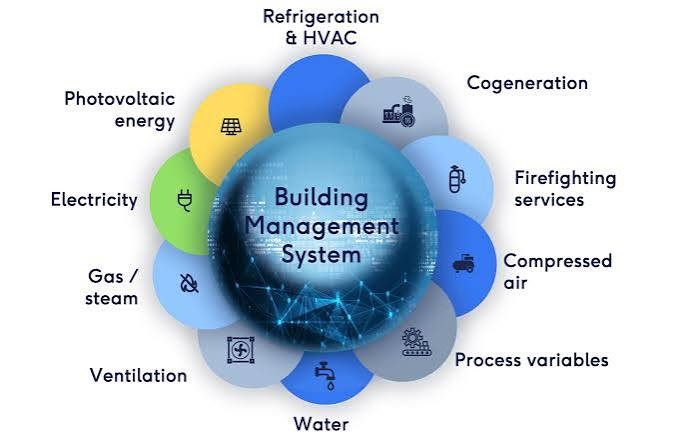
Modern buildings require efficient systems to manage electricity, lighting, air conditioning, ventilation, security and other essential building services. As commercial properties become more technologically advanced, Building Management Systems (BMS) are increasingly important for improving building performance, reducing operating costs and simplifying facility management.
In Uganda, the demand for modern building technologies is growing as property developers, businesses, hotels, hospitals, shopping centres and office complexes invest in more efficient and intelligent building infrastructure.
A Building Management System allows different building services to be monitored and controlled through a centralised platform. Instead of managing lighting, heating, ventilation, air conditioning and other systems independently, facility managers can use an integrated system to monitor building operations and automate selected functions.
Whether you are developing a new commercial building, upgrading an existing property or improving facility management operations, installing a suitable BMS can provide significant operational advantages.
This guide explains Building Management Systems in Uganda, including their components, features, benefits, applications, installation process, costs and important considerations when choosing a professional building automation company.
What Is a Building Management System (BMS)?
A Building Management System (BMS), also known as a Building Automation System (BAS), is a computer-based platform used to monitor, control and manage various mechanical and electrical services within a building.
It connects different building systems through sensors, controllers, communication networks and centralised software.
Depending on the building design, a BMS can manage:
- Heating, ventilation and air conditioning (HVAC).
- Lighting control systems.
- Electrical power monitoring.
- Energy management systems.
- Access control systems.
- Security and surveillance equipment.
- Water supply and pumping systems.
- Fire alarm status monitoring.
- Indoor environmental monitoring.
- Equipment performance and fault alerts.
For example, a BMS can monitor indoor temperatures and coordinate compatible HVAC equipment to maintain the desired conditions. It can also manage lighting schedules and alert facility managers when selected equipment develops a fault.
The main objective is to improve building performance by providing better control, monitoring and coordination of different building services.
How Does a Building Management System Work?
A Building Management System works by collecting information from sensors and connected equipment installed throughout a property.
The information is transmitted to controllers, which process the data and execute programmed instructions.
The system can then communicate with connected equipment to adjust operations automatically or provide information to facility managers.
A typical BMS operates through four main stages:
1. Data collection: Sensors monitor conditions such as temperature, humidity, occupancy, lighting levels, equipment status and energy consumption.
2. Data processing: Controllers receive information and compare it with programmed operating requirements.
3. System control: The BMS sends instructions to compatible equipment, such as HVAC units, lighting controllers, pumps and ventilation systems.
4. Monitoring and reporting: Facility managers use a central interface to monitor system performance, receive alerts and review available operational information.
For example, when a meeting room becomes unoccupied, an appropriately configured system may reduce air conditioning demand and switch off selected lighting circuits.
This coordinated approach makes it easier to manage building operations and identify inefficiencies.
Main Components of a Building Management System
A reliable BMS installation combines several hardware and software components that work together to manage building services.
1. Sensors and Monitoring Devices
Sensors collect information about the building’s operating conditions.
Common sensors include:
- Temperature sensors.
- Humidity sensors.
- Occupancy sensors.
- Motion detectors.
- Light level sensors.
- Air quality sensors.
- Pressure sensors.
- Water leak detectors.
- Energy monitoring meters.
The collected information helps the BMS understand what is happening within different areas of the building.
2. Controllers
Controllers receive information from sensors and execute programmed instructions.
They communicate with compatible building equipment to manage functions such as temperature control, lighting operation, ventilation and pump operation.
Controllers are essential because they coordinate the automatic operation of connected building systems.
3. Central Monitoring and Control Software
BMS software provides a central interface for monitoring and managing building services.
Facility managers can use computers, control panels or compatible mobile interfaces to:
- Monitor building conditions.
- View equipment operating status.
- Adjust selected system settings.
- Manage operating schedules.
- Receive equipment alerts.
- Review energy information.
- Identify certain operational problems.
4. Communication Networks
Communication networks allow different building devices and controllers to exchange information.
Common building automation communication technologies and protocols include:
- BACnet.
- Modbus.
- KNX.
- LonWorks.
- MQTT in suitable integration environments.
- Manufacturer-specific communication systems.
The selected communication technology should support compatibility between the different building systems.
5. Actuators and Control Equipment
Actuators receive control signals and perform physical actions within the building.
Examples include:
- Motorised valves.
- Damper actuators.
- Relay switches.
- Variable speed drives.
- Lighting control relays.
- Automated control valves.
They allow the BMS to regulate connected equipment according to programmed requirements.
6. Electrical and Control Panels
Control panels provide the electrical and electronic infrastructure required to connect and manage different building automation devices.
They house selected controllers, relays, communication equipment and other control components.
Their design should consider electrical protection, accessibility, equipment ratings and maintenance requirements.
Types of Building Management Systems
Building management solutions vary depending on the size, complexity and requirements of a property.
1. HVAC Management Systems
HVAC management is one of the most common applications of building automation.
These systems monitor and control heating, ventilation and air conditioning equipment.
They can manage:
- Indoor temperature.
- Cooling schedules.
- Ventilation operation.
- Air handling units.
- Fan coil units.
- Chilled water systems.
- Pump operation.
- Equipment operating schedules.
HVAC management is especially important in hotels, hospitals, office complexes and shopping centres where maintaining suitable indoor conditions is essential.
2. Lighting Management Systems
Lighting management systems automate and coordinate lighting throughout a building.
They can use occupancy sensors, daylight sensors, programmable timers and centralised controllers to manage illumination.
Benefits include reduced unnecessary lighting operation, convenient control and improved lighting management.
3. Energy Management Systems
Energy management systems monitor electricity consumption and provide information that helps property owners understand how energy is being used.
Depending on the installation, they can monitor:
- Electricity consumption.
- Demand patterns.
- Selected electrical circuits.
- Equipment operating hours.
- Power quality parameters.
- Energy performance trends.
This information helps facility managers identify opportunities to improve energy efficiency.
4. Security and Access Control Integration
A BMS can integrate with compatible security and access control systems to provide a more coordinated view of building operations.
Applications may include:
- Electronic door access.
- Visitor management.
- Security alarm status.
- CCTV system status.
- Entrance monitoring.
- Selected security event notifications.
Security systems should retain their appropriate independent functions and protection measures.
5. Water Management Systems
Building automation can also monitor selected water-related services.
These may include:
- Water tank levels.
- Pump operating conditions.
- Water pressure.
- Water leak detection.
- Automated pump control.
- Water distribution monitoring.
Such systems are useful in large residential developments, hotels, hospitals and commercial buildings.
6. Integrated Building Management Systems
Integrated BMS solutions connect several building services through a common monitoring and control platform.
For example, an integrated system may coordinate HVAC, lighting, electrical monitoring, water management and selected security functions.
This provides facility managers with a more comprehensive view of building operations.
Benefits of Building Management Systems for Commercial Buildings
Installing a Building Management System offers several benefits to businesses, property developers and facility managers.
1. Improved Energy Efficiency
One of the biggest advantages of a BMS is its ability to improve how energy is used throughout a building.
The system can monitor operating conditions and automatically adjust compatible equipment according to occupancy, schedules and environmental requirements.
For example:
- Air conditioning can adjust according to room occupancy.
- Lighting can switch off in unused spaces.
- Ventilation can operate according to programmed conditions.
- Equipment can follow efficient operating schedules.
- Energy consumption can be monitored across selected circuits.
These functions help reduce unnecessary electricity consumption and support better energy management.
Actual savings depend on building design, equipment efficiency, operating schedules and system configuration.
2. Reduced Building Operating Costs
Commercial buildings require continuous management of lighting, air conditioning, pumps and other electrical and mechanical equipment.
Without proper monitoring, equipment may operate unnecessarily or develop faults that remain undetected.
A BMS can help reduce avoidable operating costs by improving system scheduling, identifying abnormal operating conditions and supporting more effective maintenance.
3. Improved Facility Management
Managing several building services separately can be challenging, particularly in large commercial properties.
A BMS provides a centralised platform where facility managers can monitor selected systems and manage their operation.
This improves visibility and makes it easier to coordinate building services.
4. Enhanced Occupant Comfort
Indoor conditions influence the comfort and experience of people using a building.
A properly configured BMS can help maintain suitable indoor temperatures, ventilation and lighting conditions.
This is particularly valuable in offices, hotels, hospitals, educational institutions and shopping centres.
5. Early Fault Detection and Maintenance Support
Modern BMS platforms can monitor equipment status and identify certain abnormal operating conditions.
For example, the system may alert maintenance teams when:
- An air conditioning unit reports a fault.
- A pump operates outside expected conditions.
- A temperature sensor records unusual readings.
- A ventilation system fails to operate as scheduled.
- A selected electrical circuit records abnormal consumption.
These alerts help maintenance teams investigate problems earlier and plan corrective action.
However, BMS monitoring does not replace physical equipment inspections and professional maintenance.
6. Improved Building Security Management
Integration with compatible access control and security systems allows facility managers to monitor selected security information through a central platform.
This can improve coordination between building operations and security management teams.
7. Better Equipment Performance
A BMS helps coordinate the operation of connected equipment according to programmed requirements.
Appropriate schedules and control settings can reduce unnecessary equipment operation and support more consistent performance.
8. Centralised Monitoring and Reporting
Instead of checking every system separately, facility managers can access information from a central monitoring platform.
Depending on the installed system, reports may cover energy consumption, equipment operating hours, alarms and environmental conditions.
9. Improved Operational Efficiency
Automated building operations reduce the need for repetitive manual adjustments.
Facility managers can focus more attention on maintenance planning, equipment performance and wider property management activities.
10. Support for Sustainable Building Development
Building Management Systems support more efficient building operations by helping property owners monitor and manage energy and other resources.
They can form part of broader sustainability strategies for modern commercial and institutional buildings.
Applications of Building Management Systems in Different Buildings
BMS technology is suitable for many types of properties, particularly buildings with complex electrical and mechanical installations.
1. Office Buildings
Office buildings use different systems to maintain suitable working conditions and support daily operations.
A BMS can manage:
- Air conditioning and ventilation.
- Automated lighting.
- Meeting room occupancy.
- Electricity monitoring.
- Equipment operating schedules.
- Selected access control information.
This helps facility managers coordinate building operations and improve workplace comfort.
2. Hotels and Hospitality Facilities
Hotels require reliable management of guest rooms, restaurants, conference facilities, reception areas and common spaces.
Building management systems can support:
- Guest room temperature control.
- Lighting automation.
- Centralised HVAC monitoring.
- Water pump monitoring.
- Energy management.
- Selected equipment alarms.
- Common-area lighting schedules.
These applications help hotels improve operational management and guest comfort.
3. Hospitals and Healthcare Facilities
Hospitals contain specialised mechanical and electrical systems that require careful monitoring.
BMS applications may include:
- HVAC monitoring.
- Ventilation control in appropriate areas.
- Temperature and humidity monitoring.
- Water system monitoring.
- Energy management.
- Equipment status monitoring.
Critical healthcare environments require specialised engineering, appropriate redundancy and independent life-safety systems. A BMS must not replace dedicated medical, fire alarm or emergency control systems.
4. Shopping Centres and Commercial Complexes
Shopping centres contain multiple retail spaces, public walkways, restaurants, parking areas and service facilities.
A BMS can help coordinate:
- Central air conditioning.
- Common-area lighting.
- Electrical energy monitoring.
- Water pump operation.
- Ventilation systems.
- Selected security integrations.
5. Educational Institutions
Schools, universities and training facilities can use BMS technology to manage classrooms, laboratories, offices, libraries and shared spaces.
Applications include lighting automation, HVAC scheduling, electricity monitoring and water system management.
6. Industrial Buildings and Factories
Industrial properties often operate complex electrical and mechanical equipment.
BMS applications may include monitoring selected ventilation systems, lighting, electrical distribution, pumps and building environmental conditions.
Process control and industrial safety systems may require separate specialised control platforms.
7. Residential Apartments and Housing Developments
Modern residential developments can use building automation to manage shared services and common facilities.
Examples include:
- Common-area lighting.
- Water tank monitoring.
- Pump control.
- Shared ventilation systems.
- Centralised energy monitoring.
- Selected access control integration.
Building Management Systems vs Building Automation Systems
The terms Building Management System (BMS) and Building Automation System (BAS) are often used interchangeably.
Both refer to technologies that monitor and control building services.
However, they may be used differently depending on the project and the technology provider.
A Building Automation System generally describes the automation technology, controllers and communication infrastructure used to control building equipment.
A Building Management System often refers to the wider platform used by facility managers to monitor, coordinate and manage those systems.
In practical commercial building projects, the distinction is not always strict.
The most important consideration is whether the selected system can reliably monitor and control the building services required.
Building Management System Installation Process
Installing a BMS requires detailed planning, electrical expertise and knowledge of mechanical and automation systems.
The installation process should follow a structured approach to ensure compatibility, safety and reliable performance.
Step 1: Building Assessment and Consultation
The first stage involves assessing the building and identifying the services that require monitoring or automation.
The assessment considers:
- Building size and layout.
- Existing electrical infrastructure.
- HVAC equipment.
- Lighting systems.
- Water supply installations.
- Security infrastructure.
- Energy monitoring requirements.
- Future expansion plans.
This information helps determine the appropriate BMS solution.
Step 2: System Design and Planning
After the assessment, a detailed system design is prepared.
The design identifies the equipment, controllers, sensors, communication networks and software required.
It should also establish:
- Building automation architecture.
- Equipment integration requirements.
- Control zones.
- Sensor locations.
- Communication protocols.
- Electrical panel requirements.
- Monitoring and reporting functions.
- Cybersecurity and access arrangements.
Proper design helps prevent compatibility problems during installation.
Step 3: Installation of Sensors and Control Devices
The required sensors and control devices are installed throughout the building.
These may include temperature sensors, humidity sensors, occupancy detectors, pressure sensors, energy meters and other monitoring equipment.
Each device should be positioned appropriately to collect accurate information.
Step 4: Electrical and Communication Infrastructure Installation
The necessary electrical and communication infrastructure is installed.
This may include:
- Control cables.
- Communication cables.
- Electrical conduits.
- Control panels.
- Network connections.
- Distribution board connections.
- Equipment isolation and protection devices.
Installation should be coordinated with the relevant electrical and mechanical contractors.
Step 5: Controller and Software Installation
BMS controllers are installed and connected to the relevant building equipment.
The central monitoring software is configured to communicate with the controllers and display the required building information.
Compatible communication protocols are used to integrate the different devices and systems.
Step 6: System Integration and Programming
The connected equipment is configured according to the building’s operational requirements.
This stage may involve:
- HVAC control programming.
- Lighting automation schedules.
- Equipment operating sequences.
- Temperature control settings.
- Energy monitoring configuration.
- Alarm and notification settings.
- Integration with compatible security systems.
Step 7: Testing and Commissioning
The complete system is tested to verify that all connected components function as intended.
Testing should confirm:
- Accurate sensor readings.
- Reliable controller communication.
- Correct equipment responses.
- Proper lighting and HVAC operation.
- Correct alarm notifications.
- Accurate monitoring information.
- Appropriate operating schedules.
- Safe operation of connected equipment.
Any problems identified should be corrected before final handover.
Step 8: Training and Handover
Facility managers and authorised users should receive training on how to operate the BMS.
The handover should include:
- System operating instructions.
- User access arrangements.
- Equipment documentation.
- Maintenance recommendations.
- Backup and recovery procedures.
- Warranty information.
- Technical support details.
How Much Does a Building Management System Cost in Uganda?
The cost of installing a Building Management System in Uganda varies depending on the size of the property, number of connected systems, equipment specifications and complexity of integration.
A small office may require basic HVAC and lighting monitoring, while a large hotel or commercial complex may require an extensive integrated automation platform.
The main factors affecting BMS installation costs include:
1. Building size: Larger buildings generally require more sensors, controllers, communication infrastructure and control points.
2. Number of systems integrated: Integrating HVAC, lighting, electrical monitoring, water systems and security equipment increases project requirements.
3. Type of BMS technology: Different platforms have different hardware, software, licensing and installation costs.
4. Existing building infrastructure: Older buildings may require additional wiring, network upgrades or equipment modifications.
5. Equipment quality and manufacturer: Controllers, sensors, meters and other automation components vary in specification and price.
6. System complexity: Advanced programming, customised control sequences and integration with different equipment manufacturers can increase costs.
7. Installation and commissioning: Professional design, installation, configuration, testing and user training contribute to the overall investment.
For an accurate quotation, property owners should request a technical site assessment and a detailed proposal outlining equipment, installation, integration and commissioning costs.
Important Factors to Consider Before Installing a BMS
Choosing the right Building Management System requires careful consideration of the building’s operational requirements.
1. Building Requirements
Identify which services need to be monitored and controlled.
Not every building requires a fully integrated automation system. The solution should be appropriate for the property’s size, purpose and complexity.
2. System Compatibility
Ensure that the BMS can communicate with the installed HVAC equipment, lighting controls, meters and other devices.
Open communication protocols can provide greater flexibility, although compatibility must always be verified at the device and application level.
3. Scalability
Choose a system that can accommodate additional equipment, floors and building services as the property expands.
4. Ease of Operation
The monitoring interface should be practical for facility managers and authorised operators.
Clear displays, useful alerts and organised system information make building management easier.
5. Cybersecurity
Connected building systems should be protected against unauthorised access.
Important measures include strong authentication, network segmentation, secure remote access, software updates and controlled user permissions.
6. Maintenance and Technical Support
Consider equipment availability, software support, maintenance requirements and the availability of qualified technicians.
7. Integration with Existing Systems
For existing buildings, assess whether the proposed BMS can work with current electrical and mechanical installations without requiring unnecessary replacements.
8. Professional Installation
BMS installations require coordination between electrical, mechanical, networking and automation professionals.
Working with experienced specialists helps ensure that the system is correctly designed, installed and commissioned.
Common Building Management System Installation Mistakes to Avoid
Poor planning and installation can affect the performance of a BMS.
Common mistakes include:
- Selecting incompatible automation equipment.
- Failing to assess existing building infrastructure.
- Installing sensors in unsuitable locations.
- Ignoring future expansion requirements.
- Poor communication network design.
- Inadequate cybersecurity protection.
- Failing to establish clear control requirements.
- Neglecting system testing and commissioning.
- Failing to train facility management teams.
- Choosing equipment based only on the lowest purchase price.
A properly planned installation helps minimise these challenges and supports long-term system reliability.
Why Choose Professional Building Management System Installation Services in Uganda?
Building Management Systems involve several interconnected technologies, including electrical installations, HVAC controls, sensors, communication networks and automation software.
Professional installation helps property owners achieve an integrated solution that meets their operational requirements.
When choosing a BMS installation company, consider:
- Experience in commercial electrical and mechanical installations.
- Knowledge of building automation technologies.
- Experience with HVAC and lighting integration.
- Understanding of communication protocols.
- Ability to design customised BMS solutions.
- Quality of equipment and installation materials.
- Proper testing and commissioning procedures.
- Technical support and maintenance services.
A reliable installation provider should understand your building’s requirements, inspect the existing infrastructure and recommend a practical solution that supports efficient building operations.
Frequently Asked Questions About Building Management Systems
1. What is a Building Management System (BMS)?
A Building Management System is a computer-based platform that monitors and controls building services such as HVAC, lighting, electrical systems, water installations and selected security equipment.
2. What are the main benefits of a BMS?
The main benefits include improved energy management, reduced unnecessary operating costs, better facility management, improved occupant comfort, equipment monitoring and centralised control.
3. How much does a BMS cost in Uganda?
The cost depends on building size, the number of integrated systems, equipment specifications, existing infrastructure and installation complexity. A technical assessment is necessary for an accurate quotation.
4. What systems can a BMS control?
Depending on the installation, a BMS can monitor and control HVAC, lighting, electrical energy consumption, water pumps, ventilation and selected security systems.
5. What is the difference between BMS and BAS?
BMS stands for Building Management System, while BAS stands for Building Automation System. Both refer to technologies used to automate and manage building services, although their exact meaning can vary between projects and providers.
6. Is a BMS suitable for small office buildings?
Yes. Smaller commercial properties can benefit from basic building automation, including lighting controls, HVAC scheduling and energy monitoring.
7. Can a BMS be installed in an existing building?
Yes. Many existing buildings can be upgraded with building automation technologies. The installation approach depends on existing equipment, wiring, communication infrastructure and compatibility.
8. Does a Building Management System reduce electricity consumption?
Yes. A properly designed BMS can reduce unnecessary energy consumption through automated lighting, HVAC scheduling, occupancy-based controls and equipment monitoring.
9. What is the difference between BMS and smart home automation?
Smart home automation mainly focuses on residential convenience, security and appliance control. A BMS is generally designed for larger and more complex building environments, with greater emphasis on facility operations, equipment monitoring and coordinated building services.
10. Who should install a Building Management System?
A qualified building automation specialist working with experienced electrical and mechanical professionals should handle BMS design, installation, integration, programming and commissioning.
Conclusion: Invest in Modern Building Management Systems in Uganda
Building Management Systems are transforming the way modern commercial and institutional properties operate.
By integrating HVAC, lighting, electrical monitoring, water management and selected security systems, a BMS provides a centralised approach to managing essential building services.
For businesses and property developers in Uganda, investing in a suitable building management system can improve energy efficiency, simplify facility management, support equipment maintenance and create more comfortable environments for occupants.
Whether you are developing a new office complex, upgrading a hotel, managing a hospital or improving an existing commercial property, the right BMS can provide long-term operational advantages.
Successful implementation requires proper planning, compatible equipment, professional installation, secure system configuration and thorough commissioning.
Looking for professional Building Management System installation and building automation services in Uganda? Contact Daltrevco for reliable electrical installations, building automation solutions and integrated building services designed for modern residential, commercial and industrial properties. Let Daltrevco help you create smarter, more efficient and better-managed buildings.

